Phyllolithodes papillosus
A small, heart-patterned crab found on cold-water dives across British Columbia, in water as chilly as 7.5 to 13.5°C, year-round.
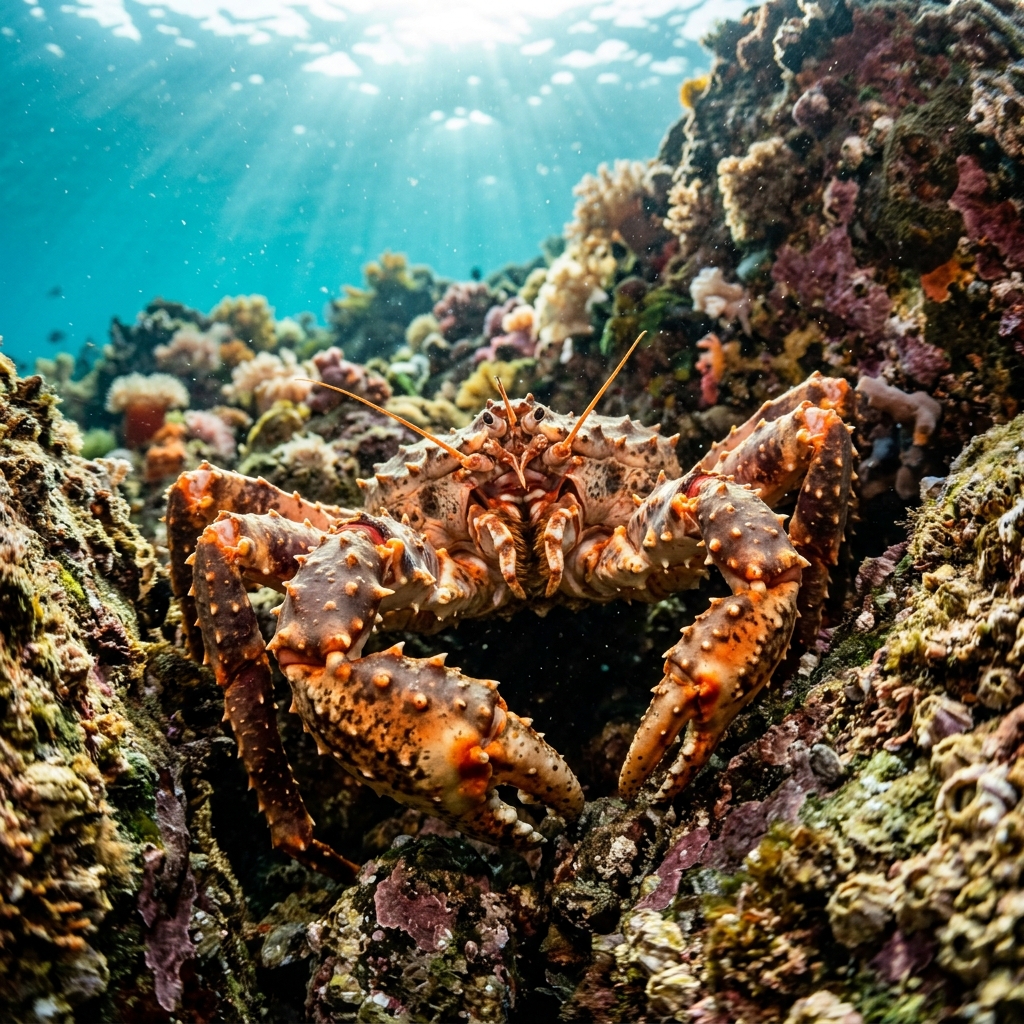
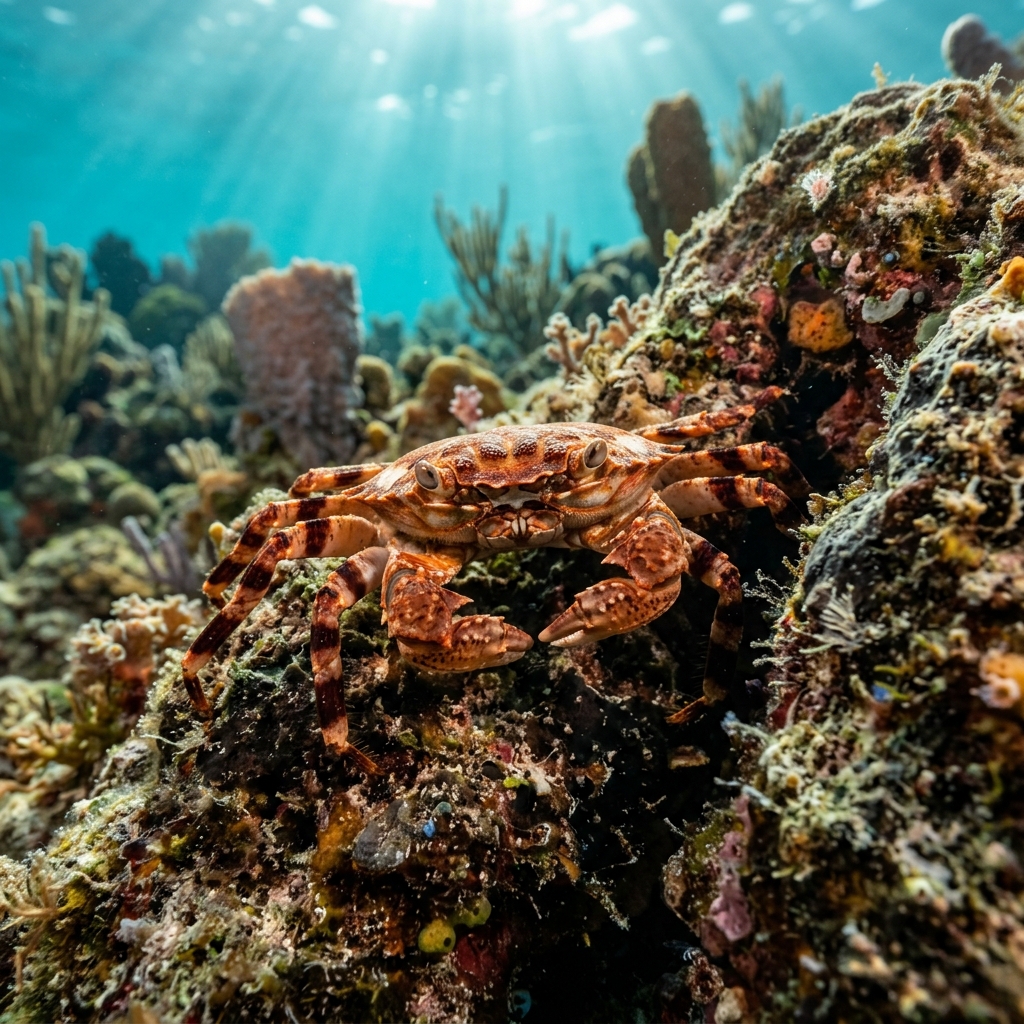
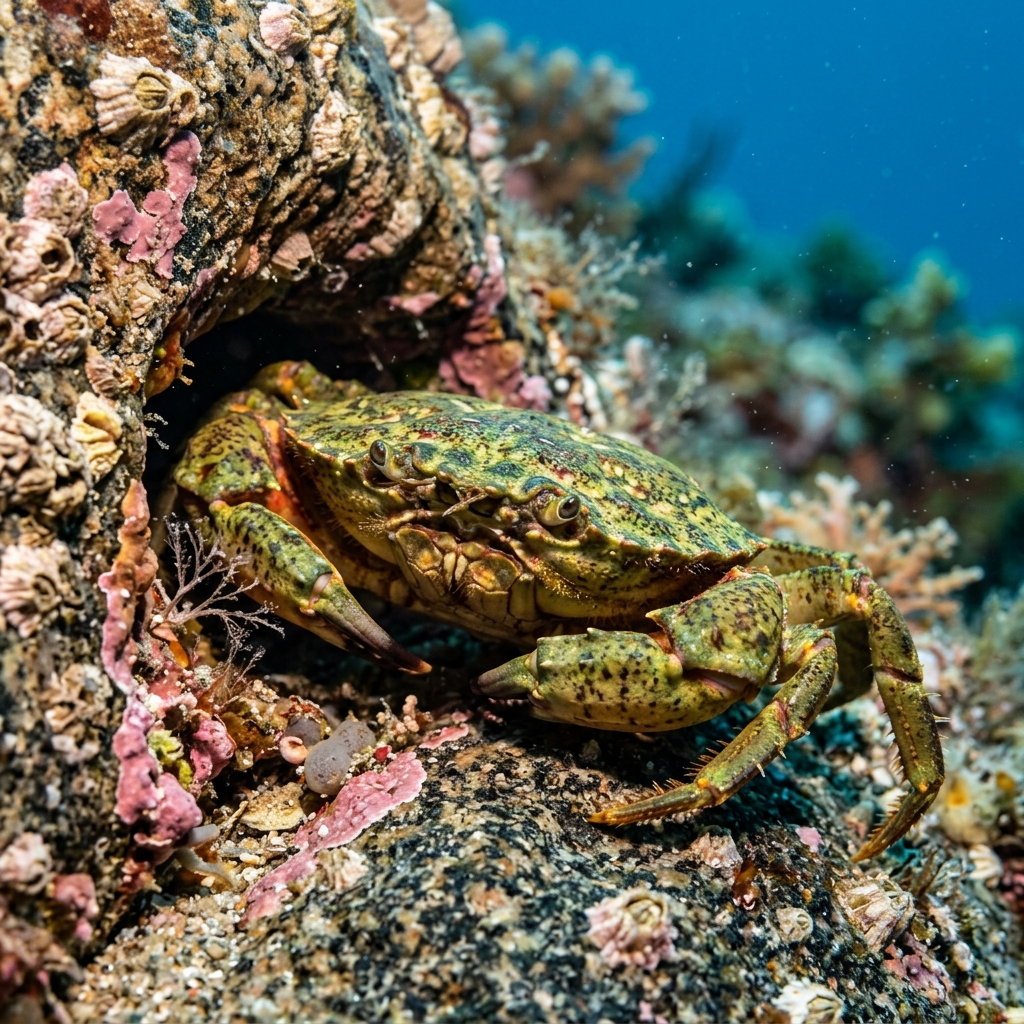
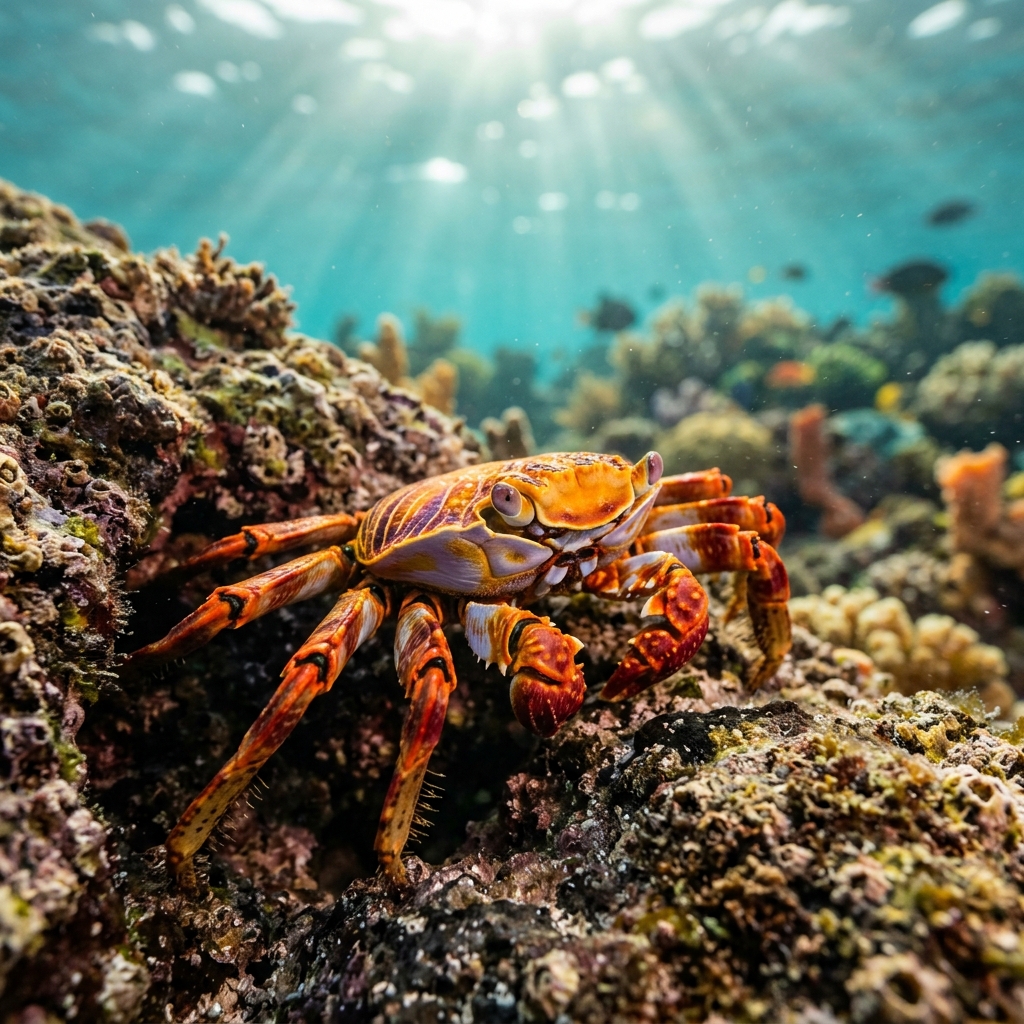
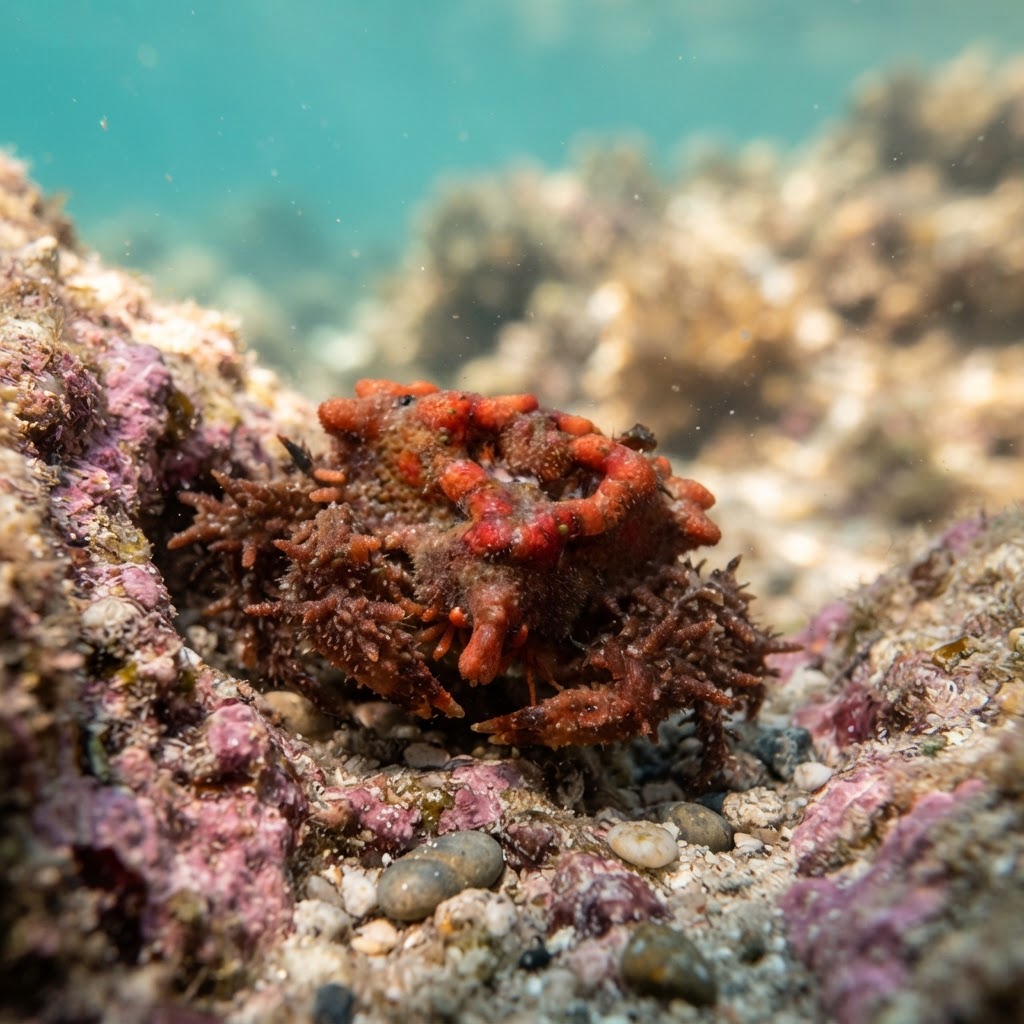
Small crab, around 6 cm across the carapace (shell), with a distinctive heart-shaped pattern of raised, smooth-edged plates on its back that gives the species its name. The shell is typically pale pink to reddish with contrasting darker markings tracing the heart outline, and the legs carry small spines. Its compact, almost triangular body shape combined with that carapace pattern is the single best giveaway underwater.
Usually found tucked among rocks, cobble, or low reef structure rather than out in the open, which is part of why it's logged as uncommon to rare at most sites. It moves slowly and shows little reaction to divers, making it an easy subject for a macro photo once you've spotted it. Look at it during daylight dives along rocky substrate rather than sand or silt.
The heart-shaped pattern on its carapace comes from the arrangement of smooth, rounded plates rather than pigmentation alone, giving the crab a sculpted, almost decorated look distinct from most other lithodid (king crab family) species.
Sightings show no clear seasonal pattern, so treat this as a year-round find on cold-water dives, consistent with its observed range of 7.5 to 13.5°C. Divers in British Columbia and the Pacific Northwest can look for it on any dive rather than planning around a particular month.
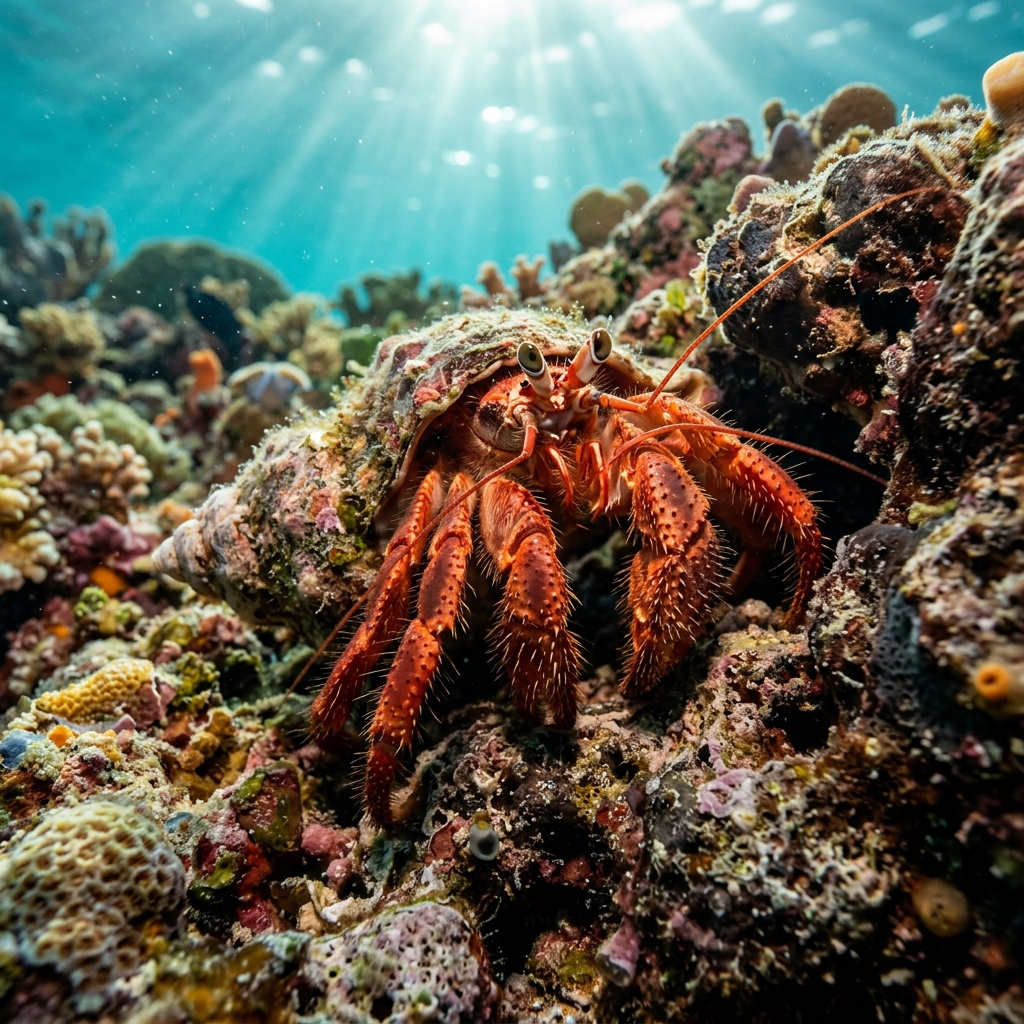
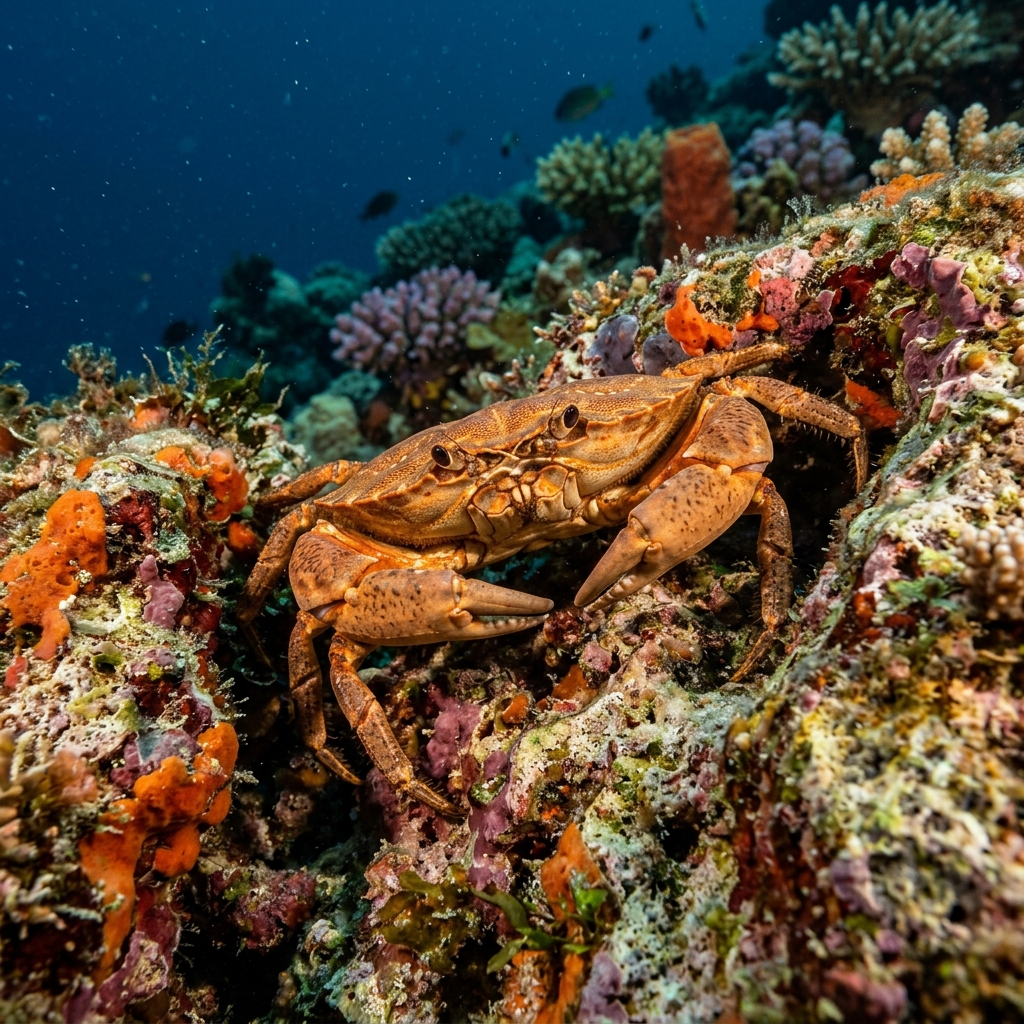
Reef neighbours a diver could mistake it for. Use the identification notes above to tell them apart.
Most reliably logged in British Columbia, Canada, which accounts for the bulk of recorded sightings, with further records from the Pacific Northwest and Alaska in the United States. It's a cold-water species tied to the rocky reefs of the northeast Pacific rather than tropical dive destinations.
Mapping where Heart Crab is logged…
British Columbia, Canada is by far the most consistent place to find it, with additional sightings in the Pacific Northwest and Alaska in the United States. It's a northeast Pacific species tied to cold, rocky reef habitat.
There's no strong seasonal pattern in sightings, so it's considered a year-round find. Its comfort range of roughly 7.5 to 13.5°C matches typical Pacific Northwest and British Columbia dive conditions throughout the year.
Look for a small crab, about 6 cm across, with a heart-shaped pattern of smooth raised plates on its carapace, usually pink to reddish with darker markings. Its compact, spiny-legged body and slow movement among rocky crevices help confirm the ID.
They stay small, typically around 6 cm across the carapace, making them an easy species to overlook unless you're looking closely at rocky reef structure.
No, they pose no danger to divers. They're small, slow-moving, and tend to stay tucked into rocky habitat rather than interacting with divers at all.
The heart-shaped arrangement of smooth carapace plates on its back is unique among crabs divers commonly encounter in the northeast Pacific, and it's the feature responsible for its common name.
Site and sighting data is aggregated from diver logs, iNaturalist and GBIF. For taxonomy and conservation status:
European Green Crab
2,469 sites