Halichoeres hartzfeldii
A small, uncommon wrasse turning up on reefs across the Visayas and Luzon in the Philippines, year-round in 24 to 29C water.
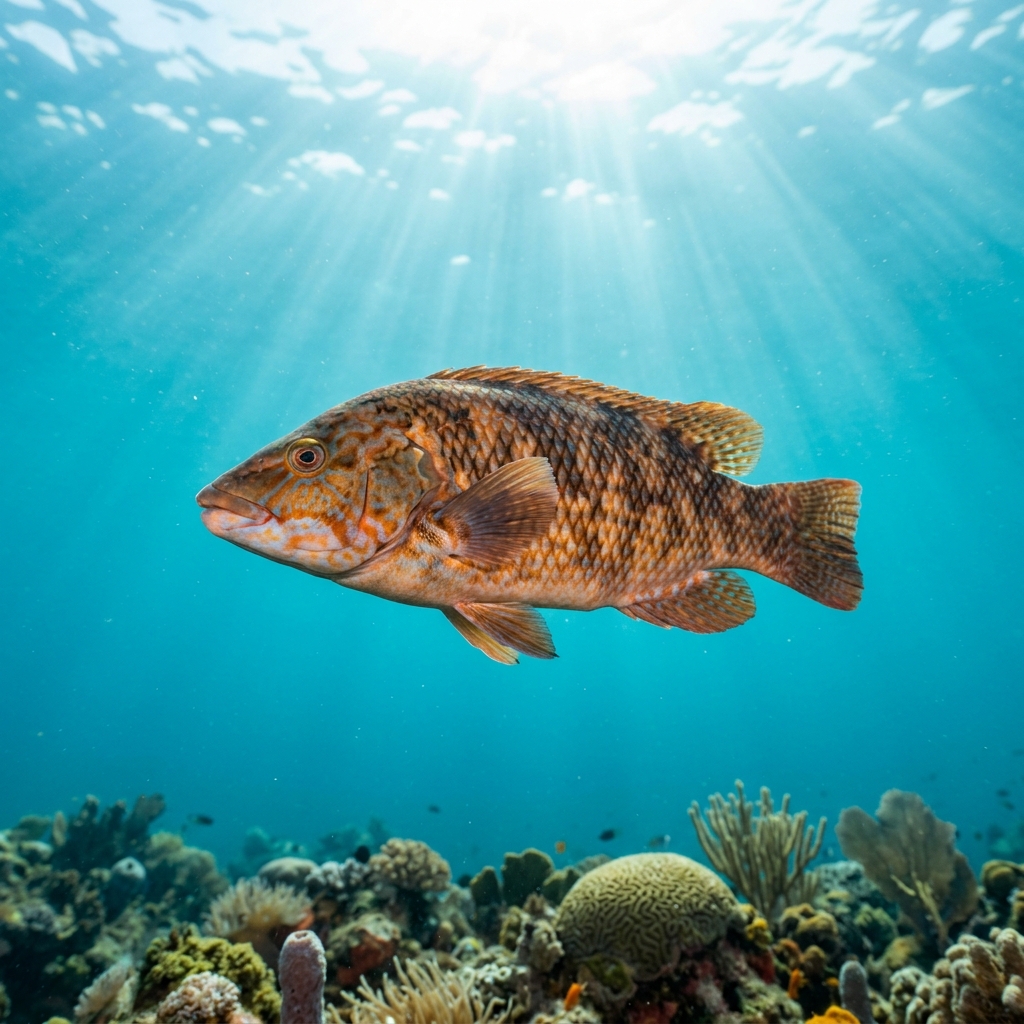
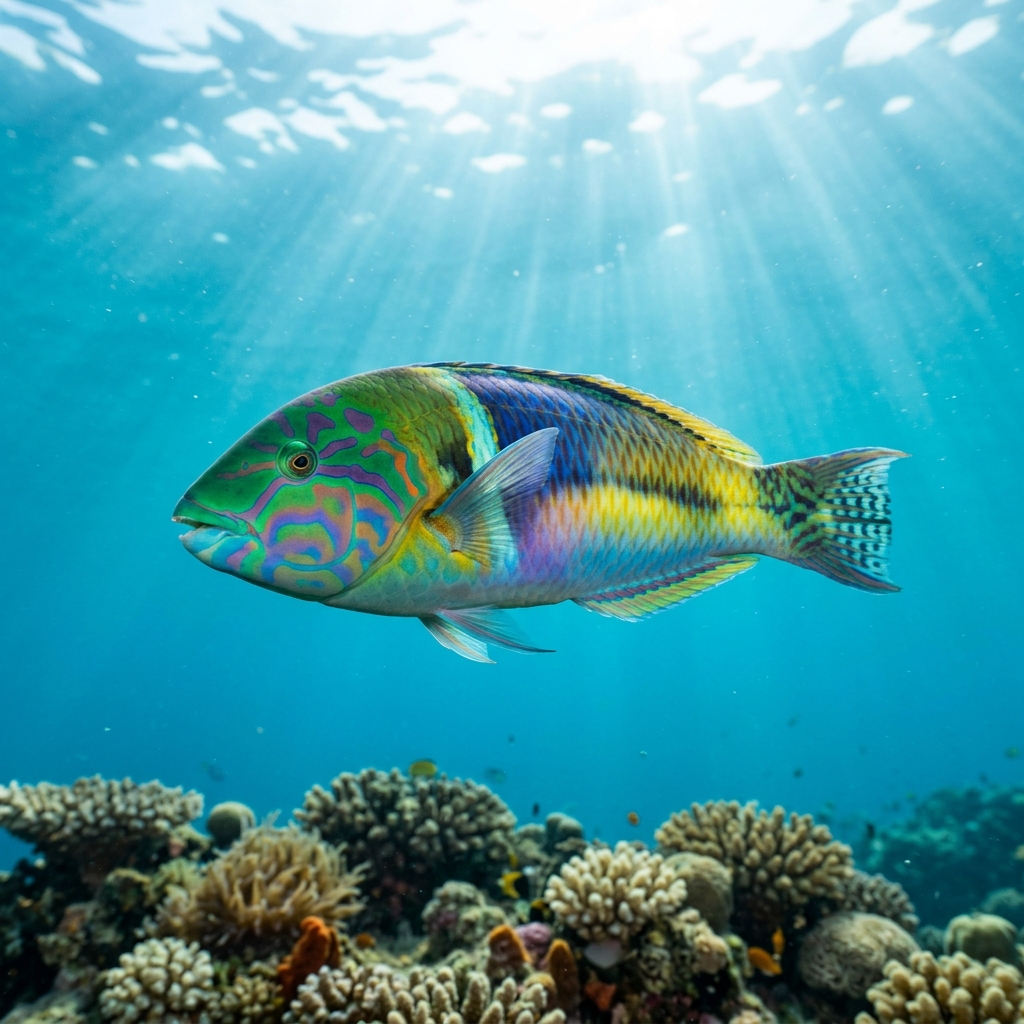
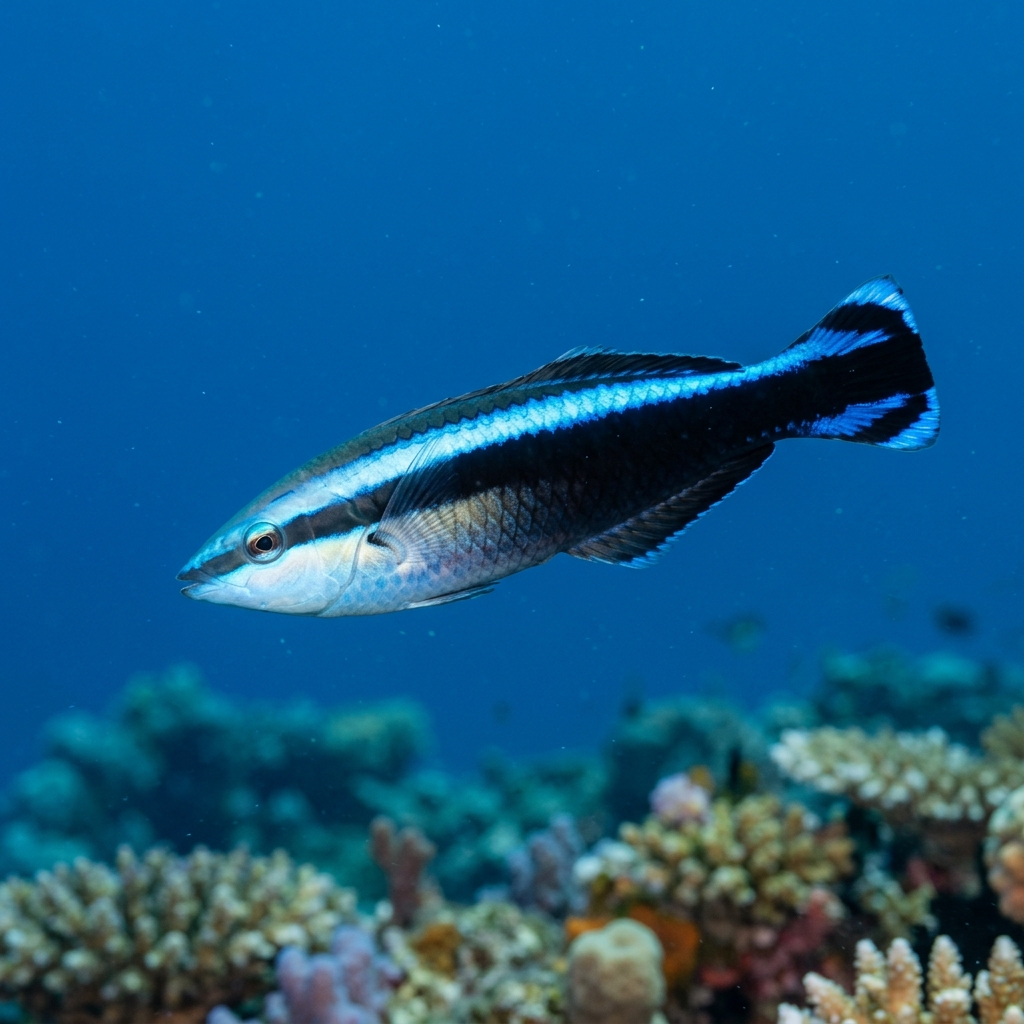
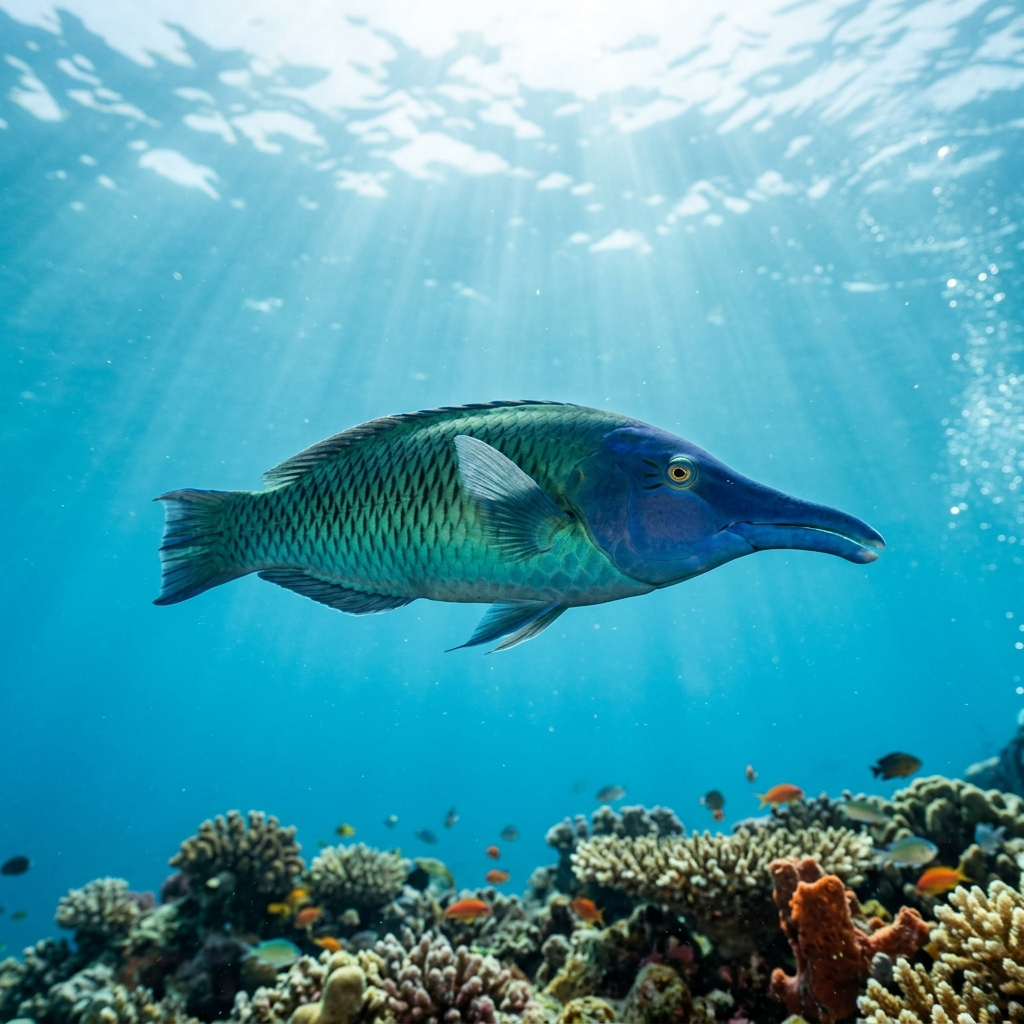
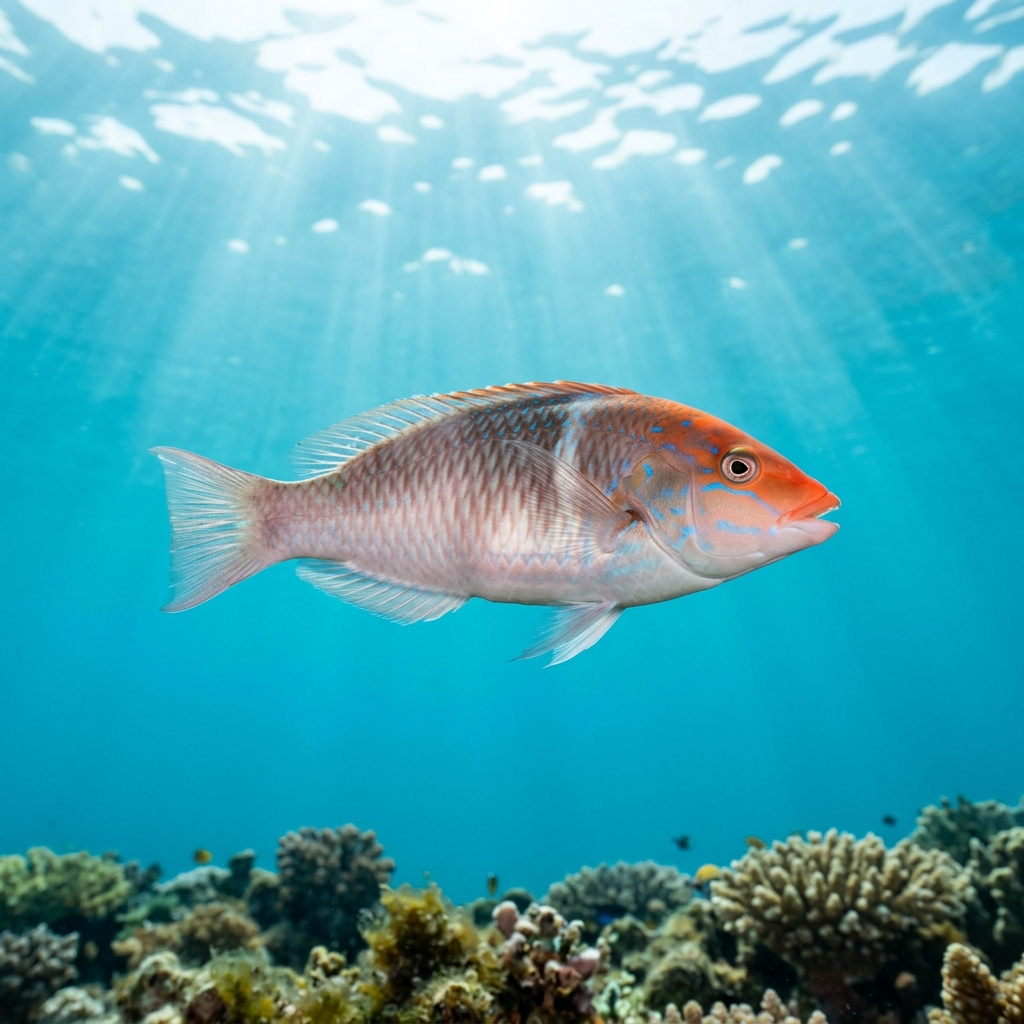
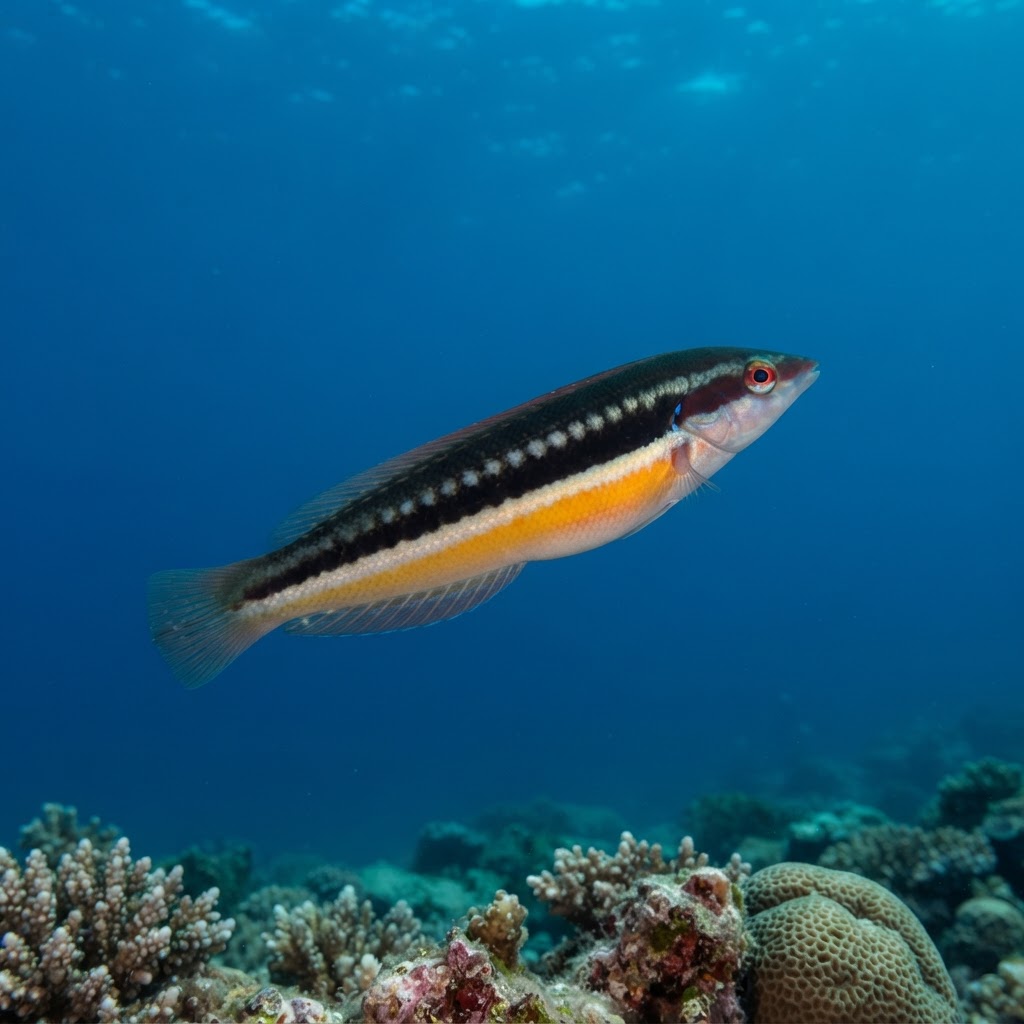
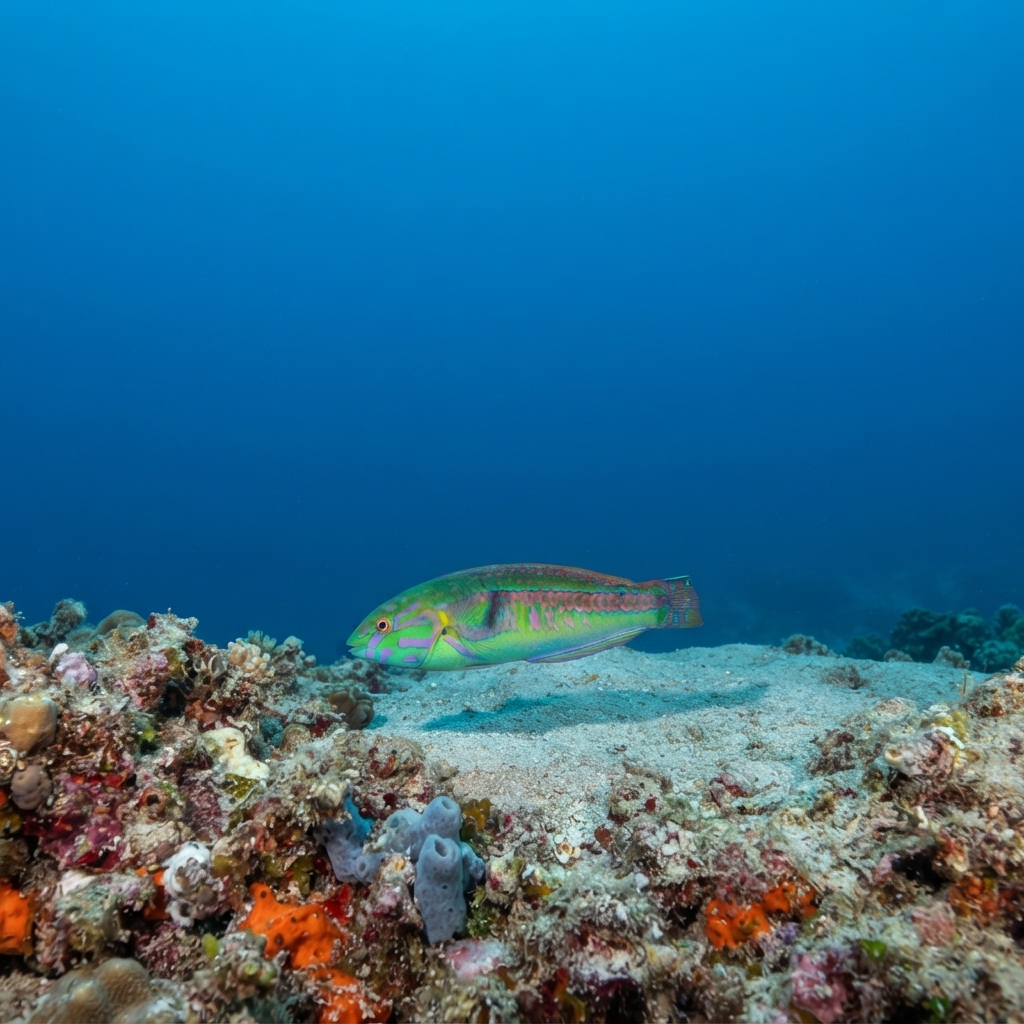
A slim, small-bodied wrasse topping out around 12 cm, so it reads as a quick, low-profile shape darting near the reef rather than anything bulky. Look for the typical wrasse swimming style, a rapid pectoral-fin flutter close to the substrate, combined with a slender body and a pointed snout. It rarely holds still long enough for a leisurely ID, so divers usually key on size and behaviour more than a single standout mark.
Divers typically find it working low over reef structure and rubble patches, picking at small invertebrates rather than schooling or displaying. It tends to keep its distance and duck for cover among coral rather than approach divers, so slow, low approaches give the best look. Most logs describe it as an uncommon find rather than something you stumble on every dive, so patience around the right habitat pays off.
Like many Halichoeres wrasses, it likely buries itself in sand at night and when startled, a defence shared across the genus that helps it disappear from view almost instantly.
No clear seasonal pattern shows up in the sighting data, and its comfort range of roughly 24 to 29C matches tropical reefs year-round, so any month should work at the sites where it is known.
Most reliably logged in the Philippines, especially across the Visayas and Luzon, with a smaller but steady presence in Indonesia, notably Bali and Sulawesi. Isolated sightings also come from Dili in Timor-Leste and Sai Kung in Hong Kong, but the Philippines is by far the strongest bet.
Mapping where Hartzfeld's Wrasse is logged…
The strongest sightings come from the Philippines, particularly the Visayas and Luzon regions, with additional records from Bali and Sulawesi in Indonesia. Occasional logs also exist from Timor-Leste and Hong Kong.
There is no strong season in the data, and its preferred water temperature of about 24 to 29C is available on tropical reefs throughout the year, so sightings are possible in any month.
Look for a small, slender wrasse around 12 cm long, moving with the quick fluttering swim typical of the genus low over reef and rubble. It lacks one dramatic marking, so size, shape, and its darting reef-hugging behaviour are the main clues.
They stay small, typically reaching around 12 cm as adults, which keeps them easy to overlook against busier reef backgrounds.
No, it poses no danger to divers and is simply a small reef fish that keeps its distance.
Like other wrasses in the Halichoeres genus, it is thought to dive into sand to hide or sleep, a quick disappearing act that can make an already uncommon fish even harder to relocate.
Site and sighting data is aggregated from diver logs, iNaturalist and GBIF. For taxonomy and conservation status:
Bird Wrasses
3,632 sites