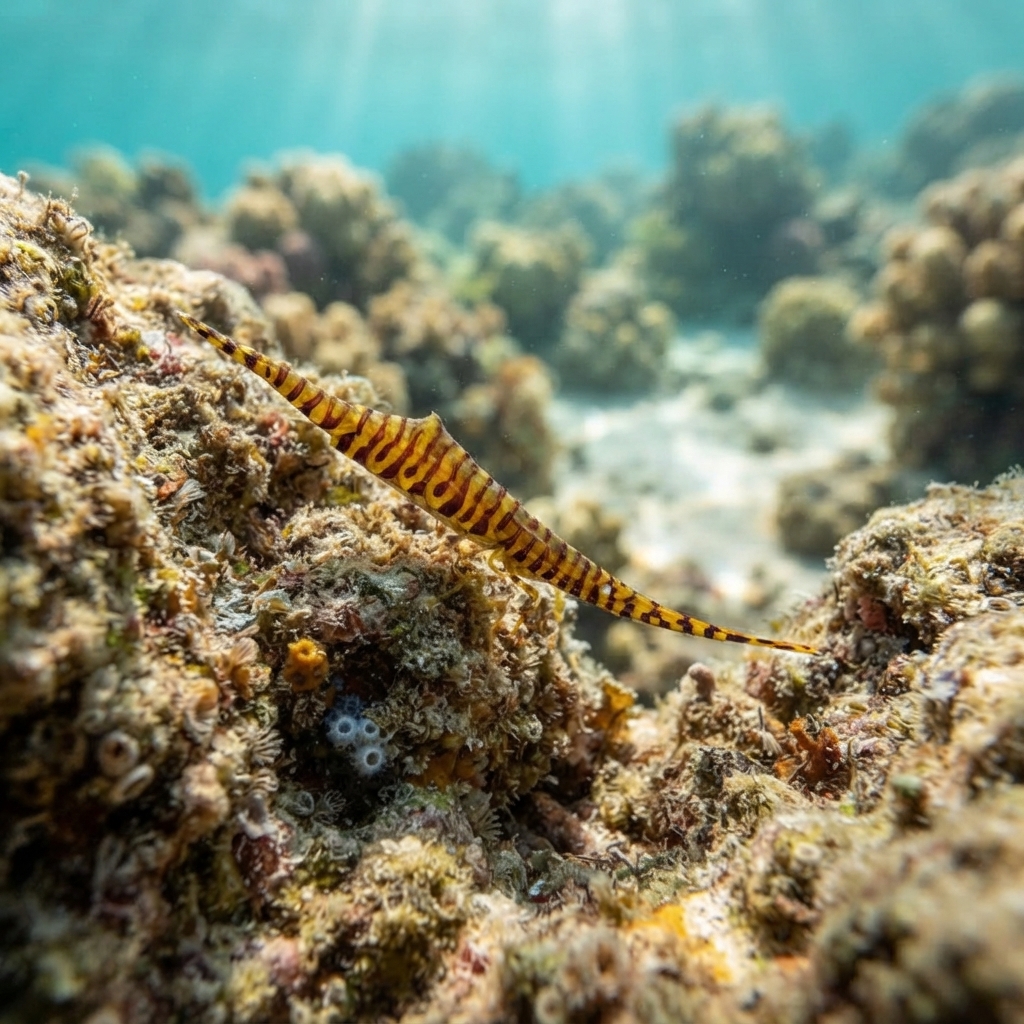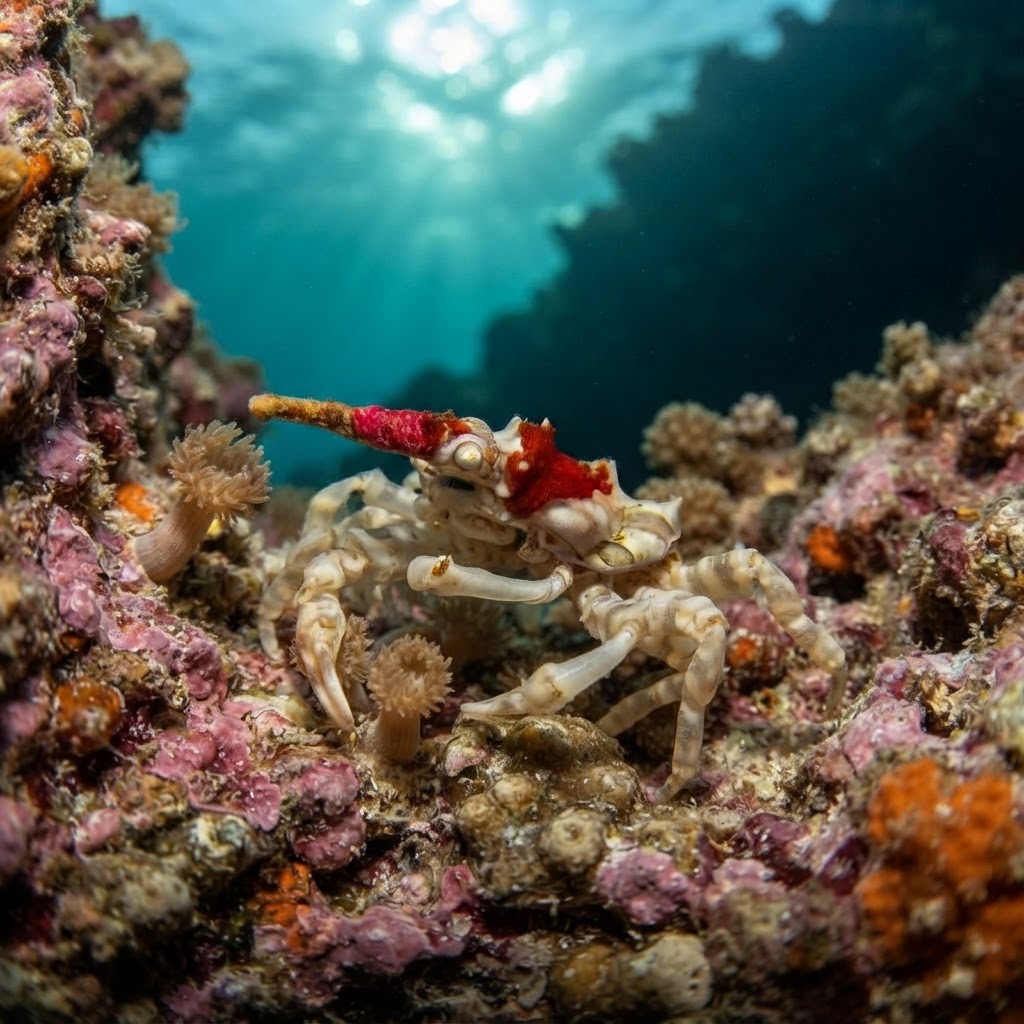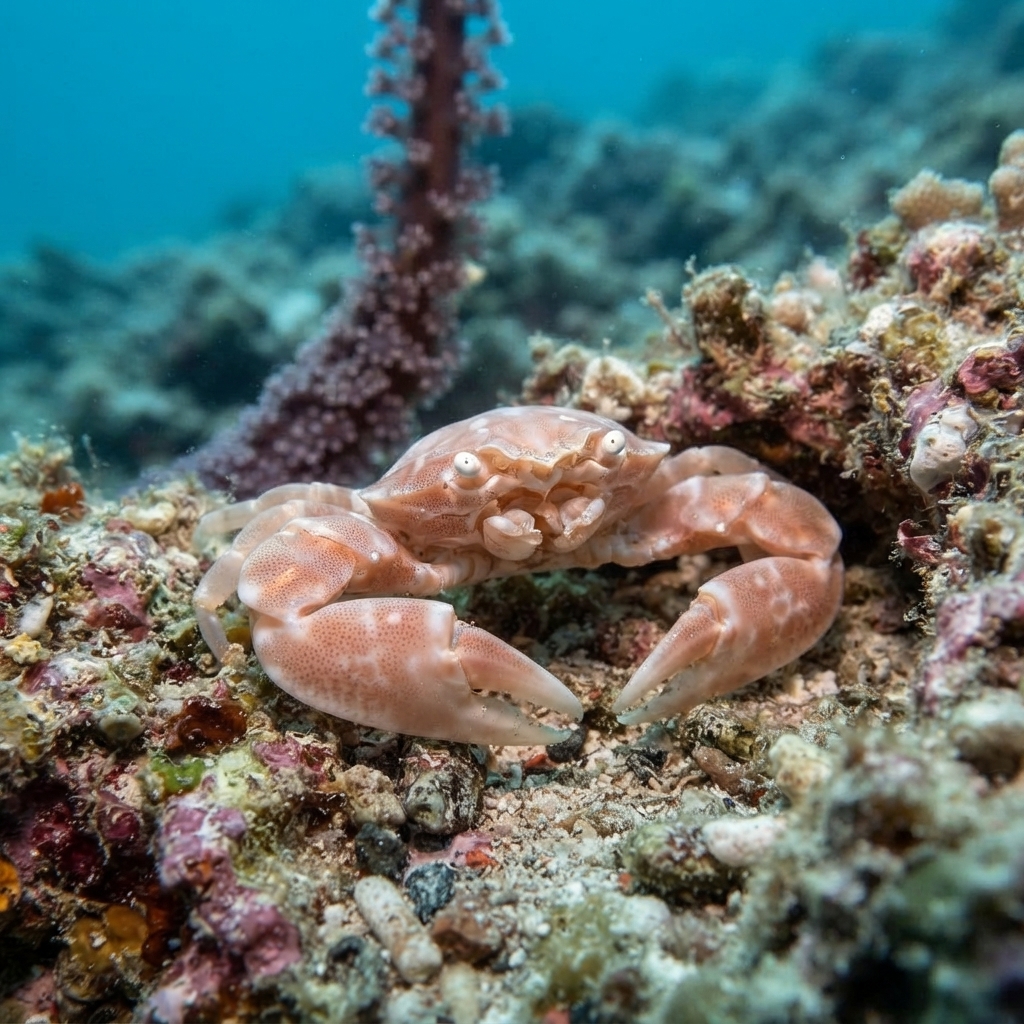
Porcellanella haigae
Tiny, translucent, and easy to miss on a sea fan. Look for Haig's Porcelain Crab in West Papua and Bali, year-round in 25-31C water.
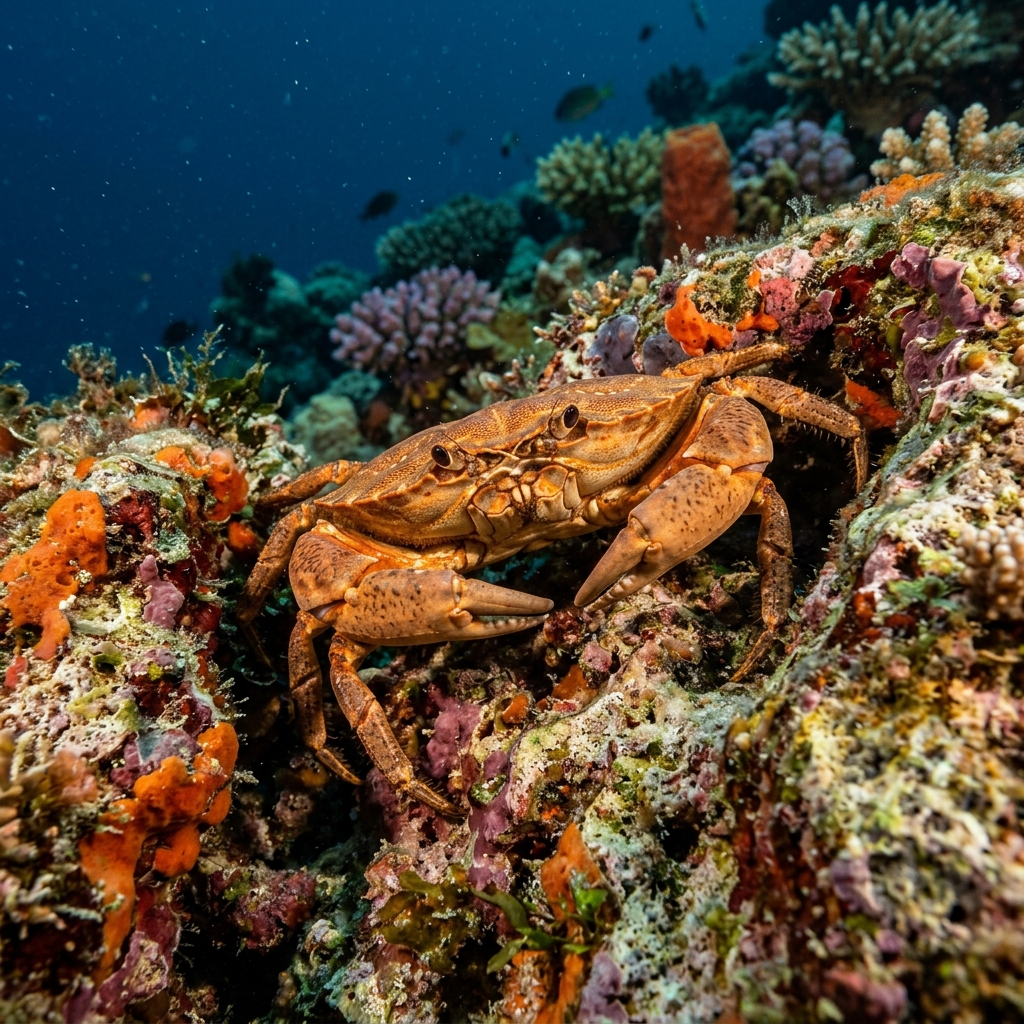
A tiny, flattened crab with a fan-shaped body and long, slender walking legs that let it hug the branches of its host gorgonian without snagging. Its body is translucent to pale, often patterned faintly to match the coral it lives on, which makes it disappear against the skeleton unless a torch beam catches the outline. Like other porcelain crabs it holds its claws close to the body and can shed a leg readily if grabbed, so it is best spotted by scanning slowly rather than touching anything.
Sits motionless on the branches of its host gorgonian or sea fan for long stretches, only shifting position to filter-feed by fanning its feathery mouthparts through the current. Divers usually find it during slow macro passes along reef walls or current-swept slopes rather than open sand, and it tends to hold still rather than bolt when a light is shone on it. Best looked for at typical macro depths between 10 and 30 metres where its host gorgonians grow thickest.
Like other members of its family it feeds by combing plankton out of the water with modified mouthparts rather than actively hunting, relying entirely on its gorgonian host for both camouflage and a steady current of food.
Sightings run year-round with no detected seasonal pattern, which fits its comfort range of roughly 25 to 31C found on tropical Indo-Pacific reefs in every month logged.
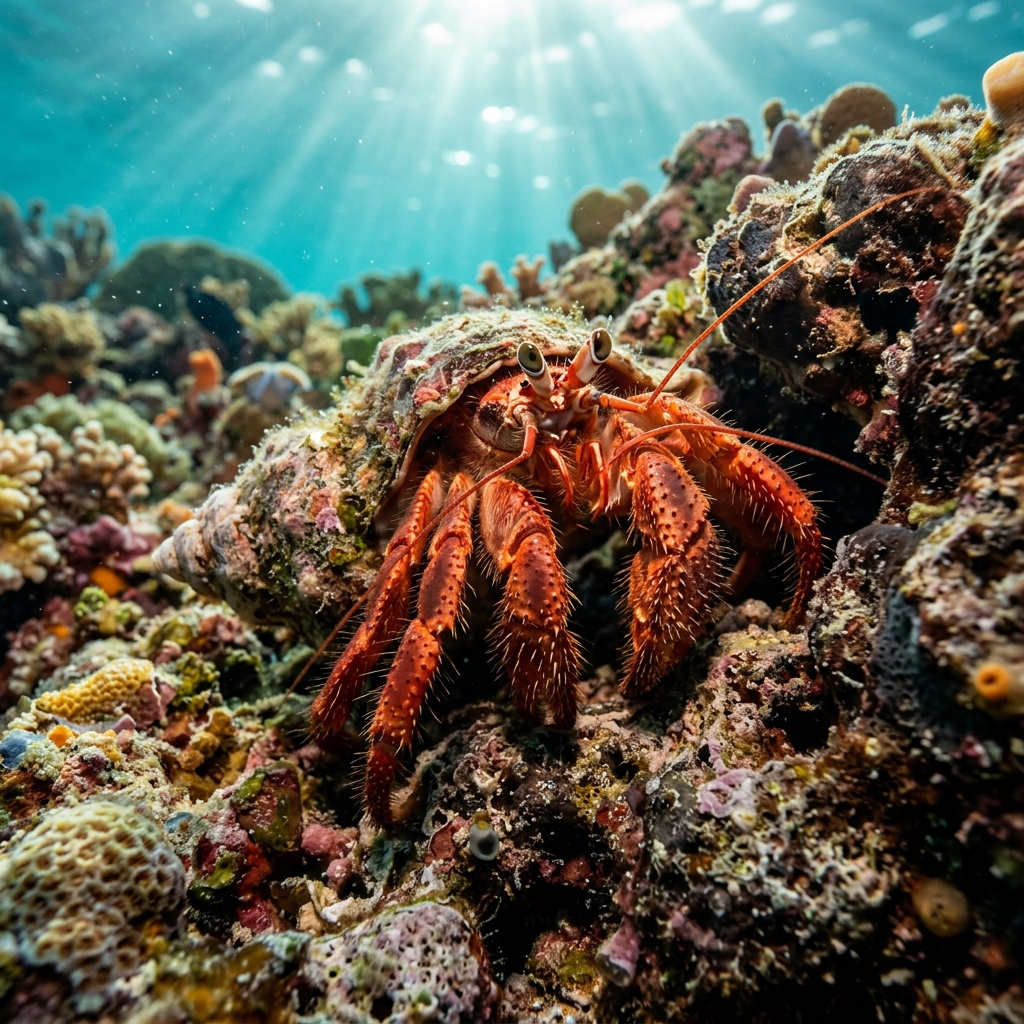
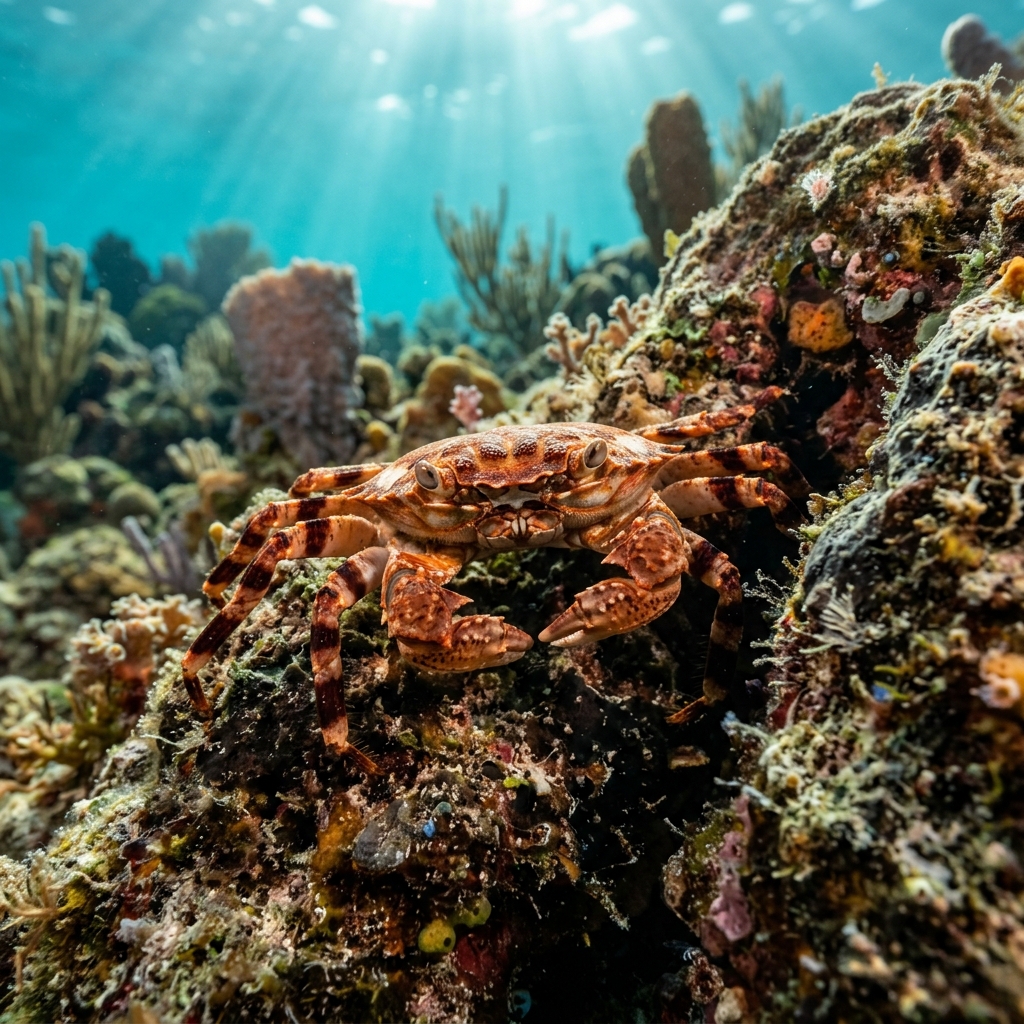
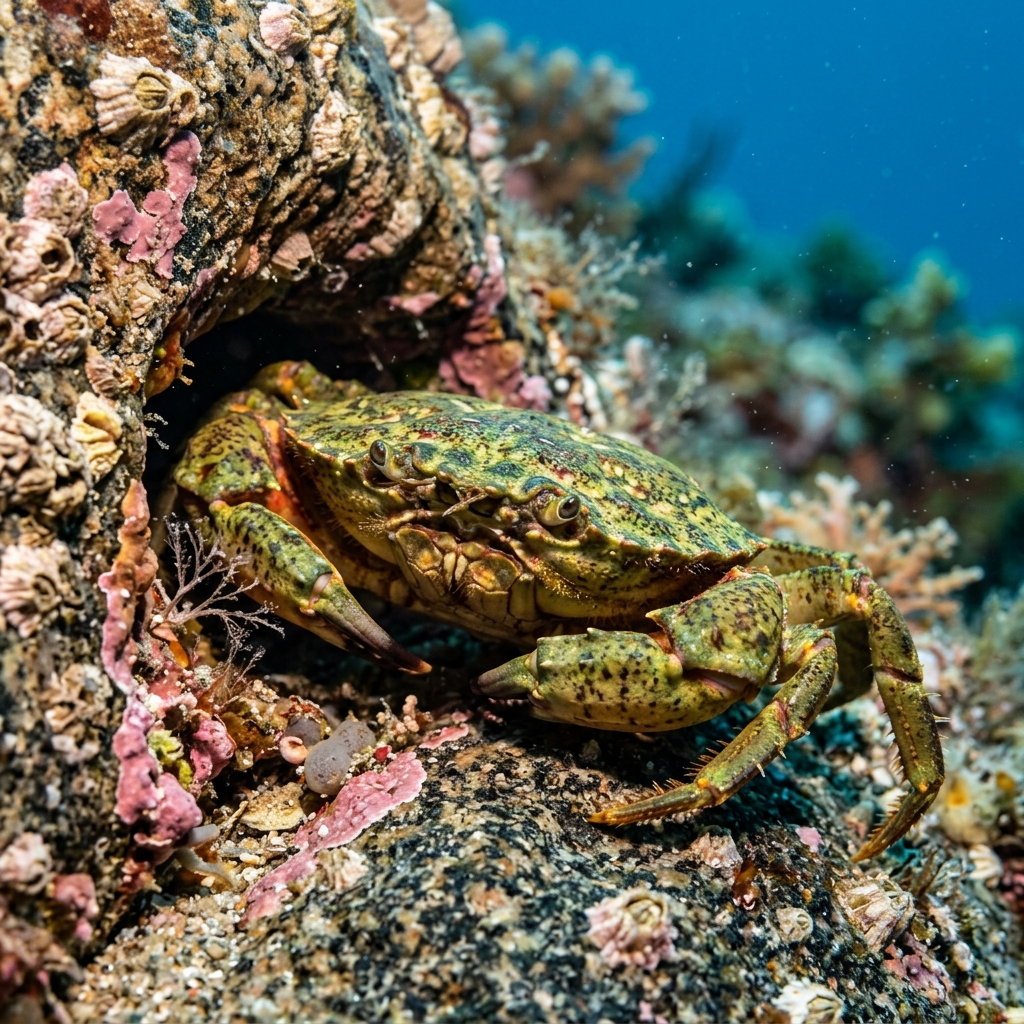
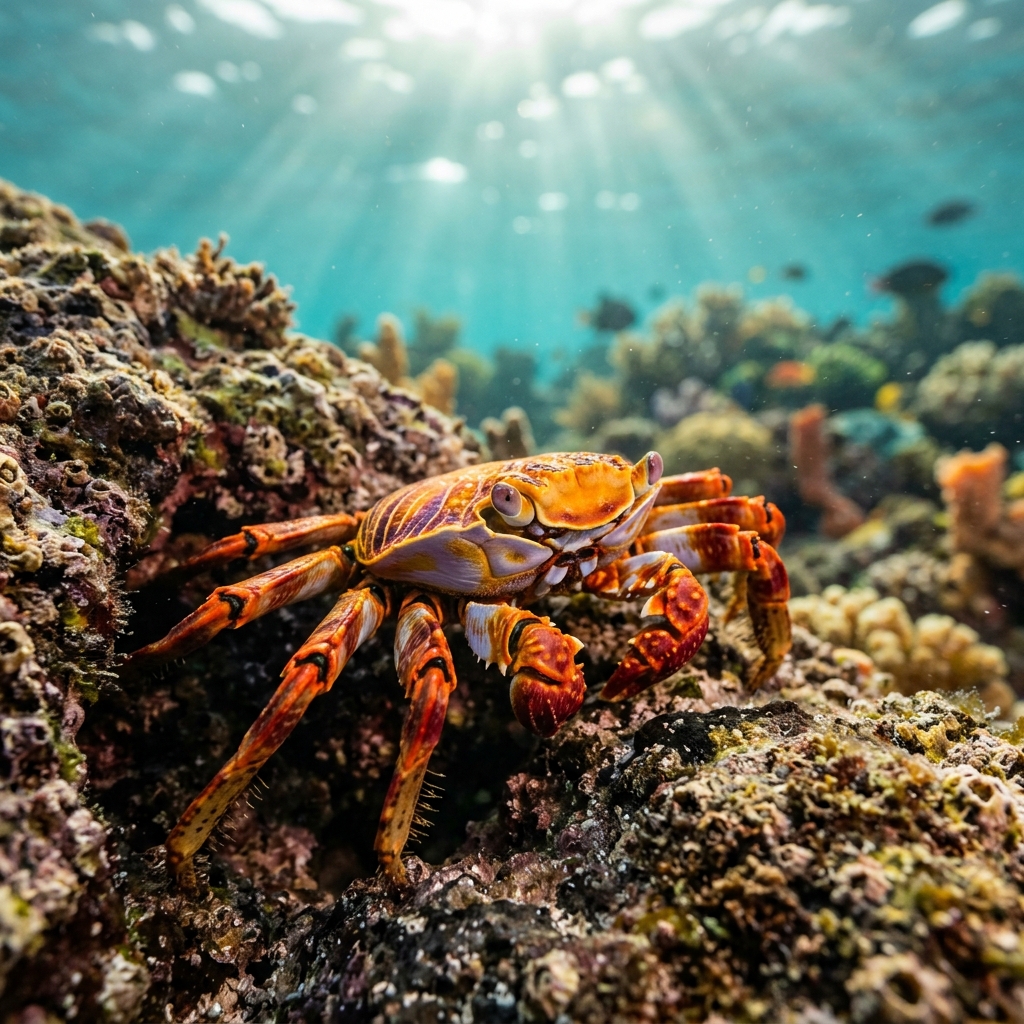
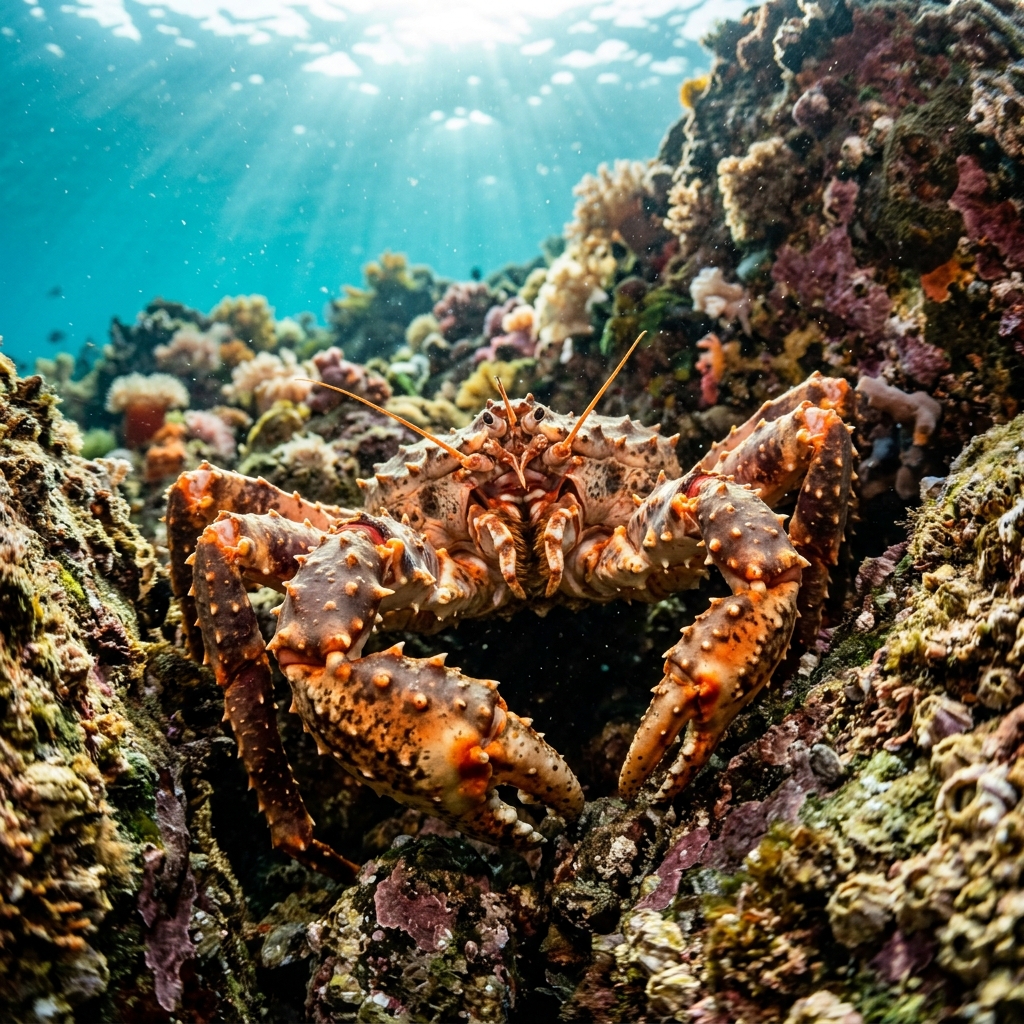
Reef neighbours a diver could mistake it for. Use the identification notes above to tell them apart.
Most reliably logged on reefs in Indonesia, especially West Papua and Bali, with a further cluster of sightings in Sulawesi. The Philippines is the other strong option, with most records coming from the Visayas region.
Mapping where Haig's Porcelain Crab is logged…
Indonesia is the strongest bet, particularly West Papua, Bali, and Sulawesi, with the Philippines a reliable second option centred on the Visayas region.
There is no clear season in the sighting data, so it is considered a year-round find on the warm Indo-Pacific reefs where it lives, generally in water between 25 and 31C.
Look for a small, flat, translucent crab pressed against the branches of a gorgonian sea fan, with long thin legs wrapped around the coral skeleton. It rarely moves far, so a slow scan with a torch is the best way to pick out its outline.
Exact size figures are not well documented, but like other porcelain crabs it is tiny, easily overlooked without a close macro look at its host gorgonian.
No, it poses no danger to divers. It is a harmless, sedentary filter-feeder that stays put on its host coral and has no means of harming a diver.
Despite the name, it is not a true crab but a member of the porcelain crab family, which feeds by filtering plankton from the water rather than hunting like typical crabs.
Site and sighting data is aggregated from diver logs, iNaturalist and GBIF. For taxonomy and conservation status:
European Green Crab
2,469 sites