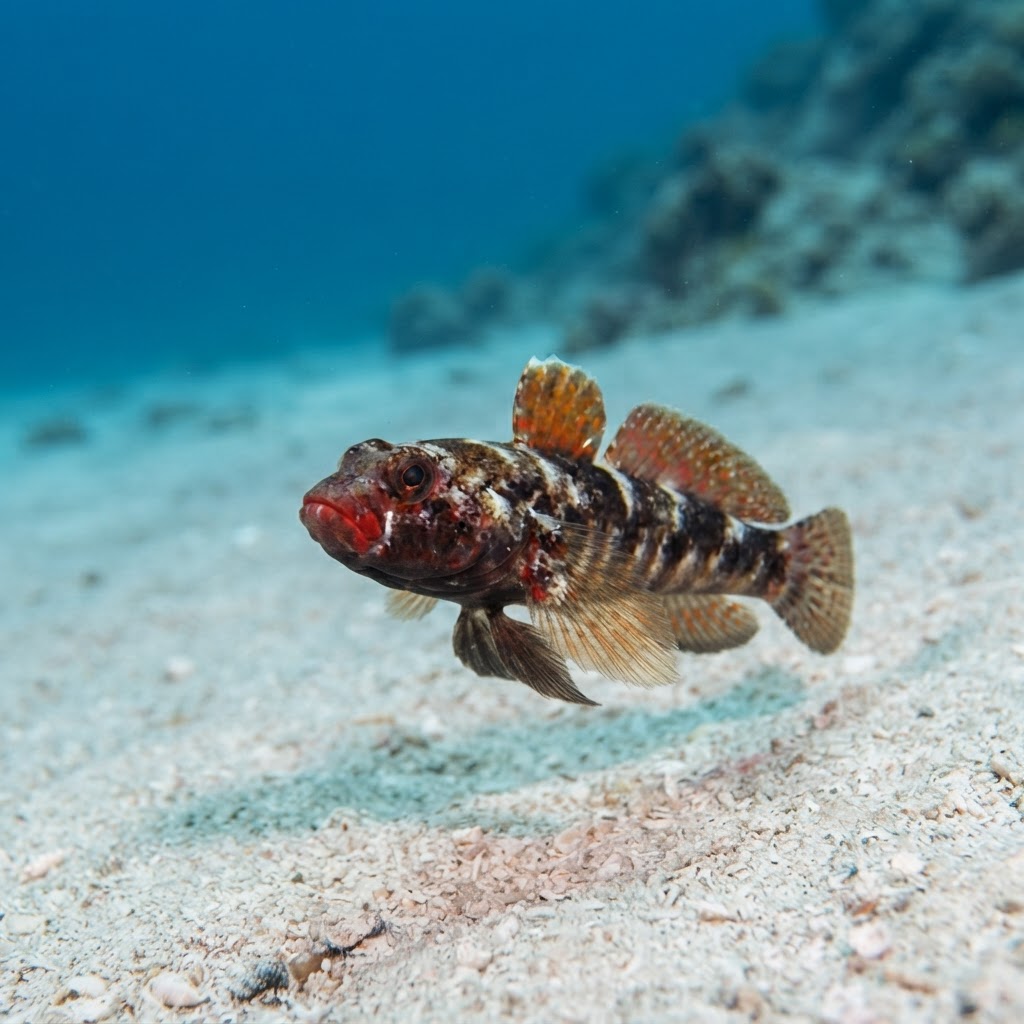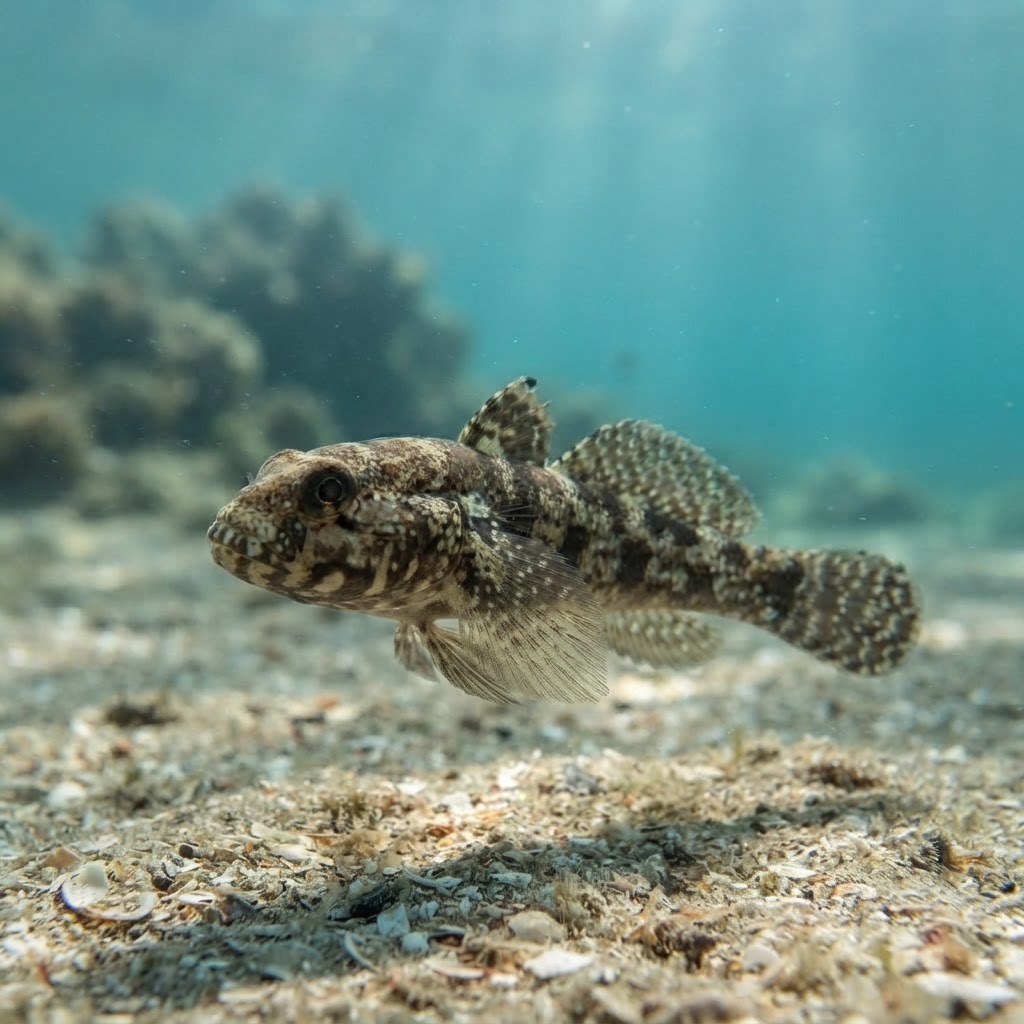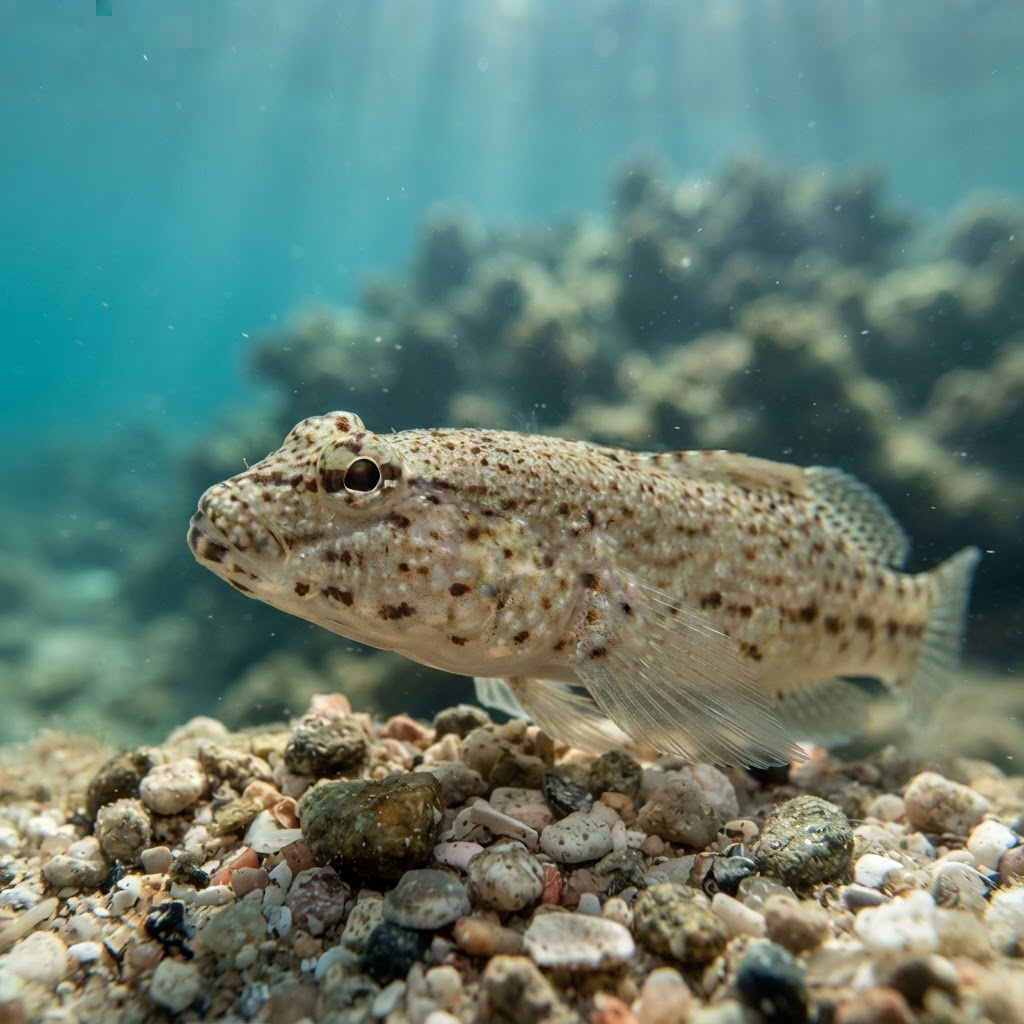
Speleogobius trigloides
A 1cm goby found almost only around the French Riviera, uncommon at 47 sites and easy to miss without a keen eye.
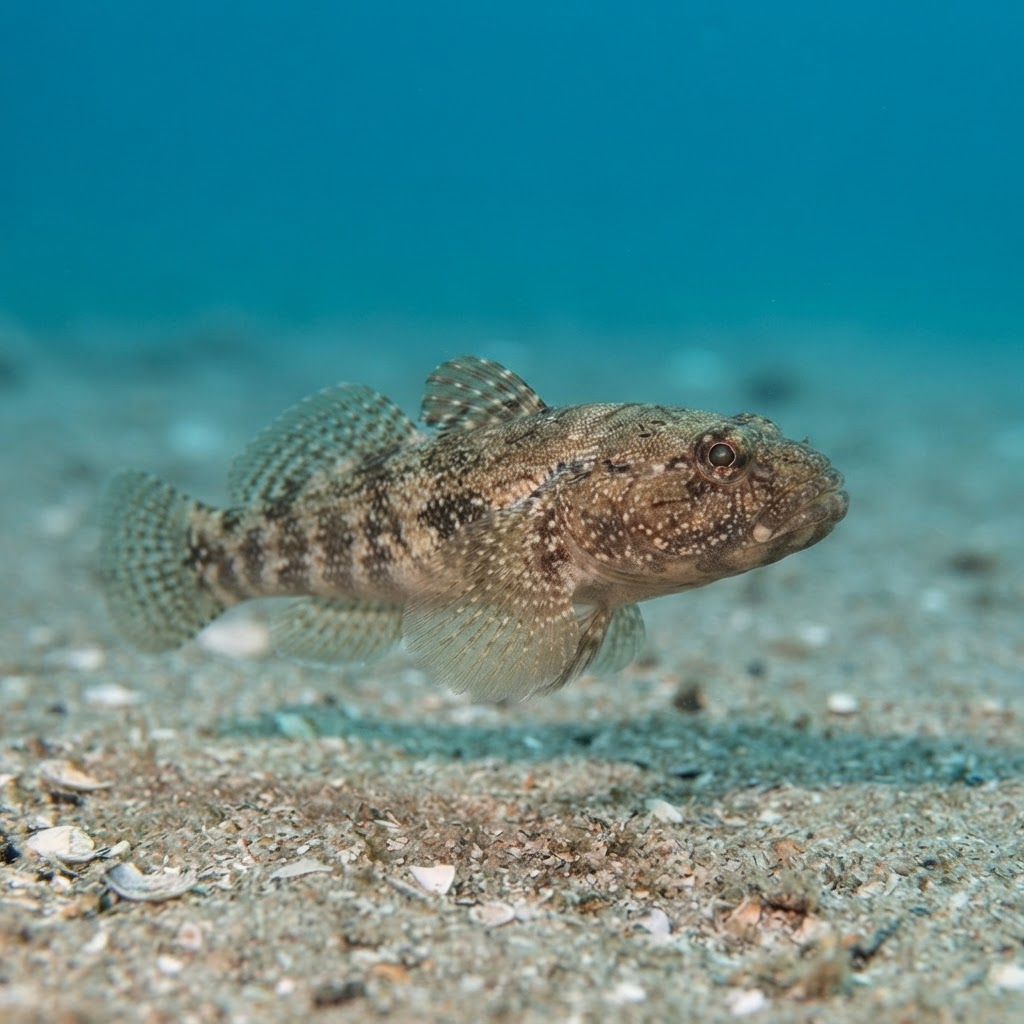
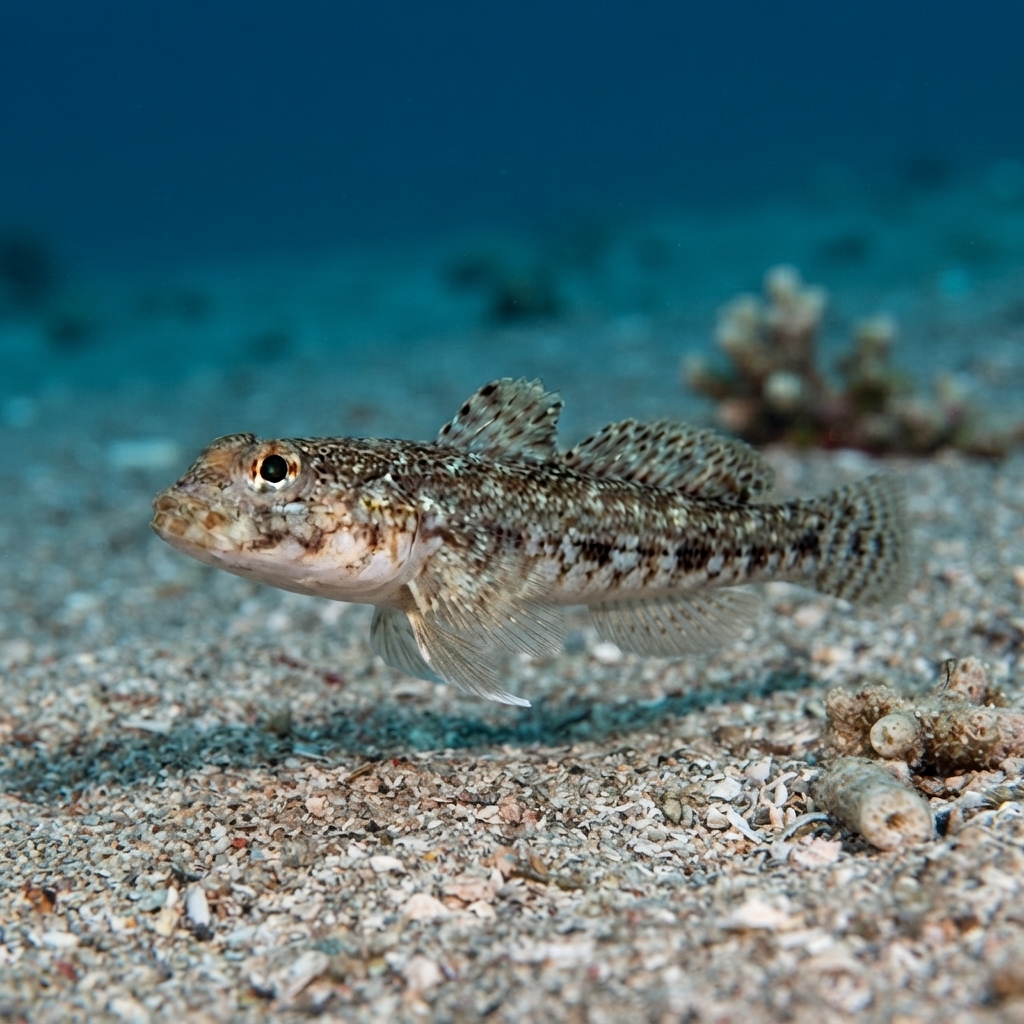
At just 1 centimetre long, this is one of the smallest fish you will find perched on rock in Mediterranean crevices, so it takes a slow, close look to pick out at all. Body colour tends toward pale translucent grey with faint mottling, blending it into the rubble and cave walls it favours. There is no bold pattern to key on here; recognition comes mostly from habitat and size rather than markings.
Divers typically find this goby tucked close to rock and rubble in sheltered crevices and small grotto-like recesses, staying low and still rather than swimming out into open water. It does not react much to divers, partly because its size and camouflage mean most people swim straight past without noticing it at all. Look for it during a slow, methodical scan of crevice walls rather than mid-water.
Its name nods to the grotto and crevice habitat it favours, a tiny Mediterranean specialist that lives out its life in the nooks most divers swim straight past.
Sightings do not show a clear seasonal pattern, and the recorded water temperature range of 15 to 21C spans much of the Mediterranean diving calendar, so this is best treated as a year-round possibility rather than a seasonal target.
Reef neighbours a diver could mistake it for. Use the identification notes above to tell them apart.
This one is essentially a France specialty in the logged data, with sightings concentrated along the French Riviera and Provence coastline. Across those sites it is not a guaranteed find: divers log it as uncommon at most locations and rare at a handful of others, so treat any sighting as a small win rather than an expectation.
Mapping where Grotto Goby is logged…
It is most reliably logged along the French Riviera and Provence coast, with no significant sightings reported outside France in current data.
There is no strong seasonal pattern in the sightings, and its 15 to 21C temperature niche covers most of the Mediterranean diving season, so it can turn up year-round.
It tops out around 1 centimetre, making it one of the smallest gobies a diver is likely to log, and easy to overlook without a close, deliberate search.
Look for a very small, pale, mottled fish tucked against rock or rubble in a crevice or grotto rather than out in open water. Its plain colouring and tiny size mean habitat and location matter as much as markings for identification.
No, it poses no risk to divers. It is a tiny, sedentary fish that stays tucked in crevices and has no interest in interacting with people.
Site and sighting data is aggregated from diver logs, iNaturalist and GBIF. For taxonomy and conservation status:
Slender Goby
806 sites