Kyphosus bigibbus
Rare but real: divers log Grey Sea Chub off Rio de Janeiro and Western Australia in warm 24-29C reef water year-round.
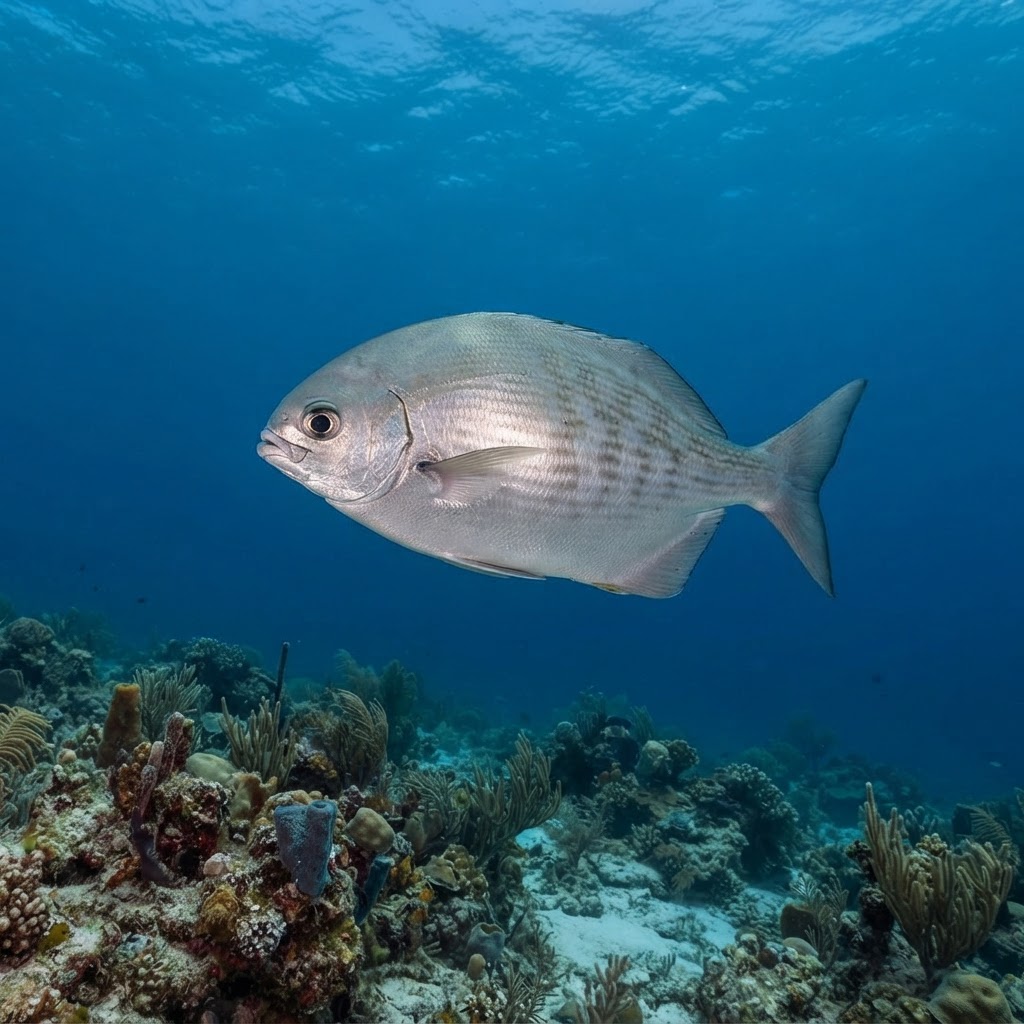
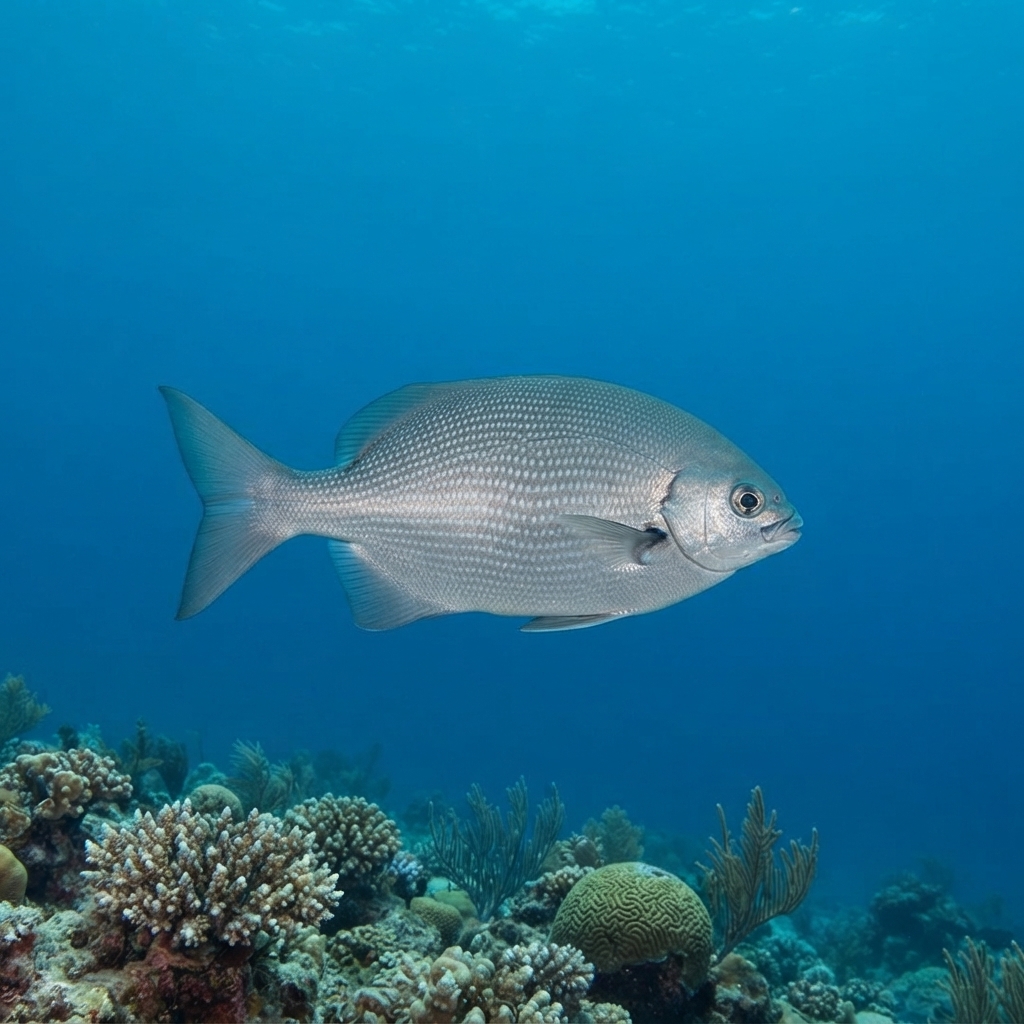
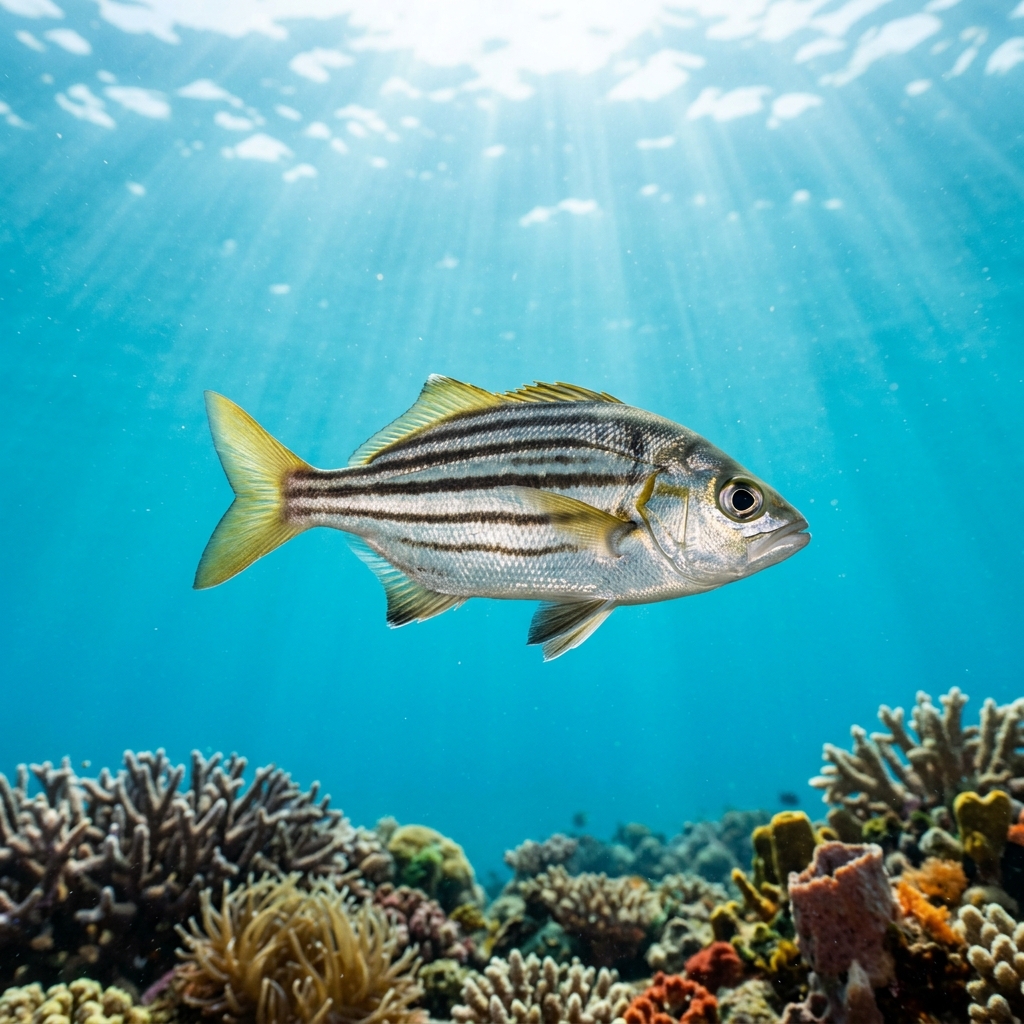
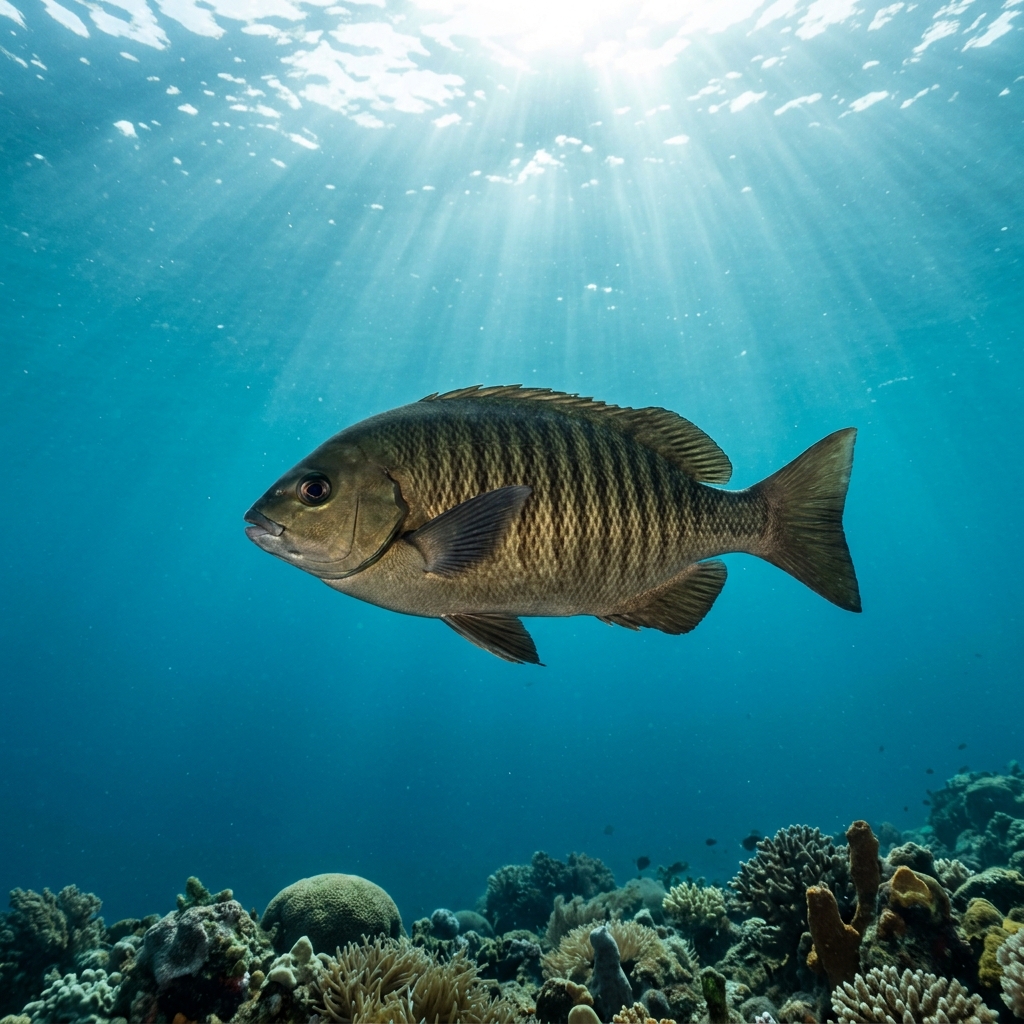
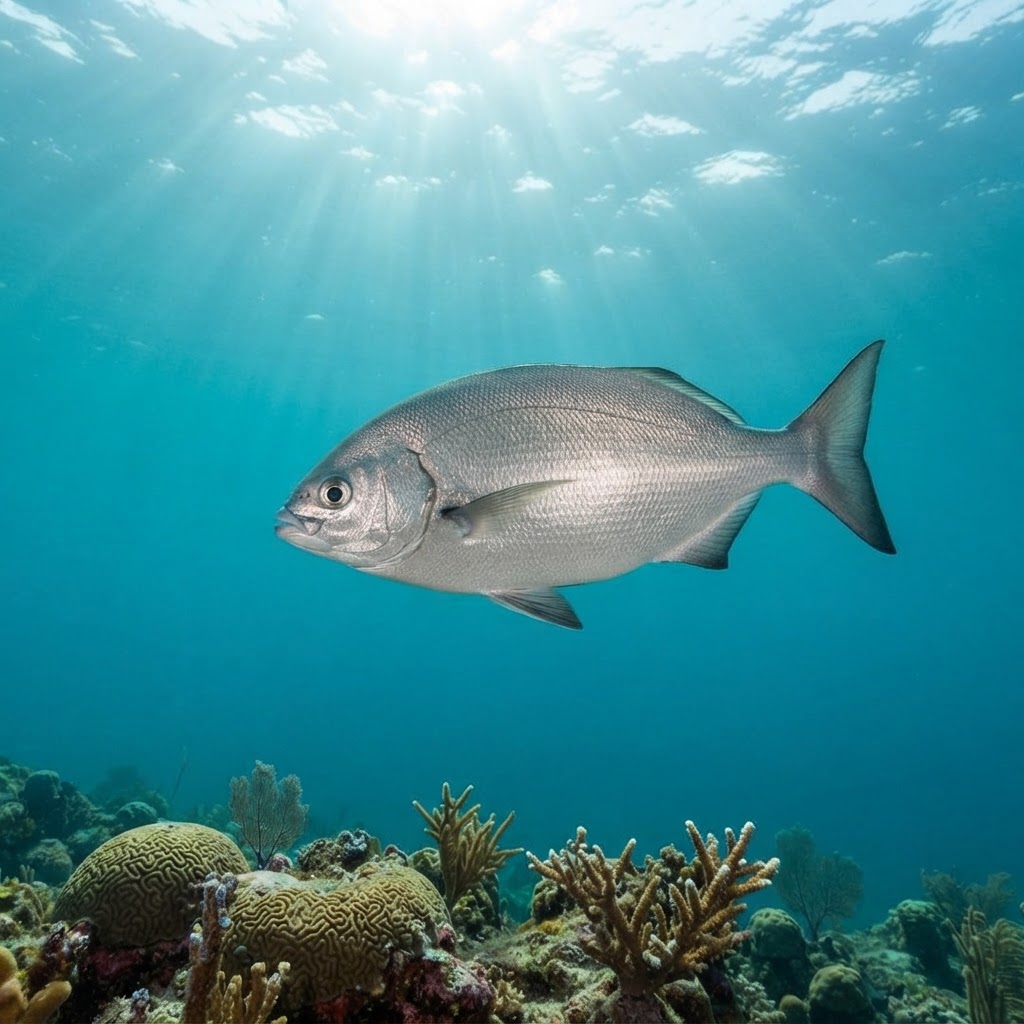
Deep, oval-bodied fish reaching around 52cm, with a small blunt head and a uniform grey to silvery-brown body that can show faint darker mottling along the flanks. It swims with a slow, deliberate roll and lacks the bold stripes seen on some related chubs, which makes overall shape and that plain grey tone the main giveaway underwater.
Usually spotted cruising alone or in loose company over rocky and reef ground rather than schooling tightly like some of its relatives. It tends to keep a bit of distance from divers and carries on grazing or moving along the reef edge without much fuss, and sightings logged as rare or uncommon at most sites suggest it is not a fish that lingers for photos.
Sea chubs like this one graze on algae and small invertebrates along rocky reef edges, a feeding habit that puts them in the same ecological role as surgeonfish on many temperate and subtropical reefs.
No clear seasonal pattern shows up in the sightings, and its comfort range of roughly 24.5 to 29.2C matches warm reef water available across most of the year at these sites, so it is best treated as a year-round possibility rather than a seasonal target.
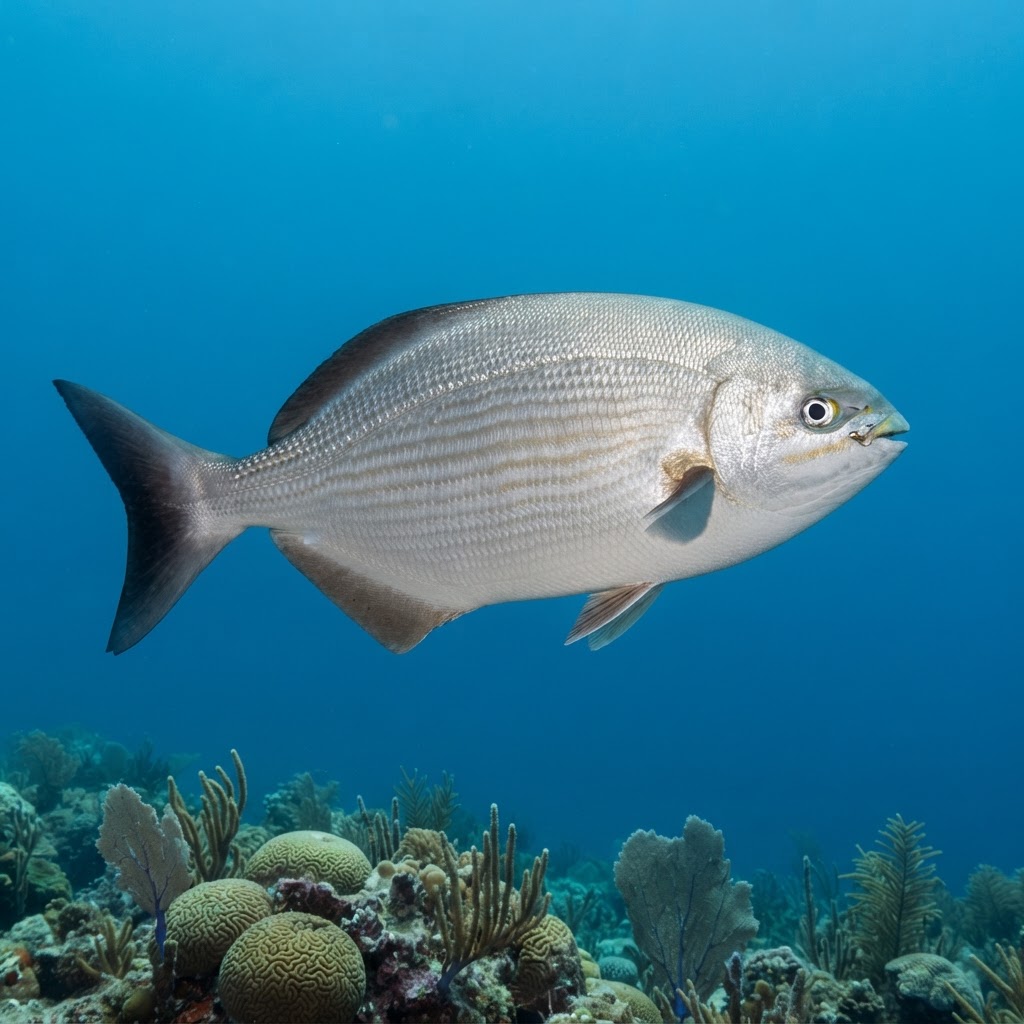
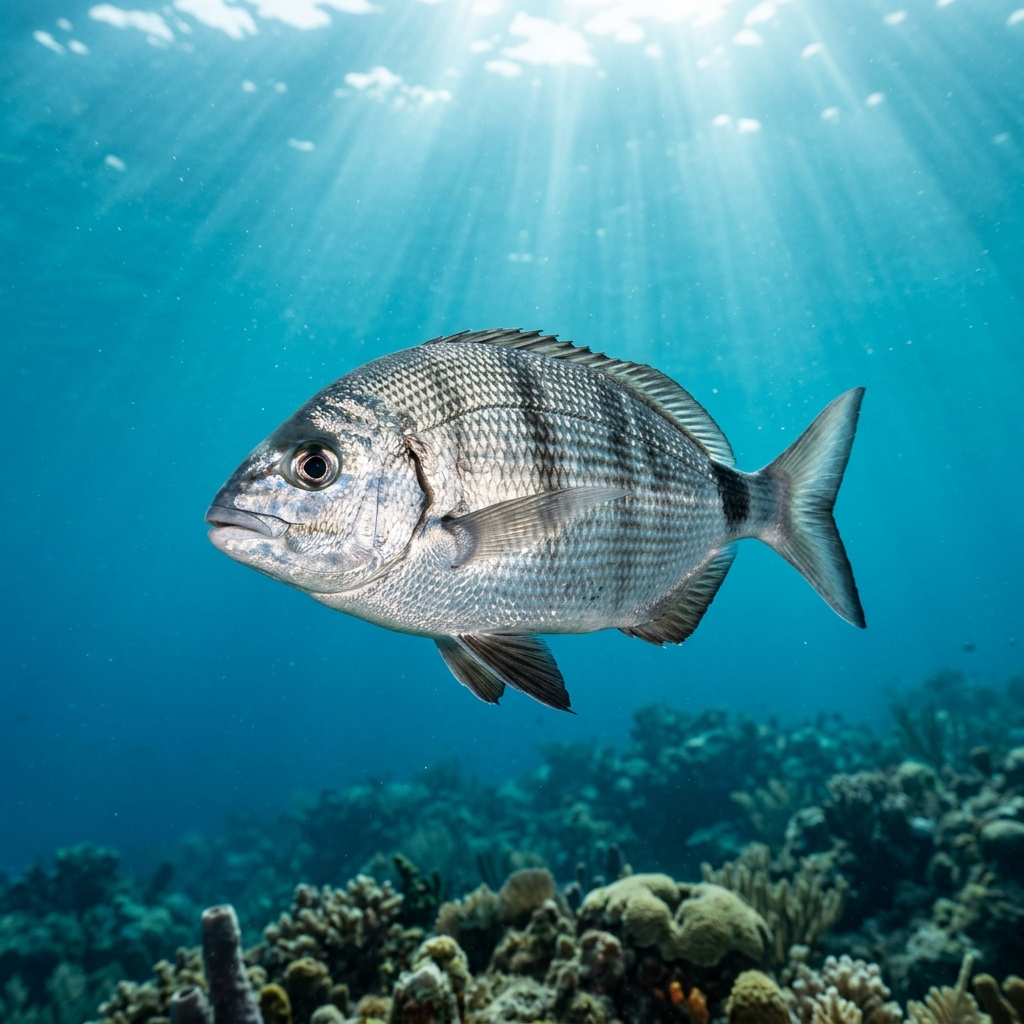
Reef neighbours a diver could mistake it for. Use the identification notes above to tell them apart.
Most reliably logged off Rio de Janeiro in Brazil, which accounts for the bulk of recorded sightings, followed by Western Australia and a scatter of sites in New South Wales and Queensland. A single record from Karnataka, India, shows it turning up outside its main South Atlantic and Australian strongholds too.
Mapping where Grey Sea Chub is logged…
Rio de Janeiro in Brazil has the strongest run of sightings, with Western Australia also a solid bet. Smaller numbers turn up in New South Wales, Queensland, and even Karnataka in India.
There is no strong season in the data, and its warm-water niche of about 24.5 to 29.2C is available on these reefs most of the year, so sightings are possible year-round.
Look for a deep, oval, plain grey to silvery-brown body around 50cm long with a small blunt head, moving with a slow rolling swim over rocky or reef ground rather than schooling tightly.
They reach around 52cm in length, giving them a solid, deep-bodied profile that is easy to pick out against smaller reef fish.
No, they are not considered dangerous to divers and tend to keep their distance rather than approach.
Site and sighting data is aggregated from diver logs, iNaturalist and GBIF. For taxonomy and conservation status:
Blue Sea Chub
554 sites