Xyrichtys splendens
Uncommon but reliable on Caribbean reefs like Florida, the Yucatán and Bonaire, in warm 26-28C water year-round.
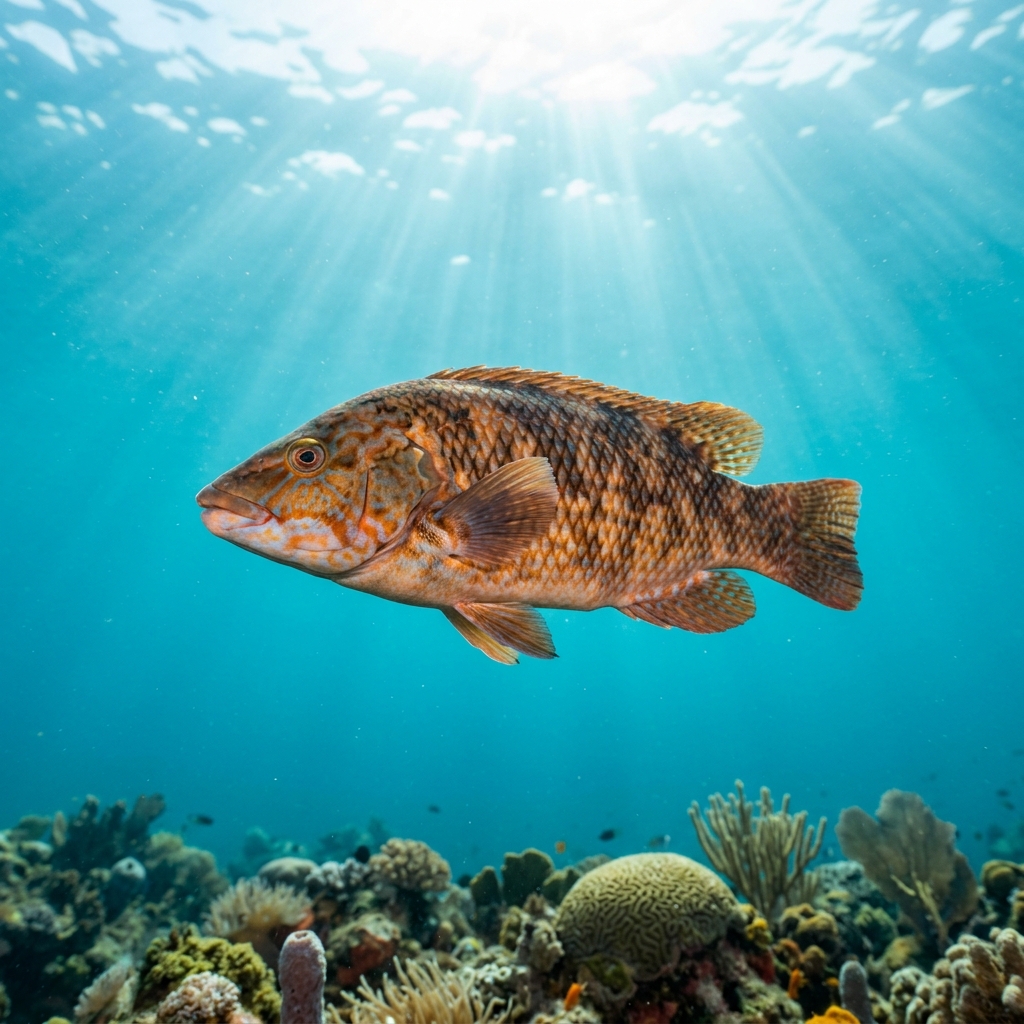
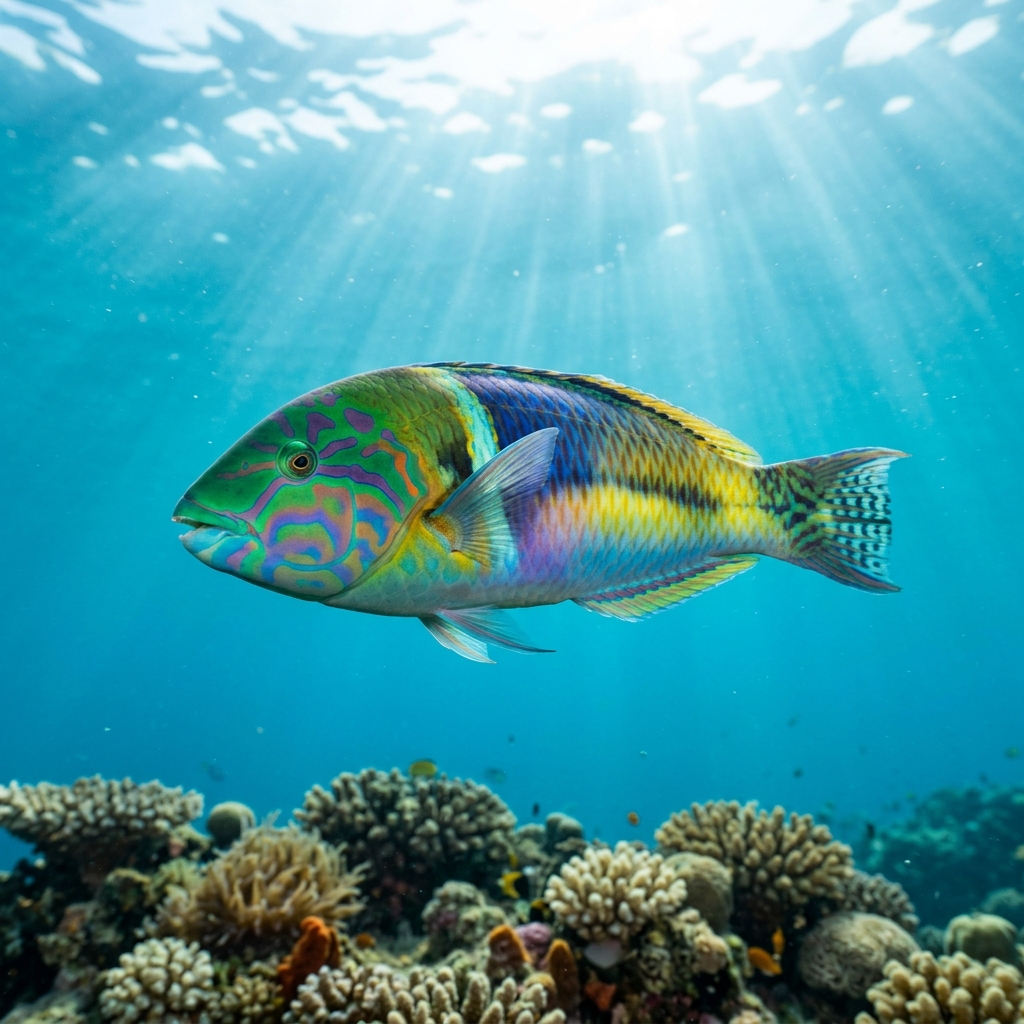
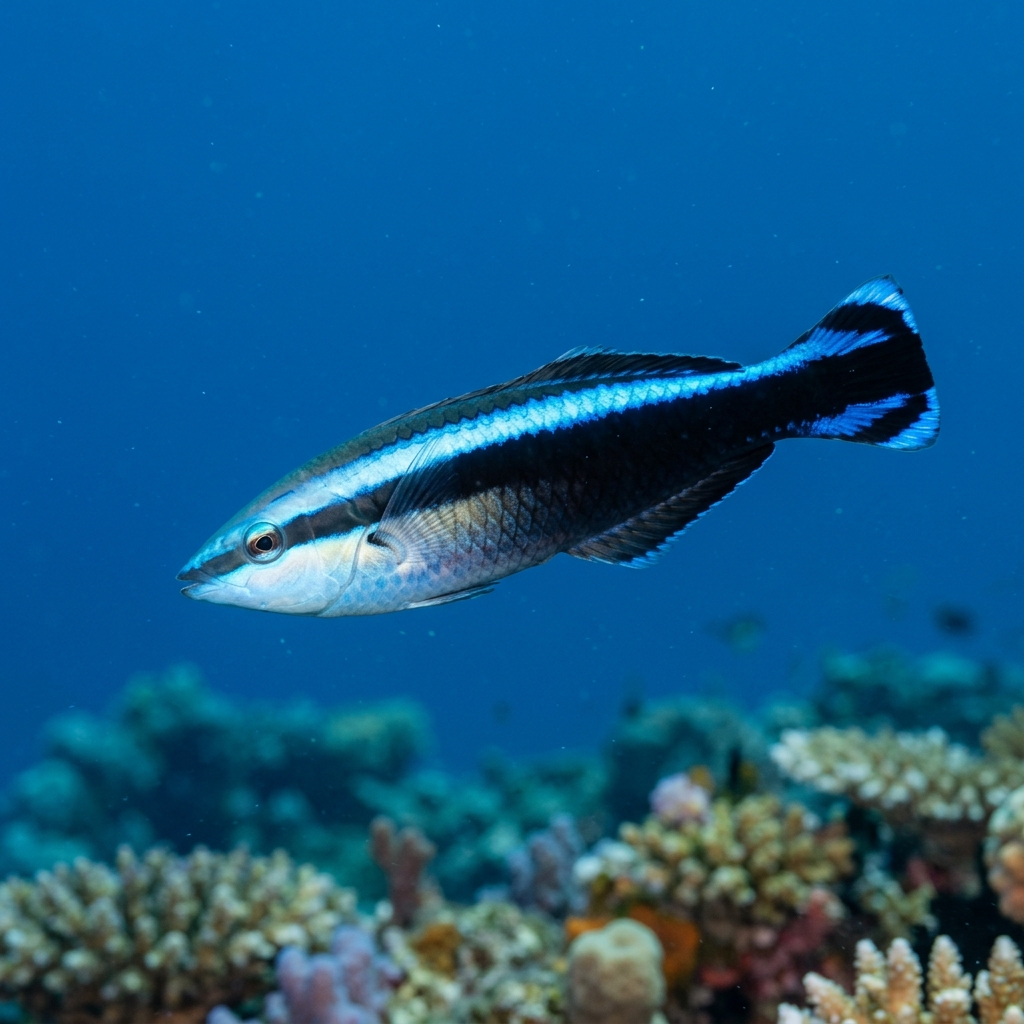
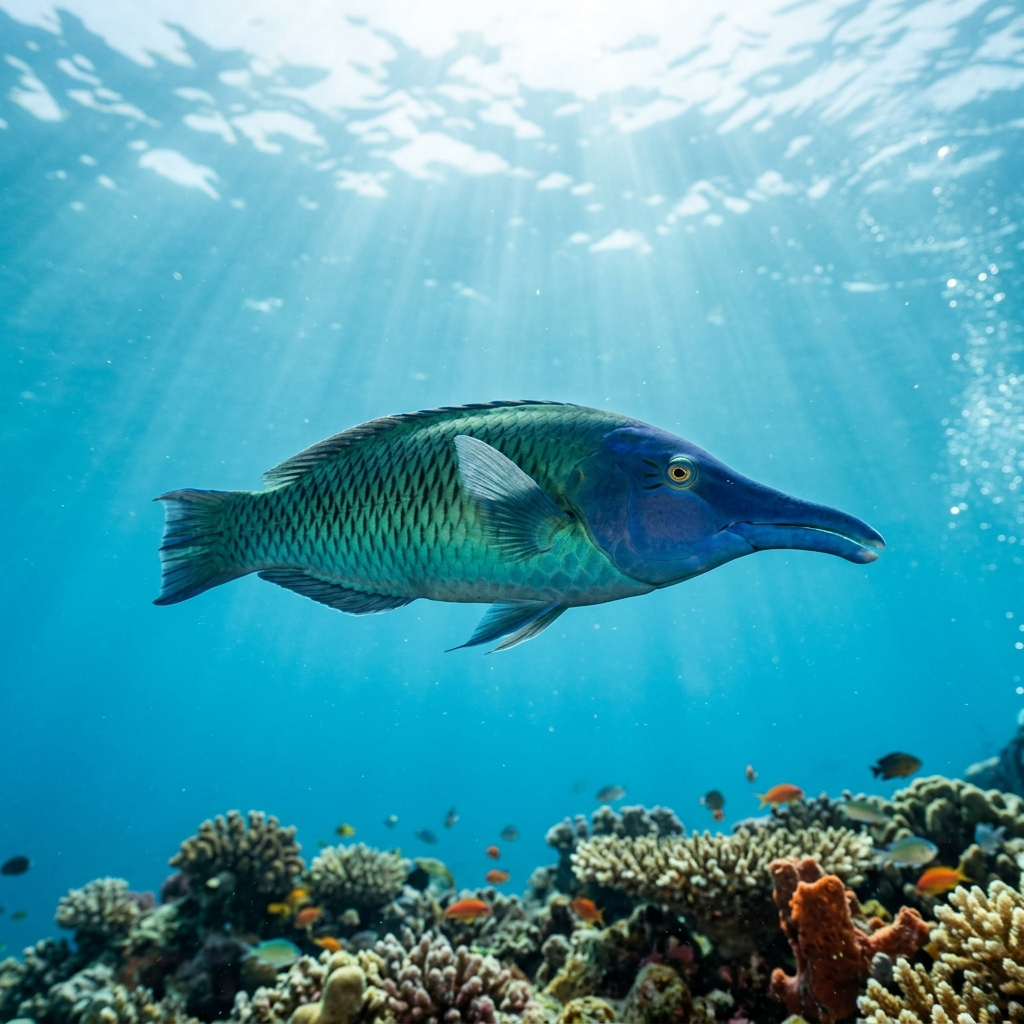
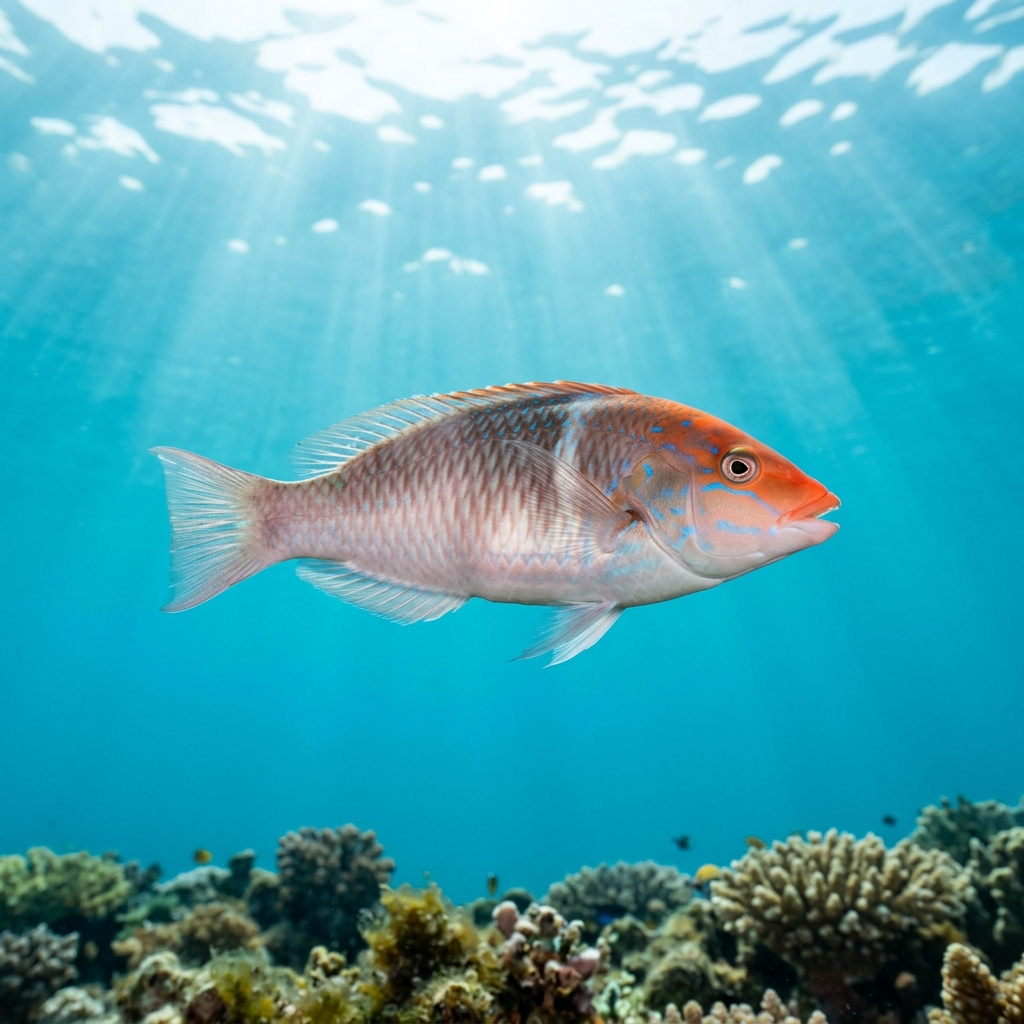
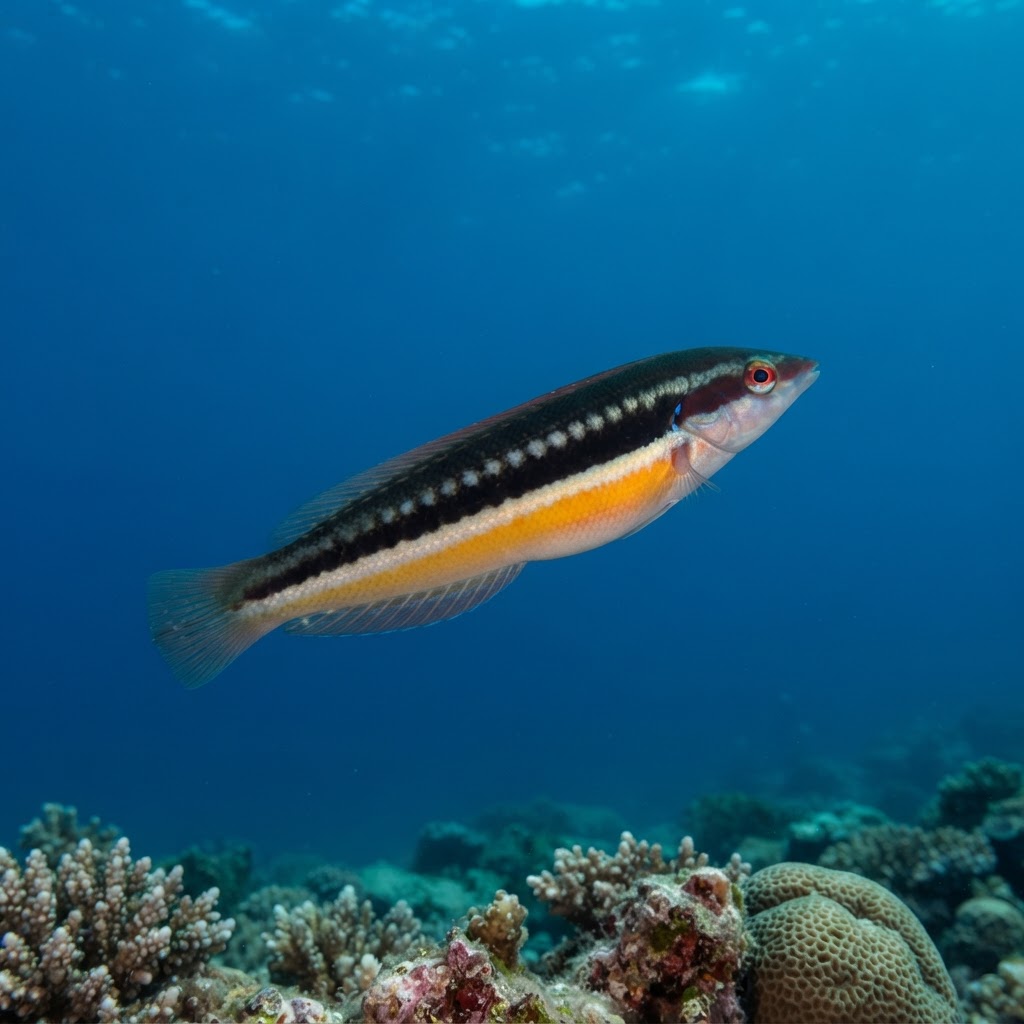
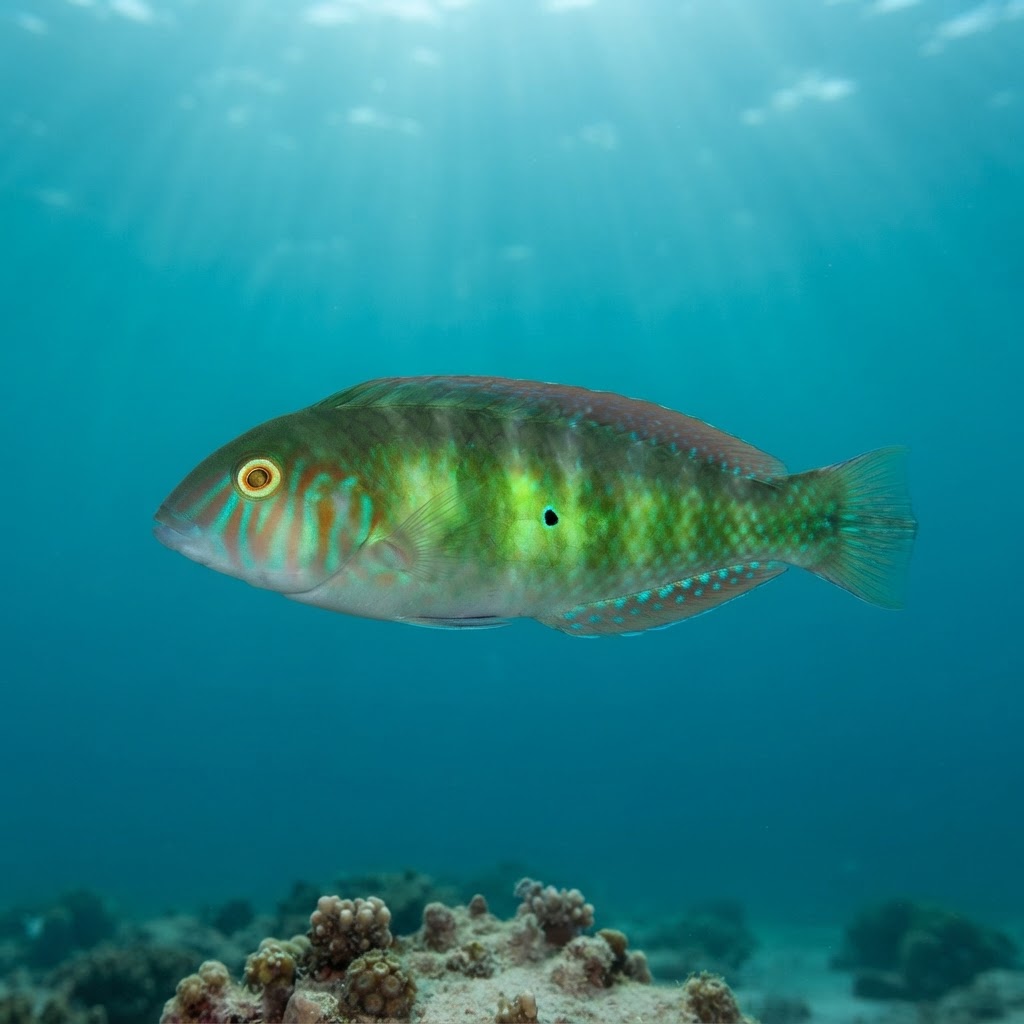
A slim, laterally compressed body only about 11 cm long, coloured in shades of green to olive with faint mottling along the flanks. The steep, almost vertical forehead profile is the giveaway shared by razorfish, giving the head a wedge-like shape that tapers to a pointed snout. Watch for it hovering just above sand patches near the reef rather than sitting on structure.
Look for it patrolling low over sand and rubble patches close to the reef, darting between cover rather than swimming in the open. It tends to stay near the bottom and will dive headfirst into loose sand if it feels pressured, a classic razorfish escape trick. Most sightings are logged as uncommon rather than frequent, so it rewards divers who slow down and scan sandy gaps between coral heads.
Like other razorfish, it can vanish instantly by plunging into soft sand and burrowing, which is often the only clue divers get that one was nearby.
No clear seasonal pattern shows up in the sighting data, and its comfort range of roughly 26 to 28C matches warm Caribbean reef water for most of the year, so it's a year-round find rather than a seasonal one.
Most reliably logged in Florida and the Cayman Islands, particularly Cayman Brac, with strong numbers also reported from the Yucatán Peninsula in Mexico. Bonaire divers see it regularly along the Leeward Coast, East Coast and around Klein Bonaire, and it also turns up in Puerto Rico, Honduras' Bay Islands, the Bahamas and the US Virgin Islands.
Mapping where Green Razorfish is logged…
Best chances are in Florida, the Cayman Islands (especially Cayman Brac), and Mexico's Yucatán Peninsula. Bonaire, Puerto Rico, Honduras' Bay Islands and the Bahamas also have logged sightings.
There's no strong seasonal pattern in the data, and warm water of 26 to 28C sits on Caribbean reefs year-round, so any month is workable for a sighting.
Look for a small, slim, greenish wrasse around 11 cm long with a steep, wedge-shaped forehead, usually hovering just above sand patches rather than perched on coral.
They stay small, typically reaching about 11 cm in length, making them easy to overlook against sand and rubble.
When startled, they dive headfirst into loose sand and burrow out of sight almost instantly, a defensive trick shared by other razorfish species and one of the quickest disappearing acts on the reef.
Site and sighting data is aggregated from diver logs, iNaturalist and GBIF. For taxonomy and conservation status:
Bird Wrasses
3,632 sites