Nucleolaria granulata
A rare cowry find on Hawaii reefs, comfortable in warm 22-28C water and logged year-round by patient divers.
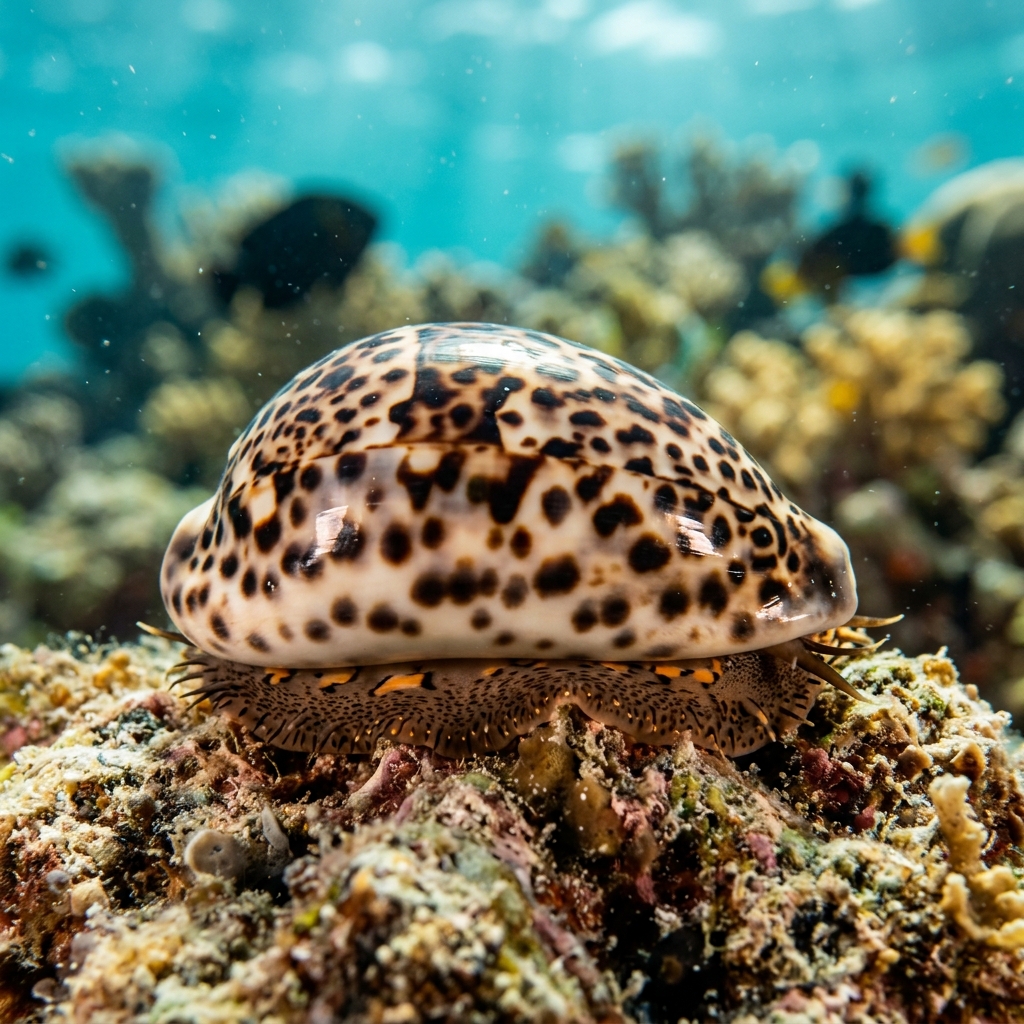
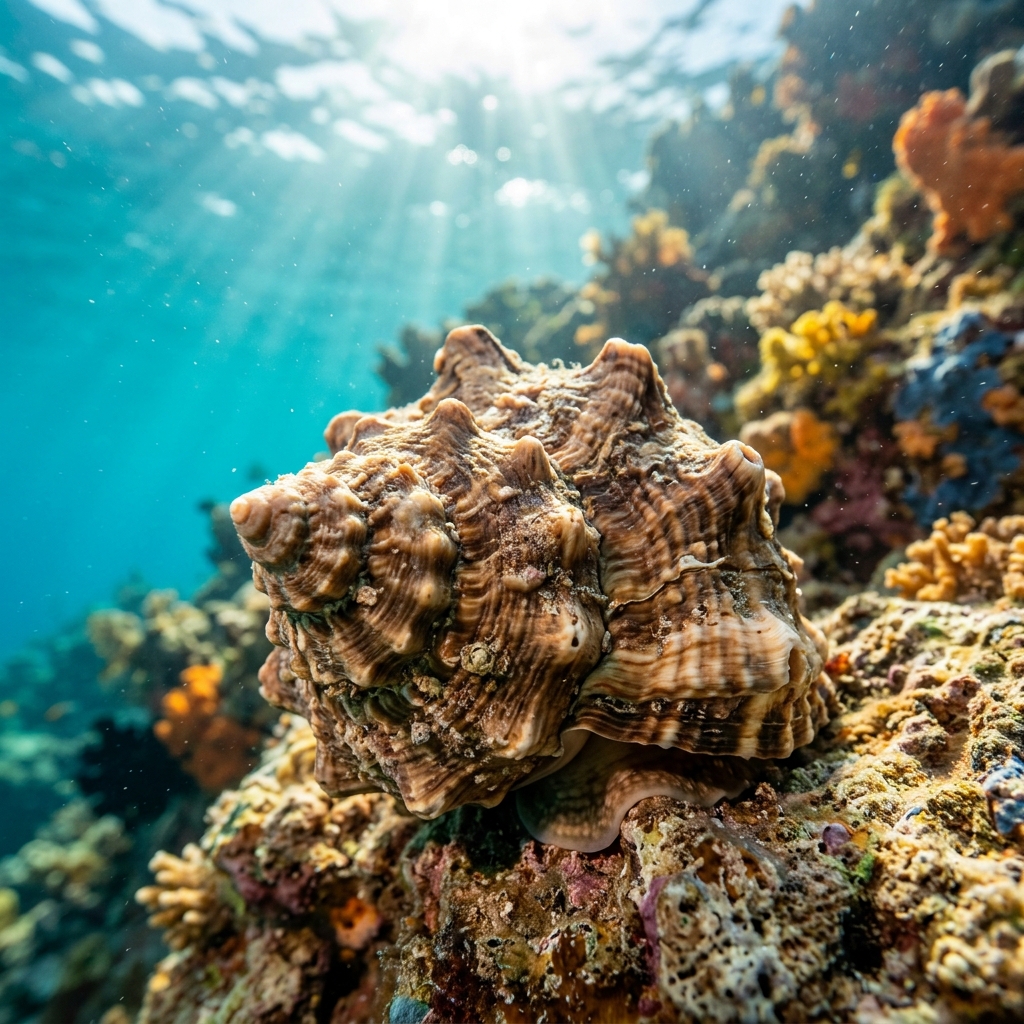
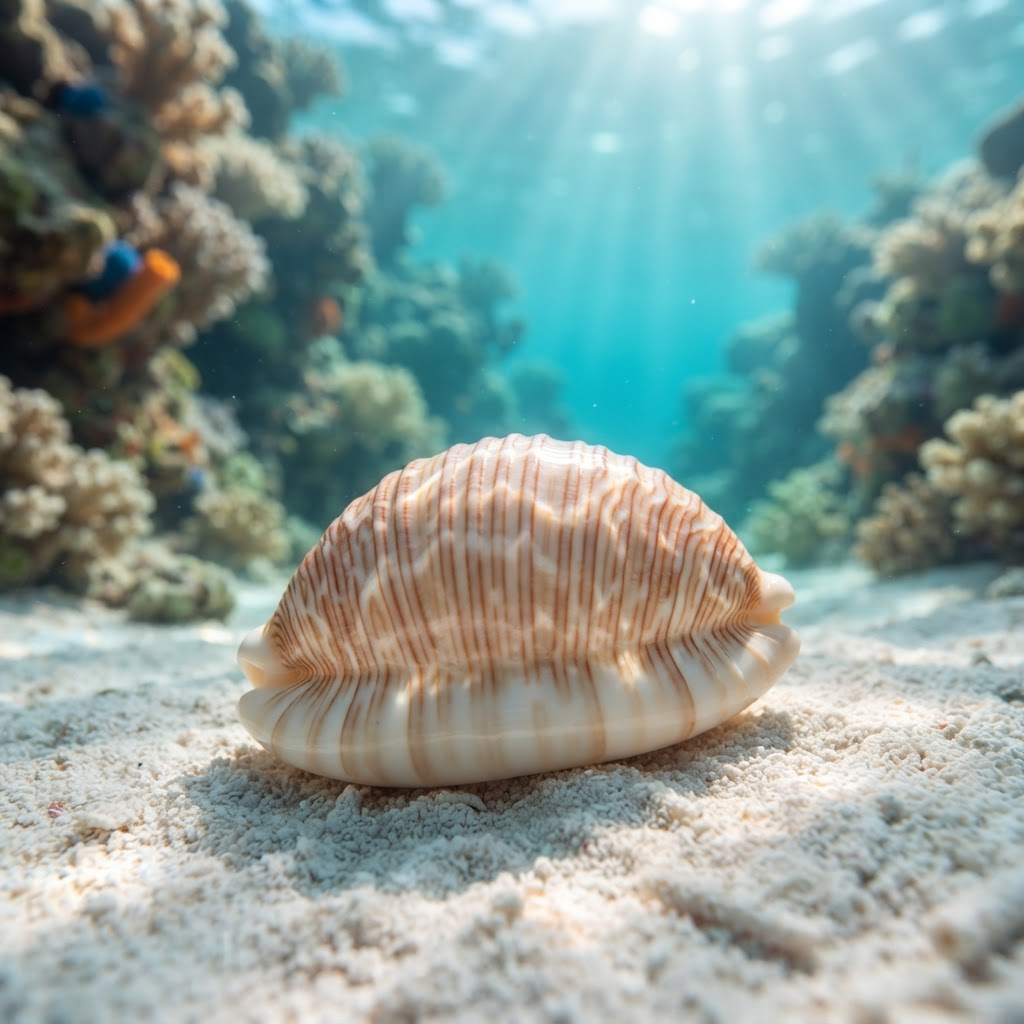
Look for a small, oval, glossy shell with a finely granulated (grainy-textured) surface rather than the smooth porcelain look of most cowries. The shell tends toward pale mottled tones and sits low and inconspicuous against rock or rubble, so divers usually spot it by the shape and texture rather than bold colour. Its mantle can extend over the shell while active, partly obscuring the granulated pattern.
Cowries in this group are slow-moving grazers, usually found tucked into crevices or under rubble during the day and more active at night when they creep out to feed. Divers who log this species describe it as an uncommon find rather than something you actively hunt for on a typical dive, so most sightings come from careful, slow searching of rocky substrate.
Cowries like this one have a soft mantle that can fold up over the shell while the animal is active, which is why the shell's true granulated texture is sometimes only visible when the animal withdraws it.
There is not enough seasonal data to call a pattern, and the observed temperature range of 22.4 to 28.4C spans Hawaii's water temperatures across the year, so it is best treated as a year-round possibility rather than tied to a particular season.
Logged data currently points to Hawaii in the United States as the place divers have actually found this cowry, though the record is thin. Given the sparse logging, treat any Hawaiian reef with rocky or rubble substrate as a possible spot rather than a guaranteed one.
Mapping where Granulated Cowry is logged…
The clearest logged sightings come from Hawaii in the United States, on reefs with rocky or rubble substrate. It is not a species with a wide diver record yet, so encounters are opportunistic rather than reliably targeted.
There is no detected season in the data, and its comfortable temperature range of roughly 22 to 28C covers Hawaiian waters most of the year, so sightings are best treated as possible year-round.
Check for a small oval shell with a distinctly grainy, granulated surface texture rather than the glossy smooth finish typical of many cowries. It is usually pale and mottled, tucked against rock or rubble, and easy to miss unless you are looking closely.
No. This is a small, slow-moving snail with no sting or bite risk to divers, so it poses no danger at all.
Exact size data is not available for this species, but cowries in this genus are typically small shells easily held between two fingers, so expect something modest rather than a showpiece shell.
Site and sighting data is aggregated from diver logs, iNaturalist and GBIF. For taxonomy and conservation status:
Elysia Timida
573 sites