Rhabdosargus sarba
Silver-bodied sea bream with gold body stripes, most reliably logged in New South Wales and Western Australia year-round.
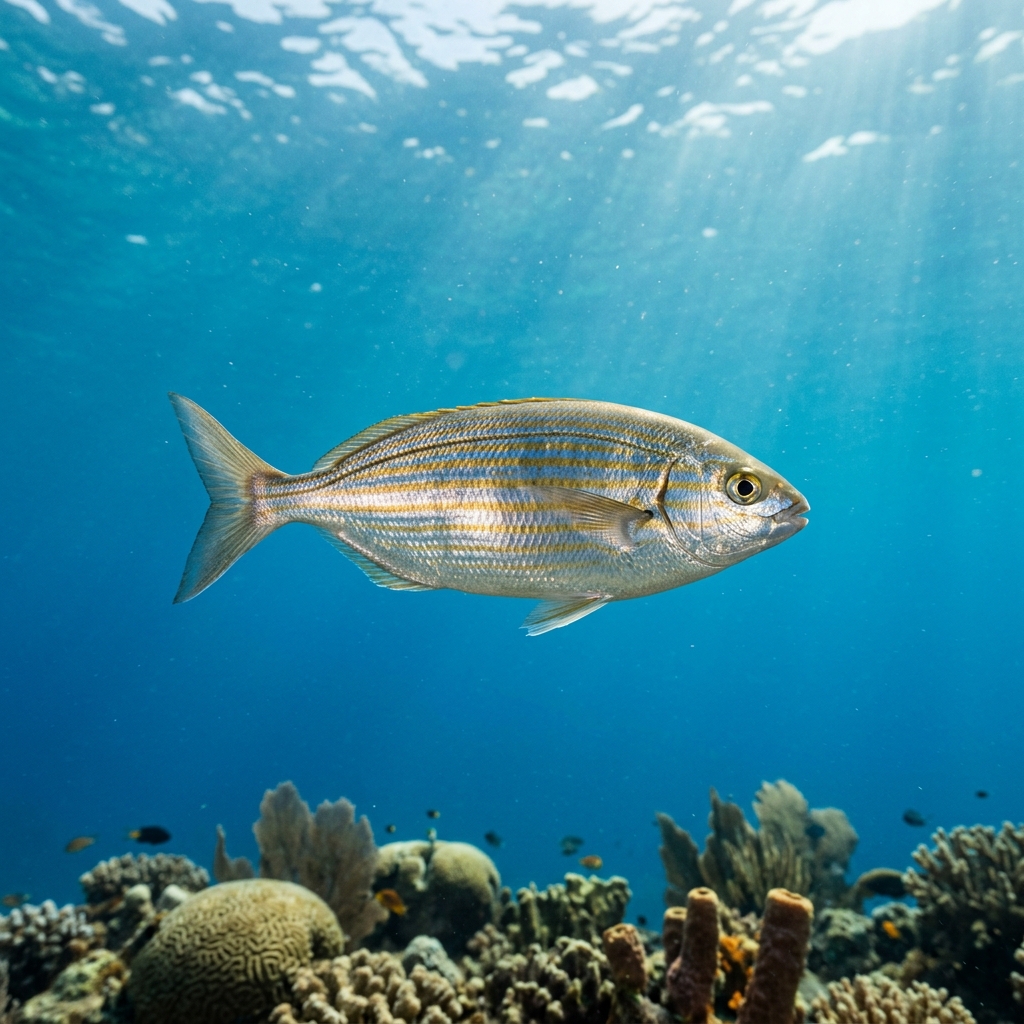
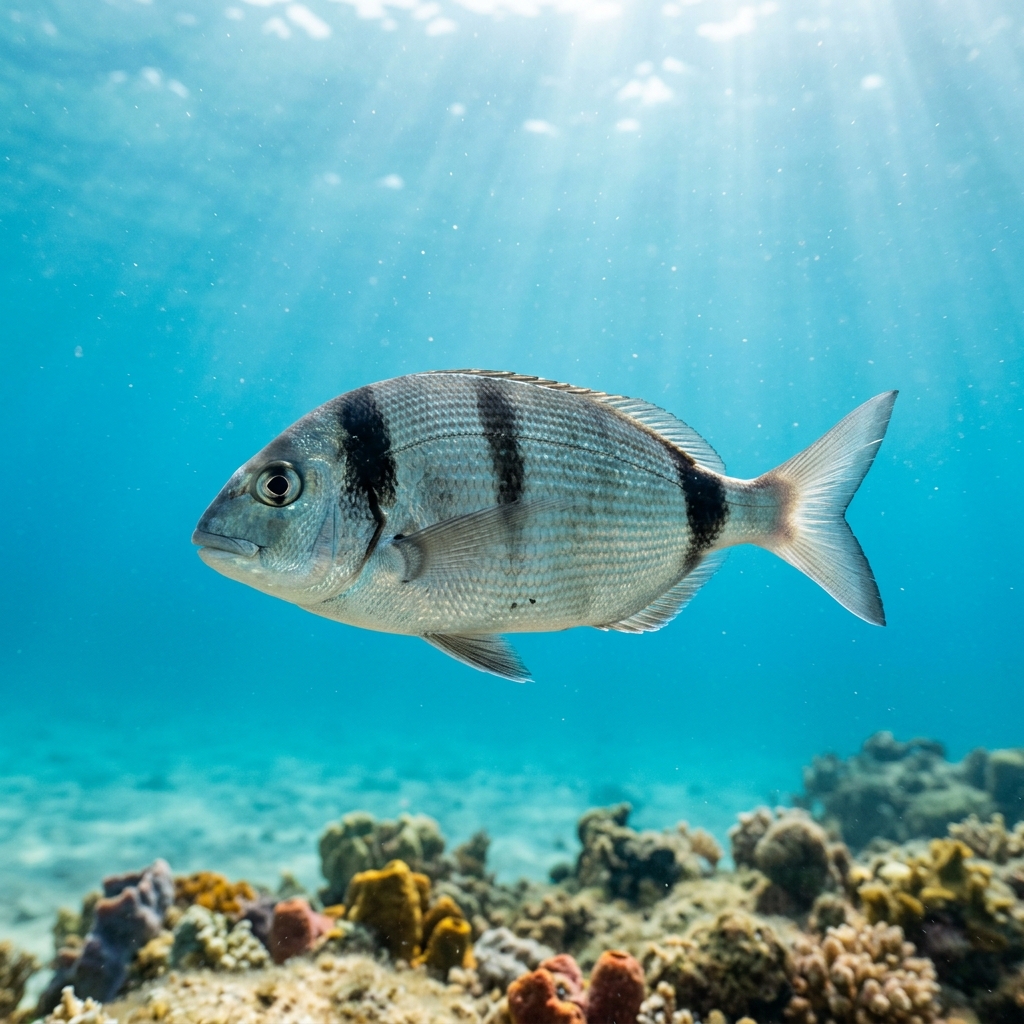
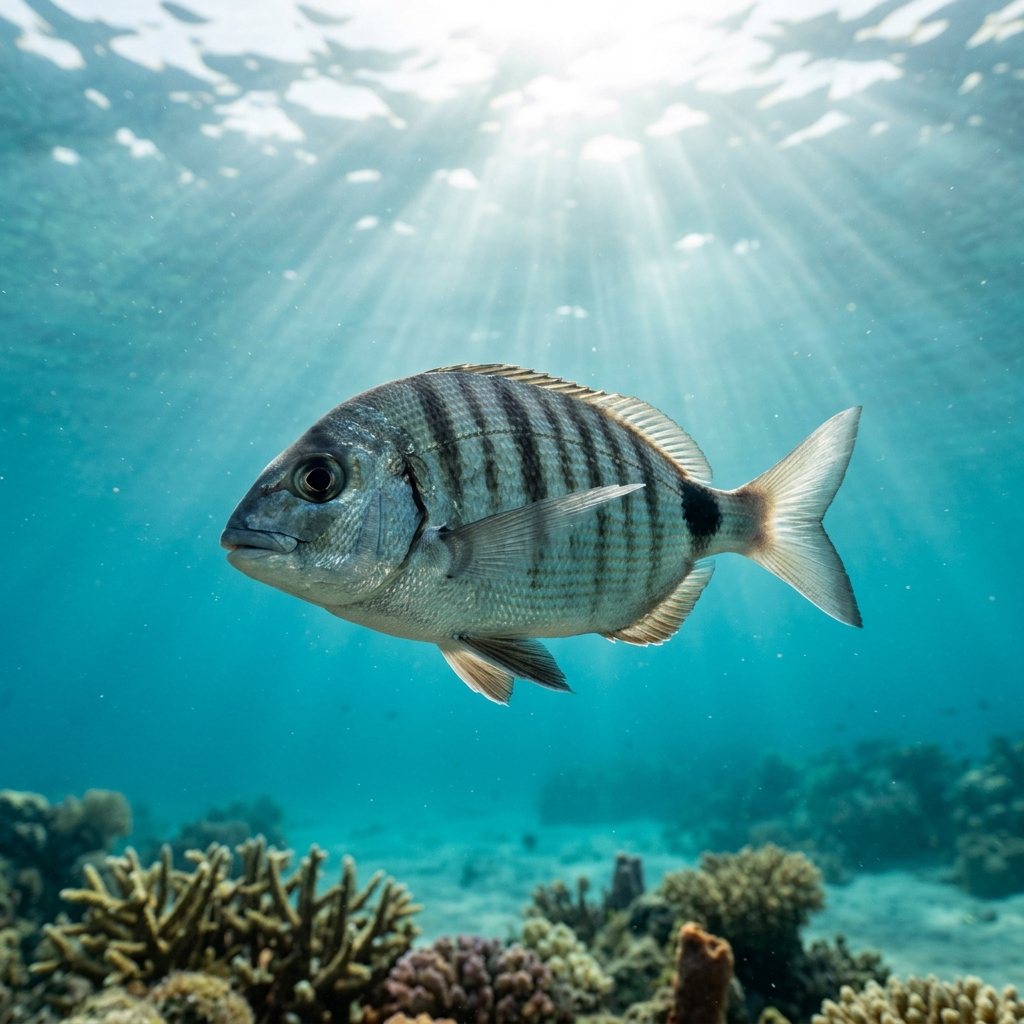
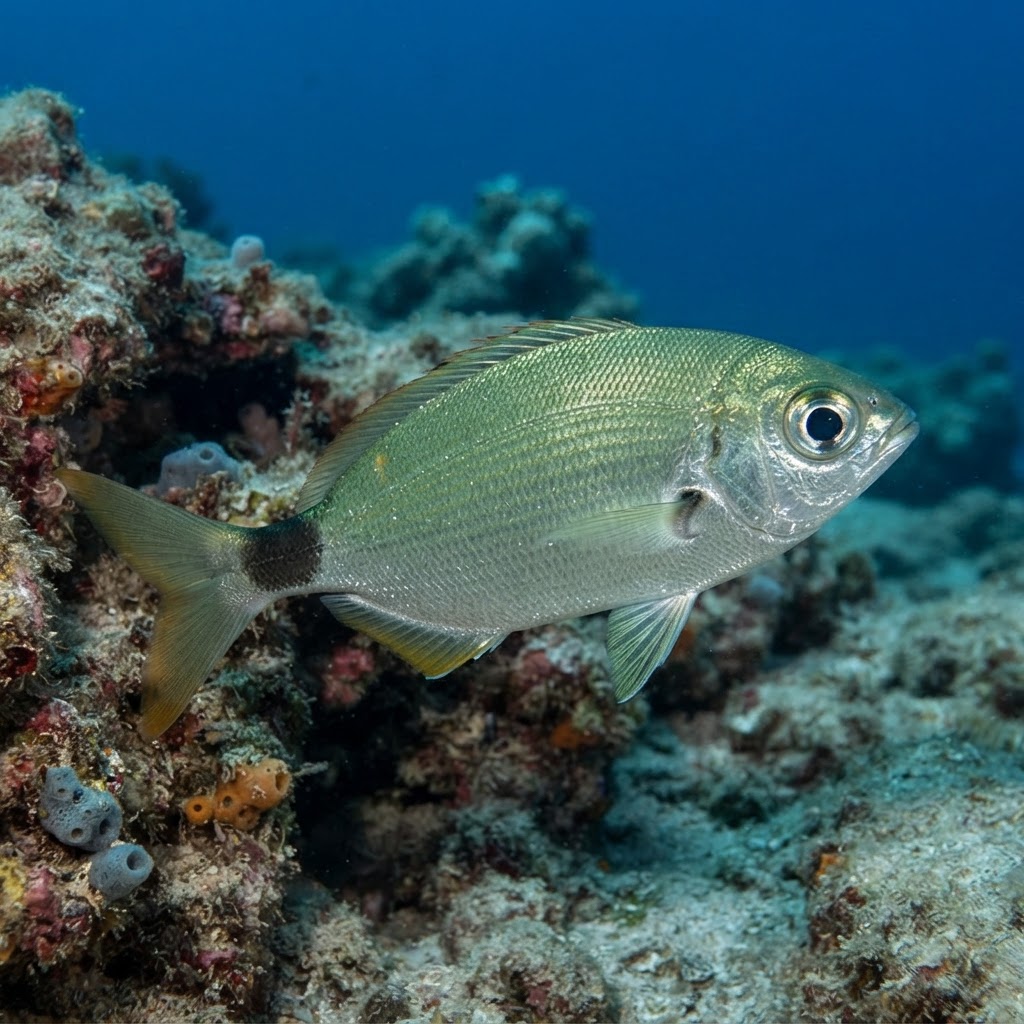
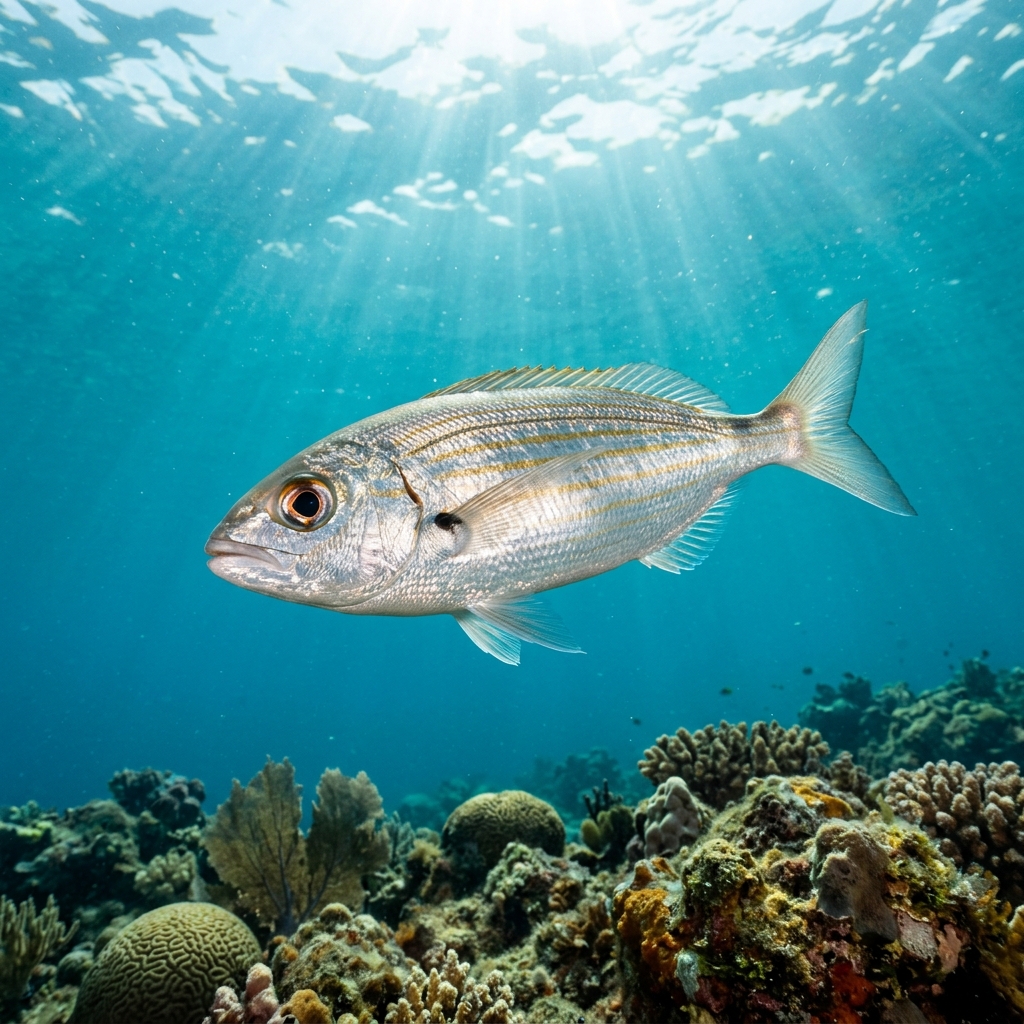
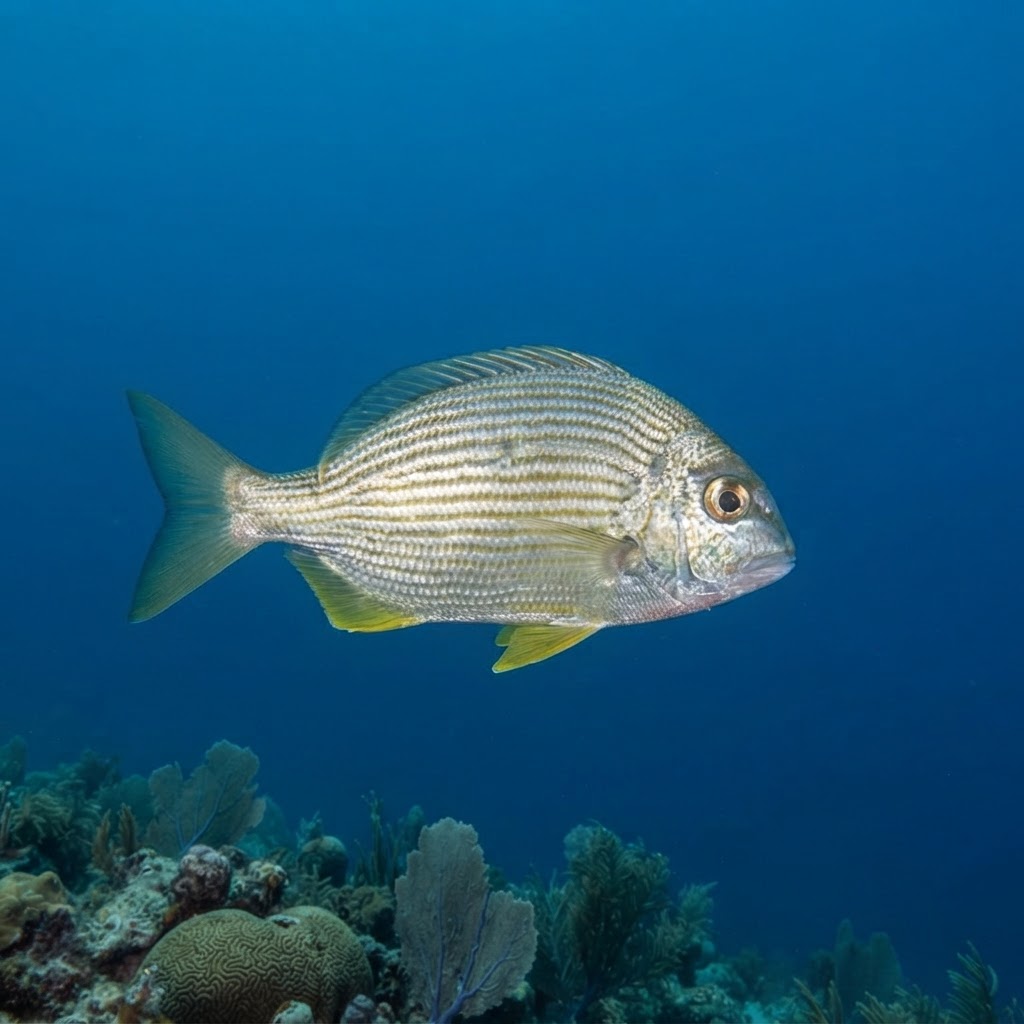
Look for a deep-bodied, silvery fish with faint gold horizontal stripes running along its flanks and a blunt, slightly humped head profile typical of sea breams. It grows to around 56 cm, so adults look noticeably chunky and deep-bellied compared to smaller reef fish sharing the same patch of reef. A steep forehead and yellowish tinge to the fins are the quickest visual cues once you rule out the more open, silvery-white bream species nearby.
Divers most often find them cruising singly or in small loose groups over reef edges and adjacent sand or rubble patches, working the bottom for food rather than schooling tightly in open water. They're generally unbothered by divers, holding a cautious but steady distance rather than bolting, which makes for reasonably easy, if not close-up, viewing. Most logs describe them as an uncommon but dependable sighting rather than a headline fish, so patient reef-scanning pays off more than searching for a specific hotspot within a site.
Its diet skews carnivorous and it will forage over sand and rubble edges near reef structure, using its blunt jaws to pick at invertebrates rather than grazing algae like many other sparids.
Sightings show no clear seasonal pattern, so treat it as a year-round encounter on the reefs where it occurs. It's logged across a wide temperature range from about 22 to 29 C, which fits its habit of turning up on both warm subtropical reefs and cooler temperate rock reefs through the year.
This is very much an Australian fish on current logs, with the strongest numbers from New South Wales and Western Australia and a smaller scatter of sightings from Queensland. Divers doing temperate reef and rocky-shore sites along the New South Wales coast have the best odds, with Western Australian sites a close second.
Mapping where Goldlined Seabream is logged…
The strongest sightings come from New South Wales and Western Australia, with a smaller number of logs from Queensland. It's an Australian speciality on current diver records rather than a fish reported widely across other countries.
There's no detected seasonal peak, so it's considered a year-round sighting. It's been logged across a broad temperature range of roughly 22 to 29 C, which covers most of the diving calendar at its Australian sites.
Look for a deep, silvery body with faint gold stripes along the sides and a steep, slightly humped forehead. At up to 56 cm it reads as a solidly built fish rather than a slim baitfish shape, usually seen alone or in small loose groups near reef edges.
They reach around 56 cm in length, making them one of the larger sparids divers will encounter on Australian reefs. Most individuals logged by divers are seen as solitary adults of a similar solid, deep-bodied size.
No. They're a carnivorous but harmless reef-associated fish with no recorded risk to divers, and they typically keep a cautious distance rather than approach closely.
Site and sighting data is aggregated from diver logs, iNaturalist and GBIF. For taxonomy and conservation status:
Saddled Bream
3,846 sites