Gobio gobio
Spot gudgeon in the cool freshwater sites of the Netherlands and French Alps. Here's what divers actually see and where to find them.
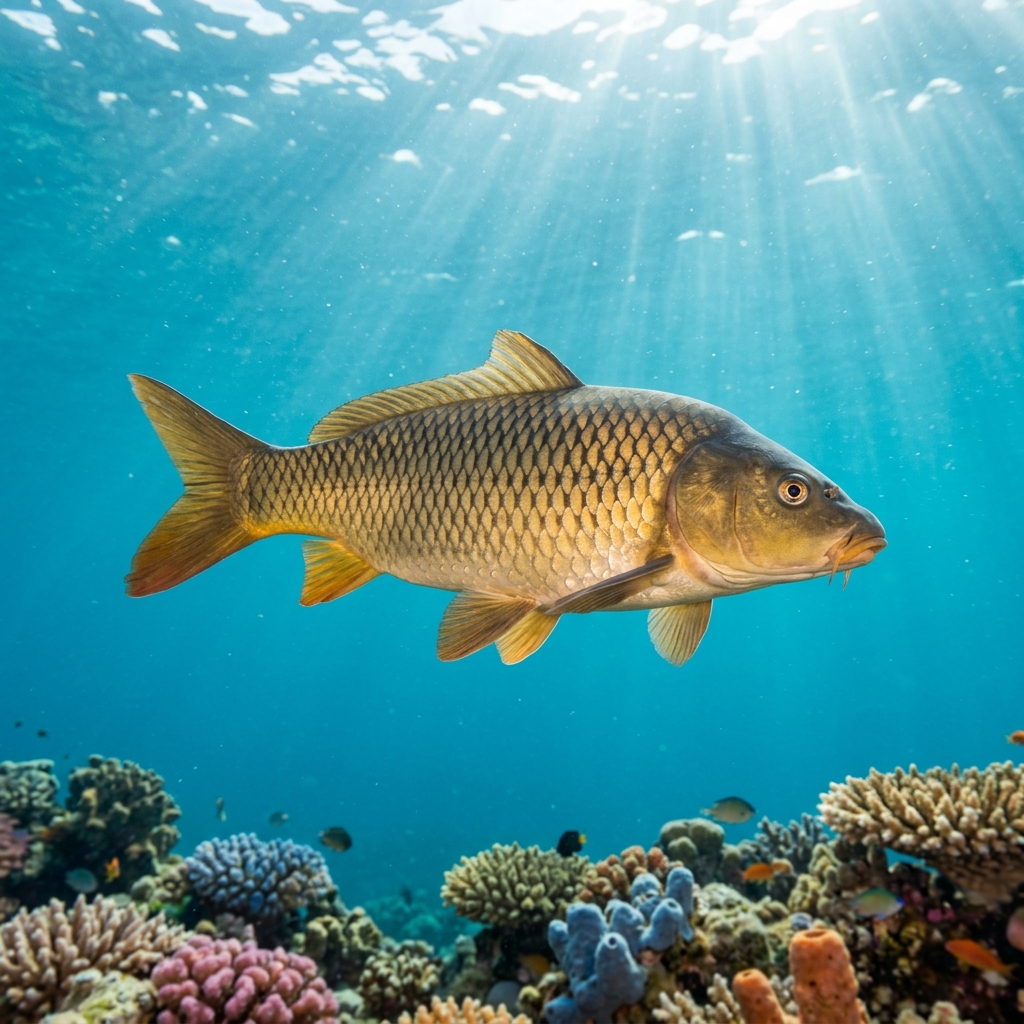
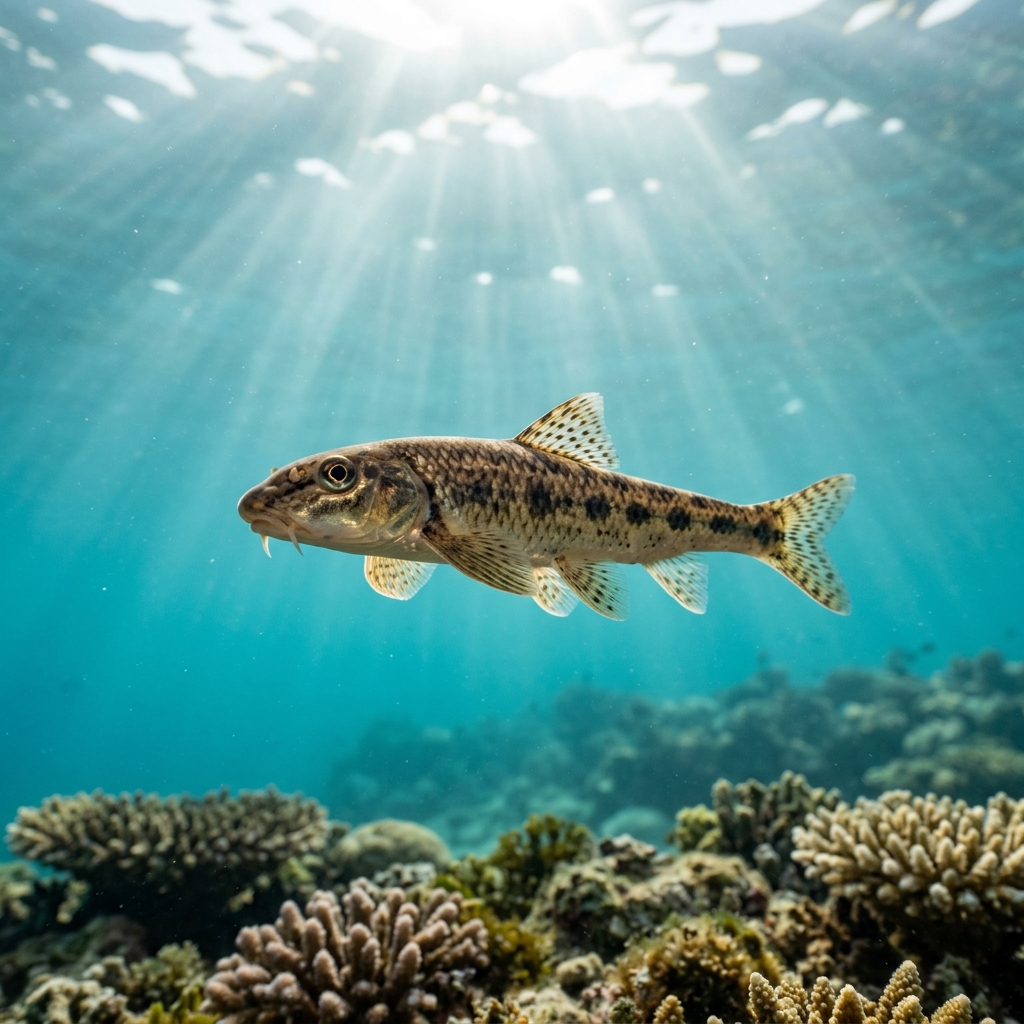
A small, torpedo-shaped fish with a sandy or grey-brown back and pale underside, patterned with a row of darker spots or blotches along the flanks. The most reliable underwater marker is the pair of short barbels (whisker-like sensory organs) hanging from the corners of the mouth, which no common freshwater lookalike shares. It hugs the bottom tightly, often sitting motionless on gravel or sand, and is easily missed at a glance.
Gudgeon are bottom-dwellers that spend most of their time resting or slowly foraging along gravel and sandy riverbeds and lake margins. When approached by a diver they tend to hold position briefly before making a short dart to cover rather than fleeing to open water. You are most likely to spot one by scanning the substrate carefully; they rely on camouflage more than speed.
Gudgeon use their barbels to taste-test the sediment as they root around for invertebrates, which is why they are almost always seen in close contact with the bottom rather than mid-water.
There is not enough monthly sighting data to point to a specific season, so treat it as potentially year-round. The observed water-temperature range of roughly 5 to 18 °C reflects the cool temperate conditions typical of the Netherlands and the French Alps, so any comfortable diving period in those regions is worth trying.
Sightings are concentrated across two countries: the Netherlands, particularly the Limburg Lakes region, accounts for the majority of logged observations, with France's French Alps sites making up the remainder. Both areas offer cool, clear freshwater environments where gudgeon favour shallow, gravelly substrates. There are no tropical or marine records in the data.
Mapping where Gudgeon is logged…
Logged sightings come from freshwater sites in the Netherlands and France. The Limburg Lakes in the Netherlands and French Alps sites in France are the top regions recorded by divers and snorkellers. No marine or tropical records exist for this species.
There is no clear seasonal peak in the available data, so sightings appear possible year-round. The species tolerates water temperatures from around 5 to 18 °C, meaning the cool-water diving seasons typical of the Netherlands and the French Alps overlap well with its comfort range.
Look for a small, slim, sandy-brown fish pressed against the gravel bottom. The clearest feature is the pair of short barbels at the corners of the mouth. The spotted or blotched flank pattern and its habit of sitting motionless on the substrate also help confirm the ID.
Typical adult gudgeon reach around 10 to 15 cm in length, though the current data does not specify an observed size. They are small enough that divers often overlook them against a gravel background.
Gudgeon are bottom feeders that use their sensitive barbels to detect small invertebrates, larvae, and organic material in the sediment. This feeding style is why they are almost always seen in direct contact with gravel or sandy substrates rather than swimming in open water.
Site and sighting data is aggregated from diver logs, iNaturalist and GBIF. For taxonomy and conservation status:
Sun Perch
2,182 sites