Omobranchus germaini
A tiny, easy-to-miss blenny most reliably spotted in Western Australia, hiding in reef crevices at 25 to 29 C year-round.
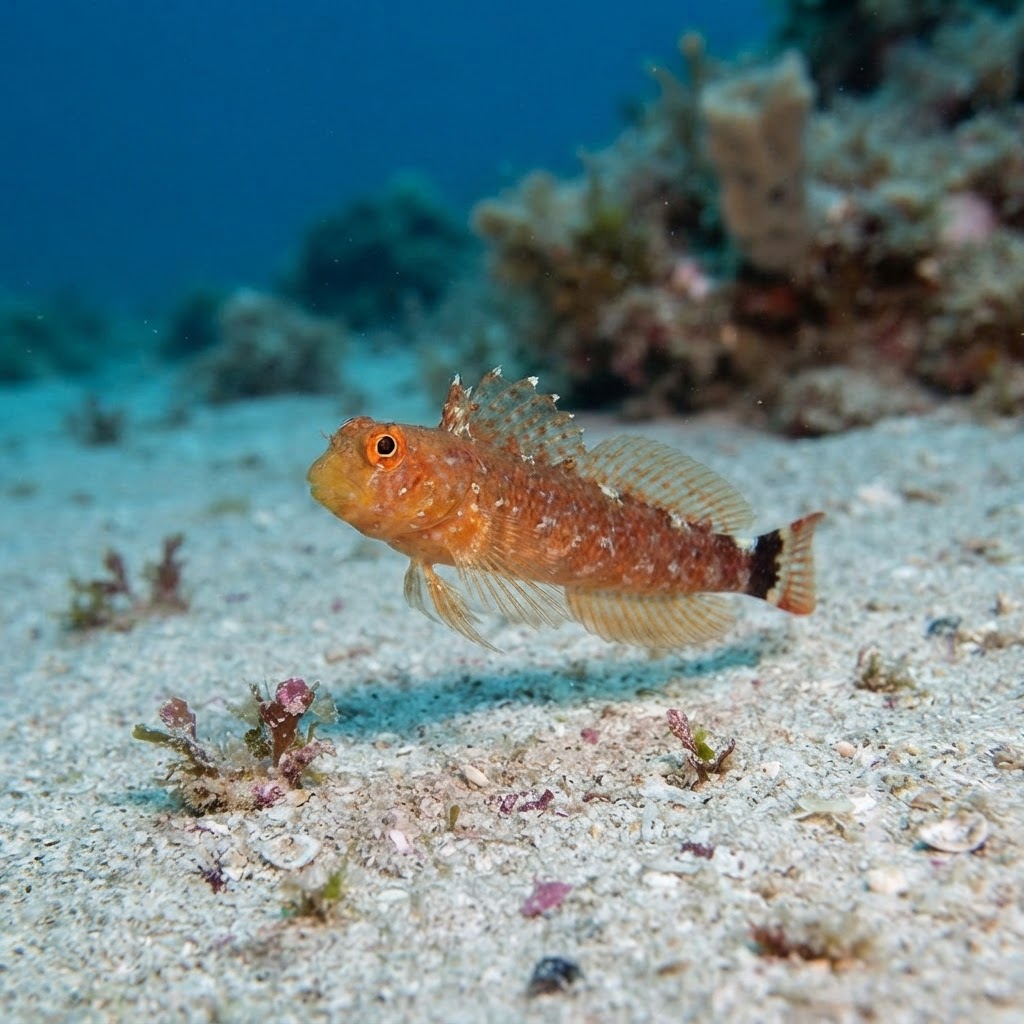
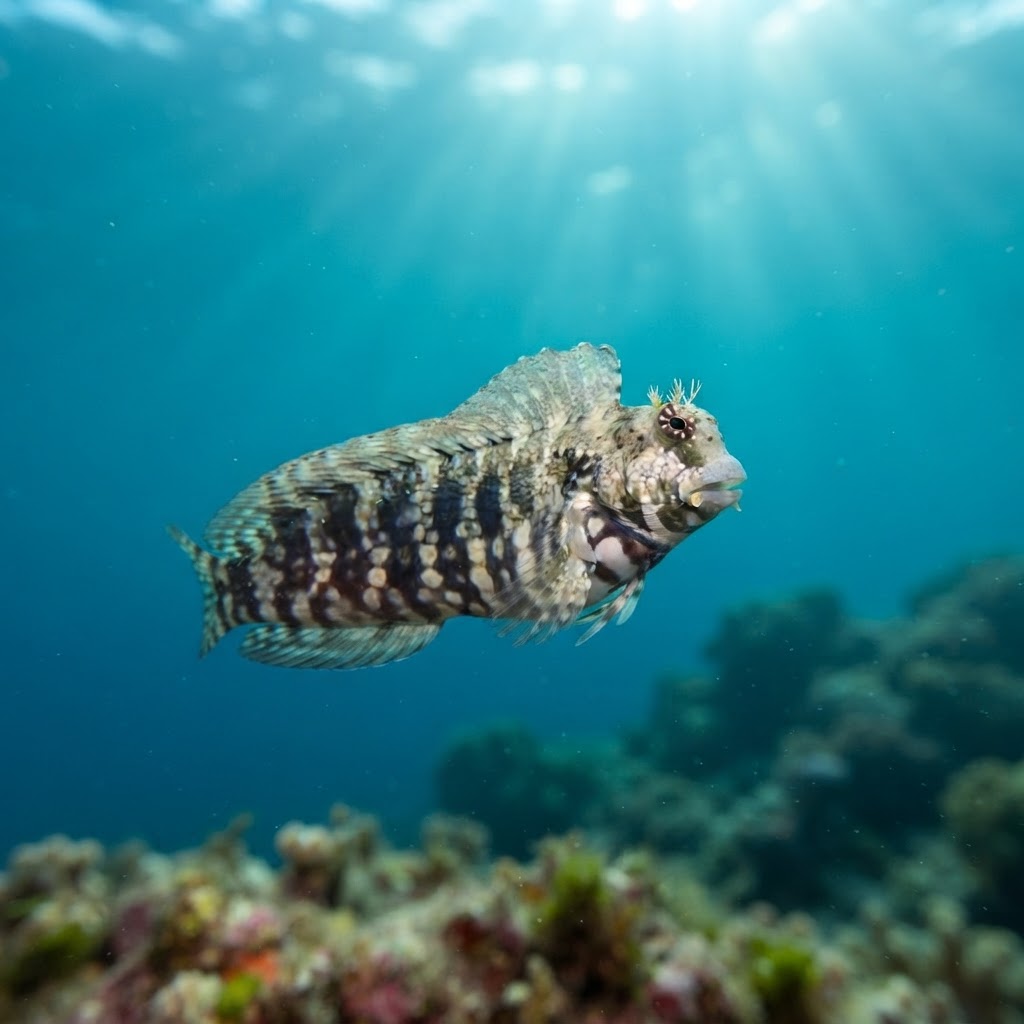
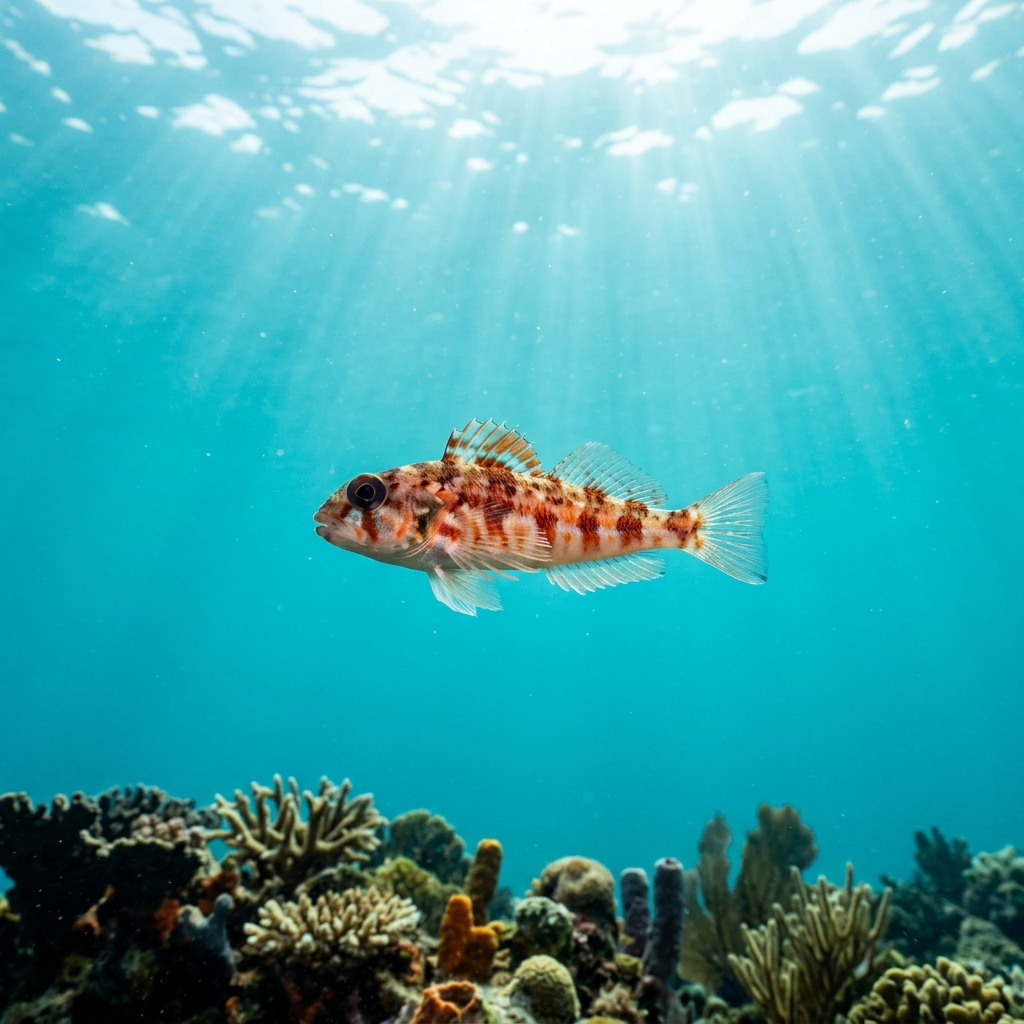
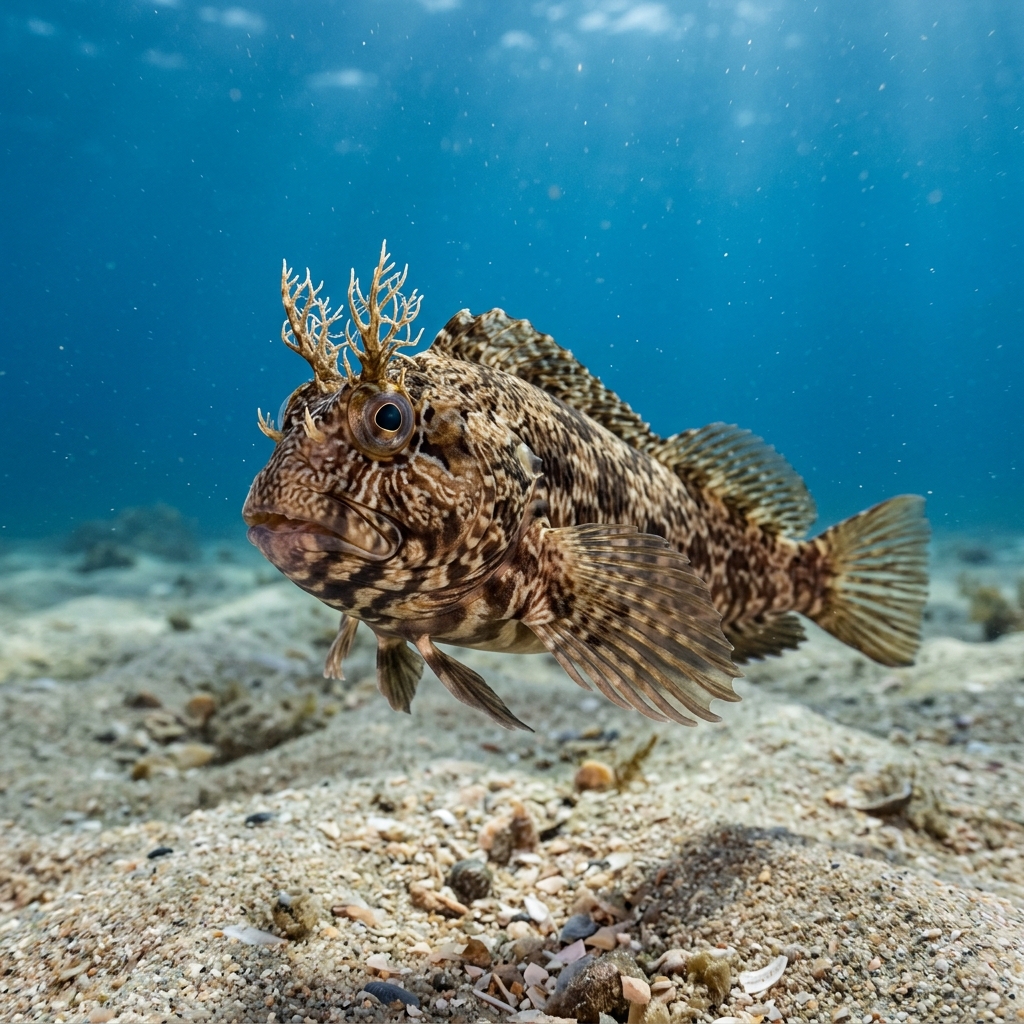
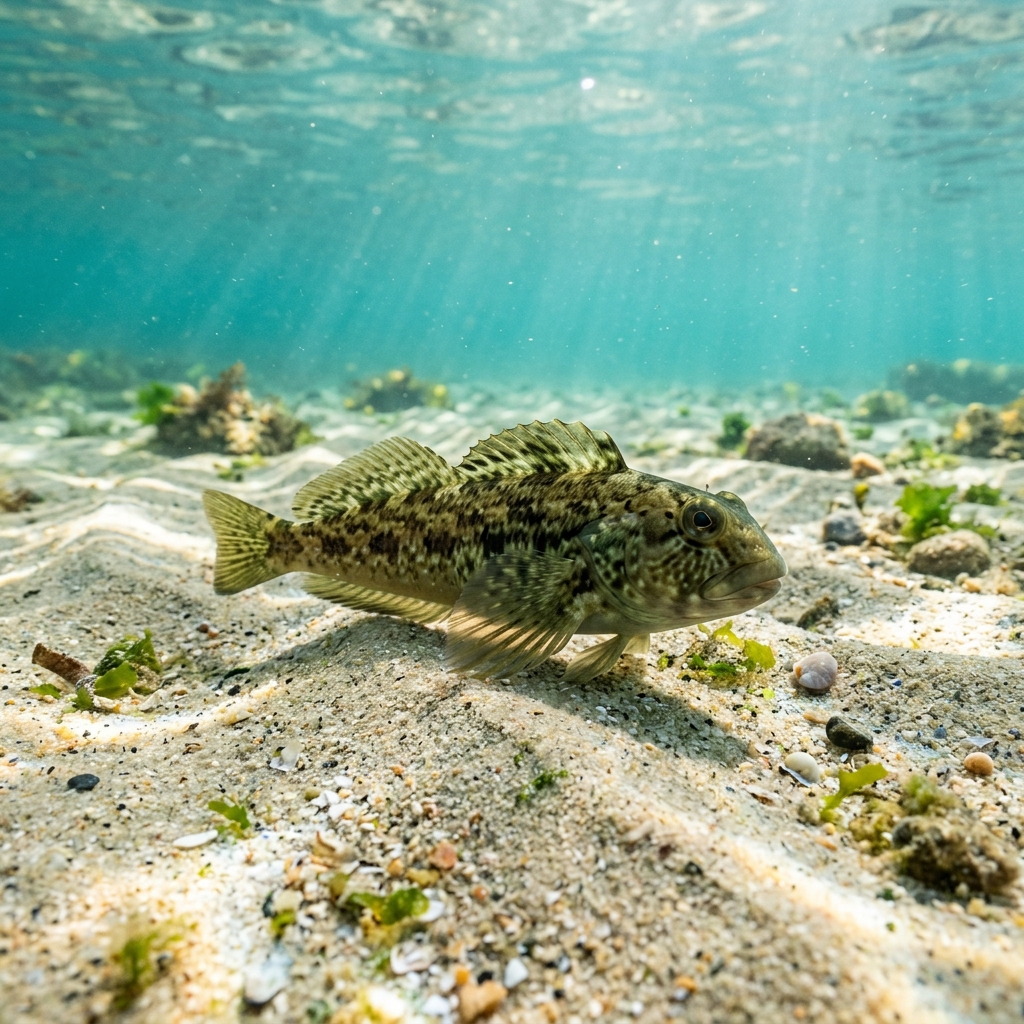
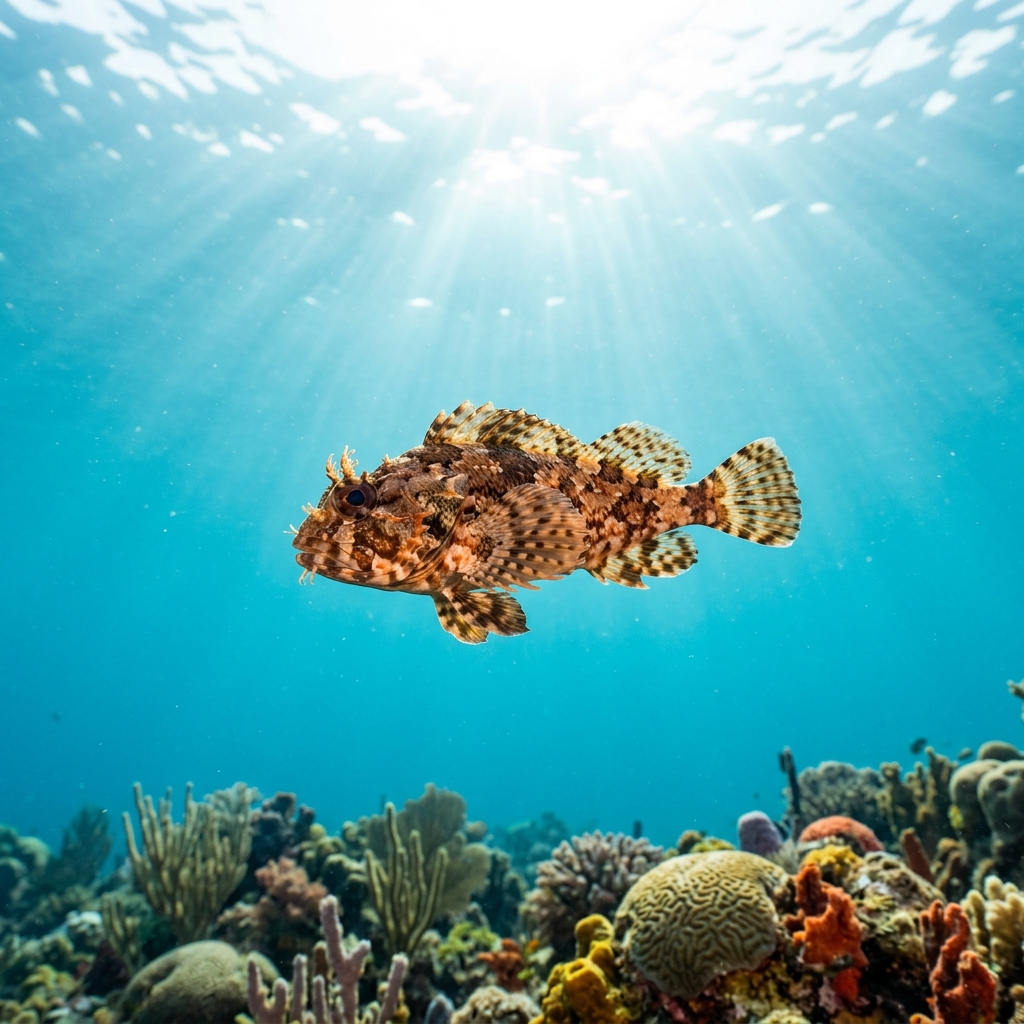
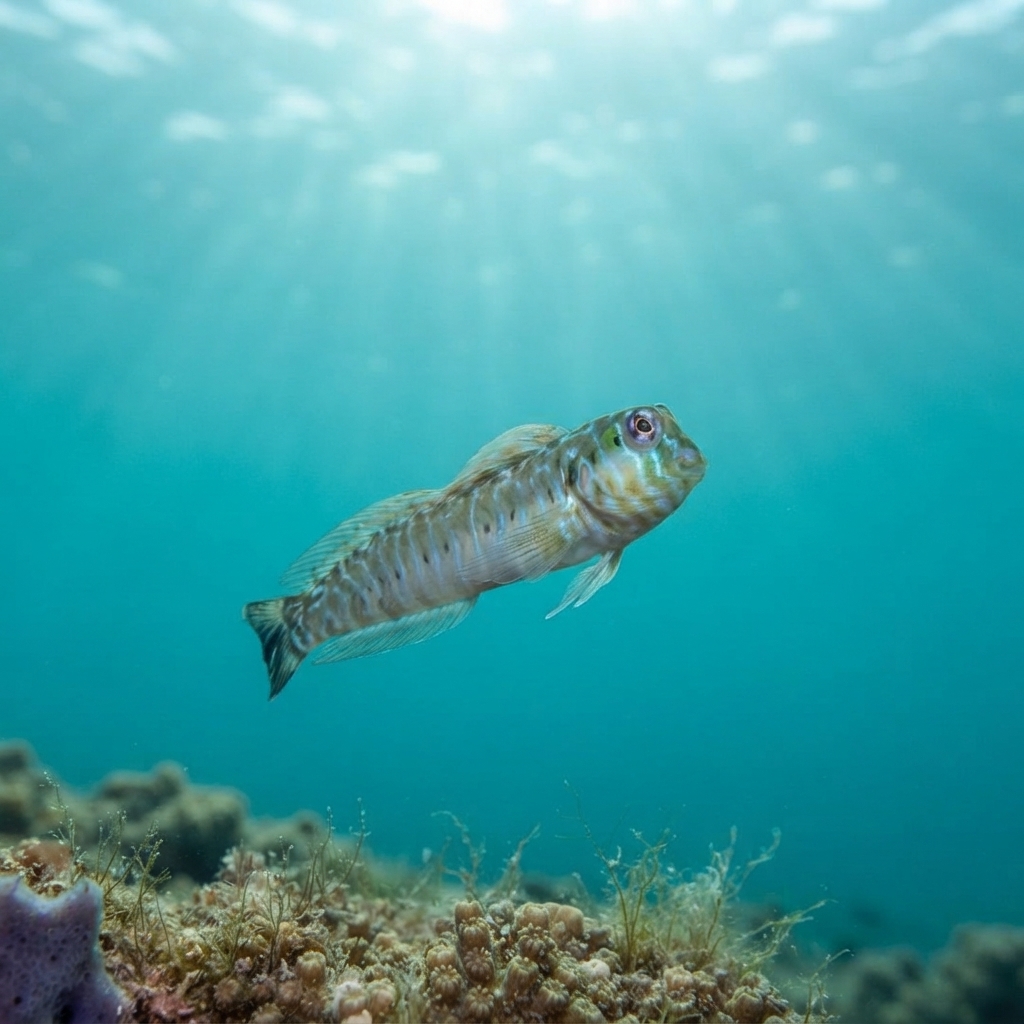
A small, elongated fish barely 6 cm long, usually seen with just its head poking out of a hole, crevice, or old shell. Colouring is mottled brown to olive, blending well against rubble and encrusted surfaces, with no bold stripes or bright patches to catch the eye. Look for the blunt head and the way it holds still, watching you, rather than swimming freely across the reef.
Expect to see just a head and a pair of watchful eyes poking from a hole rather than a fish out cruising the reef. It tends to hold its ground as divers pass, retreating into its burrow only if you get close or move suddenly, so a slow approach and a bit of patience is the best way to get a proper look. Most sightings are on close, slow reef scans rather than mid-water swims, which fits its habit of staying tucked into small refuges.
It is logged as rare at the vast majority of sites where it turns up, so even in its Western Australian stronghold, spotting one usually comes down to a diver who is deliberately checking small holes and crevices rather than someone swimming past.
Sightings are logged year-round with no detected seasonal pattern, consistent with a fish comfortable across a 24.7 to 29.2 C range typical of tropical Western Australian reefs. There is no particular month to target, so plan around your own trip dates rather than a season.
Reef neighbours a diver could mistake it for. Use the identification notes above to tell them apart.
Every logged sighting of this species comes from Western Australia, making it the place to look if you want a real shot at finding one. Within that region, divers should focus on sites with rubble, dead coral, or shelly substrate where it can tuck into a burrow rather than open sandy or open-water terrain.
Mapping where Germain's Blenny is logged…
Western Australia is the region where this species is actually logged by divers, with sightings spread across a number of sites there rather than concentrated in one spot. Outside Western Australia there is currently no reliable diver record of it.
There is no clear seasonal pattern in the sighting data, and its comfortable temperature range of roughly 25 to 29 C spans most of the year on tropical reefs. Treat it as a year-round possibility rather than something tied to a particular month.
Look for a small, 6 cm mottled brown fish poking just its head out of a hole or shelly crevice rather than swimming openly. It lacks bright stripes or bold markings, so it is identified more by its behaviour and hiding spot than by flashy colour.
They stay small, topping out around 6 cm, which is part of why they are easy to swim straight past on a reef.
It is logged as rare at most sites where divers have recorded it, with only a handful of locations reporting it as uncommon or common. Spotting one usually takes a deliberate, slow look into reef holes rather than a casual swim-by.
Site and sighting data is aggregated from diver logs, iNaturalist and GBIF. For taxonomy and conservation status:
Rusty Blenny
2,605 sites