Dichistiidae spp.
Galjoen are rare but real sightings along South Africa's Western Cape and KwaZulu-Natal coasts in water between 16 and 23 °C.
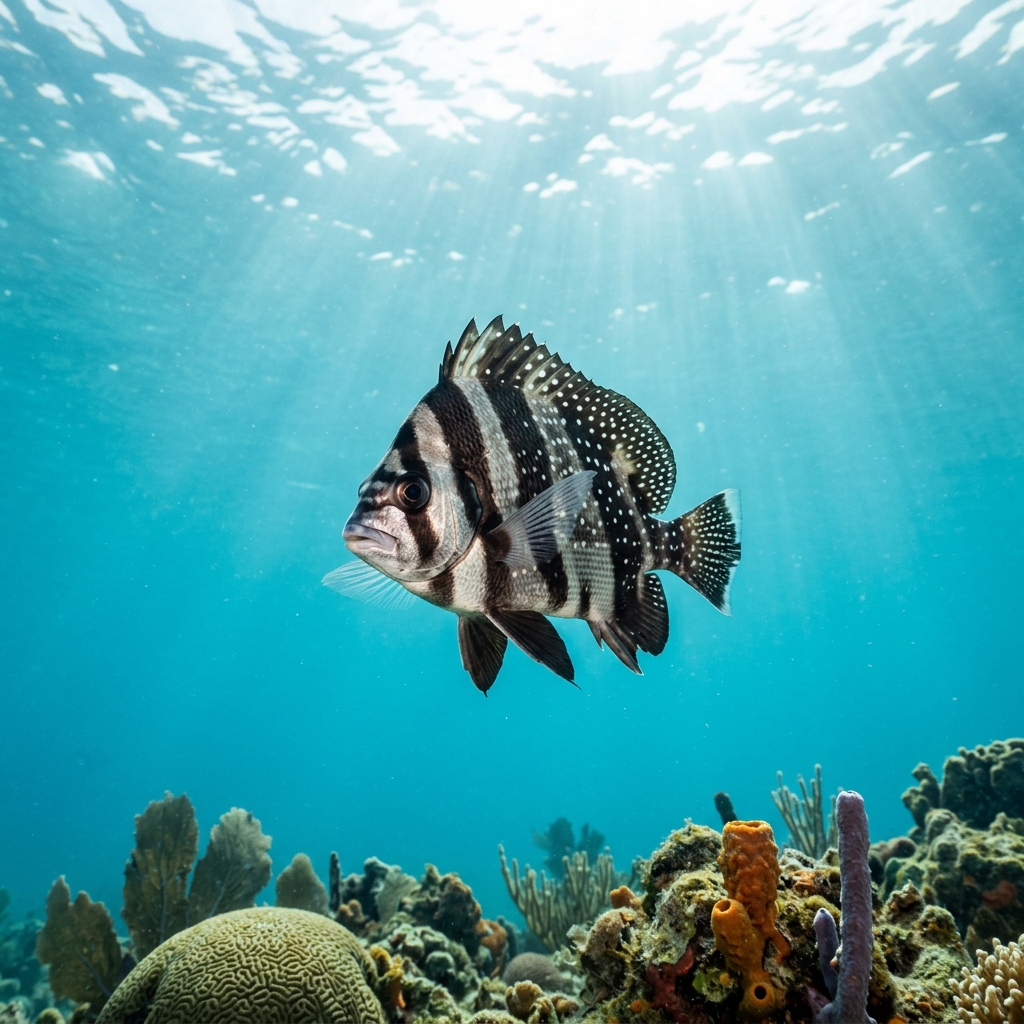
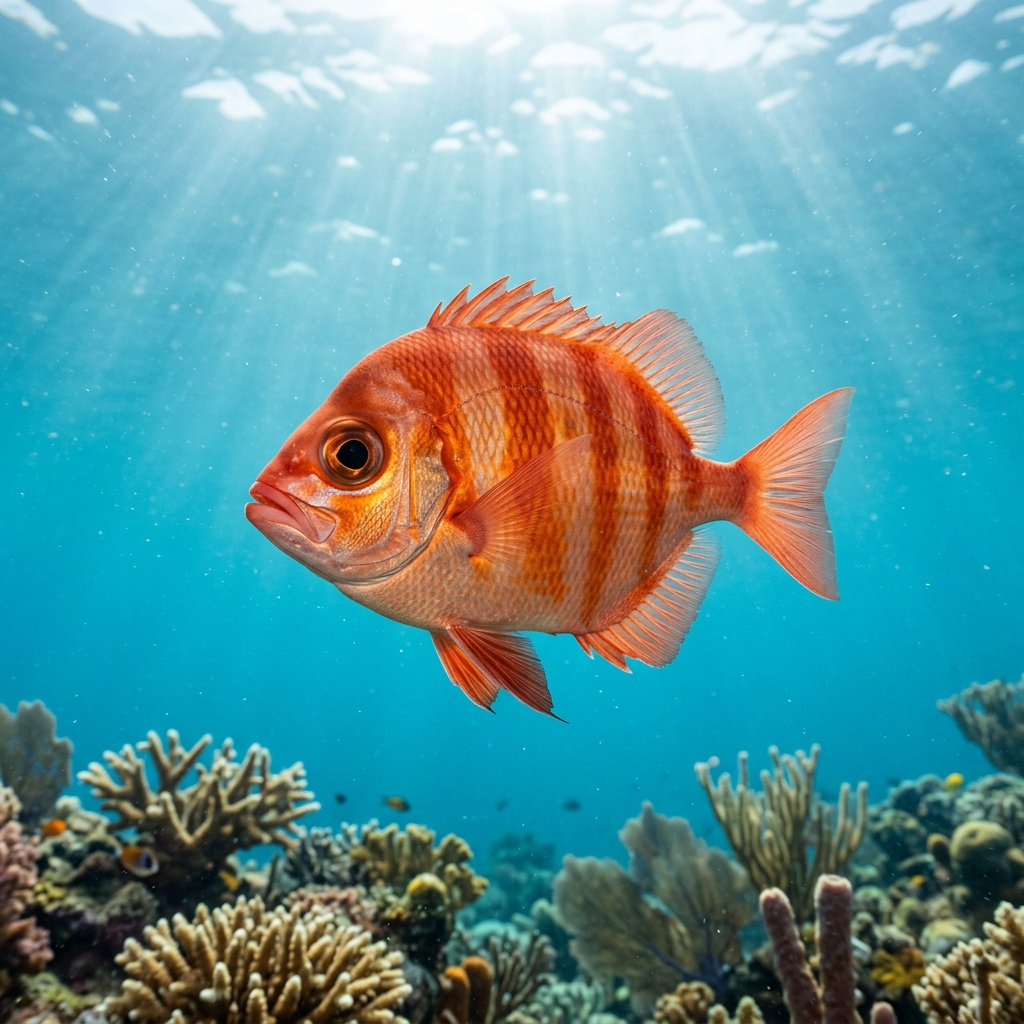
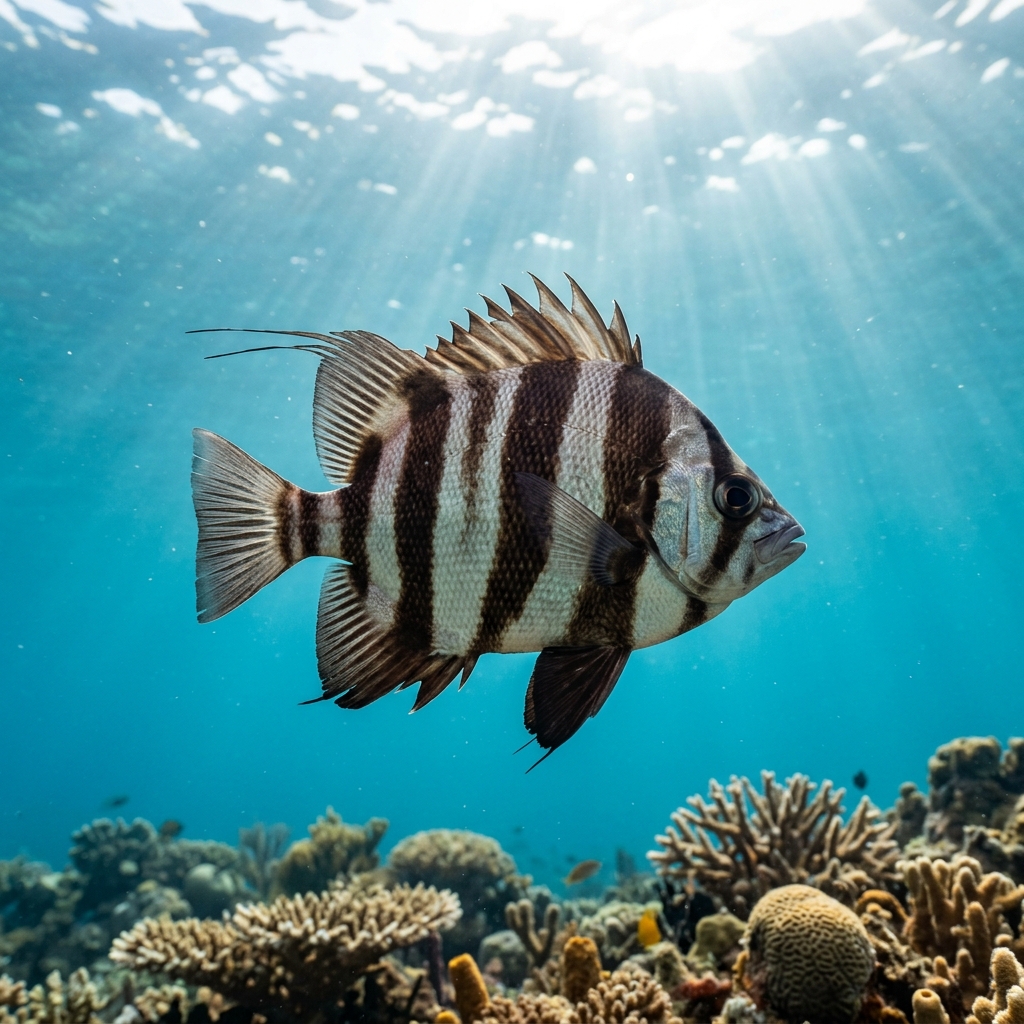
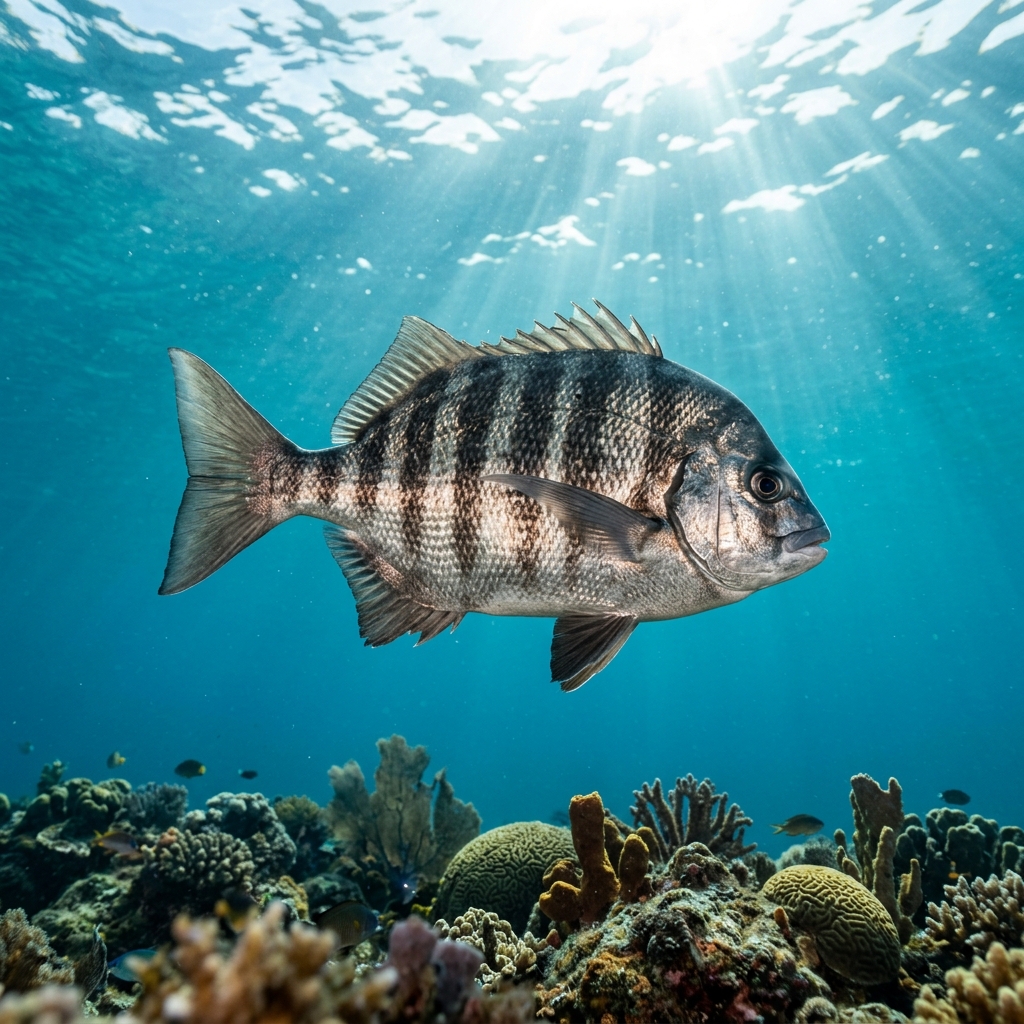
Galjoen have a noticeably deep, laterally compressed (flattened side-to-side) body that gives them a almost disc-like profile in the water. Colouring runs from dark silver-grey to near black, often with faint vertical banding that can intensify or fade depending on mood and substrate. The single long dorsal fin, with strong spiny rays at the front, runs nearly the full length of the back and is one of the first things to catch the eye. They are a medium-sized reef fish, robust-looking for their depth, and tend to hold position tight against rocky surfaces.
Sightings tend to place galjoen close to rocky reef structure, often in surge-exposed shallows where they use their deep body to hold station against current and swell. They are generally not skittish but are not particularly approachable either; slow, non-aggressive movement gives you the best chance of a close look. Divers most often spot them moving deliberately over reef, apparently foraging rather than resting.
Galjoen are so closely associated with South African coastal identity that the species (Dichistius capensis) was once declared South Africa's national fish, making any underwater encounter with the family a small piece of living national heritage.
There is not enough monthly sighting data to point to a peak season, so treat them as a year-round possibility. Their observed water-temperature range of roughly 16 to 23 °C fits the cool temperate conditions that persist along the South African west and south coasts throughout the year.
Galjoen are almost exclusively a South African sighting, with the strongest spread of sites across the Western Cape, Eastern Cape, and KwaZulu-Natal South Coast. A single site in Namibia sits at the northern edge of the range. Western Cape accounts for the largest share of logged sites, making it the most practical target for divers specifically seeking the family.
Mapping where Galjoen is logged…
Galjoen are found almost entirely in South African waters. The Western Cape has the highest concentration of logged sites, followed by KwaZulu-Natal South Coast and the Eastern Cape. One site in Namibia marks the outer northern fringe of their range. Stick to South Africa for the best realistic chance.
There is no confirmed peak season based on current sighting data, so they can be encountered year-round. Their comfort zone of roughly 16 to 23 °C matches the persistent cool temperate water along the Western Cape and Eastern Cape coasts, meaning conditions are broadly suitable in any month.
Look for a deep, disc-shaped body with a long spiny dorsal fin running most of the length of the back. Colouring is dark silver-grey to near black, sometimes with faint vertical banding. Their profile is distinctively tall and compressed compared to most other temperate reef fish sharing the same rocky habitat.
Sighting data rates galjoen as rare at every site where they have been logged. This does not mean they are absent, but divers should not expect an easy encounter even in the right region and habitat. Patience and familiarity with their preferred rocky, surge-exposed reef zones improve the odds.
No. Galjoen pose no known risk to divers. They are not aggressive and tend to move away or hold position calmly when approached sensibly.
Site and sighting data is aggregated from diver logs, iNaturalist and GBIF. For taxonomy and conservation status:
Meagre
1,159 sites