Heteroconger klausewitzi
Colonies of Galapagos Garden Eels sway from sandy slopes across the Galápagos Islands, year-round in 23.5 to 25 C water.
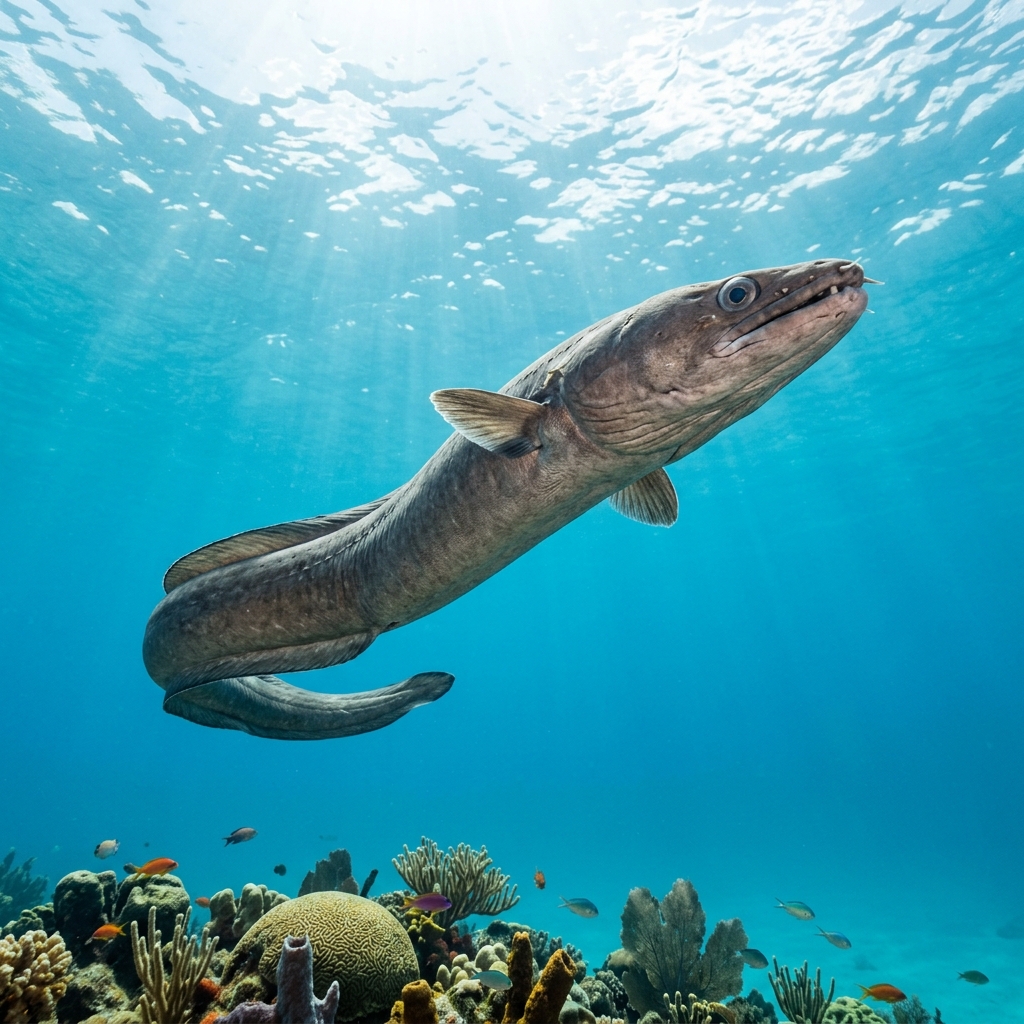
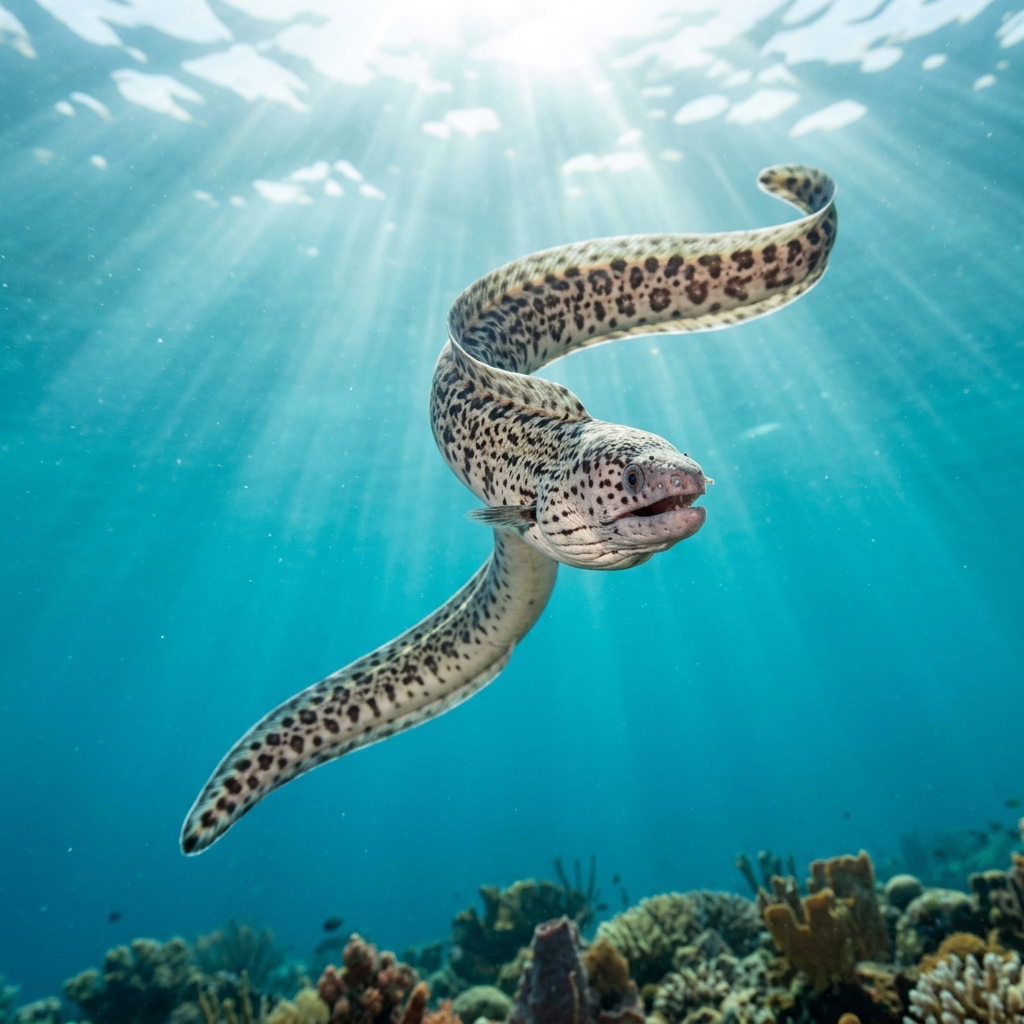
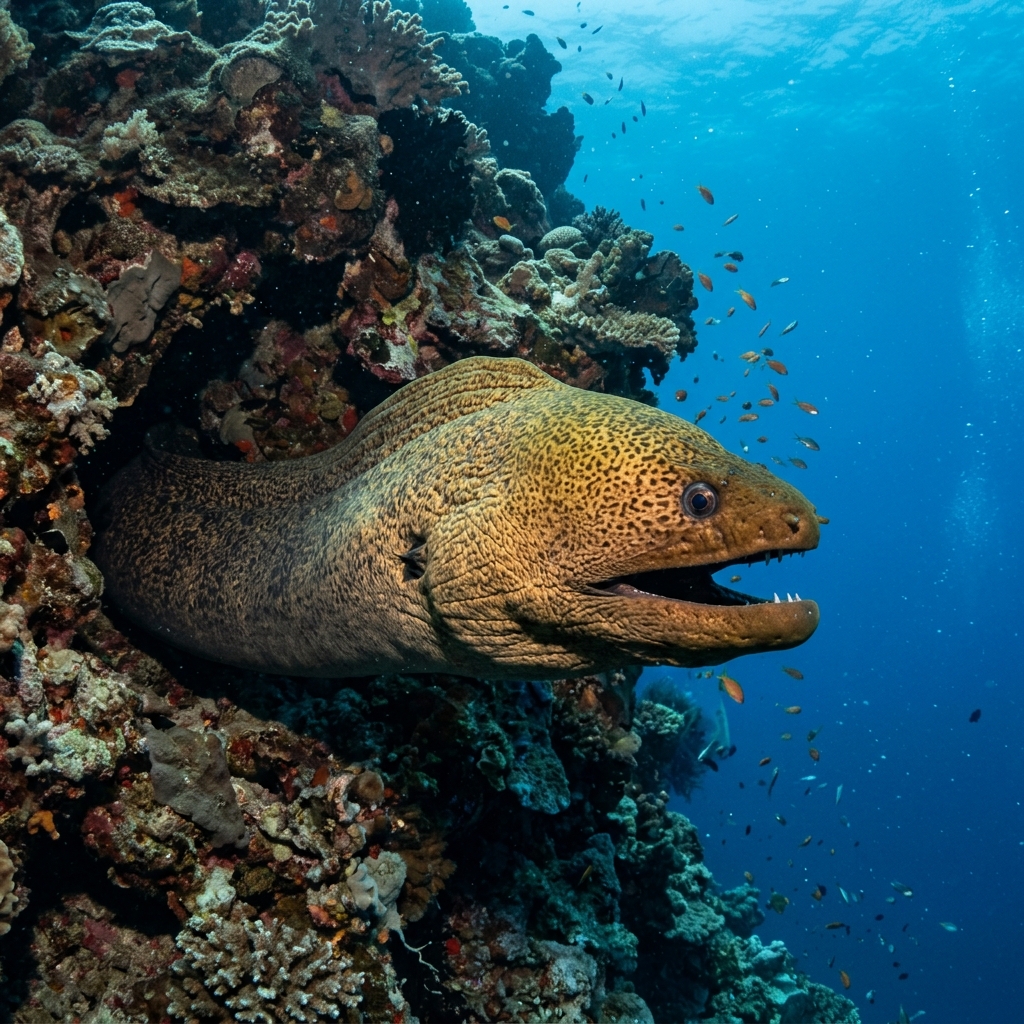
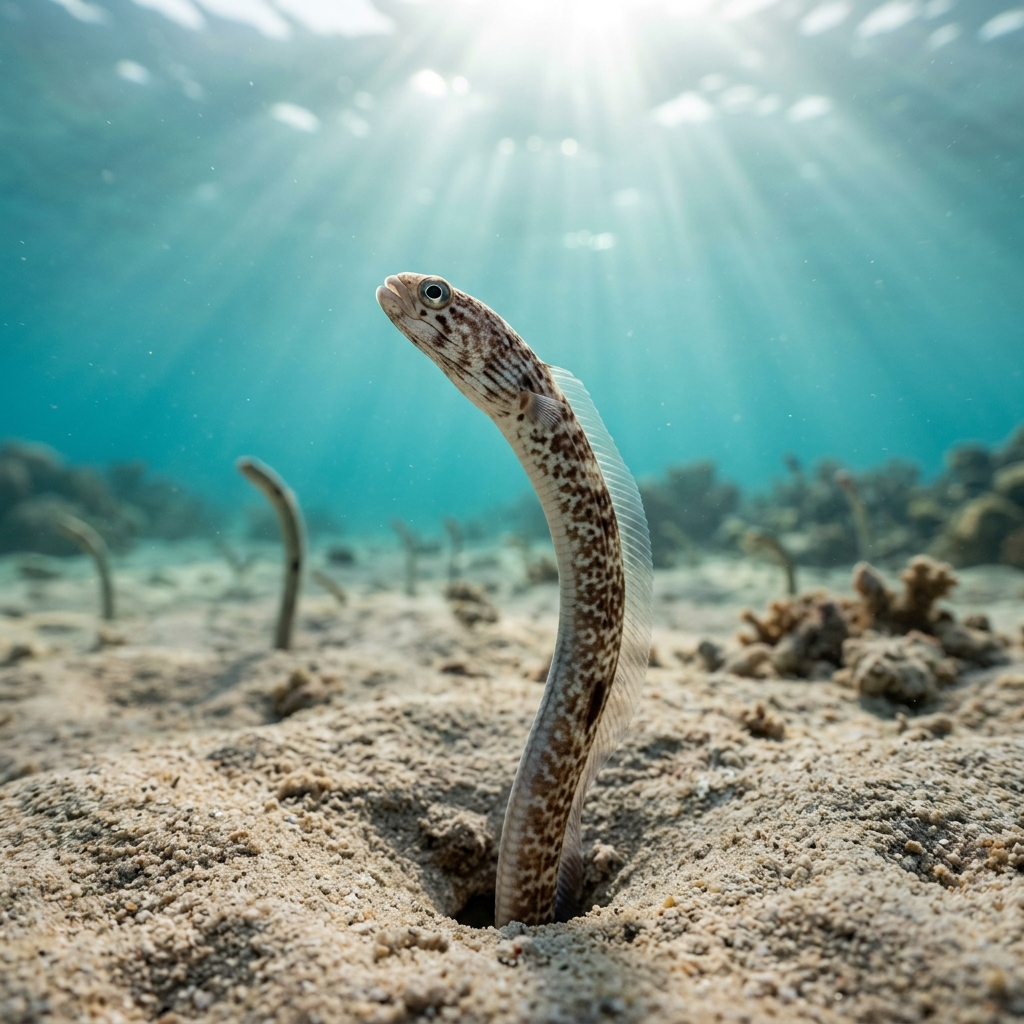
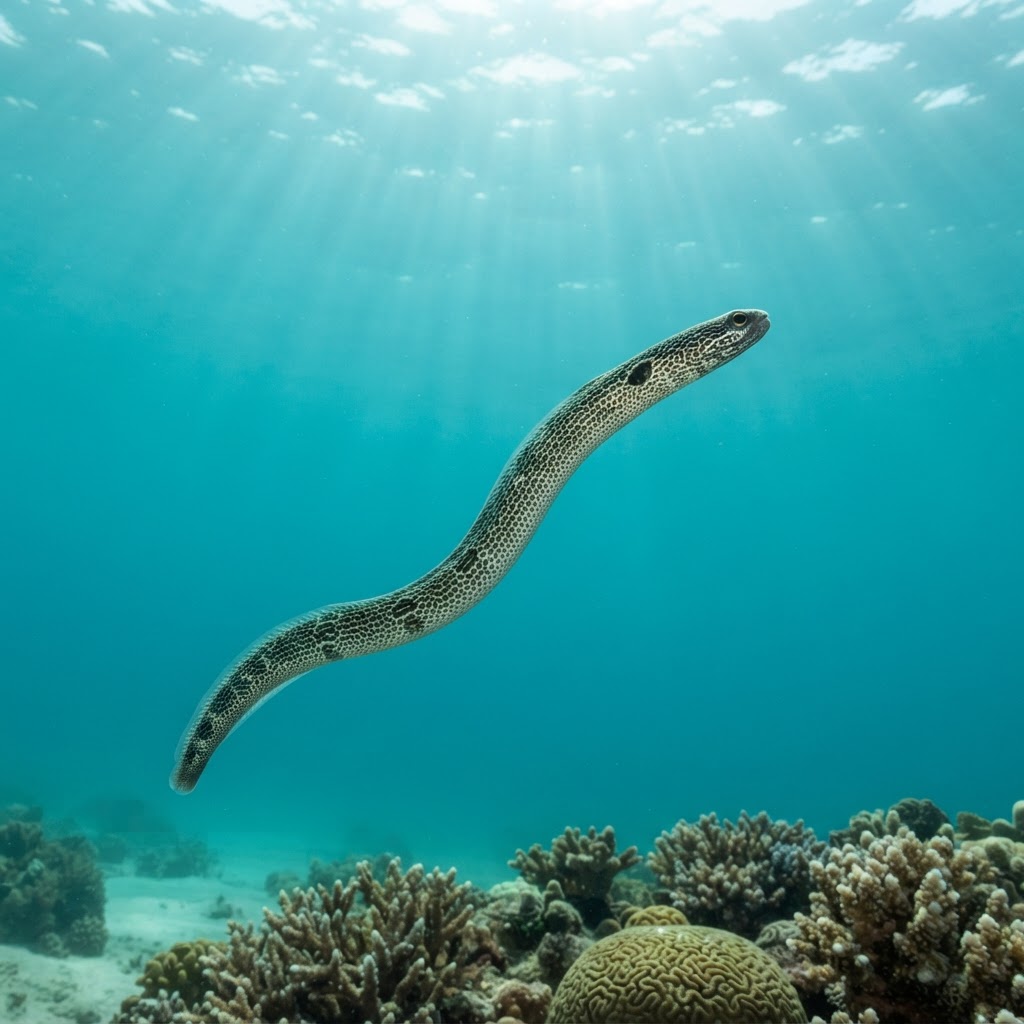
Grows to around 49cm but you will only ever see the front third, since the rest stays buried in a sandy burrow. Body is slender and grey-brown, tapering to a thin whip-like tail, with a rounded head and large dark eyes that give it a slightly startled look. Look for dozens of individuals swaying upright out of a sand patch in unison, like blades of grass moving with the current, rather than a single free-swimming eel.
Found poking out of sandy or rubble slopes in loose colonies, often in open water away from the reef itself, feeding on drifting plankton by facing into the current with just the head and upper body exposed. It reacts to divers by slowly retreating tail-first into its burrow if approached too fast, so a slow, low approach and some patience gets the best look before it vanishes underground.
Each eel spends essentially its whole adult life anchored in one burrow, feeding by swaying and snapping at passing plankton without ever fully leaving the sand.
Sightings are logged year-round with no strong seasonal pattern, which fits its narrow but stable comfort zone of about 23.5 to 25 C. Plan around Galápagos conditions generally rather than chasing a particular month for this eel specifically.
Almost every logged sighting comes from the Galápagos Islands in Ecuador, where sandy slopes around numerous sites host colonies of this eel. A smaller, more occasional population has also been recorded on Ecuador's Pacific coast and on Costa Rica's South Pacific coast.
Mapping where Galapagos Garden Eel is logged…
The Galápagos Islands in Ecuador are the reliable place to see them, on sandy slopes at numerous dive sites. Occasional sightings also occur on Ecuador's Pacific coast and in Costa Rica's South Pacific region.
There is no strong season logged for this eel, so sightings happen year-round. Water in its comfort range of roughly 23.5 to 25 C is typical across the diving calendar in the Galápagos.
Look for a colony of slender grey-brown eels standing upright out of a sand patch, swaying together in the current with only their head and front body visible. Individuals dip back into their burrows if divers approach too quickly.
They reach around 49cm in length, but divers only ever see a portion of that since most of the body stays buried in the sand.
Each eel digs and keeps a single burrow for essentially its whole life, feeding on plankton by leaning into the current without ever fully swimming free of the sand.
Site and sighting data is aggregated from diver logs, iNaturalist and GBIF. For taxonomy and conservation status:
Garden Eel
2,448 sites