Boopsoidea inornata
An uncommon sea bream found almost exclusively around the Western Cape, South Africa, in water from 17.6 to 27.5 C, year-round.
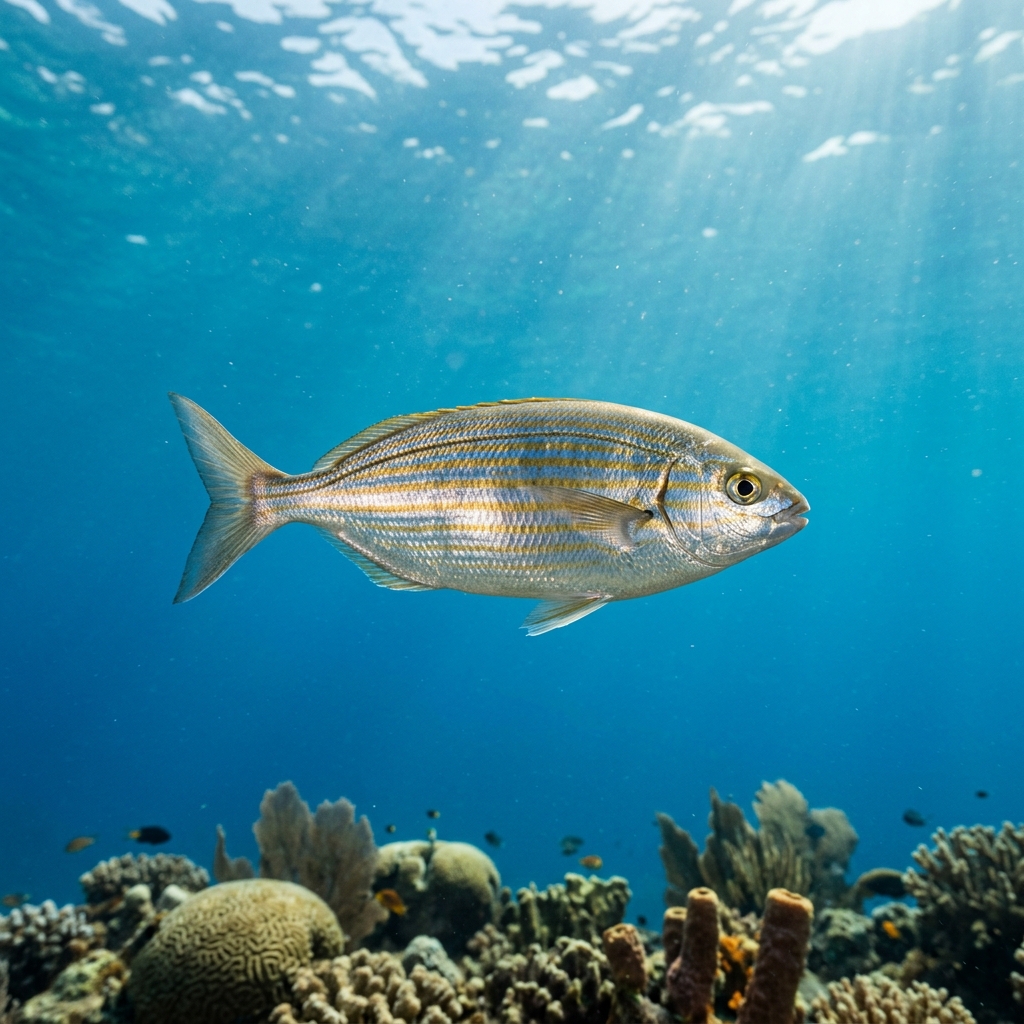
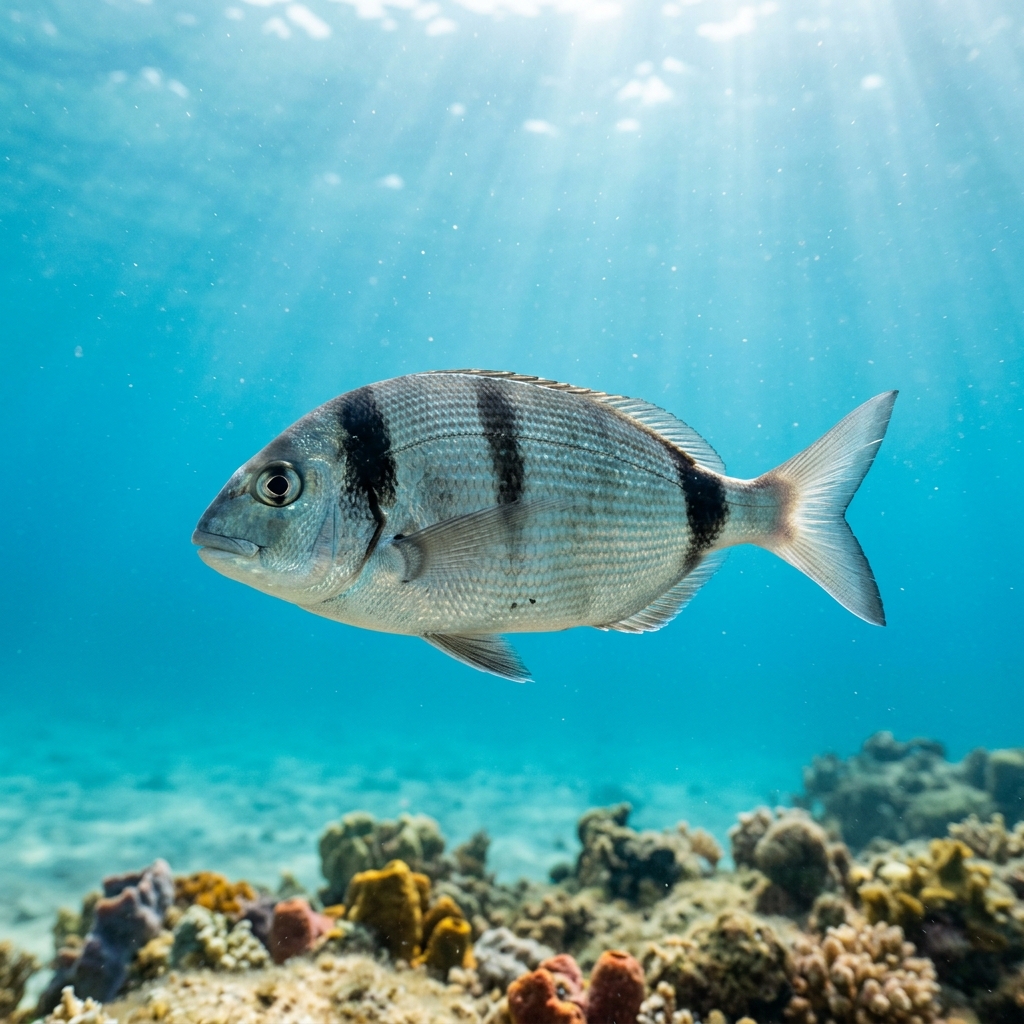
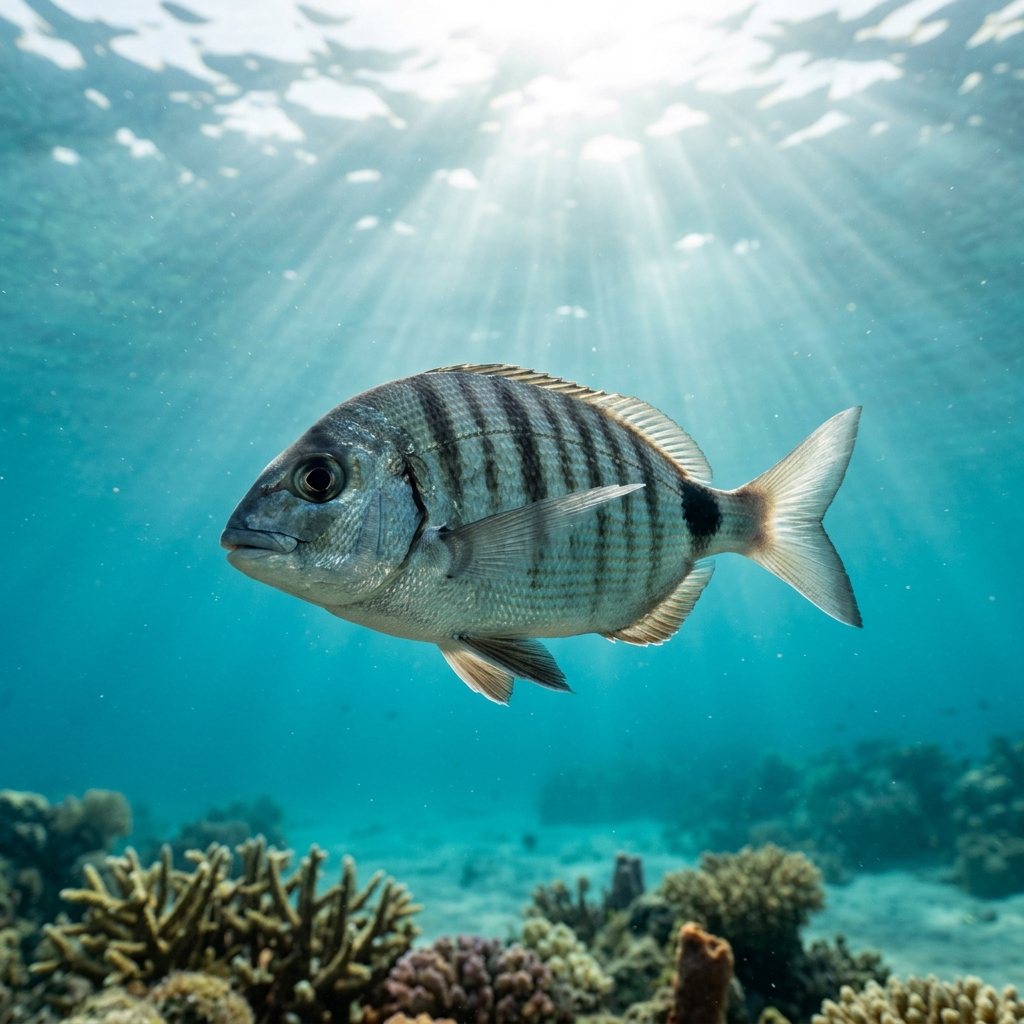
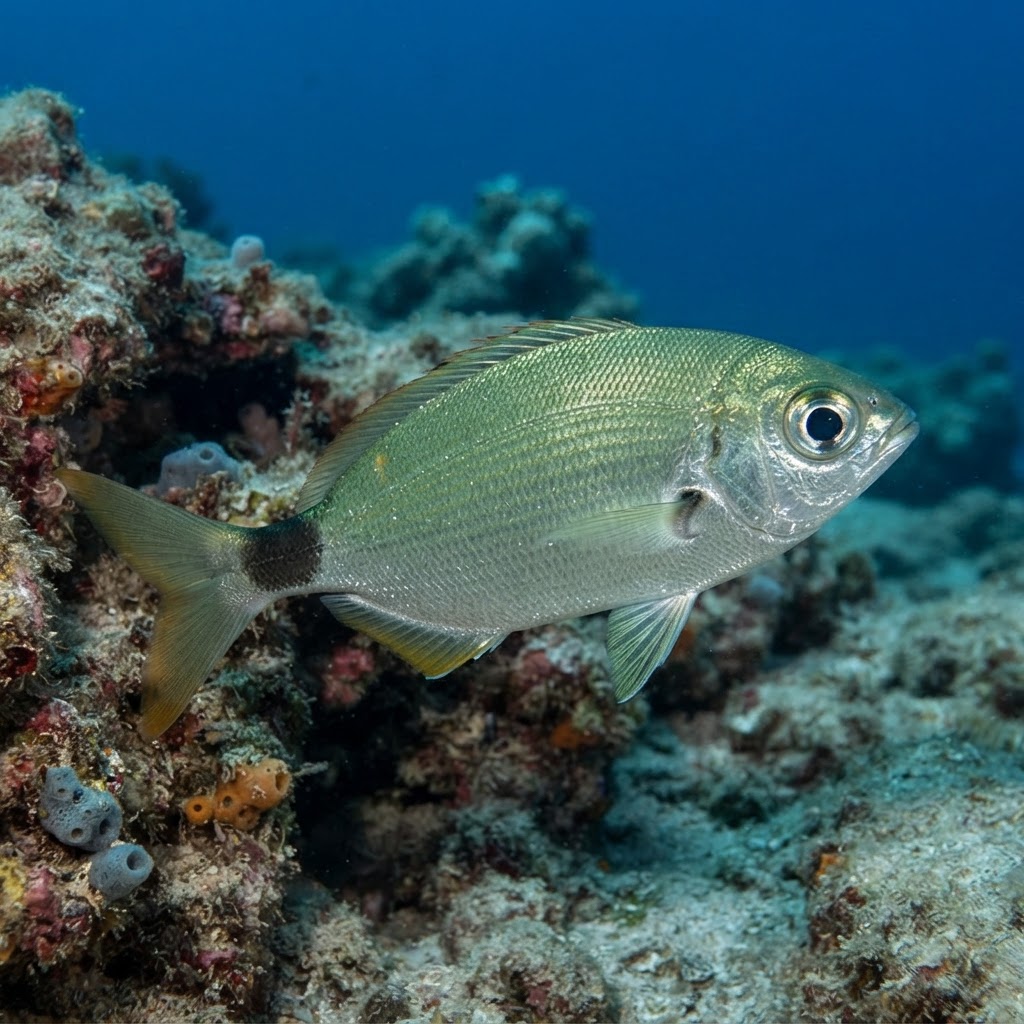
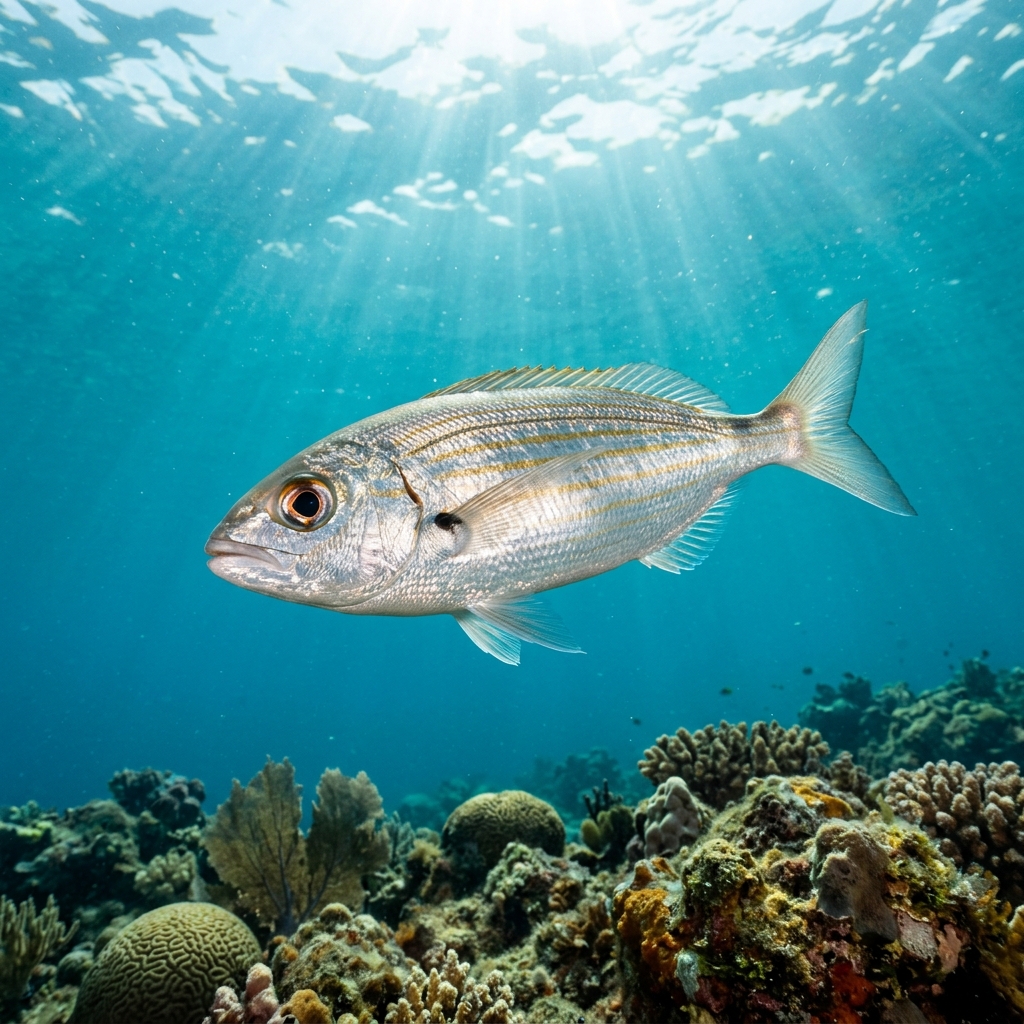
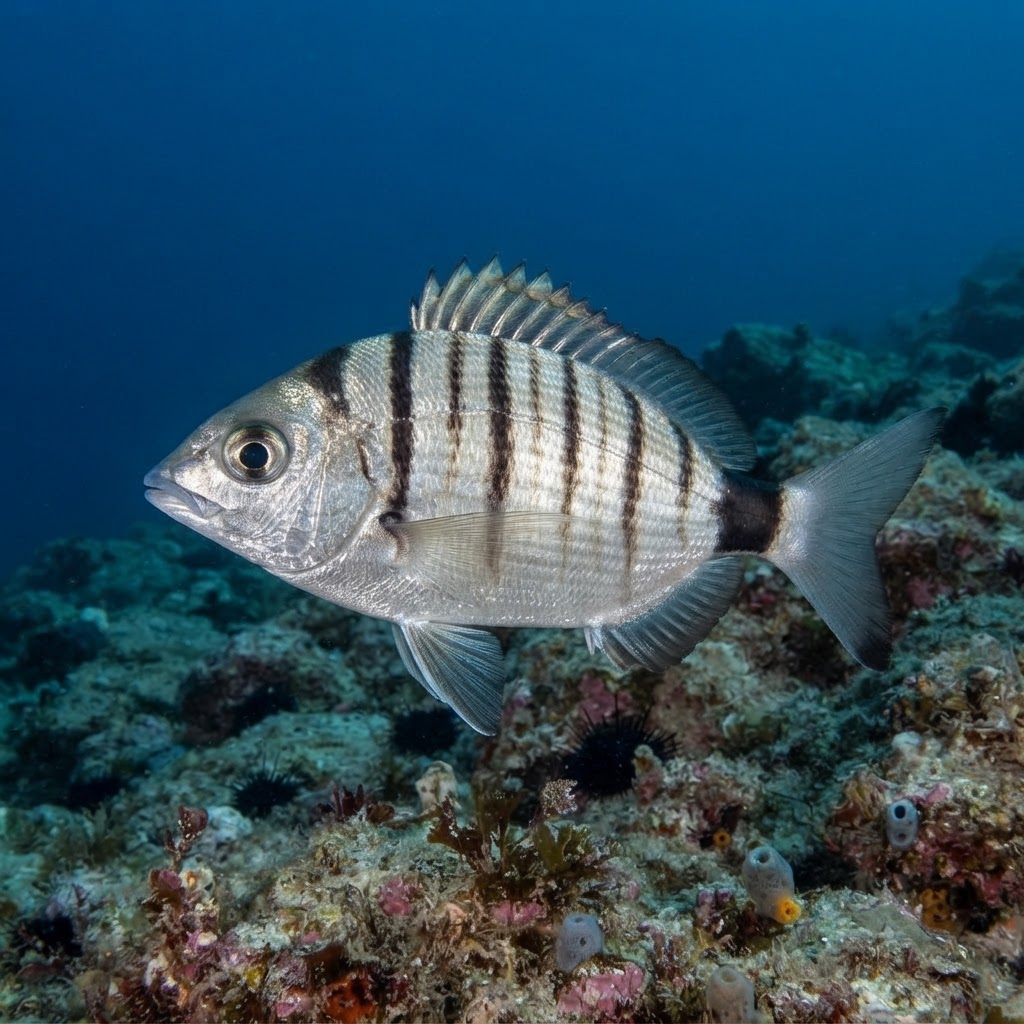
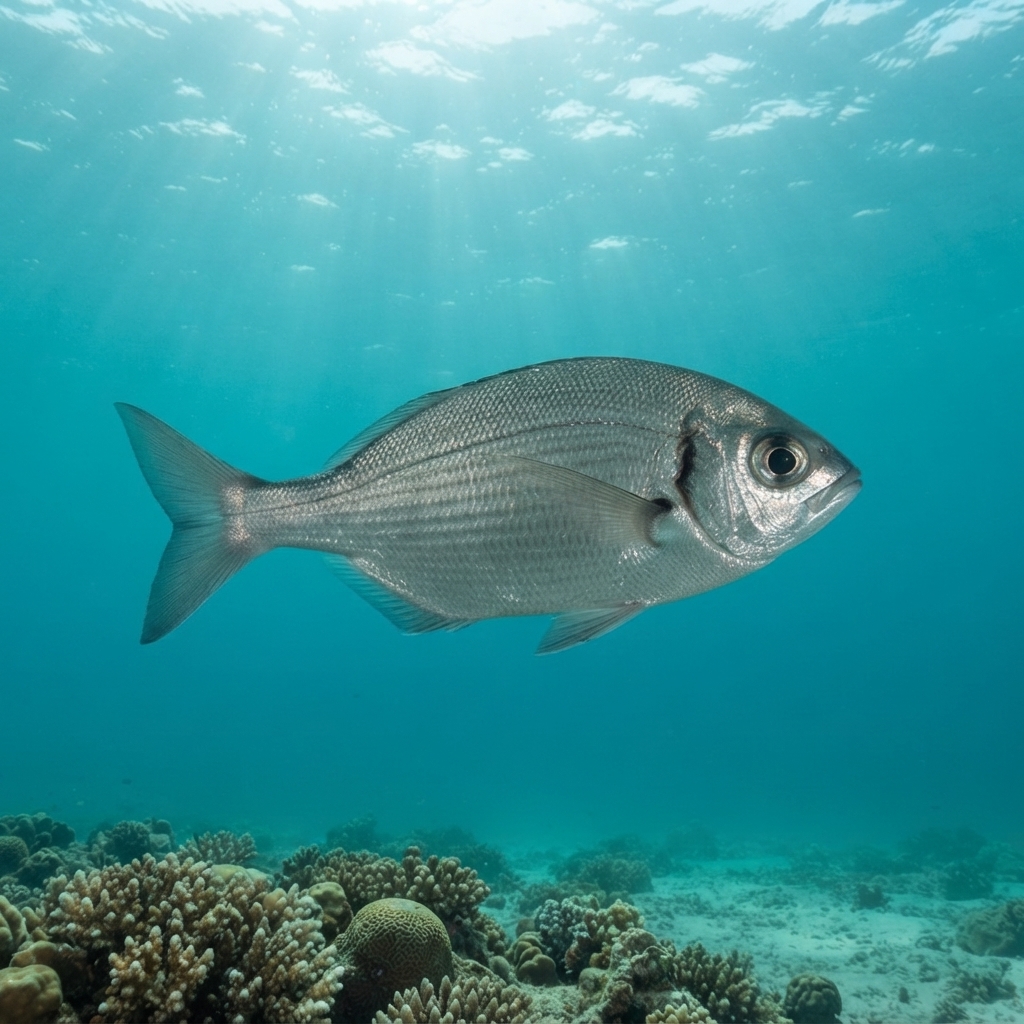
A slender, silvery sea bream reaching around 28 cm, with a fairly narrow body and a small, pointed head typical of the sparid (sea bream) family. Look for faint horizontal striping along the flanks and a plain, unfussy fin pattern, no bold blotches or bars to catch the eye. In the cool, often greenish water of the Western Cape it tends to read as a pale, streamlined shape moving low over reef and rubble rather than showing strong colour.
Divers most often log it singly or in small, loose groups cruising over reef and rocky terrain rather than schooling tightly in the open. It is an uncommon to occasional sighting at most sites, with only a handful of spots where it turns up reliably, suggesting it is spread thin across suitable Cape reef rather than clustered in dense numbers. It does not appear to react strongly to divers, behaving more like background reef fish than an animal that seeks out attention.
It belongs to the sea bream family (Sparidae), a group known for including species that change sex or reproductive role over their lifetime, though this has not been specifically documented for fransmadam.
Sightings are logged year-round with no clear seasonal peak, consistent with a temperature range of 17.6 to 27.5 C that covers the Western Cape's cooler and warmer months alike. Plan around good Cape diving conditions generally rather than chasing a specific season for this species.
This one is a Western Cape speciality: virtually all logged sightings come from dive sites in South Africa, concentrated in the Western Cape region. If you are diving the Cape Peninsula and surrounding reefs, this is the sea bream you are most likely to run into, though usually only a few at a time.
Mapping where Fransmadam is logged…
Almost every logged sighting comes from South Africa's Western Cape, making it a distinctly Cape Peninsula species for divers rather than something found on tropical reefs elsewhere.
There is no strong seasonal pattern in the sightings, so it is considered a year-round fish on Western Cape reefs, spotted across a temperature range of roughly 17.6 to 27.5 C.
Look for a slim, silvery sea bream around 28 cm long with a pointed head and faint horizontal striping, moving low over reef or rubble without any bold colour patches.
They typically reach about 28 cm in length, a modest, streamlined size in line with many other sea bream in the Sparidae family.
No, they pose no threat to divers and are simply calm, unremarkable reef fish to observe or photograph from a comfortable distance.
Site and sighting data is aggregated from diver logs, iNaturalist and GBIF. For taxonomy and conservation status:
Saddled Bream
3,846 sites