Siganus argenteus
Silvery schools on reefs from Seychelles to Egypt's Red Sea Riviera, comfortable year-round in 24.6-29C tropical water.
Safety warning
The dorsal, anal and pelvic fin spines carry venom that can cause a sharp, painful sting if you handle the fish or brush against it while it is startled. It poses no threat if left alone, so give it normal reef space and avoid grabbing or cornering it for a photo.
If you're stung
Venomous fin spinesGeneral first-aid guidance, not a substitute for professional medical care. In an emergency, call your local emergency number.
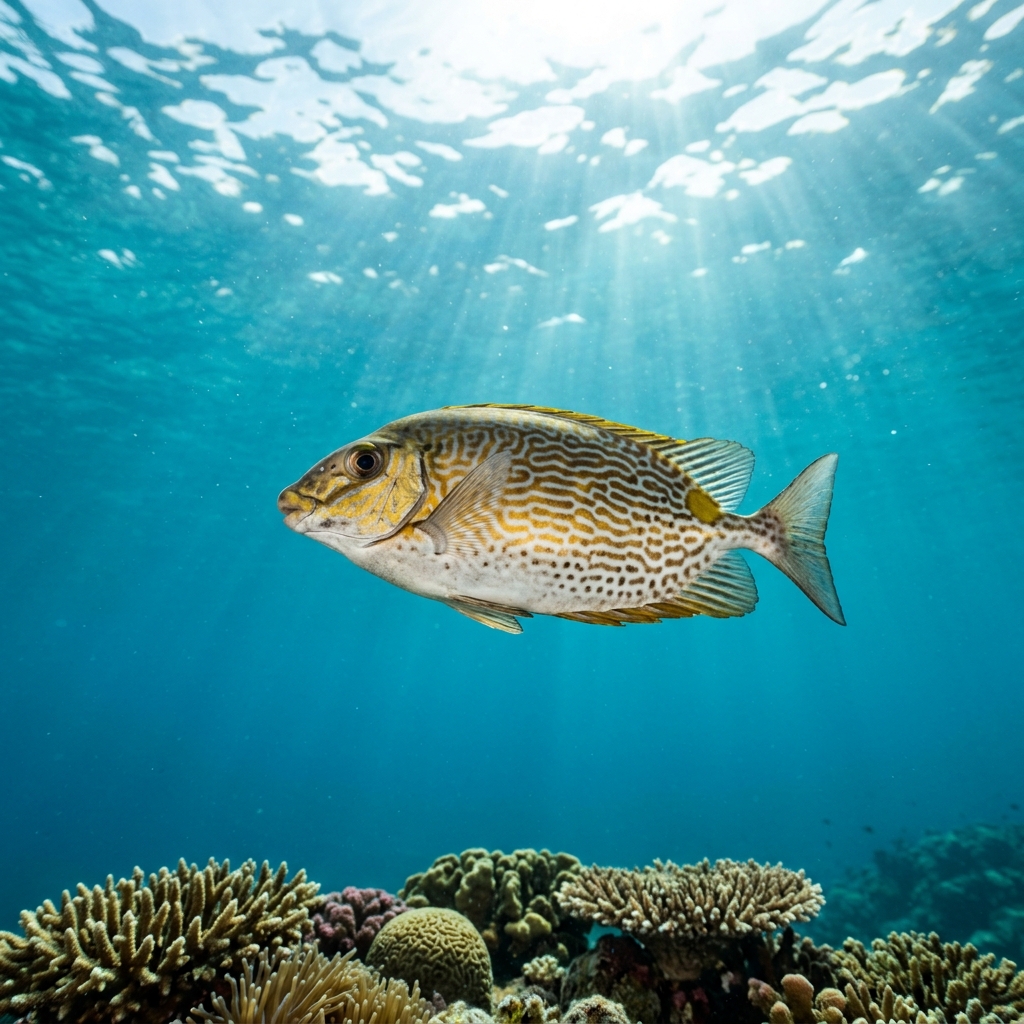
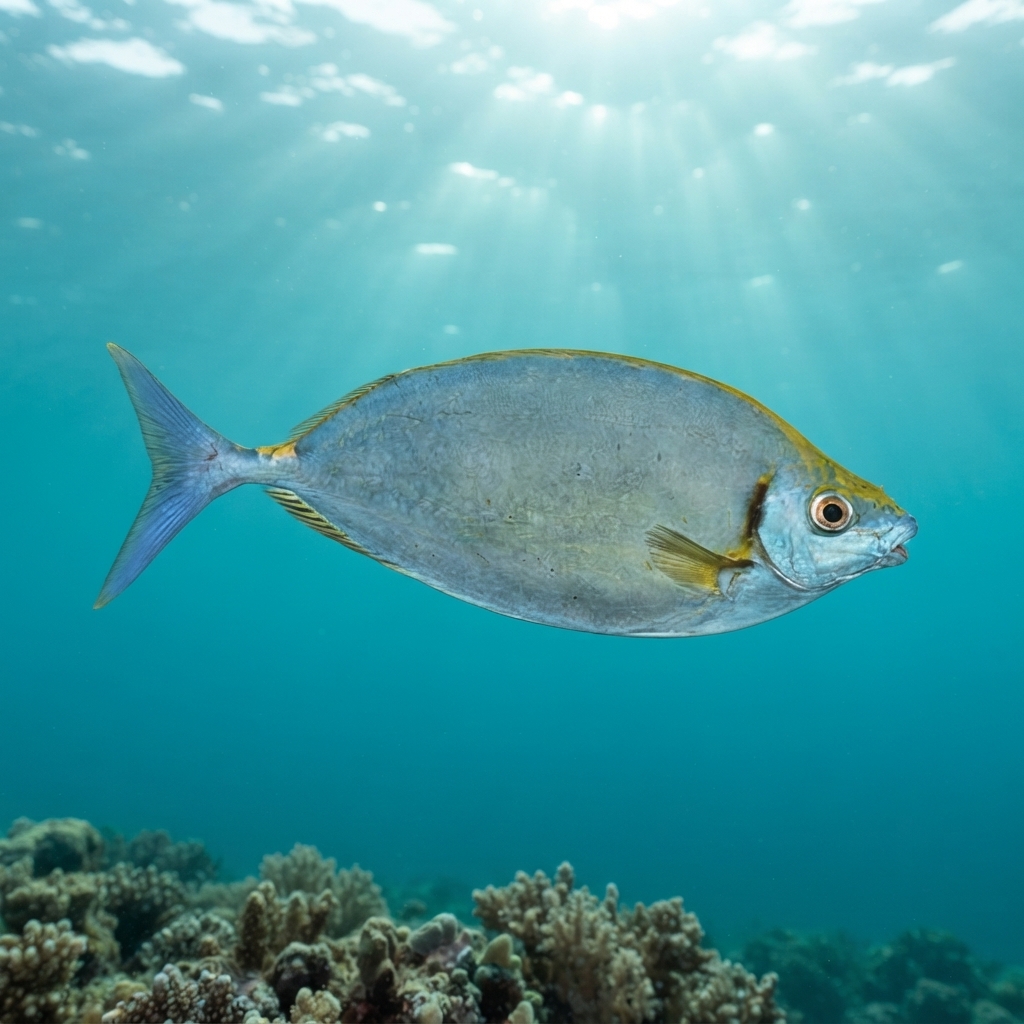
Streamlined and silvery-grey with a faint olive or bluish sheen, growing to around 28cm in the water. The deeply forked tail is the giveaway, giving the fish a torpedo-like profile as it cruises the reef. Look for a slim, laterally compressed body and a small, slightly pointed mouth built for grazing algae off rock and coral.
Usually seen cruising open reef flats and slopes in loose groups, grazing on algae-covered rock and rubble rather than hovering near coral heads. They tend to keep a bit of distance from divers, drifting off unhurried rather than bolting, and are most often noticed mid-water or just above the substrate during the day. Sightings are logged as uncommon at the great majority of sites, so expect to spot a few rather than a crowd.
Rabbitfishes get their name from a rabbit-like grazing habit on algae, and several species including this one carry venomous spines in the dorsal, anal and pelvic fins as a defence rather than an offensive weapon.
No clear seasonal pattern shows up in the sighting data, so treat this as a year-round species. Its comfort range of roughly 24.6 to 29C matches typical tropical reef conditions in these regions for most of the year.
Most reliably logged in the Seychelles, particularly around the Inner Islands, and in Mauritius at Flic-en-Flac, with strong numbers also reported along Egypt's Red Sea Riviera. Divers also find them in the Maldives' Central Atolls, off Saipan in the Northern Mariana Islands, and in smaller numbers around Western Australia, French Polynesia's Tuamotu Islands, and Rarotonga in the Cook Islands.
Mapping where Forktail Rabbitfish is logged…
They turn up most reliably in the Seychelles' Inner Islands and around Flic-en-Flac in Mauritius, with strong sightings also logged along Egypt's Red Sea Riviera and in the Maldives' Central Atolls.
There's no strong seasonal pattern in the sighting data, so they're considered a year-round sighting on tropical reefs where water stays between roughly 24.6 and 29C.
They carry venomous spines in their dorsal, anal and pelvic fins that can deliver a painful sting if touched or handled. They aren't aggressive and pose no risk if you simply observe from a normal distance.
Look for a slim, silvery-grey fish around 28cm long with a distinctly forked tail and a torpedo-shaped body. They're usually seen grazing over reef rock and rubble rather than sheltering near coral.
They typically reach about 28cm in length, giving them a lean, streamlined look in the water rather than a bulky body shape.
Like other rabbitfishes, they carry venomous spines as a defence mechanism and get their common name from an algae-grazing habit reminiscent of a rabbit nibbling grass.
Site and sighting data is aggregated from diver logs, iNaturalist and GBIF. For taxonomy and conservation status:
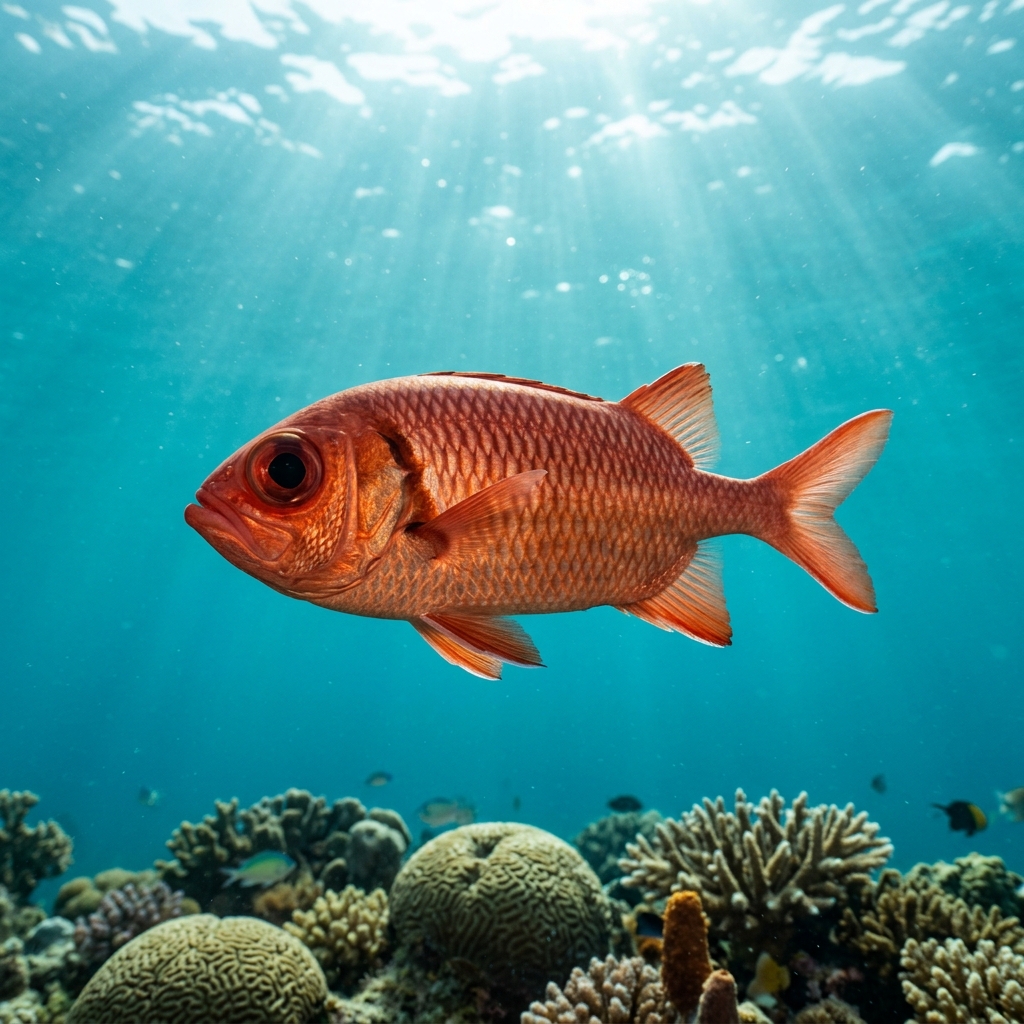
Soldierfish
3,612 sites