Alticus monochrus
A tiny reef blenny logged across the Inner Islands, Seychelles and Saint-Paul, Reunion, in water around 25 to 29C year-round.
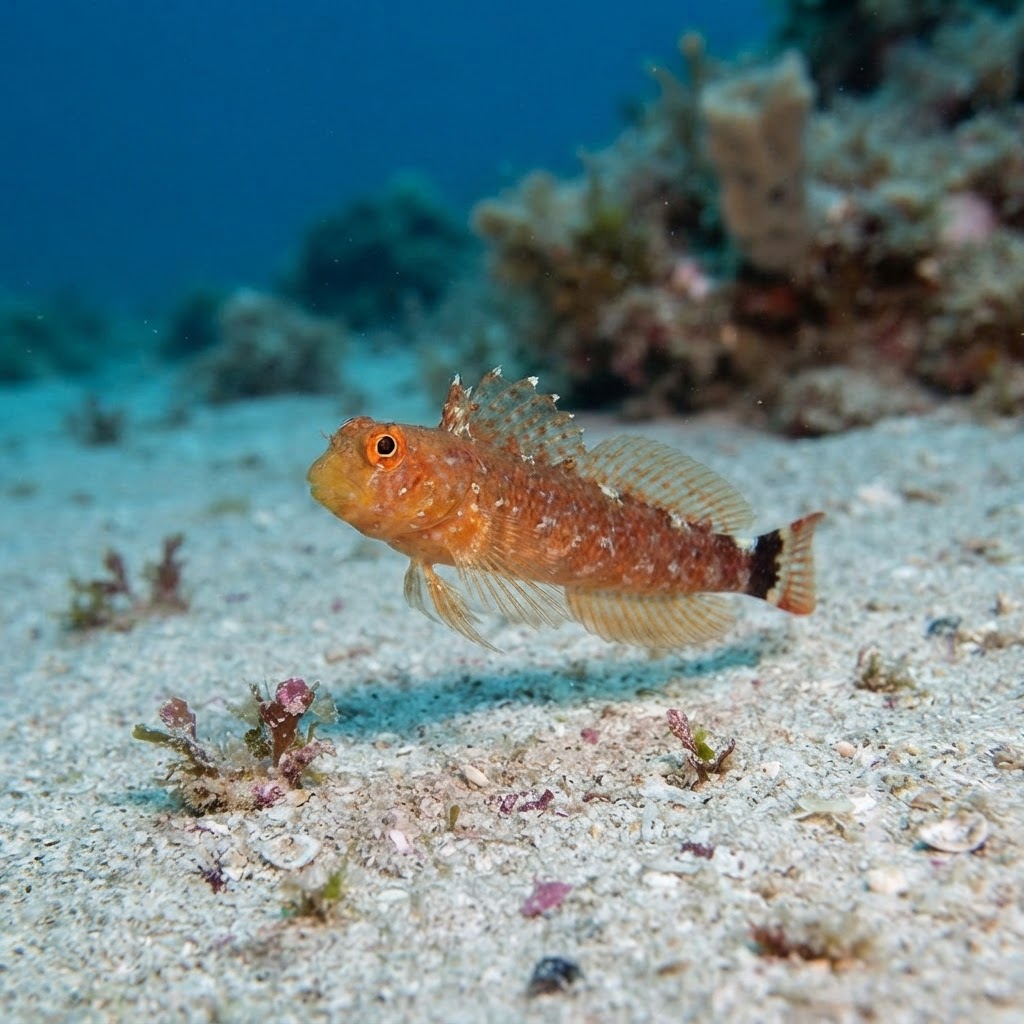
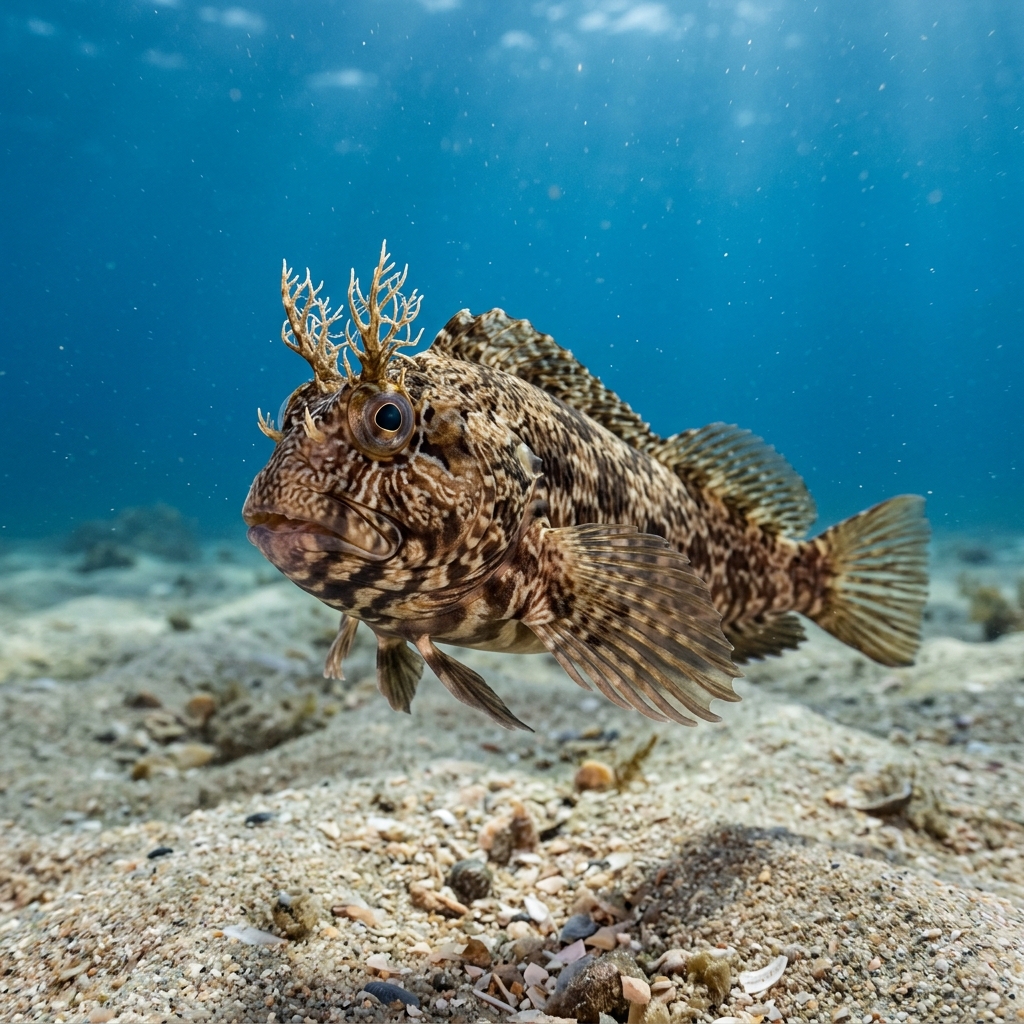
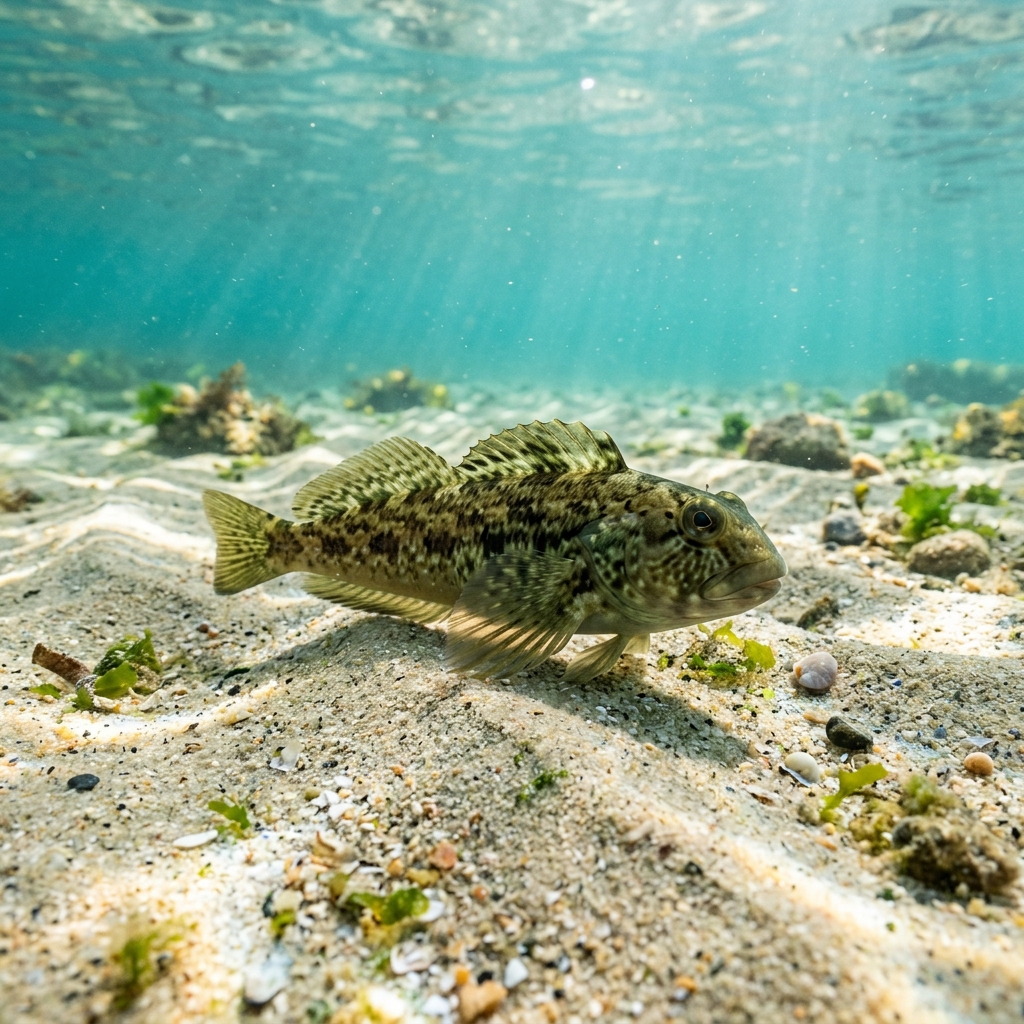
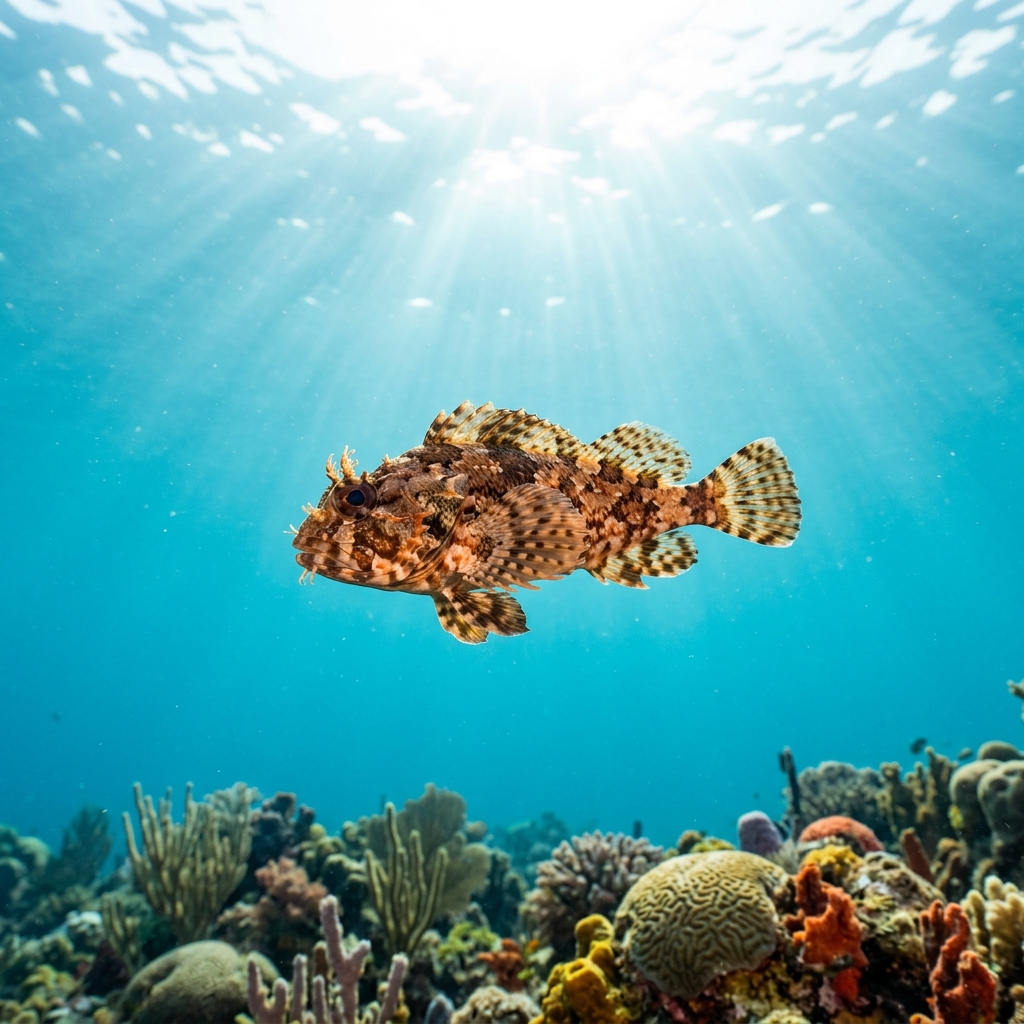
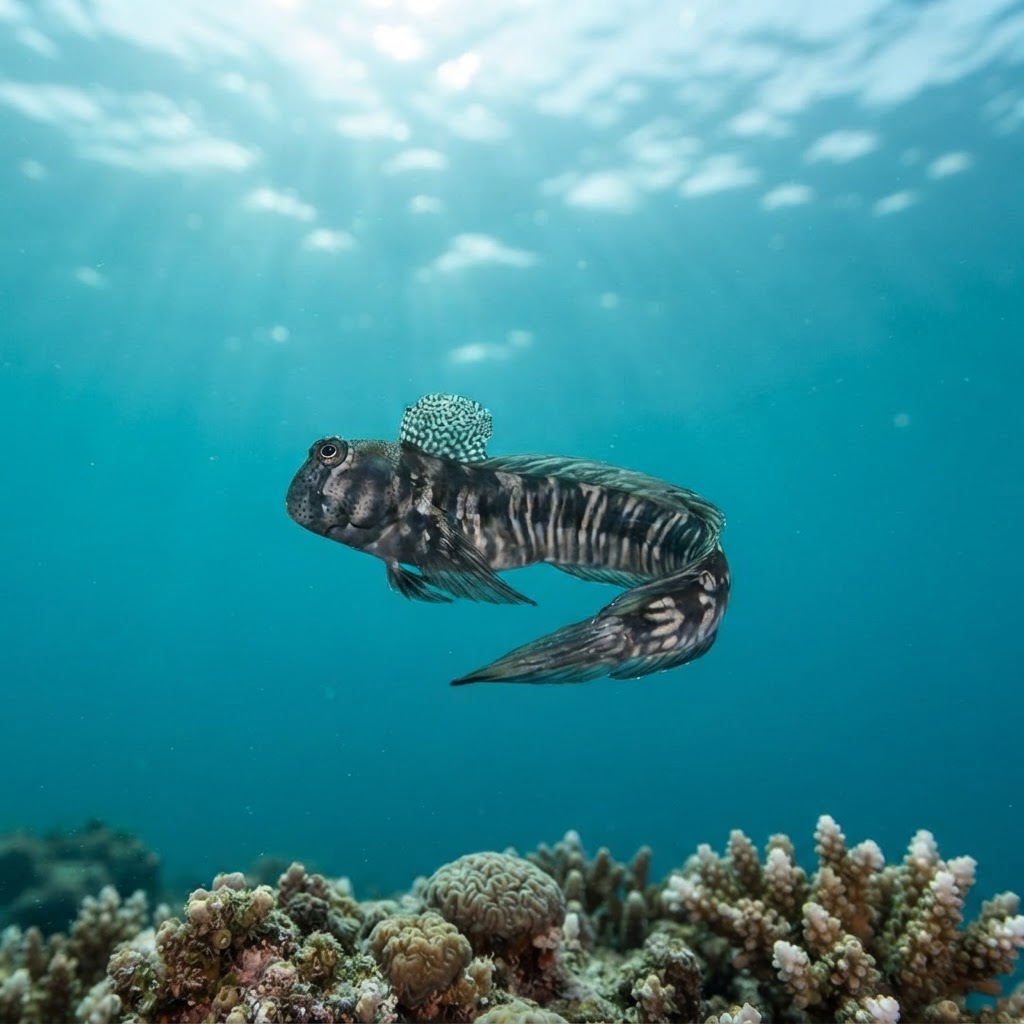
A stubby little fish barely 7cm long, usually spotted perched motionless on rock or dead coral rather than swimming in open water. Look for a mottled brown to olive body that blends into the substrate, a blunt head, and fine filament-like fringes above the eyes that give the species its name. It rests propped on its pectoral fins, more lizard-like than fish-like at a glance.
Spends most of its time wedged into cracks or sitting still on rock and rubble near the reef edge, relying on camouflage rather than flight when a diver drifts past. Divers most often pick it out on slow, close-focus passes over hard substrate rather than mid-water. It will dart a short distance into cover if approached too fast, then settle again once things calm down.
Like other rockskippers in its genus, this blenny can survive brief spells out of water clinging to wet rock, a trick that comes from relatives that forage in the splash zone at low tide.
No clear seasonal pattern shows up in the sightings, and with a comfortable range of 25.4 to 28.9C on these reefs it is a fair bet on any dive through the year.
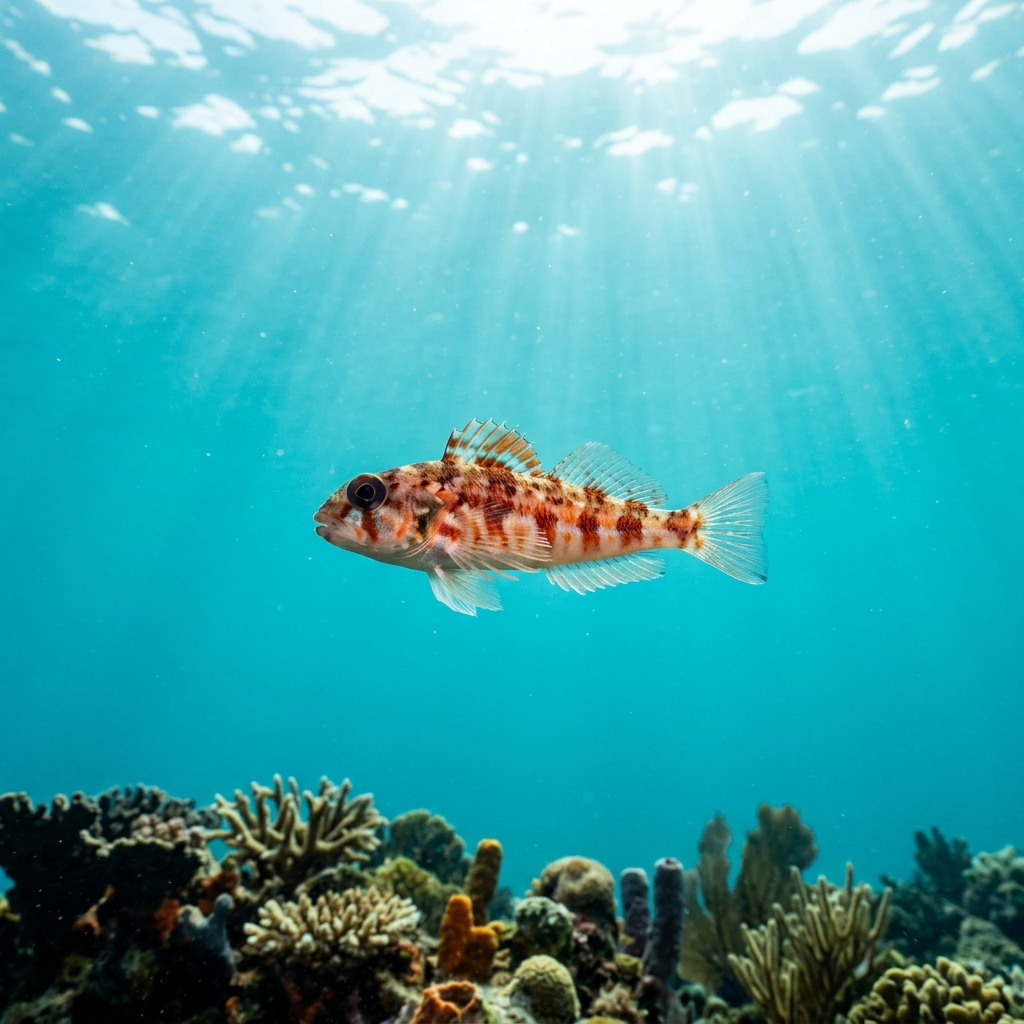
Reef neighbours a diver could mistake it for. Use the identification notes above to tell them apart.
Most reliably logged across the Inner Islands of Seychelles, where sightings are strongest, with a second solid population around Reunion, particularly Saint-Paul and smaller numbers at Saint-Leu and Saint-Pierre. Outside these two countries it has not been recorded with any consistency in diver data.
Mapping where Filament Blenny is logged…
It shows up most consistently in the Inner Islands of Seychelles, with a smaller but reliable presence around Reunion, especially Saint-Paul. Sightings elsewhere are patchy in current diver records.
There is no strong season in the data, and it sits comfortably in water from about 25 to 29C, so it turns up on Seychelles and Reunion reefs throughout the year.
Look for a small, mottled brown fish under 7cm, perched still on rock or rubble rather than swimming freely. Fine filaments above the eyes and its habit of resting propped on its pectoral fins are the giveaways.
They stay small, topping out around 7cm, so a slow close look at the substrate is usually needed to spot one.
It belongs to a group of blennies capable of surviving short periods out of water on wet rock, a behaviour more famously seen in its rockskipper relatives along tide-exposed shorelines.
Site and sighting data is aggregated from diver logs, iNaturalist and GBIF. For taxonomy and conservation status:
Rusty Blenny
2,605 sites