Parablennius postoculomaculatus
A rare, reef-hugging blenny logged almost entirely across Western Australia in water from 17 to 23C - here's how to spot one.
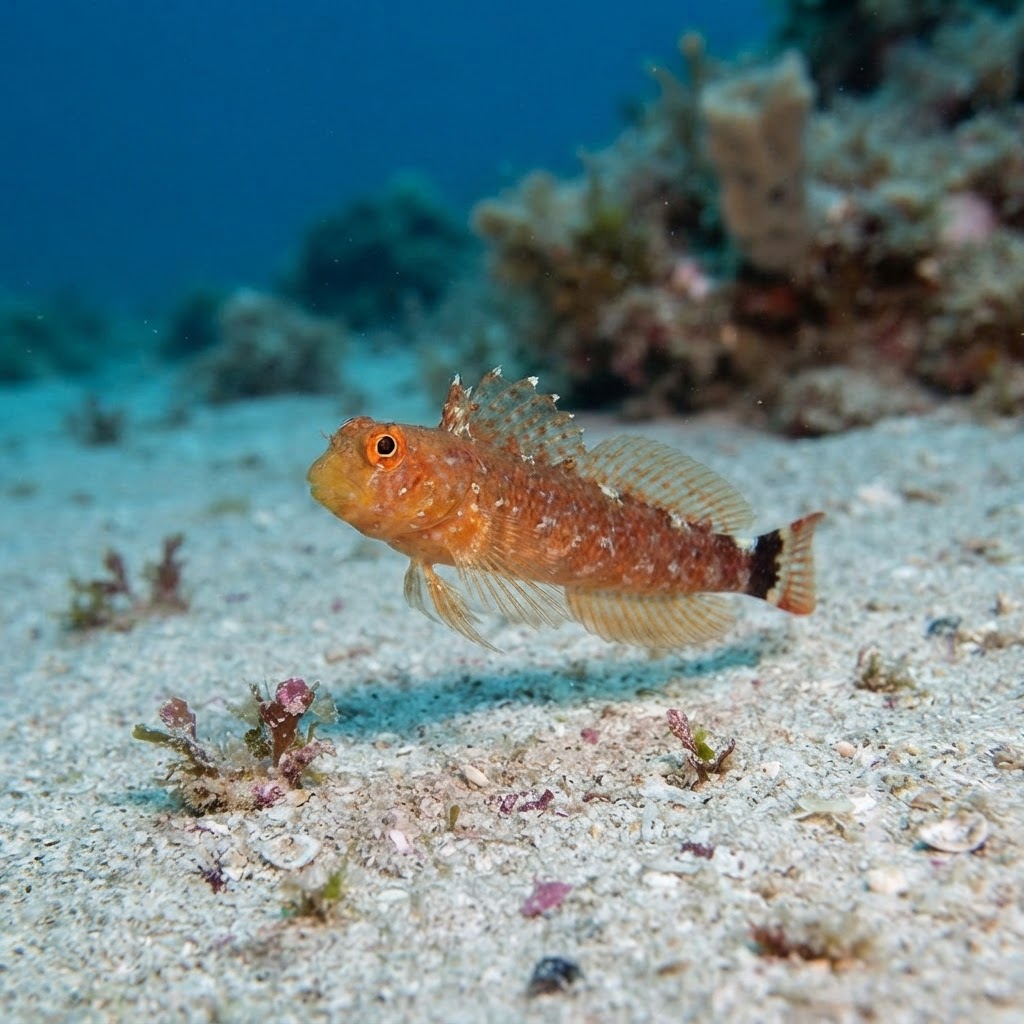
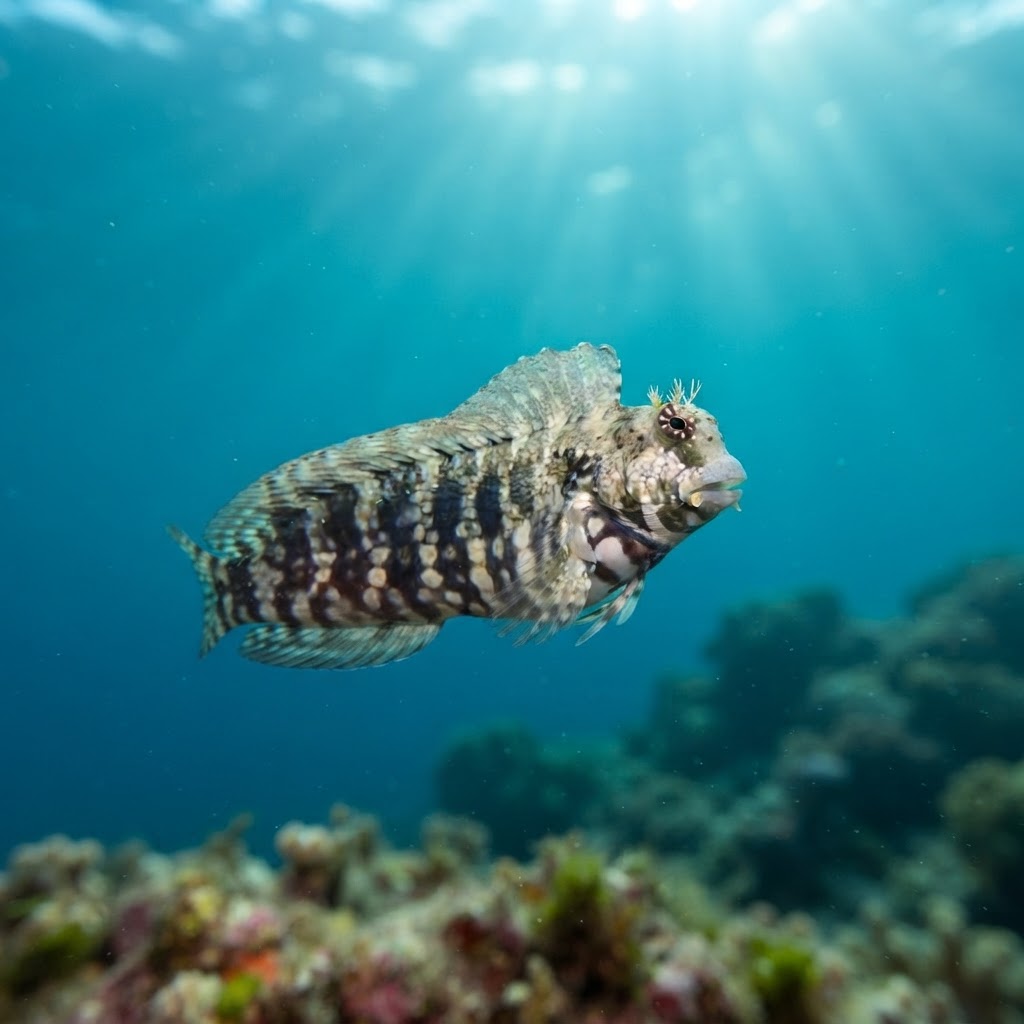
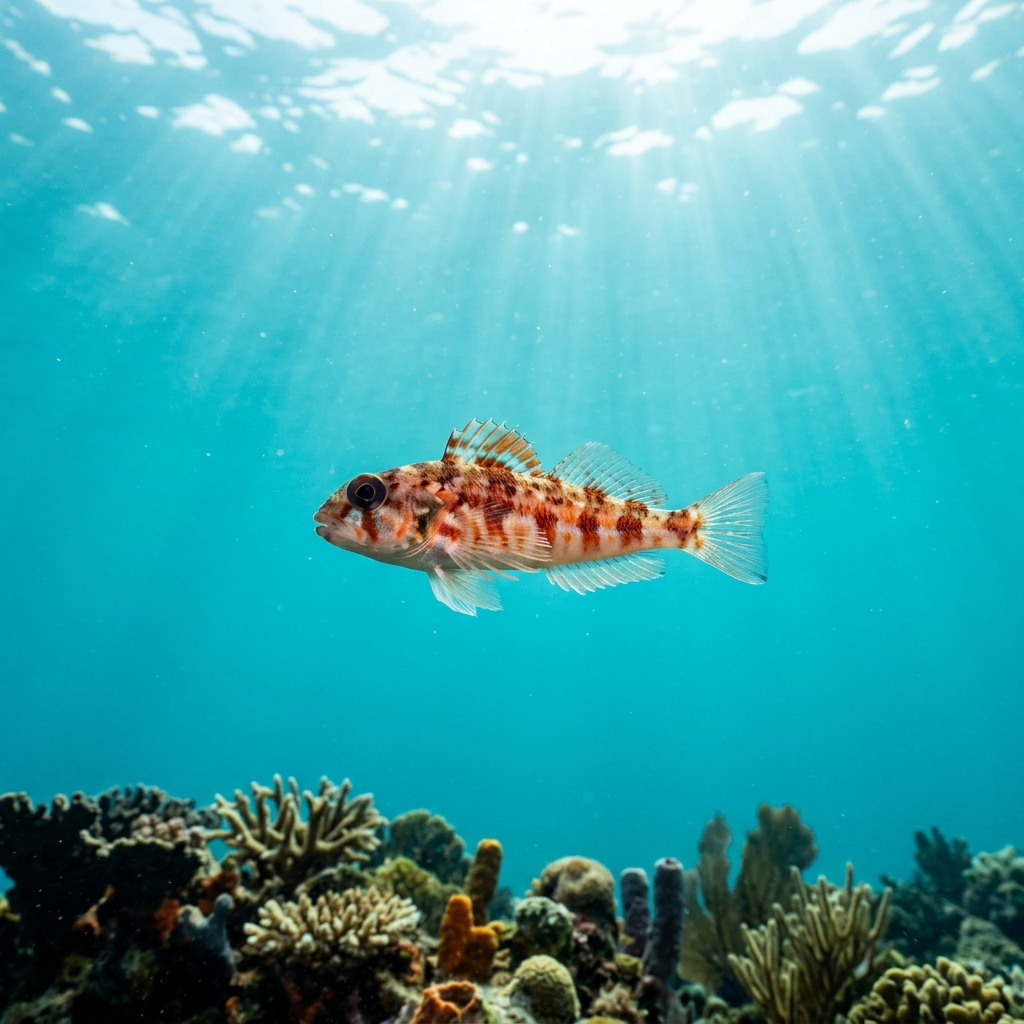
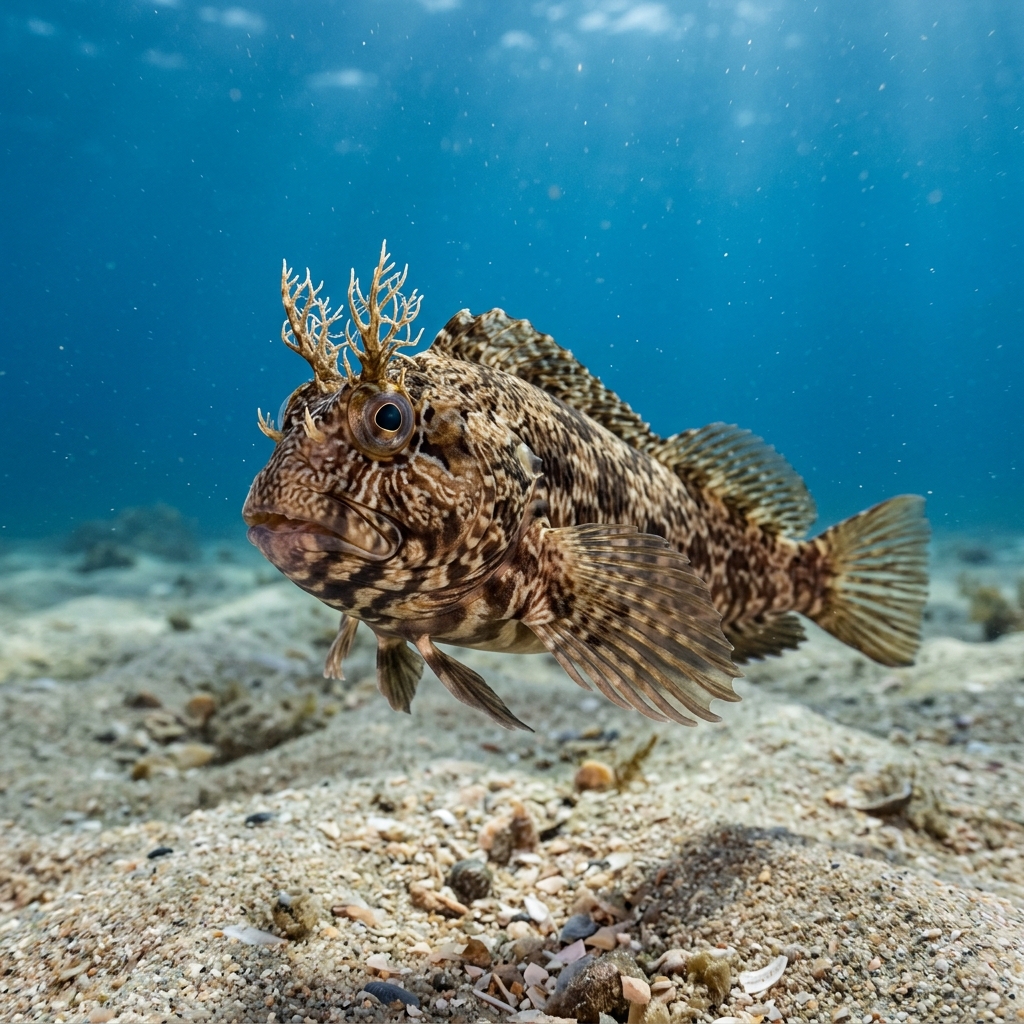
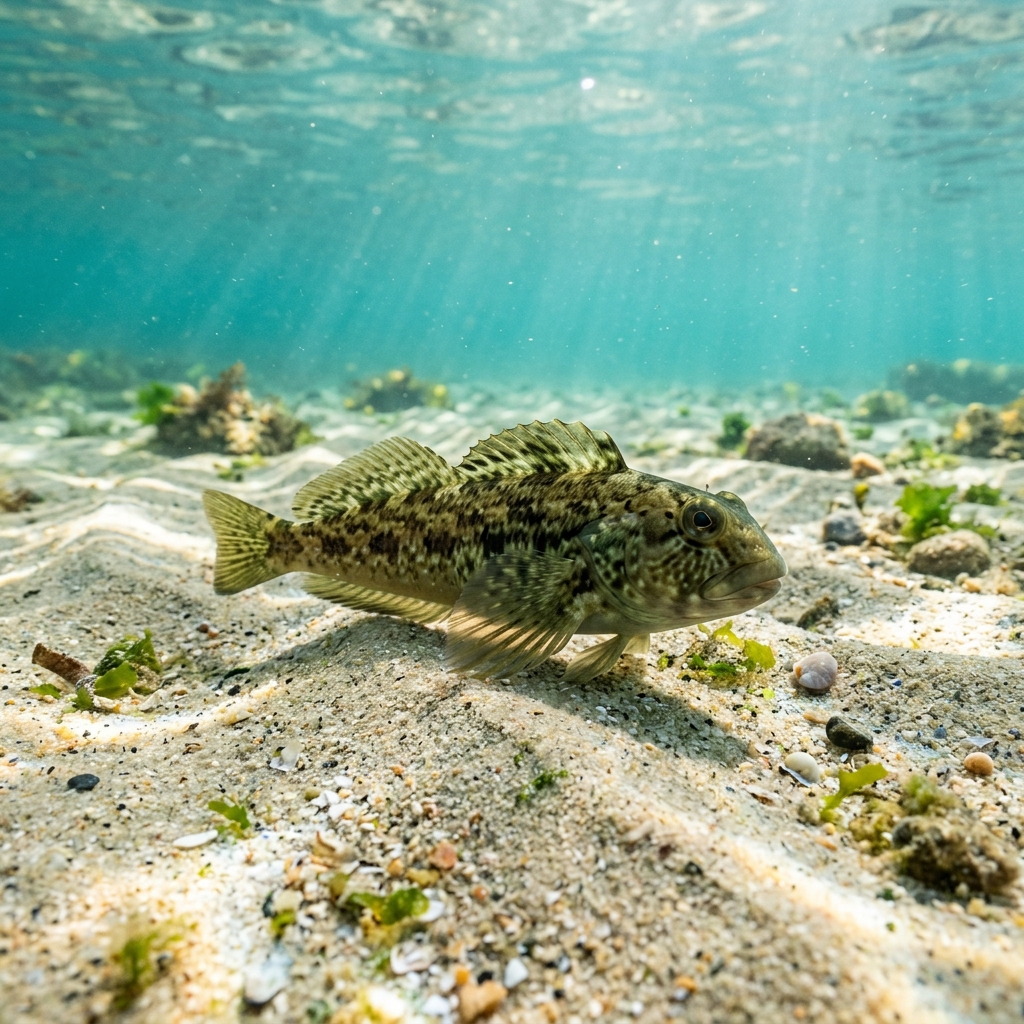
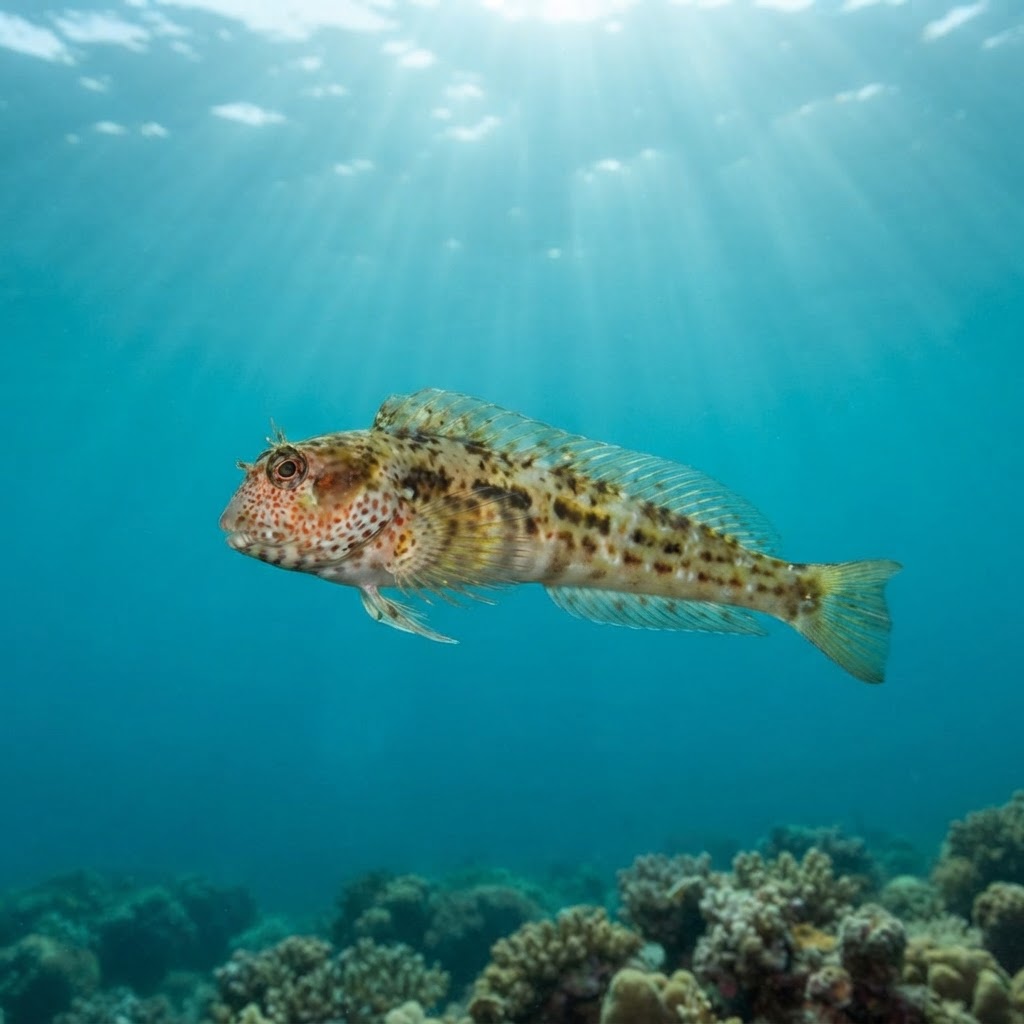
A small, slender blenny with a blunt, rounded head and the mottled brown-to-olive camouflage typical of the group, blending closely with the rock and algae it sits on. Look for it perched motionless on the substrate rather than swimming in open water, propped on its pectoral fins. Fine markings around the eye help separate it from plainer-faced blennies, though confirming the species usually needs a close, still look rather than a passing glance.
Divers most often find it sitting still on rock or reef structure, tucked close to a crevice it can dart into if approached too fast. It's a shy, low-key fish rather than a bold reef performer, which is likely why most logs mark it as rare to uncommon even at sites where it's known to occur. Slow, patient scanning of holes and ledges rather than mid-water searching is the way to actually spot one.
Like other blennies, it almost certainly relies on camouflage and a bolt-hole rather than speed or size to avoid predators, which is why it's so easy to swim straight past without ever registering it.
Sightings don't show a clear season, and with a water-temperature niche running from 17 to 23C it looks like a year-round resident of Western Australia's temperate reefs rather than a fish tied to a particular month.
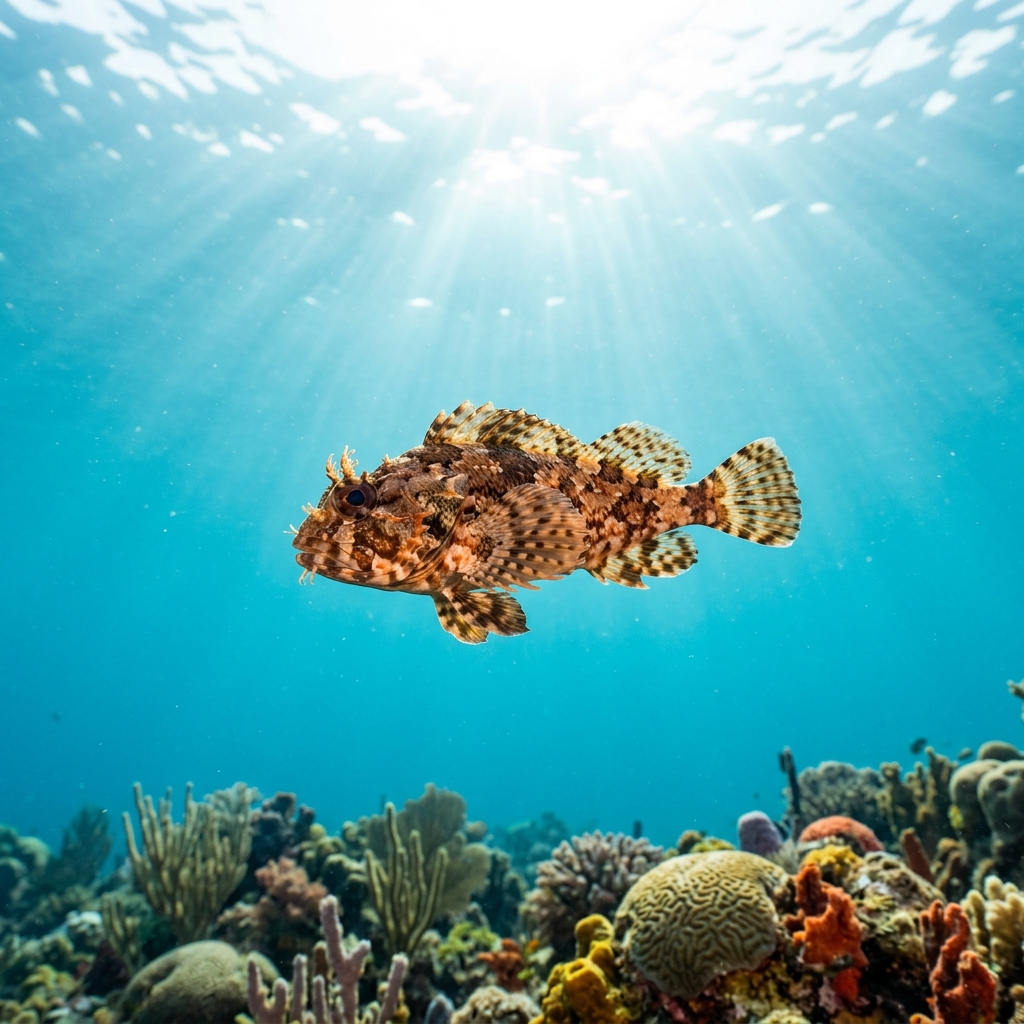
Reef neighbours a diver could mistake it for. Use the identification notes above to tell them apart.
This one is essentially a Western Australia speciality, with every logged sighting so far coming from Australian sites and the strongest concentration in Western Australia. If you're diving temperate reef and rock habitat along that coast, it's worth watching the crevices and weedy rock for one.
Mapping where False Tasmanian Blenny is logged…
Almost all recorded sightings come from Australia, concentrated in Western Australia. It's a temperate-reef species rather than one found on tropical dive sites.
There's no clear seasonal pattern in the sightings, and it tolerates a fairly wide temperature range of 17 to 23C, so it's reasonable to look for it on Western Australian reefs at any time of year.
Look for a small, mottled brown blenny perched still on rock or reef rubble rather than swimming freely, with a blunt head and camouflage that blends into the surrounding substrate. Getting close and looking at the eye and head markings is usually needed to be sure of the species.
No, they pose no danger to divers. They are small, shy reef fish that retreat into crevices rather than confront anything approaching.
It's logged as rare at most sites where it occurs, likely a combination of low numbers and strong camouflage against rock and algae. Slowing down and checking crevices closely gives you a far better chance than a quick swim-by.
Site and sighting data is aggregated from diver logs, iNaturalist and GBIF. For taxonomy and conservation status:
Rusty Blenny
2,605 sites