Amblyrhynchote honckenii
A cold-water puffer logged year-round across the Western Cape, from 13.7 to 27.7C, often on reefs kelp divers already know.
Safety warning
It poses no threat if you simply watch and photograph it, but its tissues contain potent tetrodotoxin, so it should never be handled, provoked, or considered for consumption. Give it space to move off in its own time rather than cornering it against the reef.
Handle with care
Toxic if eatenGeneral first-aid guidance, not a substitute for professional medical care. In an emergency, call your local emergency number.
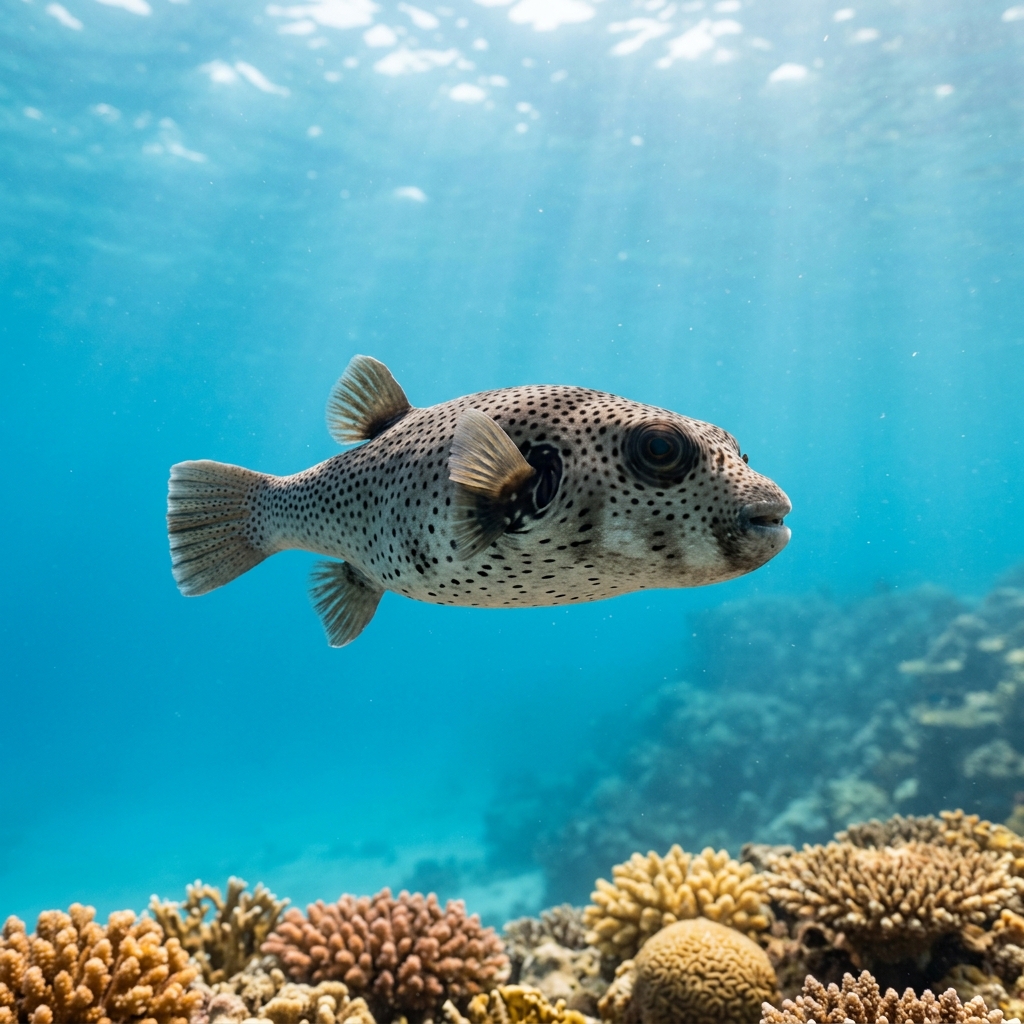
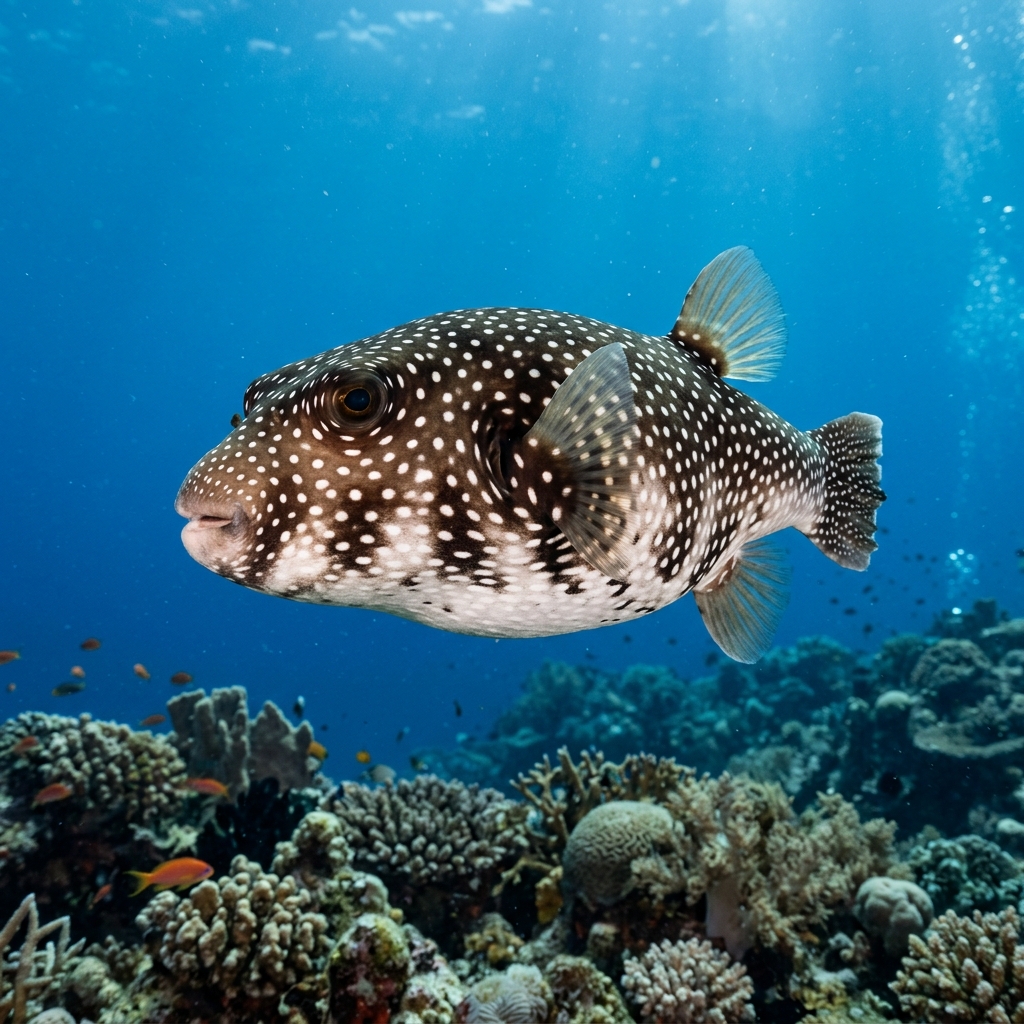
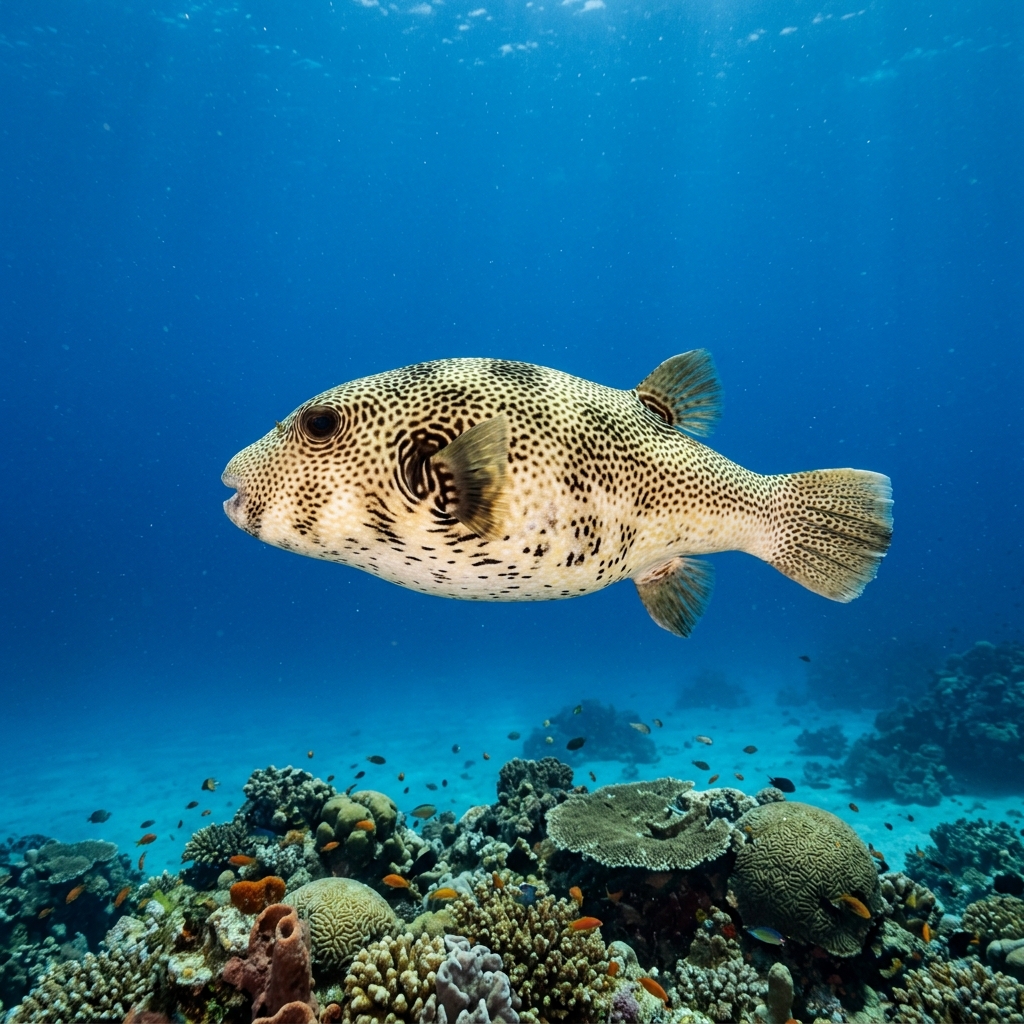
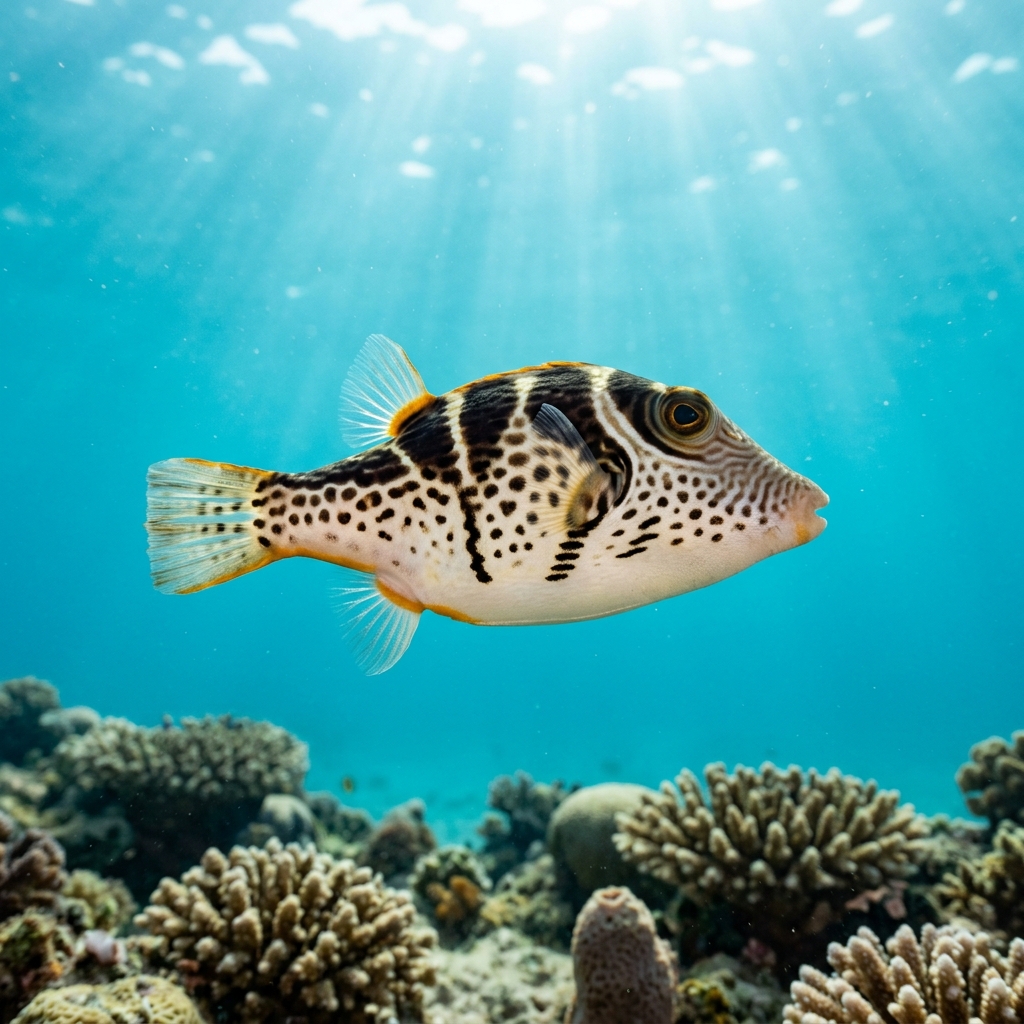
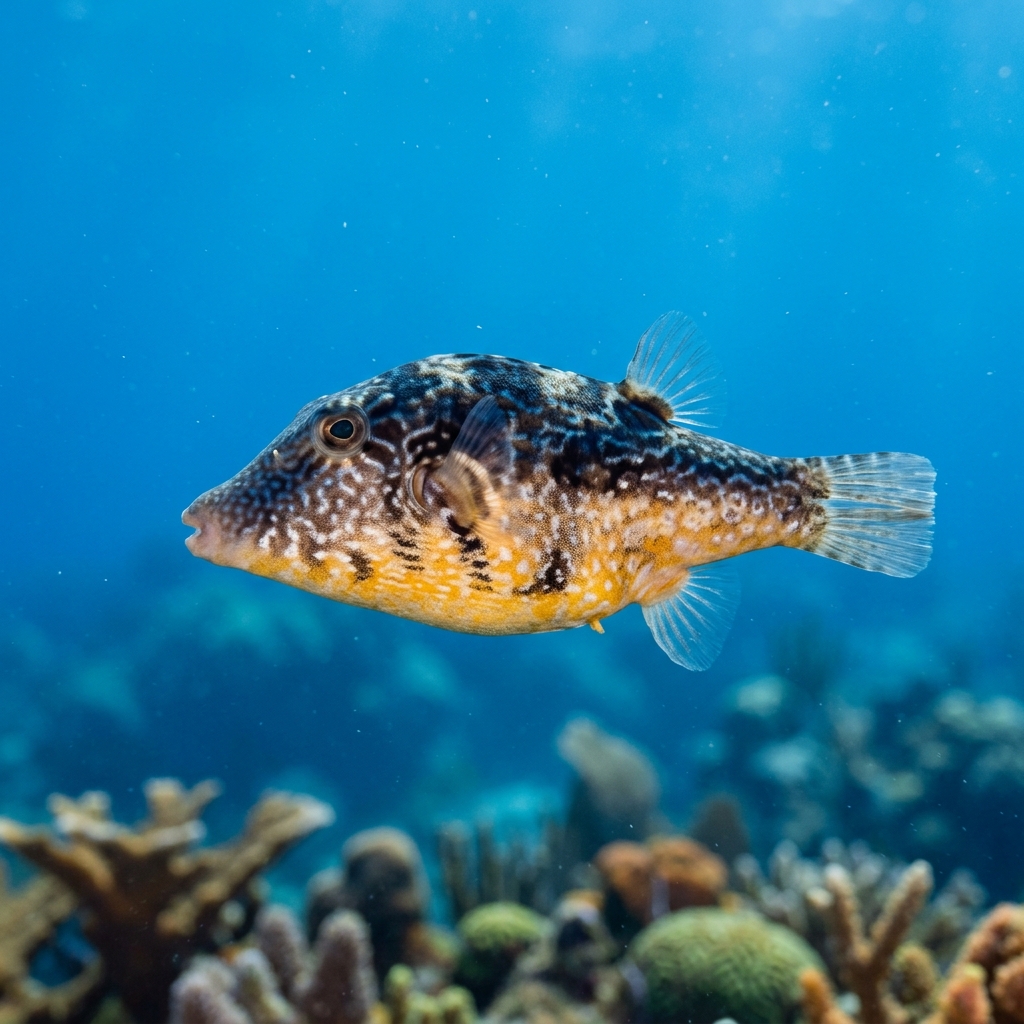
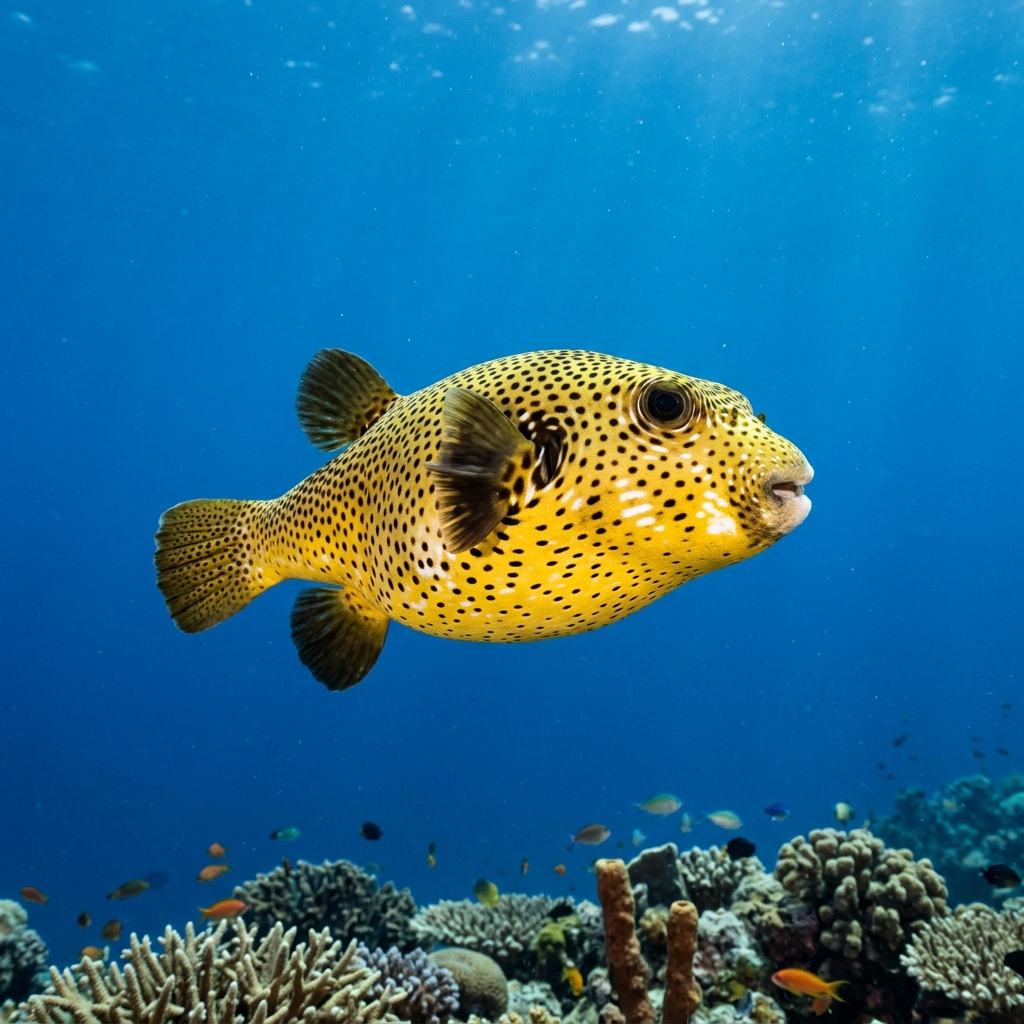
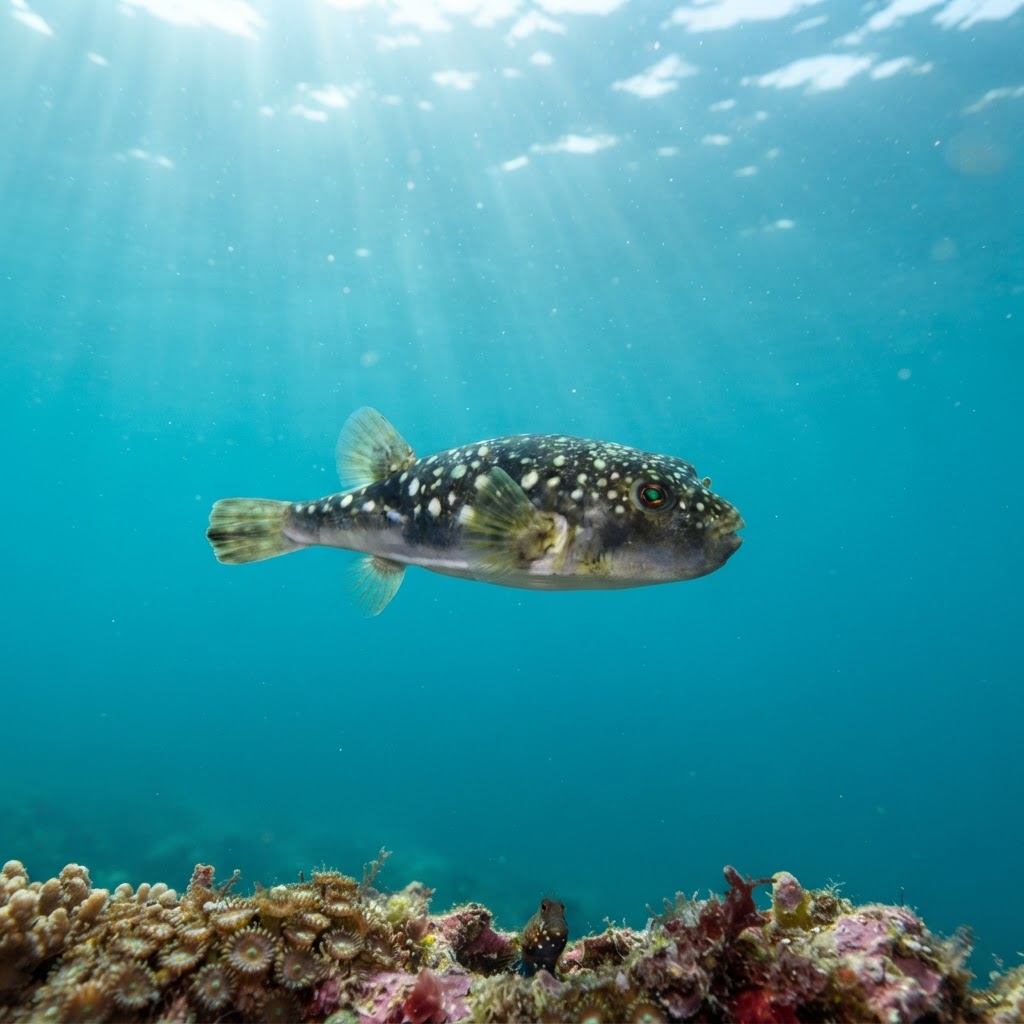
A stocky, slow-moving puffer around 21 cm long, with a mottled brown-to-olive body that fades to pale on the belly. The name comes from the dark, almost scowling marking around the eye, which stands out against the lighter face. It swims with the same awkward, low-speed paddling common to pufferfish, using small fins rather than a sweeping tail beat, which makes it easy to approach and photograph.
Divers typically find it hovering or resting low over reef and kelp-edge terrain rather than out in open water, moving with the unhurried, hovering style typical of puffers. It does not spook easily and will often let a diver get close for a good look before drifting off, making it a reliable subject once spotted rather than a fast fly-by.
Like other pufferfish, it carries tetrodotoxin in its skin and organs as a defence against predators, so its slow, unbothered manner in front of divers is backed by a serious chemical deterrent rather than actual boldness.
Sightings do not show a clear seasonal pattern, and the recorded temperature range of 13.7 to 27.7C spans the Cape's cold winter surges through to its warmer summer water, so divers report it across the year rather than in one narrow window.
This one is a Western Cape speciality, logged across a spread of sites in South Africa and nowhere else in the data so far. If you are diving the Cape's kelp forests and rocky reefs, it is one of the pufferfish you are most likely to run into, though sightings lean uncommon rather than a given at most of those sites.
Mapping where Evileye Puffer is logged…
It is most reliably logged in South Africa's Western Cape, across a spread of rocky reef and kelp-forest sites. Outside that region it has not been documented in diver sightings so far.
There is no strong seasonal pattern in the sightings, and it has been recorded across a wide temperature range from cold winter water up to warmer summer conditions, so it turns up year-round in the Western Cape.
They will not attack, but their skin and organs contain tetrodotoxin, a potent natural toxin. The only real risk to divers is handling or provoking one, so admire from a comfortable distance.
Look for a stocky puffer around 21 cm with mottled brown-olive skin and a distinctive dark marking around the eye. It moves slowly with small paddling fins and is usually seen resting close to reef or kelp structure.
They typically reach around 21 cm in length, a modest size that fits their slow, low-profile habit of sitting close to reef structure rather than patrolling open water.
The common name comes from the dark, sharply defined marking around the eye, which gives the fish a scowling look against its otherwise mottled brown body.
Site and sighting data is aggregated from diver logs, iNaturalist and GBIF. For taxonomy and conservation status:
Valentini Pufferfish
2,830 sites