Eunice aphroditois
Rare but unforgettable, the wonder-worm lurks in Philippine and Indonesian reefs at 27-29 °C. Here's where divers actually spot it.
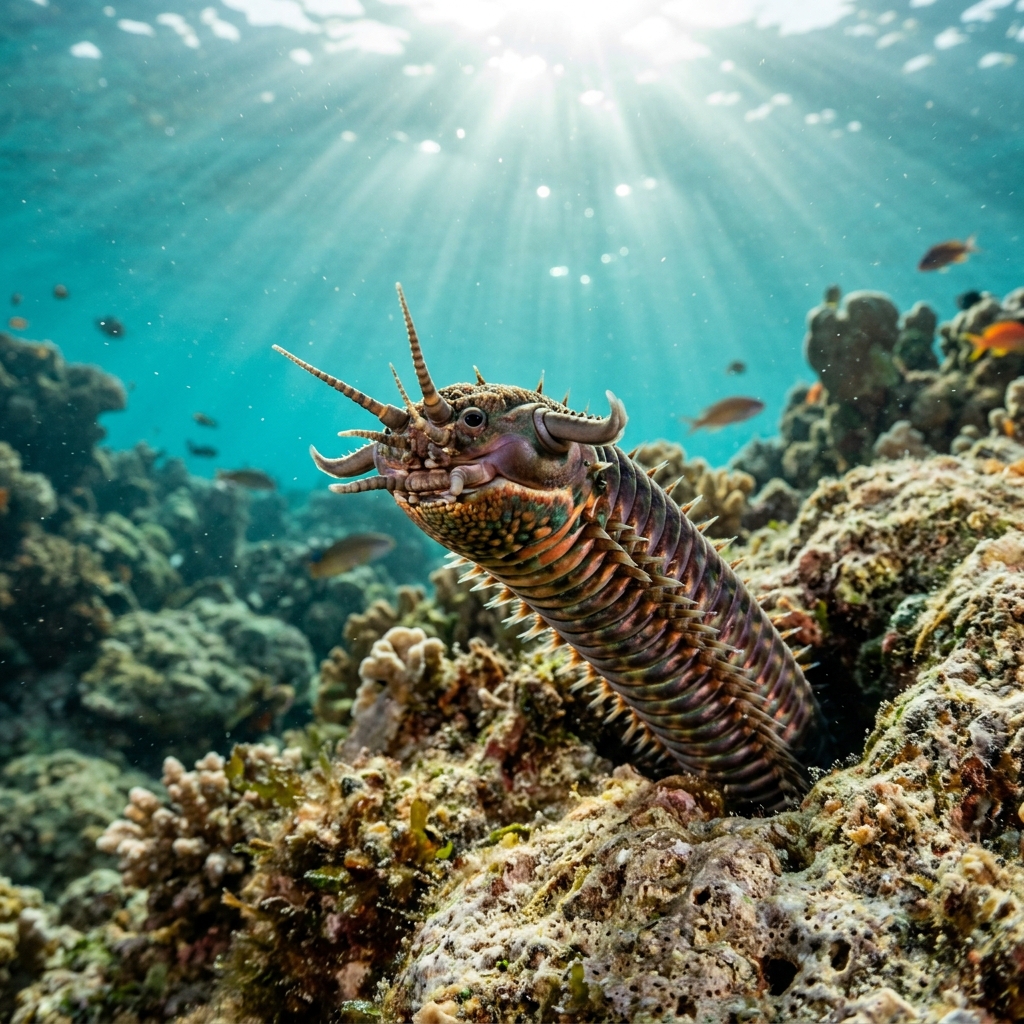
Look for a thick, heavily segmented worm body with an iridescent sheen that shifts between purple, green, and gold depending on the angle of your torch. The five antennae radiating from the head and the paired bristled appendages (parapodia) running along each segment are the key features to lock onto. It typically sits coiled or partially extended in a reef crevice or burrow in the sand, with only the front portion visible. The jaws, large, dark, and pincer-like, are occasionally visible when the animal is active at the burrow entrance.
Wonder-worms are ambush predators, spending most of their time buried or tucked deep into a reef crevice with just the front of the body visible at the burrow entrance. Night dives significantly increase your chances, as they are more likely to extend out of hiding to feed after dark. When approached, they tend to retreat rapidly back into the substrate, so slow, deliberate movement and a low torch angle are essential.
The wonder-worm can reach extraordinary lengths, specimens several metres long have been recorded in the wild, making it one of the largest polychaete worms on the planet, yet most of that body is hidden underground when divers encounter it.
There is not enough seasonal data to point to a peak month, so treat it as a year-round possibility. Its observed temperature range of 27 to 29 °C fits the warm, stable conditions found on tropical Indo-Pacific reefs throughout the year.
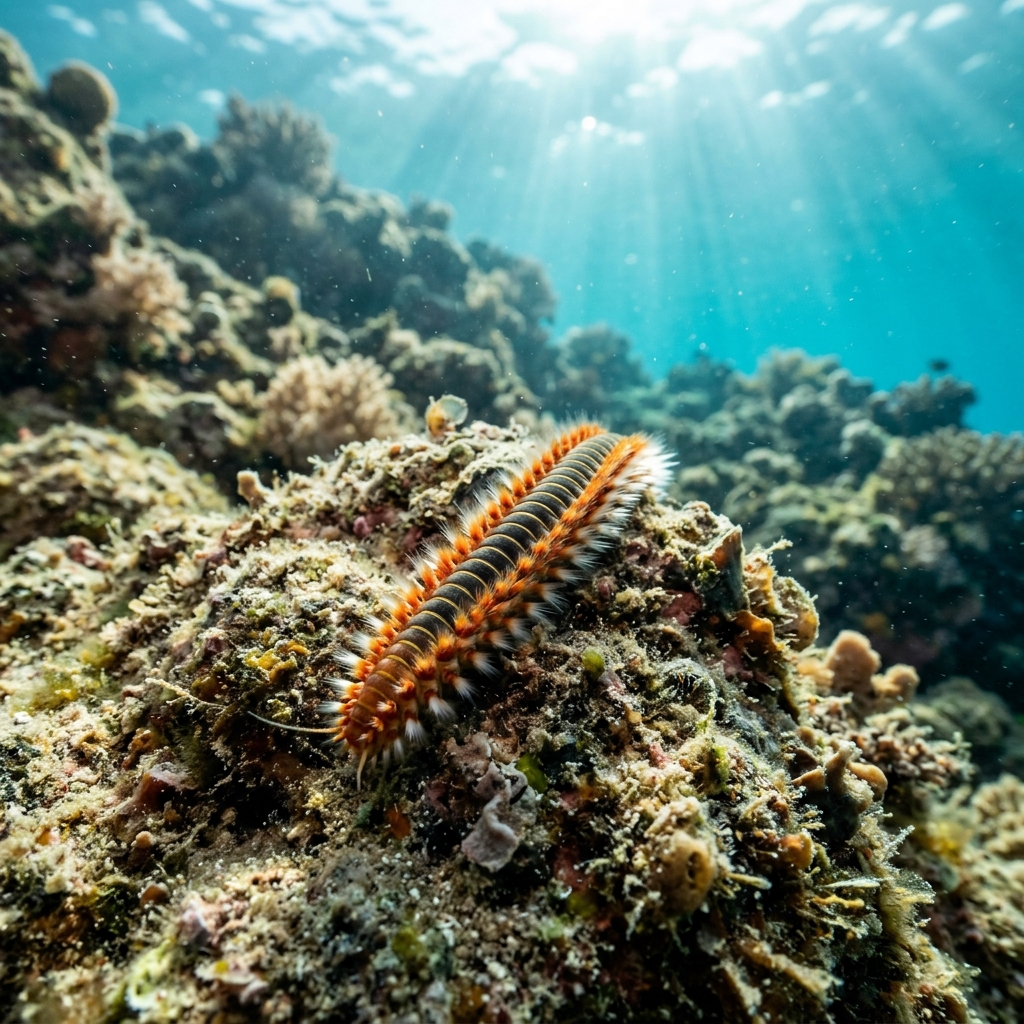
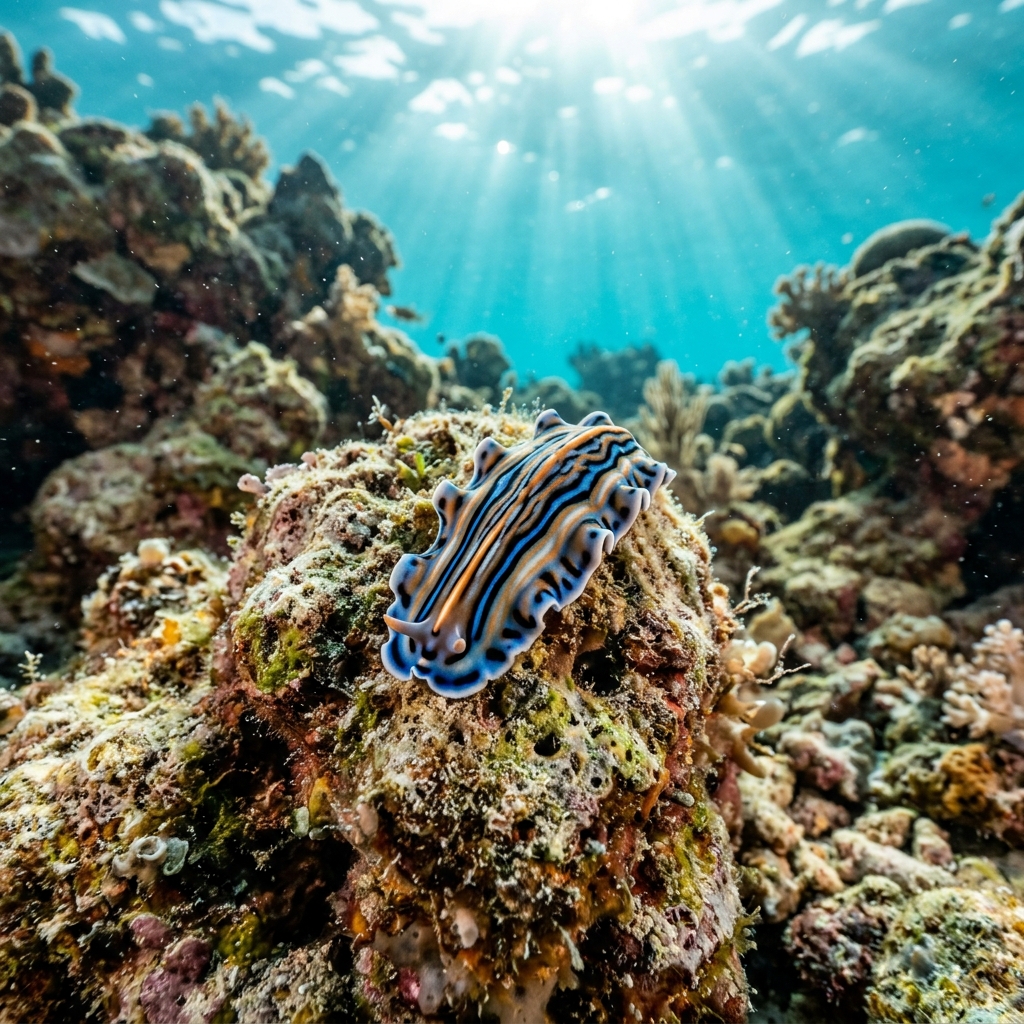
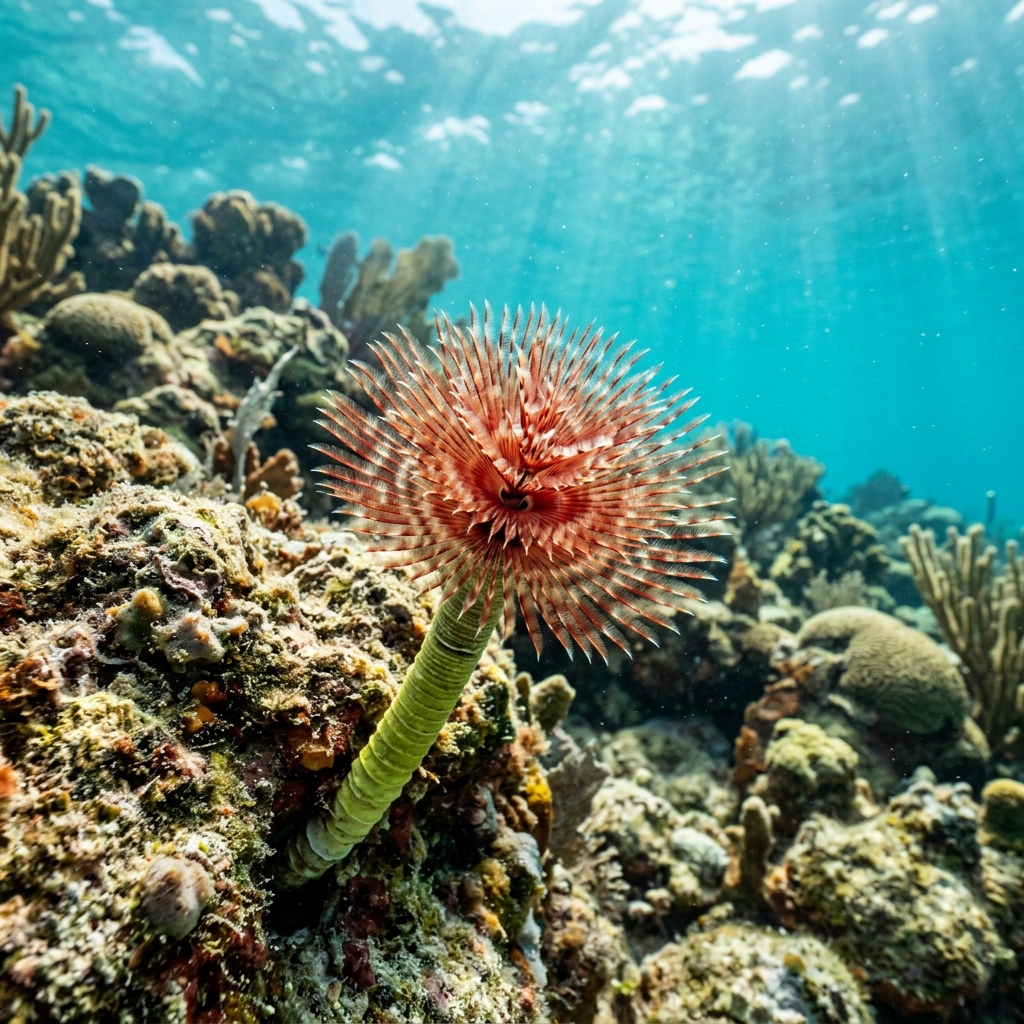
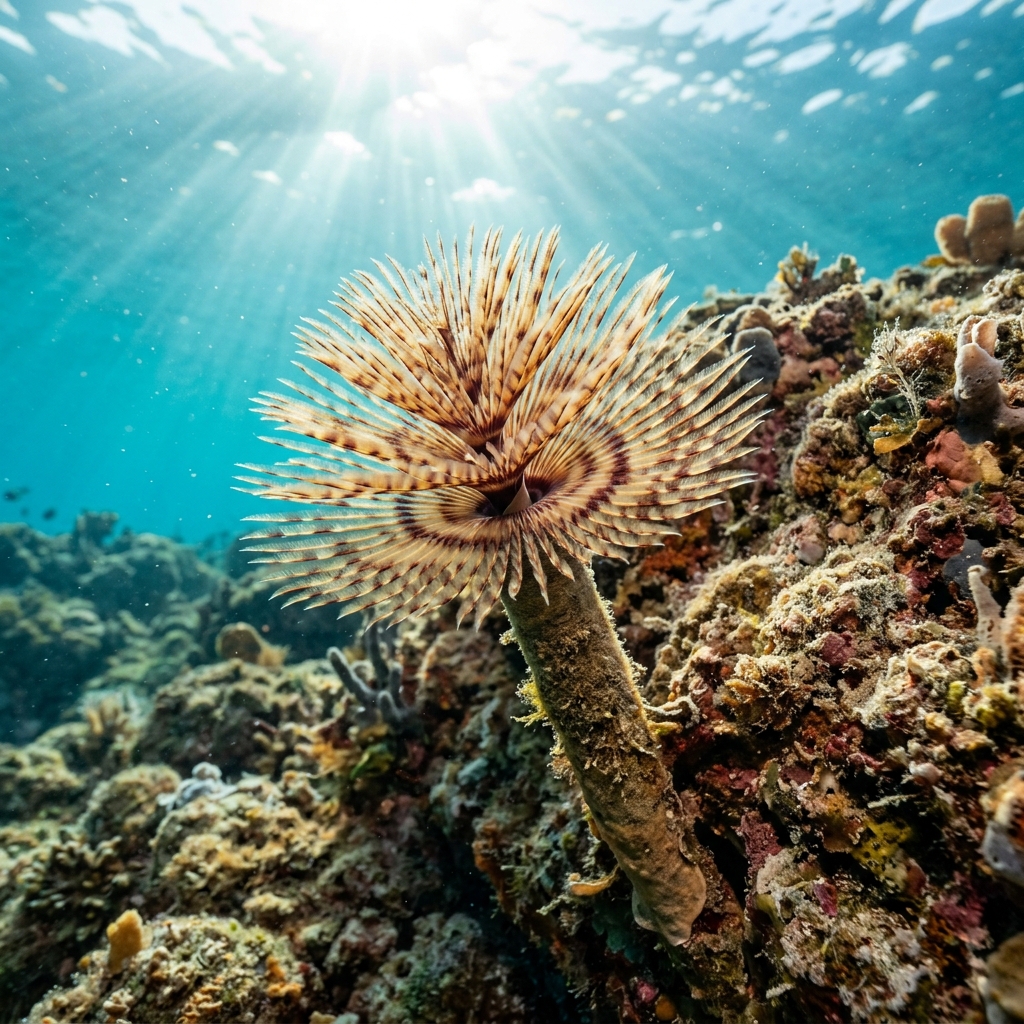
Reef neighbours a diver could mistake it for. Use the identification notes above to tell them apart.
Most sightings come from the Philippines and Indonesia, with Sulawesi and Luzon and North Philippines logging the greatest number of recorded sites. The Visayas Central region of the Philippines and Maluku in eastern Indonesia also appear in the records. If you are planning a dedicated search, the coral triangle overlap between these two countries gives you the best overall shot.
Mapping where Wonder-worm is logged…
Sightings are concentrated in the Philippines and Indonesia, particularly around Sulawesi, the Luzon and North Philippines area, and the Visayas Central region. These sites sit within the coral triangle, where warm, stable reef conditions suit the species well.
There is no confirmed peak season in the dive records. Its preferred water temperature of 27 to 29 °C is available year-round across its known range, so any visit to a known Philippine or Indonesian site is worth trying. Night dives are likely your best strategy regardless of season.
Key features are the iridescent, multi-coloured segmented body, five antennae at the head, and large dark pincer-like jaws. It is almost always partially buried, so you typically see just the front end emerging from sand or a reef crevice. The fireworm can look superficially similar but has white bristles along its sides and lacks the dramatic iridescent colouring.
They are among the largest polychaete worms known, with some individuals recorded at several metres in total length. Underwater you rarely see the full body since most of it stays buried, but even a partially visible specimen is impressively thick and substantial compared with other reef worms.
It is a sit-and-wait predator that anchors itself in a burrow and strikes at prey passing overhead with powerful, fast-moving jaws. It can drag prey, including small fish, down into the burrow in a fraction of a second. This feeding strategy means it rarely needs to move far from its home crevice.
Site and sighting data is aggregated from diver logs, iNaturalist and GBIF. For taxonomy and conservation status:
Spirograph
2,752 sites