Symphodus trutta
Small green-brown wrasse logged across Lanzarote and Tenerife reefs at 18.7-21.2C, usually uncommon but worth watching for at 5-15m.
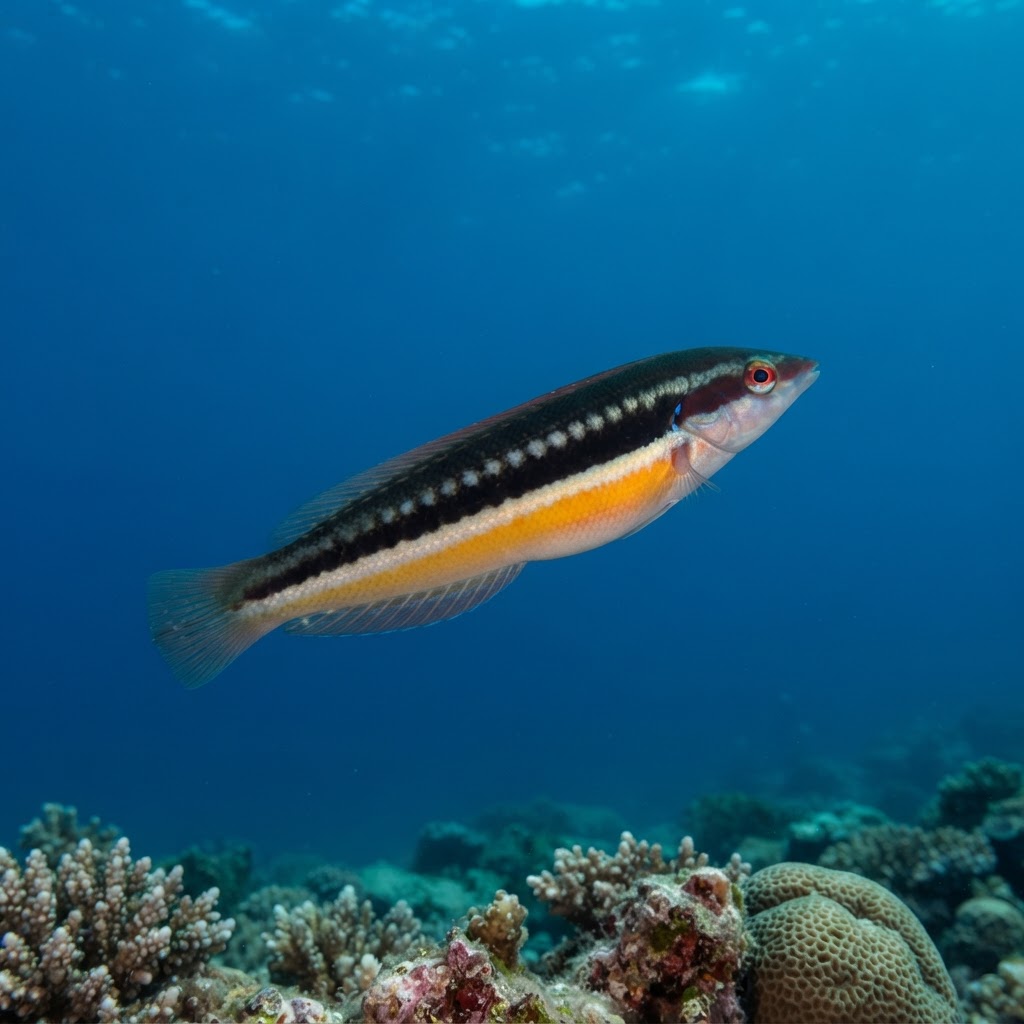
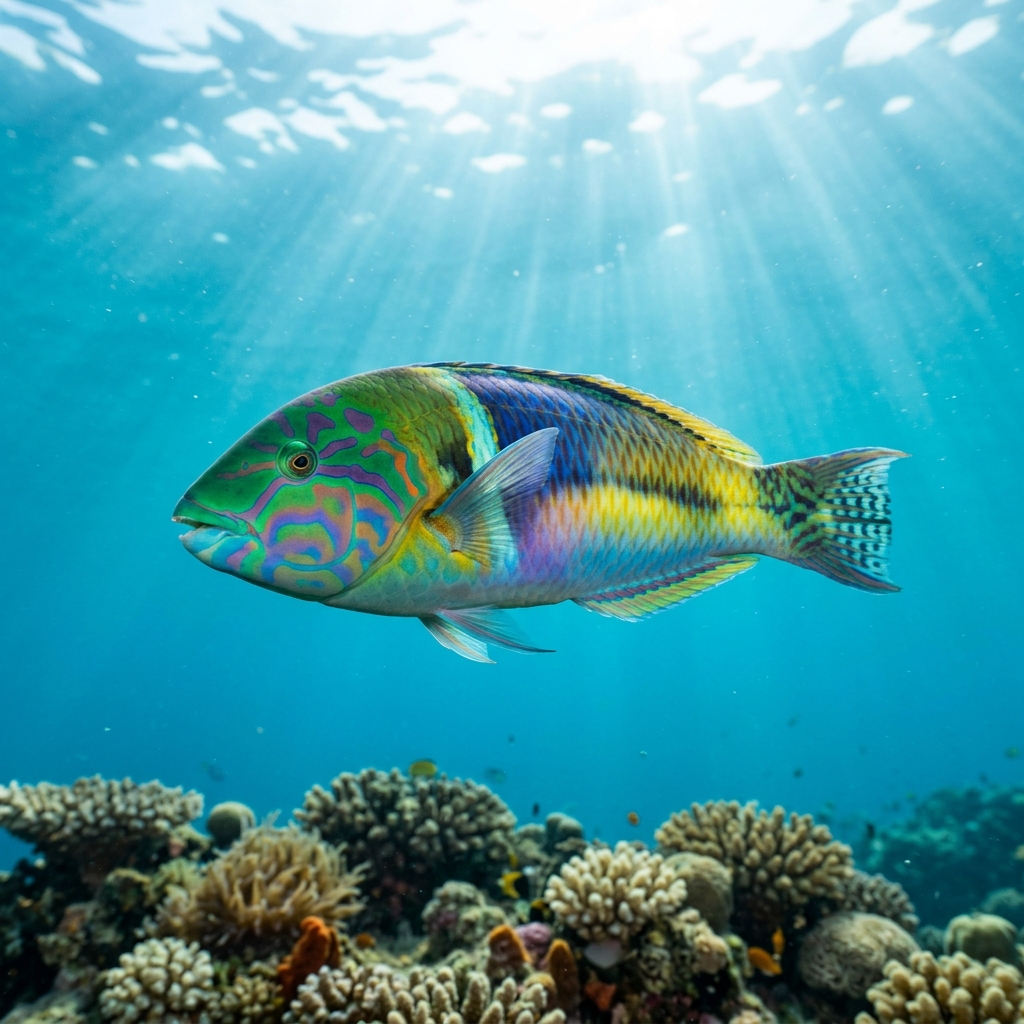
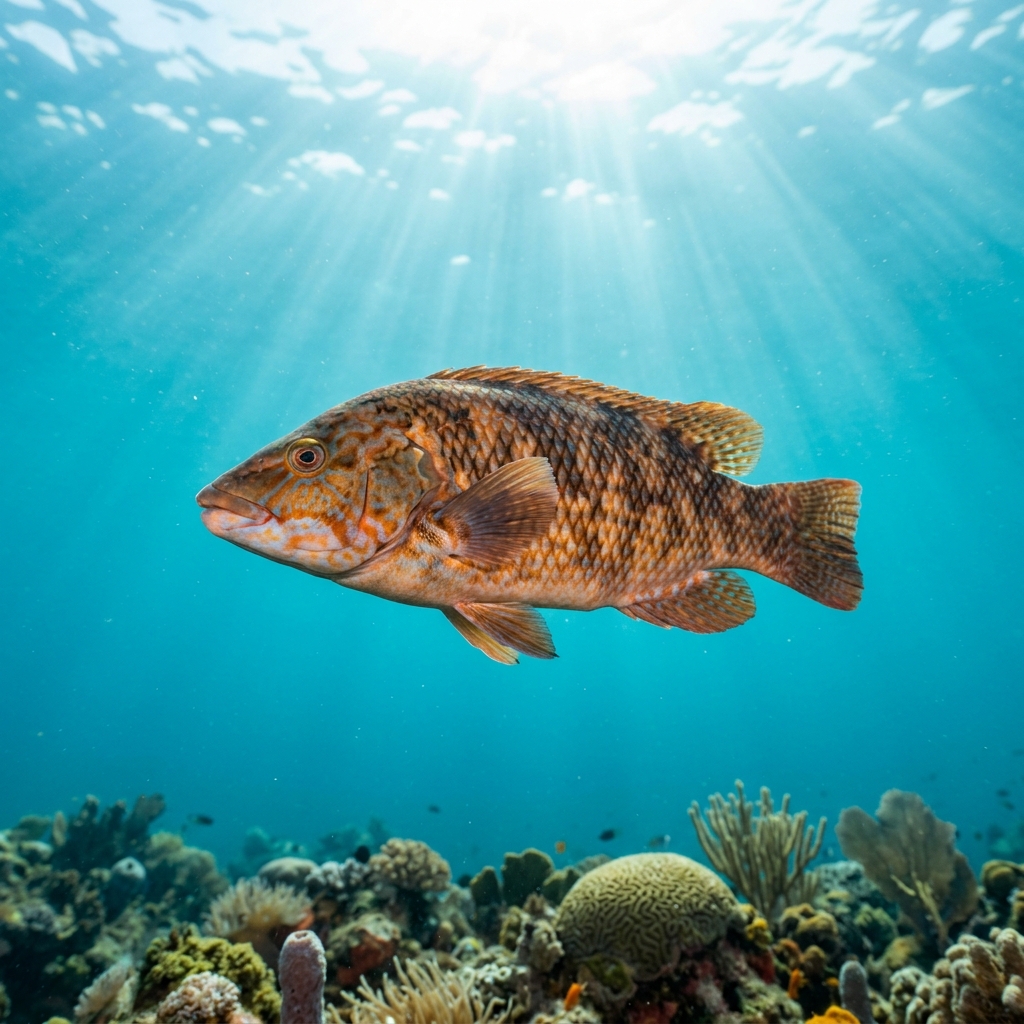
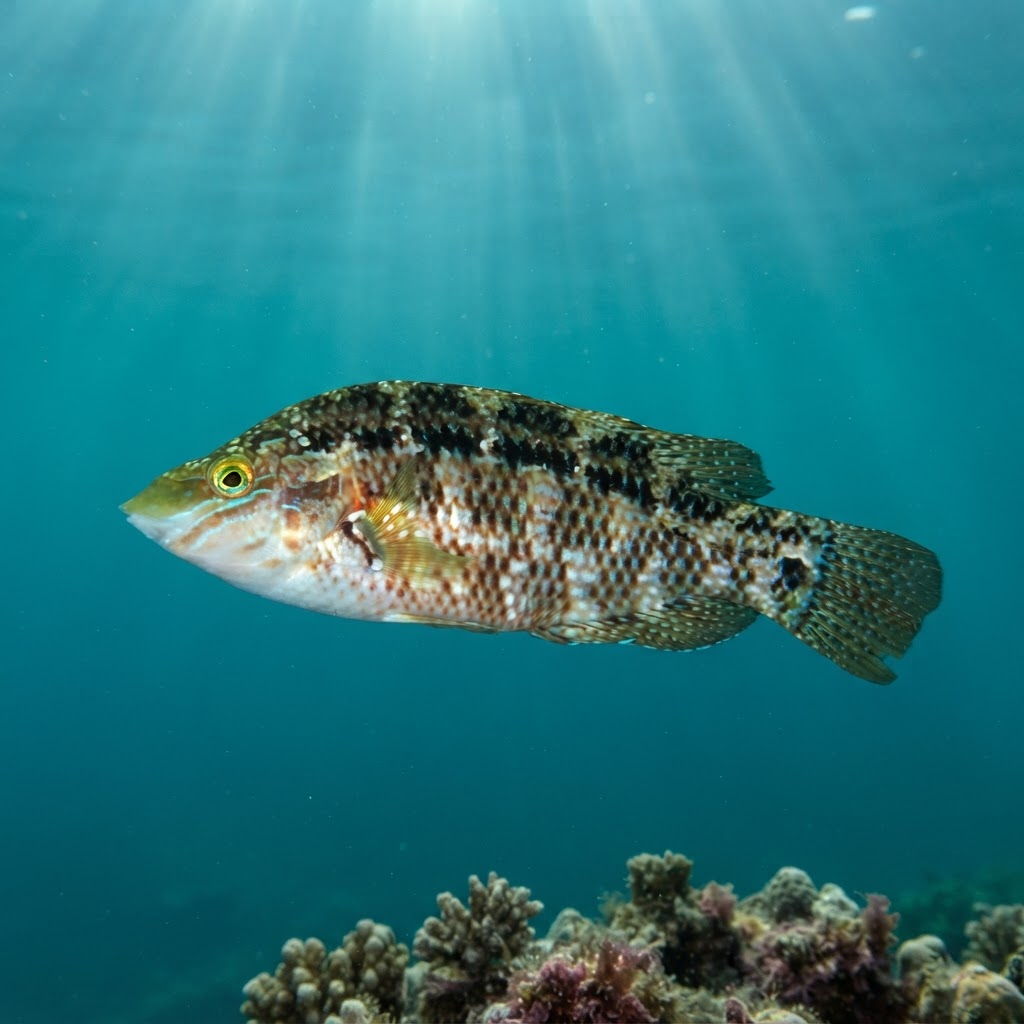
A small wrasse, topping out around 12 cm, with a slim, slightly torpedo-shaped body typical of the genus. Colouring runs through greenish and brownish tones with faint mottling rather than bold stripes or bars, which is part of why it is easy to swim straight past. Look for it hugging rocky reef structure rather than open water, moving in short darting bursts close to the substrate.
Divers typically find it working low over rocky reef at recreational depths between 5 and 15 metres, picking at crevices and algae-covered surfaces for small invertebrates. It is not a fish that schools or shows off; expect a solitary individual that keeps its distance and slips into cover rather than approaching divers. Most logs describe it as uncommon rather than a guaranteed sighting, so it rewards divers who slow down and check the rock rather than scan open water.
Like many wrasses in the Symphodus genus, it is a carnivore that forages by picking small invertebrates directly off rock and algae rather than chasing prey in open water, which is why patient, close-up looks at the reef turn it up more often than mid-water scanning.
Sighting data shows no clear seasonal pattern, so treat it as a year-round species on these reefs. Water temperatures logged with it sit in a narrow 18.7 to 21.2 C band, consistent with the mild Atlantic conditions these islands hold for most of the year.
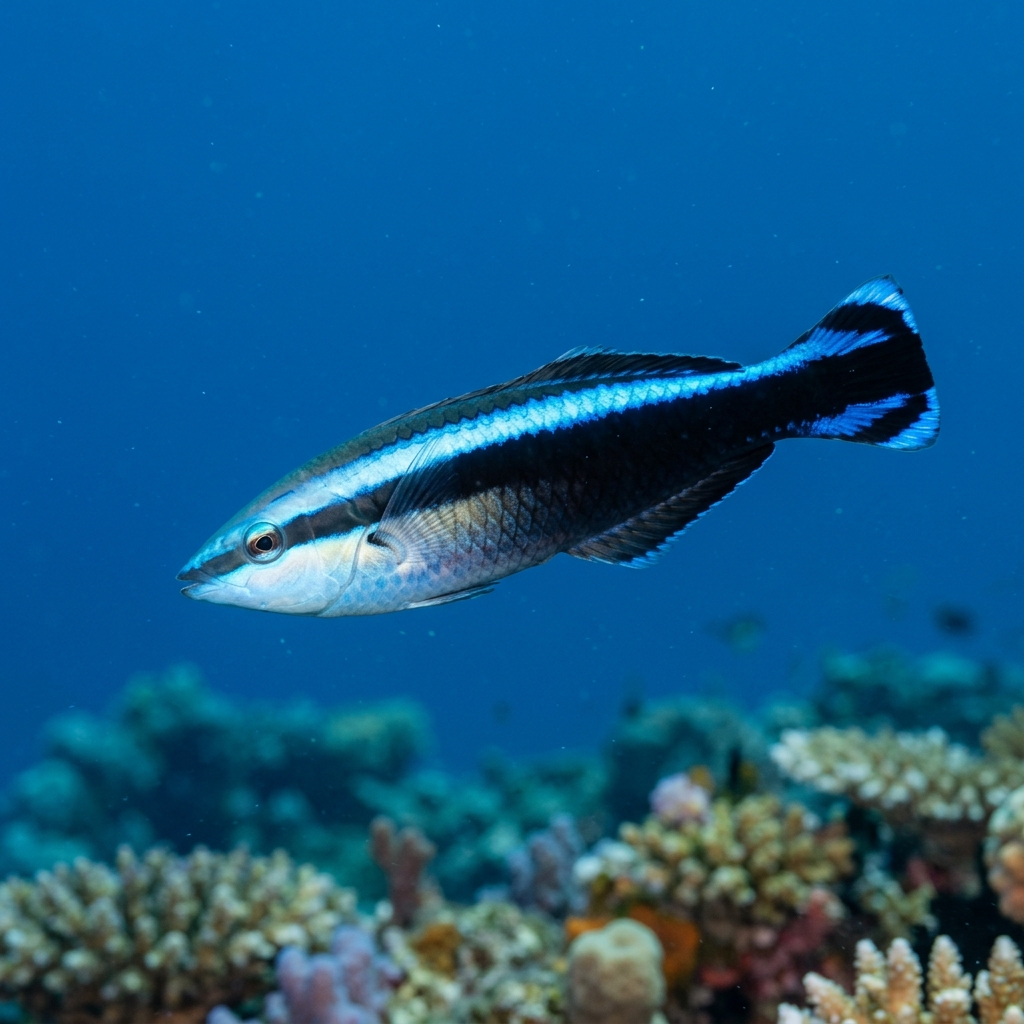
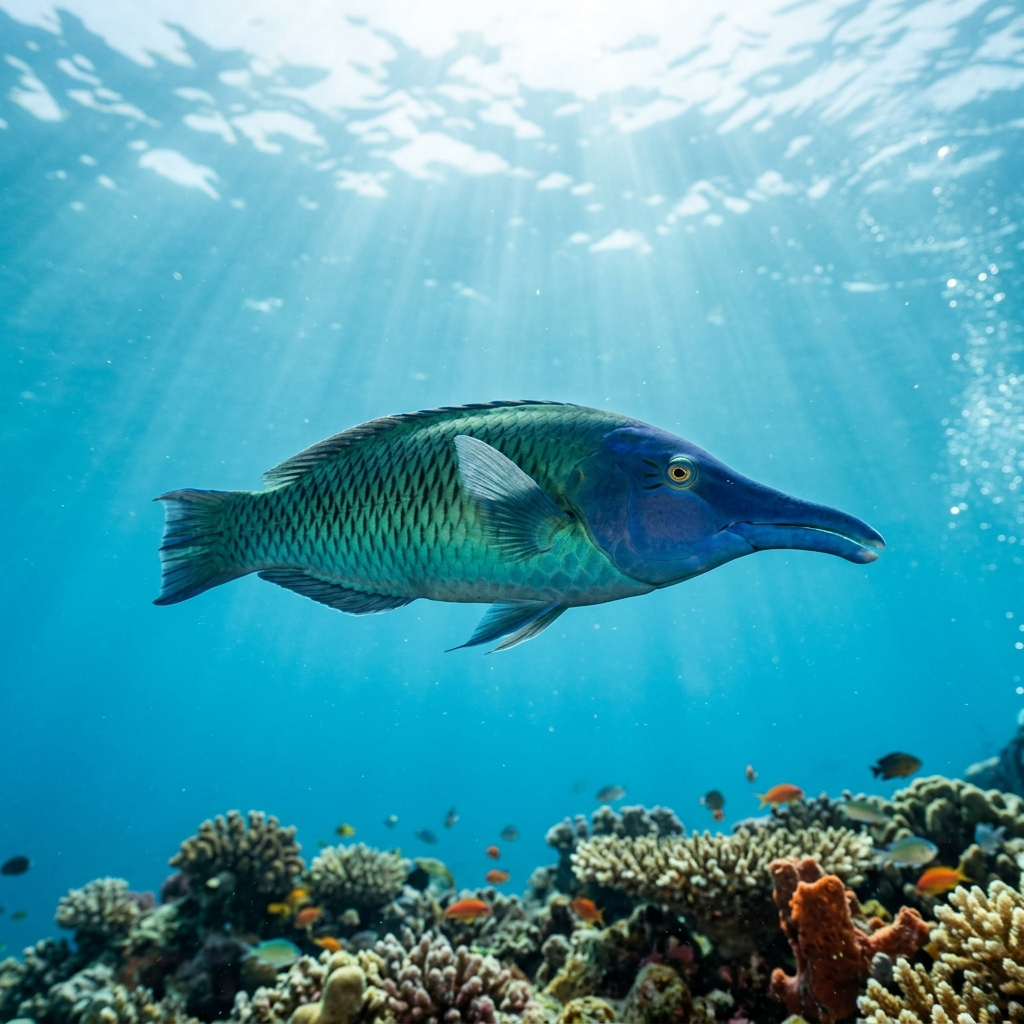
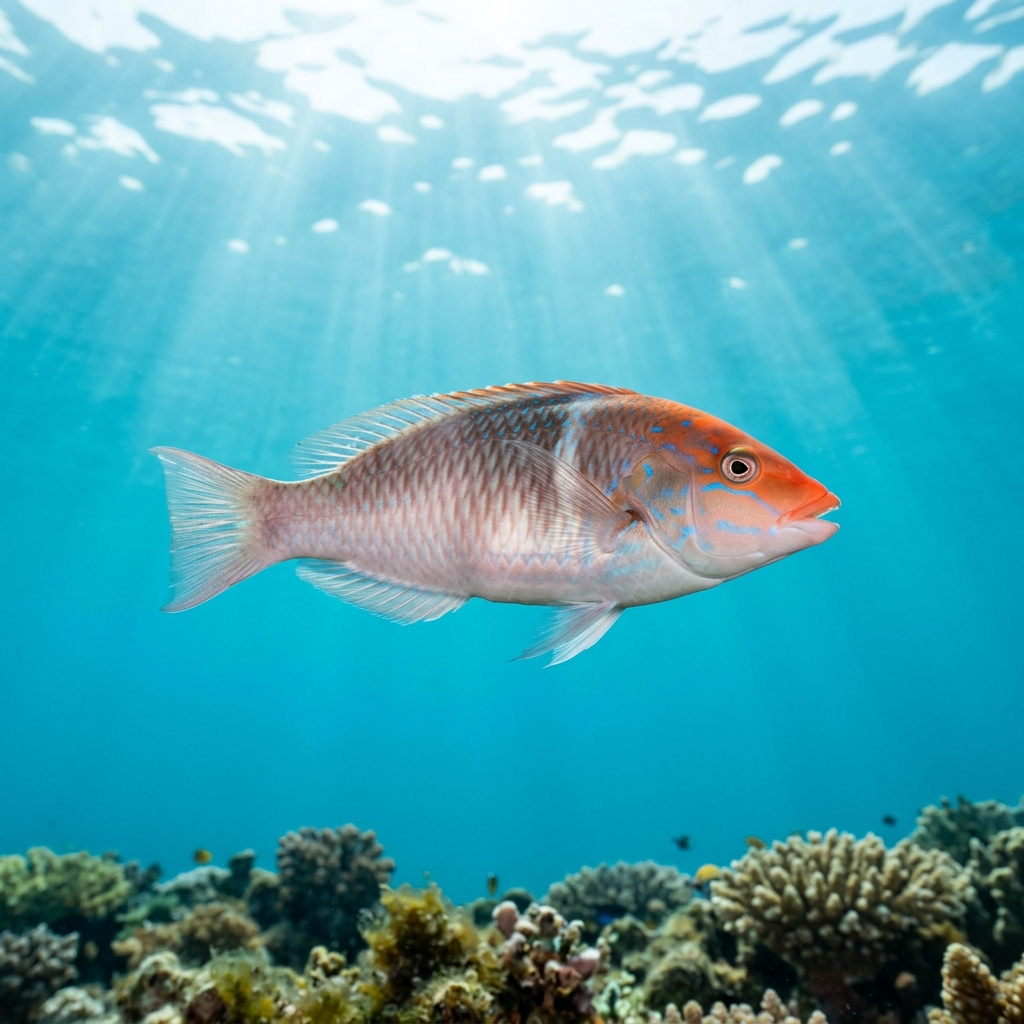
Reef neighbours a diver could mistake it for. Use the identification notes above to tell them apart.
Most reliably logged around the Canary Islands, with Lanzarote and Tenerife standing out as the strongest regions, followed by Gran Canaria. Madeira, particularly Madeira Island, is the other main stronghold outside the Canaries, making this pairing of Atlantic archipelagos the core range for divers chasing this species.
Mapping where Emerald Wrasse is logged…
The Canary Islands are the strongest area, especially Lanzarote and Tenerife, with Gran Canaria also producing sightings. Madeira Island is the other reliable spot outside the Canaries.
There is no strong seasonal signal in the data, so it can turn up year-round. Recorded sightings sit in a fairly narrow 18.7 to 21.2 C water temperature range typical of these Atlantic islands.
Look for a small wrasse around 12 cm with a slim body and greenish-brown mottled colouring rather than bold bars. It stays close to rocky reef, darting between crevices instead of swimming in open water.
They are a small wrasse, typically around 12 cm in length, so they are easy to overlook against busier reef backgrounds.
No, they pose no danger to divers and simply retreat into reef structure if approached.
Most dive sites where it has been logged rate it as uncommon rather than a guaranteed sighting, with a smaller number of sites reporting it as rare or common. Patience around rocky structure improves your odds.
Site and sighting data is aggregated from diver logs, iNaturalist and GBIF. For taxonomy and conservation status:
Bird Wrasses
3,632 sites