Coris venusta
A small, uncommon wrasse most reliably logged on Hawaii's reefs in water around 24 to 27 C, year-round.
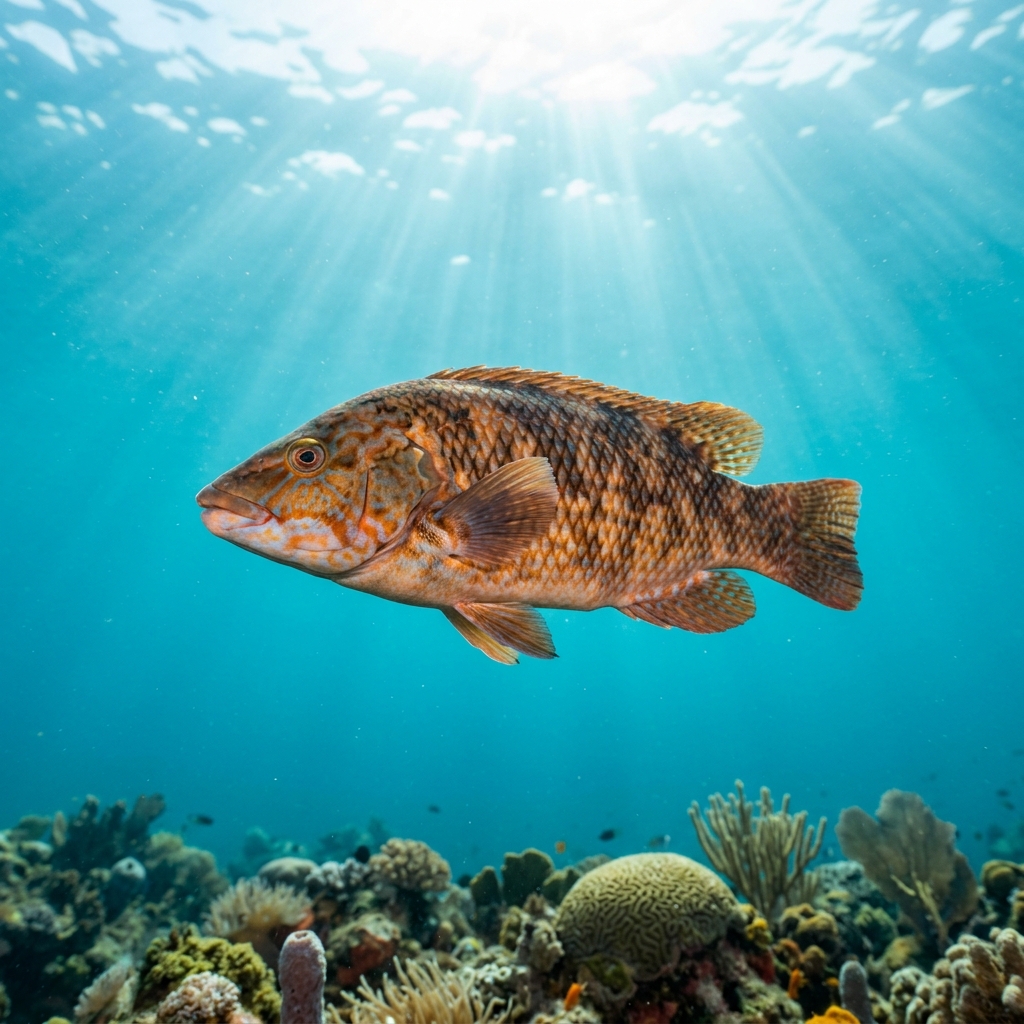
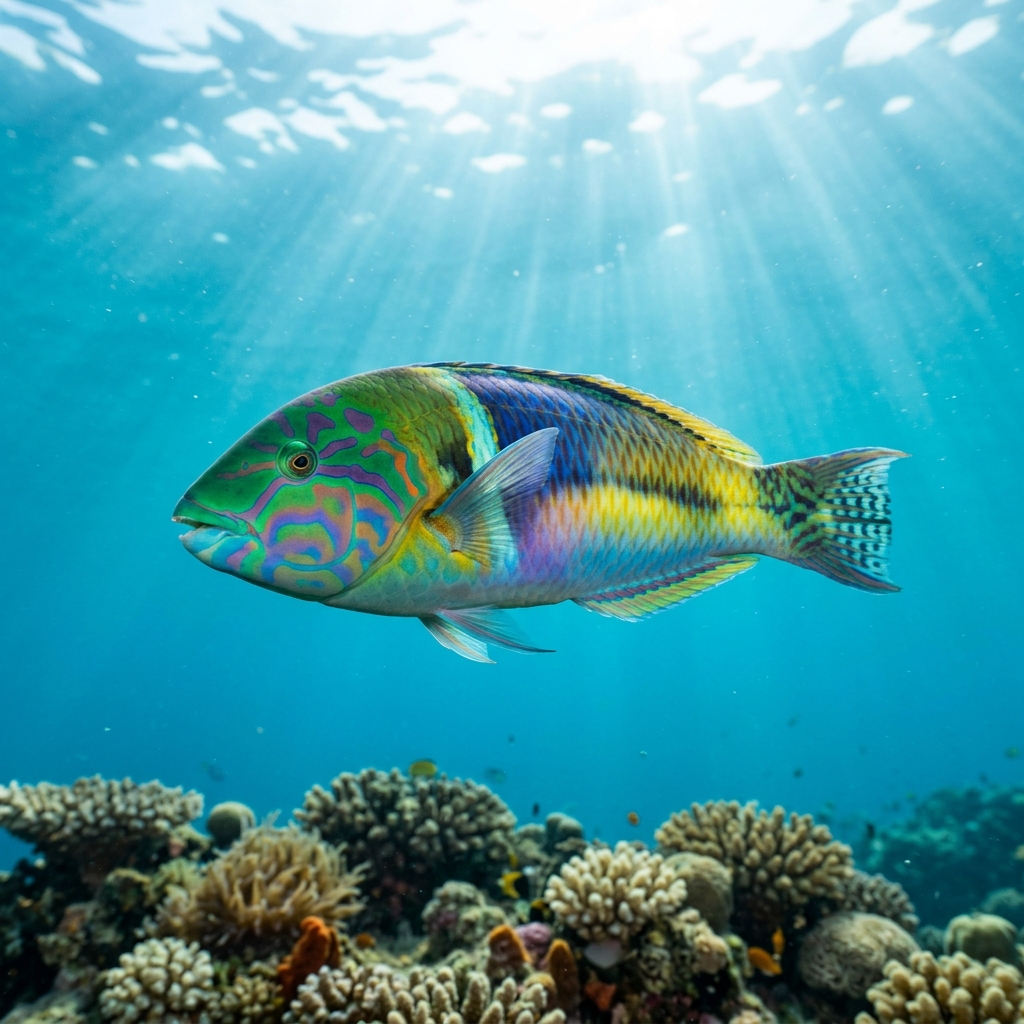
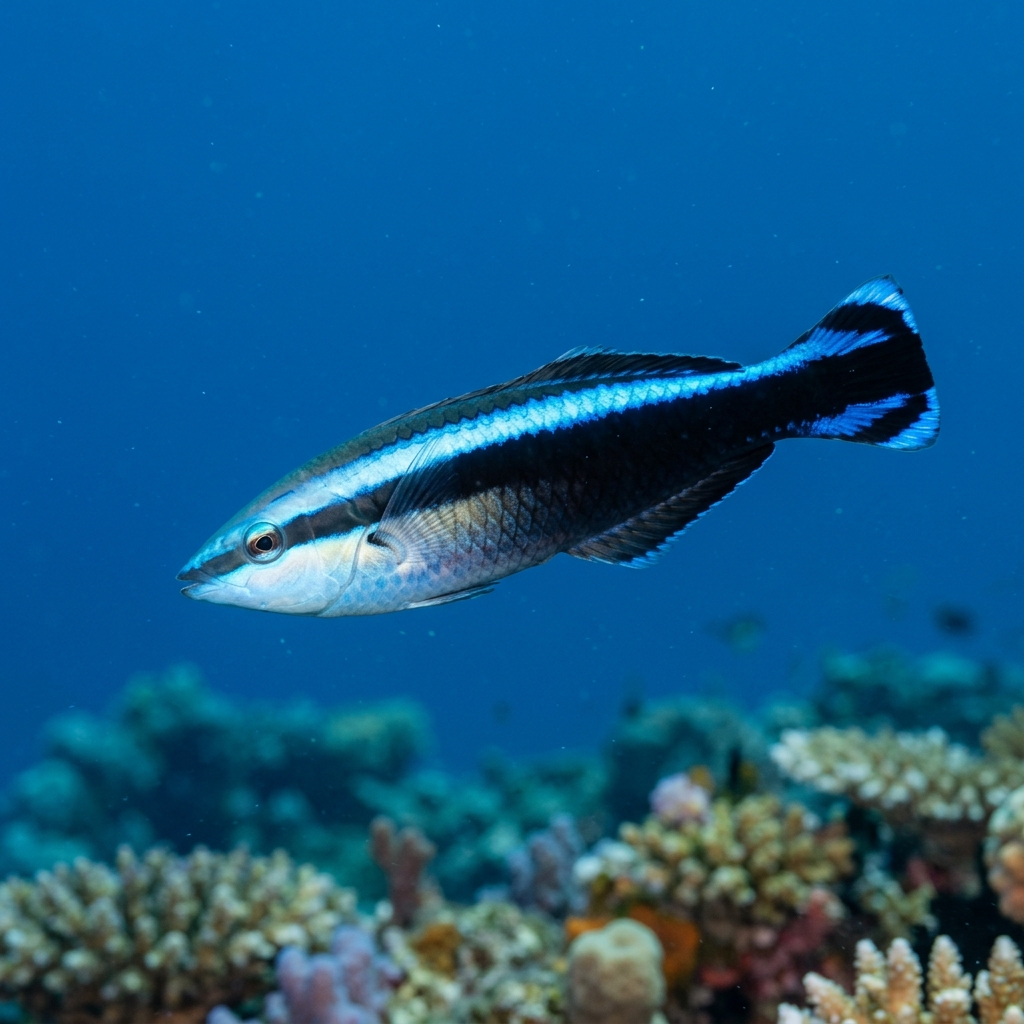
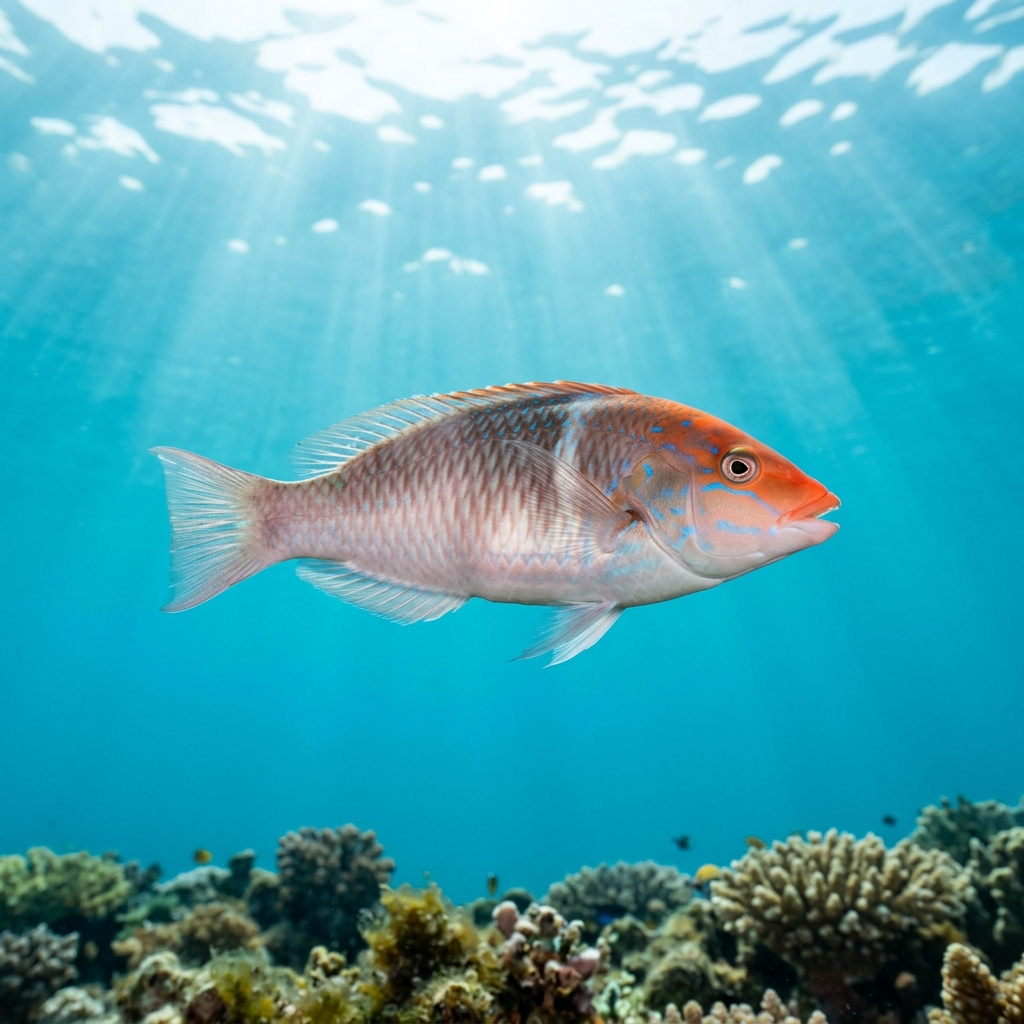
A small, slender wrasse topping out around 13 cm, with a body that runs pink to orange and blue markings streaking across the face and fins. It swims with the quick, darting style typical of small wrasses, often low over rock and rubble rather than out in open water. Look for the fine blue lines on the head as the clearest field mark at a glance.
Divers typically find it picking around low reef structure and rubble patches, moving in short, quick bursts rather than cruising in the open. It tends to keep close to cover and doesn't linger for a good look, so patience pays off more than a fast approach. Most sightings are incidental, spotted while working a reef slope rather than sought out specifically.
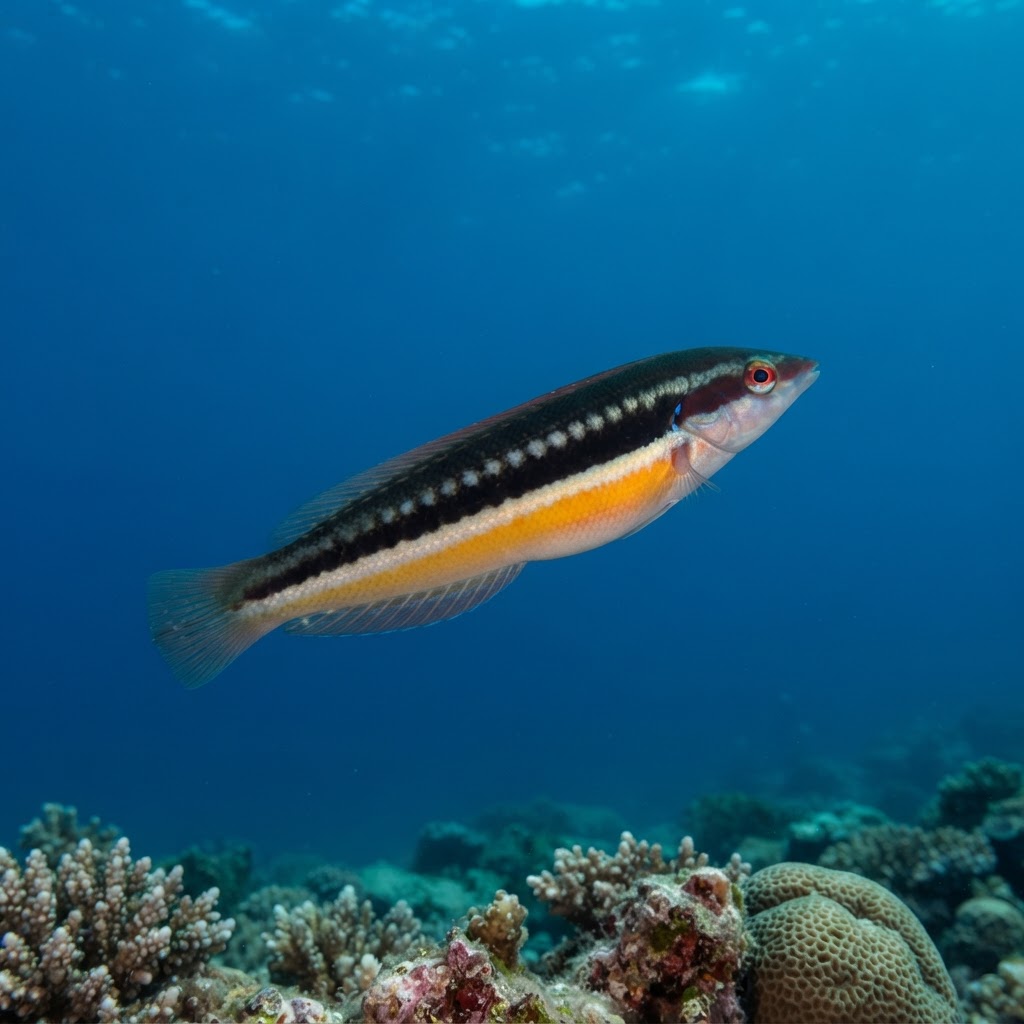
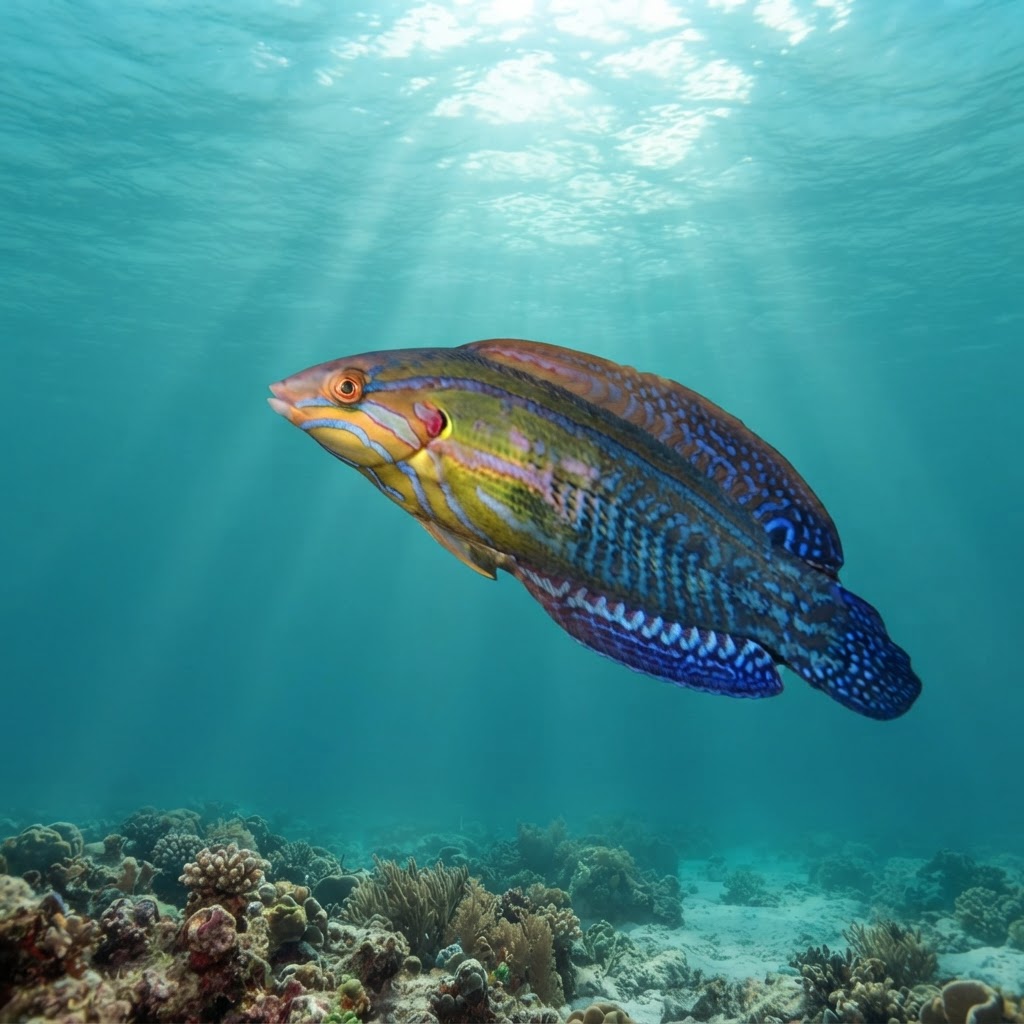
Like many Coris wrasses, it likely shifts colour and pattern between juvenile and adult stages, a common labrid trait that can make young fish tricky to match to the adult photos on ID guides.
No clear seasonal pattern shows up in the sightings, so treat this as a year-round fish on Hawaiian reefs. Water in its observed range sits between about 24.3 and 26.7 C, comfortable conditions that hold for most of the year.
Every logged sighting in the data comes from the United States, specifically Hawaii, making it the place to look for this species. Within Hawaii it turns up at a good spread of sites, though divers should expect an uncommon encounter rather than a guaranteed one, with a handful of sites where it's logged as common.
Mapping where Elegant Wrasse is logged…
Hawaii is the only region with confirmed sightings, where it's logged across a solid number of dive sites. It's worth watching for on Hawaiian reef dives generally rather than at one specific hotspot.
There's no detected seasonal pattern, so it's a year-round sighting on Hawaii's reefs. Water temperatures in its range stay a fairly steady 24 to 27 C through much of the year.
Look for a small wrasse, around 13 cm, with a pink to orange body and blue markings on the face and fins. It moves in quick darts close to rock and rubble rather than swimming in open water.
They stay small, typically reaching about 13 cm in length, which is on the compact end even for reef wrasses.
Not particularly. Most dive sites log it as an uncommon sighting, with only a few spots where divers report it as common, so finding one takes a bit of searching along the reef floor.
Site and sighting data is aggregated from diver logs, iNaturalist and GBIF. For taxonomy and conservation status:
Bird Wrasse
3,632 sites