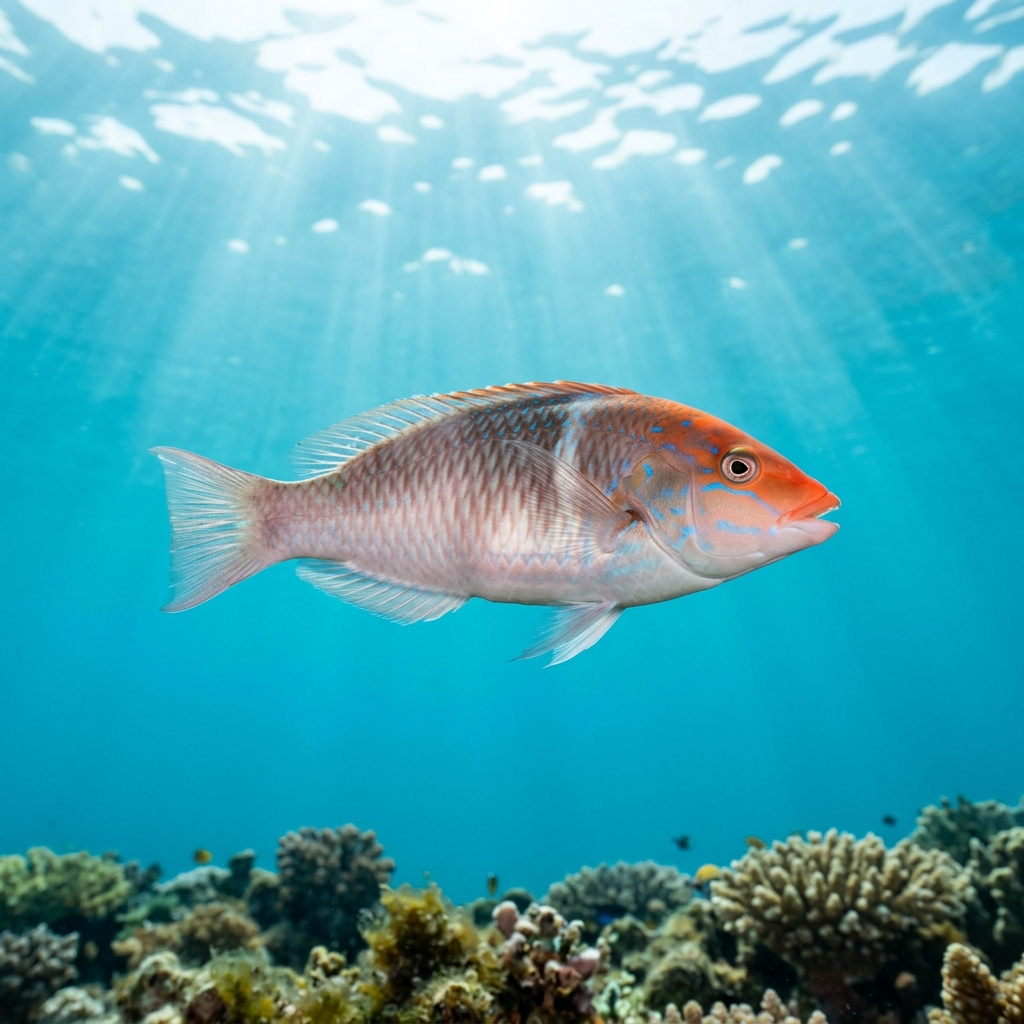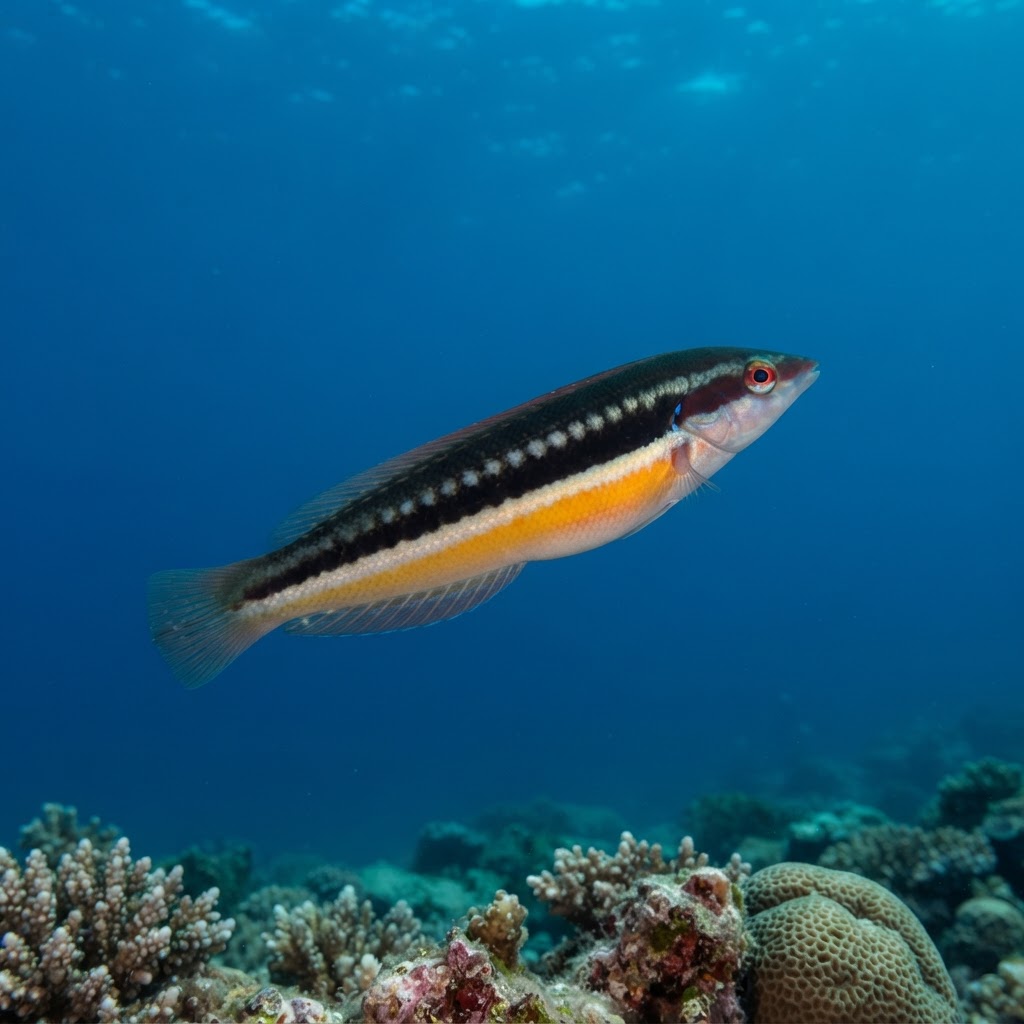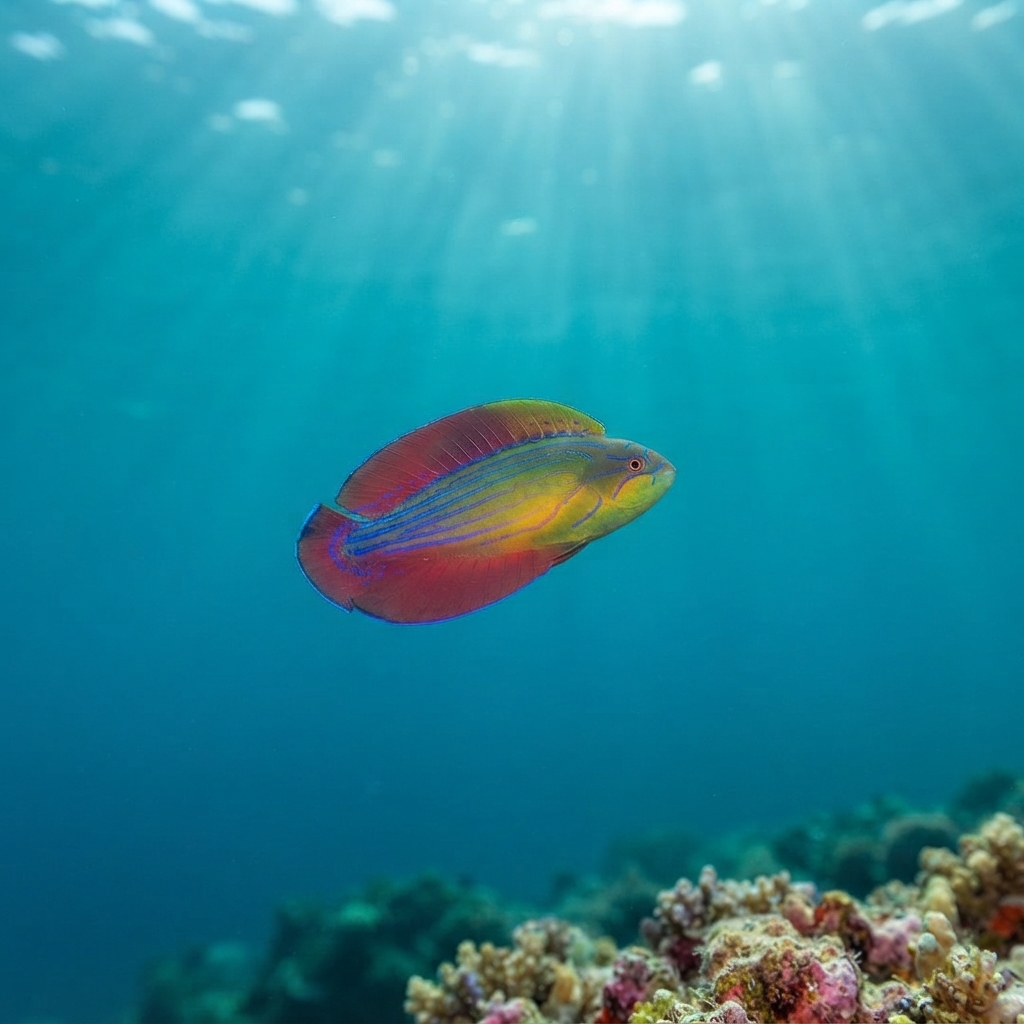
Paracheilinus octotaenia
Tiny purple-and-orange flasher wrasse most reliably seen across South Sinai and the Red Sea Riviera, active in warm 22-28C water year-round.
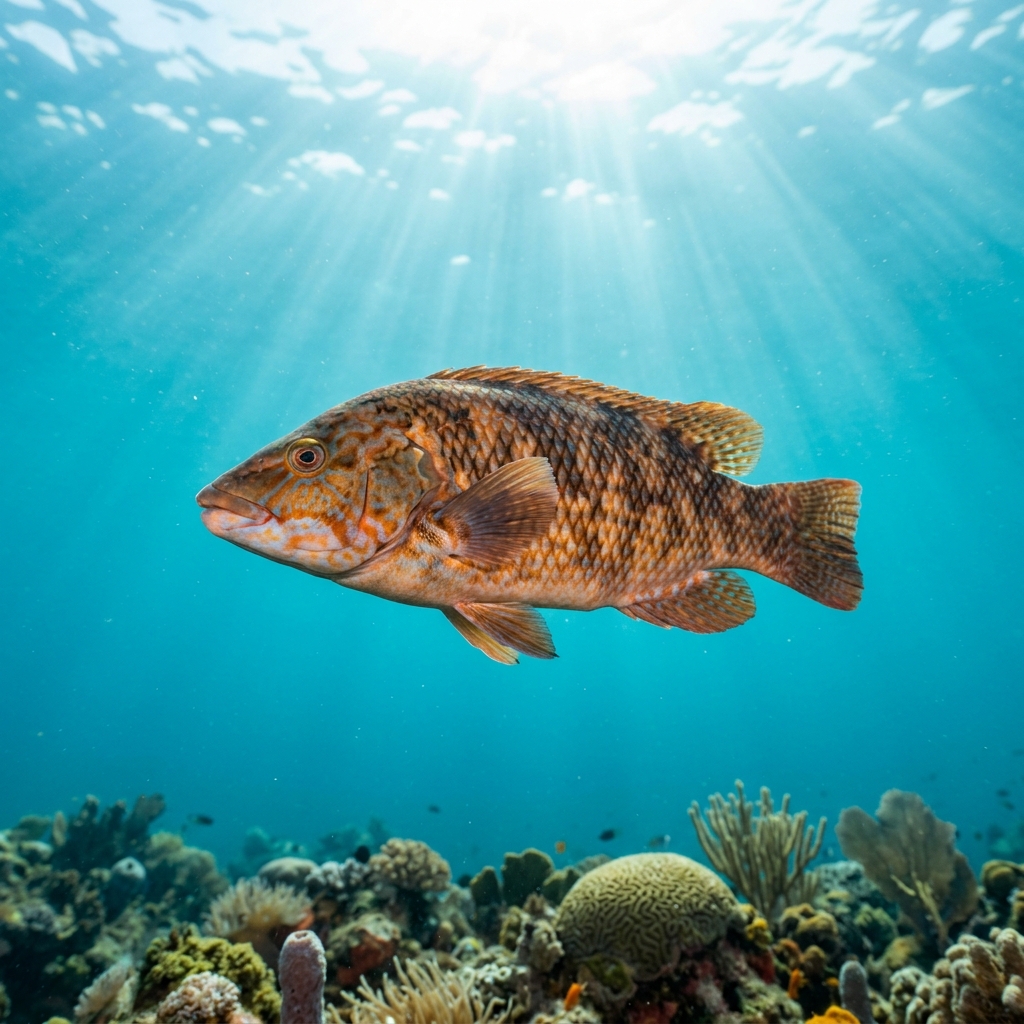
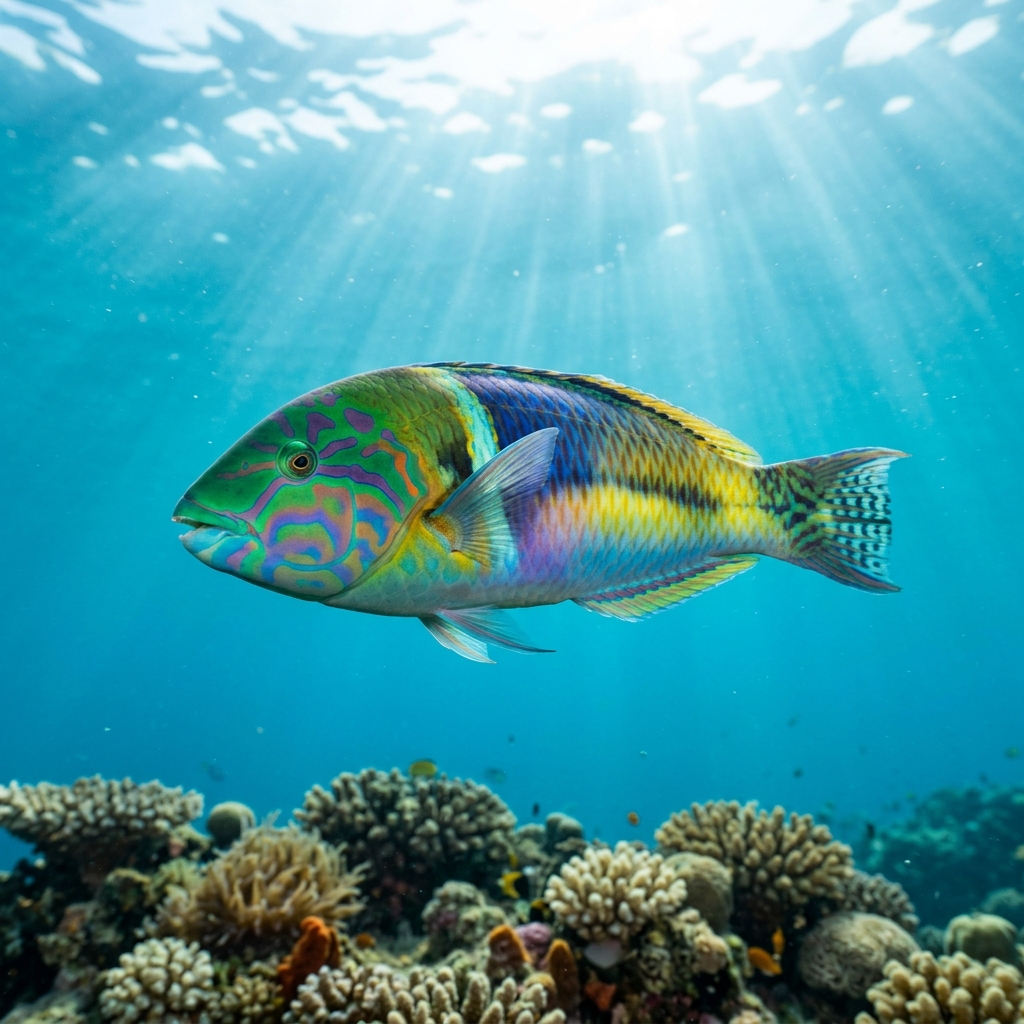
A small, slender wrasse rarely more than 6 cm, so you're looking for a flash of colour rather than a big profile. Males show a purplish-pink body cut through with fine orange to red longitudinal stripes, with the dorsal fin often raised into a small sail when displaying. Females and non-displaying fish are plainer, with muted tan to pale lavender tones and much less obvious striping, so the vivid version is usually a male showing off.
Look for it hovering just above rubble patches and coral rubble slopes rather than sitting on the reef itself, often in small loose groups. Males perform quick fin-flaring display bursts to attract females or spar with rivals, a flick of colour that's easy to miss if you're not looking at the right depth band. It tends to stay close to shelter and drops into cover the moment a diver gets too close, so slow, low approaches give the best views.
Males intensify their colour and flare their fins in short courtship bursts around dusk, which is often the easiest time to actually notice this fish rather than mistake it for background reef clutter.
Sightings show no clear seasonal pattern, and with water temperatures ranging from about 22.3 to 27.6C across the year, reefs stay within its comfort zone in every season. Treat it as a year-round fish on Egyptian Red Sea reef dives.
This one is very much a Red Sea speciality in the logged data, with every recorded site in Egypt. It's most reliably found across the Red Sea Riviera and South Sinai, with a smaller scatter of sightings further south around Marsa Alam and the Deep South.
Mapping where Eightline Wrasse is logged…
It's logged almost exclusively in Egypt, with the strongest records across the Red Sea Riviera and South Sinai, and further sightings around Marsa Alam and the Deep South.
There's no strong season in the data, and water stays within its 22 to 28C comfort range year-round, so it can be seen on Red Sea reef dives at any time of year.
Look for a tiny wrasse, under 6 cm, hovering over rubble with a purplish body and fine orange stripes; males flare a small sail-like dorsal fin when displaying, while females look plainer and paler.
They stay small, typically reaching around 6 cm in length, so spotting one takes a careful eye over reef rubble rather than scanning open water.
No, they pose no risk to divers. They are small, shy reef fish that retreat into cover rather than approach or defend territory aggressively.
Watch for males flaring their dorsal fin in quick pulses over rubble patches, a display used to attract females or challenge rival males, most noticeable around dusk.
Site and sighting data is aggregated from diver logs, iNaturalist and GBIF. For taxonomy and conservation status:
Bird Wrasse
3,632 sites