Bodianus unimaculatus
Common on North Island, New Zealand reefs in 15.7-26.1C water, year-round, look for the dark saddle mark near the tail.
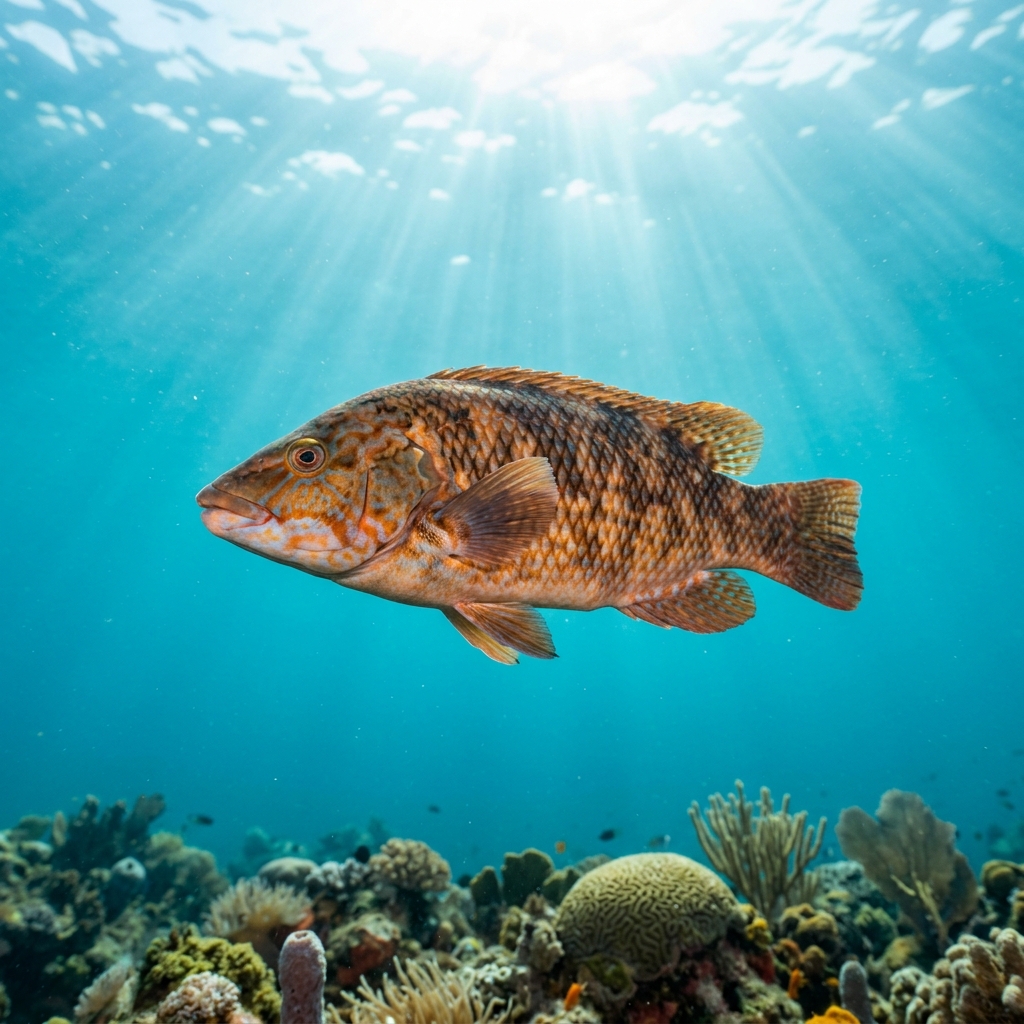
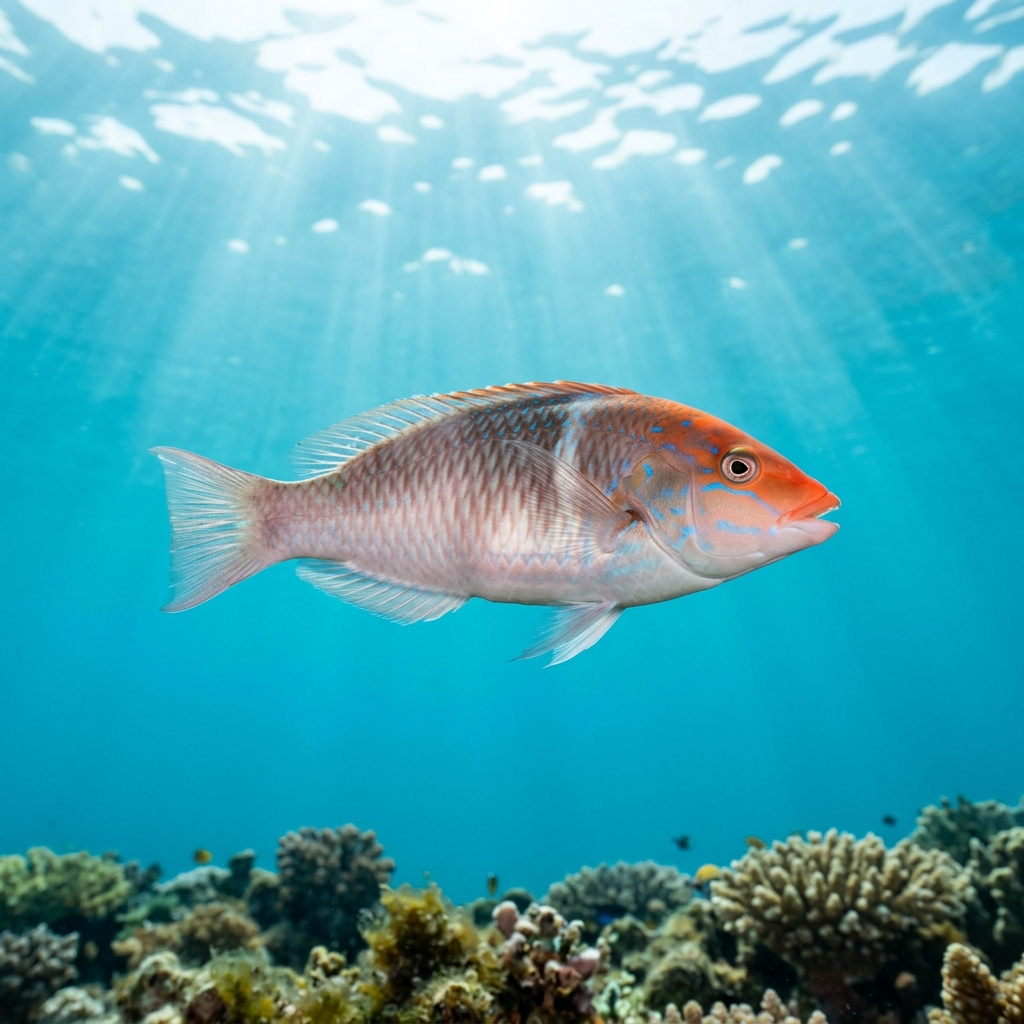
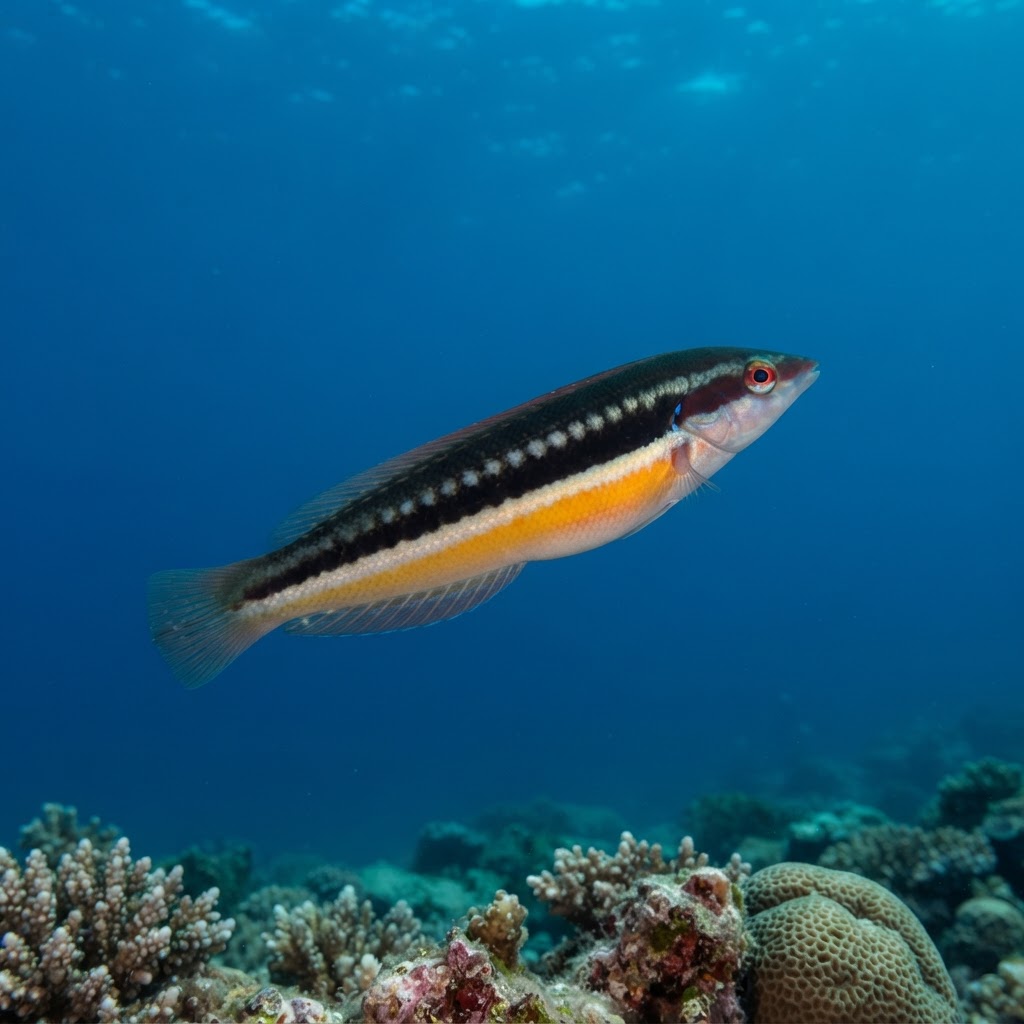
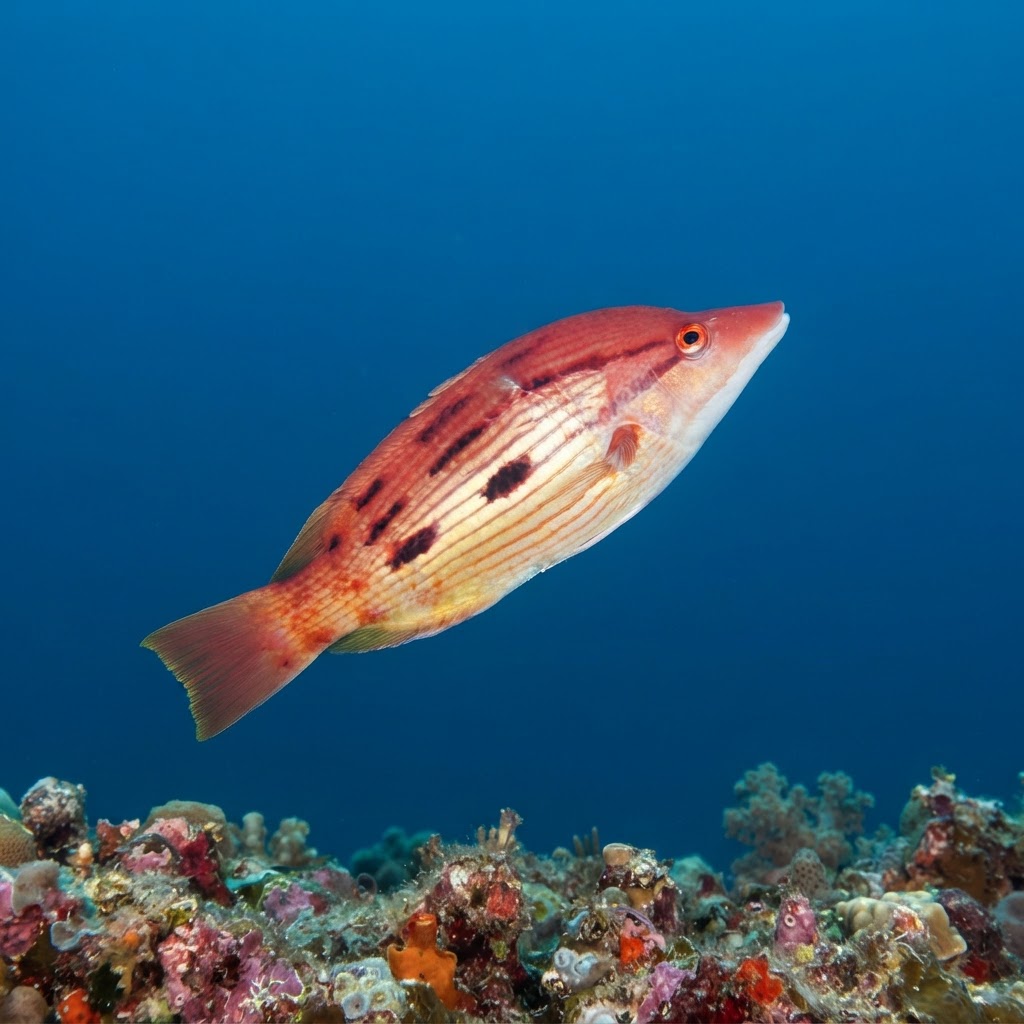
Grows to around 35 cm with an elongated, slightly humped wrasse body in shades of pink to orange-red. The clearest ID mark is a single dark blotch (saddle) sitting on the back near the tail, which gives the species its scientific name unimaculatus. Juveniles tend to show brighter, more contrasted colouring than the mellower-toned adults, and the body shape flattens out and deepens slightly with age.
Divers usually find it picking around rocky reef and rubble, nosing into crevices and low structure while foraging rather than schooling in the open. It tends to hold its ground or move off at an easy pace rather than bolting, making it a reasonably approachable subject for photographers working slowly and low to the reef. Look for it across a wide depth band, from shallow reef edges down well past recreational sport depths.
Like many wrasses in the Labridae family, this species is a protogynous hermaphrodite, meaning individuals can start life as female and later change into males as they grow.
Sightings are spread across the year with no clear seasonal gap, which fits a fish comfortable across a wide 15.7 to 26.1C range. Plan around North Island conditions generally rather than chasing a particular month.
This one is very much a New Zealand fish in the logged data, with sightings concentrated across the North Island. It turns up as a common to very common find at many of those sites, making it one of the more reliable temperate wrasses to tick off on a Kiwi reef dive.
Mapping where Eastern Pigfish is logged…
It is most reliably logged around the North Island of New Zealand, where it shows up at reef sites as a common to very common sighting.
There is no strong seasonal pattern in the sighting data, so it is considered a year-round find on North Island reefs within its 15.7 to 26.1C comfort range.
Look for a pink to orange-red, elongated wrasse body around 35 cm long with a single dark blotch near the base of the tail. That saddle mark is the quickest giveaway against other reef wrasses.
They typically reach about 35 cm in length, making them a mid-sized member of the wrasse family on temperate reefs.
No, they pose no danger to divers and are generally calm around people who approach slowly.
Yes, like many wrasses they are protogynous hermaphrodites, starting out female and with some individuals later transitioning to male as they mature.
Site and sighting data is aggregated from diver logs, iNaturalist and GBIF. For taxonomy and conservation status:
Bird Wrasse
3,632 sites