Cirrhilabrus punctatus
A small, uncommon reef wrasse logged mostly on Queensland reefs and in Fiji's Yasawa Islands, in warm 24-29C water year-round.
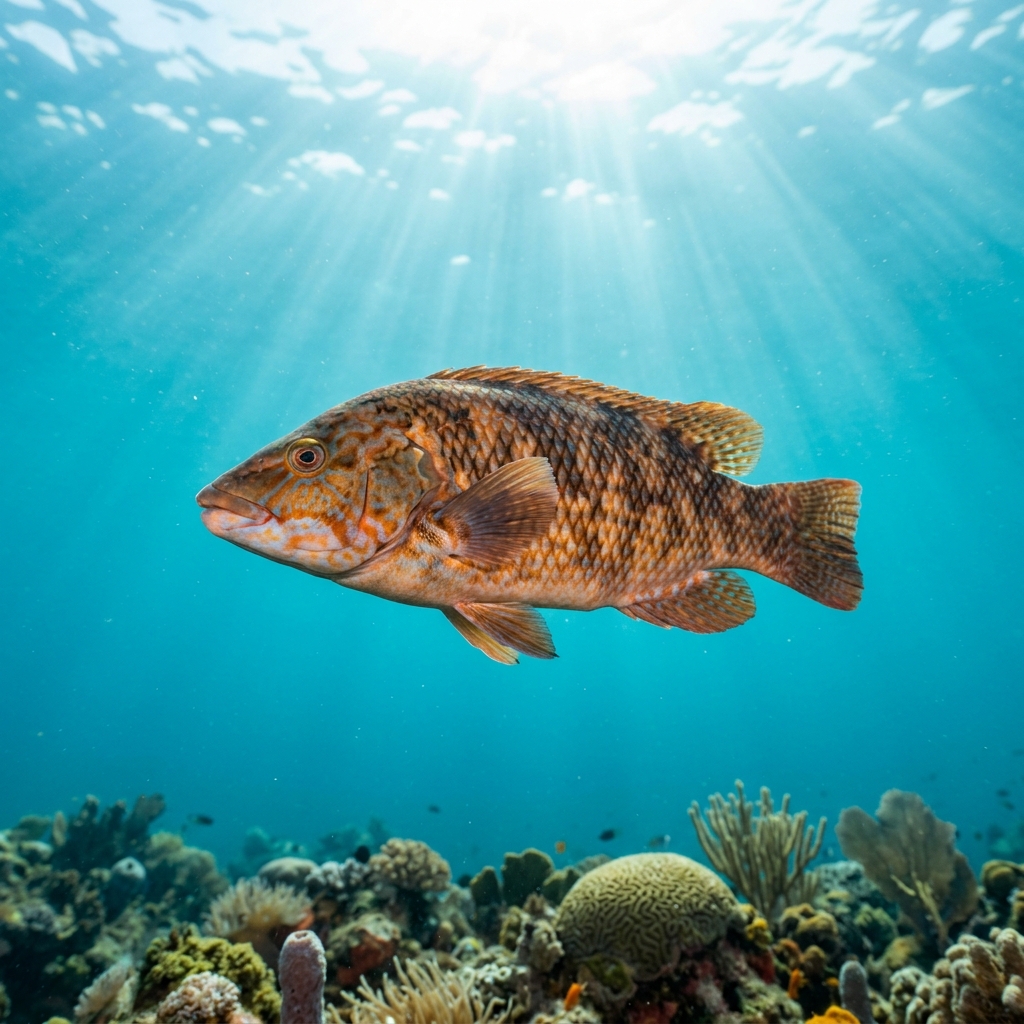
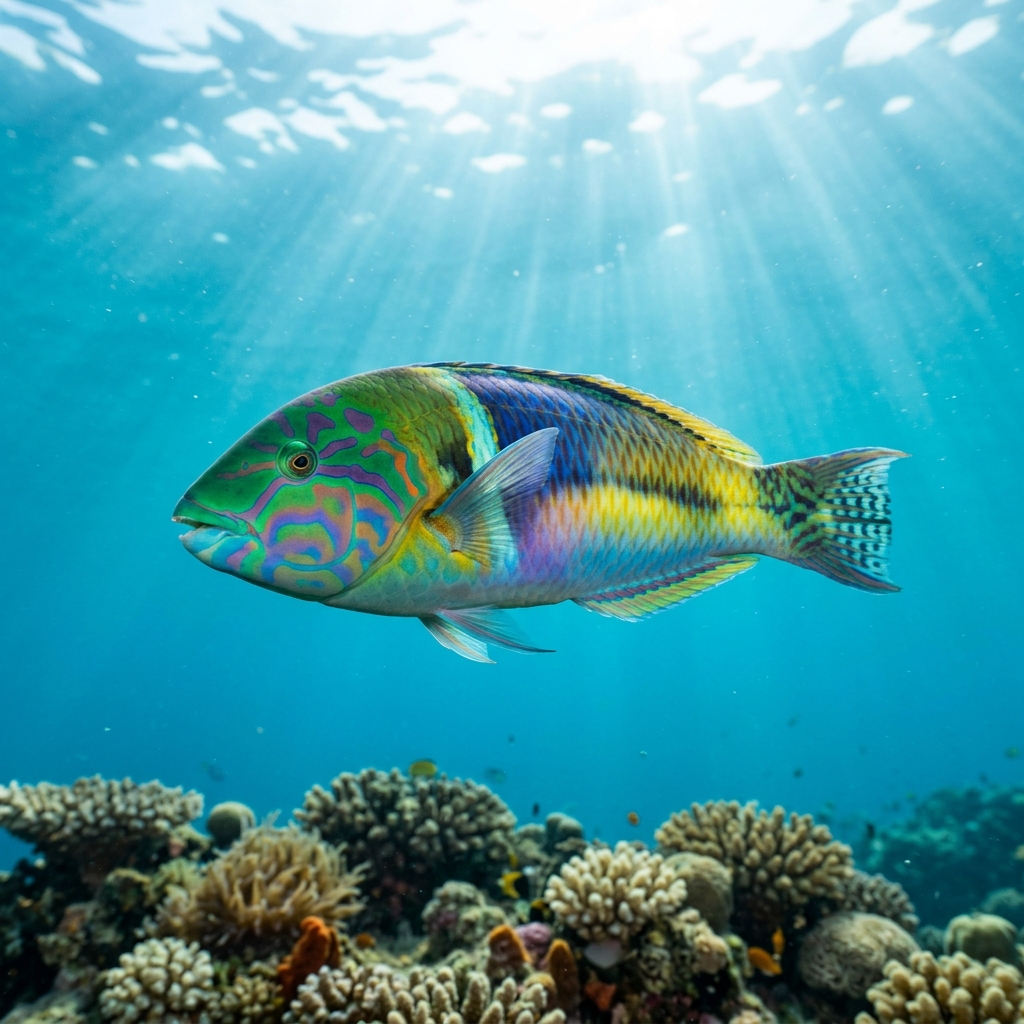
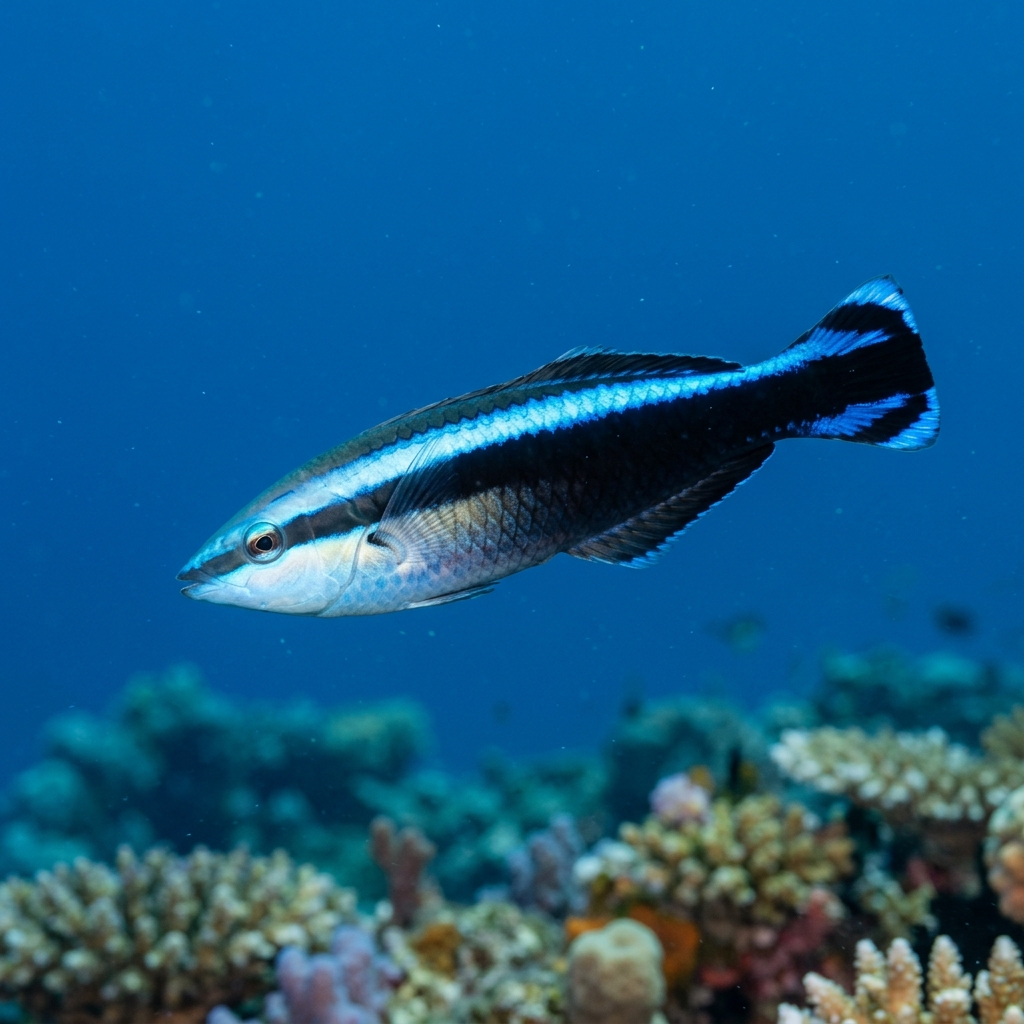
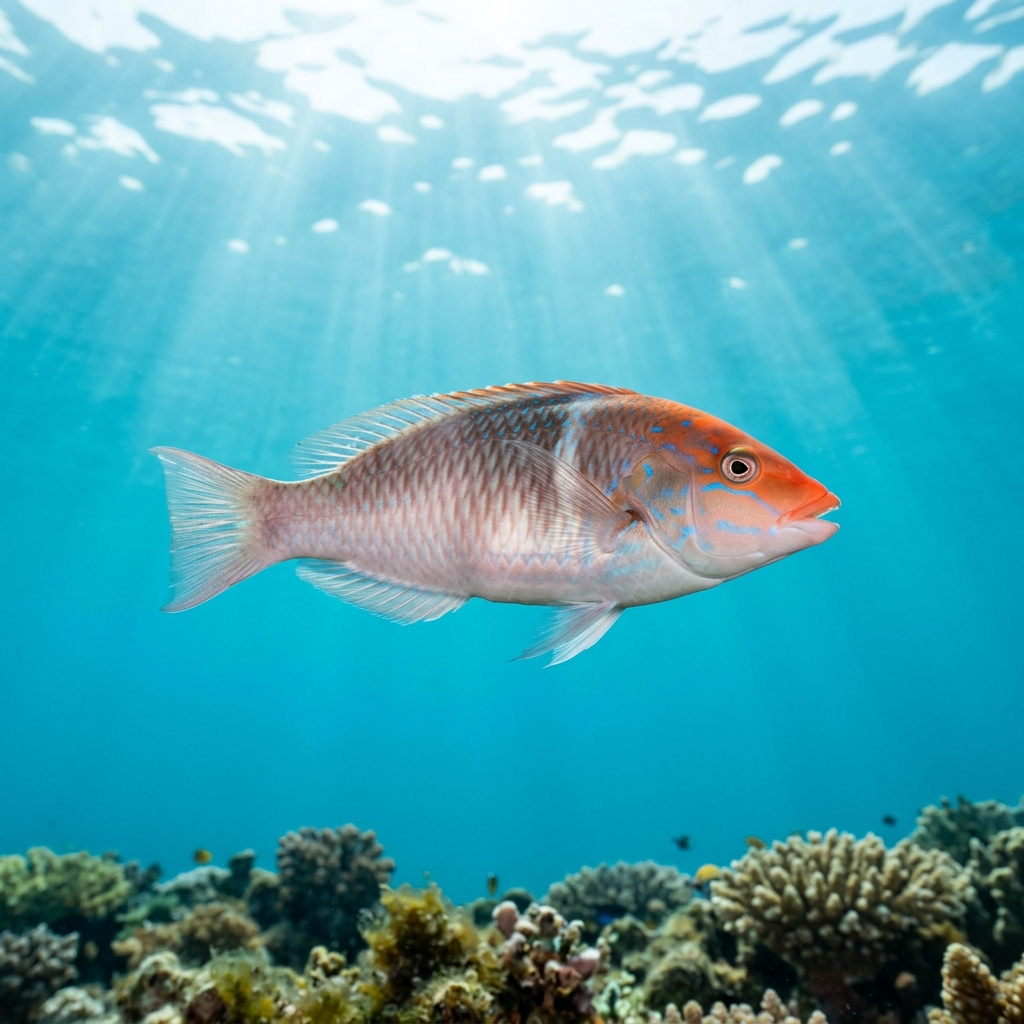
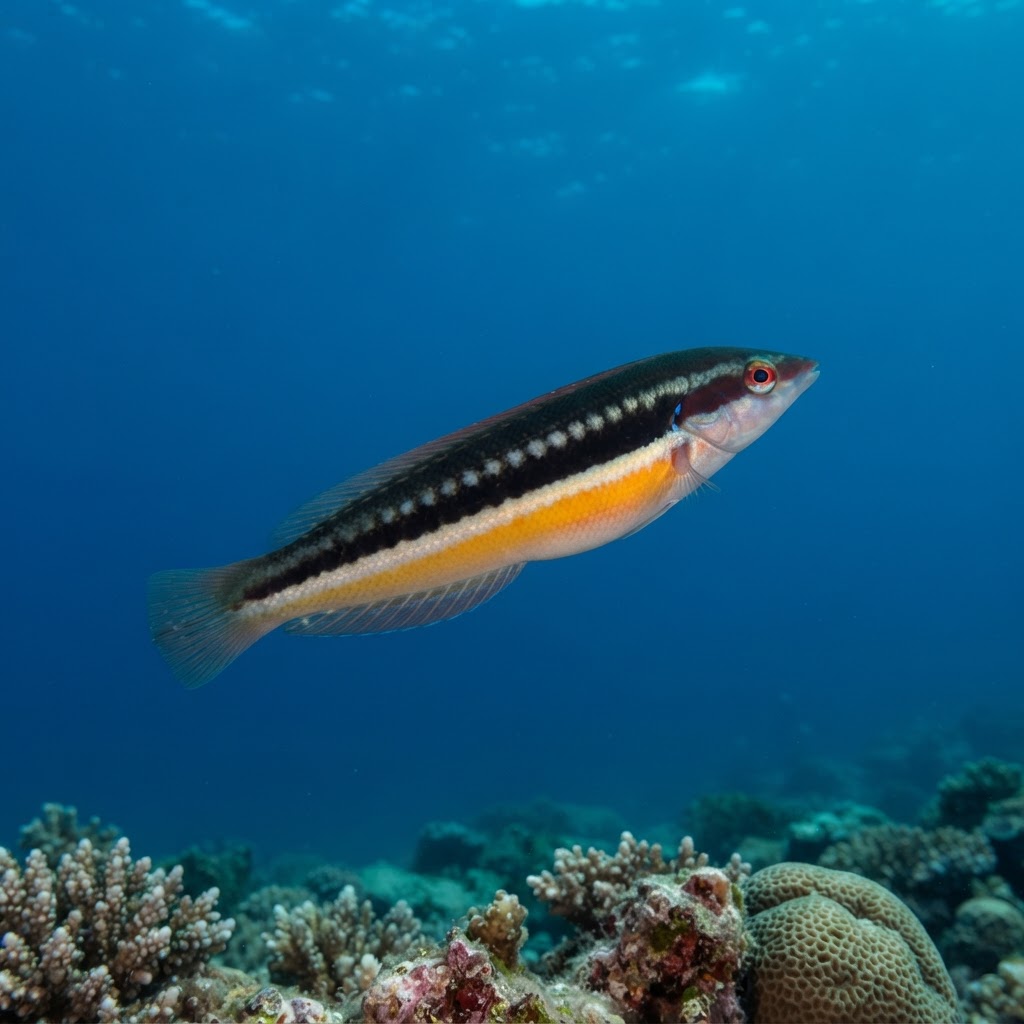
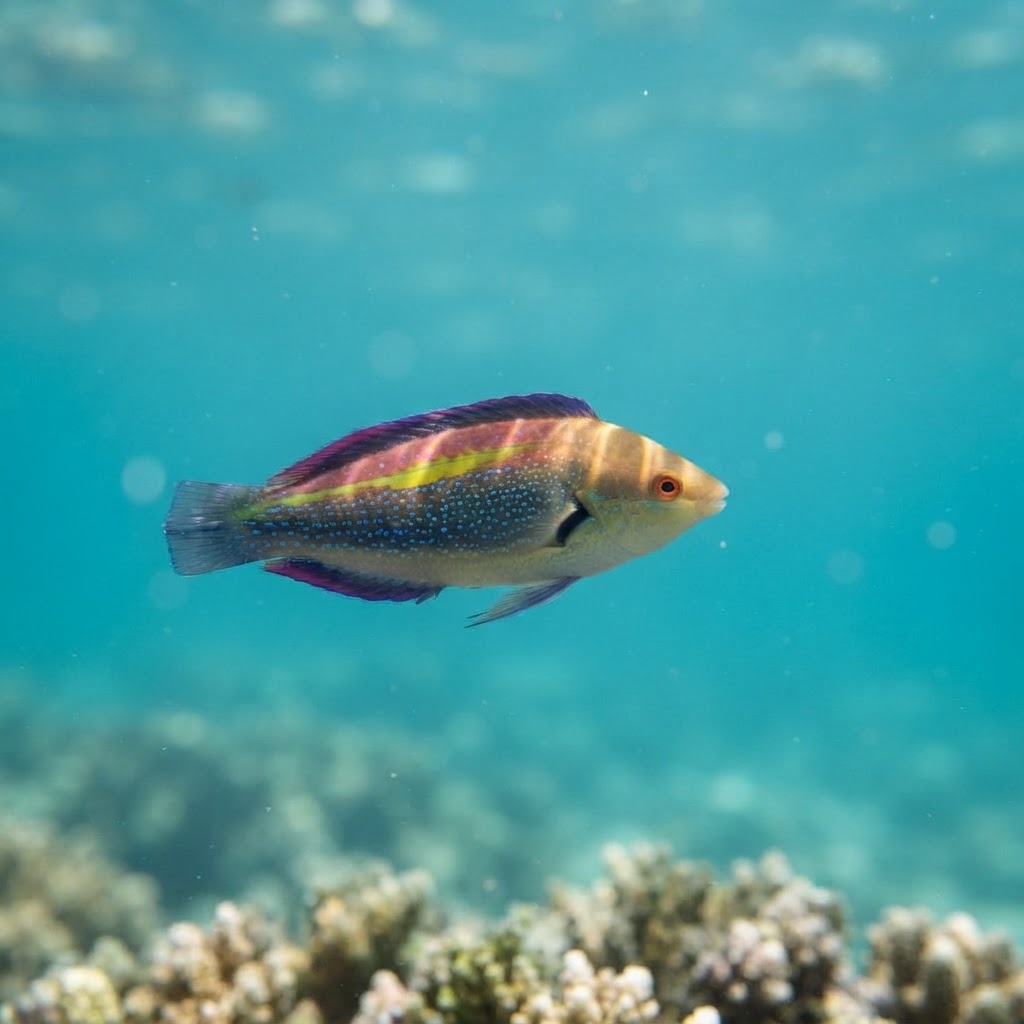
A small, slim-bodied wrasse that tops out around 9 cm, easy to miss unless you slow down and look along the reef edge. Look for the fine speckled pattern of dots scattered across the body that gives the fish its common name, set against a slender, torpedo-shaped profile typical of fairy wrasses. It tends to hover just off the substrate rather than sitting still, flicking between coral heads and rubble patches.
Divers typically spot this wrasse hovering low over coral rubble or reef structure rather than out in open water, moving in short darting bursts as it picks at small invertebrates. It is logged as uncommon at every site where it has been recorded, so sightings tend to reward divers who check bommies and reef nooks closely rather than swim past at speed. It shows no particular reaction to divers beyond the usual wariness of a small reef fish, and there is no strong day-night pattern noted in the sightings.
Fairy wrasses in this genus are known for males developing brighter, more elaborate colour patterns during courtship displays, so a fish you photograph one visit might look noticeably different from one seen weeks later.
Water temperature logs run from about 24.3C to 28.6C, a comfortable tropical-to-subtropical range that does not point to a strict season. Sightings are treated as year-round on the reefs where it is found, since there is not enough monthly data yet to pin down a peak period.
Most logged sightings come from Queensland, Australia, which stands out as the strongest area for this species, with a further site recorded in New South Wales. Outside Australia, it also turns up in the Yasawa Islands of Fiji, so divers working reef sites across these two countries have the best documented chance of a sighting.
Mapping where Dotted Wrasse is logged…
Queensland, Australia is the strongest area for this species, with additional sightings in New South Wales and in Fiji's Yasawa Islands. It is logged as uncommon at every known site, so expect a scattered rather than guaranteed encounter.
There is no clear seasonal pattern in the sightings, and water temperatures at recorded sites range from about 24 to 29C, comfortable year-round on these reefs. Treat it as a species you might spot on any dive in the right region rather than one tied to a specific month.
Look for a small, slender wrasse around 9 cm with fine dot-like markings scattered across its body, hovering low near coral rubble or reef structure. It moves in quick darting bursts rather than cruising steadily, which helps separate it from larger, slower-swimming wrasses on the same reef.
They are small reef fish, typically reaching around 9 cm in length, so they are easy to overlook against busier reef backgrounds.
No, this is a small, harmless reef fish with no recorded risk to divers. It poses no threat and can be observed and photographed at close range without concern.
Like other fairy wrasses, males can shift into brighter, more elaborate colouration during courtship, meaning the same fish can look quite different depending on when you encounter it.
Site and sighting data is aggregated from diver logs, iNaturalist and GBIF. For taxonomy and conservation status:
Bird Wrasse
3,632 sites