Synodus doaki
Doak's Lizardfish lies motionless on reef rubble around North Island, New Zealand, year-round in 17 to 27 C water. Here's how to spot one.
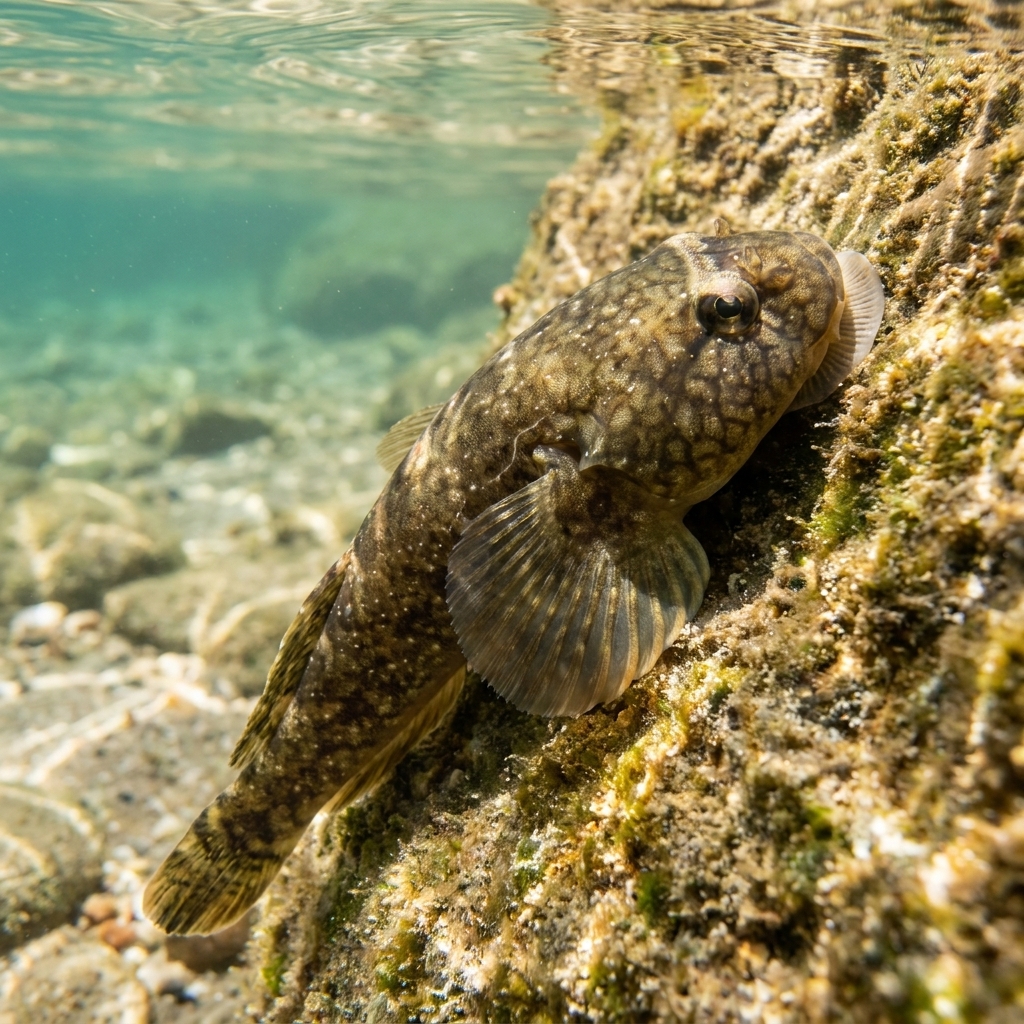
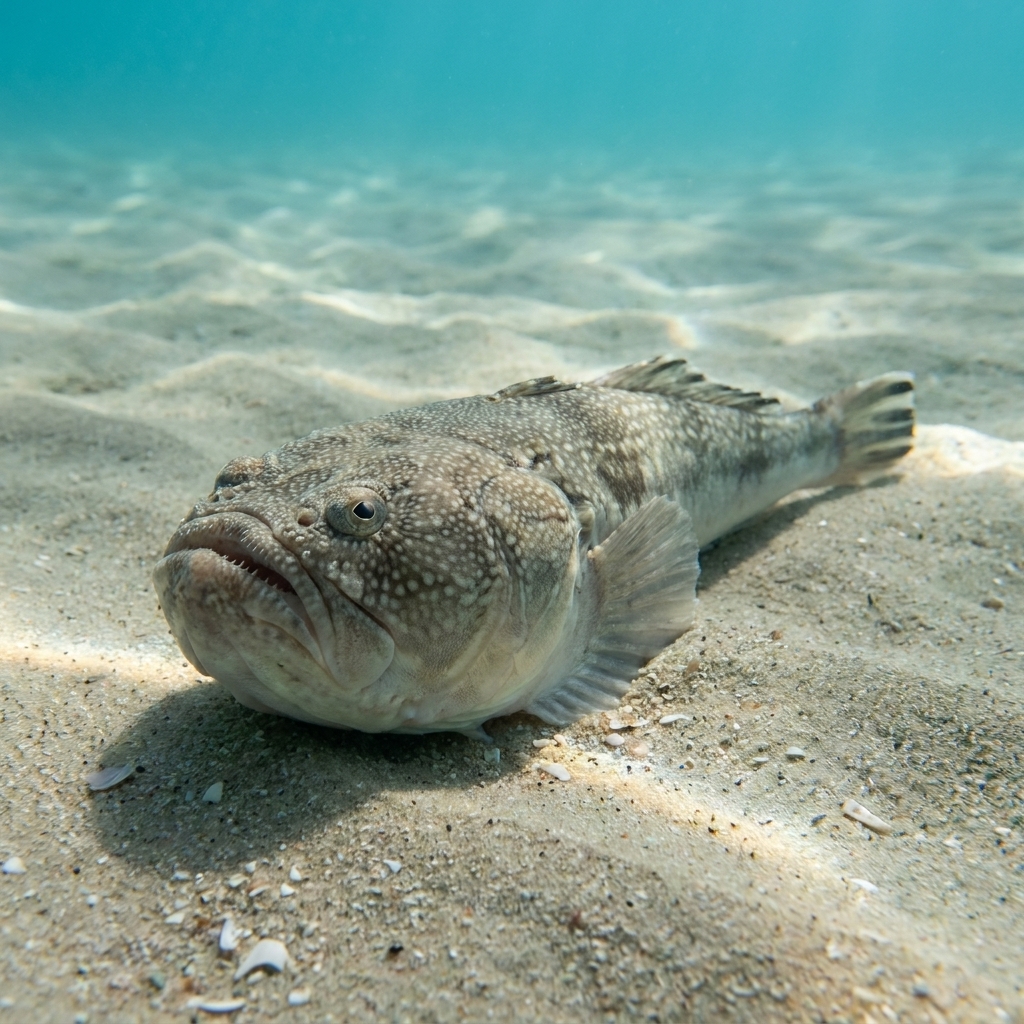
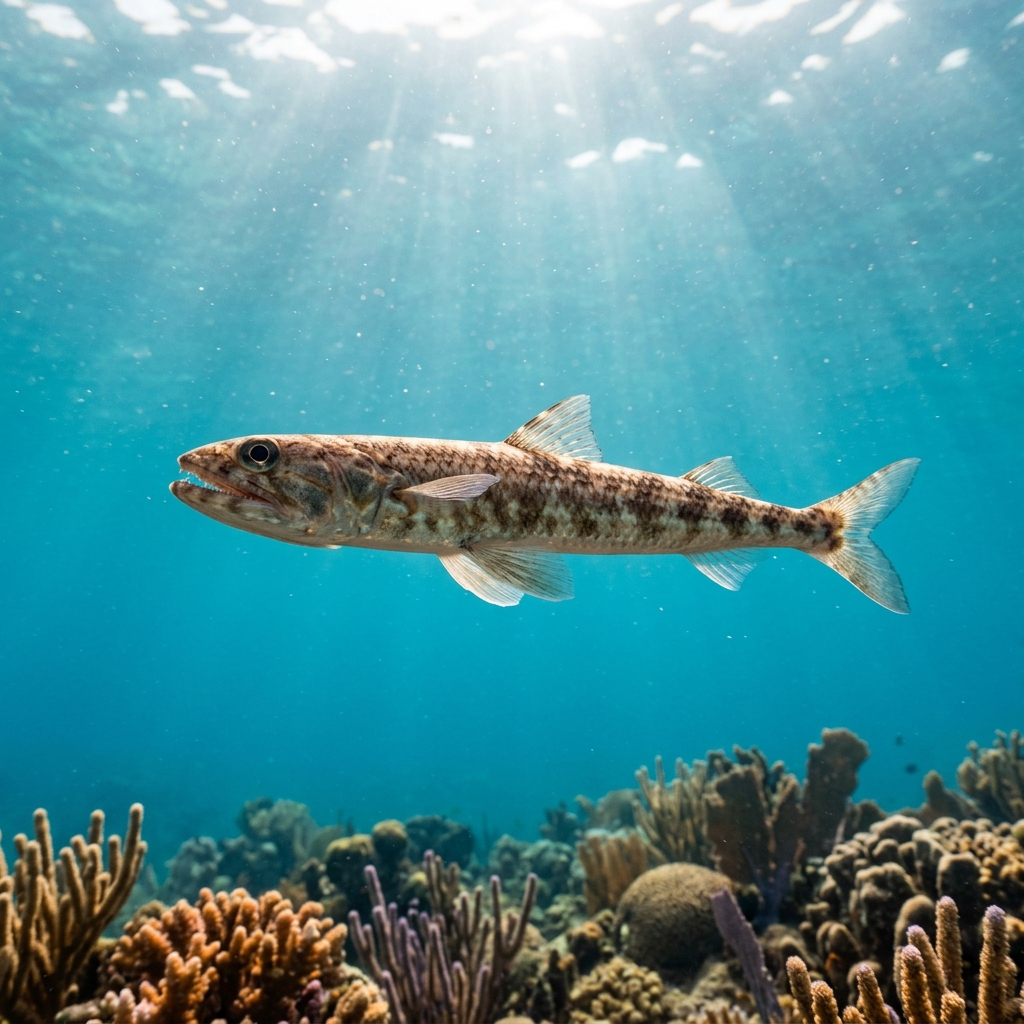
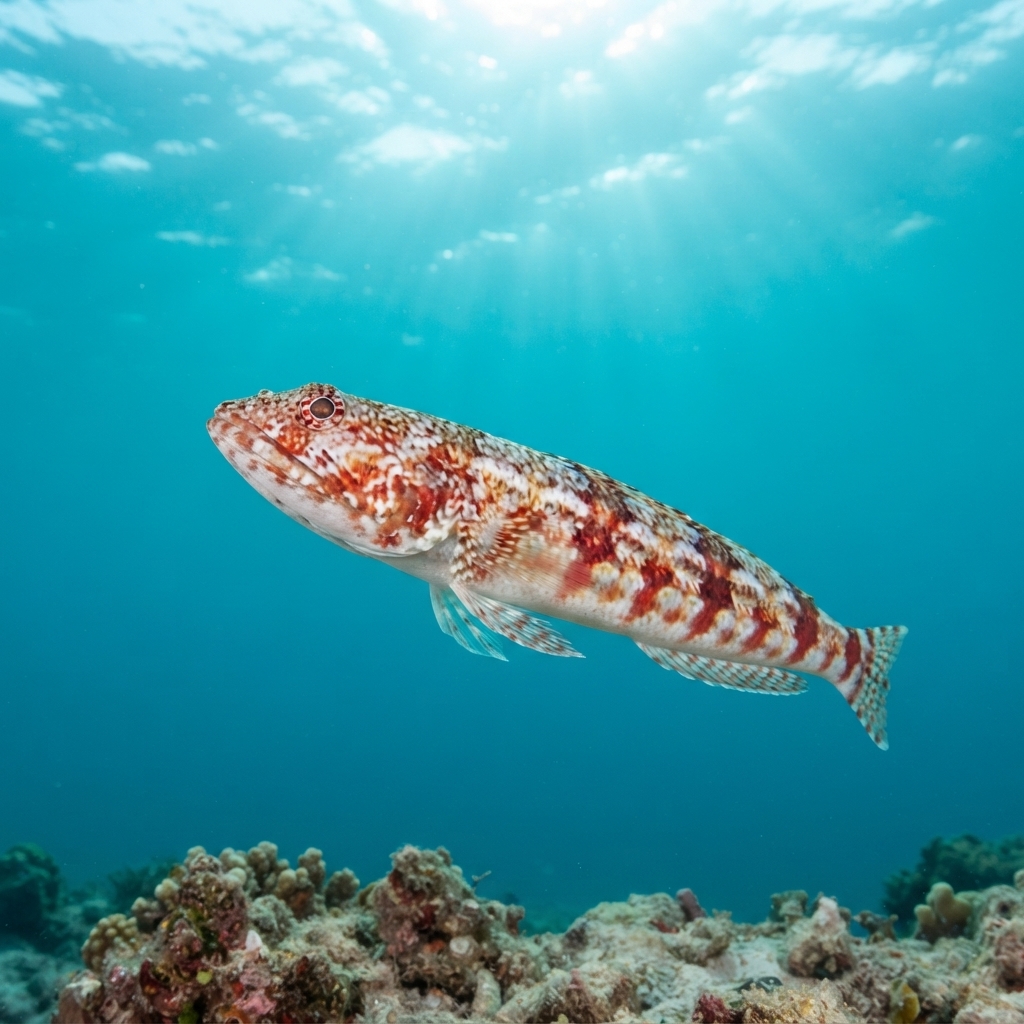
Slender, torpedo-shaped body about 20 cm long, mottled brown and cream in a broken pattern that blends into rubble and sand. Look for the pointed, reptilian snout and large upward-angled mouth, plus a habit of propping motionless on its lower fins like a lizard on a rock. The dorsal fin sits well back on the body, and the eyes are set high, giving it a watchful, camouflaged profile easy to miss until it darts.
Spends most of its time resting still on rubble, sand patches or low reef structure, relying on camouflage rather than movement to go unnoticed. It tends to hold its ground as divers approach, only bolting in a short, fast burst if you get too close, then resettling a short distance away. Most sightings are incidental, spotted by divers scanning the bottom rather than the open water.
Lizardfish are ambush predators that use their forward-set eyes and upturned mouth to strike upward at small fish and shrimp passing overhead, a hunting style that explains why they sit so still for so long.
Sightings show no clear season, and the observed range of 17.1 to 27.3 C spans most of the year in North Island waters, so it's a reasonable year-round find rather than a seasonal target.
Currently logged almost exclusively around New Zealand's North Island, where it turns up on a scattering of temperate reef sites. There isn't enough data yet to point to other countries, so North Island is the reliable bet for this one.
Mapping where Doak's Lizardfish is logged…
The strongest and most consistent sightings come from North Island, New Zealand, where divers have logged it across several reef sites. Records outside this region are too sparse to point to reliably yet.
There's no detected seasonal pattern, and it's been observed across a wide temperature range from 17.1 to 27.3 C, so it can turn up on North Island dives at any time of year.
Look for a slim, mottled brown body around 20 cm long resting motionless on rubble or sand, with a pointed snout and a wide, upward-facing mouth. Its lizard-like posture, propped up on its lower fins, is the biggest giveaway.
They typically reach about 20 cm in length, making them a small, easily overlooked bottom-dweller rather than a showy reef fish.
No, they pose no threat to divers. They're small, non-aggressive ambush predators that simply dart away if approached too closely.
It lies almost perfectly still on the reef floor, using camouflage and high-set eyes to spot small fish and shrimp swimming above, then strikes upward in a quick ambush rather than chasing prey down.
Site and sighting data is aggregated from diver logs, iNaturalist and GBIF. For taxonomy and conservation status:
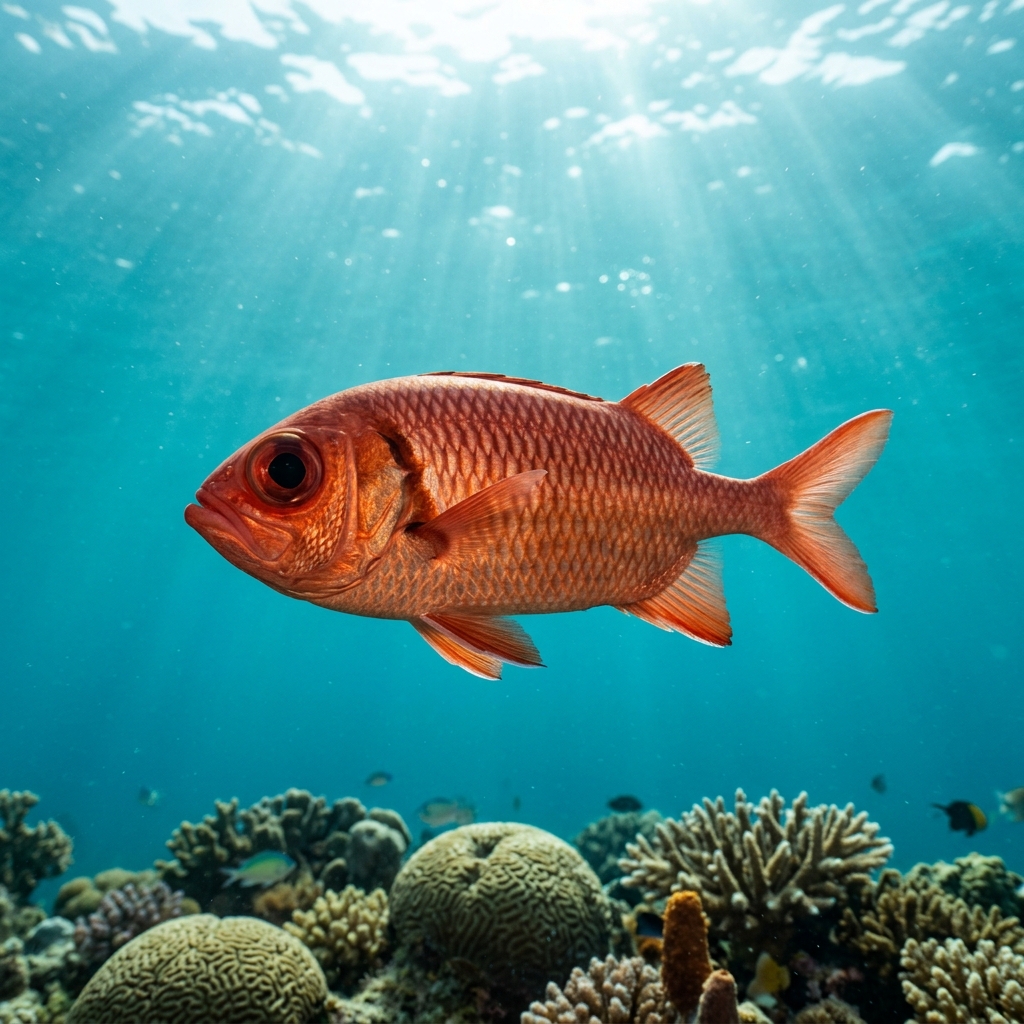
Soldierfish
3,612 sites