Buenia affinis
A 2cm goby found on sand and rubble in the French Riviera and Croatia's Kvarner region, year-round in cool 16-19C water.
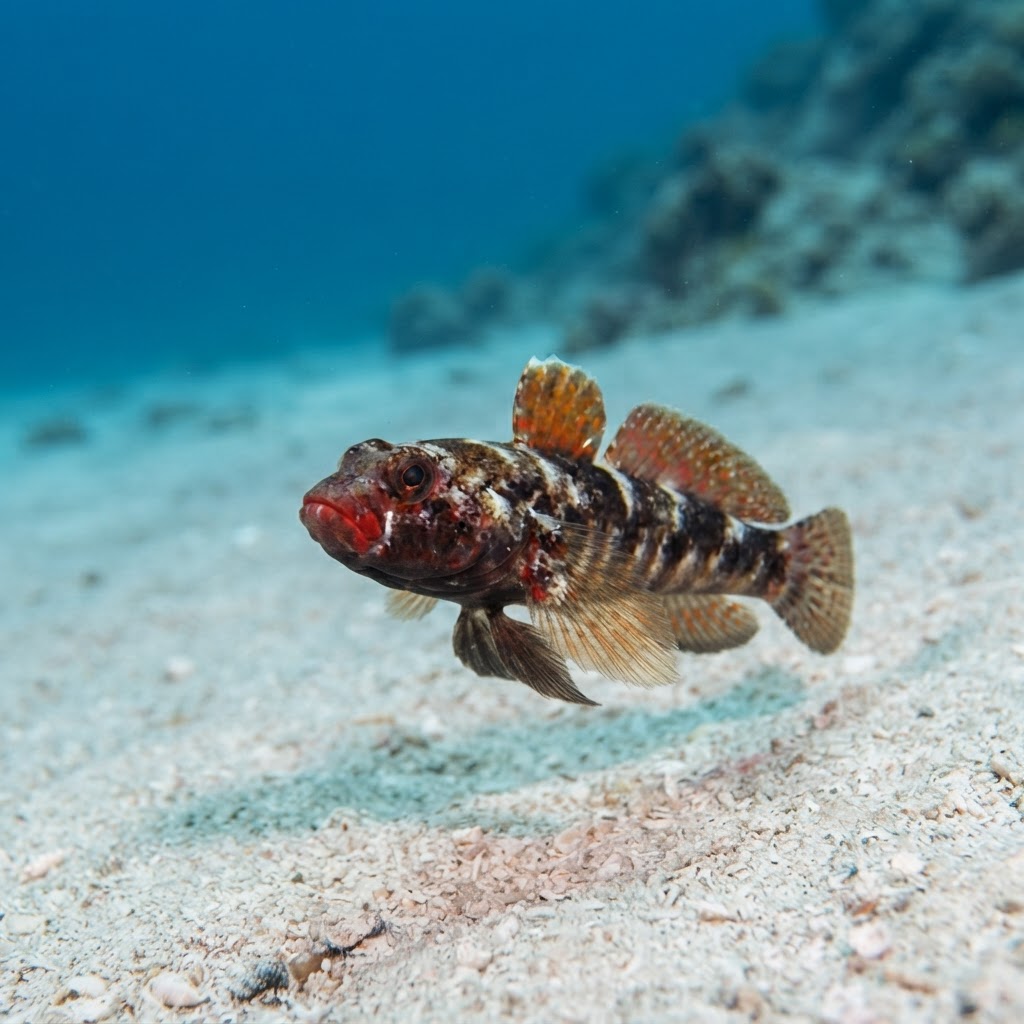
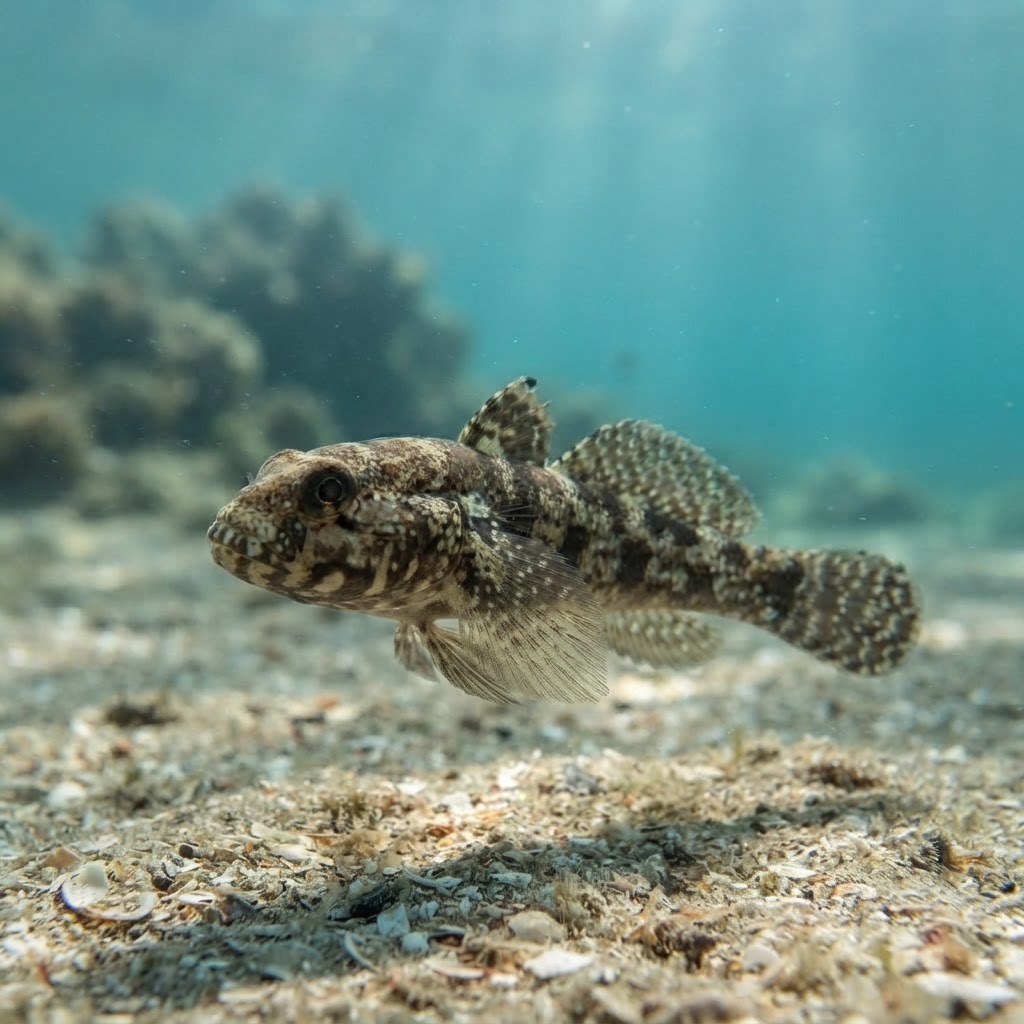
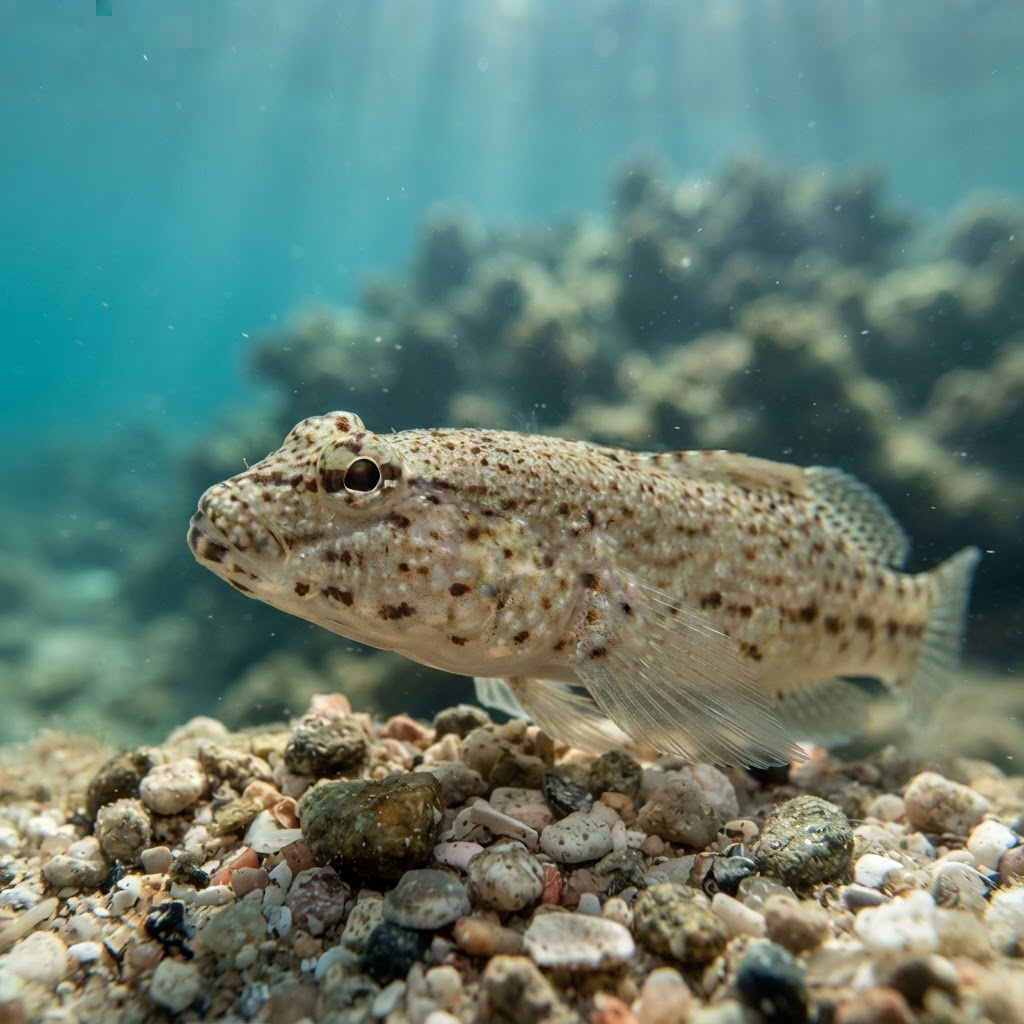
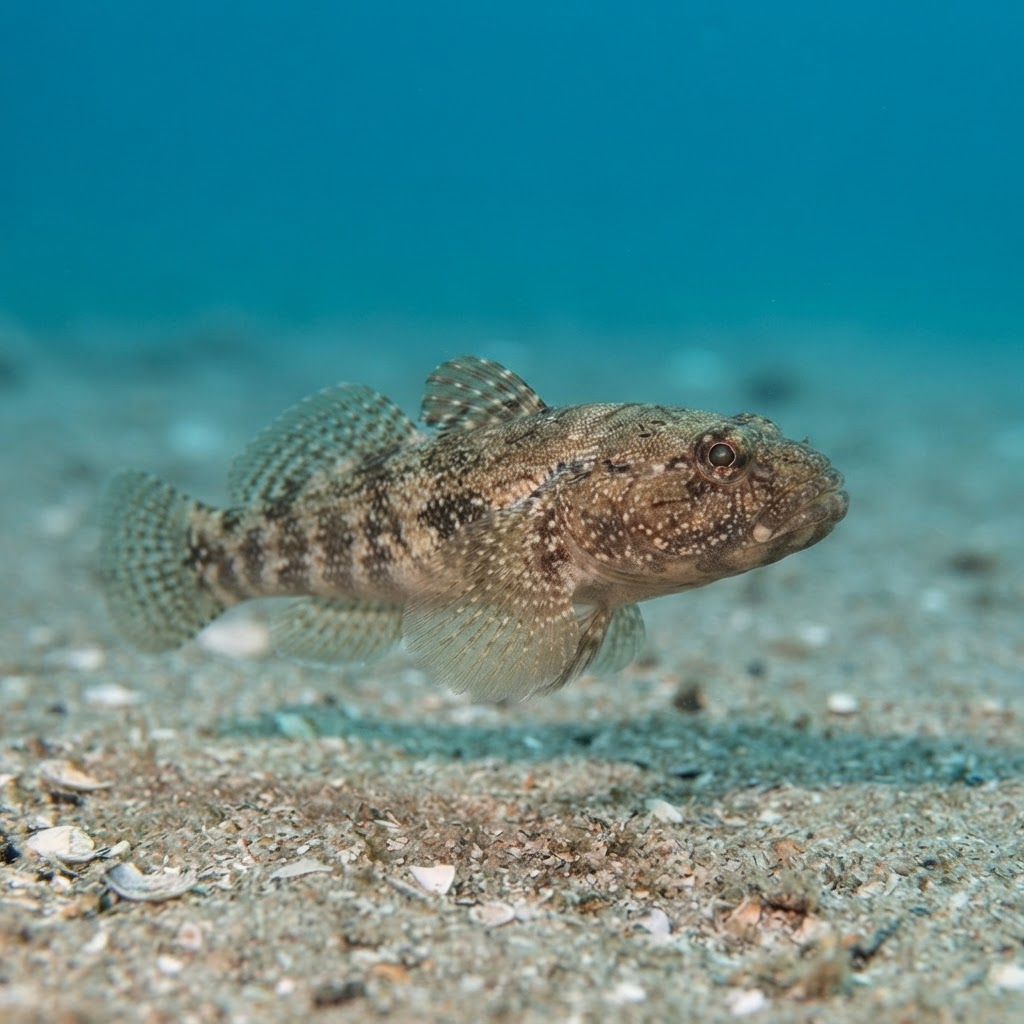
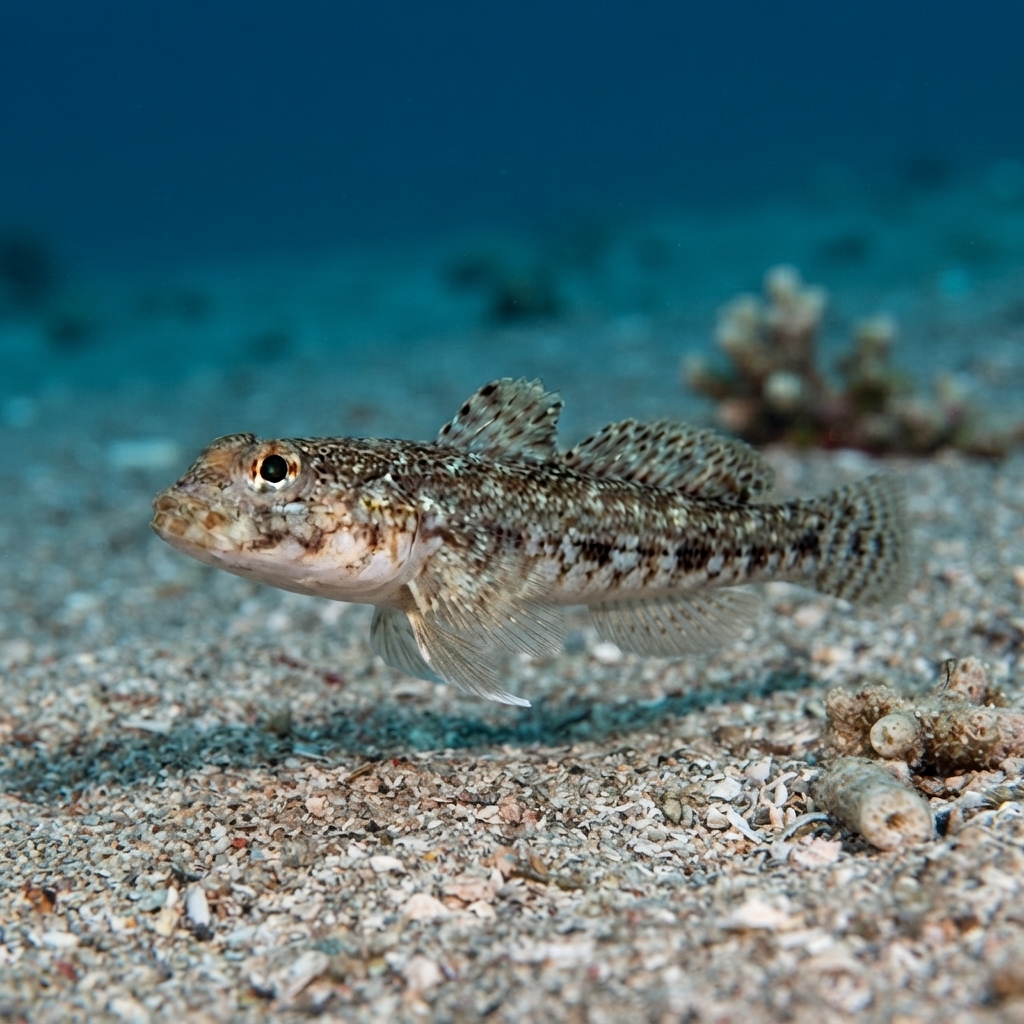
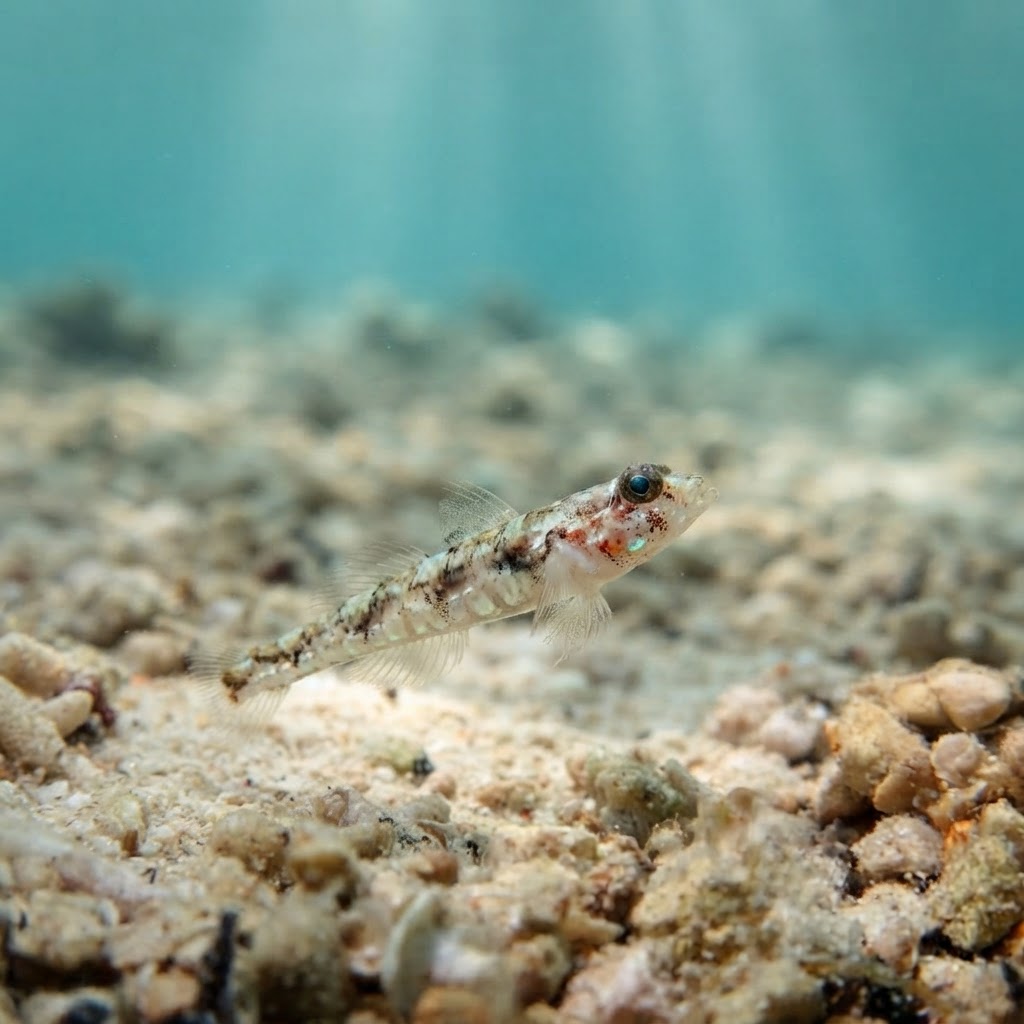
A tiny goby at just 2cm, easy to miss unless you slow down and scan sand or rubble patches closely. Body is pale and semi-translucent with faint dusky speckling rather than bold markings, and it perches propped on its pelvic fins rather than swimming freely. Look for the typical goby posture: head slightly raised, body resting directly on the substrate, darting a few centimetres at a time.
Spends its time resting on sand, mud or rubble patches at depths between 3 and 25 metres, staying close to the bottom and making short darting moves rather than cruising open water. Divers who find one usually see it as a solitary fish tucked near small structure, and it is easy to swim straight past given its size. Most sightings come from divers deliberately slowing down and scanning the substrate rather than mid-water cruising.
Like most small gobies it has no swim bladder, which is why it stays glued to the substrate instead of hovering, relying on short bursts along the bottom rather than sustained swimming.
Sighting data shows no clear seasonal pattern, so treat it as a year-round find. It sits in a narrow 16.2 to 18.7C temperature band, conditions that persist through much of the Mediterranean dive season rather than a short summer window.
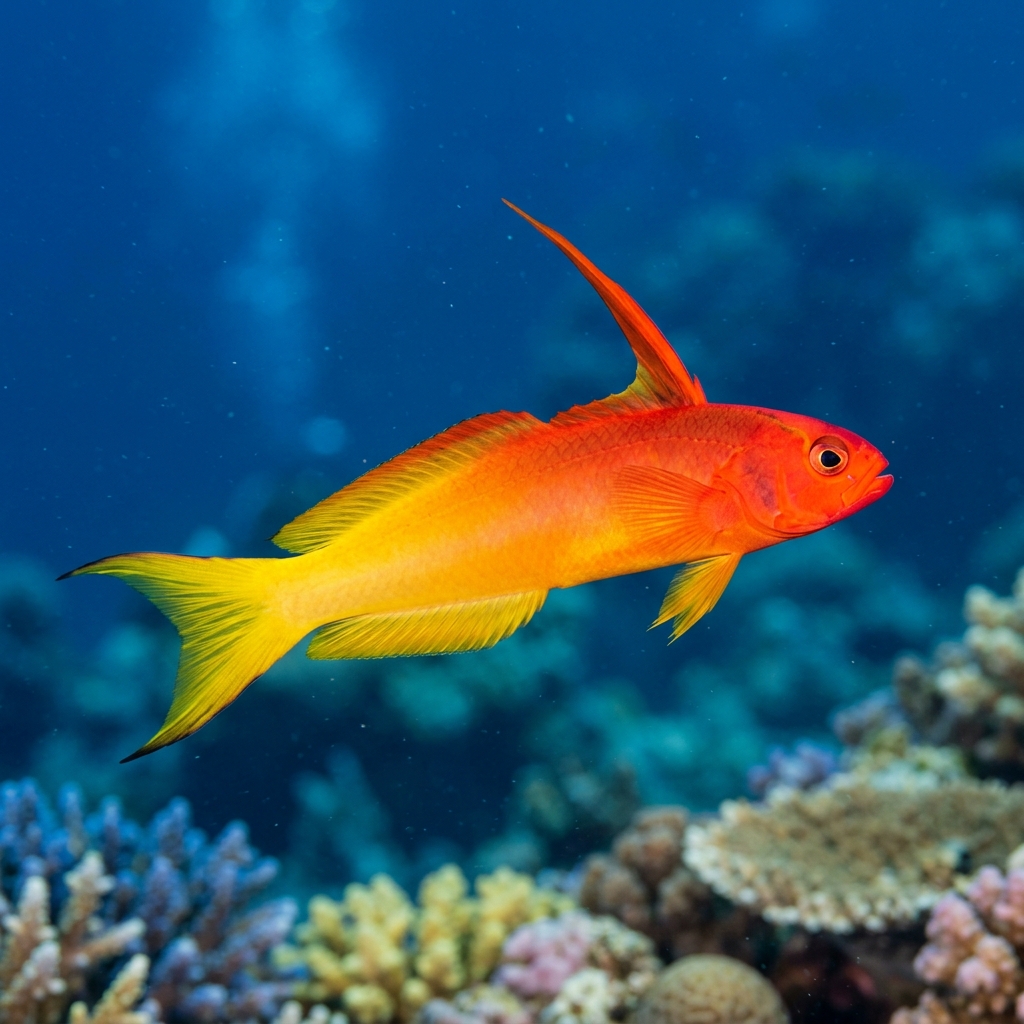
Reef neighbours a diver could mistake it for. Use the identification notes above to tell them apart.
Most reliably logged in France, especially the French Riviera and Provence and Occitanie, and a strong presence in Croatia's Kvarner region. Smaller numbers turn up in Catalonia, Spain, so the Mediterranean coast broadly is the place to search for it.
Mapping where De Buen's Goby is logged…
It is most often logged in France, particularly the French Riviera and Provence and Occitanie, and in Croatia's Kvarner region. Smaller numbers are recorded in Catalonia, Spain, making the northwest Mediterranean the best bet.
Sightings don't show a strong seasonal pattern, so it can turn up year-round. It's recorded in water between about 16 and 19C, a range common across much of the Mediterranean diving calendar.
Look for a very small, pale, semi-translucent goby around 2cm long resting on sand or rubble rather than swimming in open water. It has faint speckled markings rather than bold colours, so patient close-up scanning of the seabed is the best way to spot one.
They are tiny, reaching only around 2cm in length, so divers need to look closely at sand and rubble patches to notice them at all.
No, it poses no danger to divers. It's a small, harmless bottom-dwelling fish that will dart away if approached too closely.
Like other small gobies, it lacks a swim bladder, so it can't hover in open water and instead rests directly on the substrate, moving in short darting bursts along the bottom.
Site and sighting data is aggregated from diver logs, iNaturalist and GBIF. For taxonomy and conservation status:
Slender Goby
803 sites