Culaea inconstans
Brook stickleback in the Great Lakes & Ontario region of Canada, a small, spiny freshwater fish seen in cold water as low as 1.8°C.
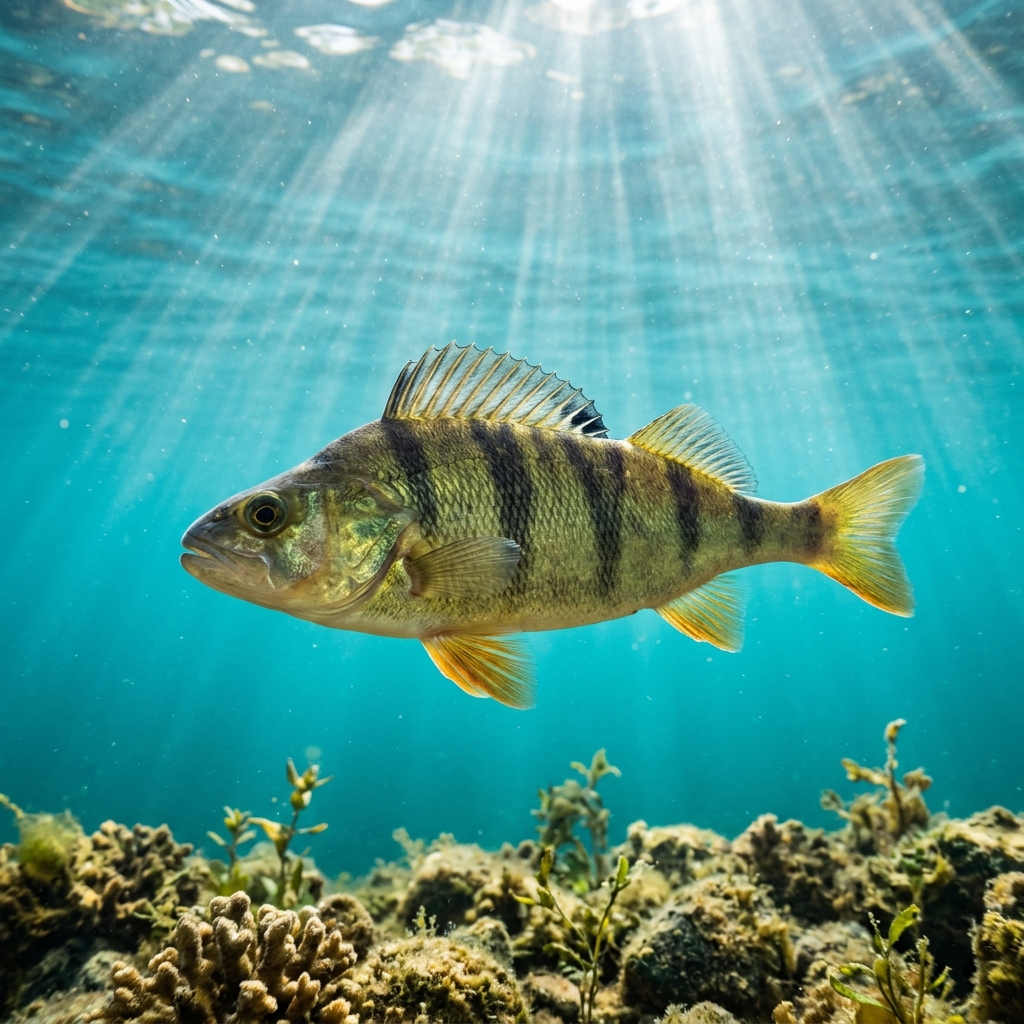
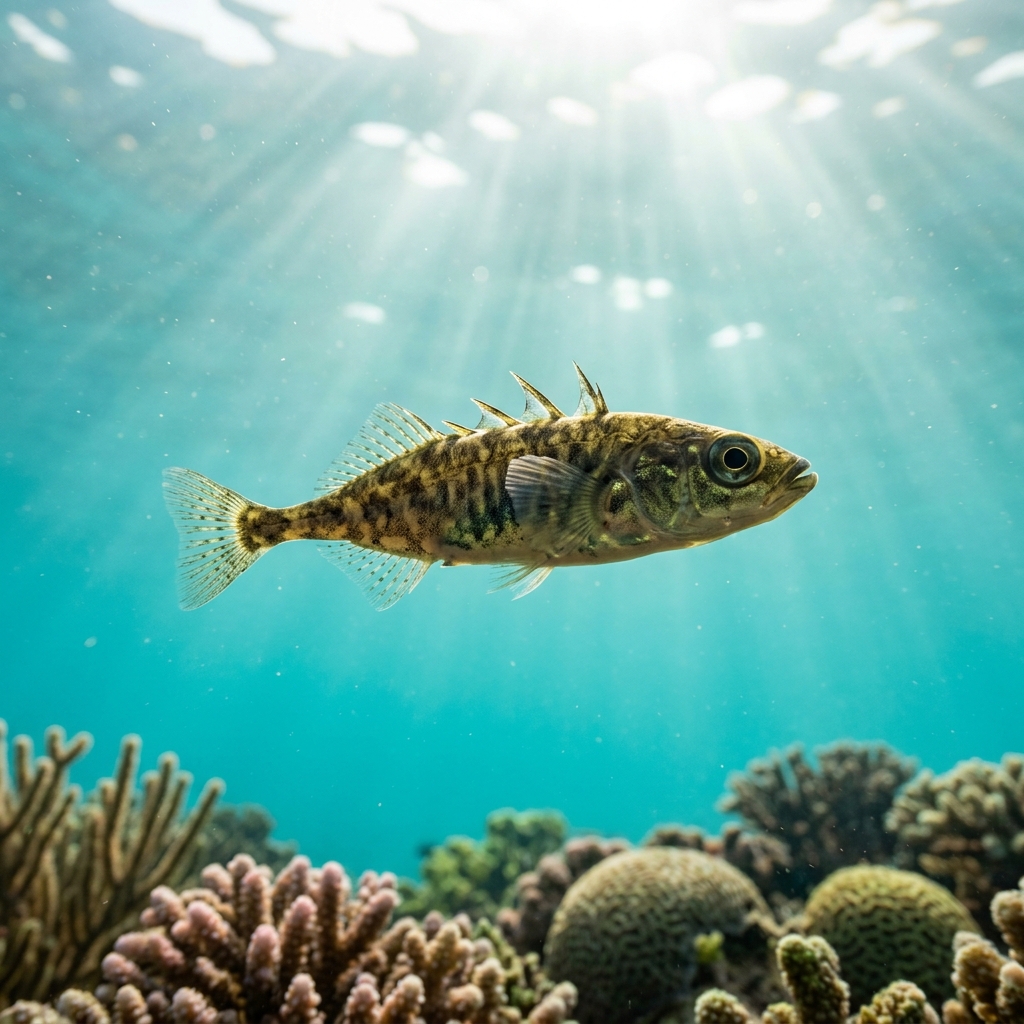
Tiny and slim, rarely exceeding 6 cm, with a row of sharp, free-standing dorsal spines (usually five or six) ahead of the soft dorsal fin, that spine row is the single best underwater field mark. The body is brownish-green above with mottled or barred flanks that provide camouflage against weedy substrate. Look for a narrow caudal peduncle (the slender wrist before the tail) and small lateral body plates rather than true scales. Breeding males develop vivid reddish-orange colouring on the belly, making them significantly easier to spot than females.
Brook sticklebacks hug dense aquatic vegetation and weedy shallows, hovering almost motionless before darting for cover when approached. They are small enough that most divers simply swim past without noticing them; slowing down and scanning the base of weed beds at close range gives the best chance. During spring breeding, males become territorial around their nest sites and may dart at intruders, including a diver's fingers if held close.
Males build an elaborate barrel-shaped nest from plant fibres, glued together with a sticky kidney secretion, and then guard the eggs aggressively, a rare and involved parental behaviour for such a small fish.
There is not enough monthly sighting data to define a peak season, so treat it as a year-round possibility. The species tolerates very cold water, observed down to 1.8°C, so ice-free conditions rather than season are the practical constraint.
All logged sightings come from Canada, concentrated in the Great Lakes and Ontario region. It is rated uncommon at every site where it has been recorded, so expect a fortunate find rather than a guaranteed encounter. Look in shallow, weedy freshwater margins rather than open-water dive sites.
Mapping where Brook Stickleback is logged…
All recorded dive-site sightings are in Canada, specifically in the Great Lakes and Ontario region. Look in shallow, weedy freshwater habitats rather than deeper open-water sites. It is rated uncommon wherever it has been logged, so a sighting is a bonus rather than a reliable encounter.
There is no clear seasonal peak in the sighting data, so it is treated as a year-round possibility. The species tolerates near-freezing water, so the main practical limit is whether the surface is ice-free and accessible for diving.
Focus on the row of free-standing sharp spines running along the back ahead of the soft dorsal fin, usually five or six spines, which is distinctive among small freshwater fish. The body is slim, brownish-green with mottled flanks, and the tail base is noticeably narrow. Breeding males add a reddish-orange belly that stands out against weedy substrate.
Brook sticklebacks are very small fish, typically around 4 to 6 cm in total length as adults. At that size they are easy to overlook among aquatic plants, so close, slow observation is needed to spot one.
Males build a neat, enclosed nest from plant material bound together with a sticky secretion produced by their kidneys. After persuading a female to lay eggs inside, the male guards the nest and fans the eggs with his fins until they hatch, an unusually devoted level of parental care for a fish this small.
Site and sighting data is aggregated from diver logs, iNaturalist and GBIF. For taxonomy and conservation status:
Sun Perch
2,182 sites