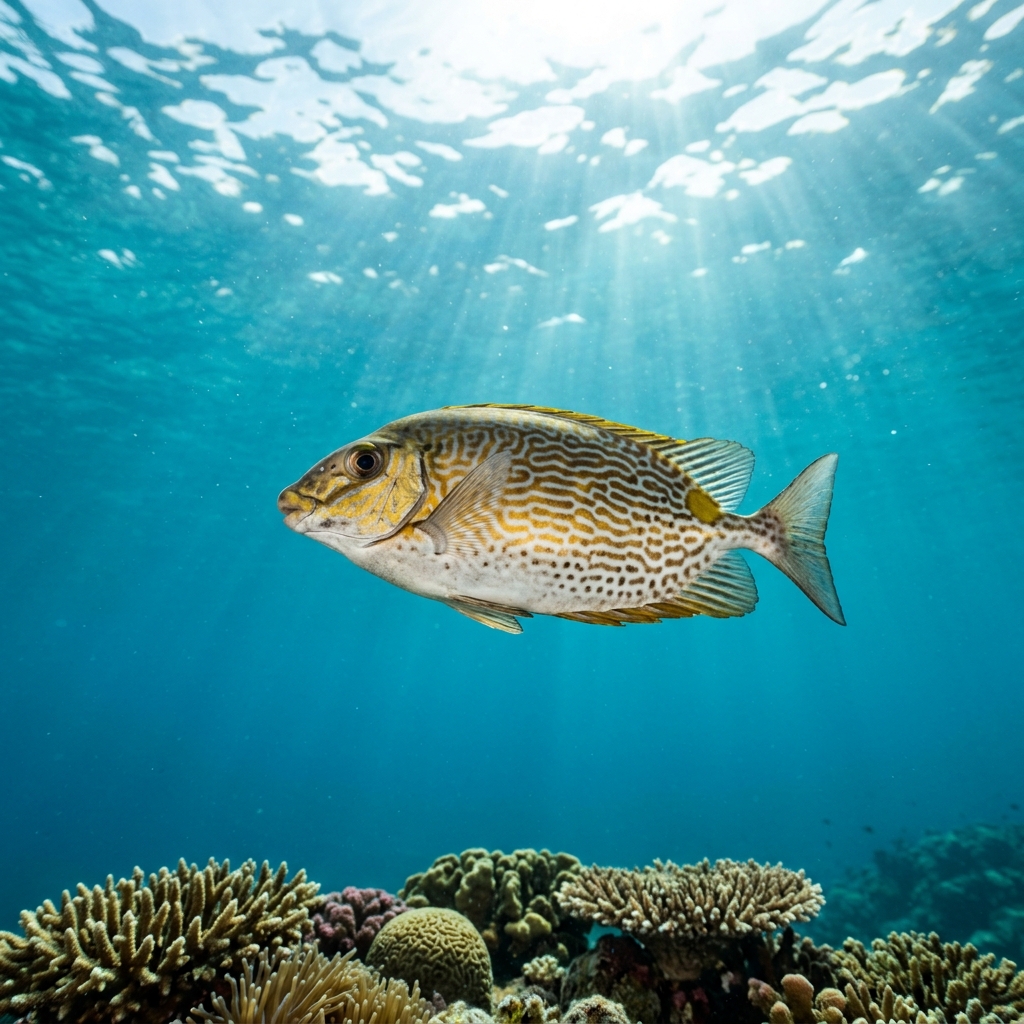
Terapon jarbua
Common on Philippine and Egyptian Red Sea reefs, this striped grunter with a curved dark band is an easy year-round ID for divers.
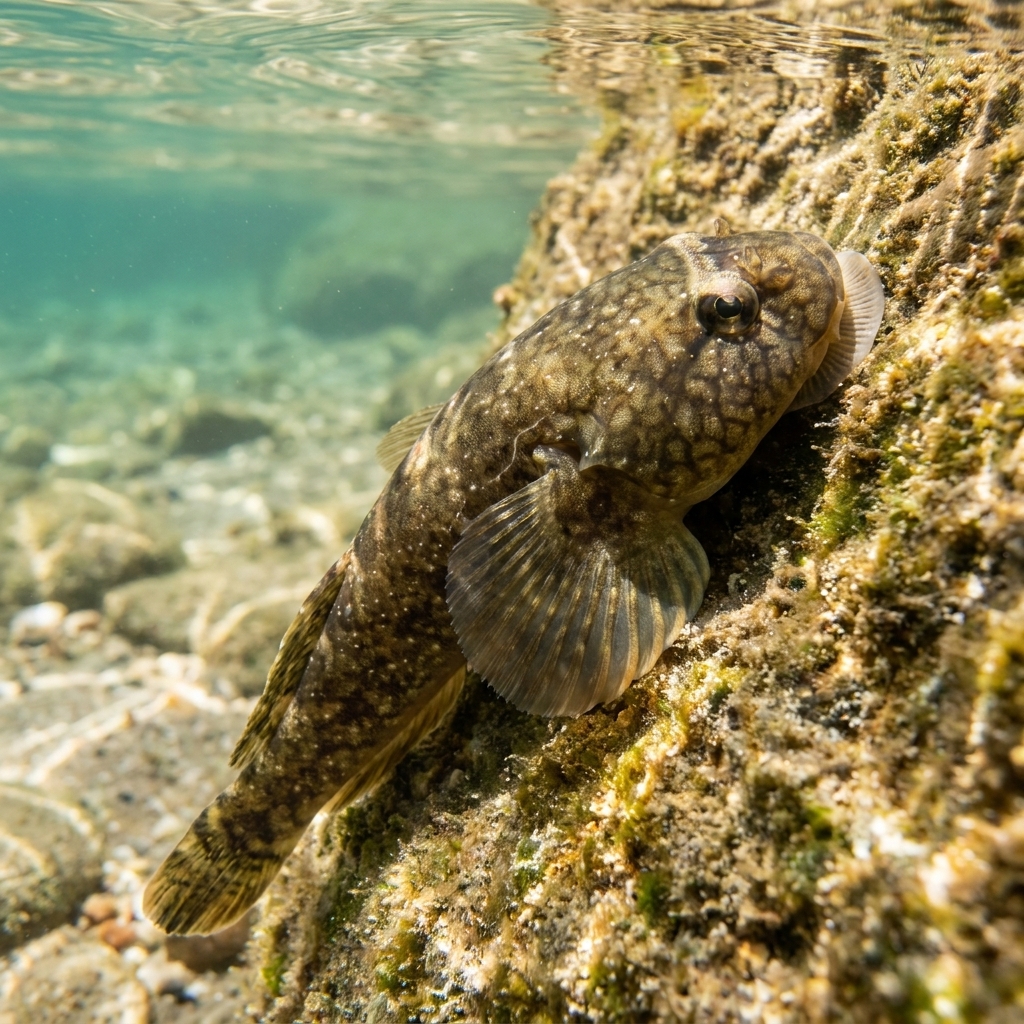
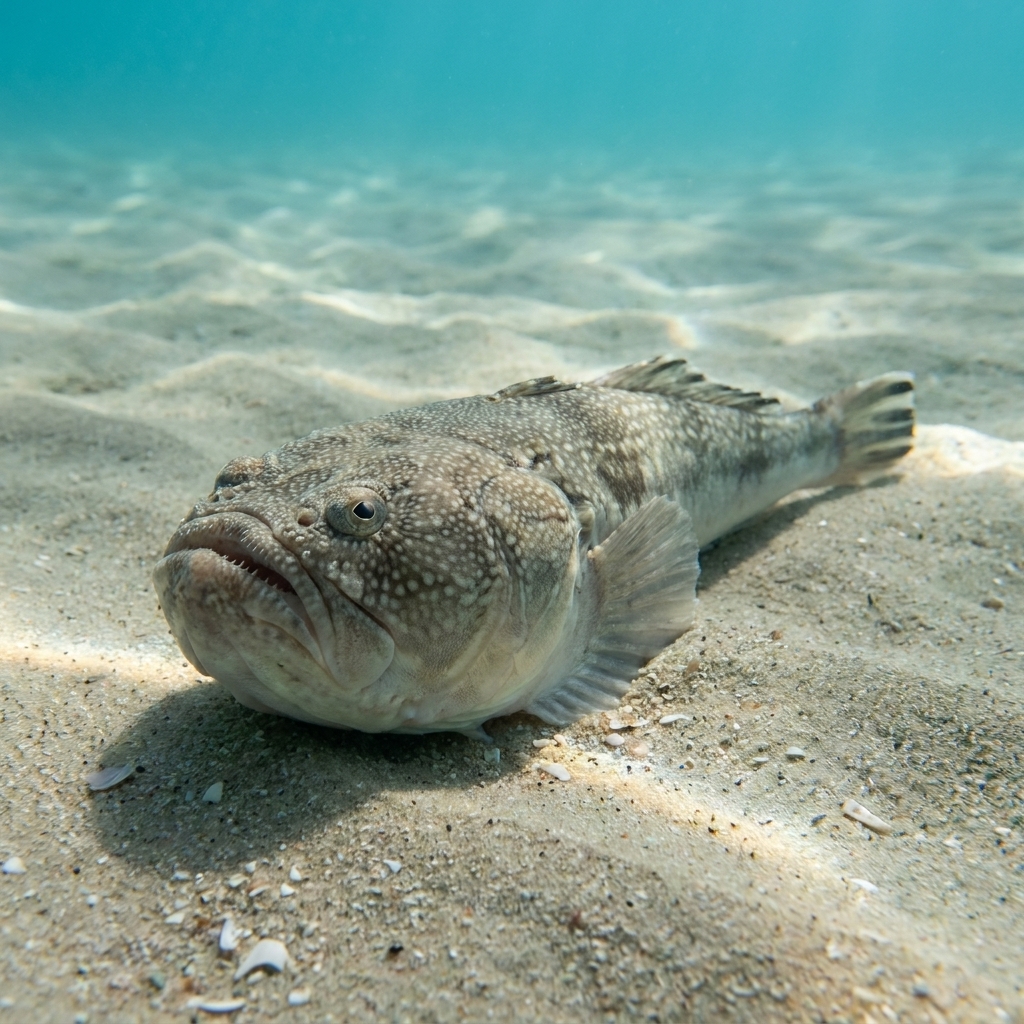
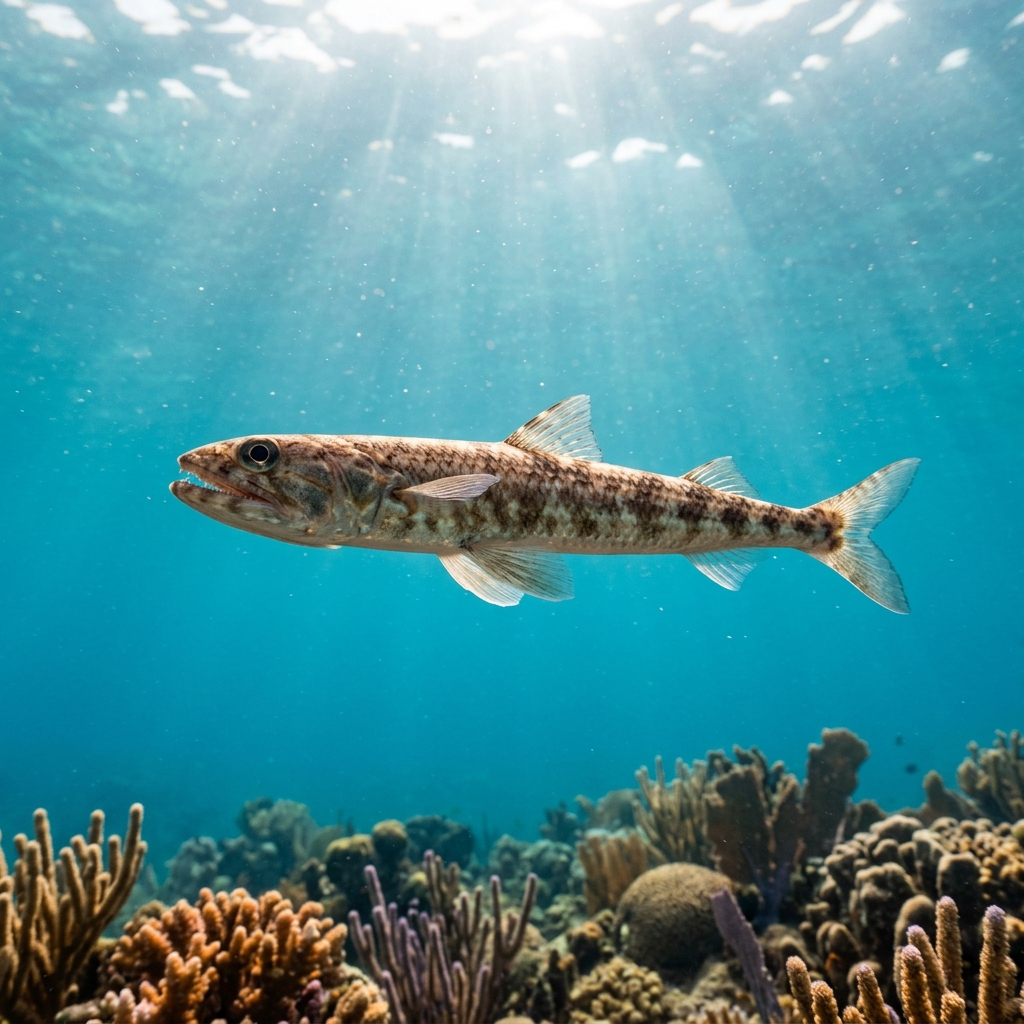
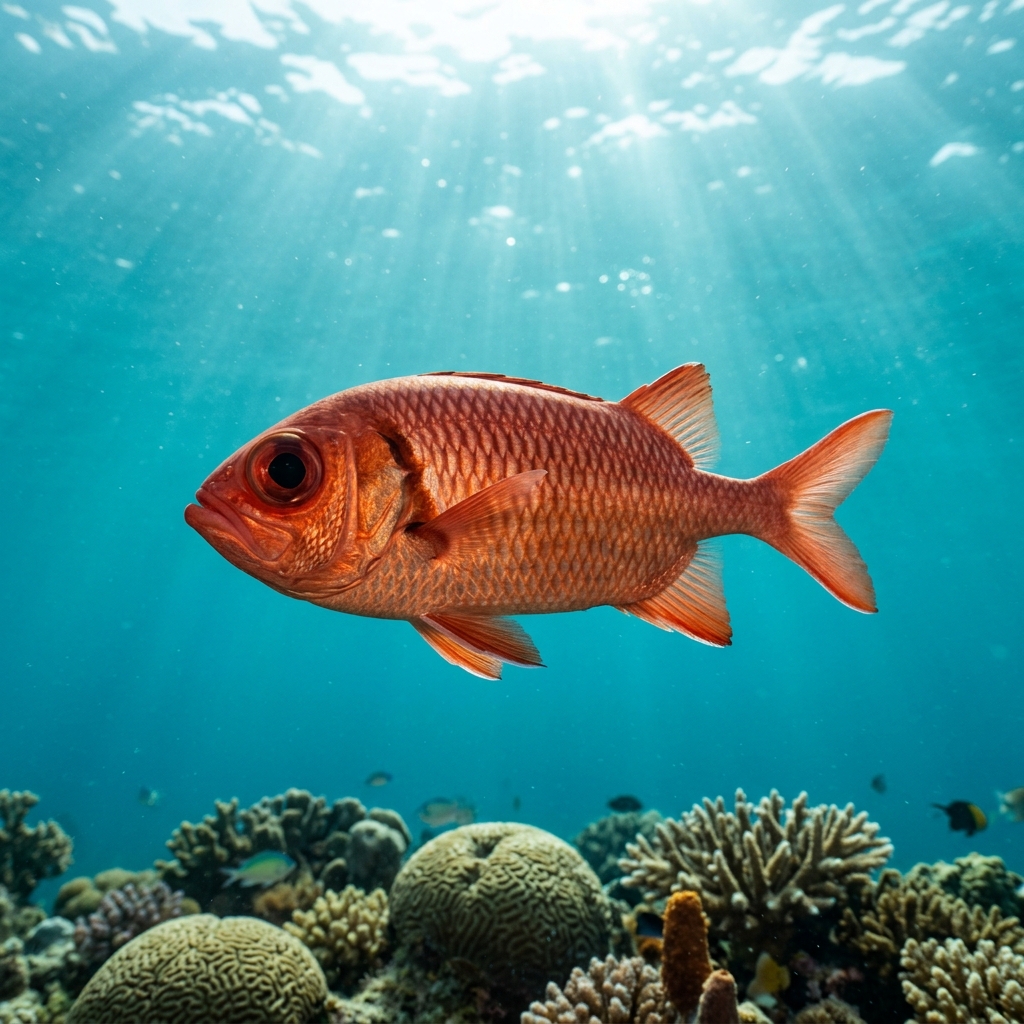
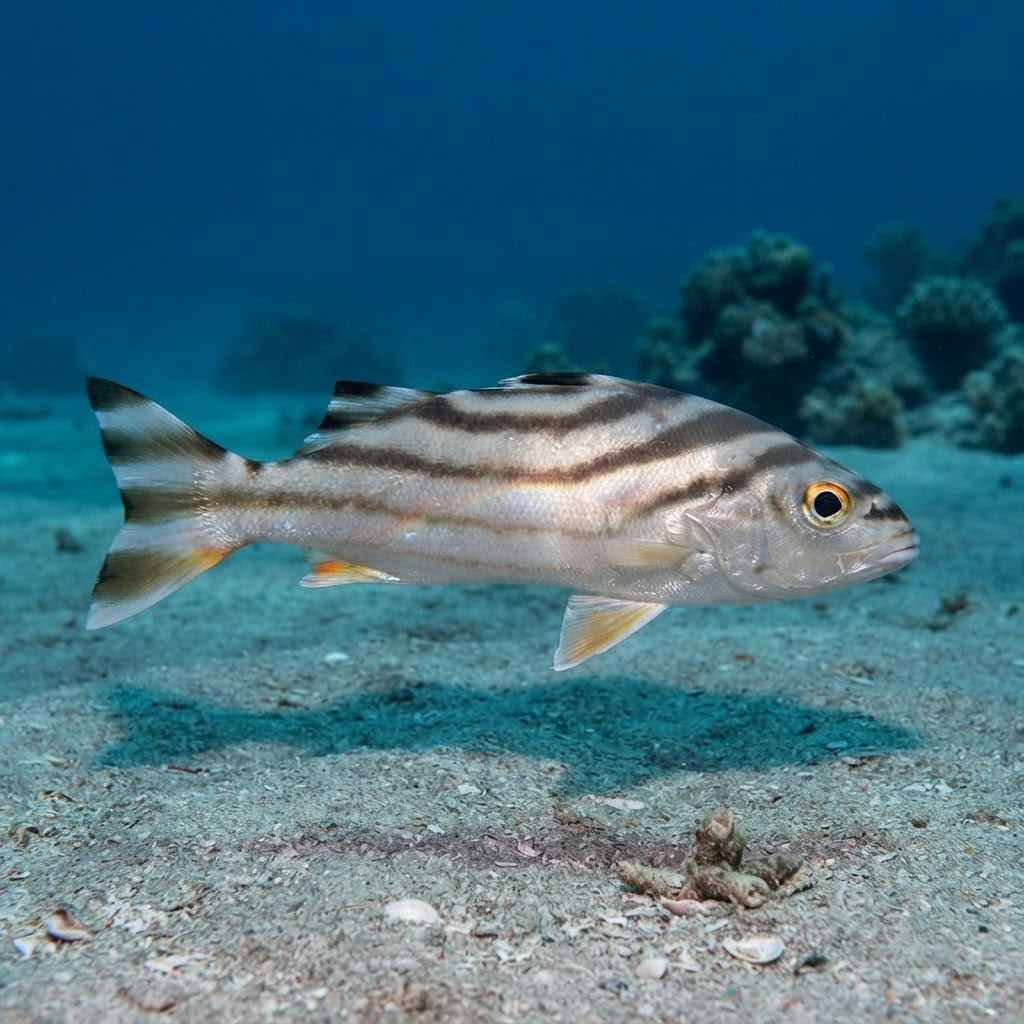
Look for a stocky, silvery fish around 25 cm with several dark, curving stripes that sweep diagonally across the body, one of them arcing down toward the tail like a crescent. The fins often carry a faint yellow wash, and the tail fin usually shows a dark blotch or bar. It sits low over sand or rubble rather than mid-water, with a blunt head and a slightly downturned mouth built for picking food off the bottom.
Divers usually find it hovering low over sand, rubble or seagrass patches close to the reef base, often in small loose groups rather than alone. It tends to hold its ground or drift a short distance off rather than bolting, making it an easy, unhurried subject for a photo. Most logs describe it as an uncommon but steady sighting rather than something seen in numbers on any one dive.
Crescent Grunters get their name from an actual grunting or croaking sound they can produce by grinding pharyngeal teeth, audible to divers close by, especially when the fish feels threatened.
Sightings show no clear seasonal pattern, and with a comfortable range of roughly 18 to 28 C, this fish turns up on tropical and subtropical reefs throughout the year rather than during a specific window.
Most reliably logged in the Philippines, especially around the Visayas, and a strong presence in Egypt's Marsa Alam and South Sinai regions. Cambodia's Sihanoukville coast, the Inner Islands of Seychelles, and Fiji's Viti Levu also produce steady sightings, with smaller numbers reported from Queensland in Australia and Hikkaduwa in Sri Lanka.
Mapping where Crescent Grunter is logged…
The Philippines, particularly the Visayas, produces the most sightings, alongside Egypt's Marsa Alam and South Sinai coasts. Cambodia's Sihanoukville area, the Seychelles Inner Islands and Fiji's Viti Levu are also reliable spots.
There is no strong season in the sighting data, so it is a year-round find on the reefs where it occurs. Its comfort range of roughly 18 to 28 C keeps it present across most of the year in these tropical and subtropical waters.
Check for a silvery, stocky body around 25 cm long with dark diagonal stripes, one curving toward the tail in a crescent shape, plus a dark mark on the tail fin. It usually sits low over sand or rubble rather than swimming in open water.
They typically reach around 25 cm in length, a size that holds fairly consistent across the regions where divers log them.
Yes, they can produce an audible grunting or croaking sound by grinding specialised teeth in their throat, which is where the common name comes from. It is most often heard when the fish is startled or handled.
No, they pose no danger to divers and are simply calm bottom-dwelling fish that will usually let you approach for a closer look.
Site and sighting data is aggregated from diver logs, iNaturalist and GBIF. For taxonomy and conservation status:
Soldierfish
3,612 sites