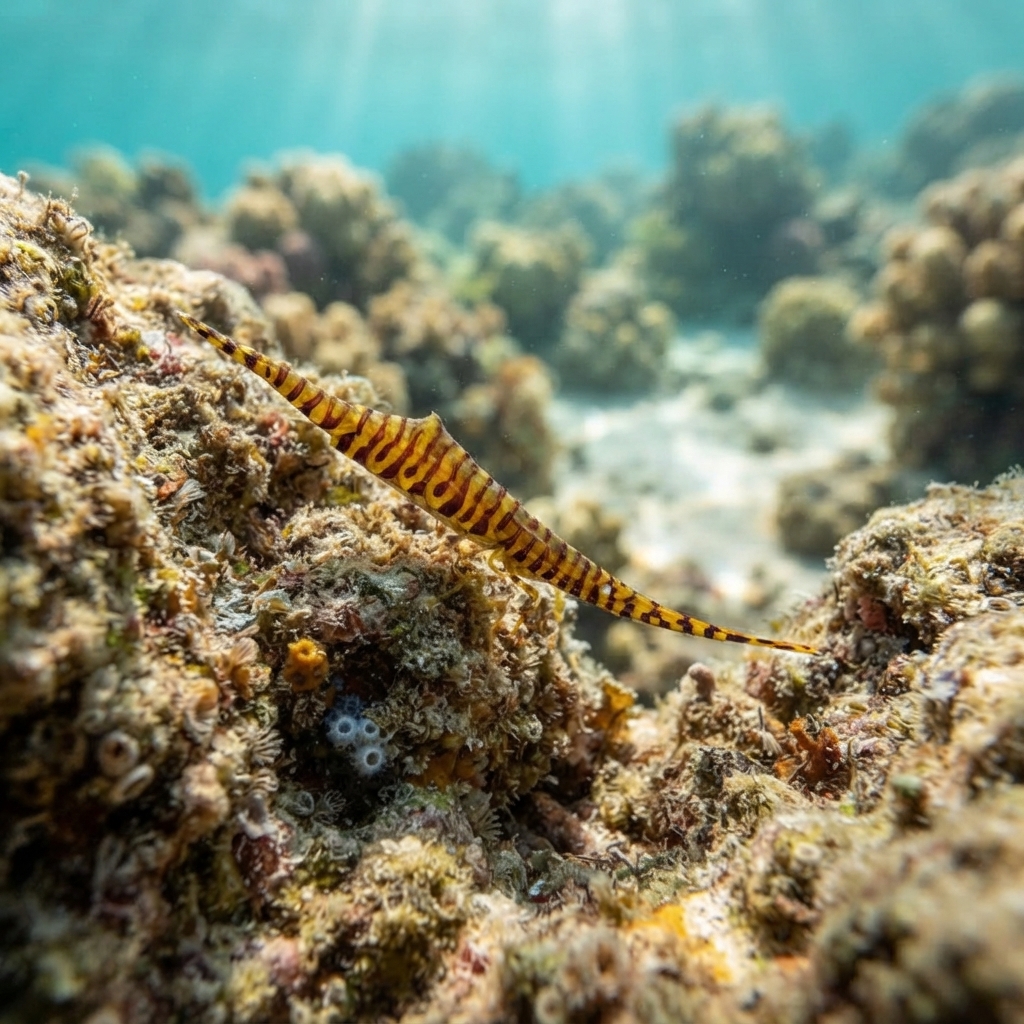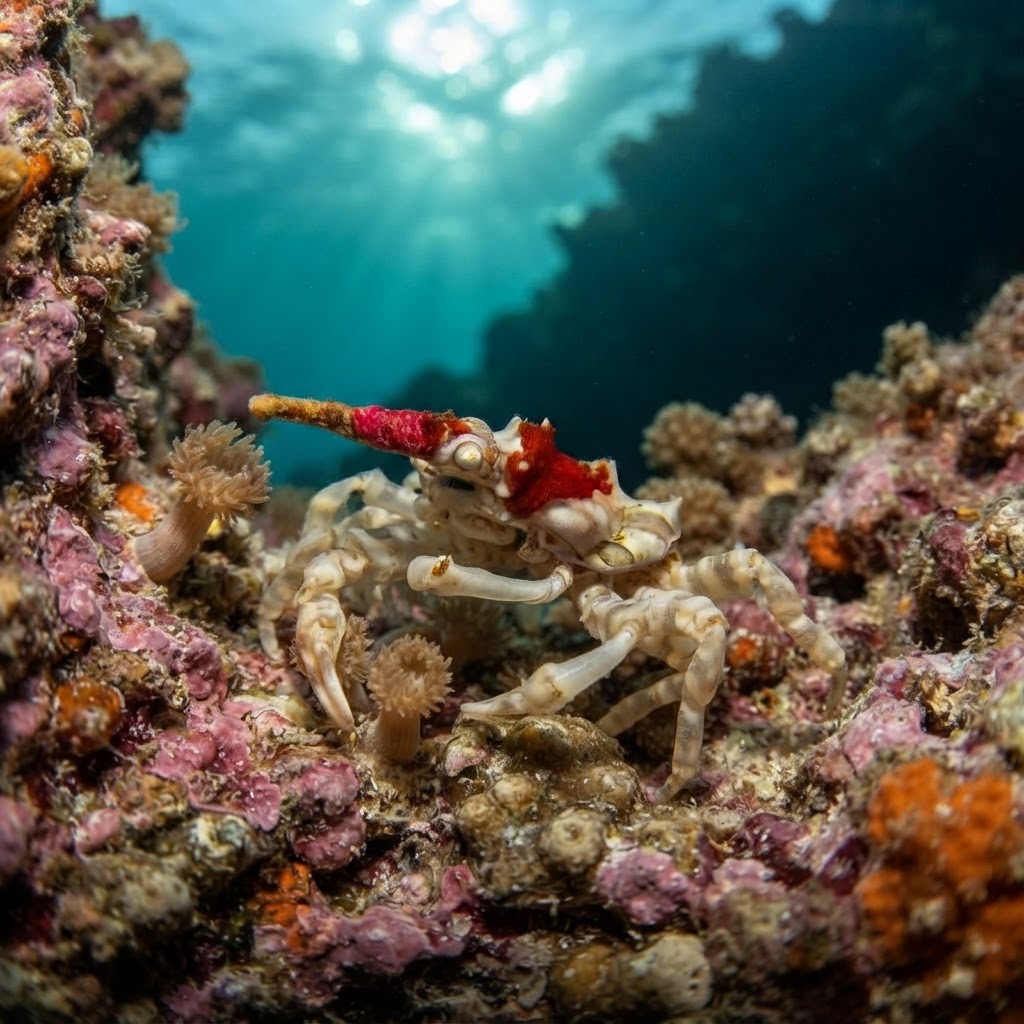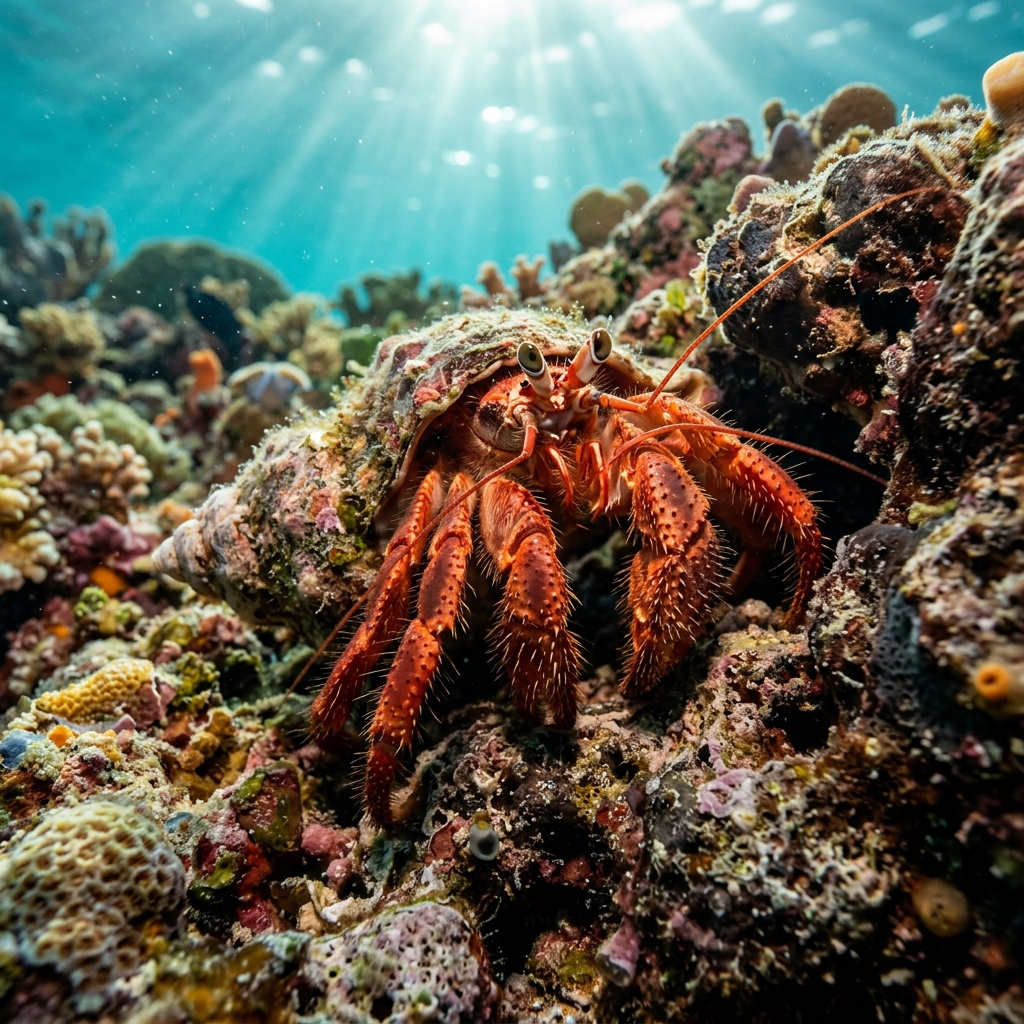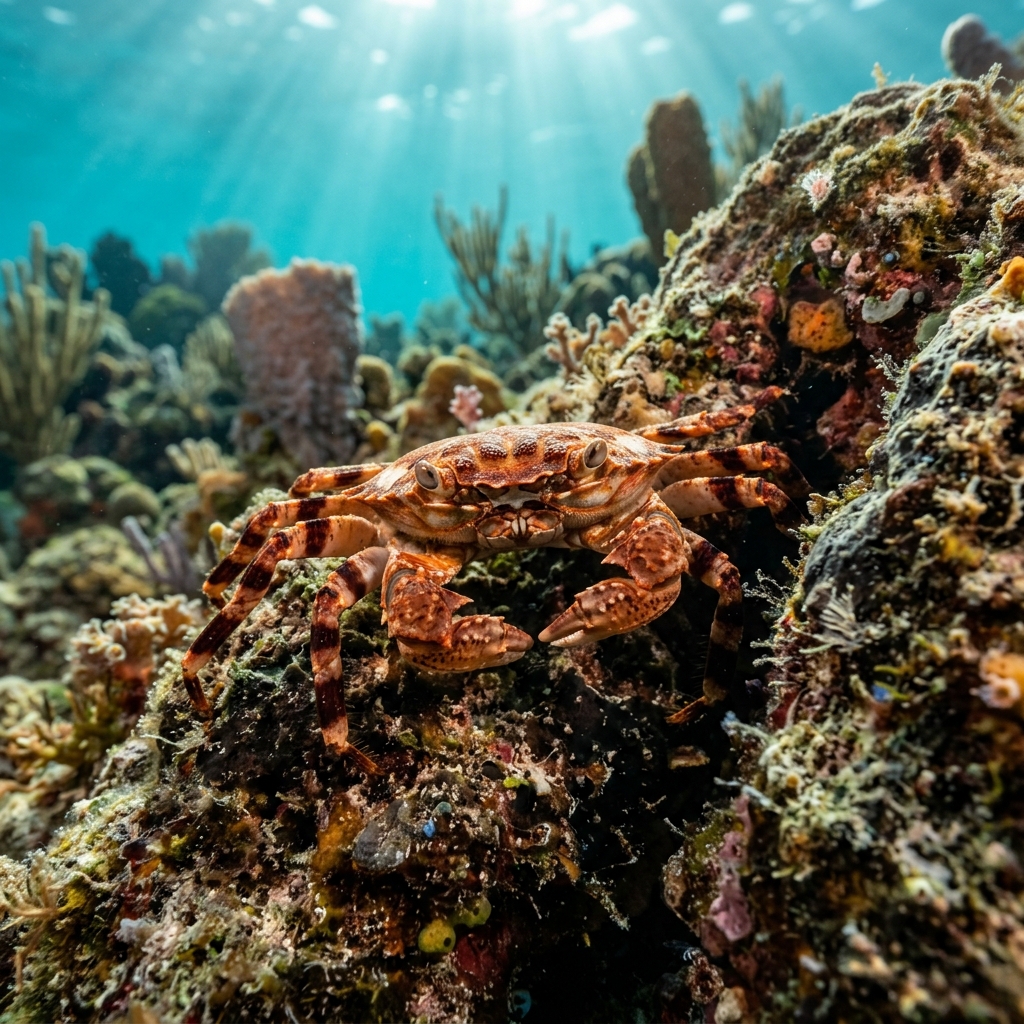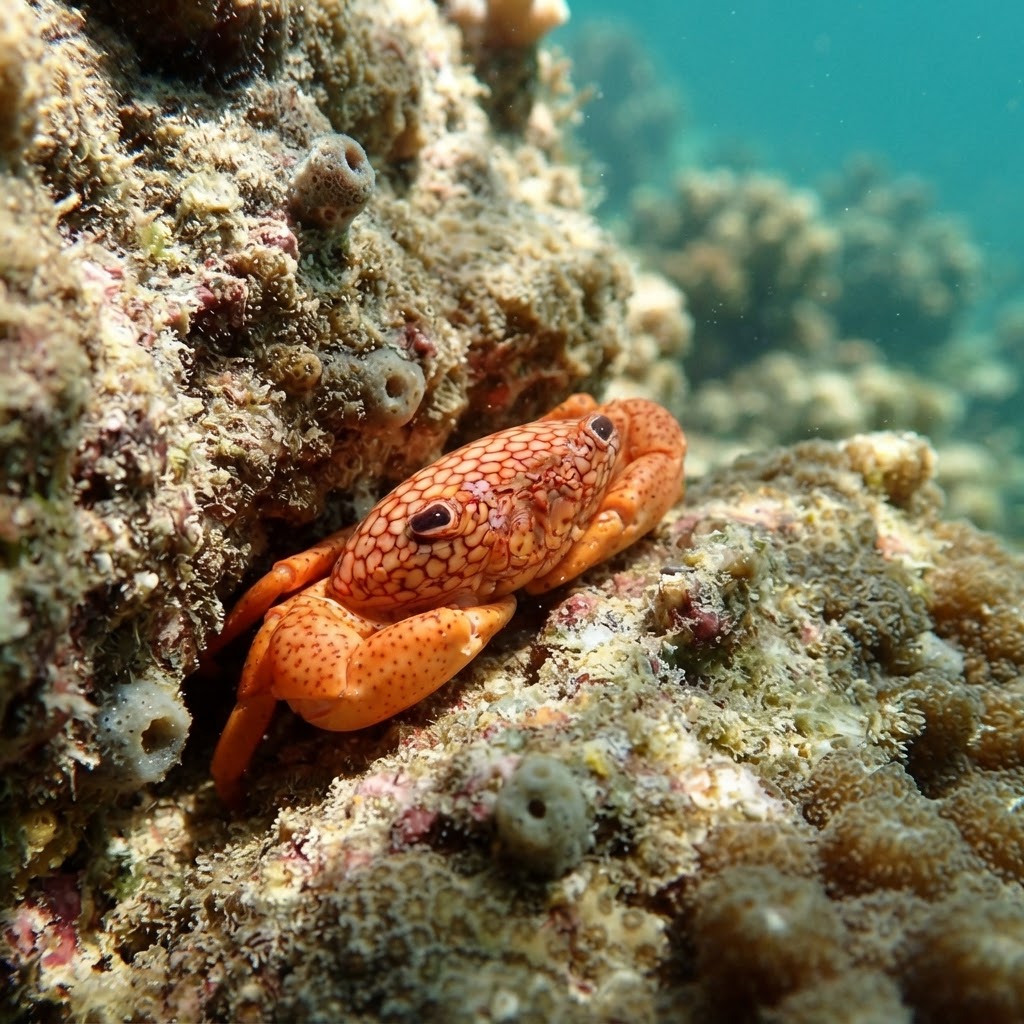
Trapezia septata
An uncommon little reef crab most often logged around Phuket, Thailand, in warm 23-30C water year-round.
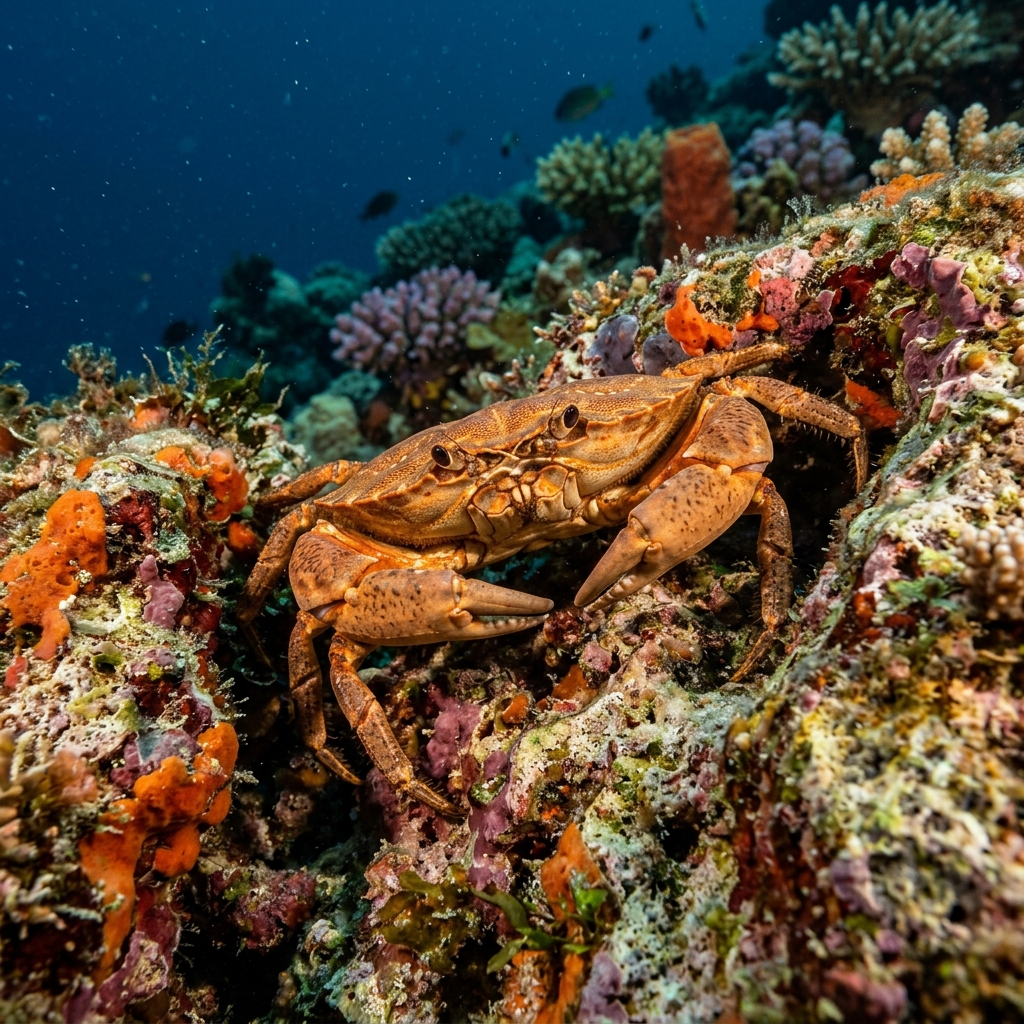
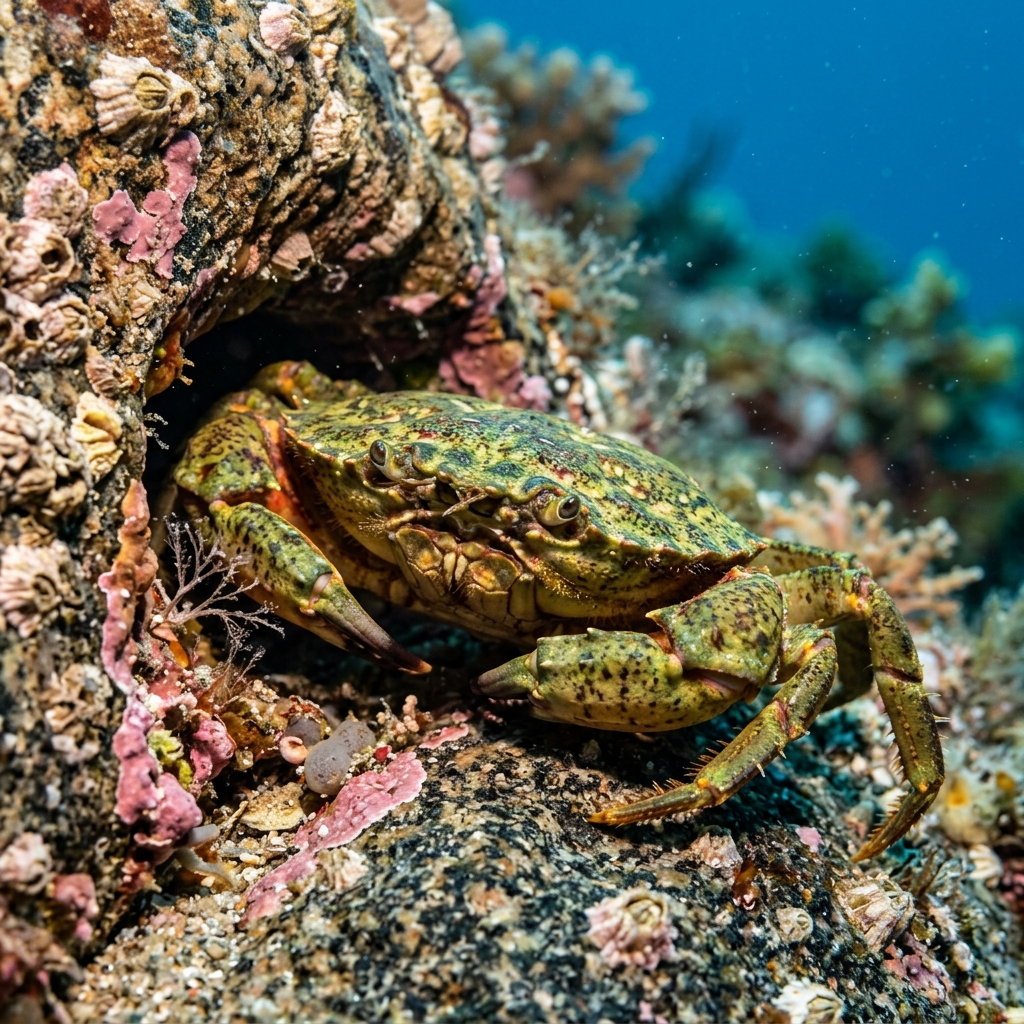
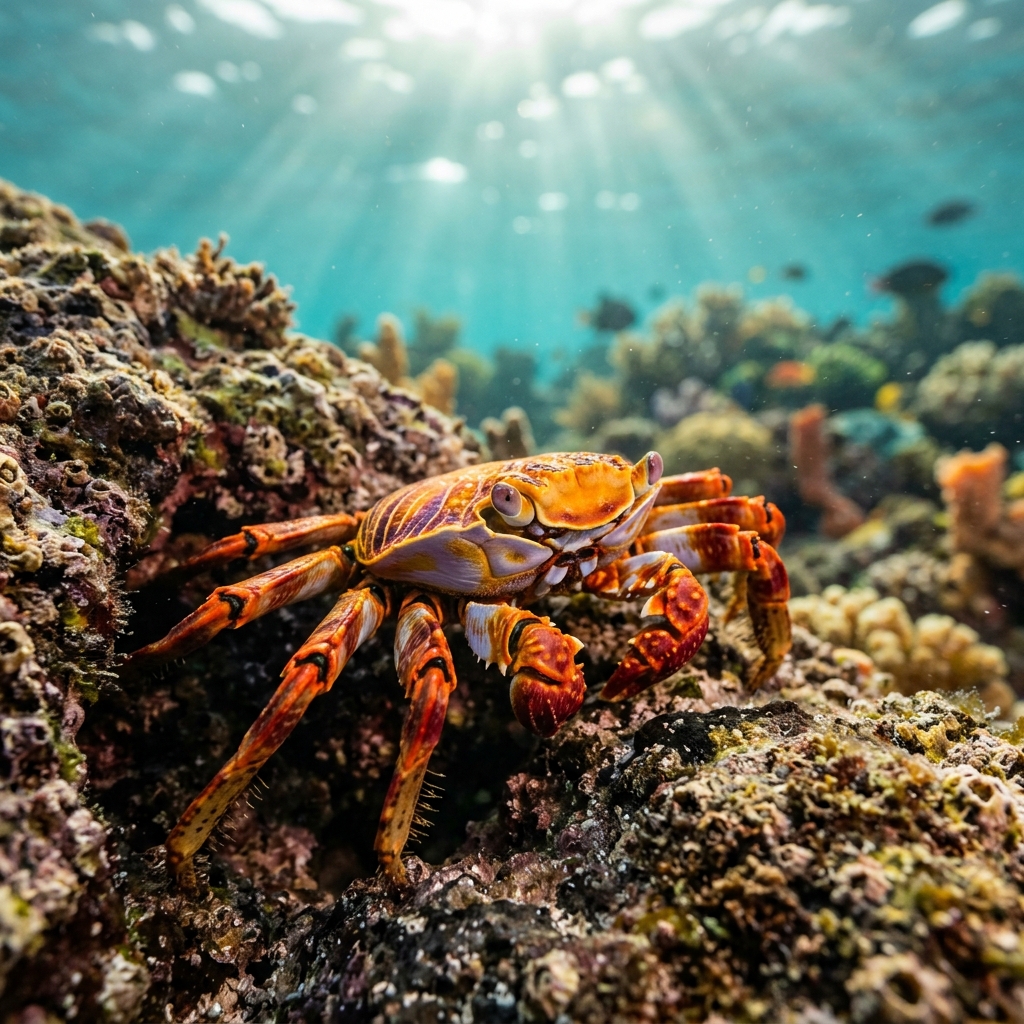
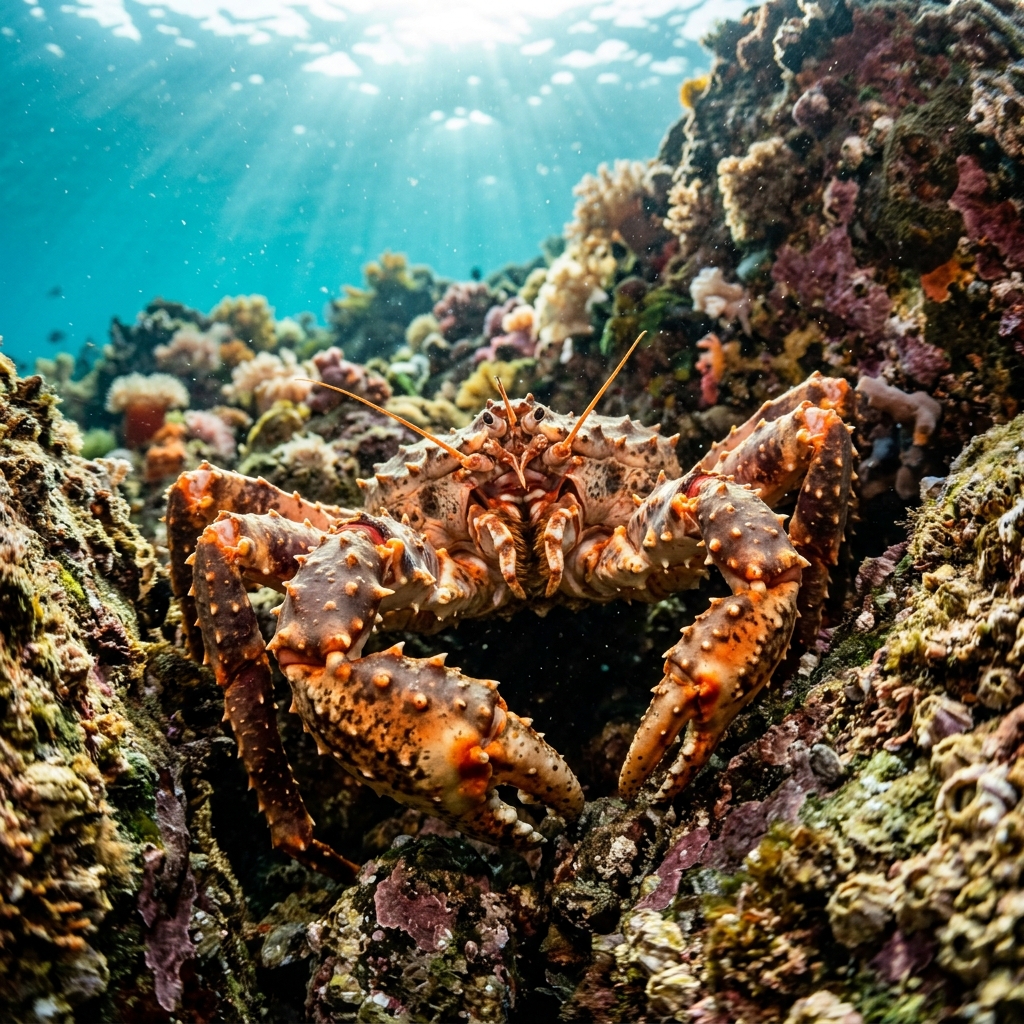
A small, flattened crab that wedges itself between the branches of stony coral, usually only visible if you look closely into the coral head itself. Body colour tends toward mottled reds, oranges or browns that blend with the coral it lives in, with compact, squared-off legs tucked close to the body. It rarely ventures onto open reef, so divers key on movement or a shape breaking the pattern deep inside coral branches rather than on any bold marking.
Spends its time hidden deep within the branches of its host coral, rarely straying onto open reef where divers would spot it easily. Logged as uncommon at every site it turns up in, so most sightings come from divers who take time to peer into coral colonies rather than cruise past them. It shows little reaction to divers, mostly because it stays tucked out of reach inside its coral home regardless of what's happening outside.
Crabs in the genus Trapezia live in an obligate partnership with their host coral, defending it from predators such as crown-of-thorns starfish in exchange for shelter and mucus to feed on.
Sightings are spread across the year with no clear seasonal peak, which fits its comfort range of roughly 22.7 to 29.9C, a band that tropical reefs in Phuket and Peninsular Malaysia hold year-round. Dive whenever you'd normally visit these regions and keep an eye on coral heads.
Reef neighbours a diver could mistake it for. Use the identification notes above to tell them apart.
Most reliably logged around Phuket, Thailand, which accounts for the bulk of recorded sightings, with additional records from Peninsular Malaysia's east coast and a single site in Queensland, Australia. Treat it as a coral-reef specialist of the Indo-Pacific rather than something tied to one dive resort area.
Mapping where Honeycomb Coral Crab is logged…
Phuket, Thailand is the strongest area for sightings, with further records from Peninsular Malaysia's east coast and Queensland, Australia. It's a coral-dwelling species found across suitable Indo-Pacific reefs, just uncommonly logged.
There's no detected seasonal pattern, and its comfortable water-temperature range of about 23 to 30C holds year-round on the tropical reefs where it's found, so any time you're diving Phuket or similar regions works.
Look inside the branches of stony coral heads rather than on open reef. It's small, flattened, and coloured to blend with its host coral, so it's easier to notice by movement than by any single bold marking.
No, they pose no danger to divers. They stay hidden inside coral branches and have no interest in interacting with anyone outside their coral home.
Coral crabs in this genus form a defensive partnership with their host coral, fending off coral-eating predators like crown-of-thorns starfish in return for shelter and food from the coral's mucus.
Site and sighting data is aggregated from diver logs, iNaturalist and GBIF. For taxonomy and conservation status:
European Green Crab
2,469 sites