Pandalus gurneyi
Rare find off California: coonstripe shrimp turn up in cool 12-19C water, best spotted with a torch on night dives.
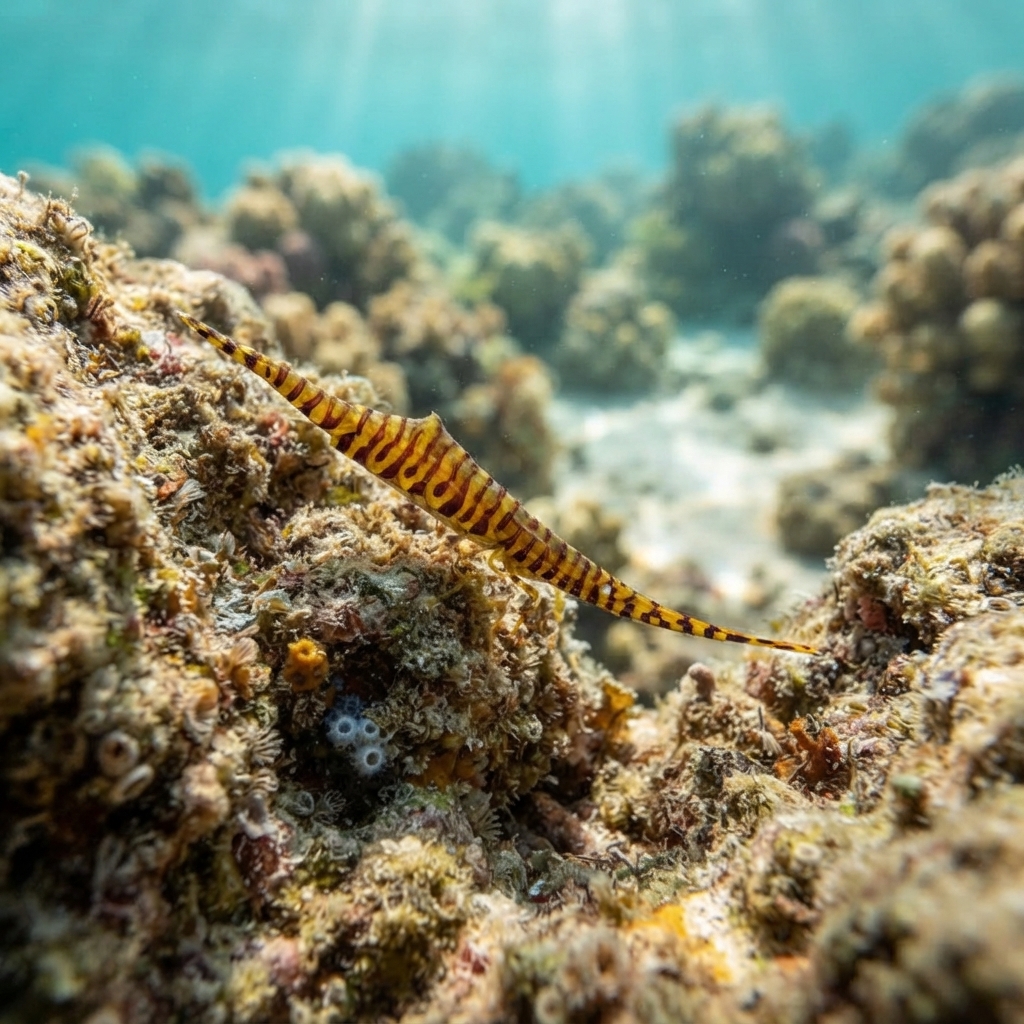
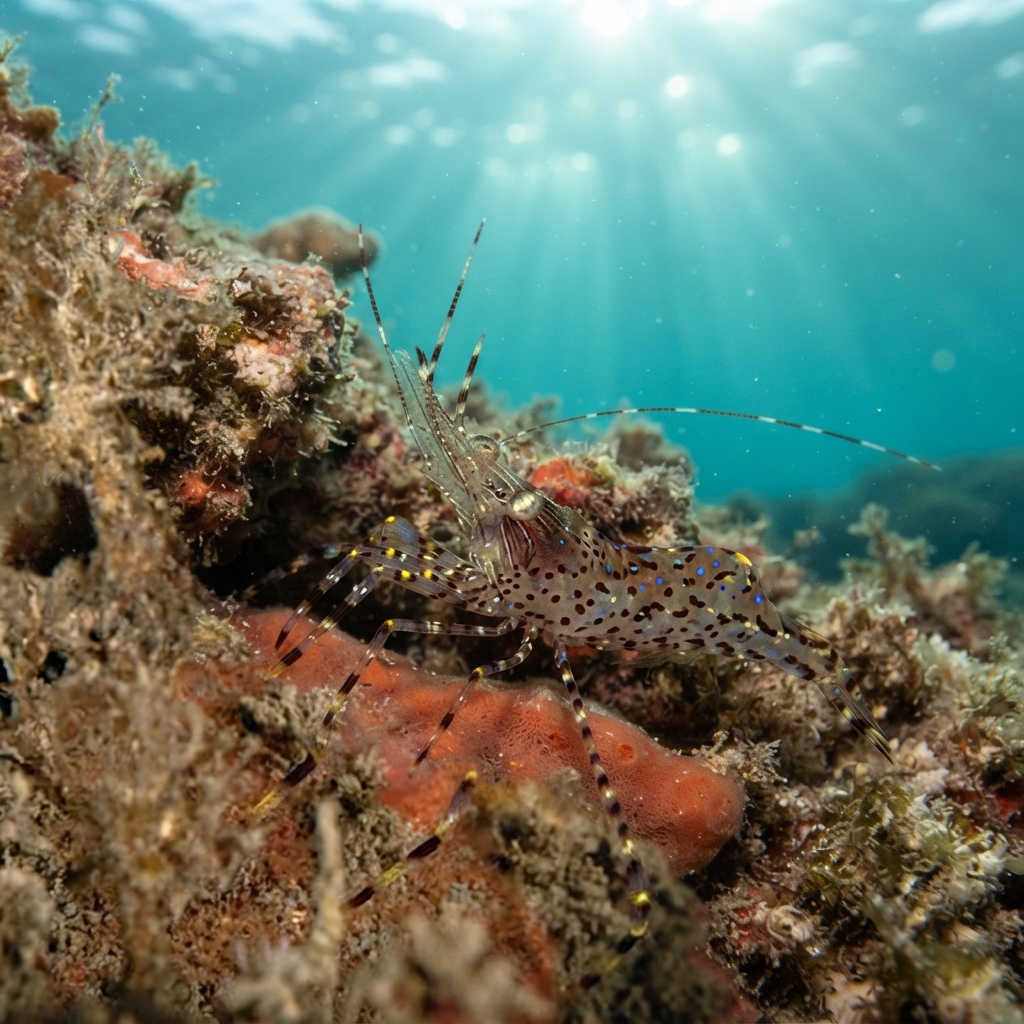
A slender, translucent-bodied shrimp up to about 10cm long, marked with reddish-brown to tan stripes running along the body and tail fan. The long, thin antennae are usually the first thing a diver notices sweeping out from a crevice. Look for the banded pattern catching torchlight against dark rock rather than expecting bold solid colour.
Found tucked into rocky crevices and under ledges by day, coonstripe shrimp are easiest to spot on night dives when they venture out and their antennae give away their position in torchlight. They tend to hold still or retreat into cover rather than swim off when a diver approaches, so a slow, careful look along rock walls pays off.
Like many pandalid shrimp, coonstripe shrimp are believed to change sex as they grow, maturing first as males before transitioning to females later in life.
No clear seasonal pattern shows in the data, and the observed temperature range of 12.3 to 18.9C spans much of the year on California's coast, so sightings can happen year-round.
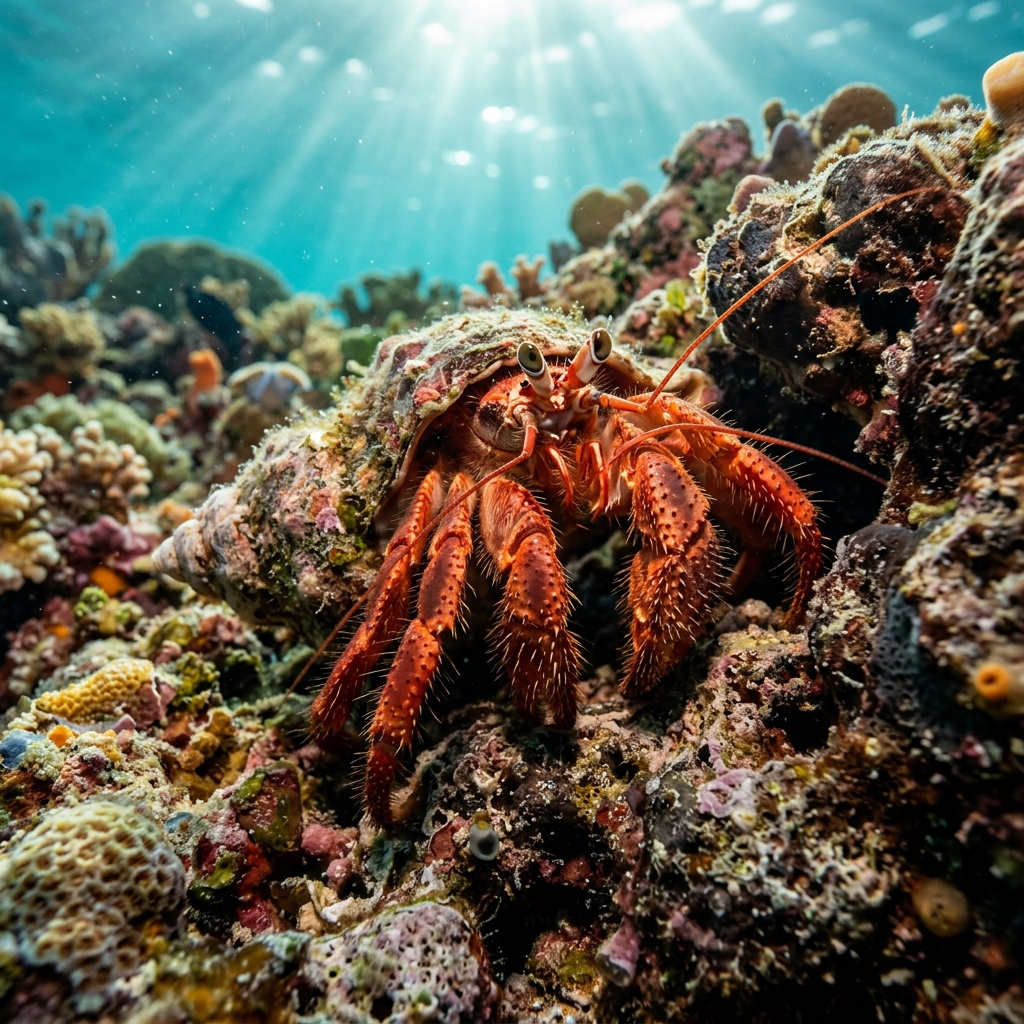
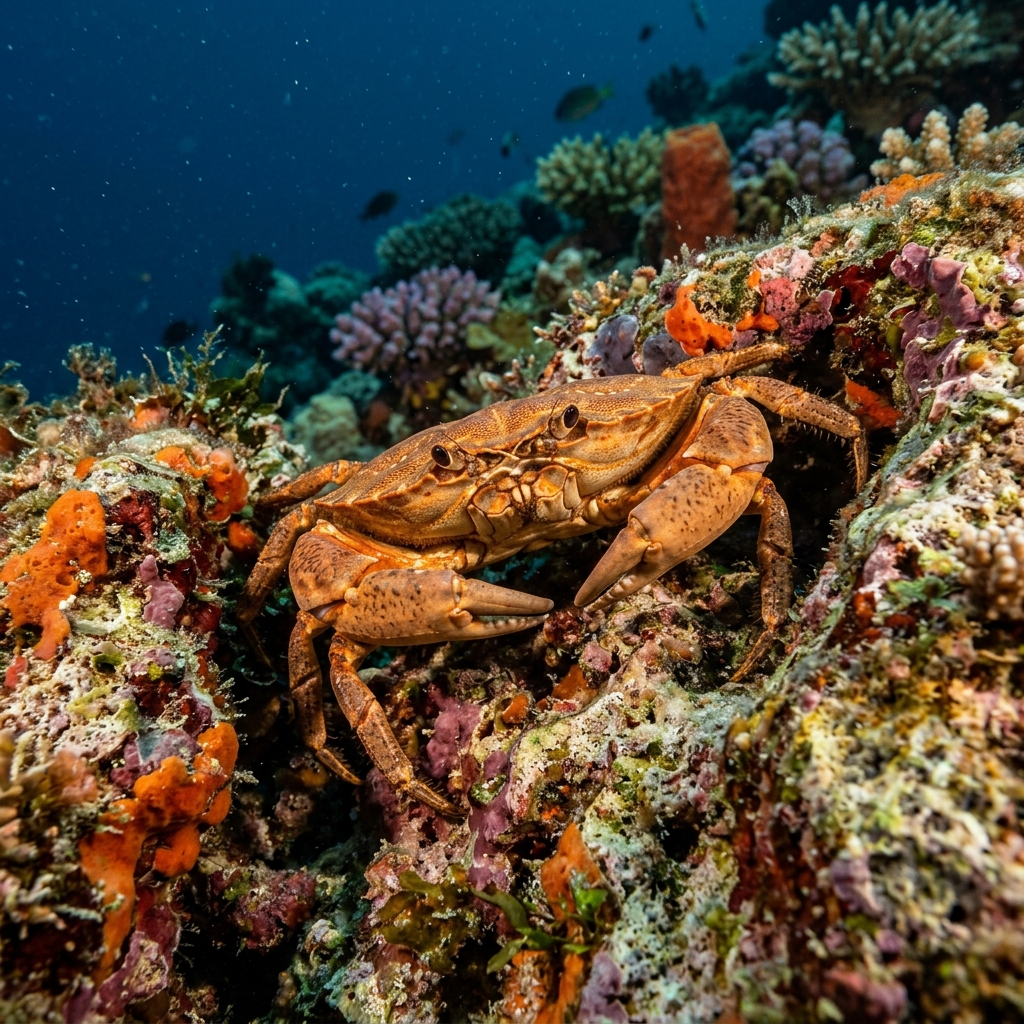
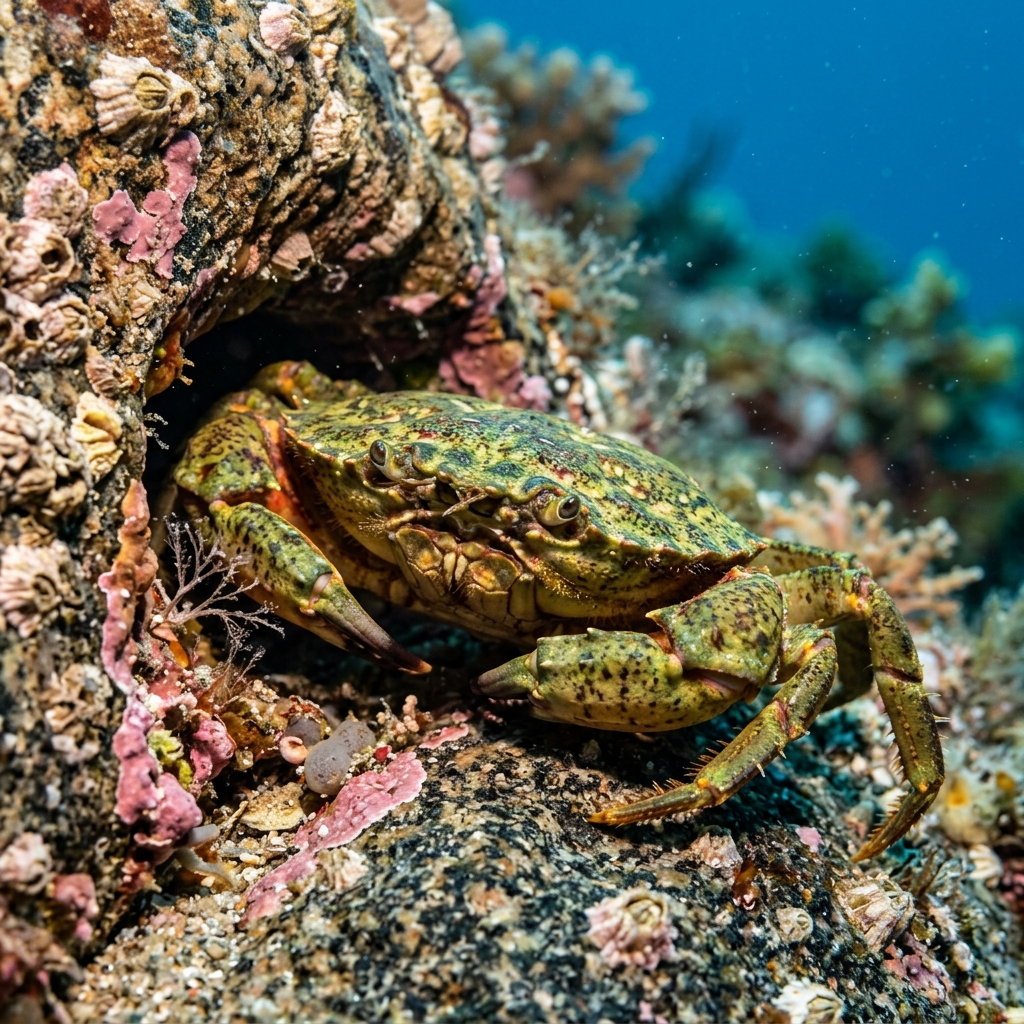
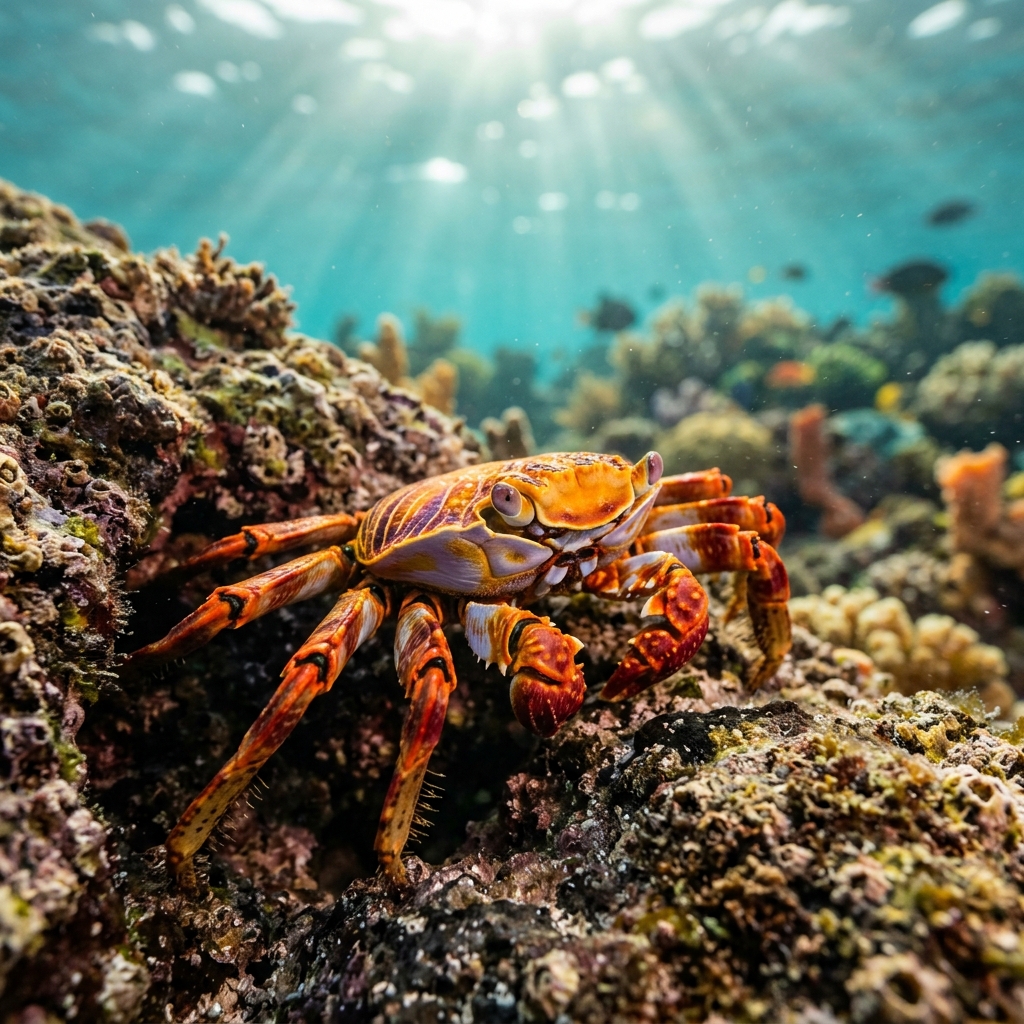
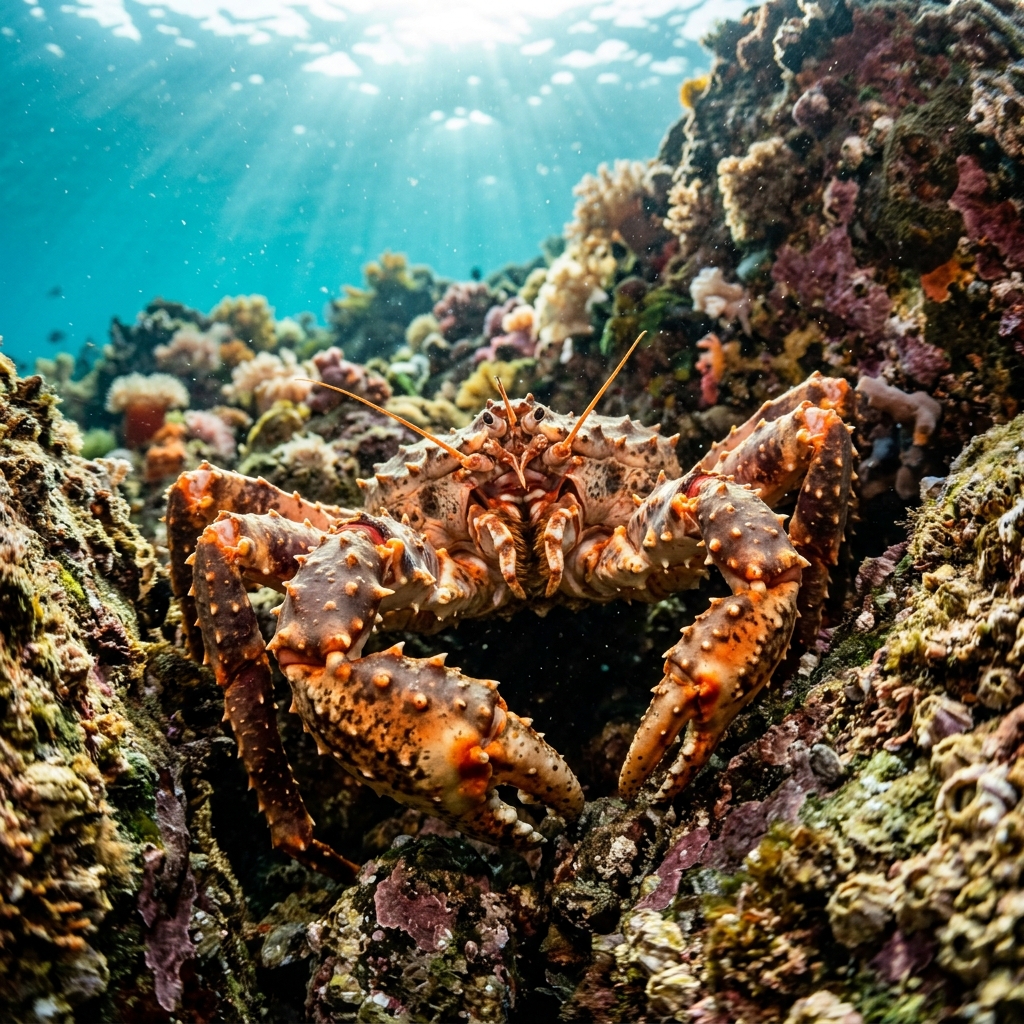
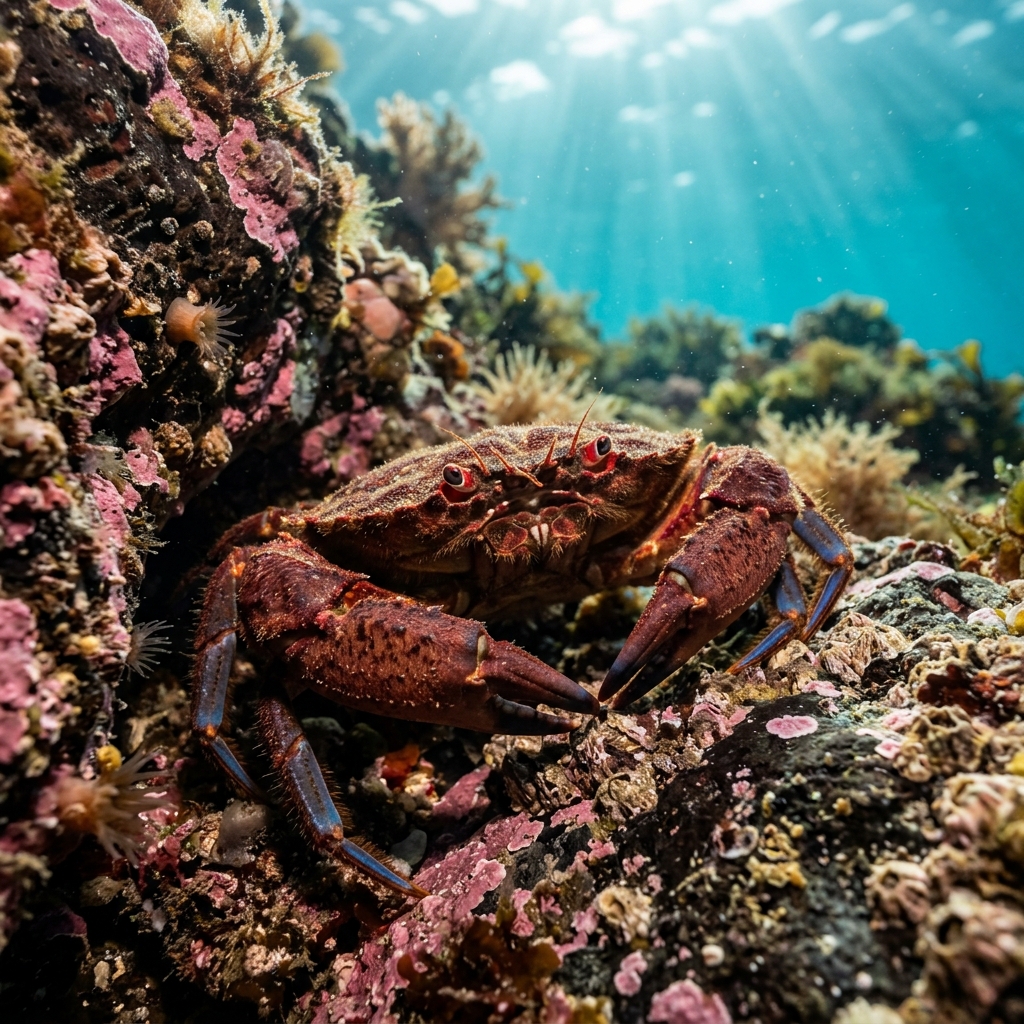
Reef neighbours a diver could mistake it for. Use the identification notes above to tell them apart.
Logged so far only off California in the United States, where it turns up on cool-water rocky reef sites. It is not yet a widely reported species on dive logs, so treat any sighting as a bonus rather than a target.
Mapping where Coonstripe Shrimp is logged…
Currently logged only off California in the United States, on cool rocky reef sites. Sightings elsewhere may exist but aren't yet reflected in dive data.
There's no strong season in the sighting data. They're found in water from about 12 to 19C, a range California's coast holds for much of the year, so year-round diving is reasonable.
Look for a translucent body around 10cm long with reddish-brown stripes and long antennae poking out from rocky crevices. They're most visible at night under torchlight.
They reach roughly 10cm in length, making them a mid-sized shrimp best spotted by their striped pattern rather than their bulk.
They're thought to change sex during their life cycle, starting out as males and later transitioning to females, a trait shared with other pandalid shrimp.
Site and sighting data is aggregated from diver logs, iNaturalist and GBIF. For taxonomy and conservation status:
Sally Lightfoot Crab
2,422 sites