Tetractenos hamiltoni
Small, sandy-brown pufferfish spotted rare to uncommon across Queensland and NSW dive sites in 17.5 to 23.2 C water, year-round.
Safety warning
Its skin and internal organs carry tetrodotoxin, the same potent nerve toxin found in other puffers, so it should never be handled or provoked. The real-world risk to divers is low if you simply watch and do not touch, but keep hands away from any small, still puffer-shaped fish on the sand.
Handle with care
Toxic if eatenGeneral first-aid guidance, not a substitute for professional medical care. In an emergency, call your local emergency number.
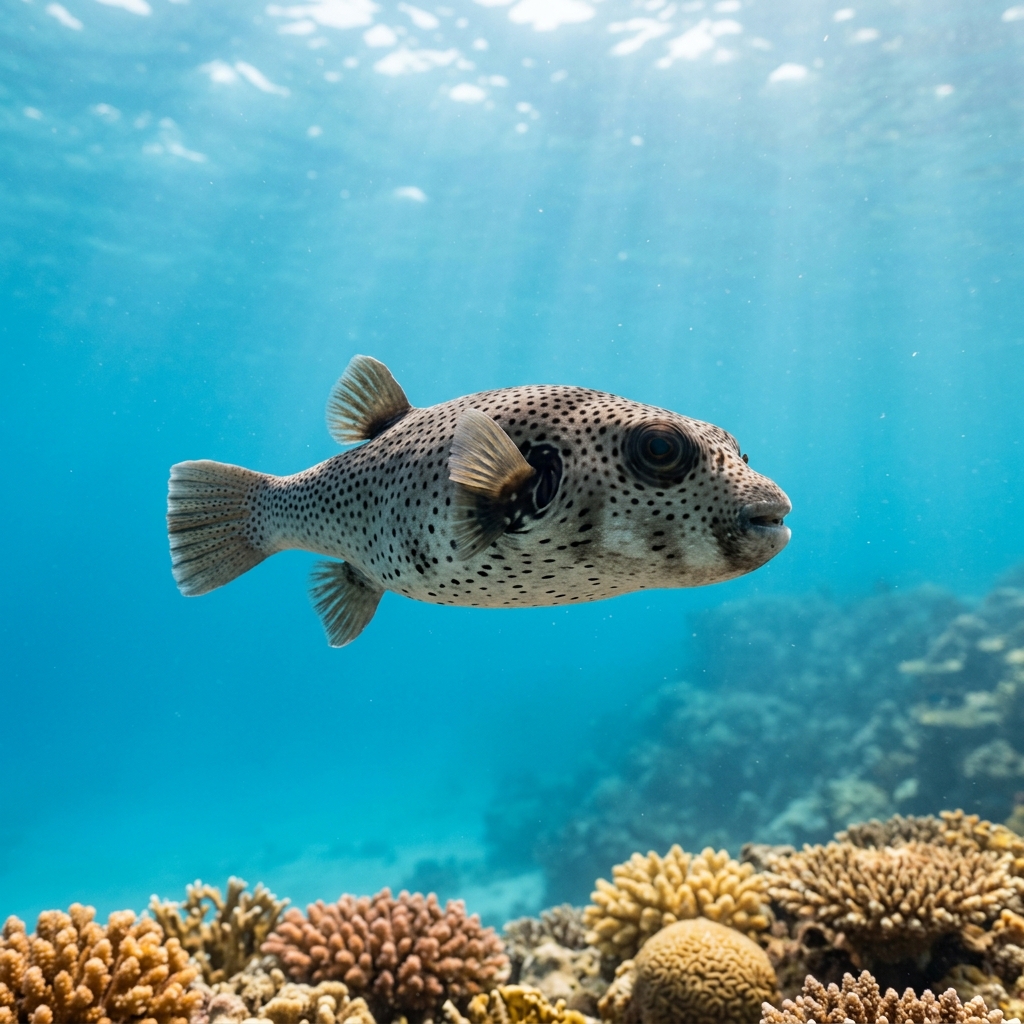
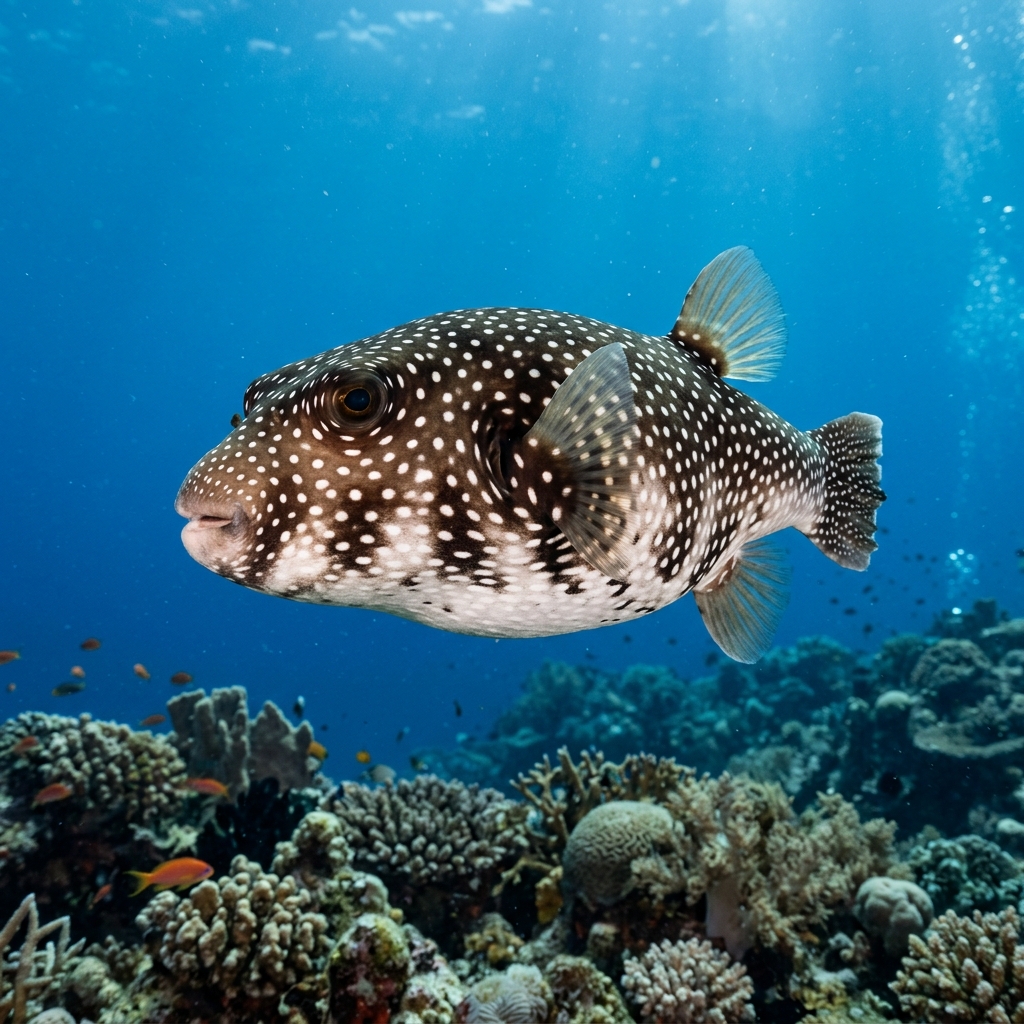
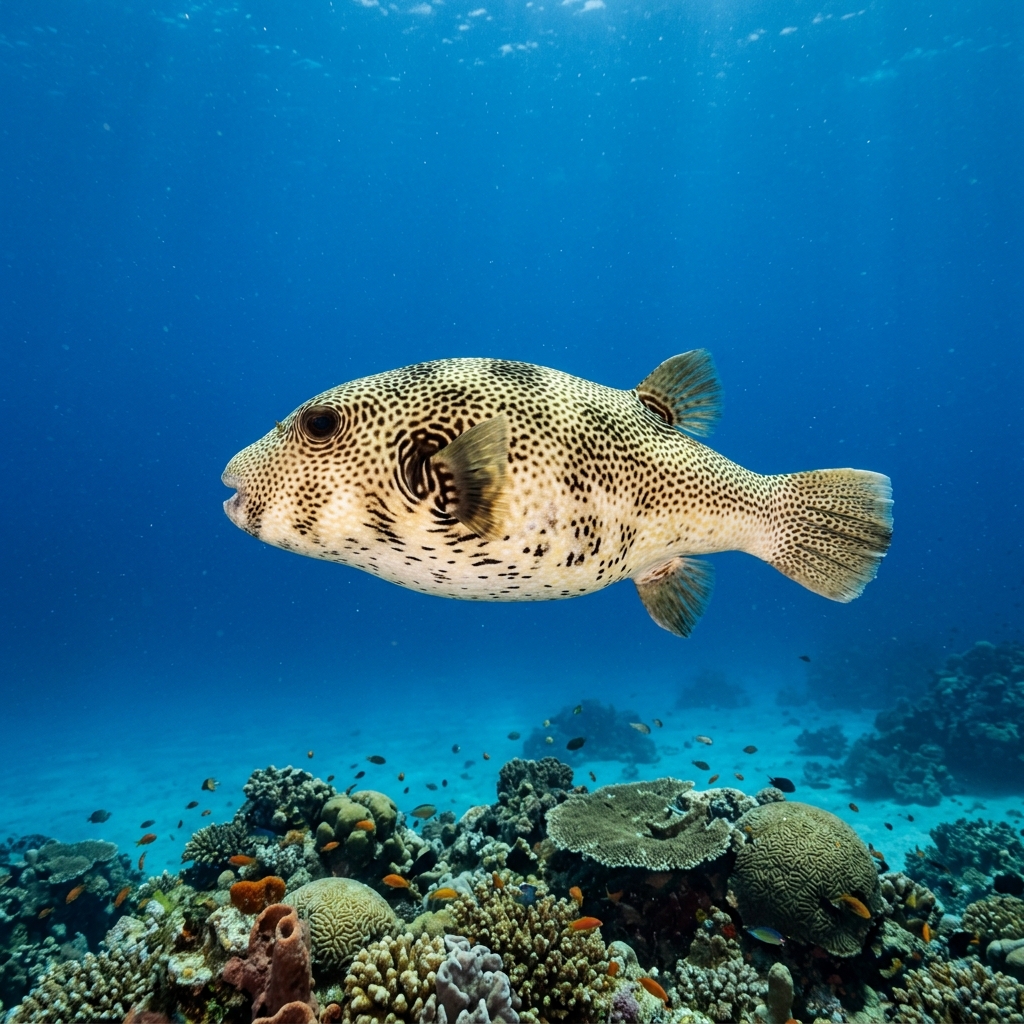
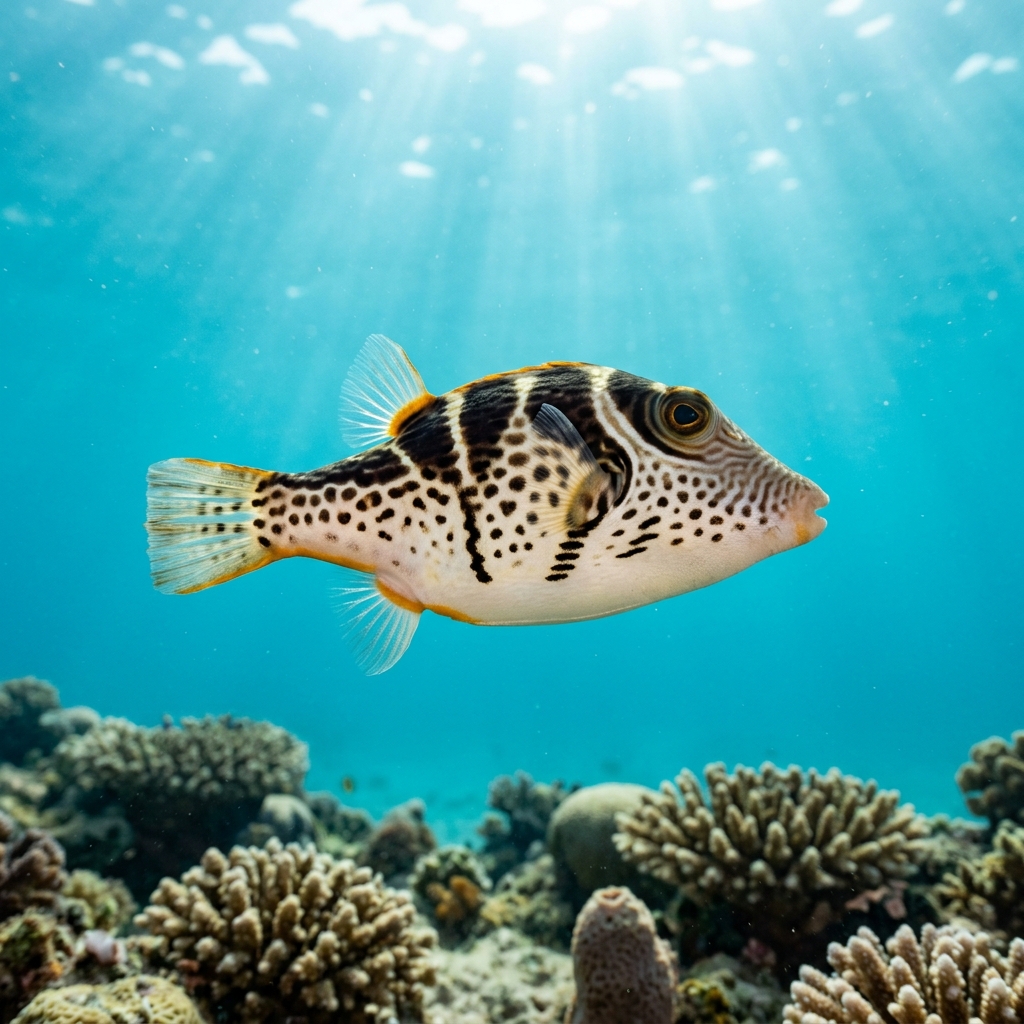
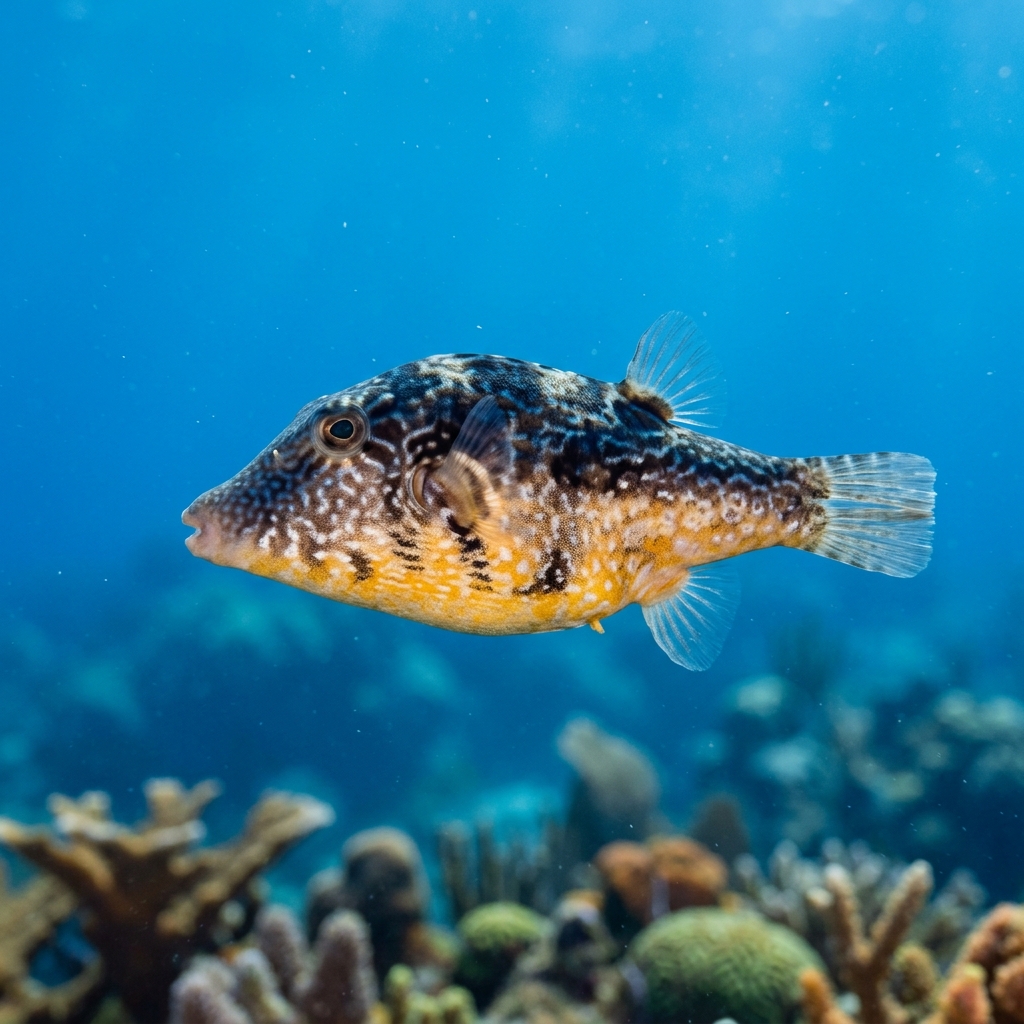
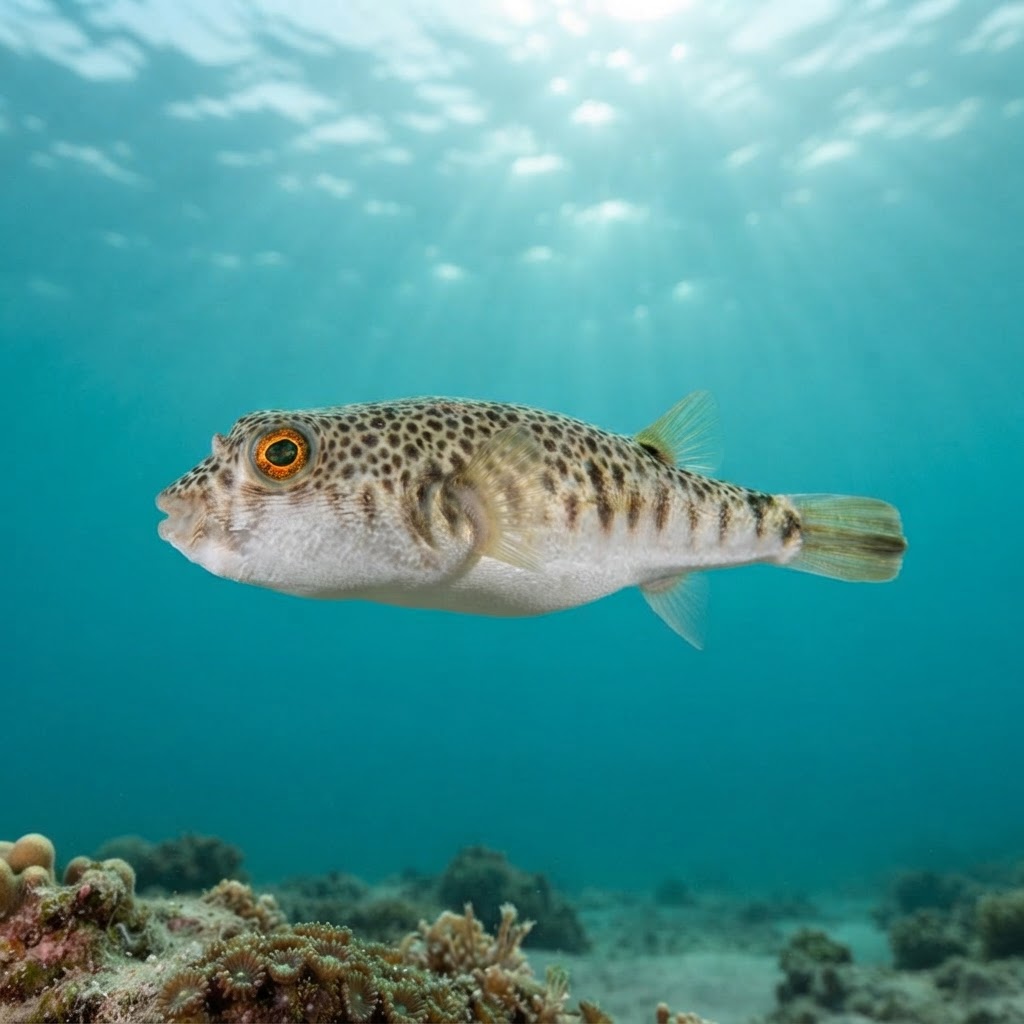
A stubby, rounded little pufferfish reaching about 10 cm, with a mottled brown to olive back fading to a pale, whitish belly. Look for the blunt, almost square-off snout, small fins set close to the body, and a scaleless, slightly leathery-looking skin rather than obvious spines. It often sits still on sand or rubble, so the smooth outline and puffer-shaped head are usually the giveaway rather than any bold pattern.
Divers most often find this species parked motionless on sand, rubble or weedy bottom, relying on its drab colouring to blend in rather than swimming off. It is logged as rare at most sites and uncommon at a handful, so sightings tend to be a case of spotting one still shape among the sand rather than seeing several together. It is not shy once noticed, but it rarely draws attention by moving unless disturbed.
Like other pufferfish, it can inflate its body with water as a defence, making itself harder for a predator, or a curious diver's hand, to get a grip on.
Sightings are logged across the year with no clear seasonal spike, matching a fish comfortable across a fairly wide 17.5 to 23.2 C range. Plan around water temperature preference for your site rather than a particular month.
This one is an Australia specialty in the logged data, most often reported from sites in Queensland and New South Wales. It turns up on temperate and subtropical reef, sand and rubble sites along the east coast rather than on tropical coral reef further north.
Mapping where Common Toadfish is logged…
They're logged almost exclusively in Australia, with the strongest records from Queensland and New South Wales dive sites on sand, rubble and rocky reef.
There's no strong season in the data, sightings occur year-round in water between about 17.5 and 23.2 C, so timing your dive around season matters less than picking the right site.
They carry tetrodotoxin, a potent nerve toxin, in their skin and organs, so they're only risky if handled or provoked. Simply observing one on the sand poses no danger.
Look for a small, stubby pufferfish around 10 cm with mottled brown-olive upper sides, a pale belly, a blunt square snout and smooth, scaleless skin. It's usually found sitting still on sand or rubble rather than swimming in open water.
They're a small species, typically reaching around 10 cm in length, so they're easy to overlook against sand or rubble.
Like other pufferfish, they can inflate their bodies with water when threatened and carry tetrodotoxin, a powerful nerve toxin, as a defence against predators.
Site and sighting data is aggregated from diver logs, iNaturalist and GBIF. For taxonomy and conservation status:
Valentini Pufferfish
2,830 sites