Cirripectes castaneus
A small reef blenny common across Marsa Alam and South Sinai, active year-round in 24-29C water. Here's how to spot one.
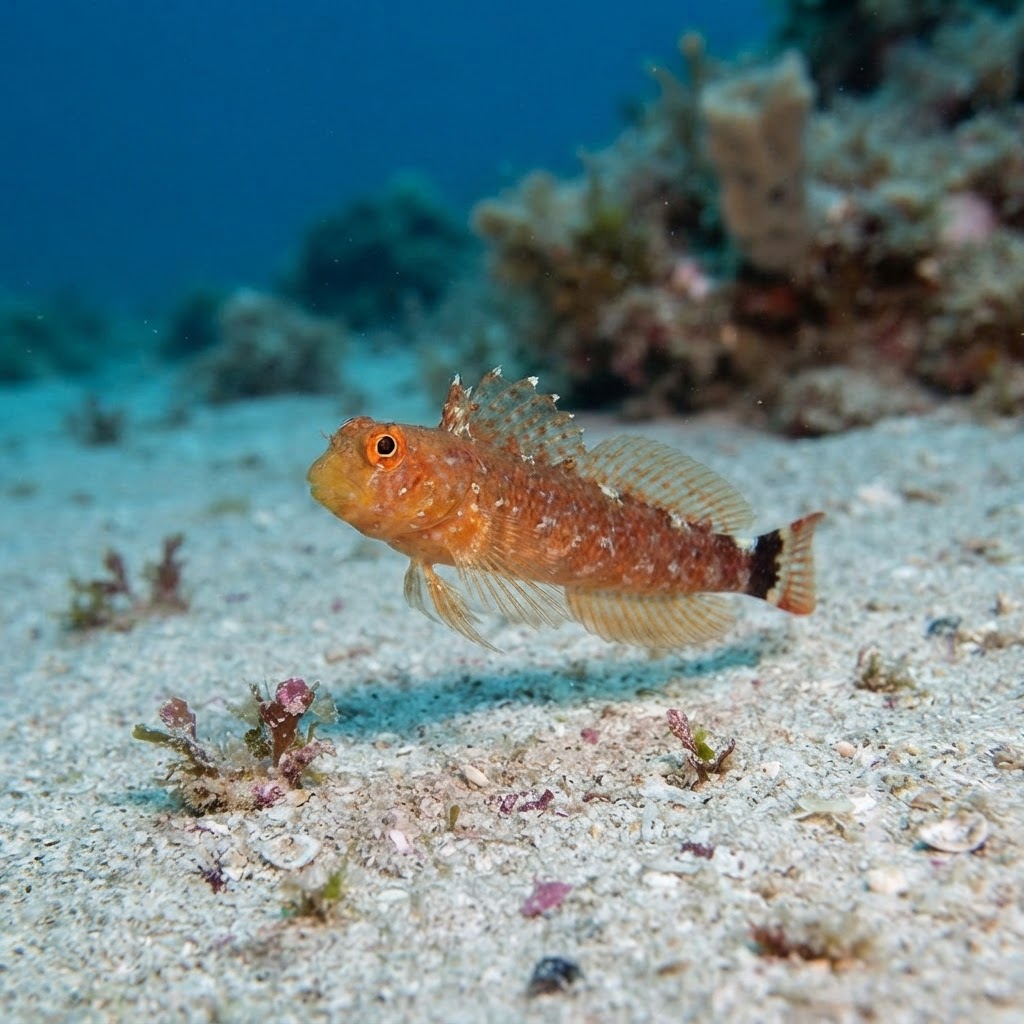
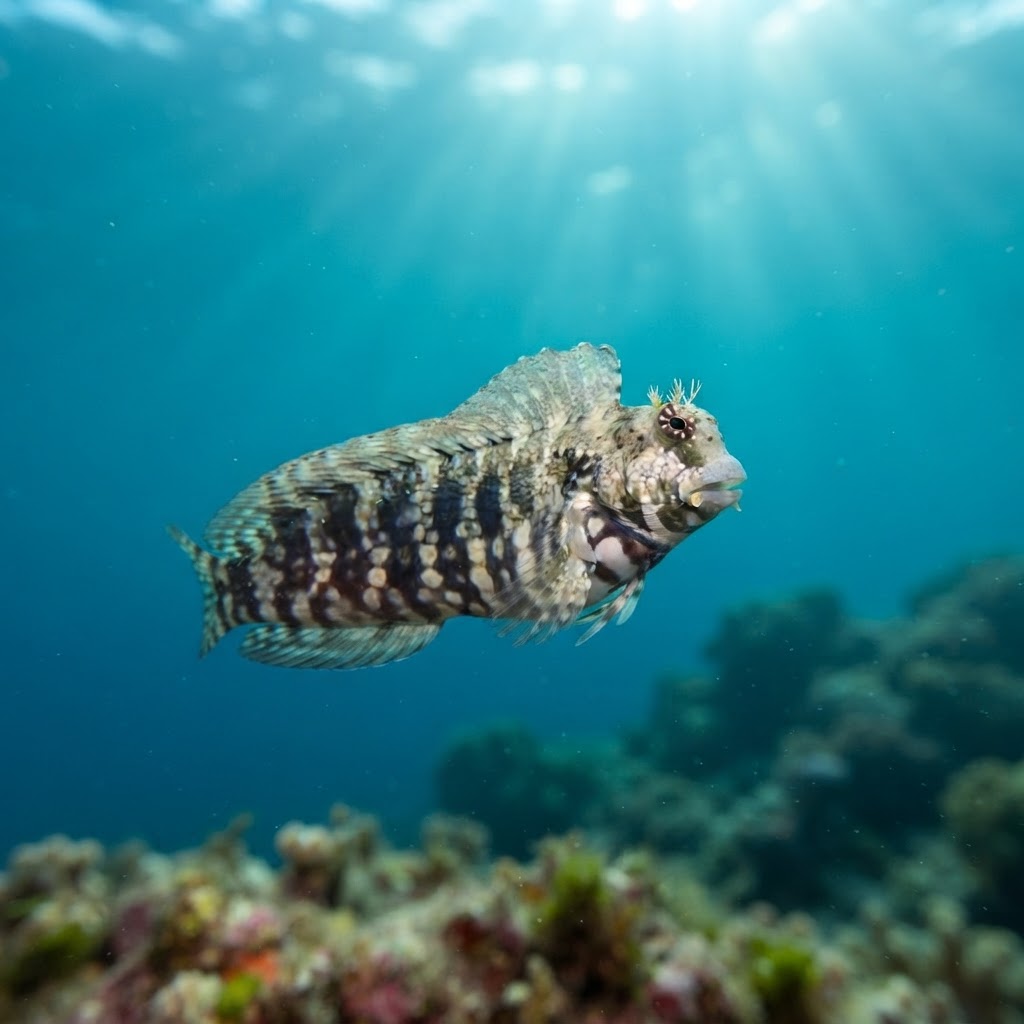
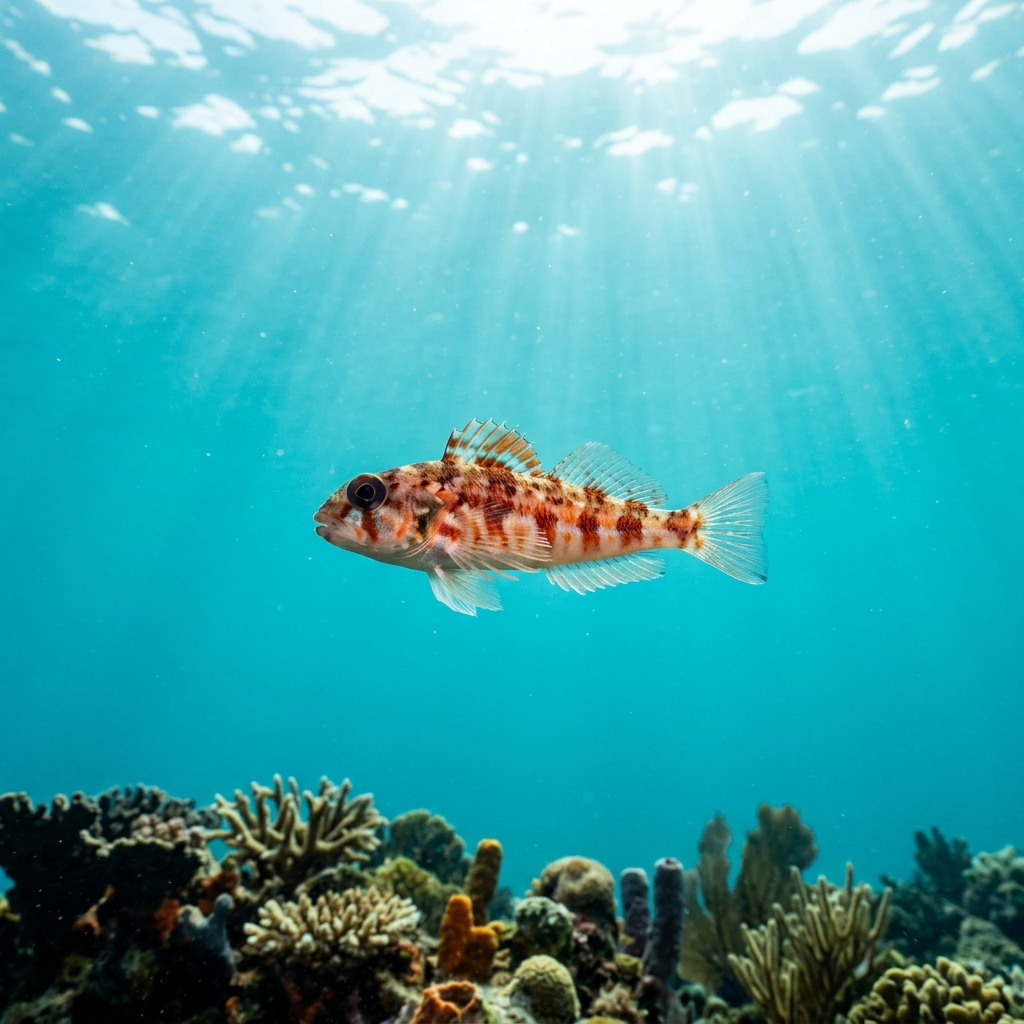
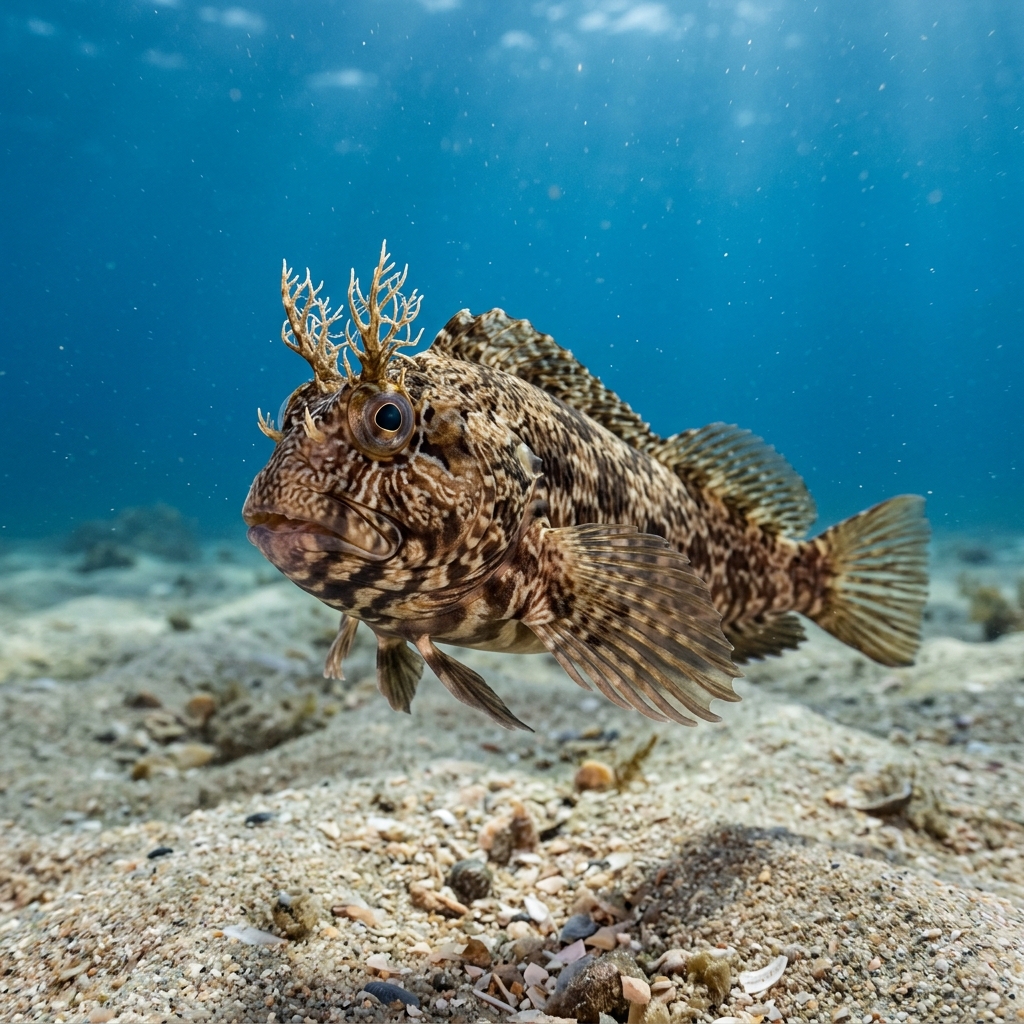
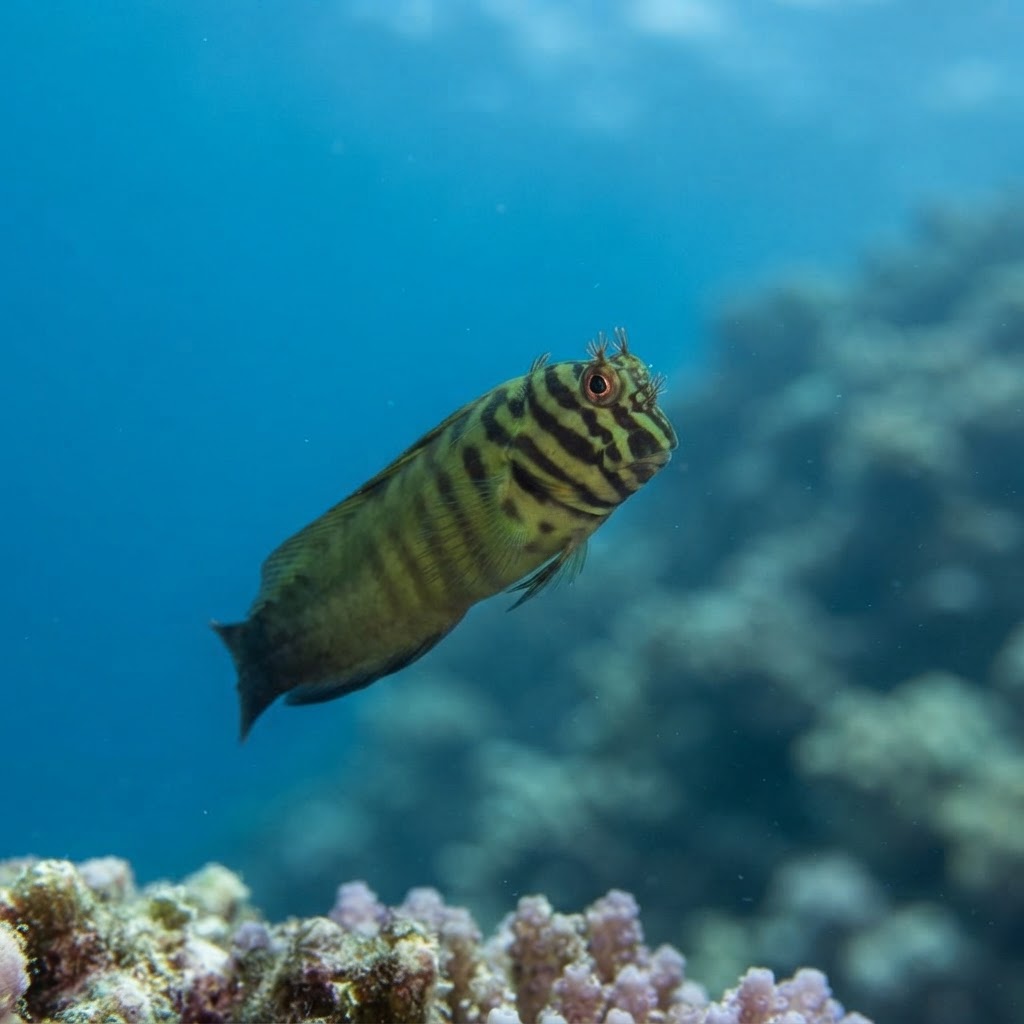
A tiny reef fish, only around 6cm, with a stocky, elongated body in mottled chestnut-brown to reddish tones that blends easily into rubble and coral. Look for the small tufts (cirri) above the eyes and a blunt, rounded head that it props up as it perches on rock or coral. It rarely swims far, so divers usually spot it sitting still rather than cruising the reef.
Spends most of its time perched motionless on coral rubble or rocky reef, grazing algae off the surface with quick darting bites. It tends to sit tight rather than flee when divers approach, relying on its drab colouring to stay unnoticed, so slow, careful scanning of the substrate is the way to find it. Most sightings come from shallow to mid-depth reef flats rather than open water.
Like other combtooth blennies, it uses comb-like teeth to scrape algae directly off rock and coral surfaces, making it one of the reef's small-scale lawnmowers.
No clear season shows up in the sighting data, and with a comfortable range of 24.3 to 29.3C, it's present on Red Sea reefs year-round. Any month works for a dive trip aimed at spotting one.
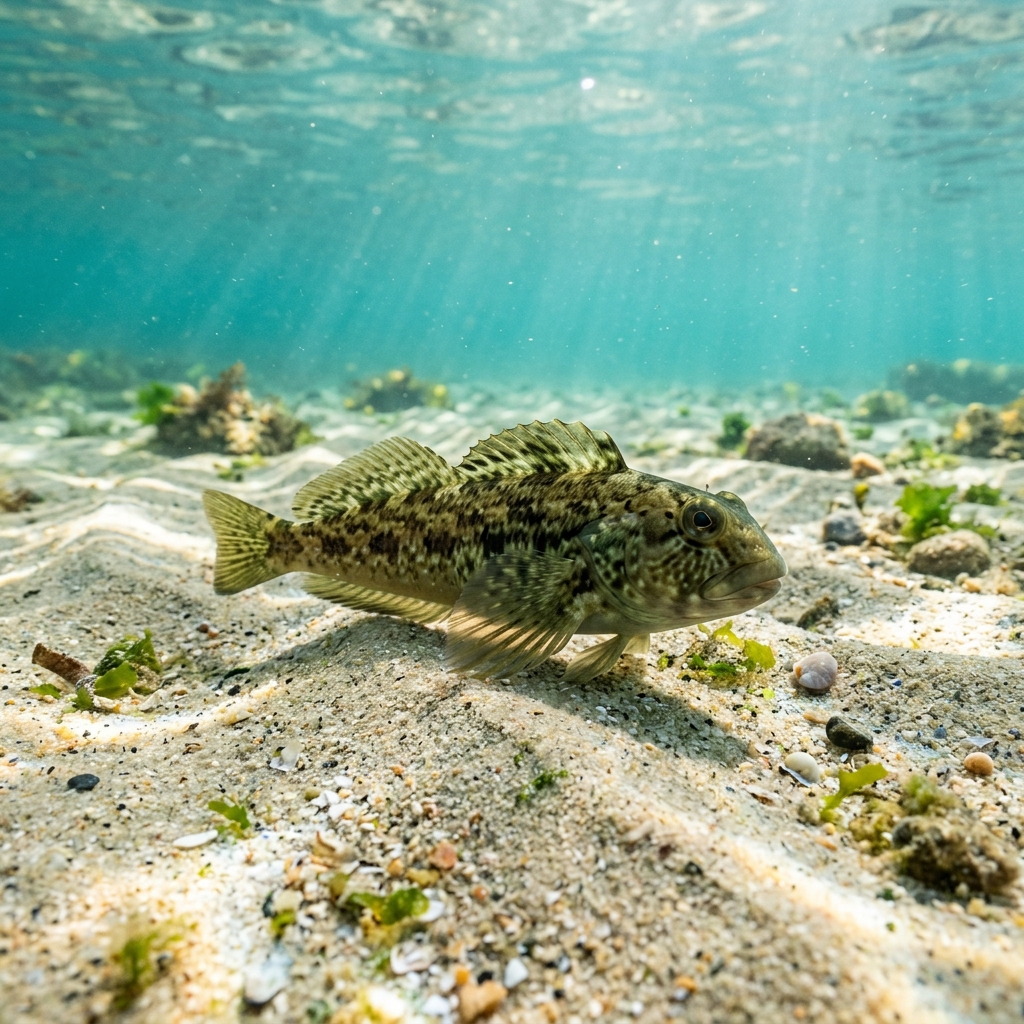
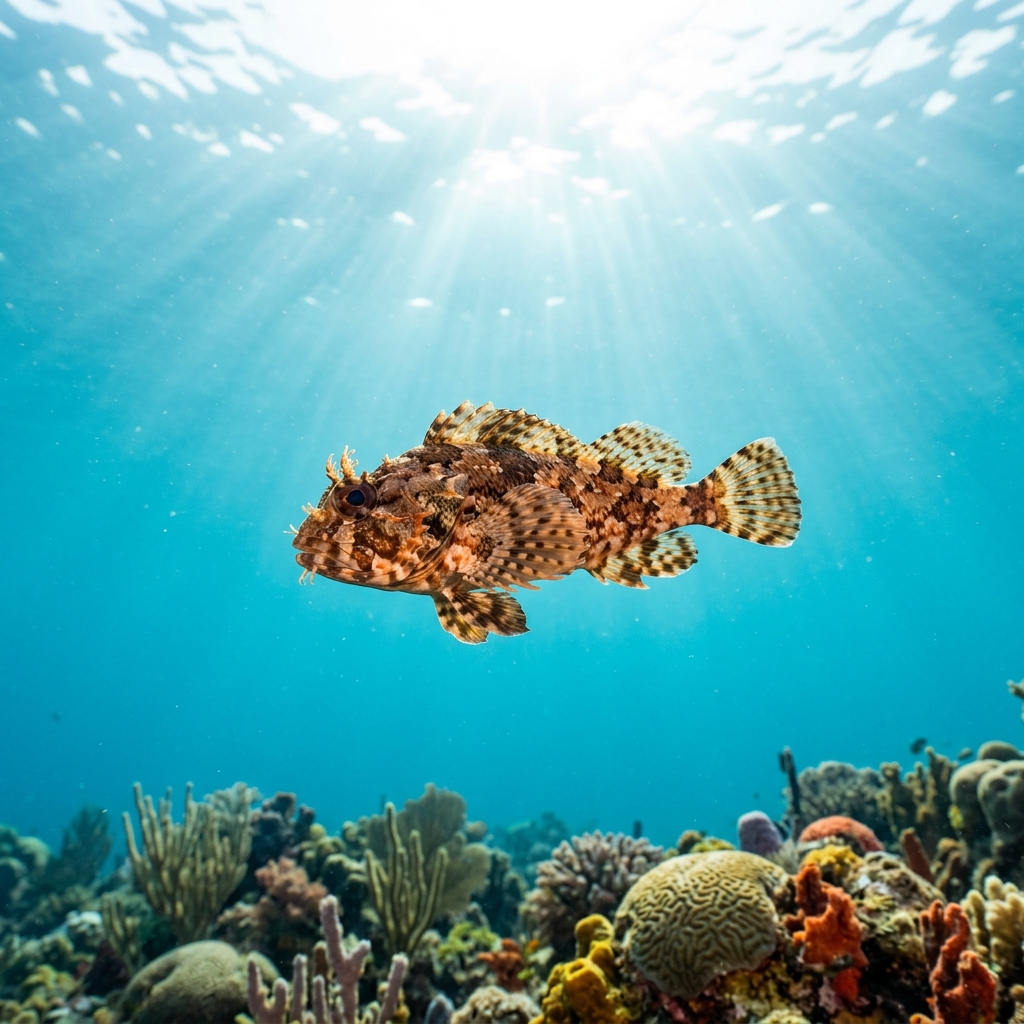
Reef neighbours a diver could mistake it for. Use the identification notes above to tell them apart.
Most reliably logged in the Egyptian Red Sea, especially Marsa Alam and the Deep South and South Sinai, with a smaller but steady presence in Eilat, Israel and Aqaba, Jordan. Occasional sightings turn up further afield in Fiji and Mozambique, but the Red Sea and Gulf of Aqaba are where this blenny is a dependable find.
Mapping where Chestnut Blenny is logged…
The most consistent sightings come from Egypt's Red Sea coast, particularly Marsa Alam and the Deep South and South Sinai, with additional records from Eilat in Israel and Aqaba in Jordan.
There's no strong seasonal pattern in the sighting data. It tolerates a wide temperature range of roughly 24 to 29C, so it's found on reefs throughout the year.
Look for a small, mottled reddish-brown fish around 6cm long perched still on coral rubble, with small tufted cirri above the eyes and a rounded head. It rarely swims, so scanning the substrate closely is key.
They stay small, typically around 6cm long, which is why they're easy to overlook against rubble and coral.
No. They pose no threat to divers and simply hold their position on the reef rather than reacting defensively.
They graze algae off rock and coral surfaces using comb-like teeth, taking quick nibbling bites while perched in place.
Site and sighting data is aggregated from diver logs, iNaturalist and GBIF. For taxonomy and conservation status:
Rusty Blenny
2,605 sites