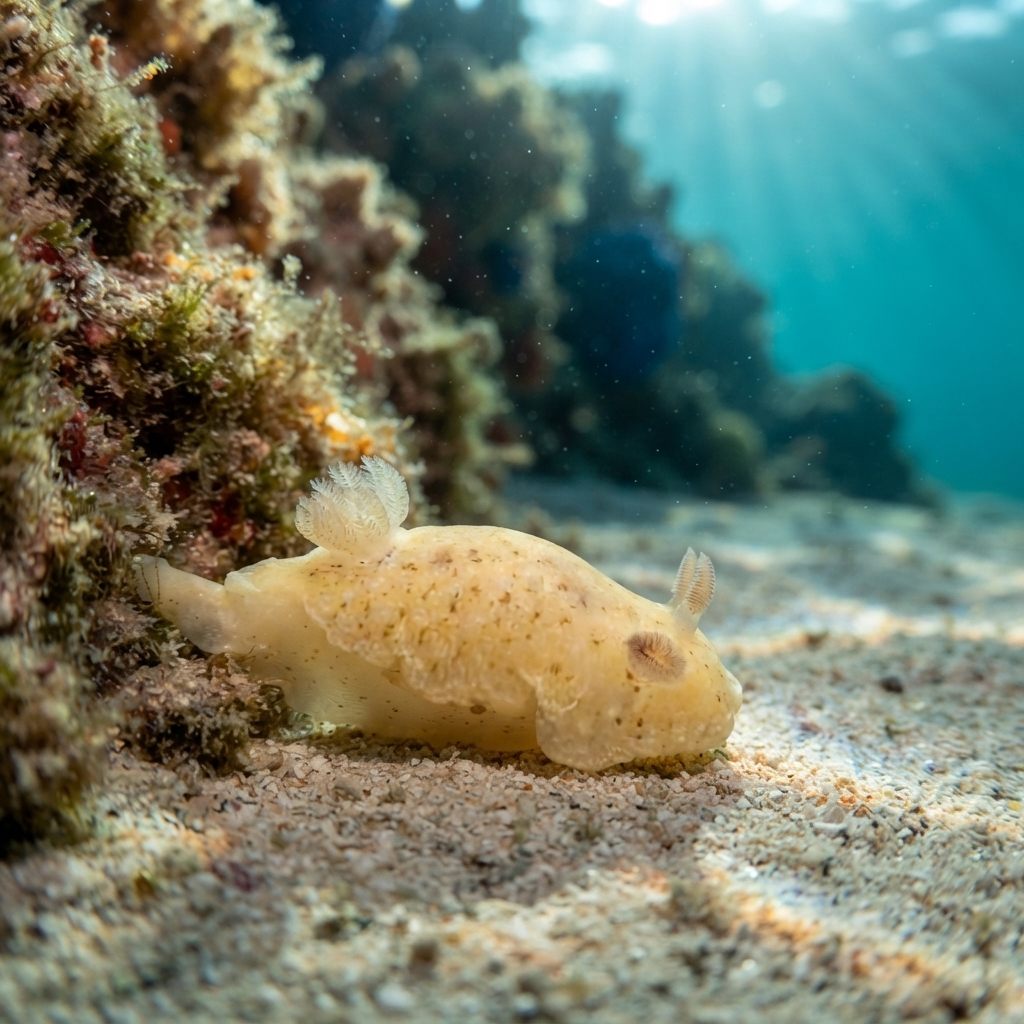
Hallaxa chani
A tiny, rarely-logged nudibranch found in the Pacific Northwest's cold water, seen year-round in temperatures from 8.9 to 18.5 C.
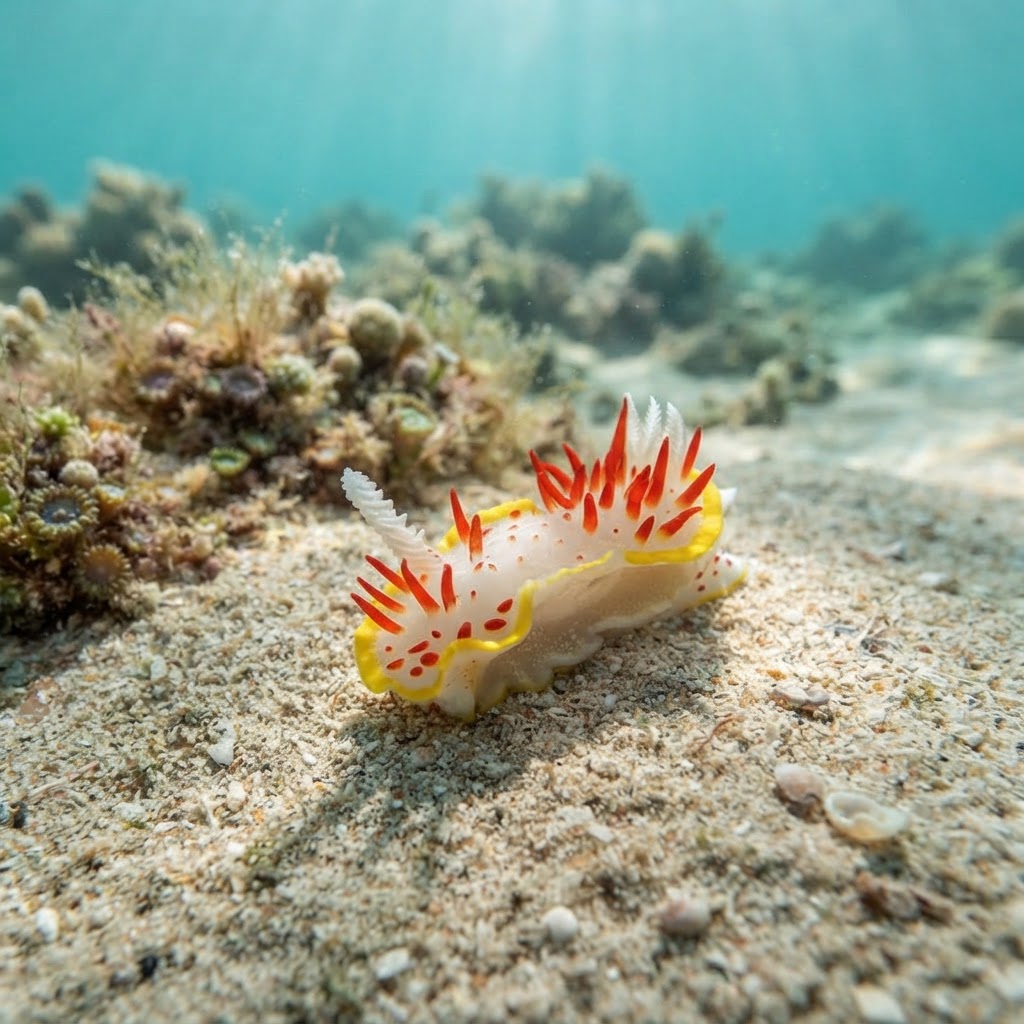
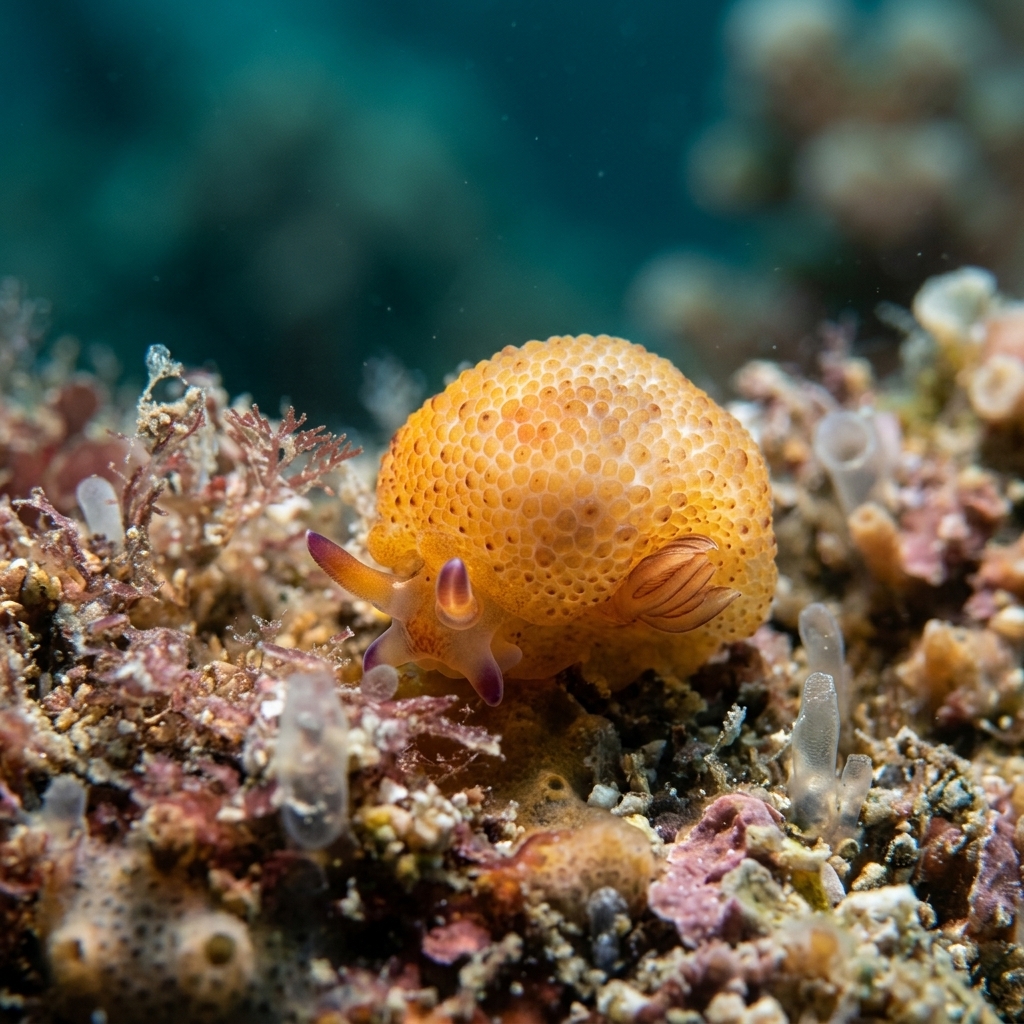
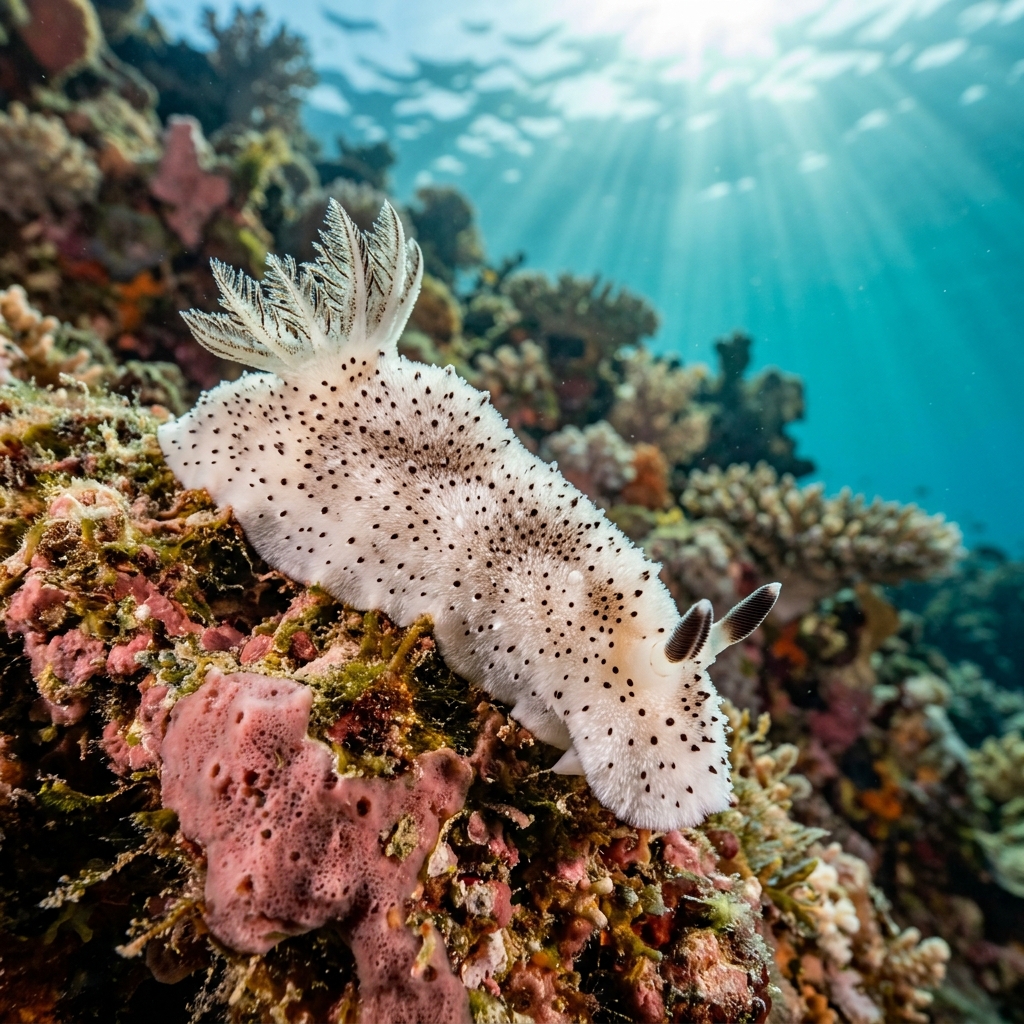
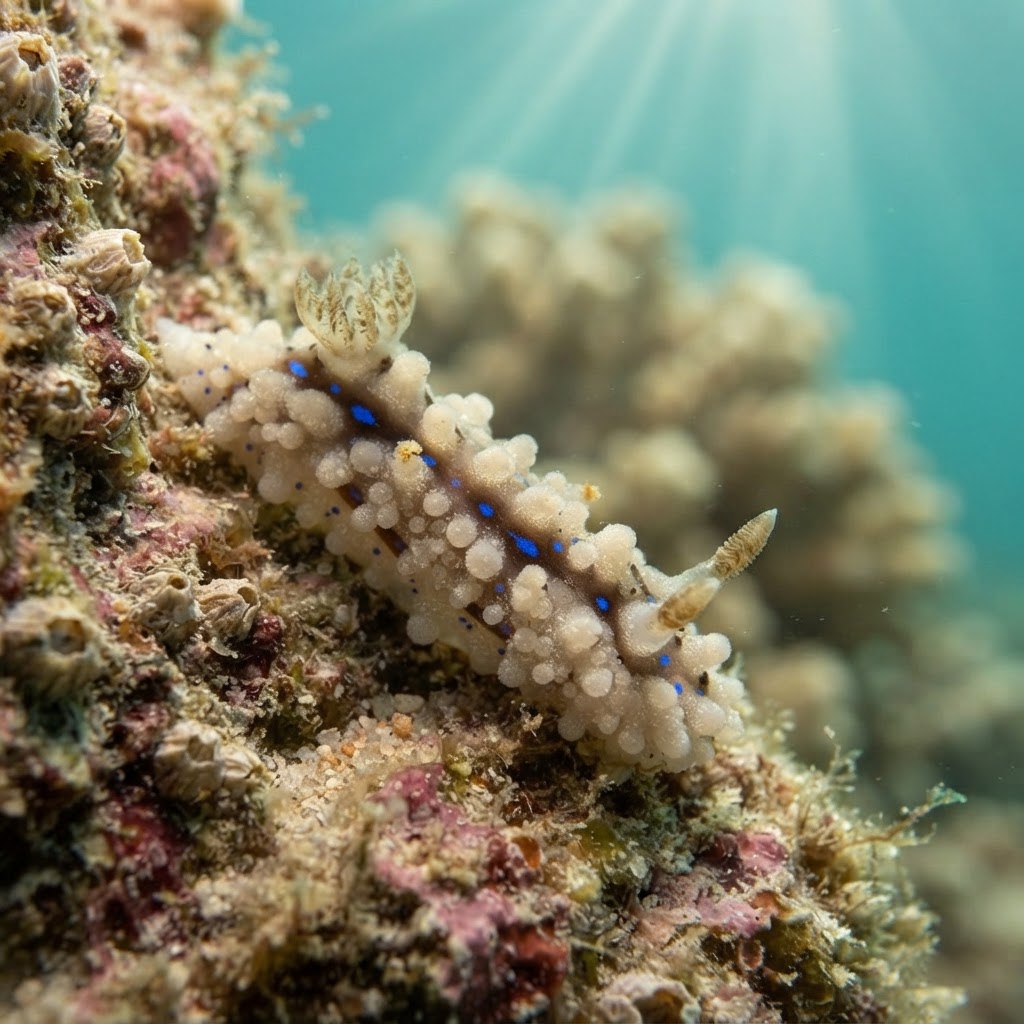
A tiny nudibranch (sea slug) topping out around 2 cm, easy to miss against rock and sponge-covered substrate. Look for a low, oval-bodied dorid shape with a small cluster of gills toward the rear and a pair of short sensory tentacles (rhinophores) up front. Its small size and understated colouring mean most divers only spot it while scanning closely for other nudibranch species.
Divers encounter this one moving slowly across rock and encrusted substrate, doing what most small dorids do: grazing quietly and paying no attention to divers hovering nearby. It shows up as an incidental find during slower, close-focus dives rather than something divers actively seek out, and logged sightings mark it as rare to uncommon even at the sites where it's known.
Like other dorid nudibranchs, it almost certainly feeds on sponges, using that diet to influence its body chemistry and colouring, though little species-specific research exists to confirm the details for this one.
Sightings don't show a clear seasonal pattern, so treat this as a year-round find for divers working Pacific Northwest sites. Its observed temperature range of 8.9 to 18.5 C spans the cold water typical of that region across most of the year.
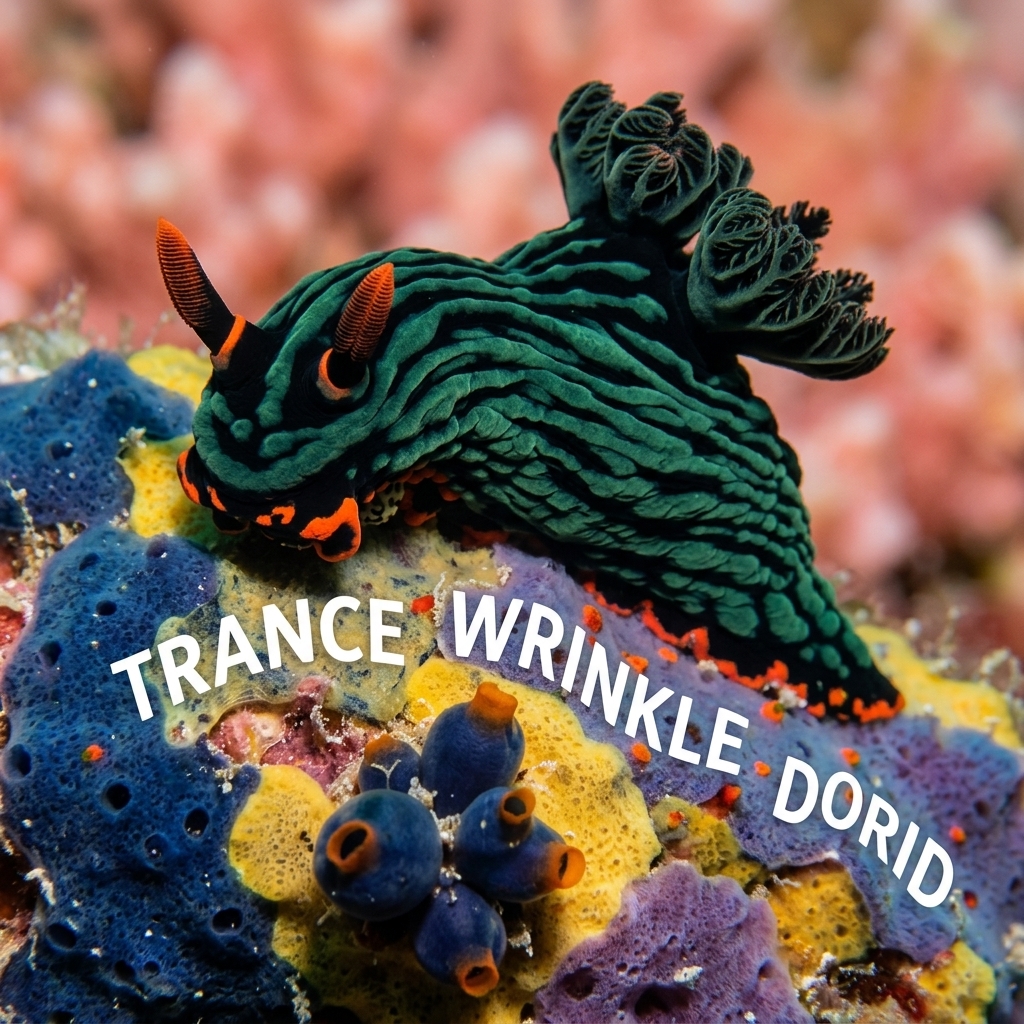
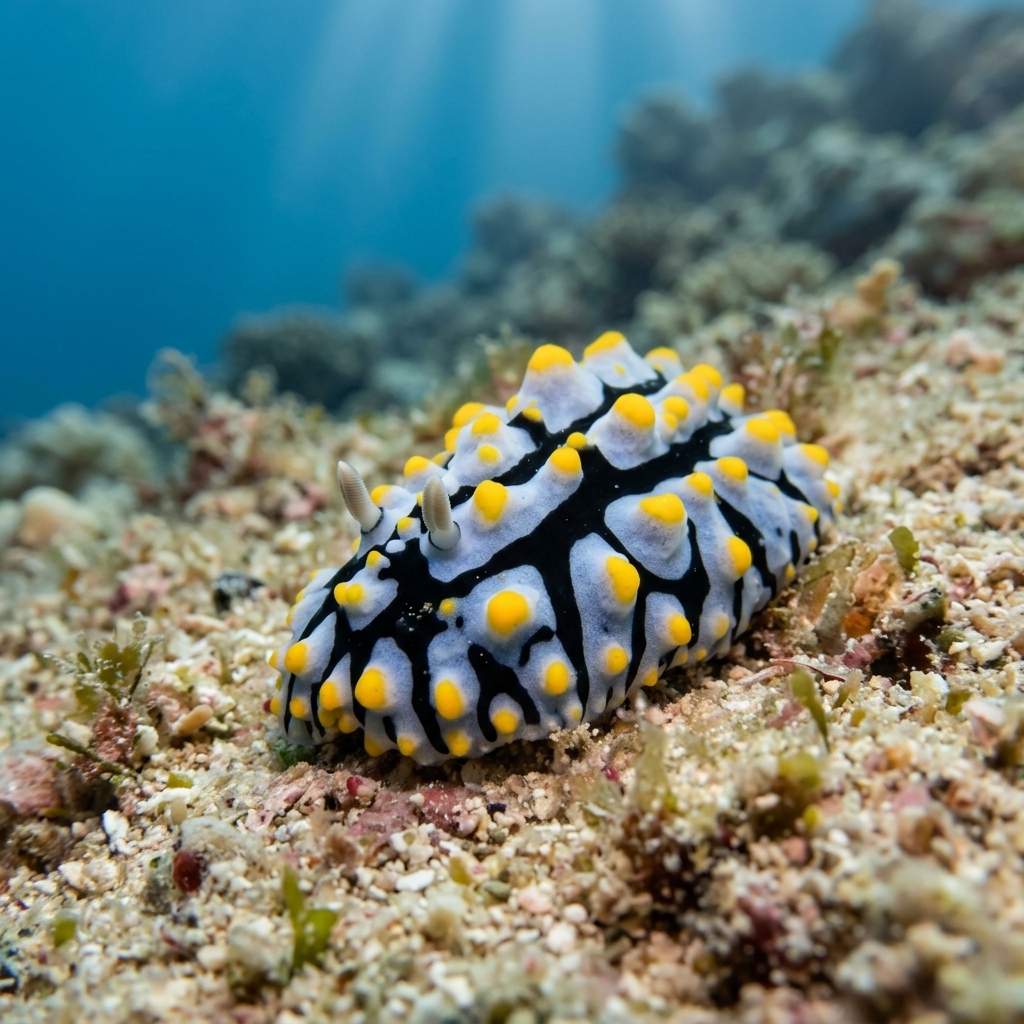
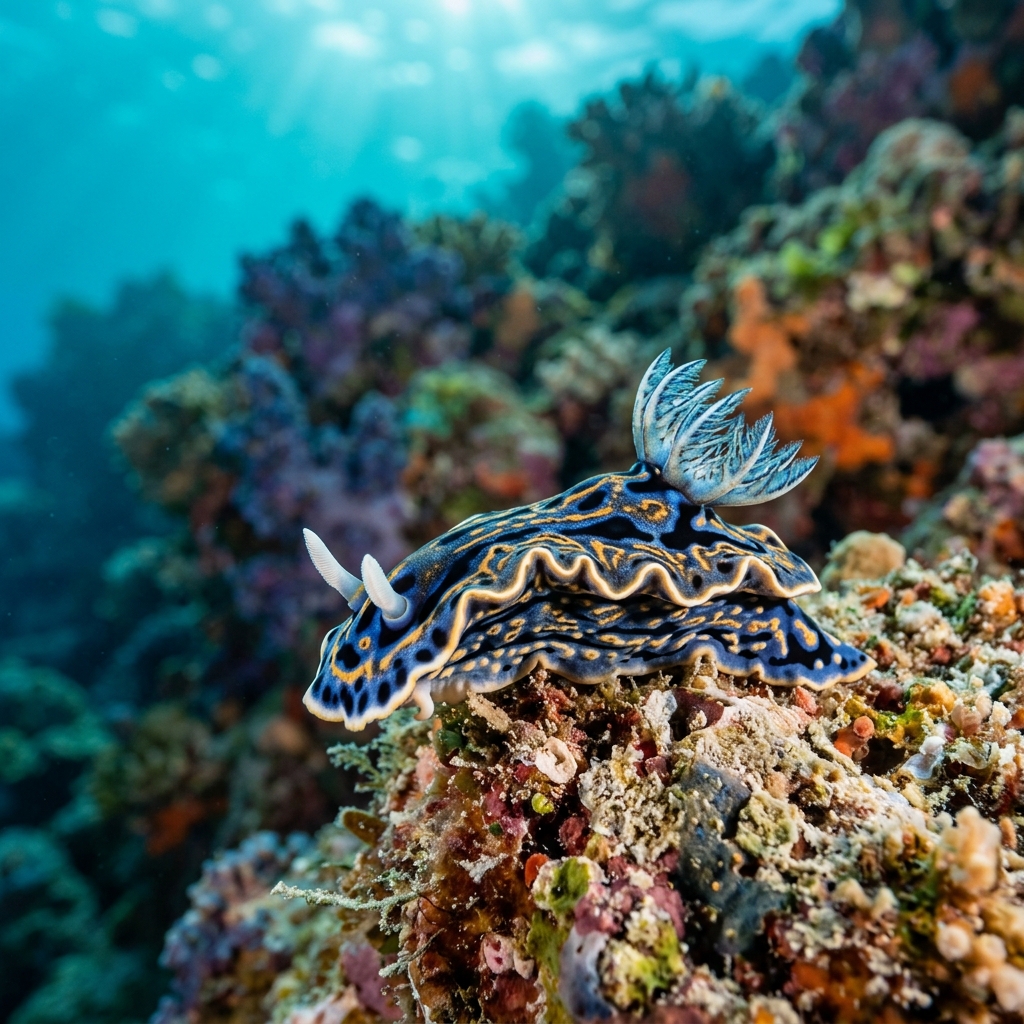
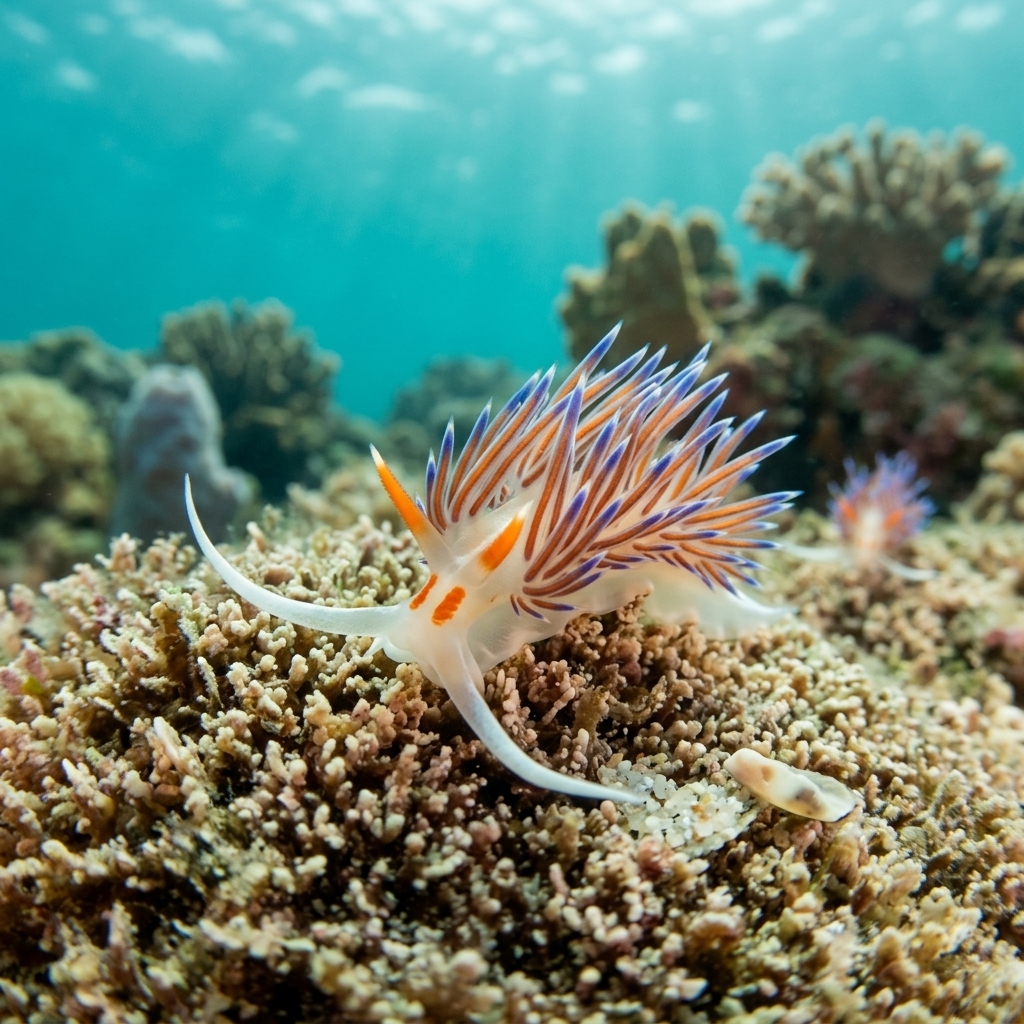
Reef neighbours a diver could mistake it for. Use the identification notes above to tell them apart.
Every logged sighting of this species comes from the United States, with the Pacific Northwest standing out as the region divers actually find it in. It's a cold-water find rather than a tropical reef one, so look for it on Pacific Northwest dive sites rather than warm-water destinations.
Mapping where Chan's Dorid is logged…
All confirmed sightings come from the United States, concentrated in the Pacific Northwest. It hasn't been documented elsewhere in diver logs, so this cold-water region is currently the place to look for it.
There's no detected seasonal pattern, so it's considered a year-round possibility in the Pacific Northwest. It's been observed across a wide temperature range from 8.9 to 18.5 C, which covers most of the region's diving conditions.
Look for a small oval-bodied nudibranch around 2 cm long, with a modest gill cluster at the rear and short rhinophores up front. It lacks bold, high-contrast markings, so it's easy to overlook against textured rock or sponge unless you're looking closely.
They stay small, typically around 2 cm in length, which is one reason they're easy to miss on a dive even where they're present.
Yes, it's logged as rare at most of the sites where it has been recorded, with only a couple of sites reporting it as uncommon. It's a find for divers doing slow, close-focus searches rather than a species you'll see on every dive.
Site and sighting data is aggregated from diver logs, iNaturalist and GBIF. For taxonomy and conservation status:
Nudibranch
3,168 sites