Chaetodon rafflesii
Spot the Latticed Butterflyfish across the Visayas, Sulawesi and Bali in warm 26-29°C water. Tips on ID, best seasons and top dive sites.
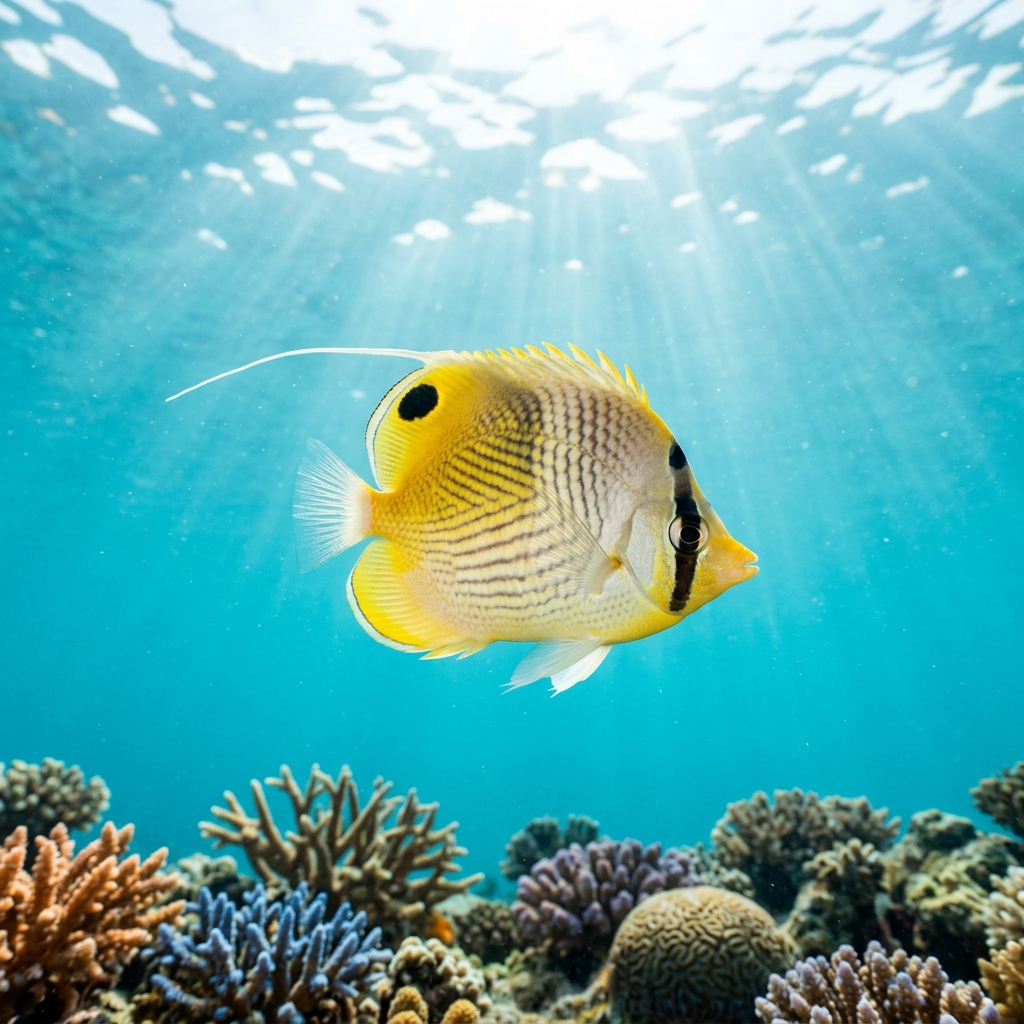
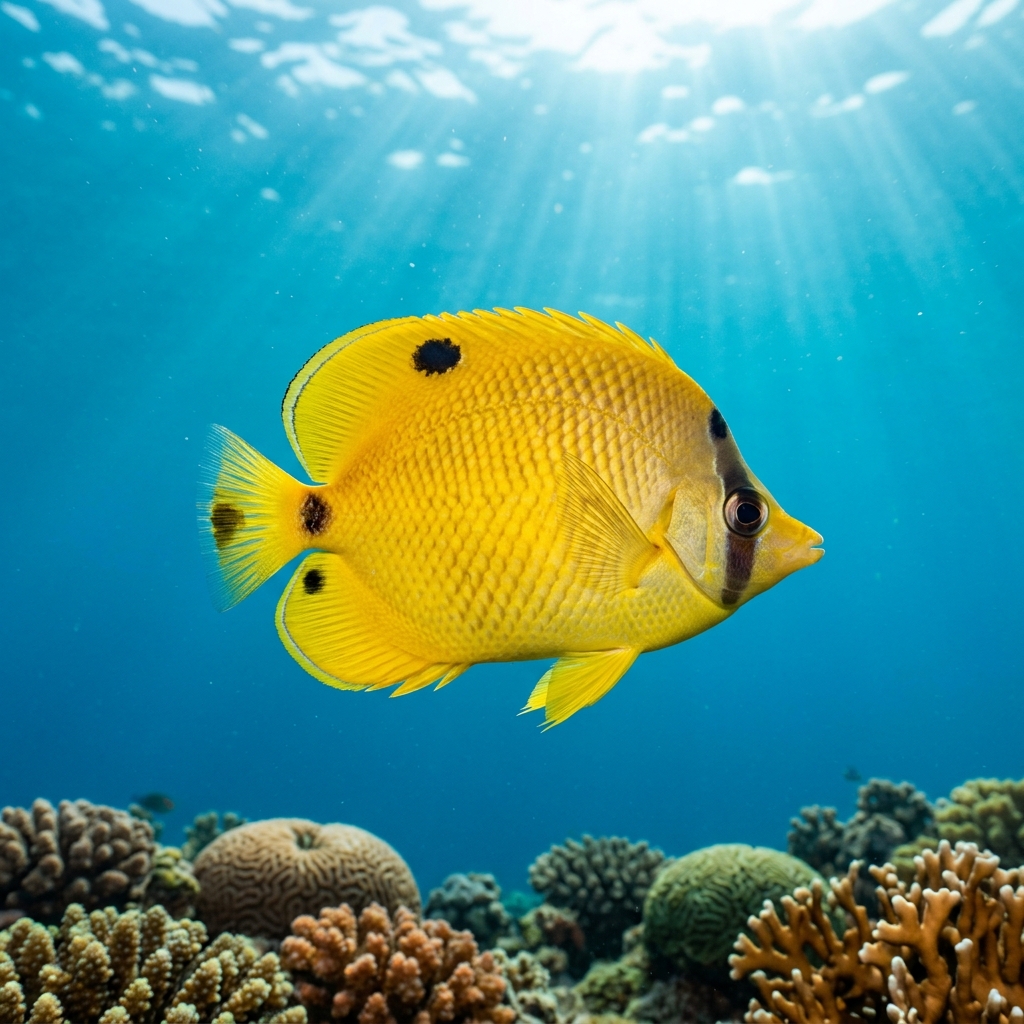
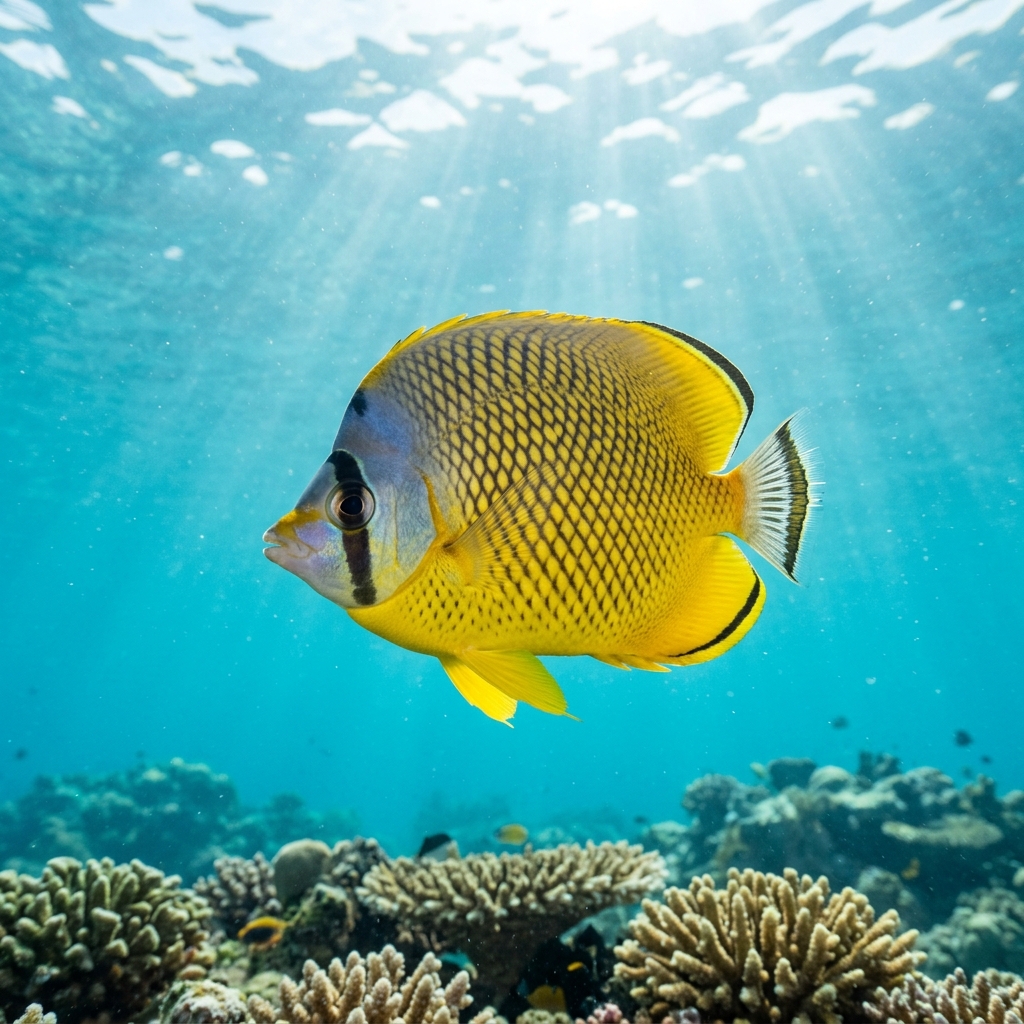
A vivid yellow body covered entirely with a fine dark-edged lattice (crosshatch) pattern is the key underwater marker, no other common butterflyfish has this all-over net-like scaling. Look for a narrow black bar running through the eye and a dark trailing edge on the rear of the body near the tail. The disc-shaped body and small protruding snout are typical of the butterflyfish family, but the lattice alone sets this species apart from any distance.
Usually encountered alone or in pairs patrolling coral-rich sections of the reef, picking at coral polyps and small invertebrates with that characteristic short snout. It tends to stay close to coral structure and will move calmly away from approaching divers rather than bolting, giving patient observers a decent look. Most encounters happen in shallow to mid-water reef zones during daytime dives.
Like many butterflyfish, the latticed butterflyfish is thought to form long-term monogamous pairs, if you see one working a coral head, look nearby for its partner doing the same.
In Northern Hemisphere destinations such as the Philippines and Thailand, sightings concentrate from April through November. For Southern Hemisphere sites including Queensland, Australia, the productive window runs June through January.
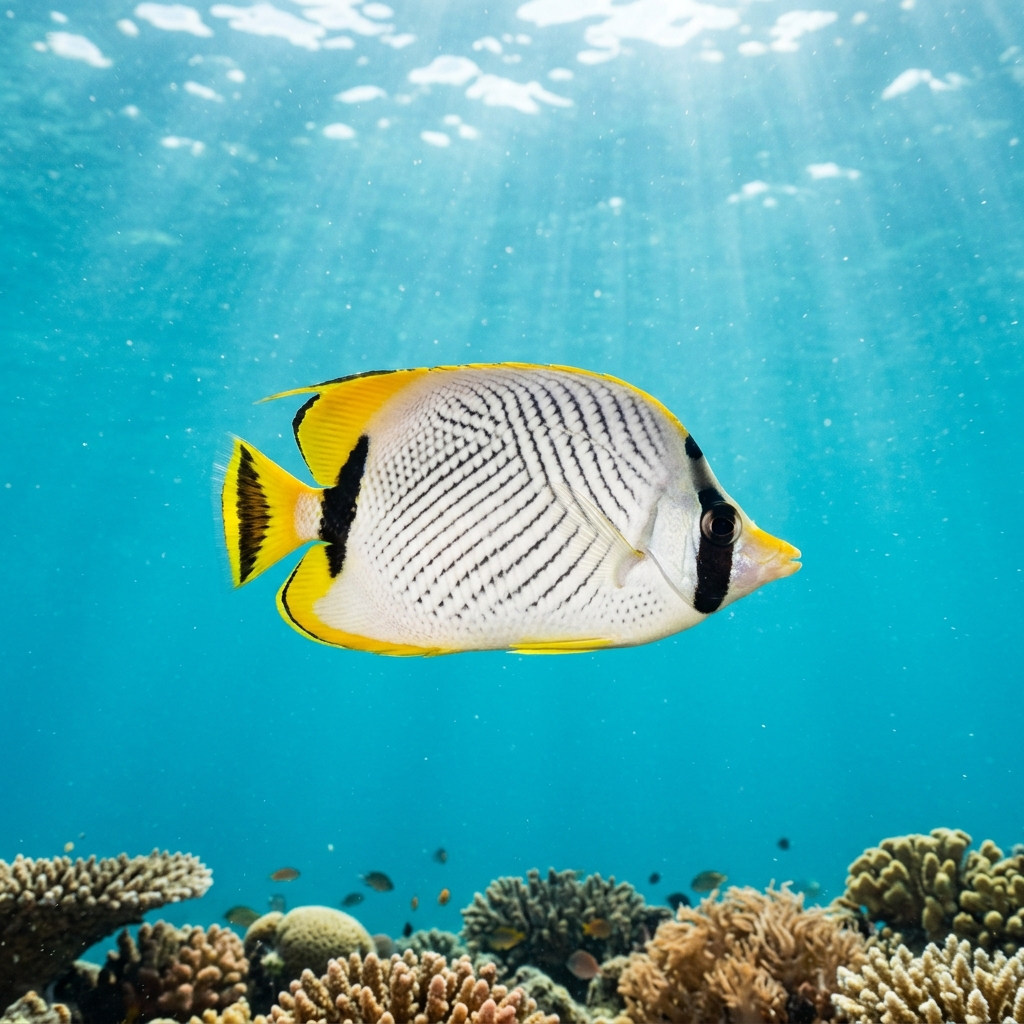
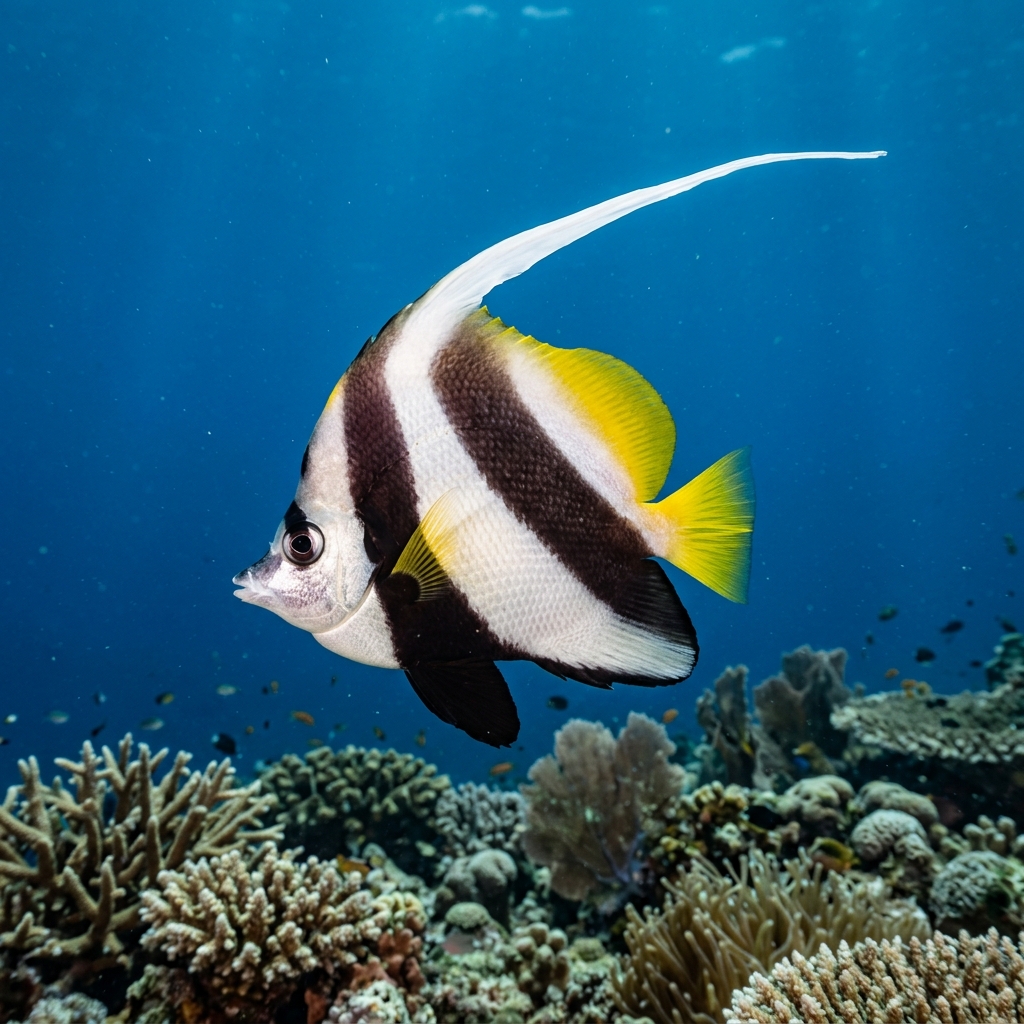
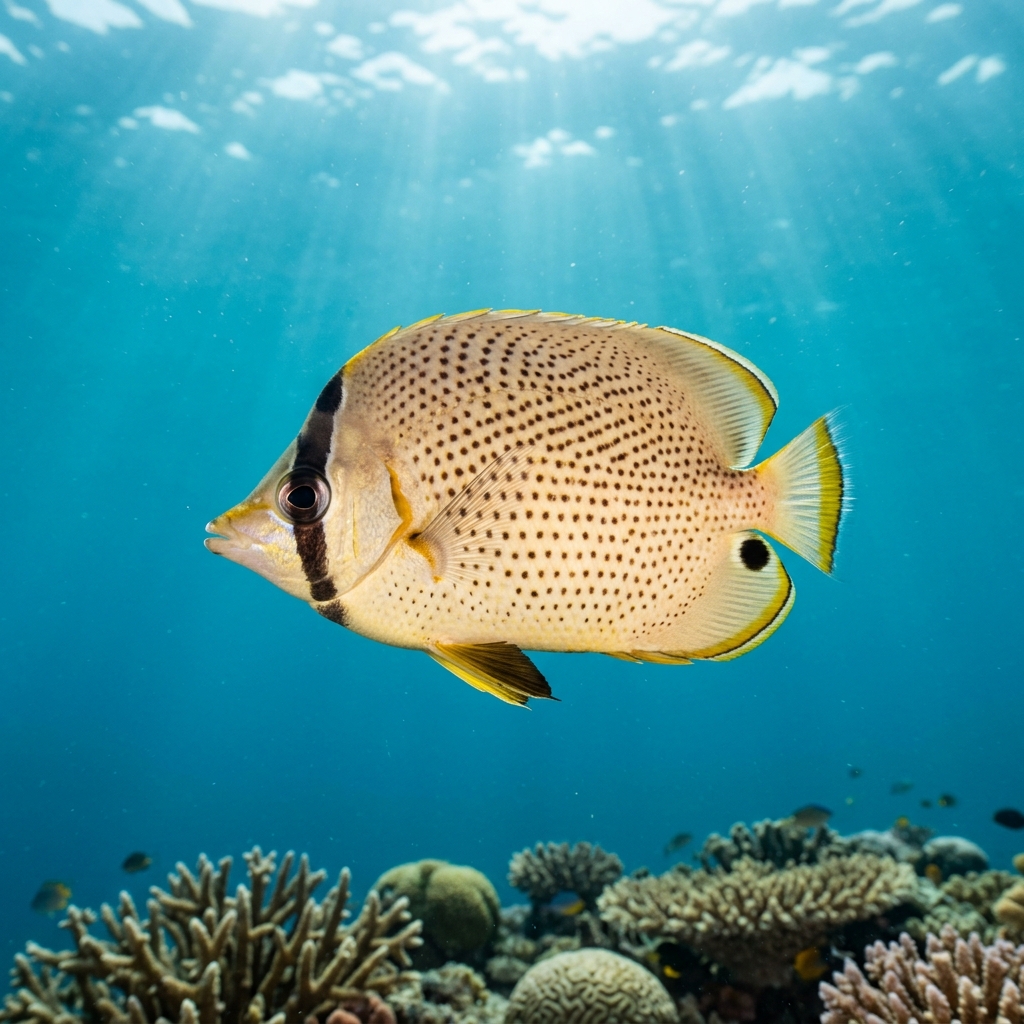
Reef neighbours a diver could mistake it for. Use the identification notes above to tell them apart.
Most logged in Indonesia, particularly in Sulawesi, Bali and Lombok, and across the Maluku and Papua region. The Philippines are a strong second, especially throughout the Visayas, and Thailand's northern Andaman sites along with West Sabah in Malaysia round out the core range. Smaller but consistent records also come from Palau, Queensland in Australia, Fiji, and Vanuatu.
Mapping where Latticed Butterflyfish is logged…
The Latticed Butterflyfish is most reliably encountered across Indonesia, particularly in Sulawesi, Bali, and the Maluku region. The Visayas in the Philippines are another strong area, with further sightings in Thailand's Andaman sites, West Sabah in Malaysia, Palau, Queensland in Australia, Fiji, and Vanuatu.
In Northern Hemisphere destinations like the Philippines and Thailand, April through November sees the most sightings. If you are diving in Queensland, Australia or other Southern Hemisphere locations, June through January is the peak window.
Look for a bright yellow disc-shaped body covered from head to tail in a dark crosshatch or lattice pattern. A narrow black bar runs through the eye. No other commonly encountered butterflyfish carries this all-over net-like marking, making it one of the easier butterflyfish to name once you know what to look for.
Expect an uncommon sighting, you may not see one every dive, even at sites where it is regularly recorded. It is rarely classed as common at any individual site, so a clear encounter is a good one worth pausing for.
Not at all. Latticed Butterflyfish pose no threat to divers whatsoever. They are small, peaceful reef fish that will simply move away if approached too closely.
Site and sighting data is aggregated from diver logs, iNaturalist and GBIF. For taxonomy and conservation status: