Chaetodon oxycephalus
Spot the rare pig-face butterflyfish in the Andaman Islands or Maluku. Here's how to ID it and what to expect underwater.
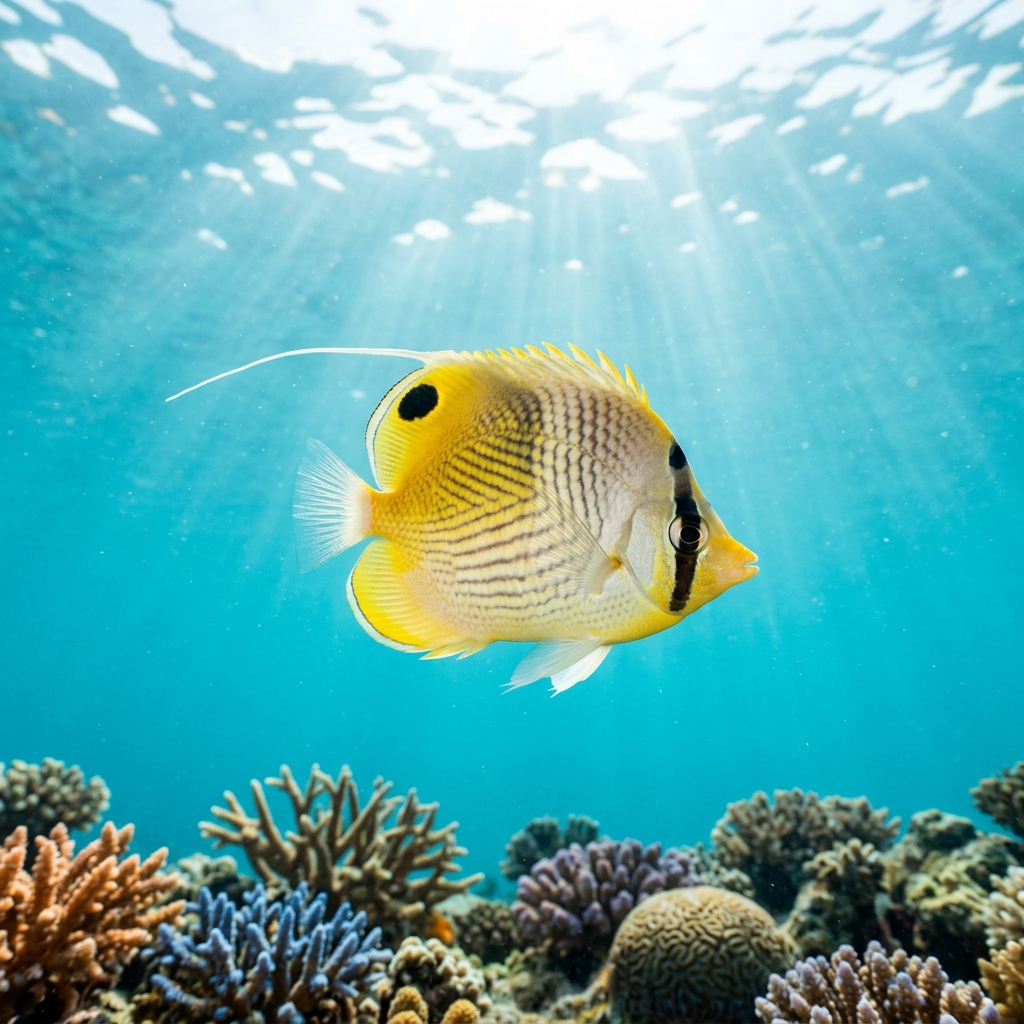
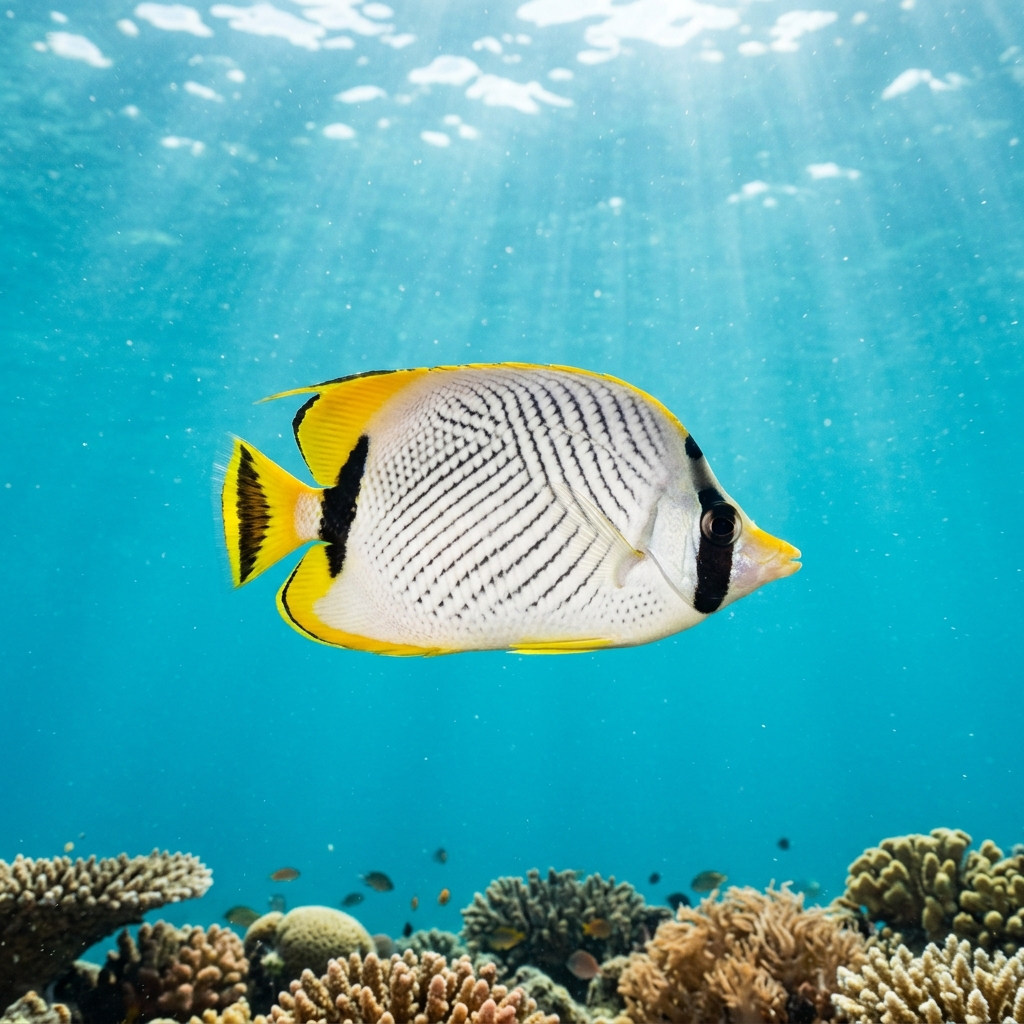
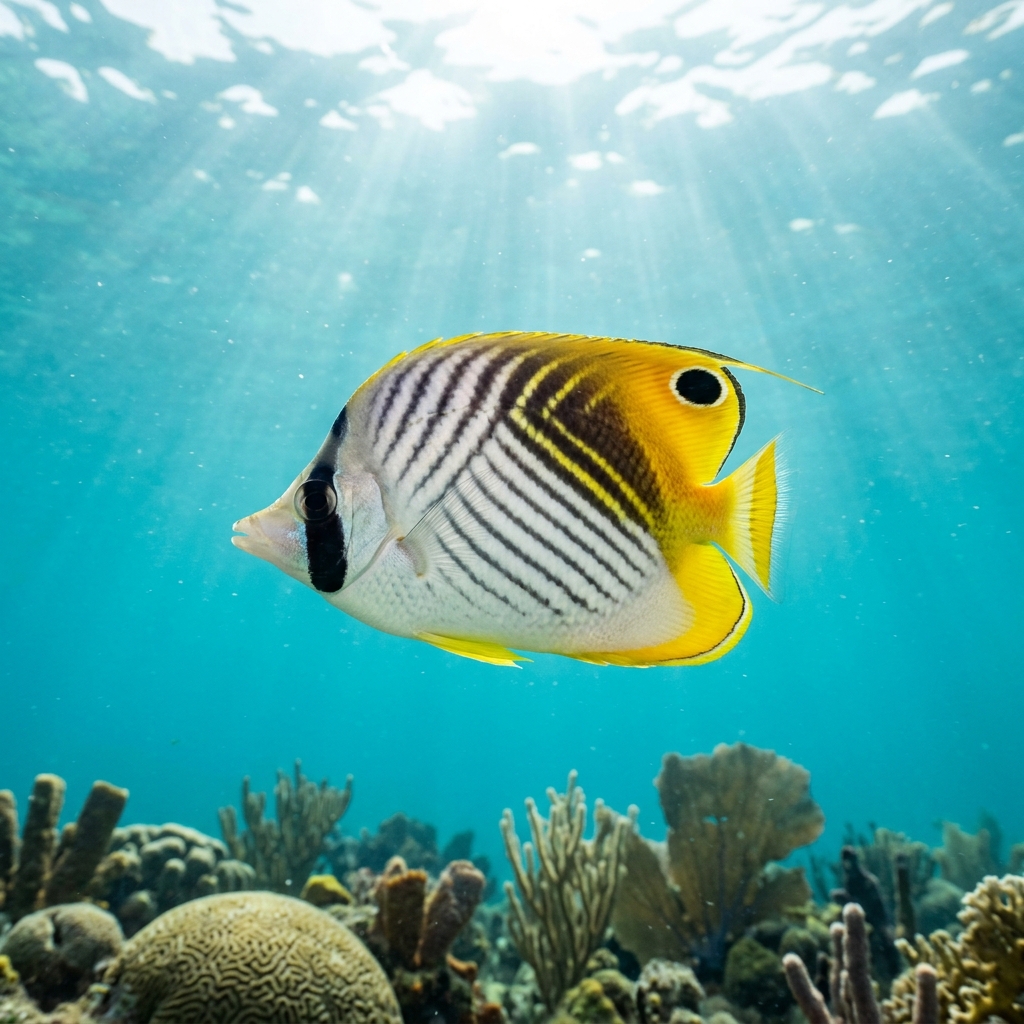
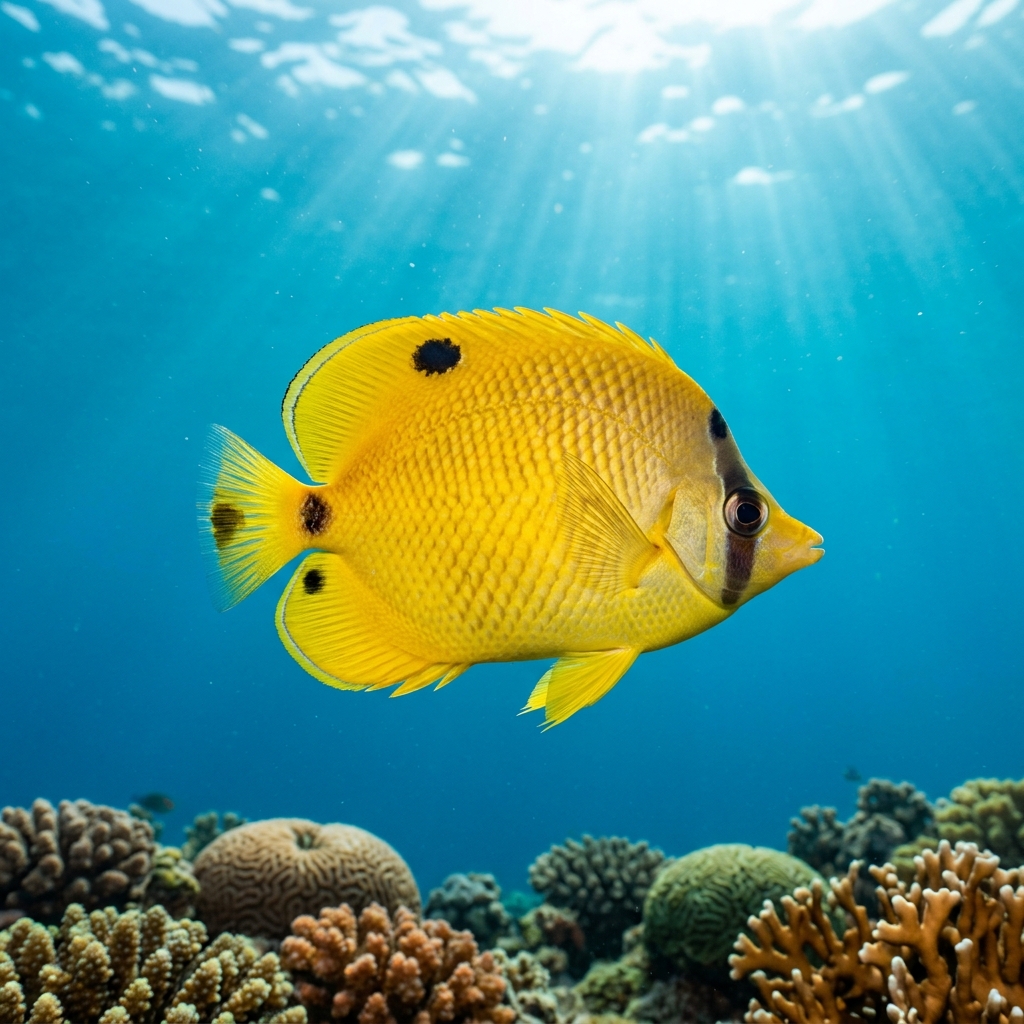
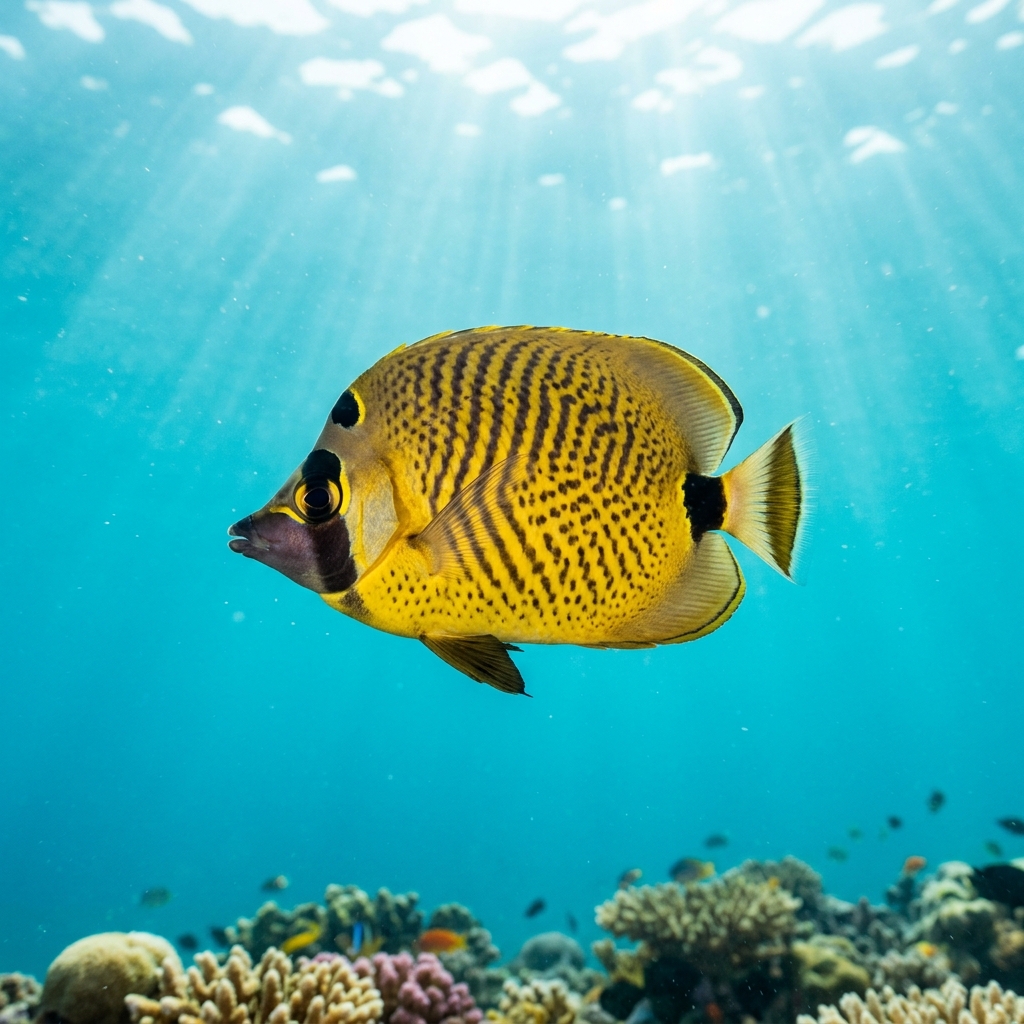
A pointed, almost cone-shaped snout is the single best field mark, it is more pronounced than on most butterflyfish and gives the species its name. The body is white with dark, angled chevron-like lines running across the flanks, and a yellow wash develops towards the tail. Look for a dark eye-band cutting through the face and a dark bar near the rear of the body.
Most encounters find it moving deliberately over coral-rich reef sections, using its pointed snout to probe between coral branches for small invertebrates and coral polyps. It tends to be seen singly or in pairs rather than in groups. Like many butterflyfish, it is wary rather than bold, and will maintain a few metres of distance if you close in too quickly, slow, steady approaches give the best views.
The elongated, forceps-like snout is not just an ID feature; it is a precision feeding tool that lets this fish extract prey from crevices that blunter-snouted species cannot reach.
There is not enough seasonal data to pinpoint a peak period, so it can be treated as a year-round resident. Observed water temperatures sit between 27 and 29 °C, consistent with the warm, stable tropical conditions found in both the Andaman Islands and eastern Indonesia throughout the year.
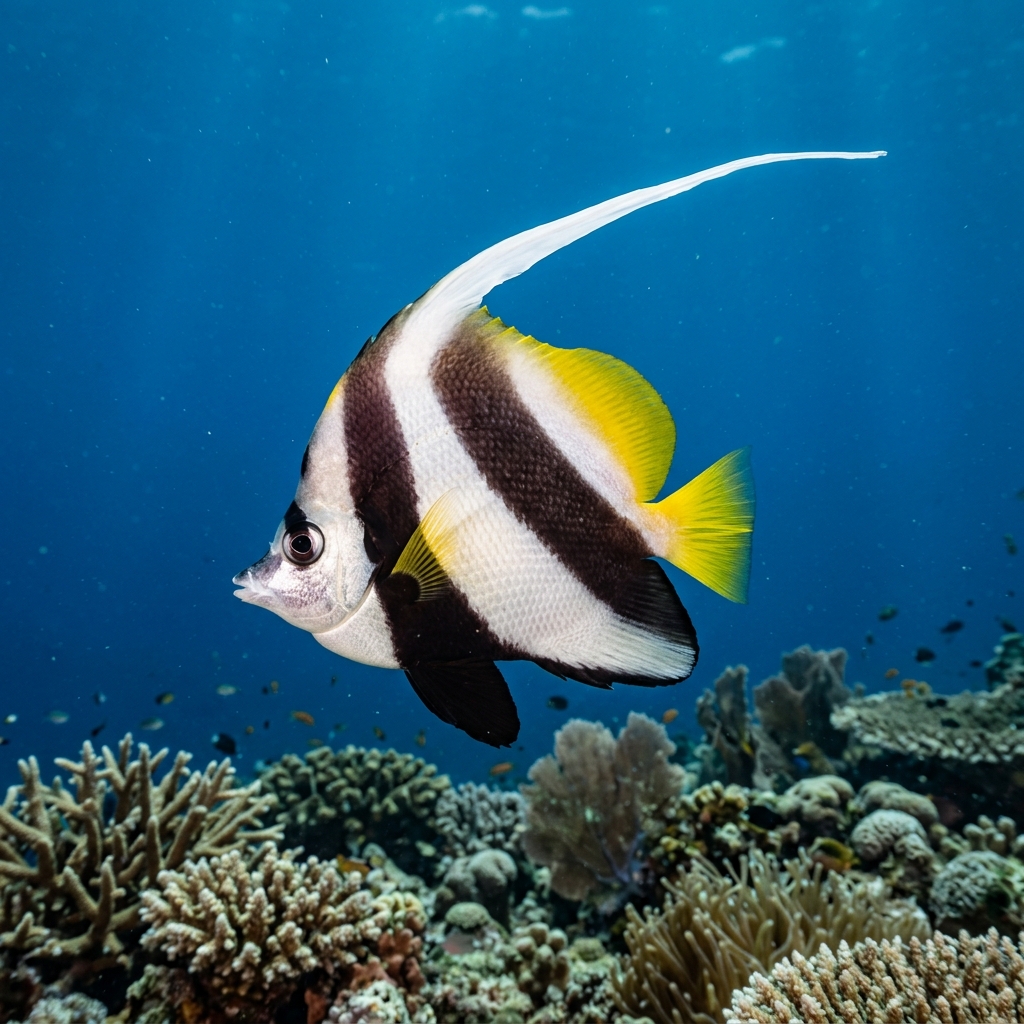
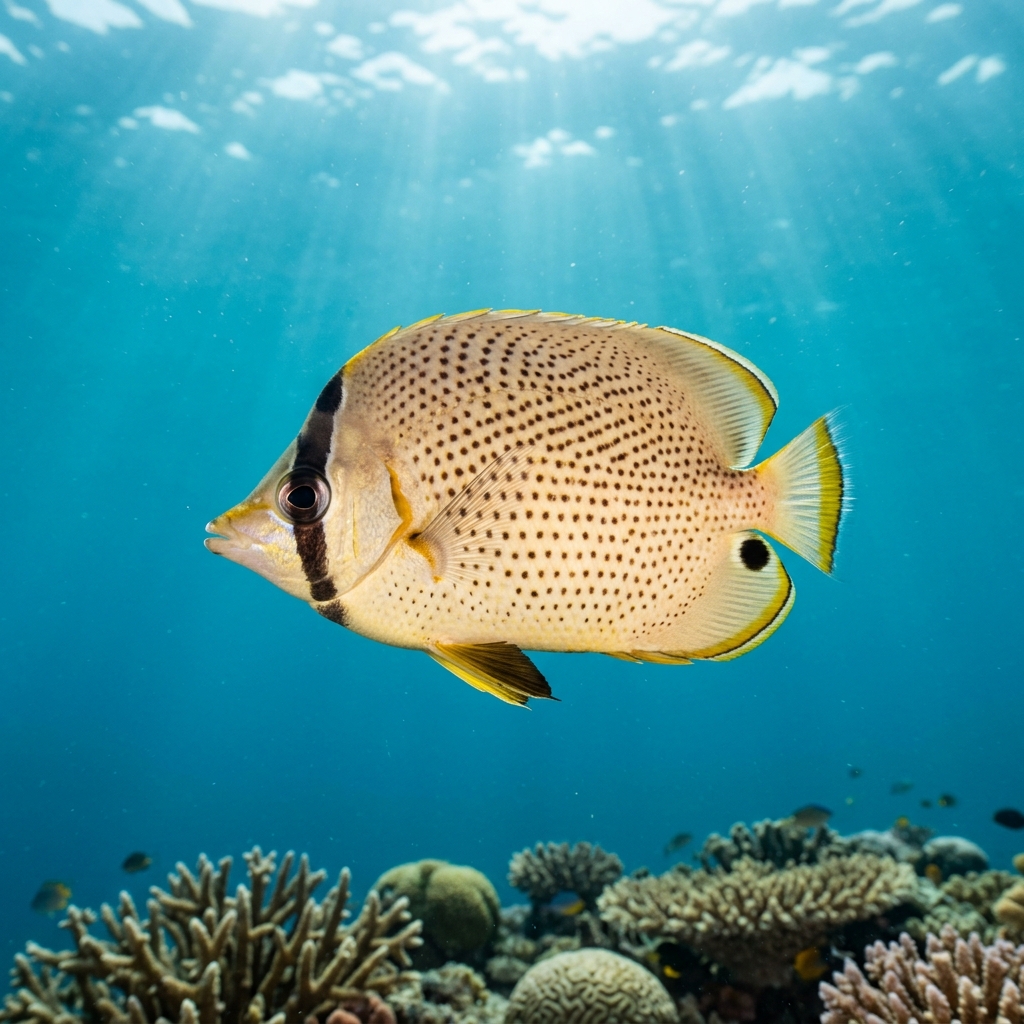
Reef neighbours a diver could mistake it for. Use the identification notes above to tell them apart.
Most logged sightings come from the Andaman Islands, India, where it appears across a spread of sites, and from Maluku & Papua, Indonesia. Those two regions account for all confirmed records, so they are your best starting points for a deliberate search.
Mapping where Pig-face Butterflyfish is logged…
Confirmed sightings are concentrated in the Andaman Islands, India, and in Maluku & Papua, Indonesia. These are the two regions where divers have reliably logged encounters, so planning a trip to either area gives you the best realistic chance of a sighting.
There is no clear seasonal peak in the available data. It inhabits warm tropical waters around 27 to 29 °C, which are present year-round in both the Andaman Islands and eastern Indonesia, so any time of year is worth trying.
Focus on the snout, it is noticeably pointed and elongated compared to most other butterflyfish. Combine that with the white body crossed by dark angled lines and a yellow tail region. A dark eye-band and a dark rear bar complete the pattern.
It is considered rare to uncommon across every site where it has been recorded. Divers should not expect to see it on every dive, even in the Andaman Islands or Maluku, a sighting is a noteworthy find rather than a routine encounter.
Site and sighting data is aggregated from diver logs, iNaturalist and GBIF. For taxonomy and conservation status: