Chaetodon argentatus
Spot Asian Butterflyfish in Taiwan's Lanyu and Japan's Okinawa Islands. Know what to look for and when to go with Fin's diver-focused guide.
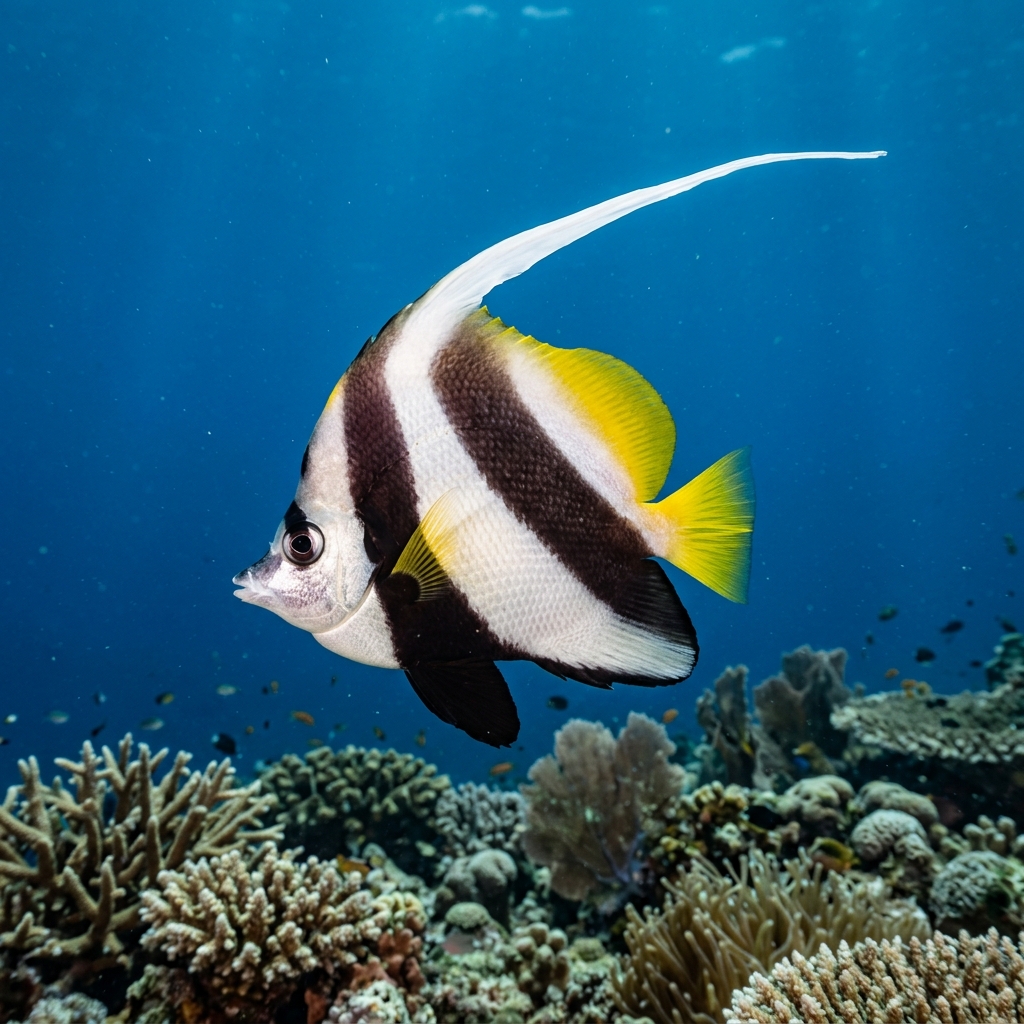
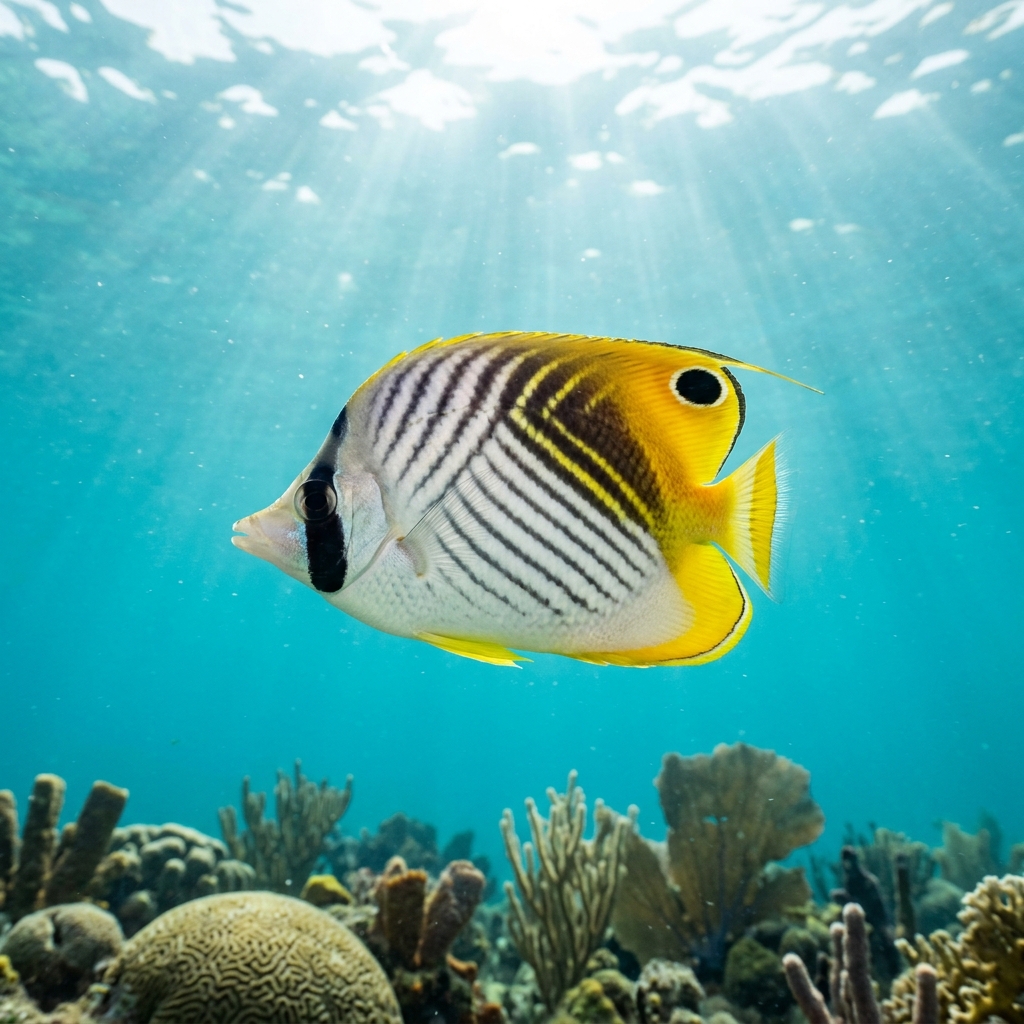
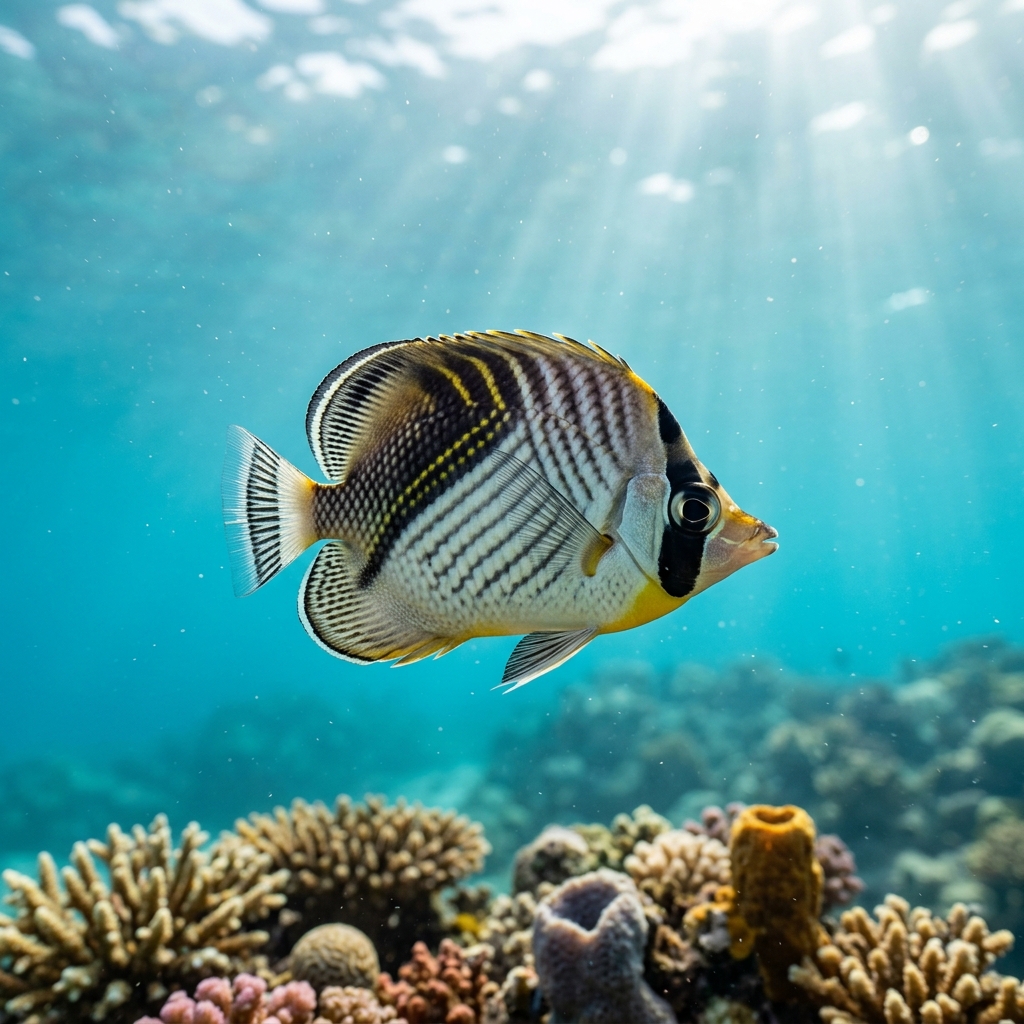
Bold black and white vertical stripes dominate the body, broken by a dark bar running through the eye and a contrasting yellow wash toward the tail end. The body is disc-shaped and laterally compressed, typical of butterflyfish, making it look almost round when viewed head-on. The dark eyebar is the quickest field mark underwater, cutting cleanly through an otherwise pale face.
This species is typically spotted in pairs or small groups picking at coral and rocky reef surfaces, likely targeting coral polyps and small invertebrates. It tends to stay close to the reef structure rather than venturing into open water, which means patient, slow-moving divers searching ledges and coral heads have the best chance of an encounter. It is generally wary, so approach gradually and avoid chasing it into cover.
Despite being classed as Least Concern globally, the sighting data tells a more cautious story: the vast majority of logged encounters rate it as rare at the sites where it does appear, suggesting it occurs at low density even within its core Taiwan, Japan range.
No clear seasonal peak emerges from the available data, so it can be treated as a year-round resident wherever it occurs. Its observed water temperature range of roughly 22 to 29 °C fits the subtropical and tropical conditions that Lanyu, Okinawa, and the other top sites offer throughout the year.
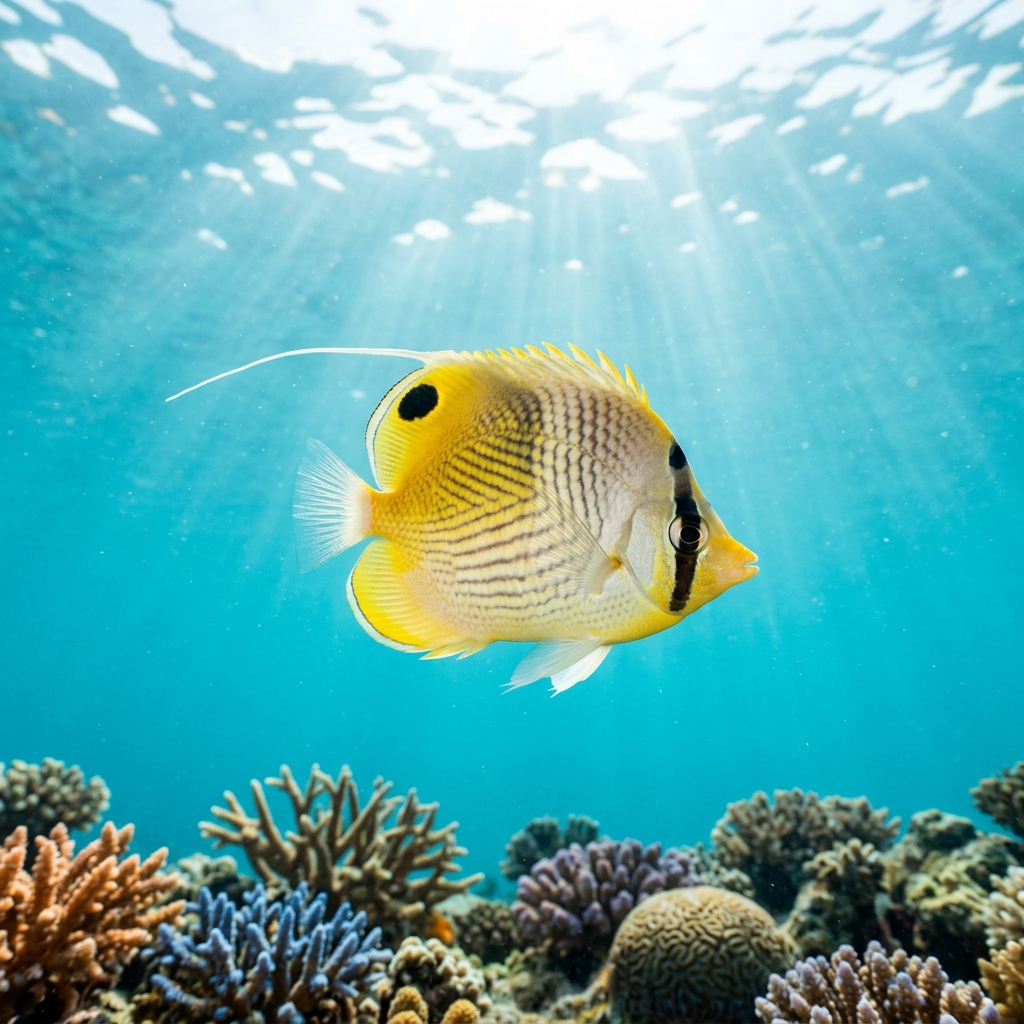
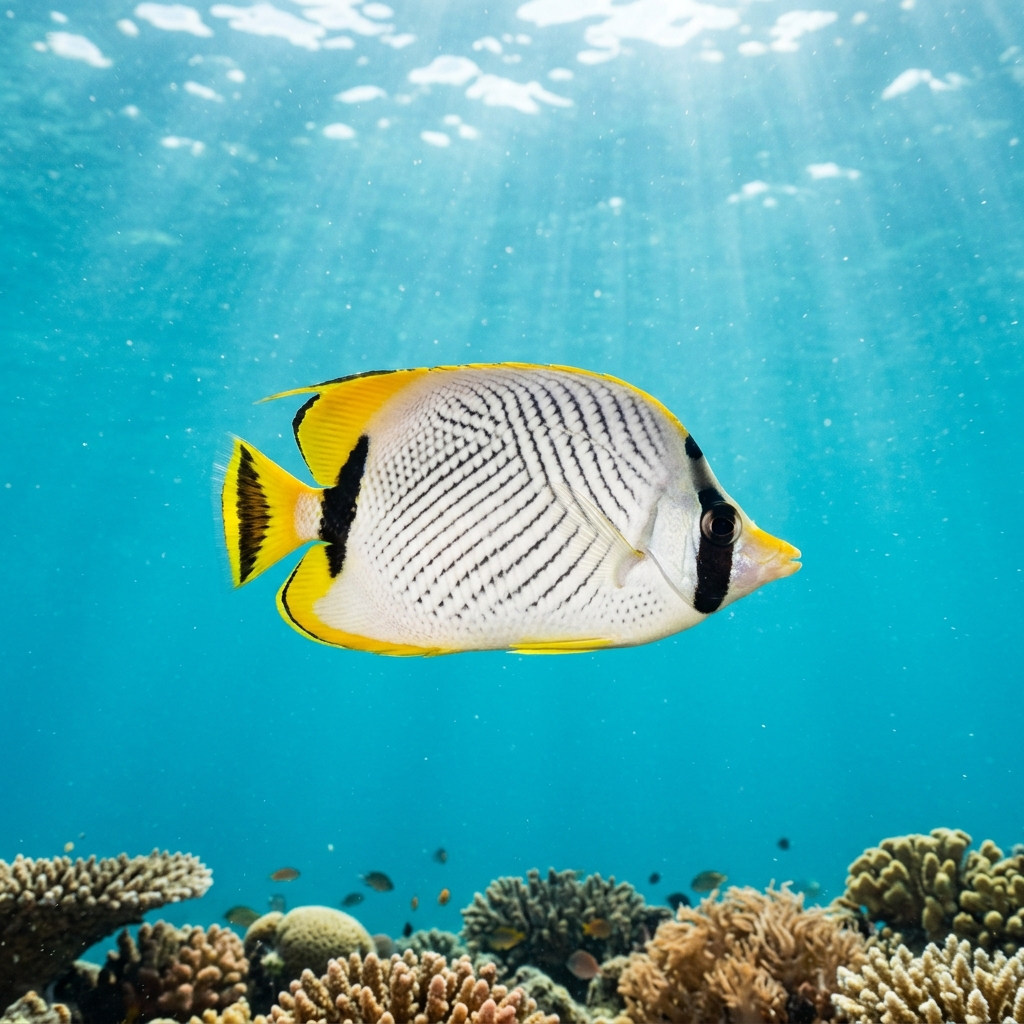
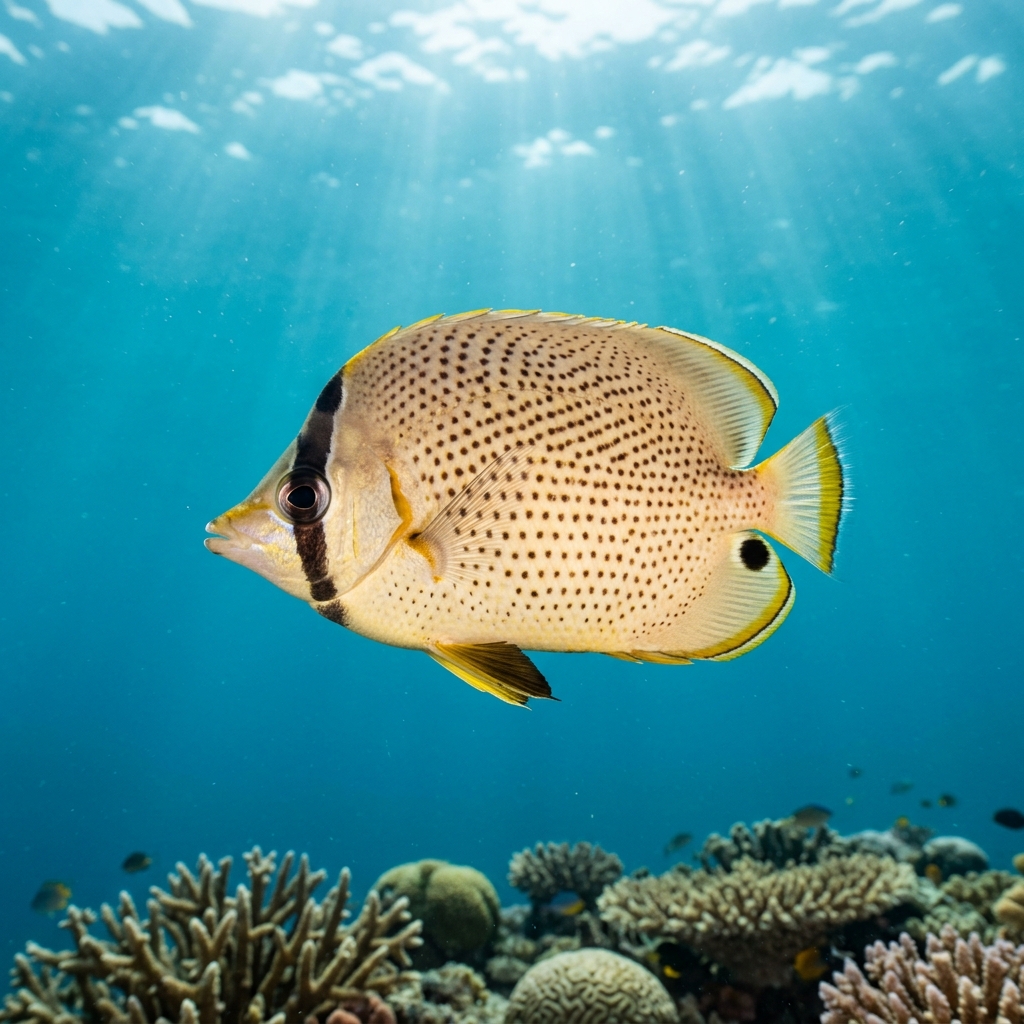
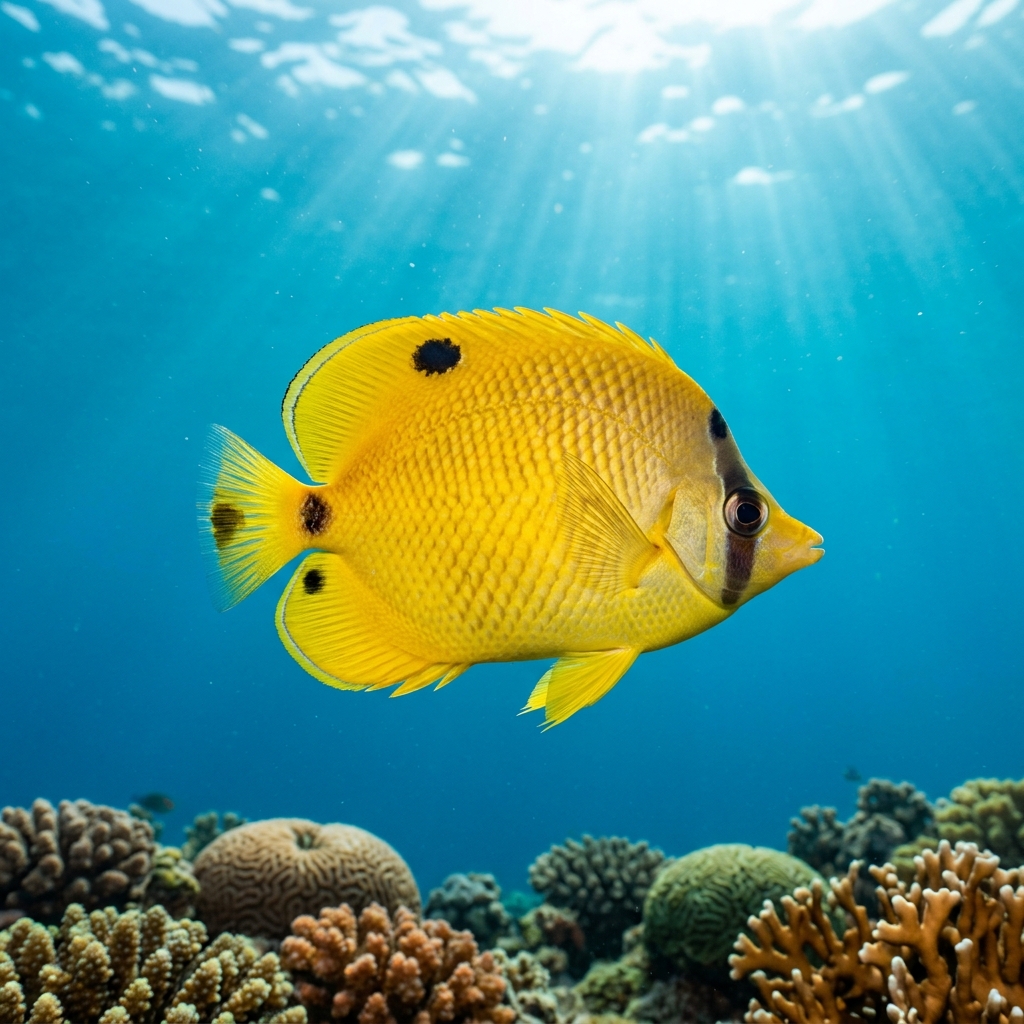
Reef neighbours a diver could mistake it for. Use the identification notes above to tell them apart.
Asian Butterflyfish are most logged in Taiwan and Japan, with Lanyu (Orchid Island) and Green Island off Taiwan's east coast being the strongest sites alongside the Okinawa Islands in Japan. Within Taiwan, sightings also extend south to Kenting and west to Liuqiu Island, though those sites contribute far fewer records.
Mapping where Asian Butterflyfish is logged…
The top spots are Lanyu (Orchid Island) and Green Island off Taiwan's east coast, and the Okinawa Islands in Japan. These sites account for the large majority of logged sightings. Kenting and Liuqiu Island in Taiwan also have records, but encounters there are much less frequent.
There is no defined season in the available data, so dives year-round in Taiwan and Okinawa can turn one up. The species is observed across a water temperature range of about 22 to 29 °C, which those subtropical sites sustain for most of the year.
Look for the bold black and white vertical banding on a disc-shaped body, combined with a dark bar through the eye and a yellow tinge near the tail. The clean eyebar is the quickest mark to key on. At a glance it can resemble the Vagabond or Threadfin Butterflyfish, but those species lack the same density of black vertical striping paired with that strong eyebar.
In practical terms, yes. Even at sites where they are known to occur, divers most often rate them as rare rather than common or uncommon. Patience and slow reef searching give you the best odds, particularly at Lanyu and in the Okinawa Islands where records are most concentrated.
Site and sighting data is aggregated from diver logs, iNaturalist and GBIF. For taxonomy and conservation status: