Cassiopea andromeda
Spot the Sucker Upsidedown Jellyfish resting bell-down on the seafloor in Florida, the Red Sea and Curaçao. April to June is prime time.
Safety warning
This species can sting on contact with its tentacles, which may trail well beyond the body and can still sting after the animal is dead or washed up. Look but do not touch, and give it a wide berth.
If you're stung
Stinging tentaclesGeneral first-aid guidance, not a substitute for professional medical care. In an emergency, call your local emergency number.
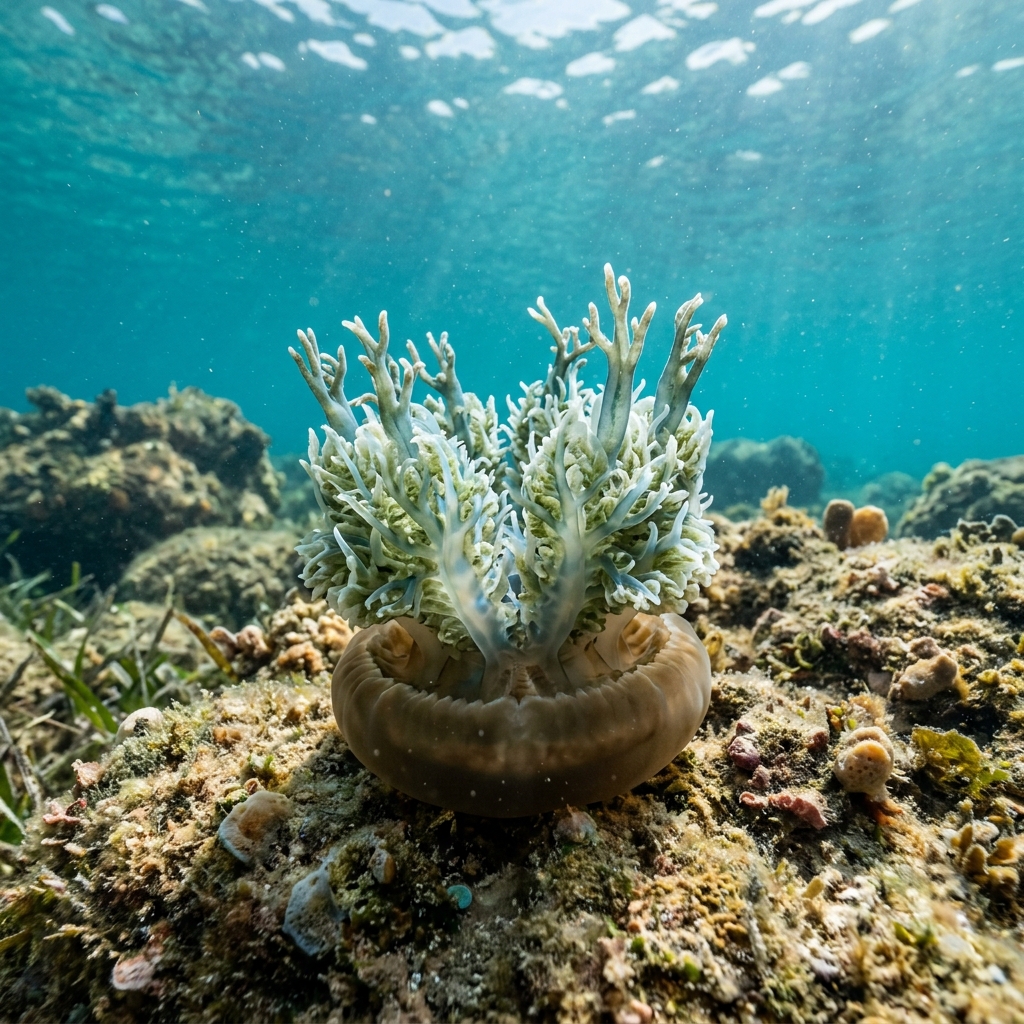
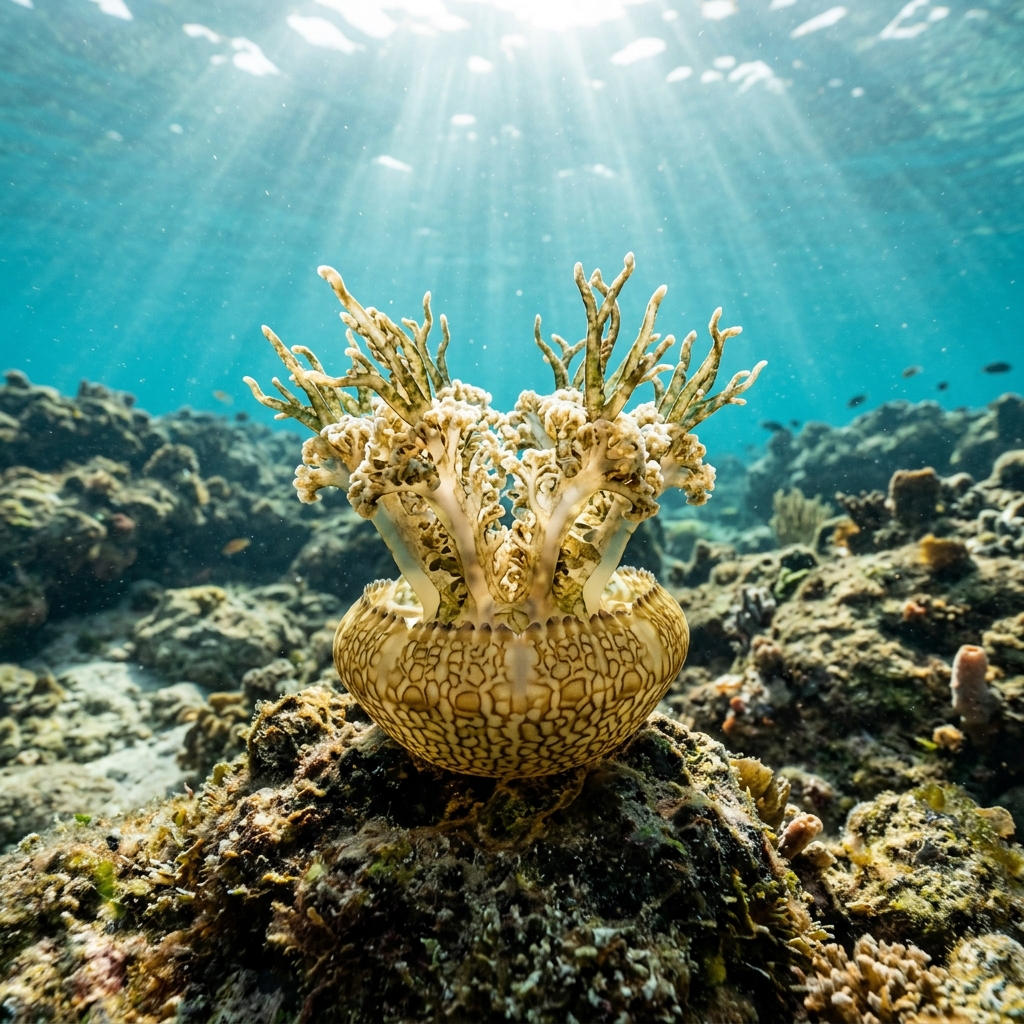
It sits permanently bell-down on the seafloor, oral arms (the frilly, branching feeding tentacles) pointing upward like a bouquet, which makes it instantly unlike any free-swimming jelly. The bell is flattened and brownish to olive-green, often mottled with white, and typically spans 10 to 30 cm. Symbiotic algae in the tissues give older individuals a distinctly greenish cast in good light. The upside-down resting posture is the single clearest field mark underwater.
You will almost always find it motionless on sand, rubble, or seagrass in very shallow water, bell pressed to the substrate and oral arms pulsing gently upward to maximise light exposure for its symbiotic algae. It rarely moves in response to divers hovering overhead. Look in calm, protected bays and lagoons rather than current-swept reef walls.
It farms its own food. The brown colour comes from zooxanthellae (photosynthetic algae) living inside the bell tissue; the jellyfish orients itself upside-down specifically so these algae catch sunlight, supplementing the nutrition it captures through its oral arms.
Northern Hemisphere records concentrate in April through June, so spring is the most productive time to look. The species' observed water-temperature range of 23 to 29 °C suggests it favours warm, sheltered shallows throughout the warmer months.
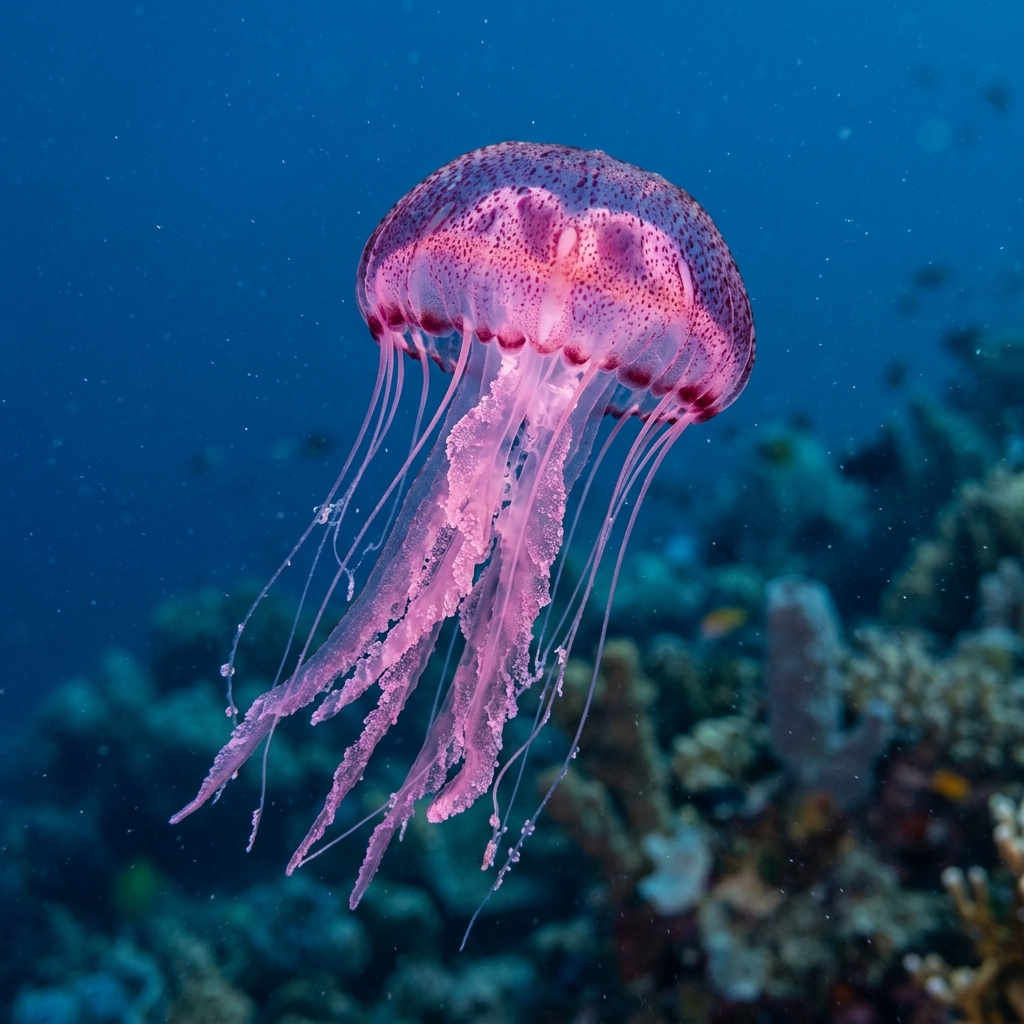
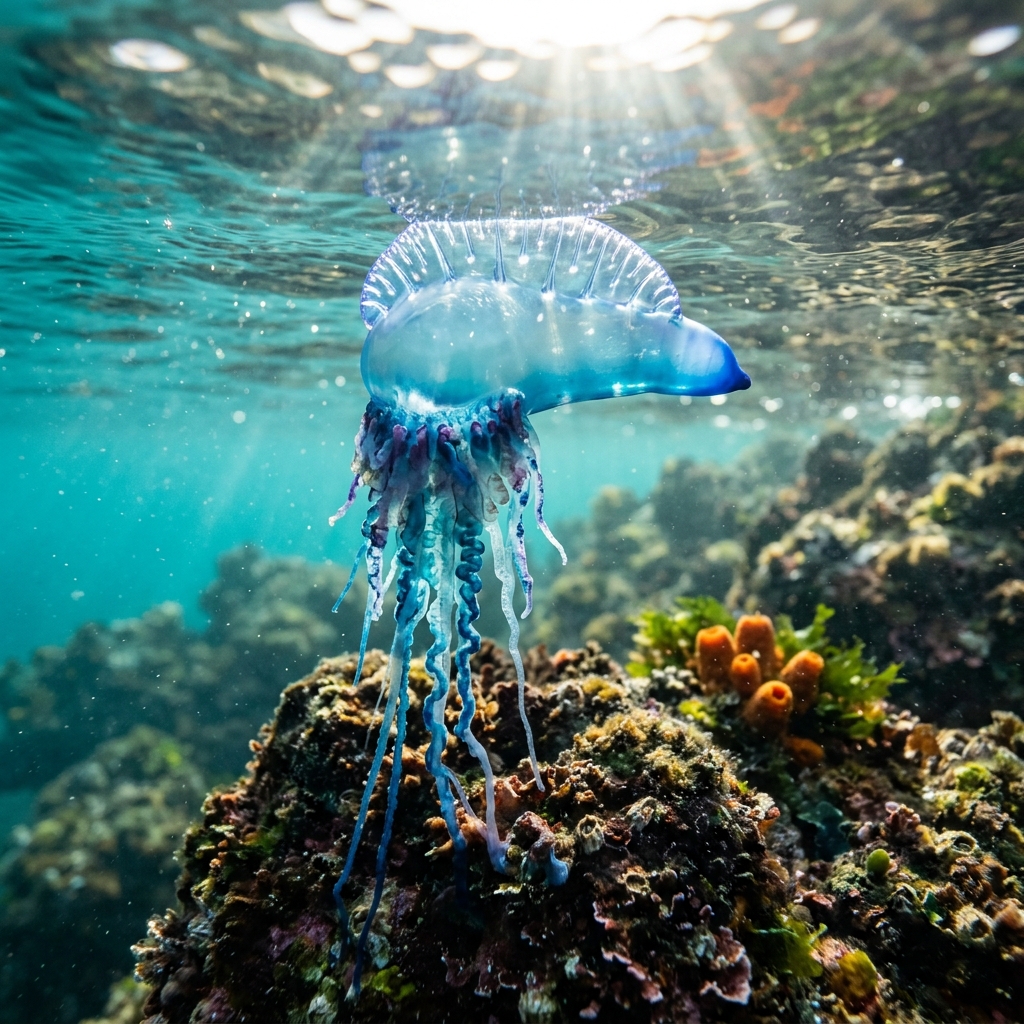
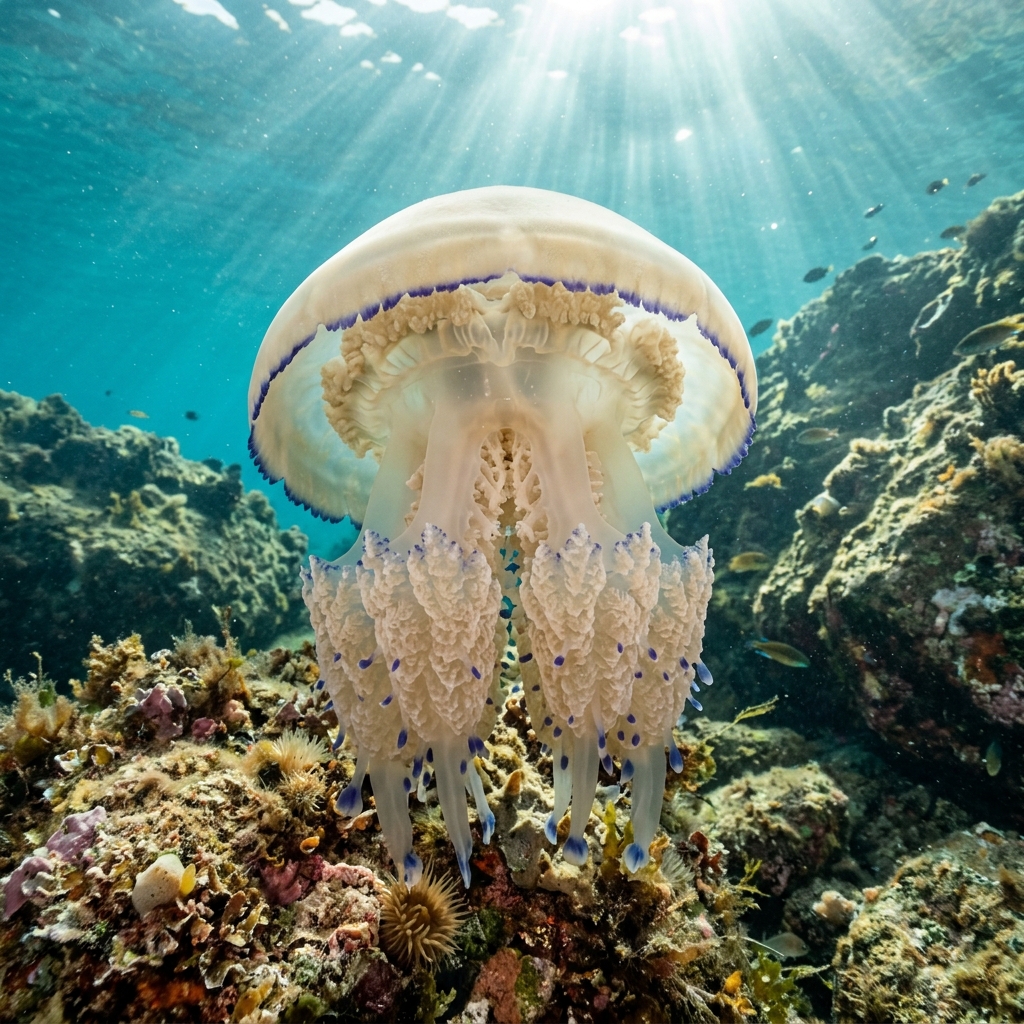
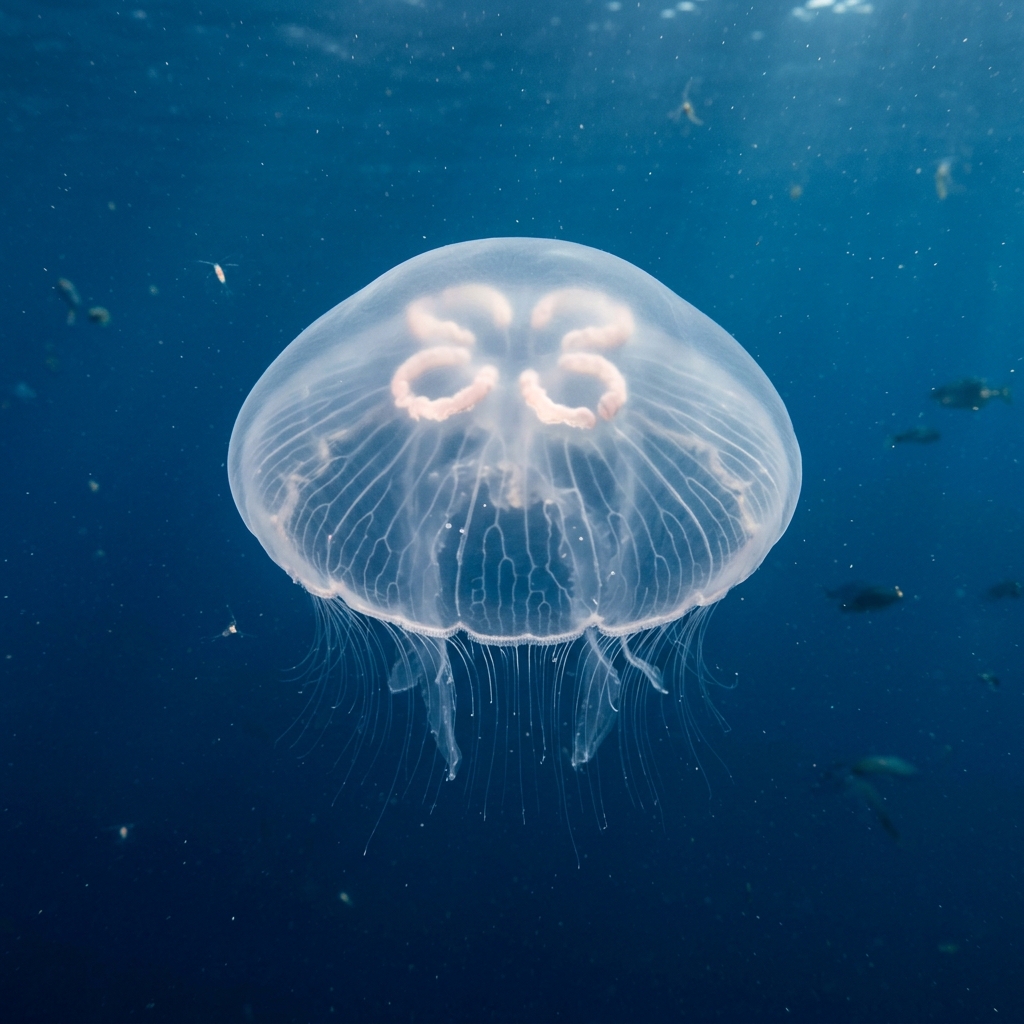
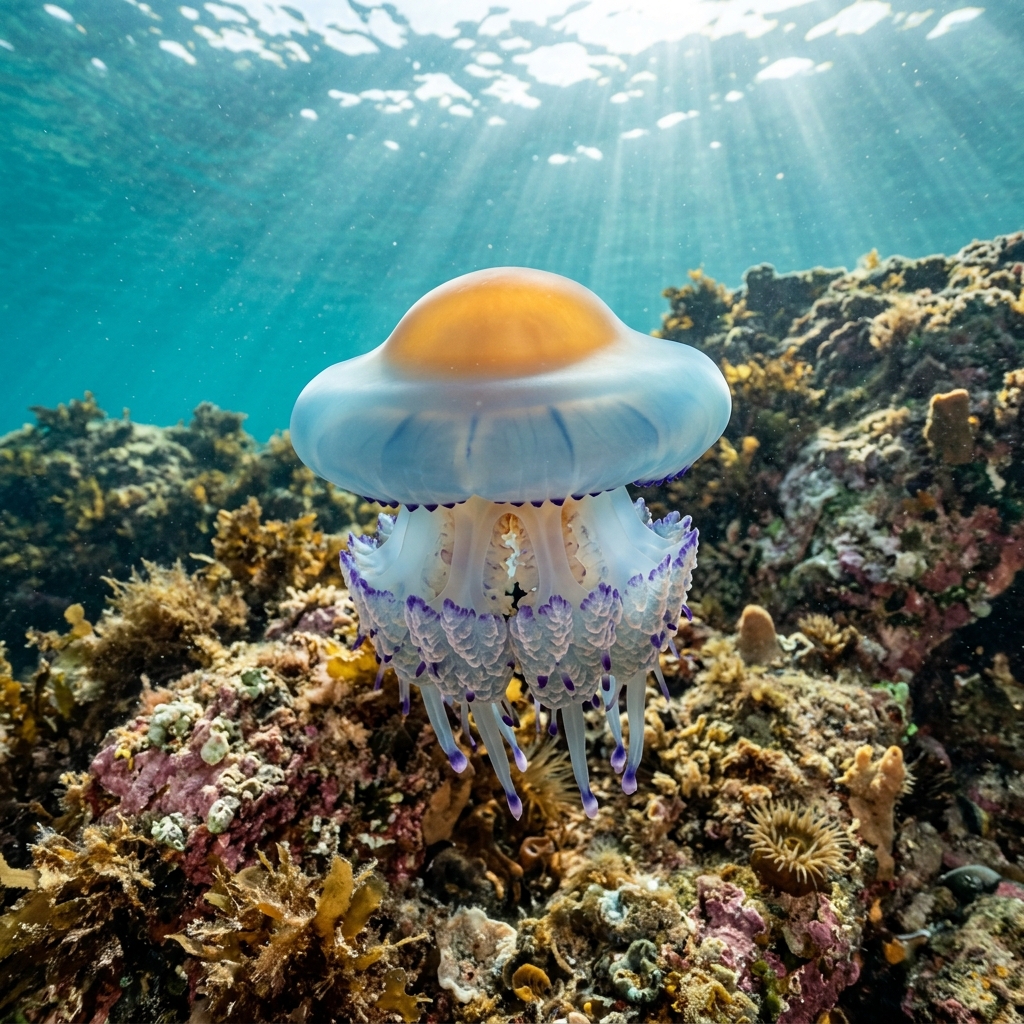
Reef neighbours a diver could mistake it for. Use the identification notes above to tell them apart.
Most logged sightings come from Florida and the wider south-eastern United States, and from the Sharm el Sheikh area of Egypt's Red Sea, both of which account for the large majority of recorded sites. Curaçao (particularly Banda Abou and the Willemstad south coast) and Palawan in the Philippines round out the best regional options, with smaller numbers of records from Bonaire, the Bahamas, Israel, and Panama.
Mapping where Sucker Upsidedown Jellyfish is logged…
Florida and the south-eastern US lead for sheer number of recorded sites, followed by the Sharm el Sheikh region of Egypt. Curaçao, Palawan in the Philippines, Bonaire, and the Bahamas also have confirmed sightings. Look in calm, shallow bays and seagrass beds rather than open reef.
Spring, particularly April through June, is when Northern Hemisphere sightings concentrate. The species prefers warm, sheltered shallows around 23 to 29 °C, so it is most reliably encountered during the warmer months of the year.
The posture gives it away immediately: bell pressed flat on the seafloor, frilly oral arms waving upward. The bell is brownish to olive-green, often mottled with white, and sits 10 to 30 cm across. No free-swimming jelly looks like this.
They are not considered dangerous. Like relatives, they can release microscopic stinging cells into the water around them, so very sensitive skin may notice a mild tingle if you hover close, but there is no serious risk. Simply avoid touching them or stirring up the water directly above them.
They host photosynthetic algae (zooxanthellae) inside their tissue and orient themselves bell-down so the oral arms face the sunlight, allowing the algae to generate energy for the jellyfish. It is a farming strategy, not an accident, and explains why they favour bright, shallow, calm environments.
Site and sighting data is aggregated from diver logs, iNaturalist and GBIF. For taxonomy and conservation status:
Moon Jellyfish
1,766 sites