Halichoeres chrysus
Bright yellow and barely 8cm, canary wrasse dart over reefs in the Visayas, Sulawesi and Peleliu year-round in warm 25-29C water.
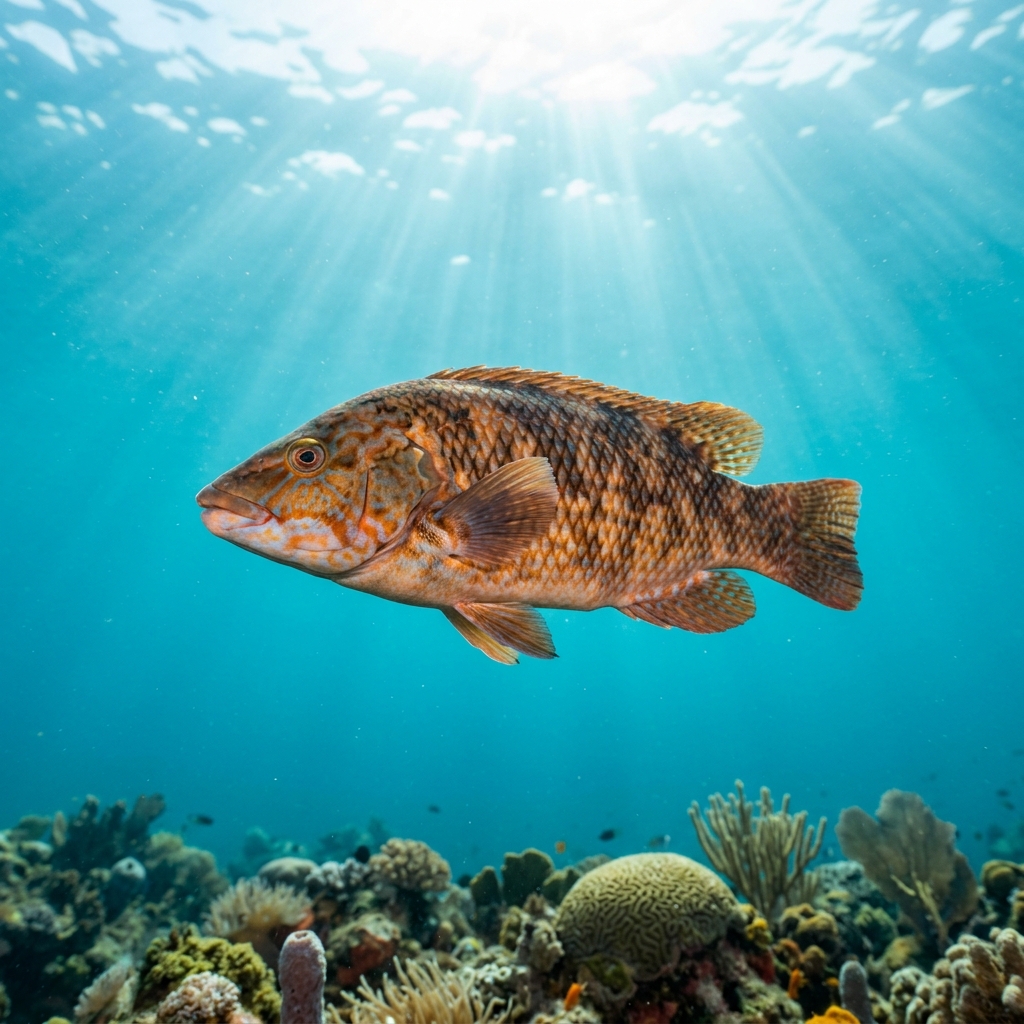
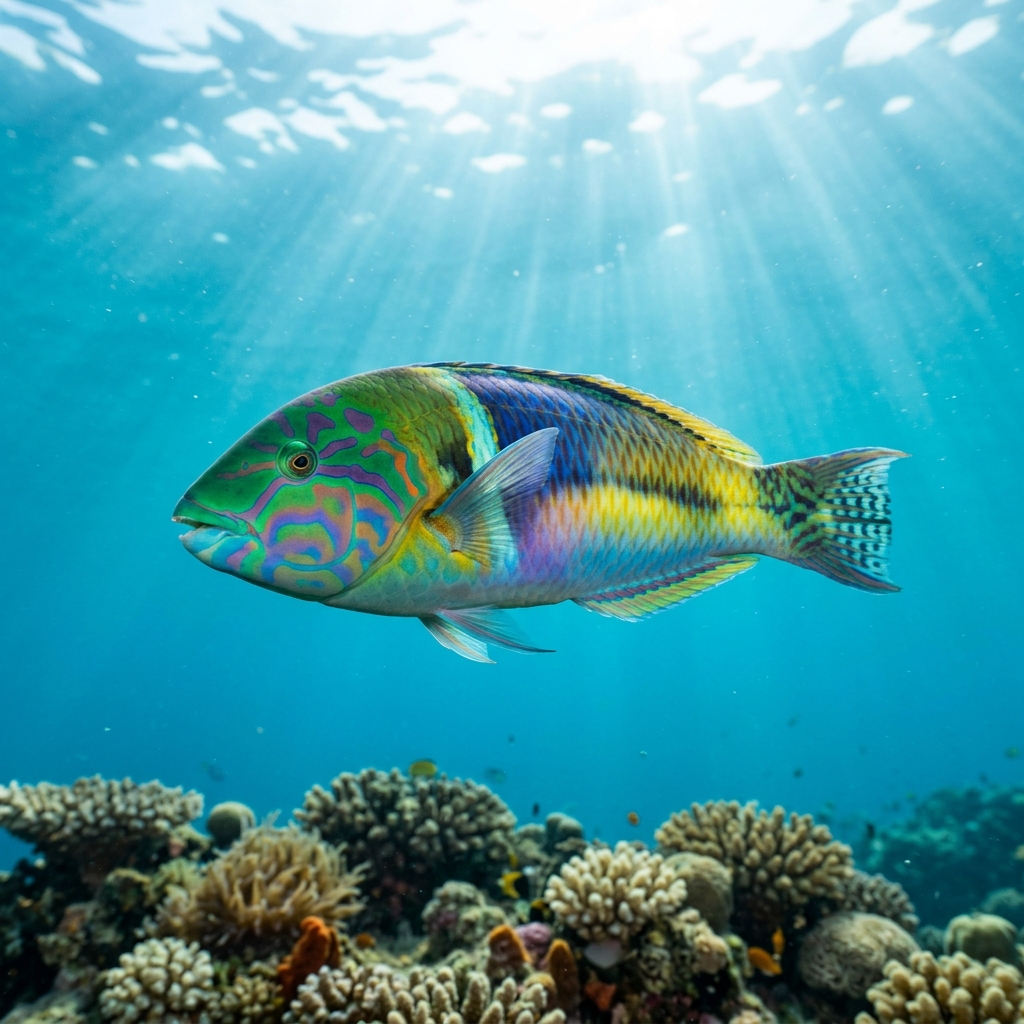
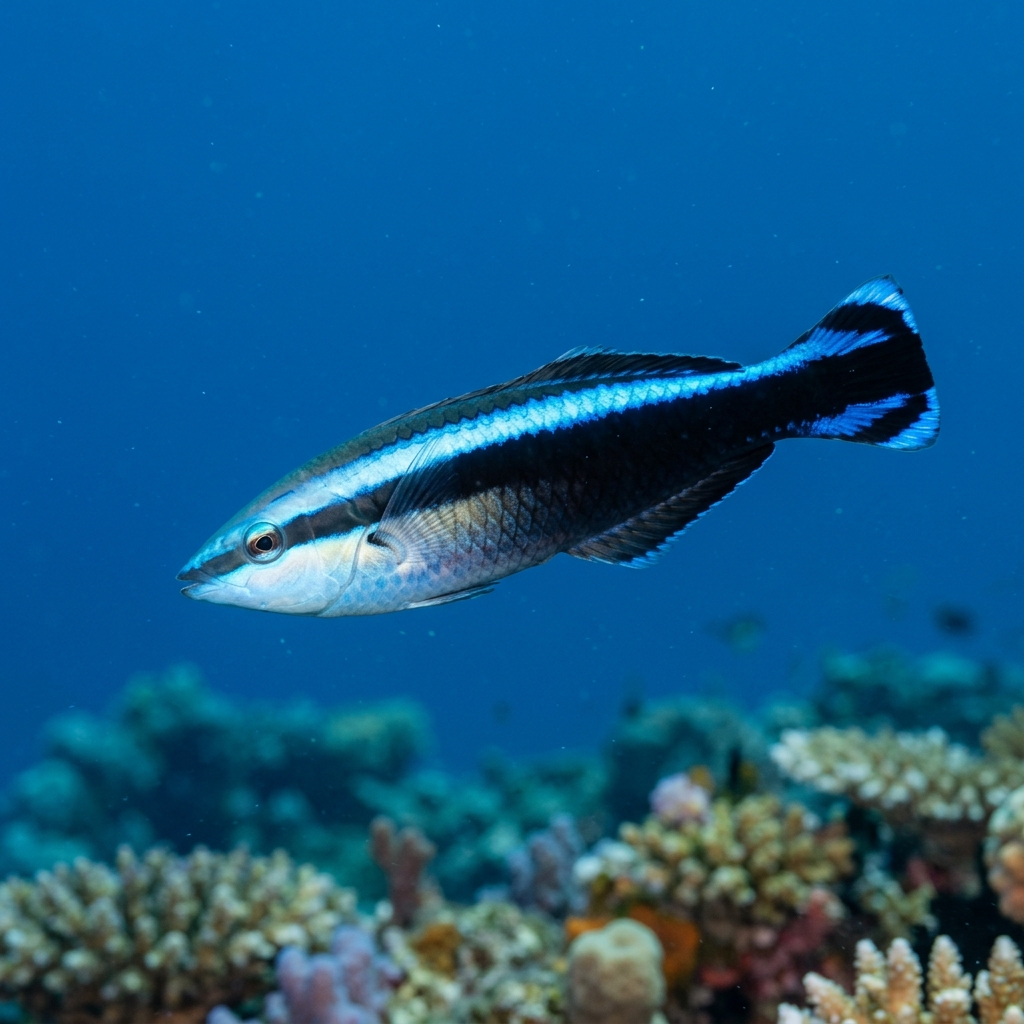
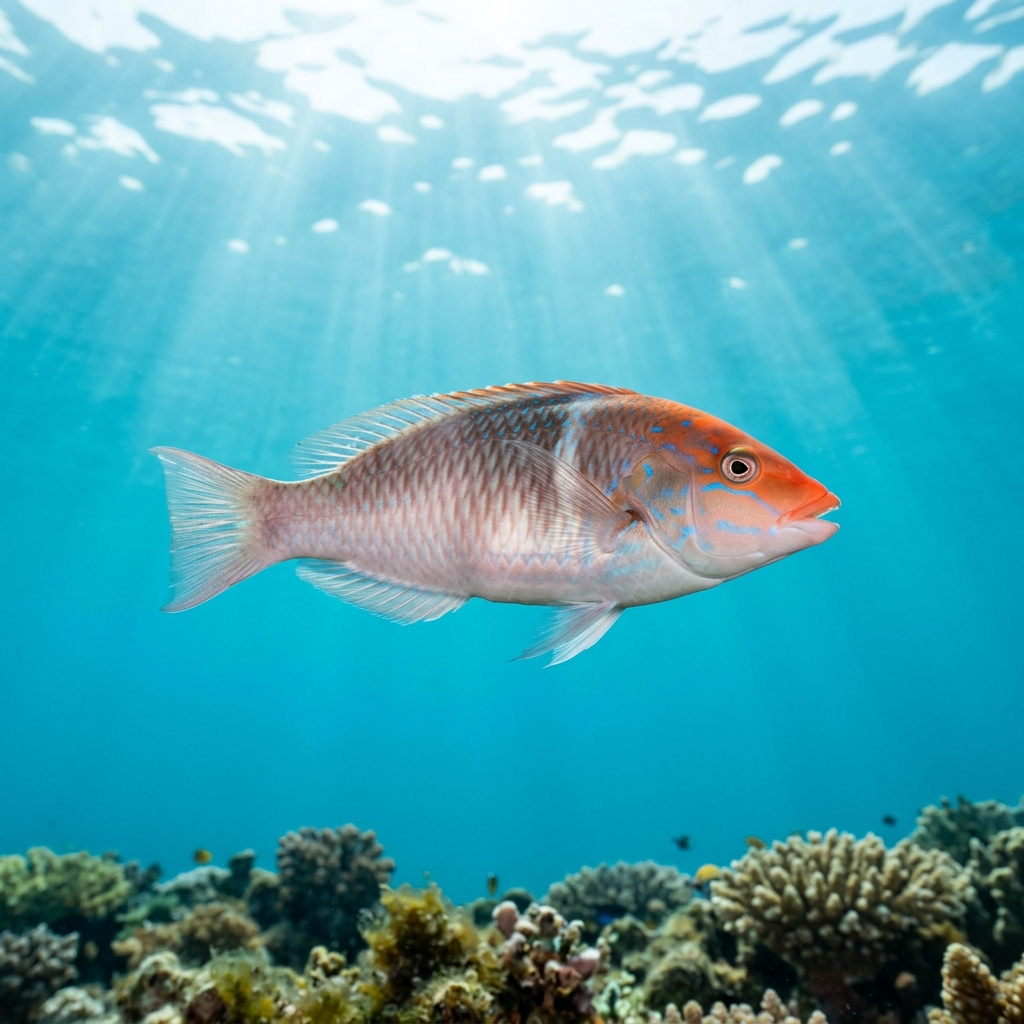
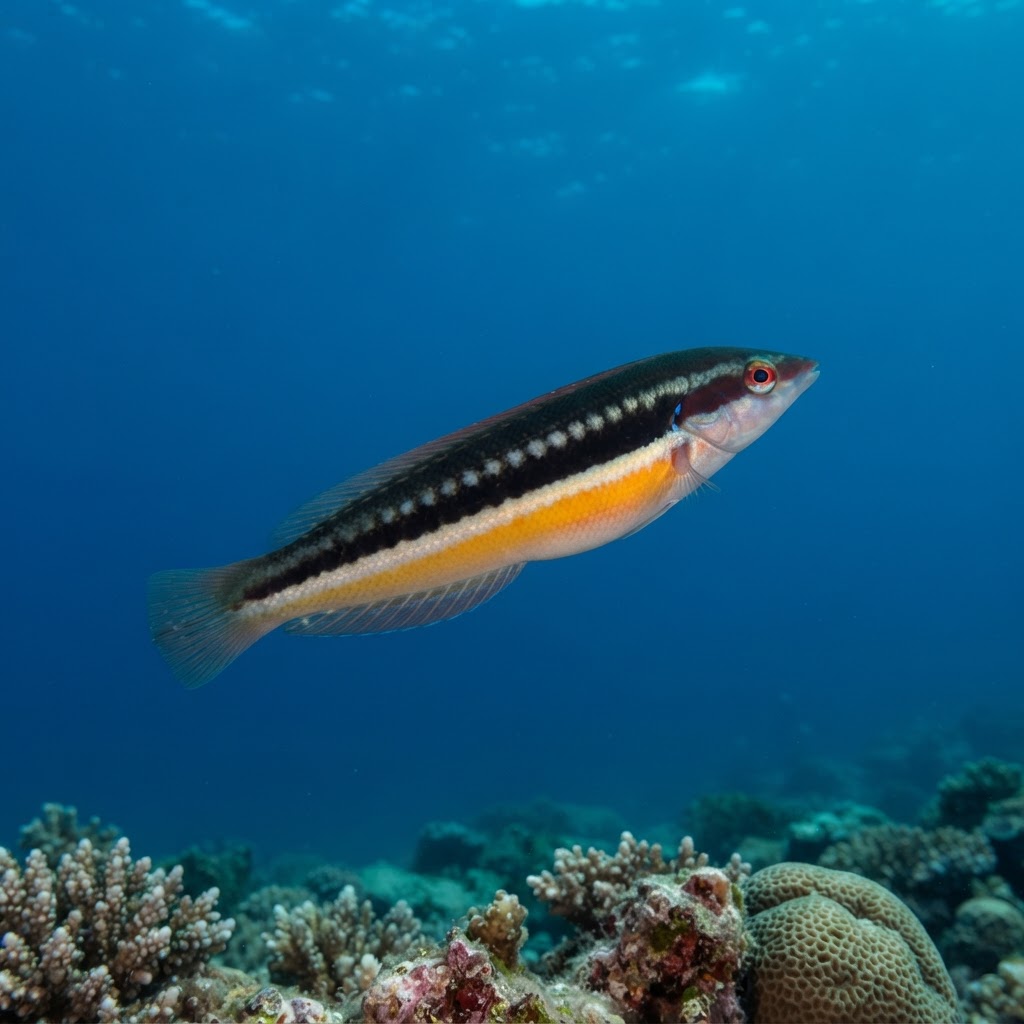
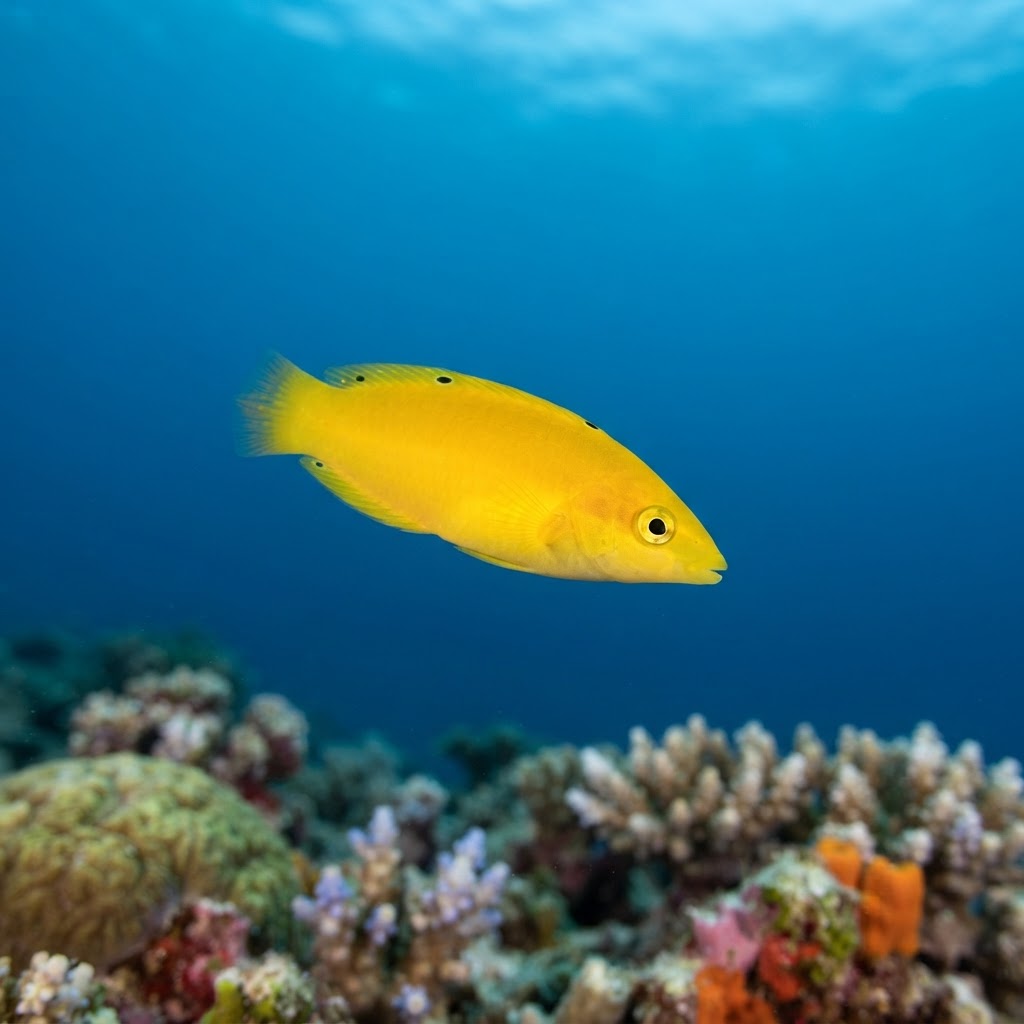
Solid golden-yellow body about 8 cm long, slim and torpedo-shaped like most wrasses. Look for a dark stripe running through the eye and a faint pale saddle patch near the tail on some individuals. It swims in quick, darting bursts low over the reef rather than cruising in open water.
Expect quick, low darts over rubble patches and coral bommies rather than a fish that holds still for a photo. It's usually logged as uncommon at a given site, so you'll spot one or two flashing past rather than a school, and it tends to duck into sand or rubble when a diver gets close. Most sightings come from shallow to mid-depth reef flats where it forages among coral debris.
Like many wrasses, canary wrasse can shift sex over its lifetime, with dominant individuals changing from female to male as social structure on the reef demands.
No clear seasonal pattern shows up in the data, so treat it as a year-round sighting on tropical reefs. It sits comfortably in 25.2 to 28.9C water, which holds steady across the seasons at most of its Indo-Pacific sites.
Most reliably logged in the Philippines, especially across the Visayas, with strong numbers also in Sulawesi, Indonesia and around Peleliu and the Rock Islands in Palau. Smaller counts come from Bali and Raja Ampat in Indonesia, plus single sites in Timor-Leste and Japan, so it's an Indo-Pacific reef regular rather than a localised specialty.
Mapping where Canary Wrasse is logged…
The Visayas in the Philippines is the strongest area, with good numbers also in Sulawesi, Indonesia, and around Peleliu and the Rock Islands in Palau. It also turns up in Bali, Raja Ampat, Timor-Leste and Japan.
There's no strong season in the sighting data, so it's a year-round fish on Indo-Pacific reefs where water stays between roughly 25 and 29C.
Look for a small, slender yellow fish around 8 cm long with a dark stripe through the eye. It moves in quick darting bursts close to the reef rather than swimming steadily in open water.
They're a small species, typically reaching around 8 cm, so they're easy to overlook among larger reef fish.
No, they pose no threat to divers and are too small and skittish to interact with closely.
Yes, like many wrasse species they can change from female to male as they mature, a common trait across the wrasse family.
Site and sighting data is aggregated from diver logs, iNaturalist and GBIF. For taxonomy and conservation status:
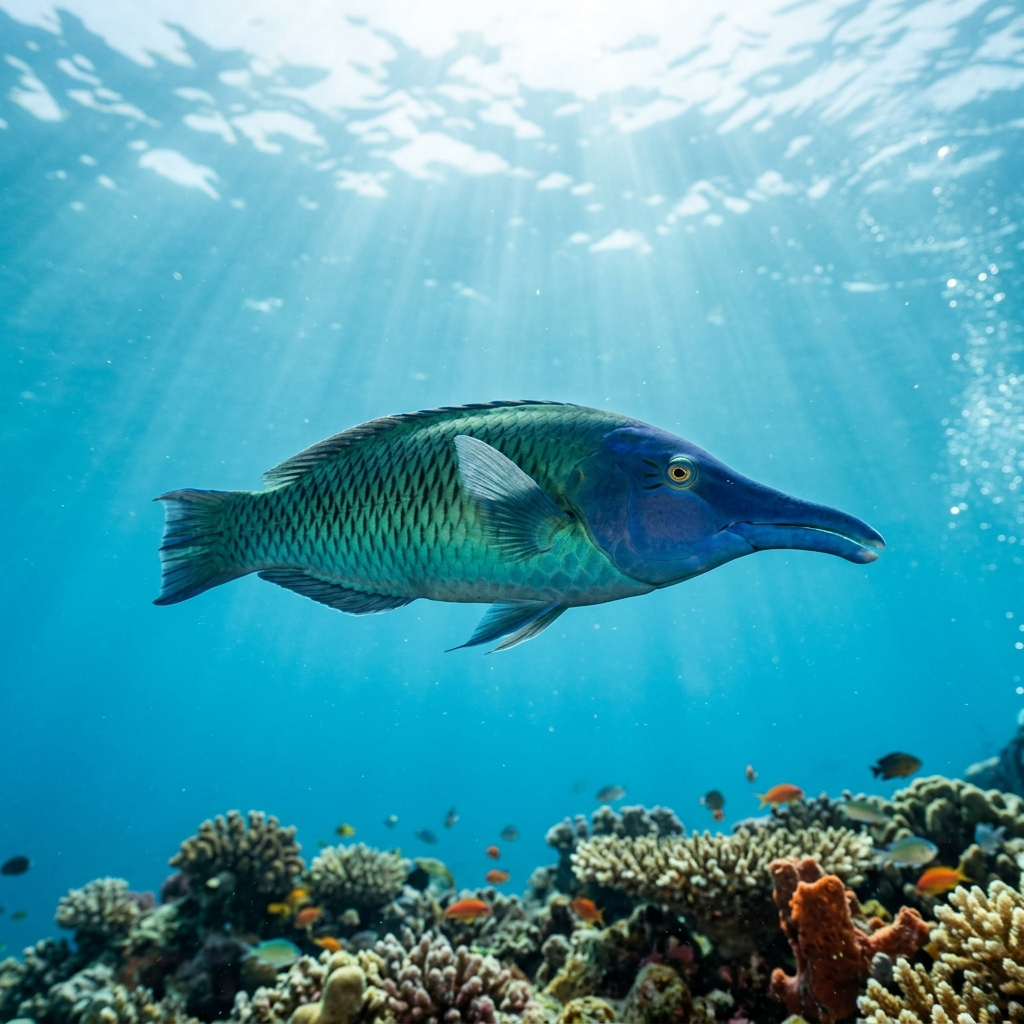
Bird Wrasse
3,632 sites