Sebastes pinniger
Orange-tinged rockfish found in cold California waters around 4.7-8.3°C, a rare but rewarding sighting for divers.
Safety warning
The dorsal, anal and pelvic spines carry venom glands, and a puncture can cause sharp pain and swelling. Avoid handling or touching this fish and give it a respectful gap if it's tucked into a crevice you're inspecting.
If you're stung
Venomous spinesGeneral first-aid guidance, not a substitute for professional medical care. In an emergency, call your local emergency number.
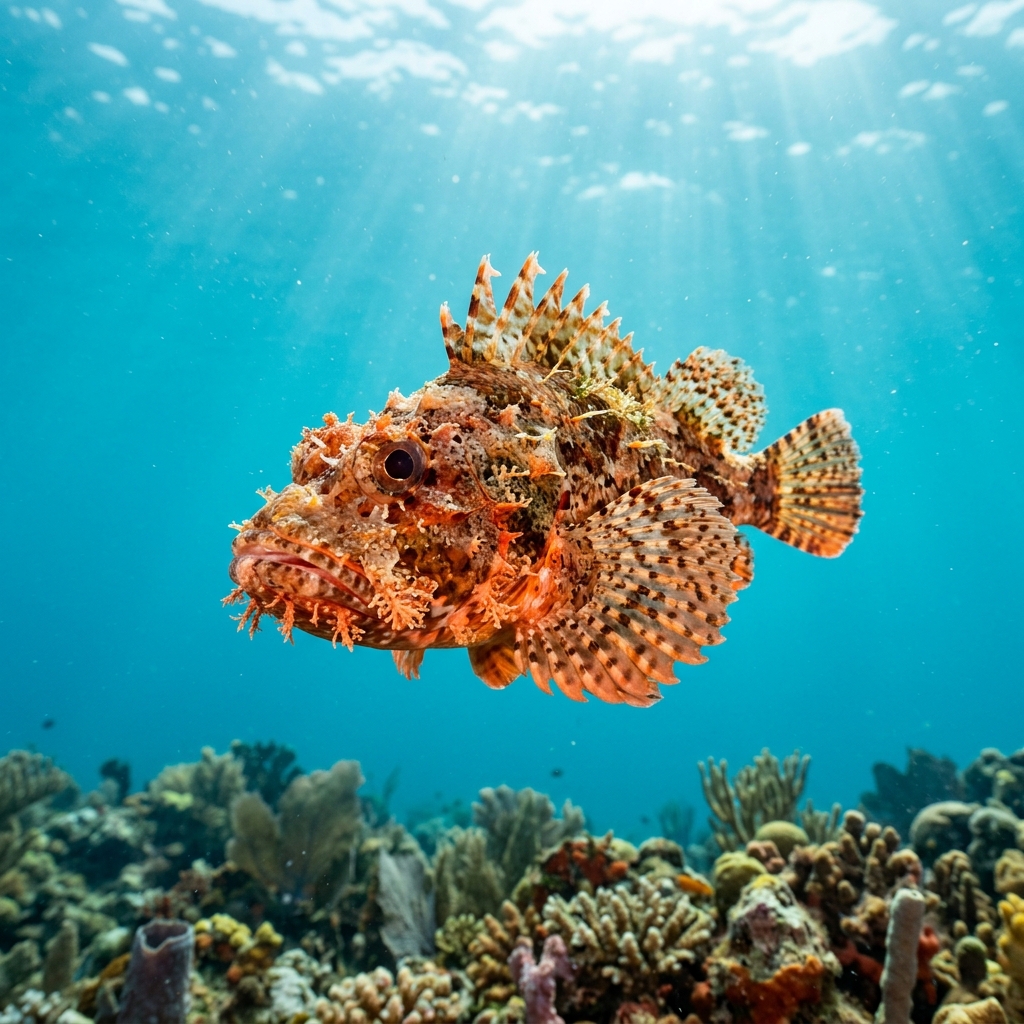
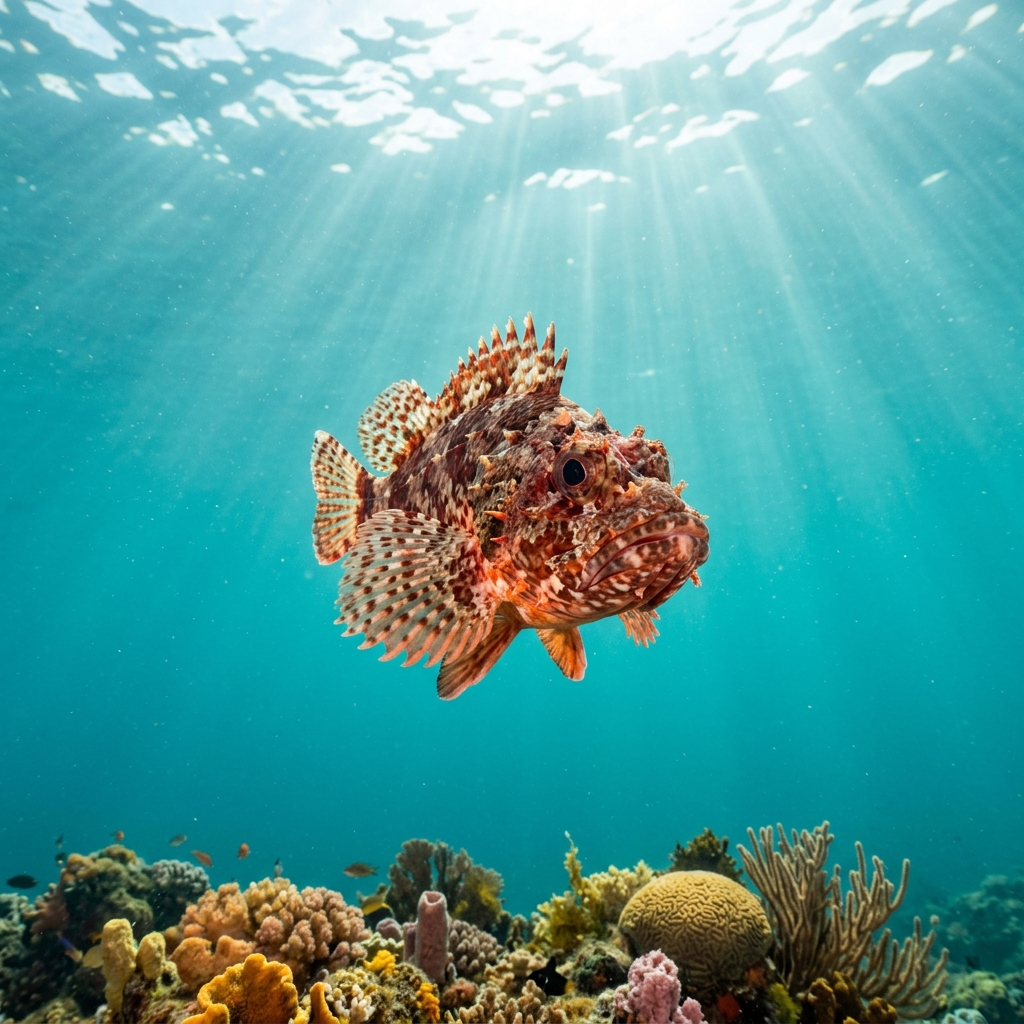
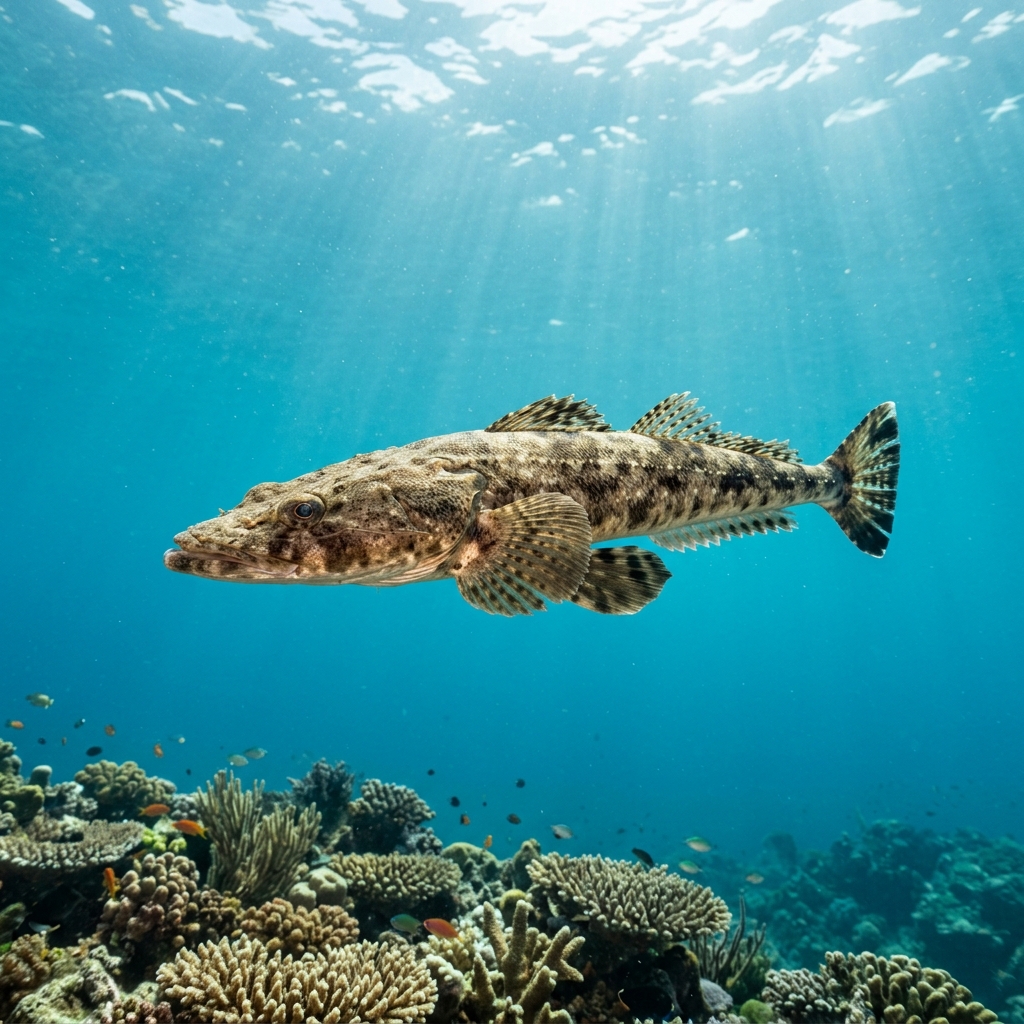
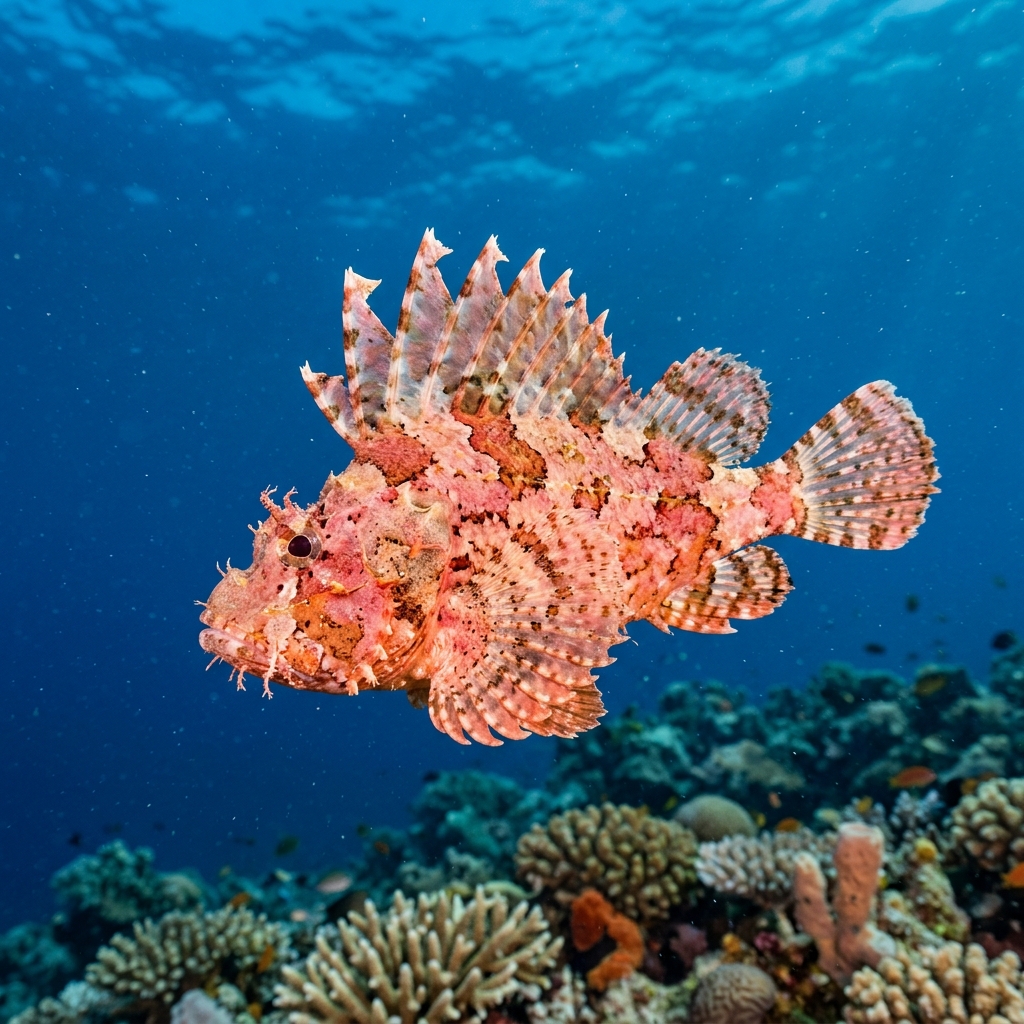
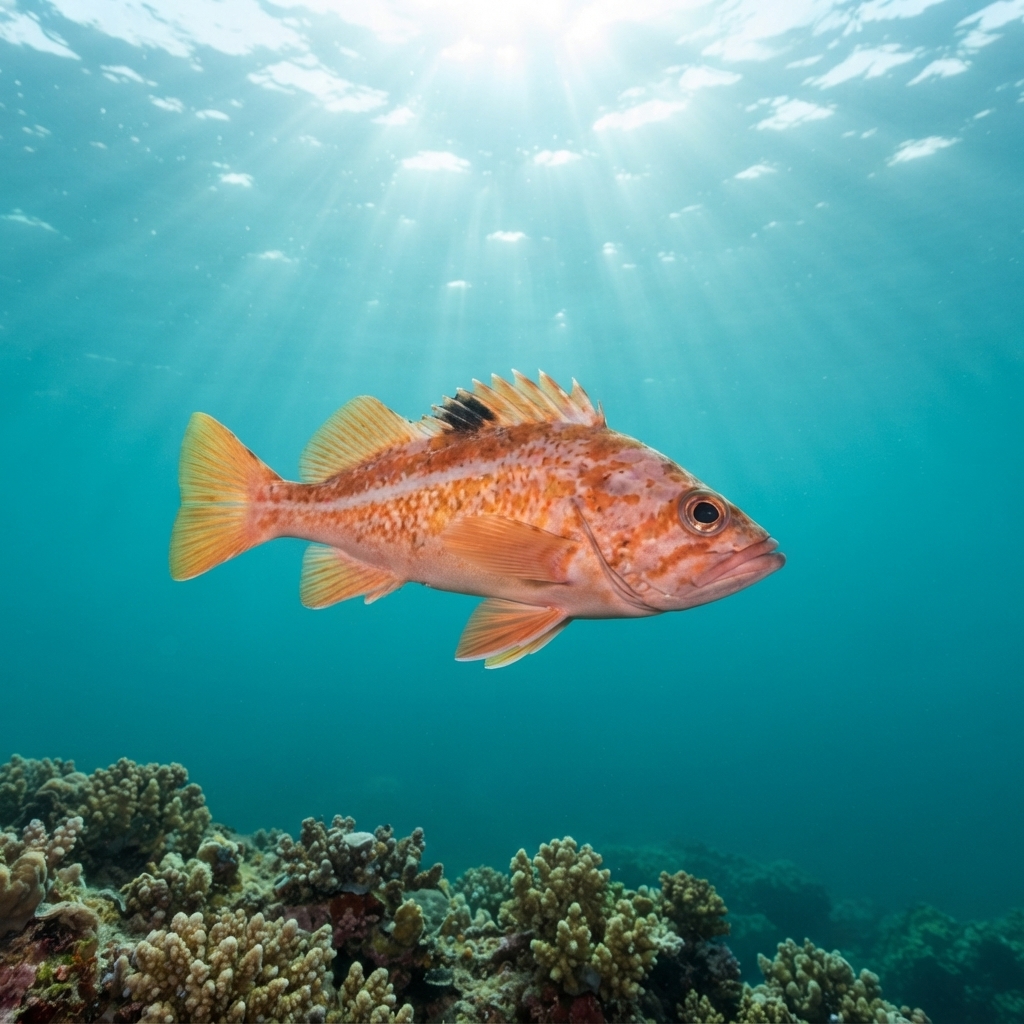
Look for a stocky, spiny-finned fish around 53 cm long with an orange to yellowish body overlaid with grey mottling. The fins, especially the dorsal spines, often show a brighter orange-yellow tint that gives the species its name. It typically holds still near rocky structure rather than swimming openly, with a heavy-set head and large eyes typical of rockfish.
Divers typically find canary rockfish holding close to rocky reef structure rather than out in open water, often tucked near ledges or crevices. They tend to sit still and let divers approach rather than bolting, which makes for a good look if you spot one. Given the rarity of logged sightings, most encounters happen incidentally while exploring rocky reef terrain rather than through targeted searches.
Rockfish in this genus give birth to live young rather than laying eggs, with females releasing thousands of larvae into the water column after internal fertilisation.
Sighting data shows no clear seasonal pattern, so treat it as a year-round possibility. Its comfort range of roughly 4.7 to 8.3 C matches California's cold coastal waters through most of the year, so temperature is not the limiting factor for timing a dive.
Currently logged only in the United States, specifically off California, where it turns up on rocky reef sites in cold water. Sightings are rare even at the sites where it has been recorded, so this is not a fish to plan a trip around, more a bonus find on a California rockfish dive.
Mapping where Canary Rockfish is logged…
Logged sightings are currently limited to California, United States, on rocky reef dive sites. It is not a species with a wide recorded range, so California is the place to look if you want a chance at one.
There isn't a detectable seasonal pattern in the sighting data, so it's considered a year-round possibility in California's cold coastal waters. Water temperature in its known range stays cold most of the year, which suits this species regardless of season.
Yes, they carry venomous spines on the dorsal, anal and pelvic fins that can deliver a painful sting if touched. They are not aggressive and pose little risk if you simply observe without handling them.
Look for an orange to yellowish, mottled grey body around 53 cm long with spiny fins tinted orange-yellow. It usually sits near rocky reef structure rather than swimming in open water.
They typically reach around 53 cm in length, making them a mid-sized member of the rockfish family.
Unlike many fish, canary rockfish give birth to live larvae instead of laying eggs, with fertilisation happening internally before the female releases thousands of young into open water.
Site and sighting data is aggregated from diver logs, iNaturalist and GBIF. For taxonomy and conservation status:
Madeira Rockfish
2,773 sites