Sphyraena argentea
Silvery, slender predators most often logged along California and Baja California, usually solo or in loose groups over kelp and reef.
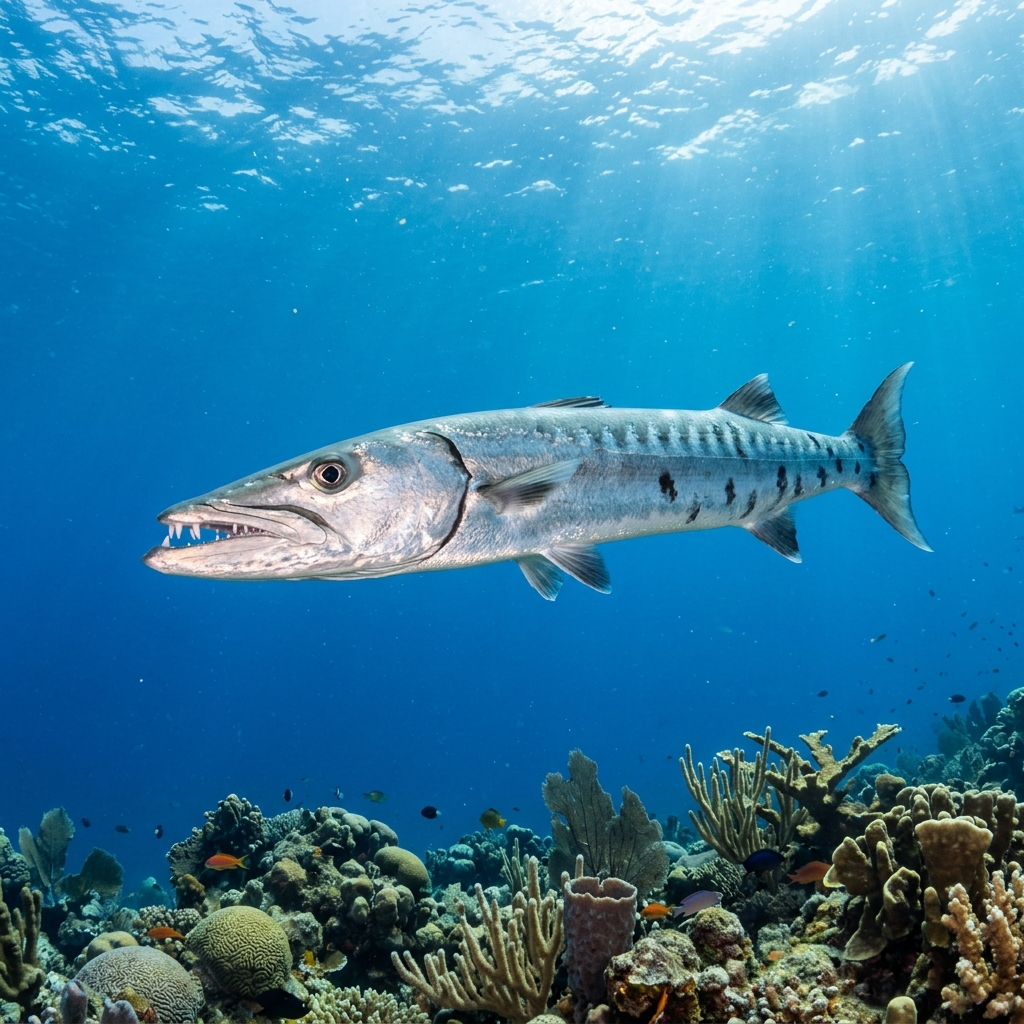
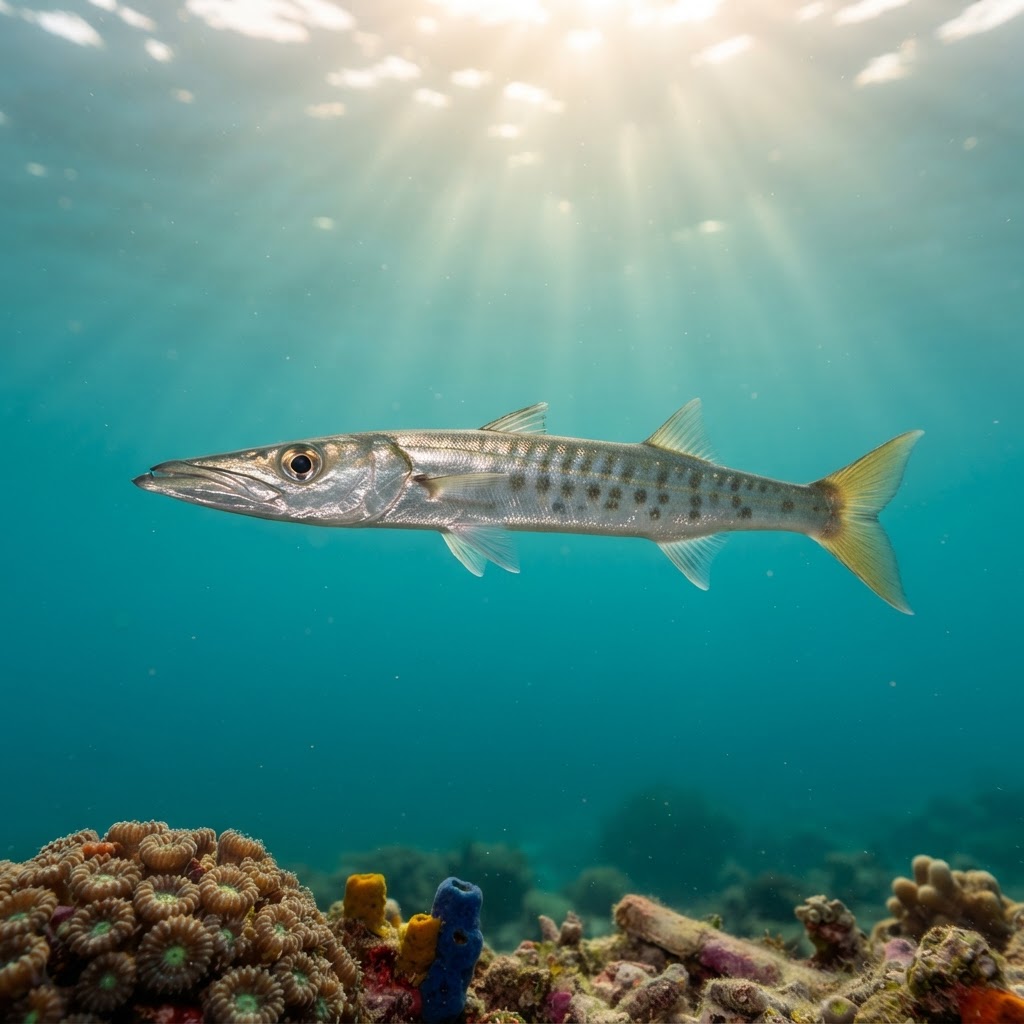
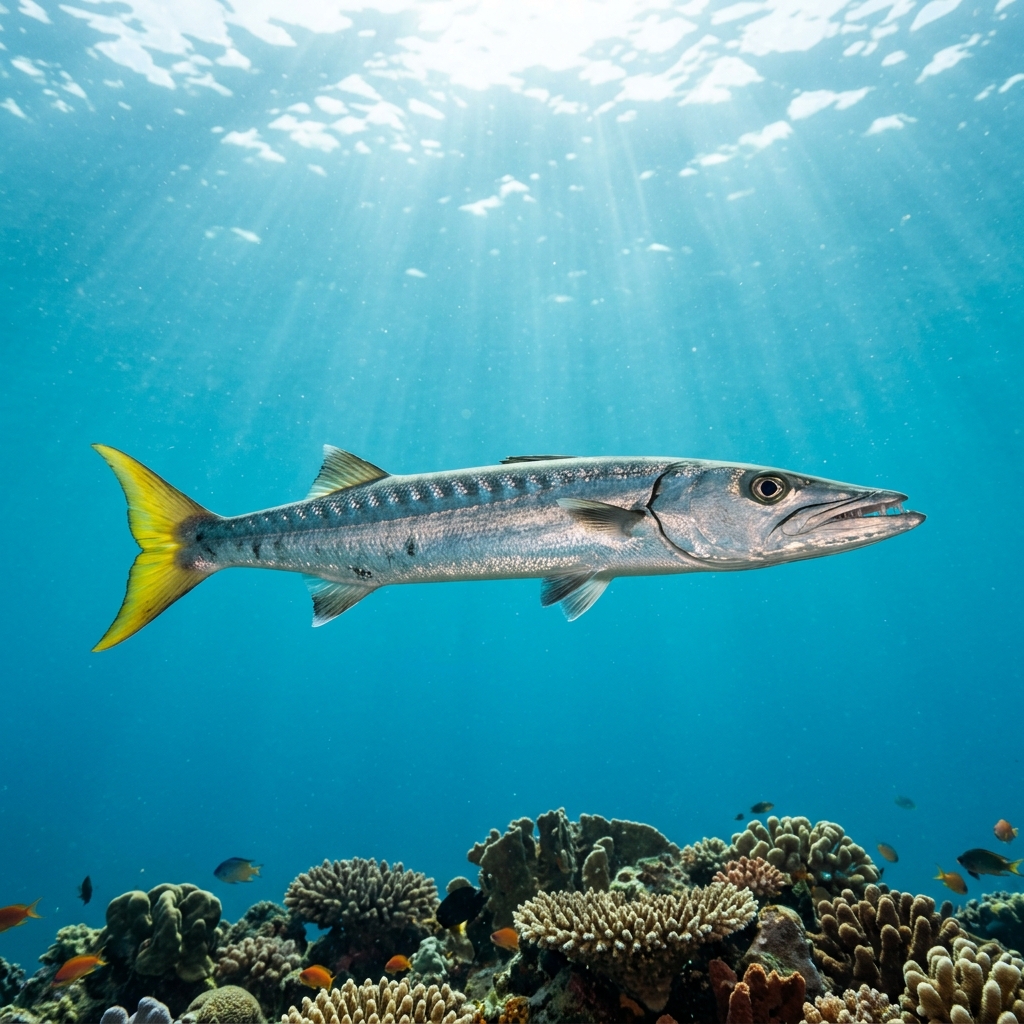
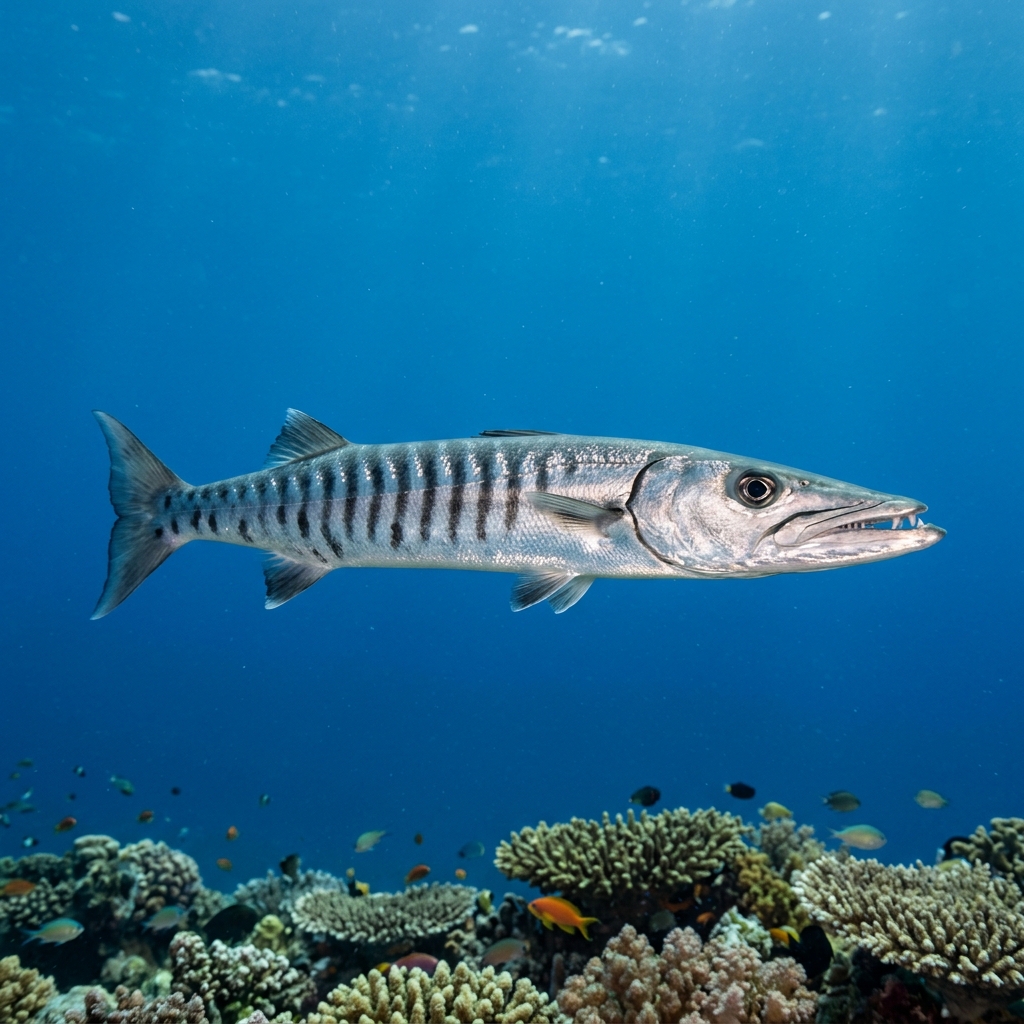
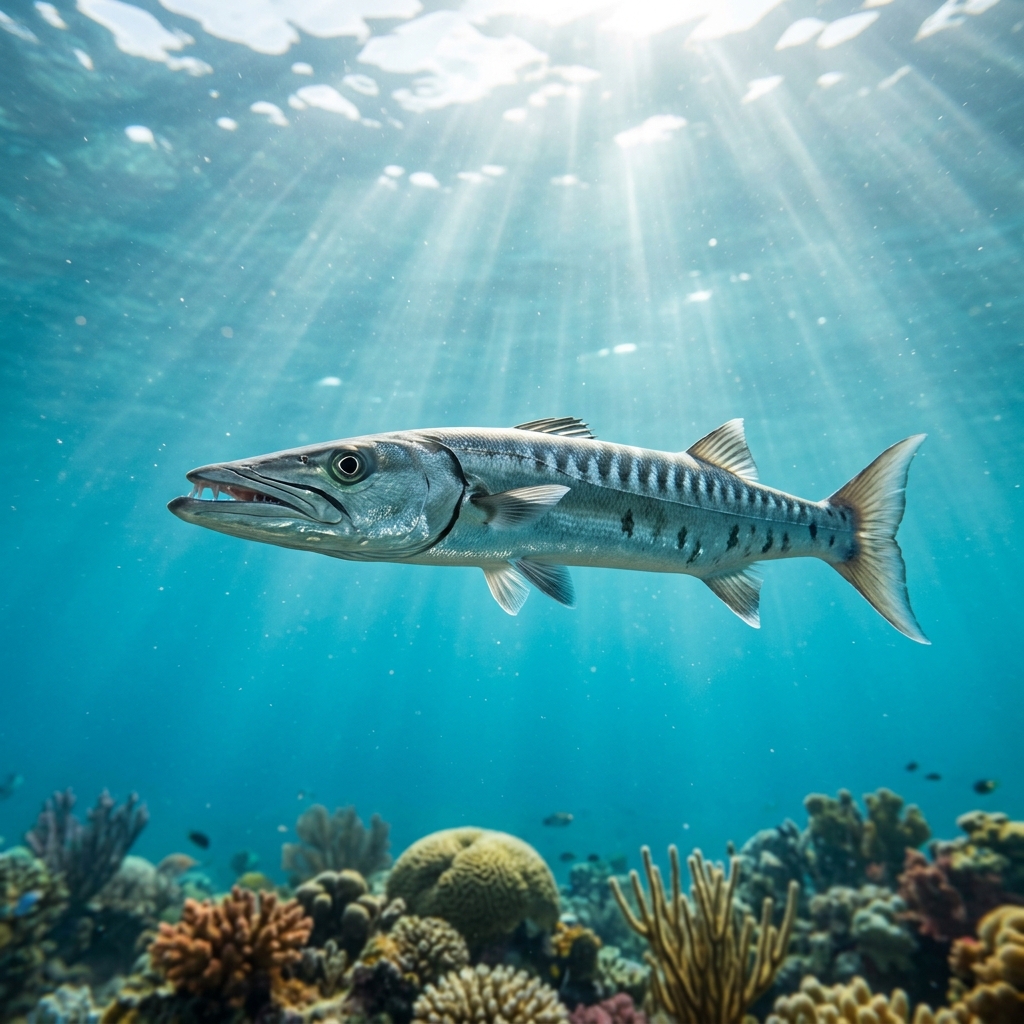
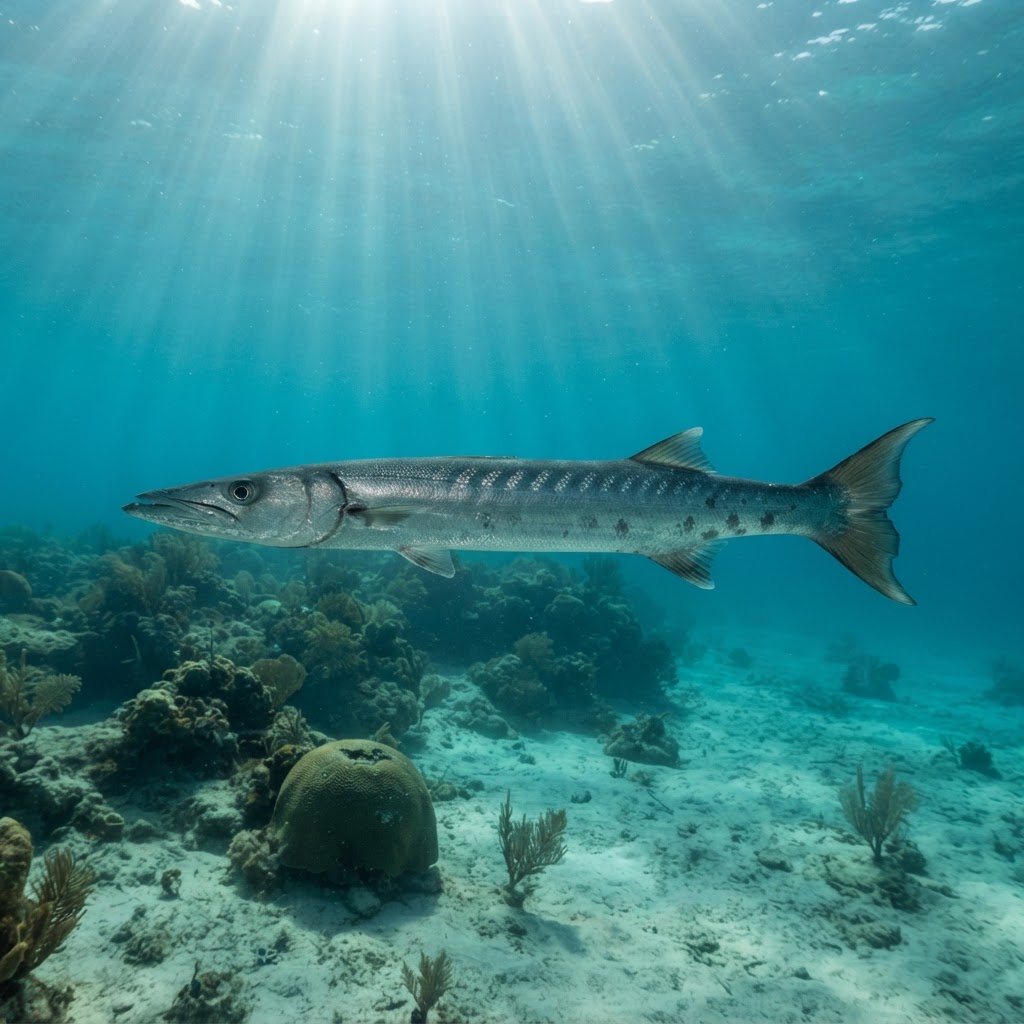
Long, torpedo-shaped body with a silvery flank that flashes as it turns, and faint dusky bars along the upper side that fade in and out depending on light. Grows to around a metre, with a pointed head and underslung jaw typical of barracuda, though noticeably slimmer and less bulky than tropical barracuda species. Usually seen cruising in midwater rather than hanging motionless near structure.
Divers most often report it as a lone fish or loose, scattered group moving through open water over kelp beds and reef rather than schooling tightly or holding a fixed position. It tends to keep a cautious distance and will peel away if you approach directly, more curious from a distance than confrontational. Most sightings are logged as rare to uncommon, so a clear look at one, especially at close range, is worth noting as a good dive.
Unlike the classic reef barracuda that hover almost motionless in tight schools, this species behaves more like an open-water hunter, patrolling the water column over kelp forests and sandy patches in loose formation rather than parking itself near a wall or wreck.
Sightings show no clear seasonal pattern in the data, and the wide observed temperature range of 8.9 to 23.1C suggests it tolerates both the cooler upwelling months and the warmer late-summer water off California, so treat it as a year-round possibility rather than a seasonal target.
Reef neighbours a diver could mistake it for. Use the identification notes above to tell them apart.
Most reliably logged along the California coast in the United States, with Baja California, Mexico as the other strong area for sightings. Within California, sites throughout the state show up regularly in logs, though even there this is a fish you spot rather than one you can count on.
Mapping where California Barracuda is logged…
California is the strongest area, with sightings logged at sites throughout the state, and Baja California in Mexico is the other reliable region. Outside these two areas it is rarely reported.
There is no strong seasonal pattern in the sighting data, so it can turn up any time of year. It has been observed across a wide temperature range, from cool water around 9C up to about 23C, which fits with year-round presence rather than a single season.
Look for a long, slim, silvery fish with a pointed head and faint dusky bars on its upper side, growing to roughly a metre. It is usually seen cruising alone or in a loose, scattered group in open water rather than schooling tightly.
They typically reach around 101cm, giving them a long, streamlined profile in the water. That size, combined with a solitary or loosely grouped swimming style, helps separate them from smaller schooling look-alikes.
No, they are not considered dangerous to divers. They tend to keep their distance and swim off if approached, so there is no particular safety concern when diving in areas where they are found.
Site and sighting data is aggregated from diver logs, iNaturalist and GBIF. For taxonomy and conservation status:
Pickhandle Barracuda
1,020 sites