Halichoeres nigrescens
A small, easily-missed wrasse turning up on reef dives from Queensland to Goa to Koh Tao, most weeks in 25 to 29 C water.
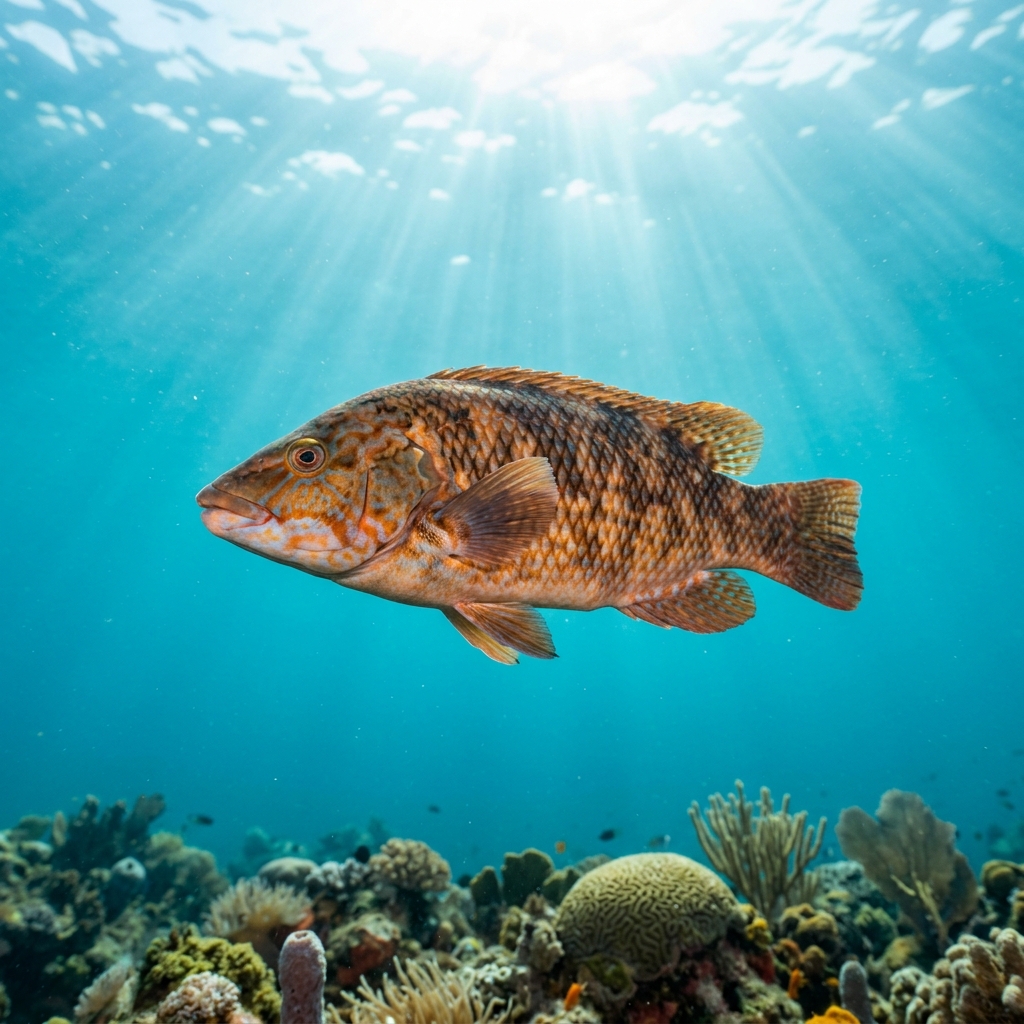
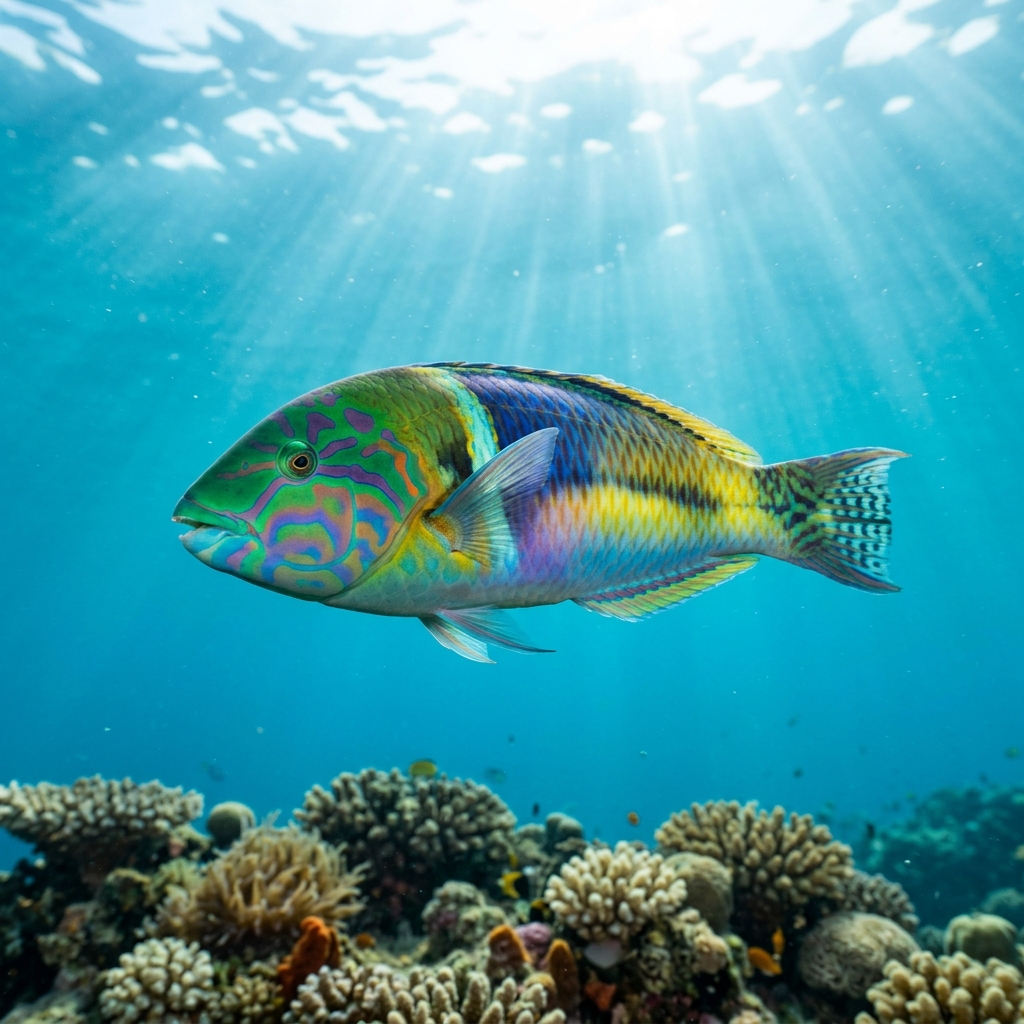
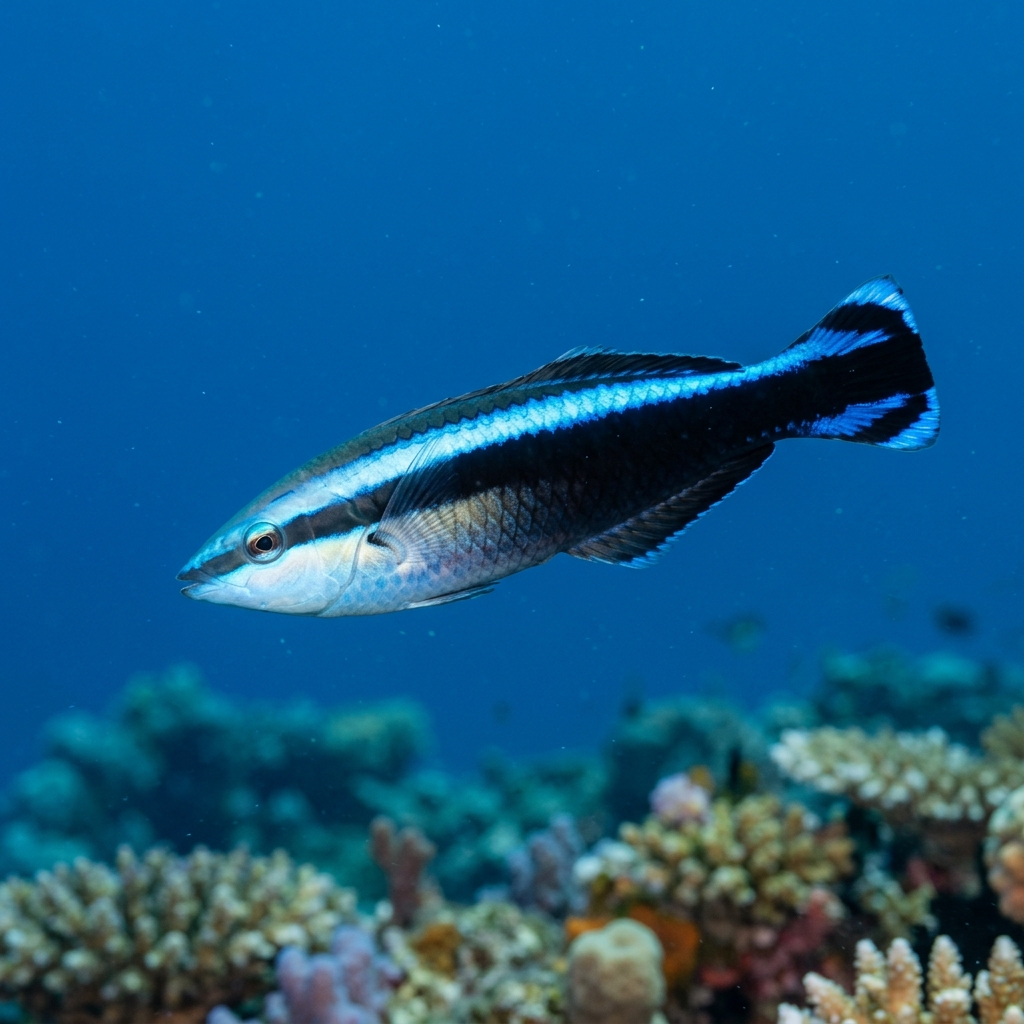
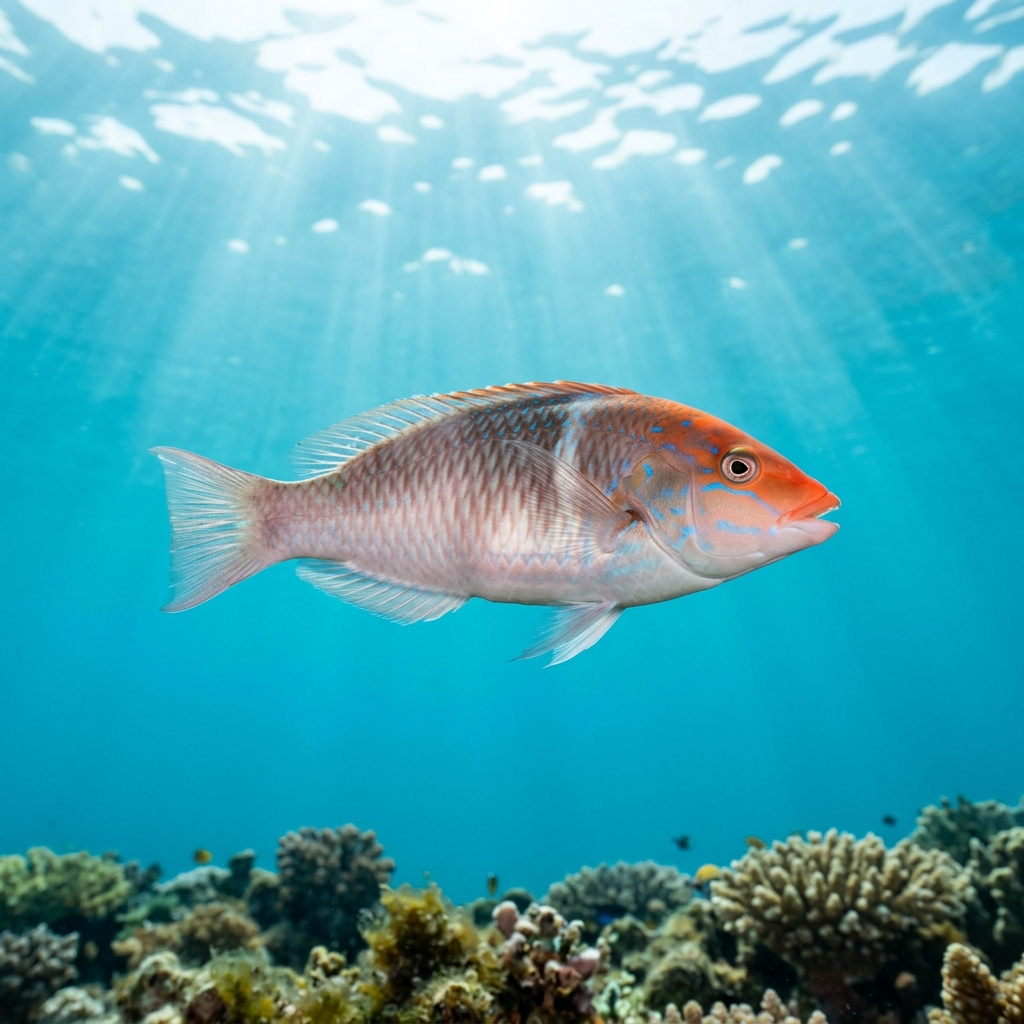
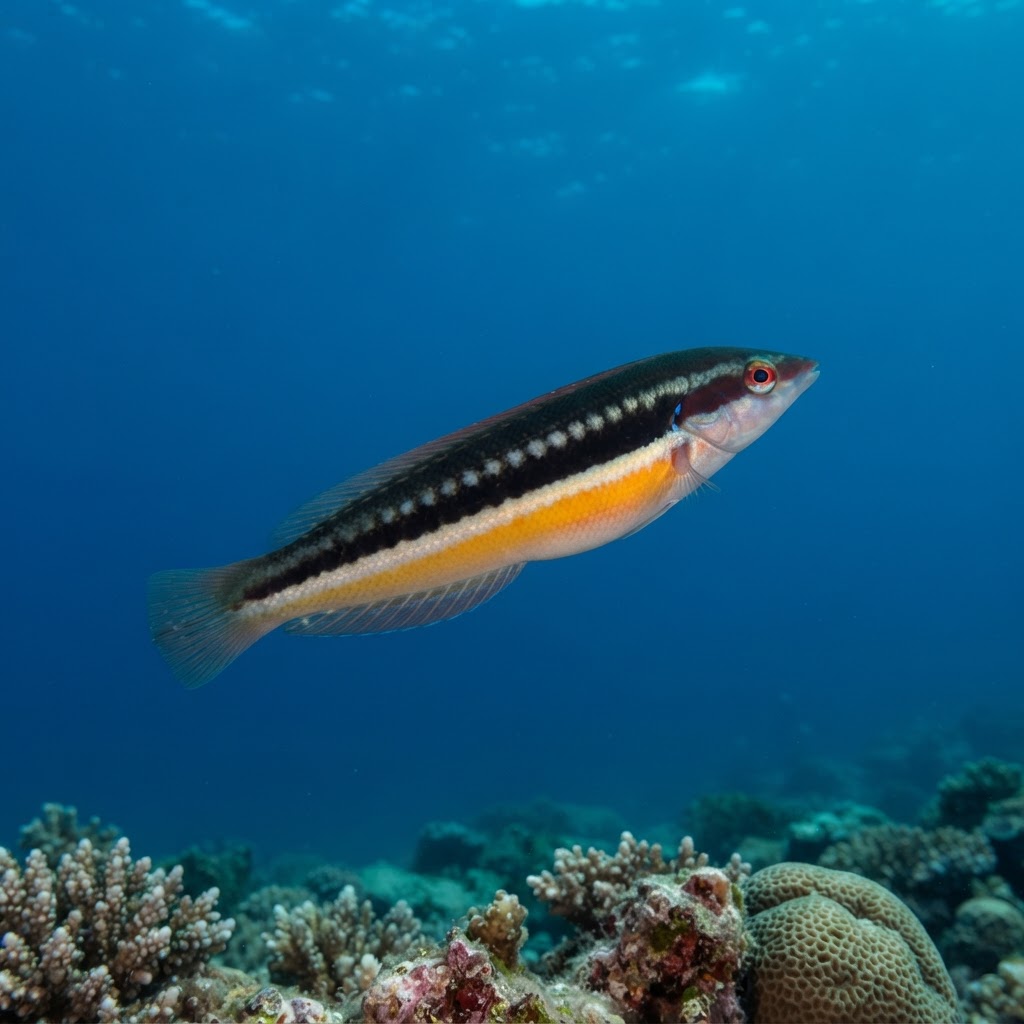
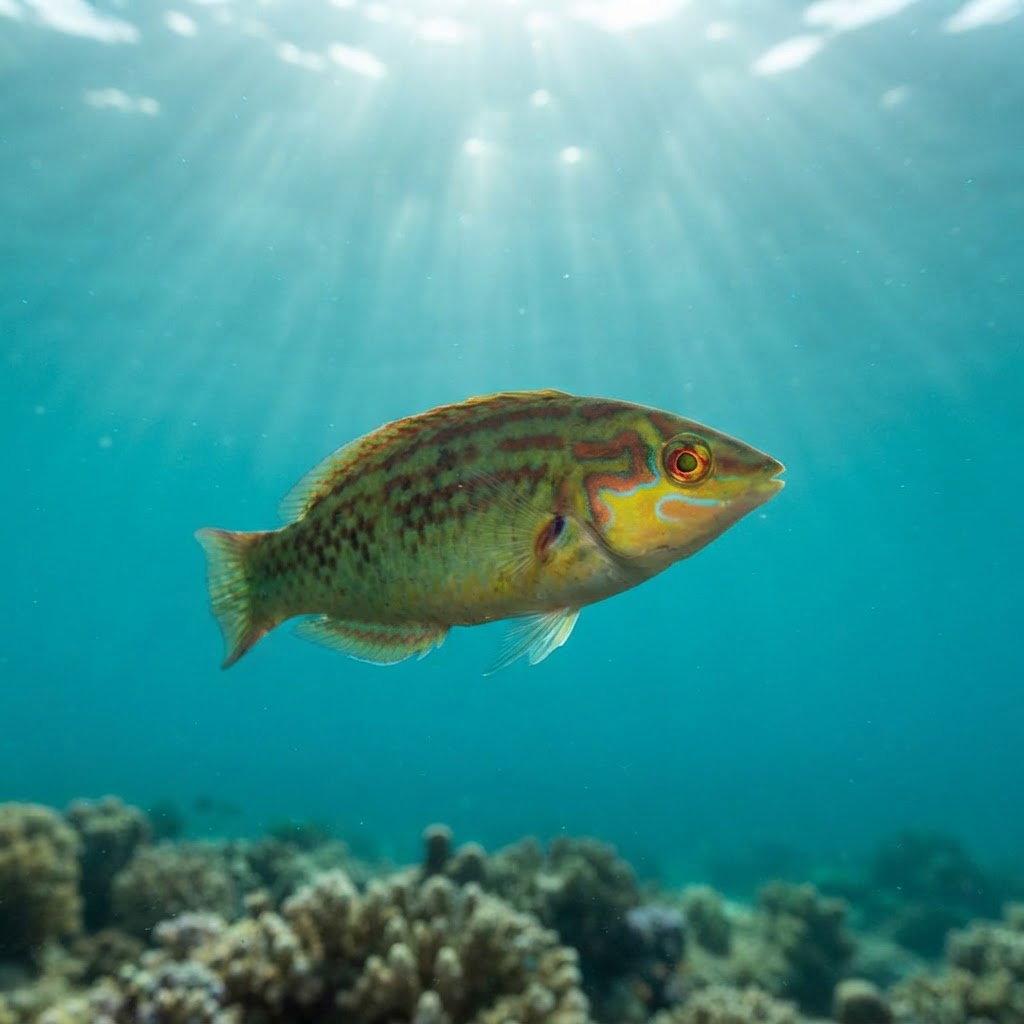
A small, slender wrasse topping out around 10 cm, so it is easy to overlook against reef rubble and sand patches. Look for a mottled, mostly dusky greenish-brown body with a paler belly and the quick, darting swimming style typical of small Halichoeres wrasses rather than a slow cruise. There is no single flashy mark to key on here, which is itself a clue: if a small wrasse near the bottom looks understated and hard to pin down, this is a solid candidate.
Expect quick, low-key movement over rubble patches, sand edges and the base of reef structure rather than open-water cruising. It tends to dart between cover in short bursts and does not linger for a good look, so divers usually catch it out of the corner of the eye during a slow scan of the bottom. It shows no particular reaction to divers beyond typical small-wrasse wariness, ducking into crevices or weed if approached too fast.
Like most Halichoeres wrasses, it likely buries itself in sand at night and when startled, a defensive trick common across the genus that makes it vanish instantly if you reach for a closer look.
Sightings show no detectable seasonal pattern, and with a comfortable range of roughly 25 to 29 C, reefs across its range stay within that window most of the year, so it is best treated as a year-round find rather than a seasonal target.
Most consistently logged in Queensland, Australia and Goa, India, with a strong secondary presence in Thailand around Koh Pha Ngan and Koh Tao. Hong Kong's Sai Kung region also produces regular sightings, making it a fish you can reasonably expect across a spread of Indo-Pacific reef and rubble sites rather than one specific hotspot.
Mapping where Bubblefin Wrasse is logged…
It turns up most reliably in Queensland, Australia and Goa, India, with regular sightings also logged around Koh Pha Ngan and Koh Tao in Thailand and Sai Kung in Hong Kong.
There is no strong season in the sighting data, and its comfortable temperature range of roughly 25 to 29 C keeps it on tropical reefs year-round, so any time of year works.
Look for a small, slender wrasse around 10 cm with a mottled greenish-brown body and quick, darting movement low over rubble or sand. It lacks a single bold marking, so its plain, understated look combined with that fast, twitchy swim is the main clue.
They stay small, typically around 10 cm as adults, which makes them easy to miss on a reef unless you are scanning close to the bottom.
It is logged as uncommon even at the sites where divers report it, so seeing one usually takes a slow, close look at rubble and sand patches rather than an obvious encounter.
Site and sighting data is aggregated from diver logs, iNaturalist and GBIF. For taxonomy and conservation status:
Bird Wrasse
3,632 sites