Halichoeres brownfieldi
A small reef wrasse most reliably logged around Western Australia in 17 to 23 C water, year-round on temperate reefs.
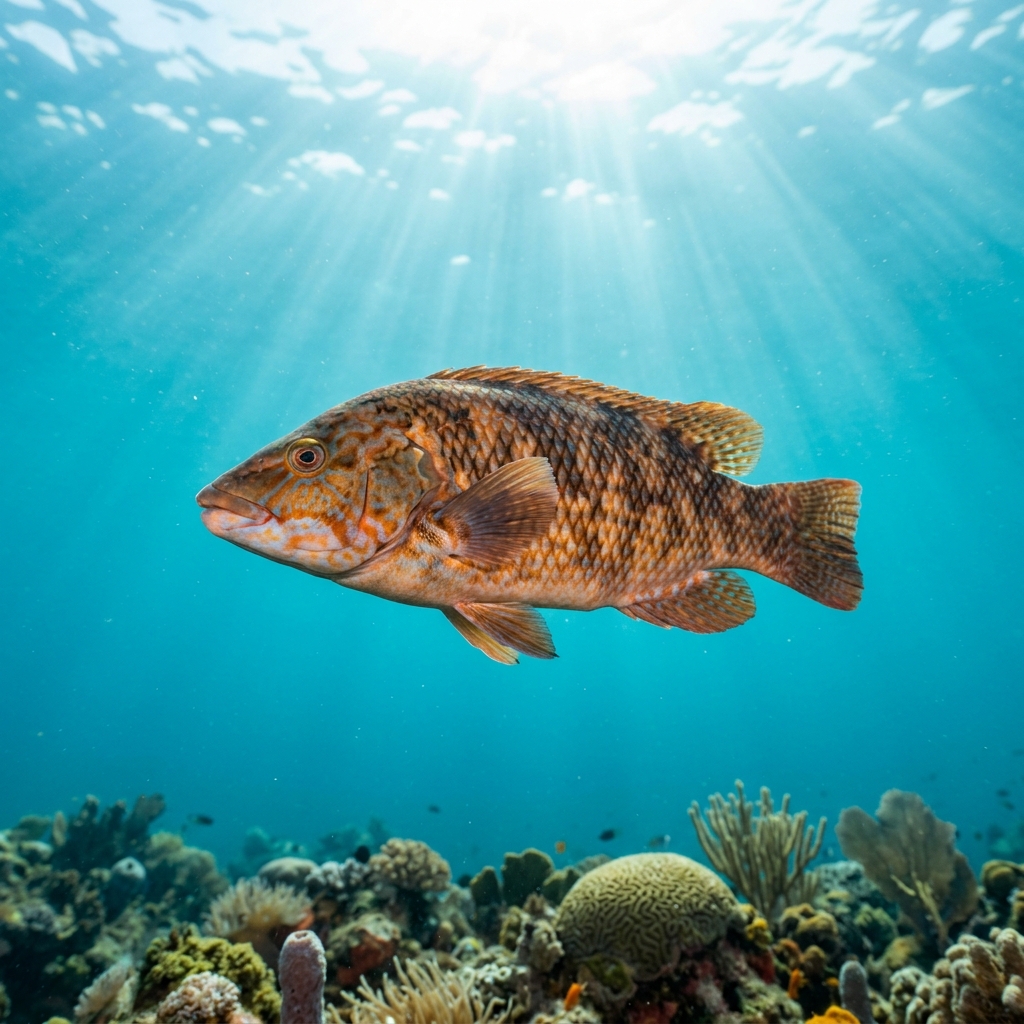
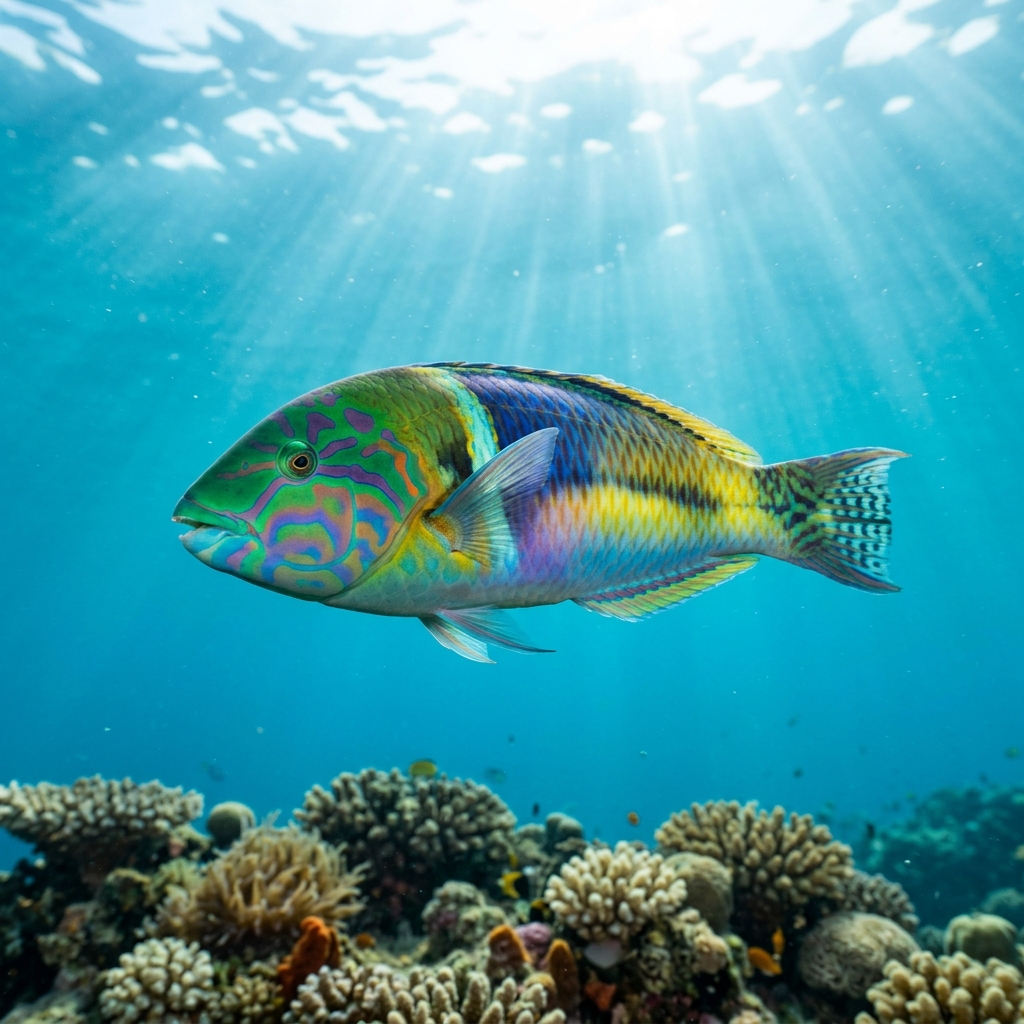
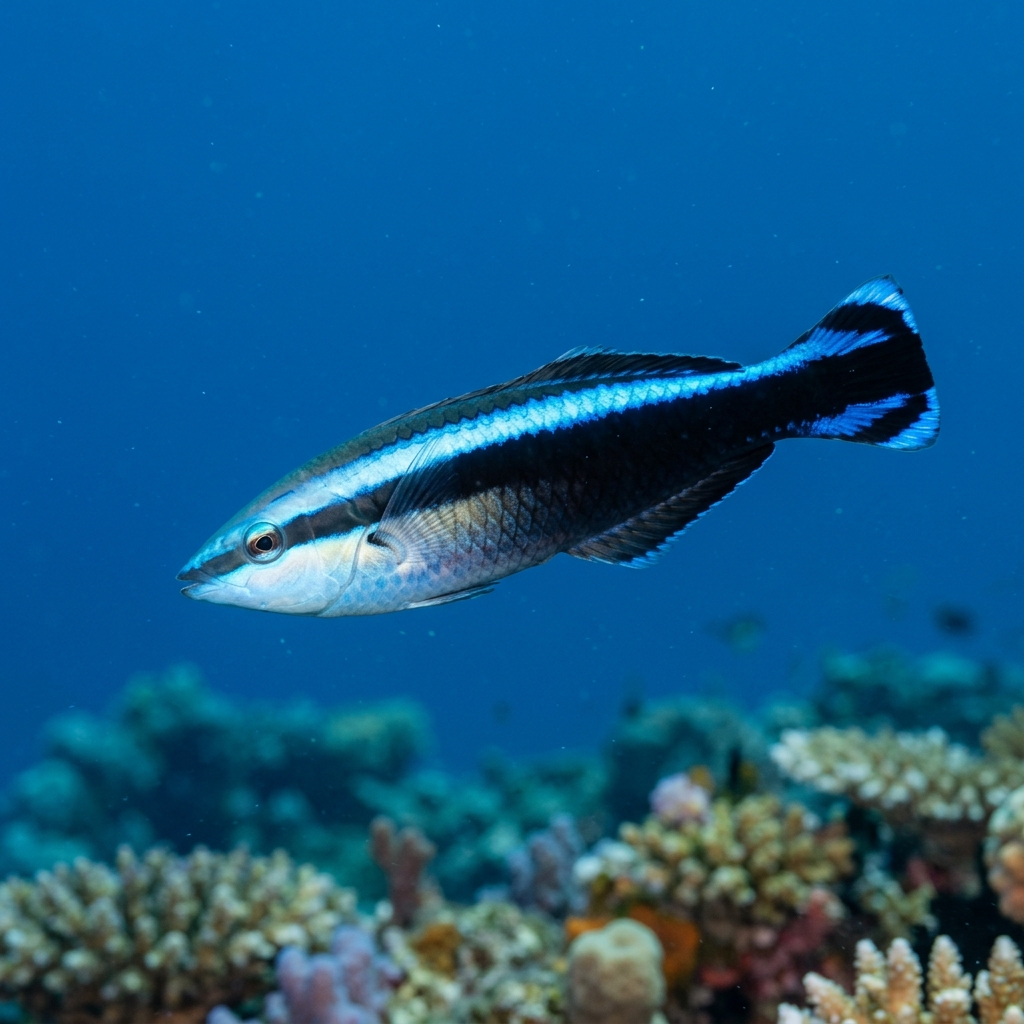
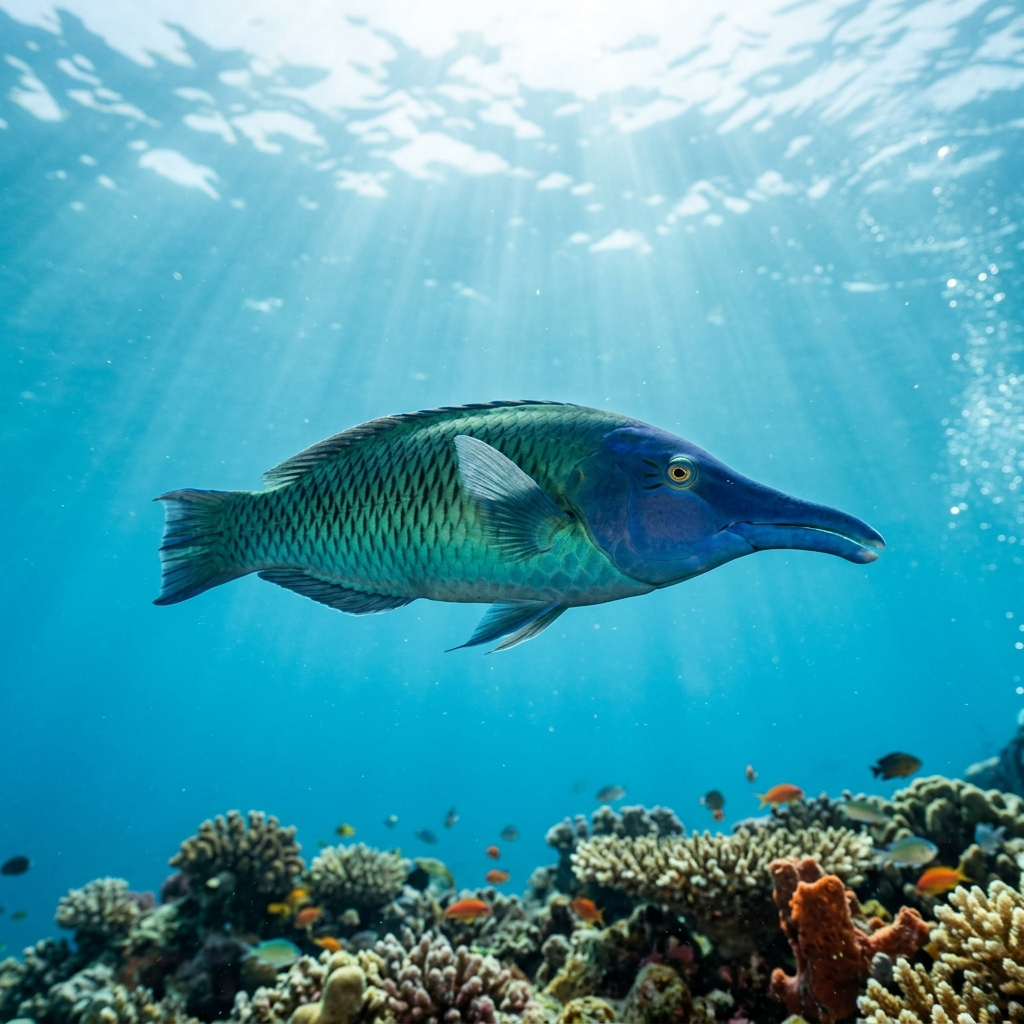
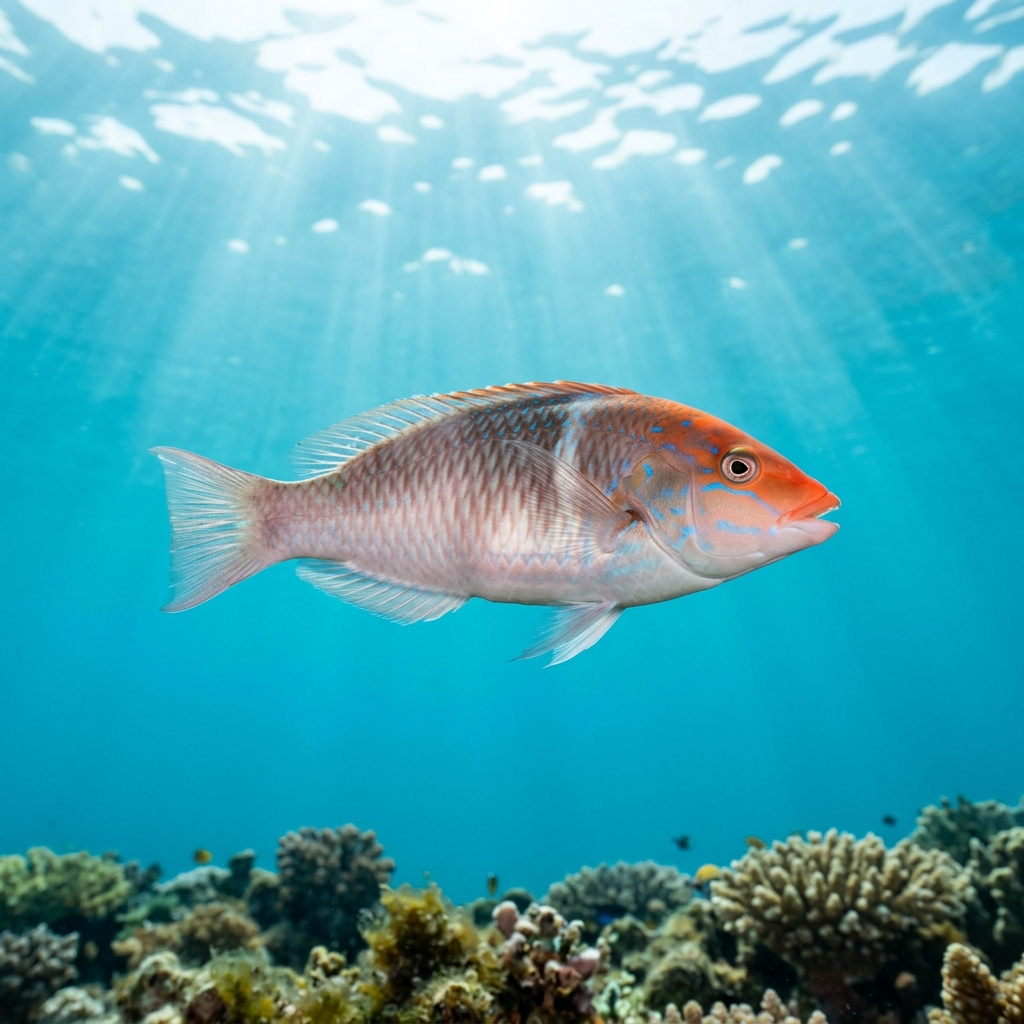
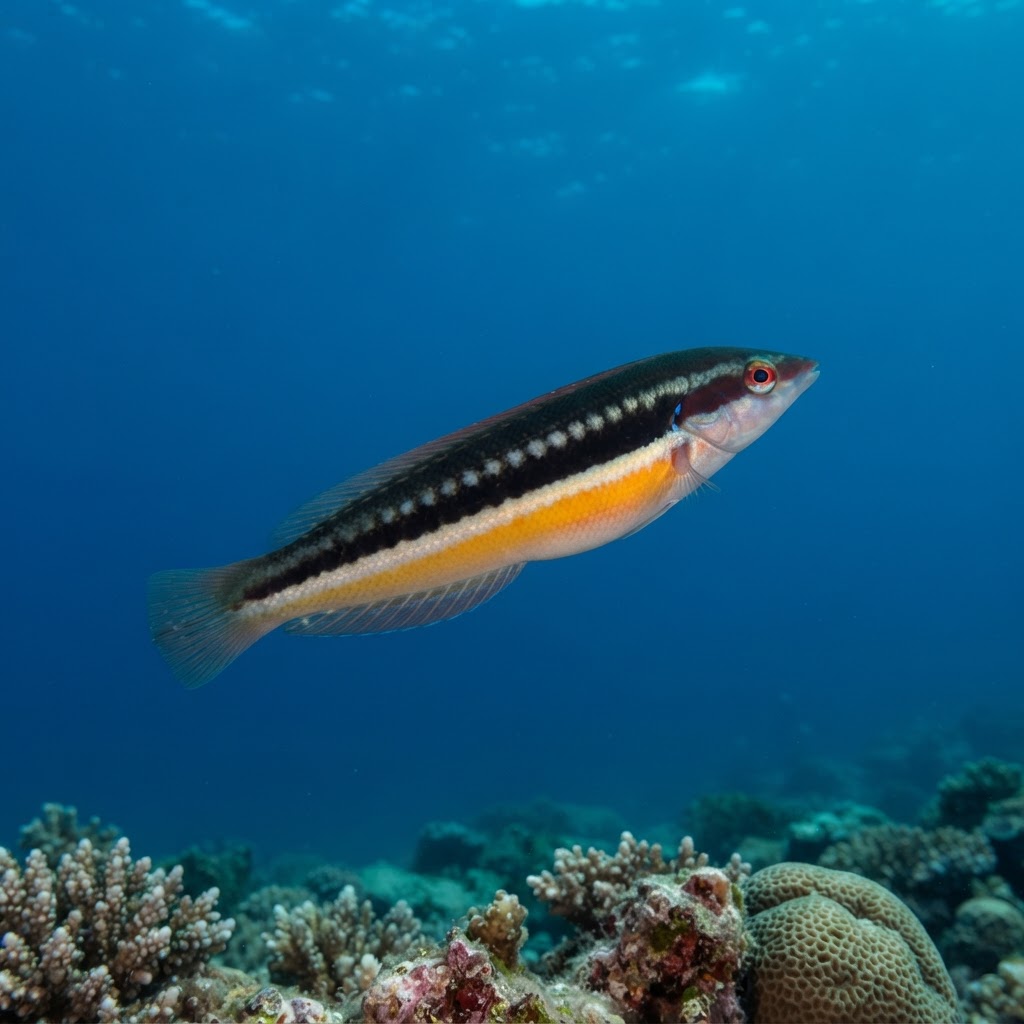
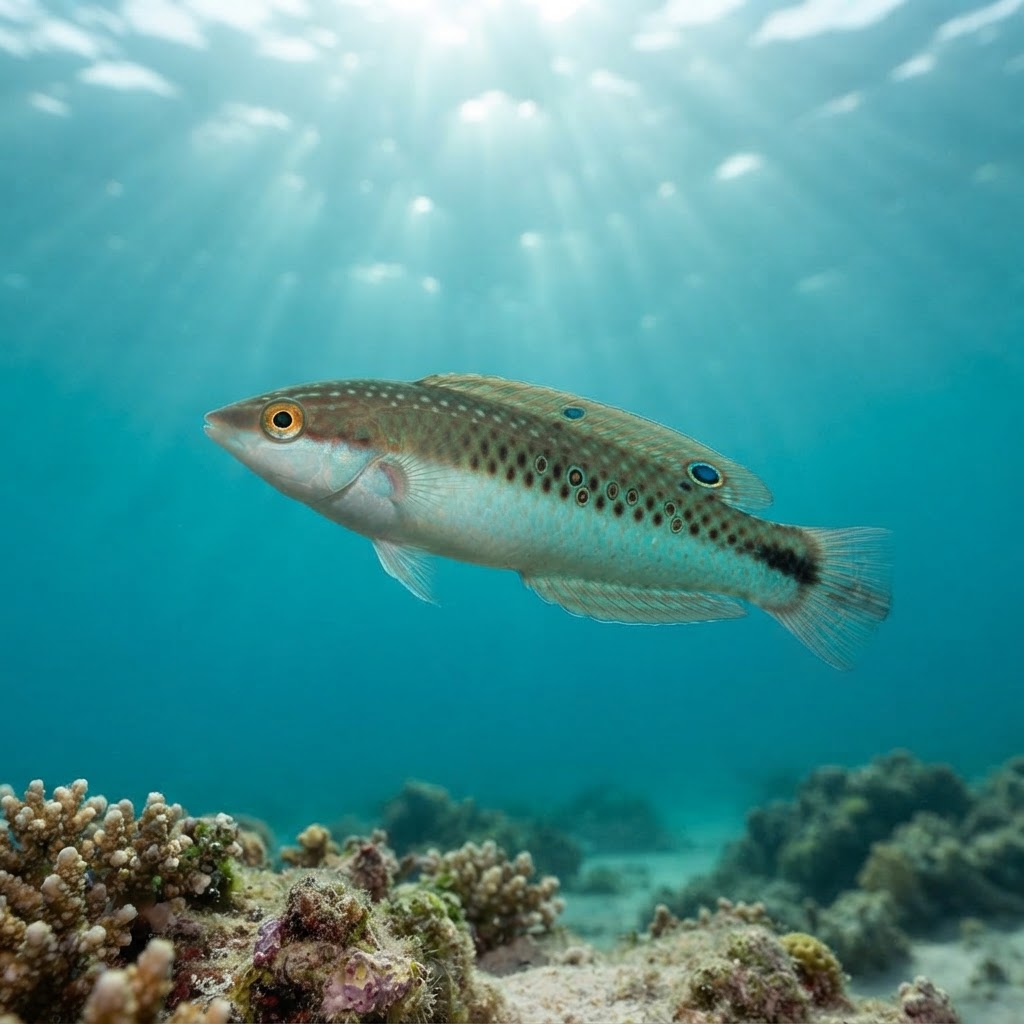
A slim-bodied wrasse topping out around 10 cm, so it reads as a small, fast-moving shape darting low over rock and reef rubble rather than out in open water. Look for the typical wrasse silhouette: a pointed snout, a single long dorsal fin, and constant jerky swimming rather than gliding. At this size and in temperate Western Australian water, it is usually one of several small wrasses working the same patch of reef, so a close look at colour pattern is needed to be sure of the ID.
Divers most often log it as a solitary or loosely grouped fish moving quickly over reef and rubble rather than holding still for a photo. It keeps close to structure, ducking in and out of small gaps, and does not linger around divers the way some reef fish do. Most encounters are brief, opportunistic sightings rather than prolonged observations, consistent with its uncommon-to-rare logging pattern.
It sits in the same reef-cleaning, invertebrate-picking guild as many small wrasses, spending its day working sand and rubble for small prey rather than holding a fixed territory.
Sightings show no detectable seasonal pattern, and the observed temperature range of 17.1 to 23.1 C spans the site's cooler and warmer months alike, so it is reasonable to expect it on Western Australian reef dives at any time of year.
This one is essentially a Western Australia specialty among logged dives, with sightings concentrated in that region and no meaningful record elsewhere in the data. If you are diving temperate reef and rocky sites around Western Australia, keep an eye on low reef structure and rubble zones where it turns up as an uncommon but recurring find.
Mapping where Brownfield's Wrasse is logged…
It is most reliably found on reef and rocky dive sites around Western Australia, where the great majority of logged sightings come from. Records outside this region are effectively absent in current data.
There is no clear seasonal peak in sightings, and it has been recorded across a temperature range of 17.1 to 23.1 C. That points to a year-round presence on Western Australian reefs rather than a specific season.
Look for a small, slender wrasse around 10 cm long, moving quickly and low over rocky reef or rubble with a single long dorsal fin and a pointed snout. It rarely holds still, so a fast eye for its swimming pattern helps as much as colour.
They stay small, reaching around 10 cm in length, which is typical for wrasses in this genus that spend their time picking over reef rubble rather than growing to the size of larger reef predators.
No. It poses no threat to divers and is far more interested in avoiding attention than interacting with anyone in the water.
Site and sighting data is aggregated from diver logs, iNaturalist and GBIF. For taxonomy and conservation status:
Bird Wrasses
3,632 sites