Atrosalarias holomelas
A small, dark blenny tucked into coral heads on Queensland reefs, warm water 25-29C, spotted year-round if you look closely.
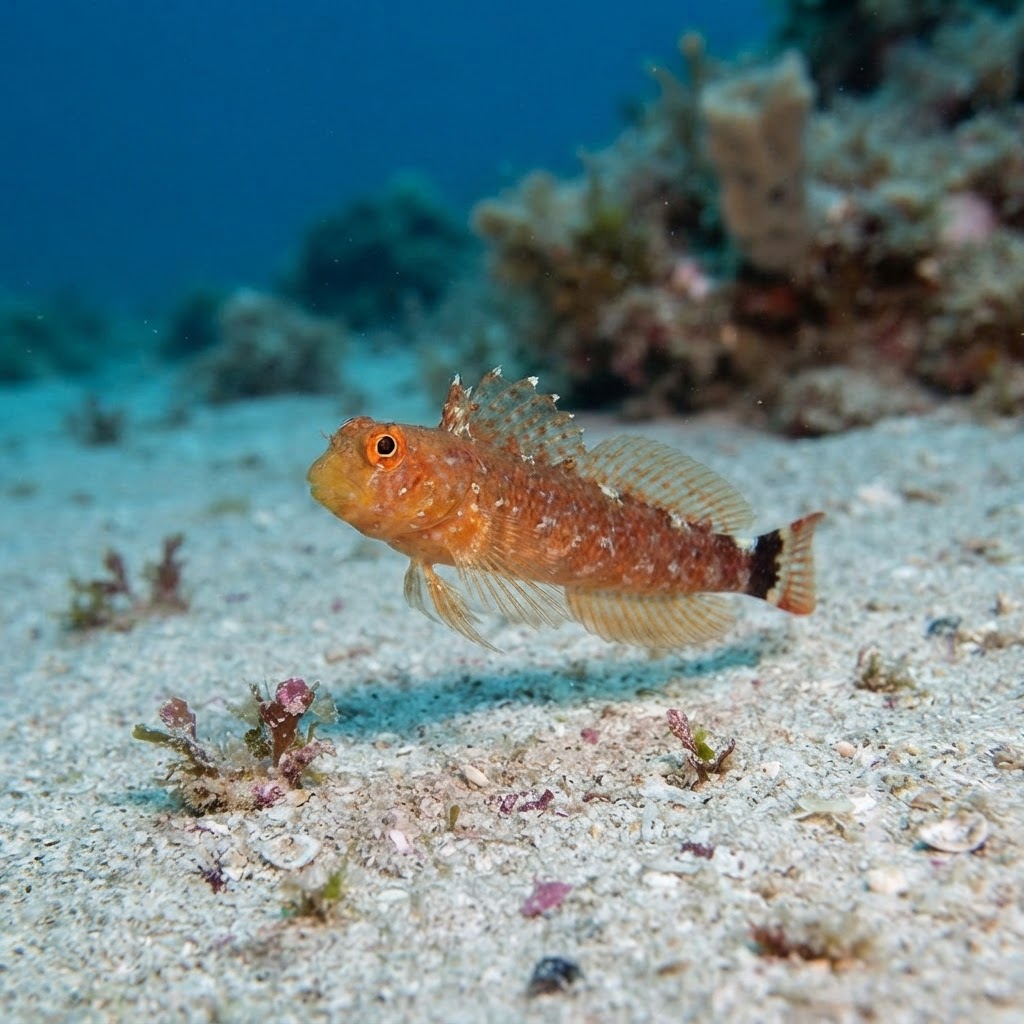
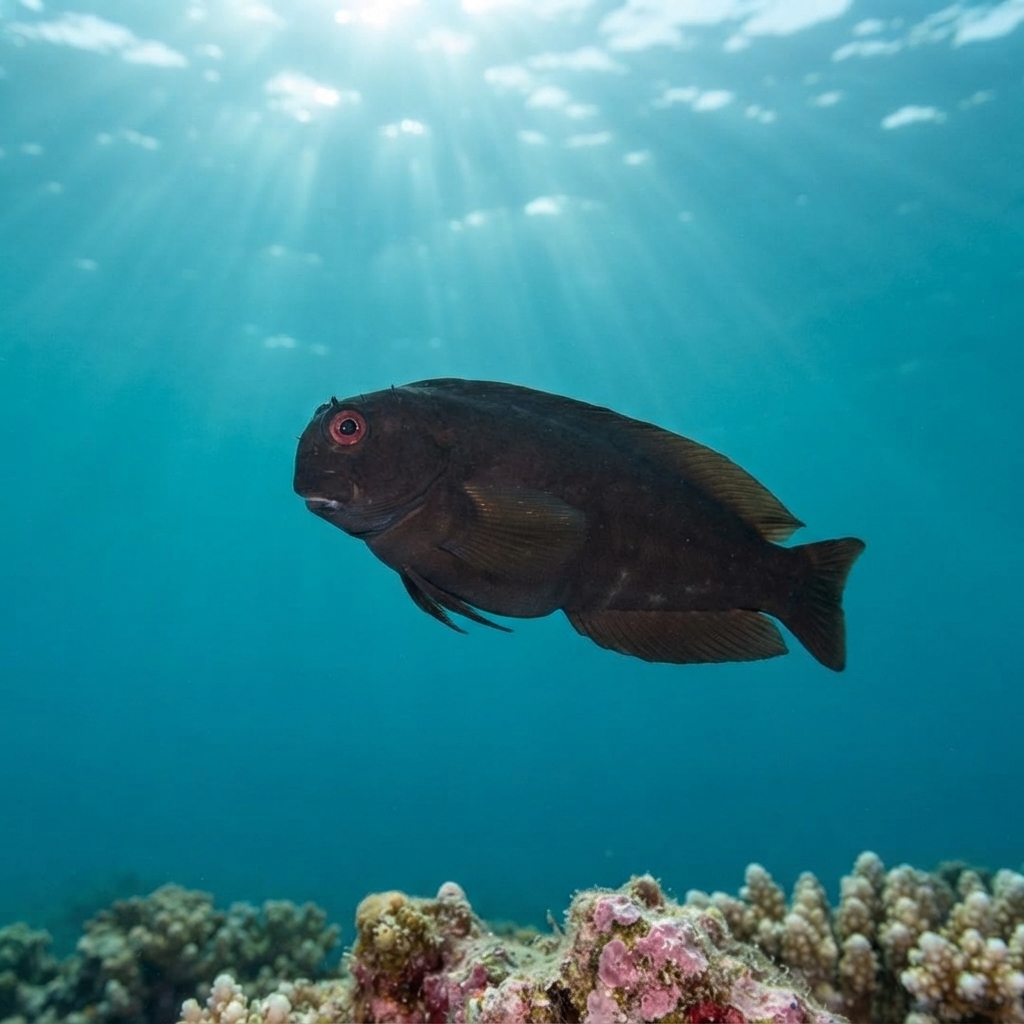
A small, almost entirely dark brown to blackish blenny around 10cm long, with a slender, tapering body that hugs the coral it sits on. It has no bold stripes or bright patches to key on, which is itself the tell: an unmarked, uniformly dark blenny wedged into a coral head rather than out on open rubble. Look closely at the head for the short cirri (small fleshy tufts) above the eyes, typical of coral blennies, and note how it barely moves unless approached closely.
Spends most of its time wedged into a single coral head, barely shifting position unless a diver gets right up close, at which point it can dart a short distance into cover. Divers log it as uncommon even at sites where it turns up, so finding one usually means slowing down and scanning coral heads closely rather than spotting it in open water. Most sightings are on shallower reef sections where branching coral offers plenty of nooks to disappear into.
Like many coral blennies, it likely feeds by nipping at coral polyps and the algae and mucus around them, a lifestyle tied closely to living coral cover rather than rubble or sand.
No clear seasonal pattern shows up in the sightings, and with a comfortable range of 25.4 to 29.3C it stays active on warm tropical reefs all year. Plan around good visibility and calm conditions at your chosen site rather than a particular month.
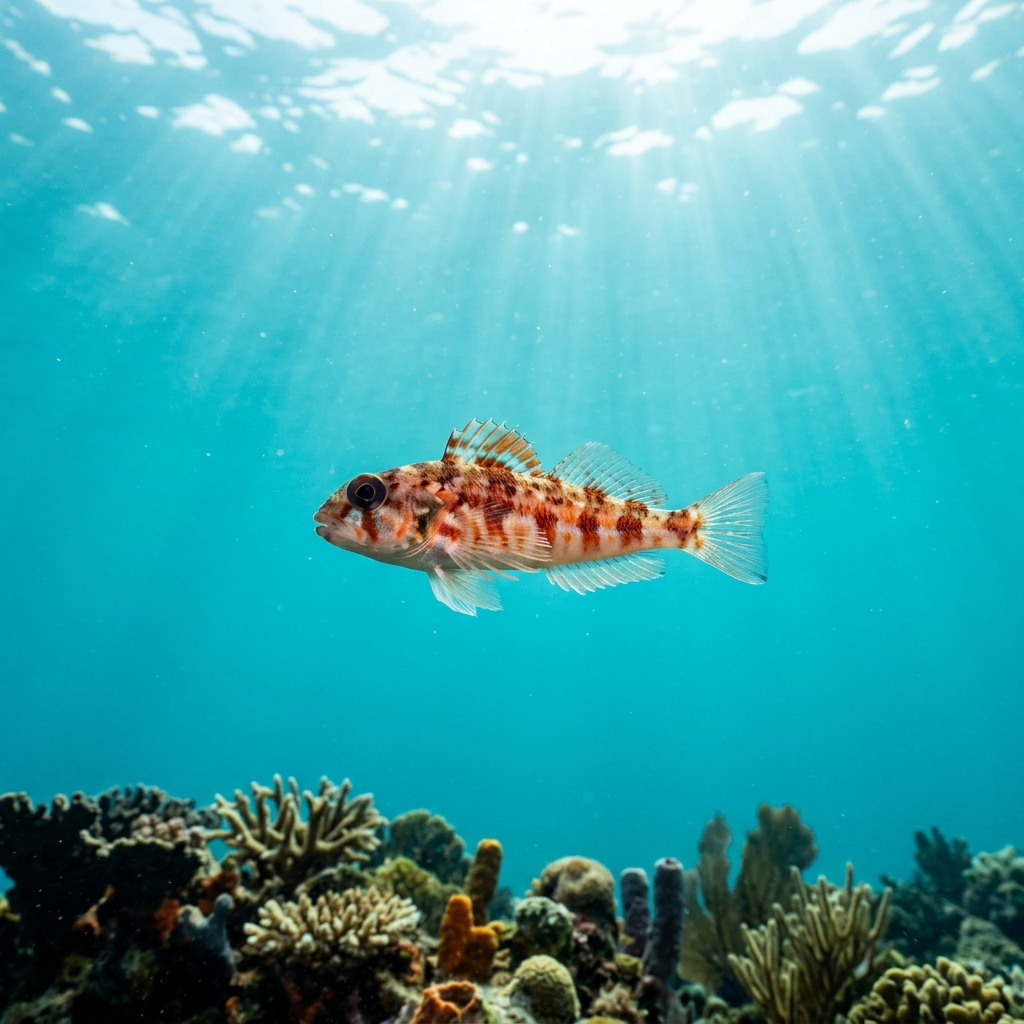
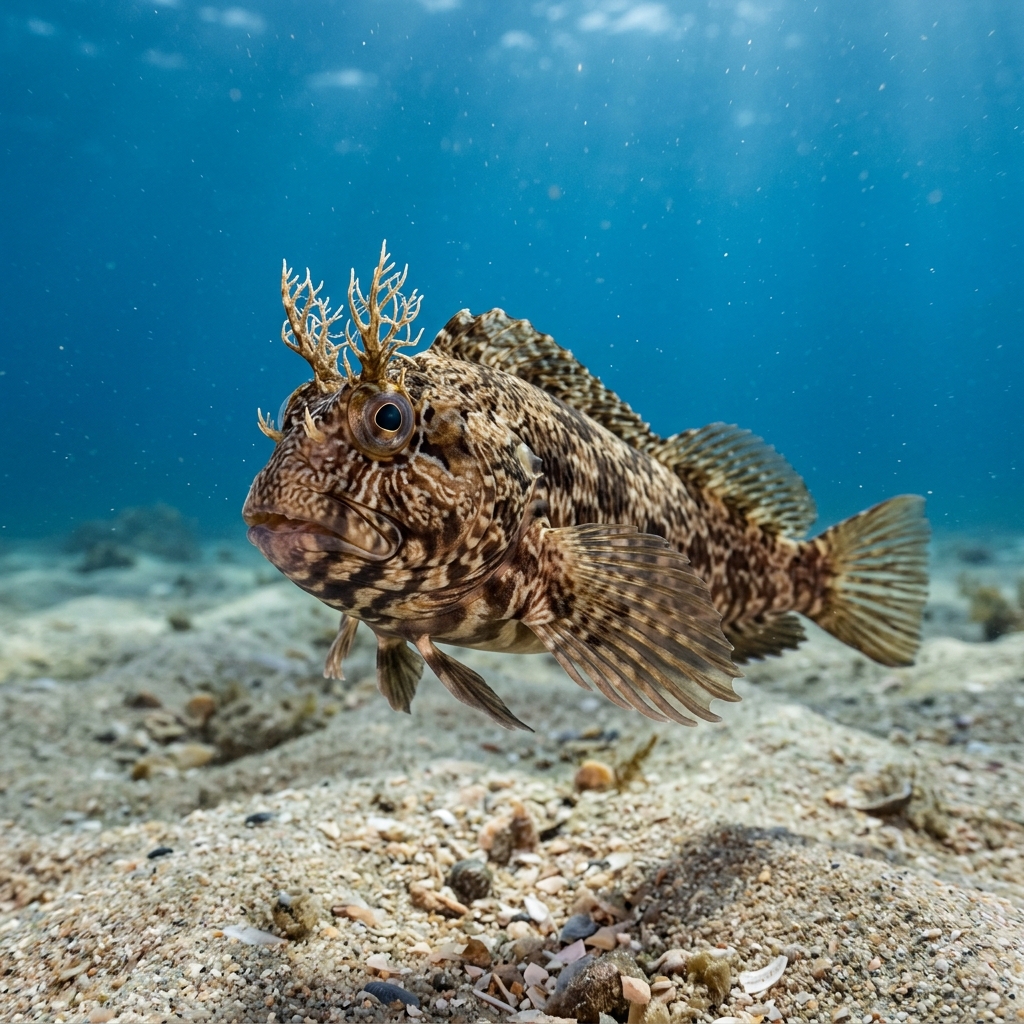
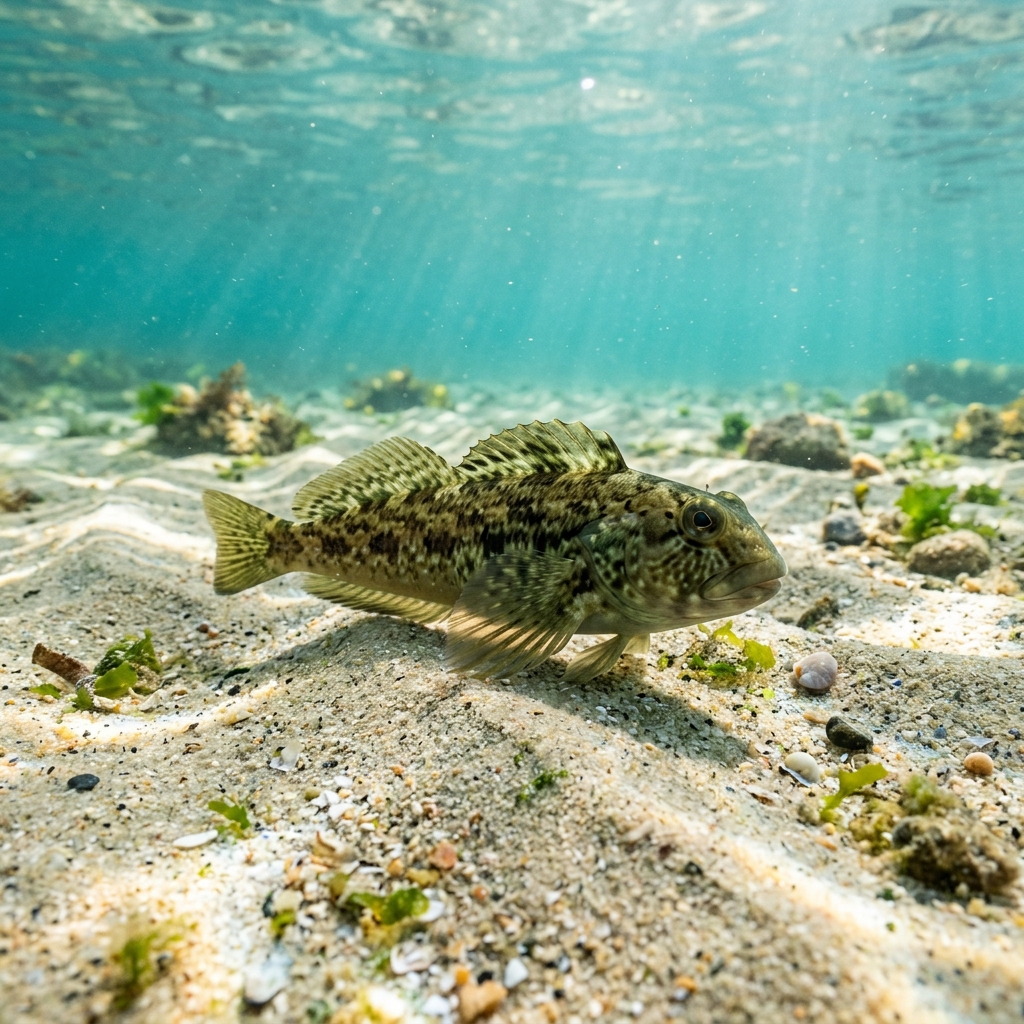
Reef neighbours a diver could mistake it for. Use the identification notes above to tell them apart.
Most reliably logged on reefs in Queensland, Australia, which accounts for the bulk of recorded sightings, with further records from the Visayas in the Philippines. Smaller numbers turn up in Sulawesi (Indonesia), Koror & Malakal (Palau), and the Yasawa Islands (Fiji), so it is a wider Indo-Pacific resident even though sightings cluster hardest around Queensland.
Mapping where Brown Coral Blenny is logged…
Queensland, Australia is the strongest area for sightings, with further records from the Visayas in the Philippines, Sulawesi in Indonesia, Palau, and Fiji's Yasawa Islands.
There is no strong seasonal pattern in sightings. It tolerates water from about 25 to 29C, so it is present on tropical reefs year-round.
Look for a small, uniformly dark brown blenny around 10cm long, wedged into a coral head rather than sitting in the open. It lacks bold stripes or bright markings, so the plain dark colouring combined with its coral-hugging habit is the main clue.
They reach around 10cm in length, making them one of the smaller blennies you will spot tucked into coral on a reef.
No, they pose no danger to divers. They are small, shy, and stay tucked into coral rather than approaching or reacting aggressively.
Site and sighting data is aggregated from diver logs, iNaturalist and GBIF. For taxonomy and conservation status:
Rusty Blenny
2,605 sites