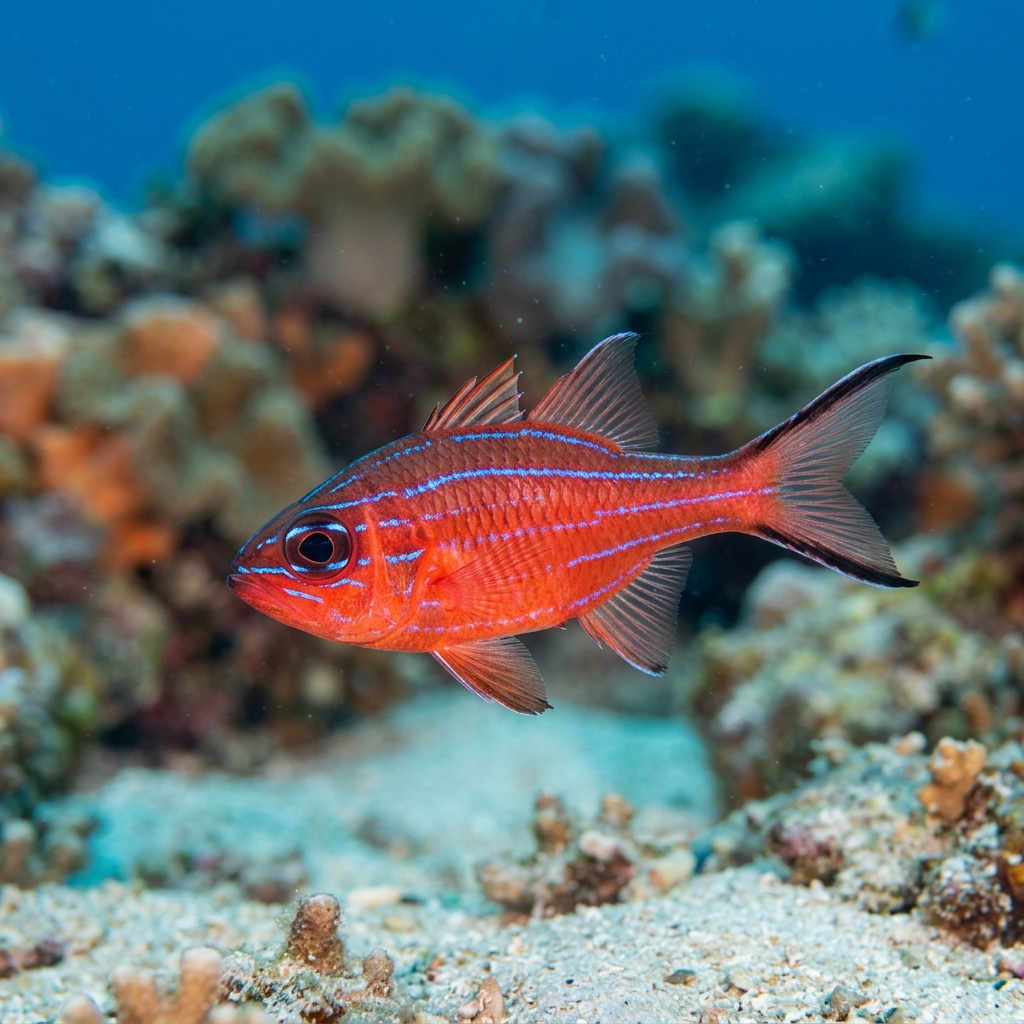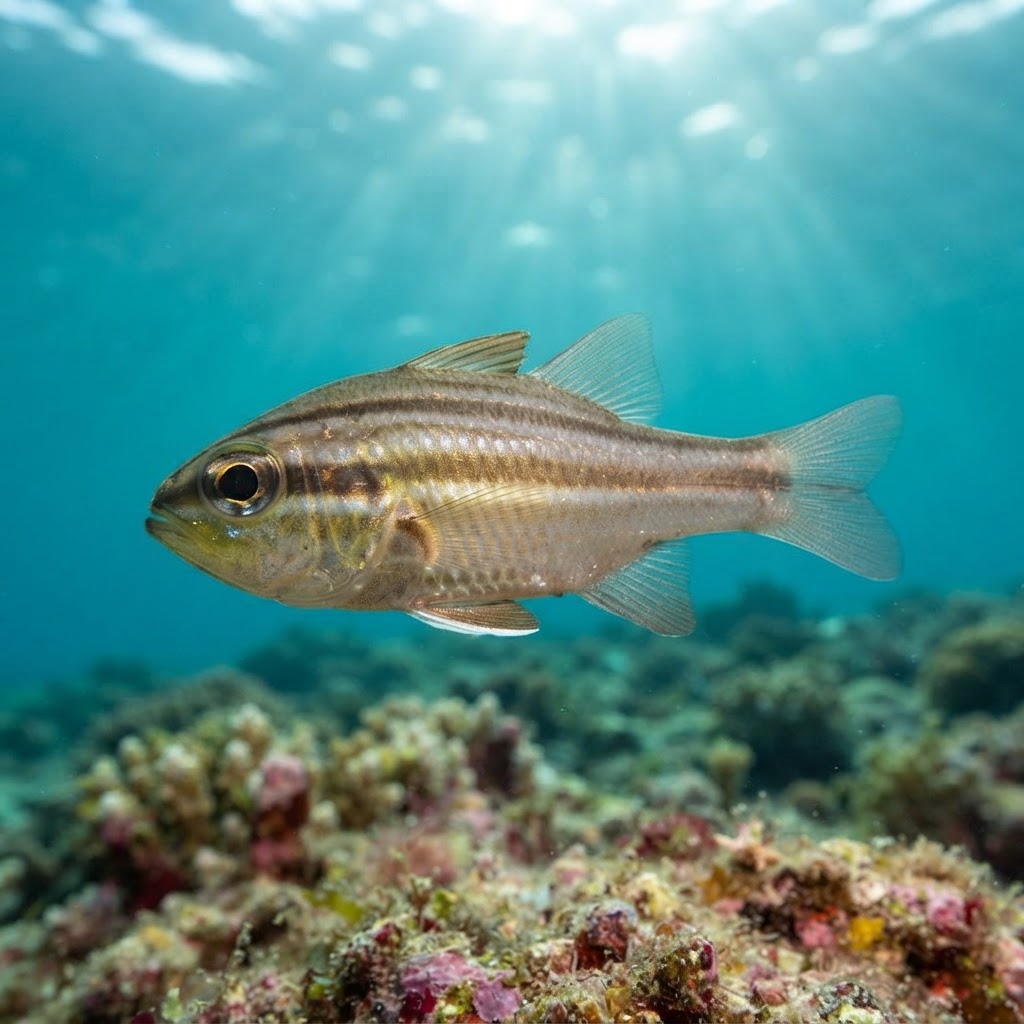
Ostorhinchus fasciatus
Rare reef find off New South Wales, Australia, in 24.6-29C water; here's how to spot this banded cardinalfish underwater.
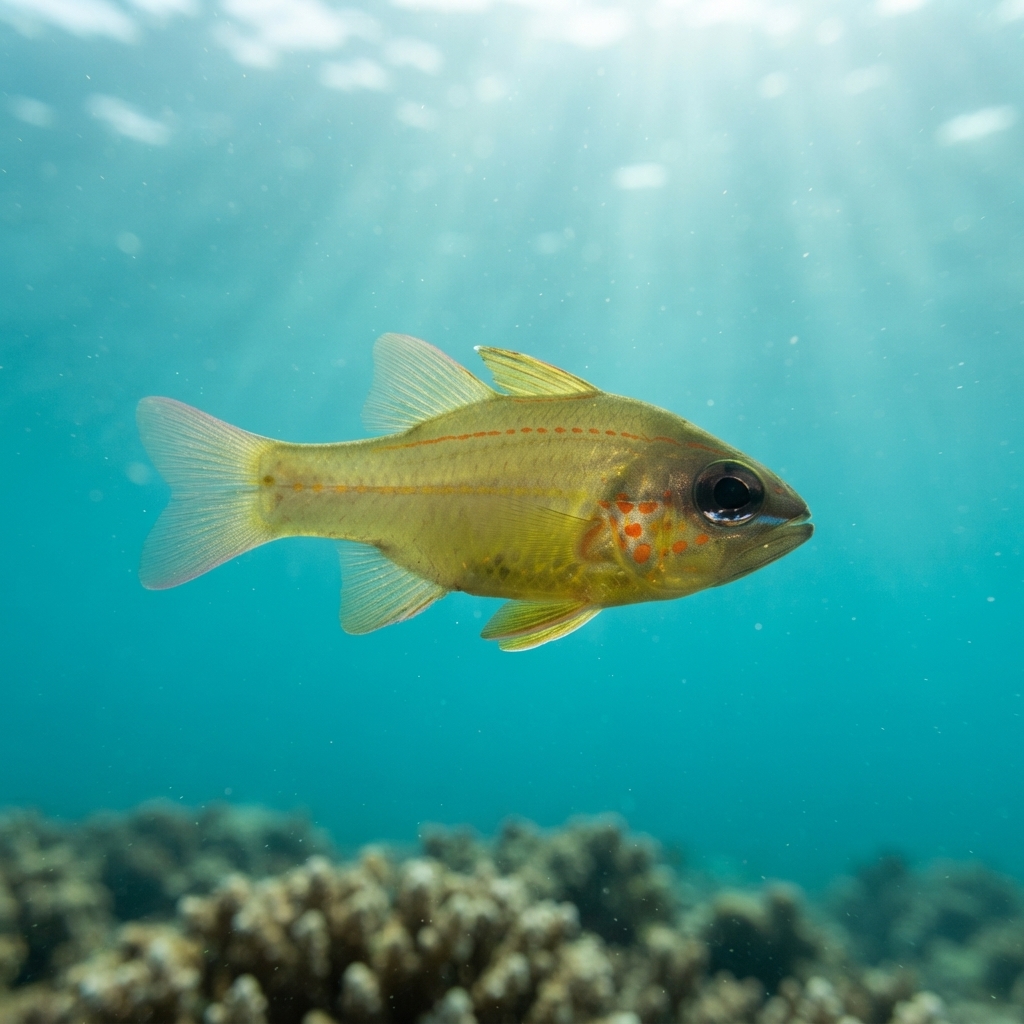
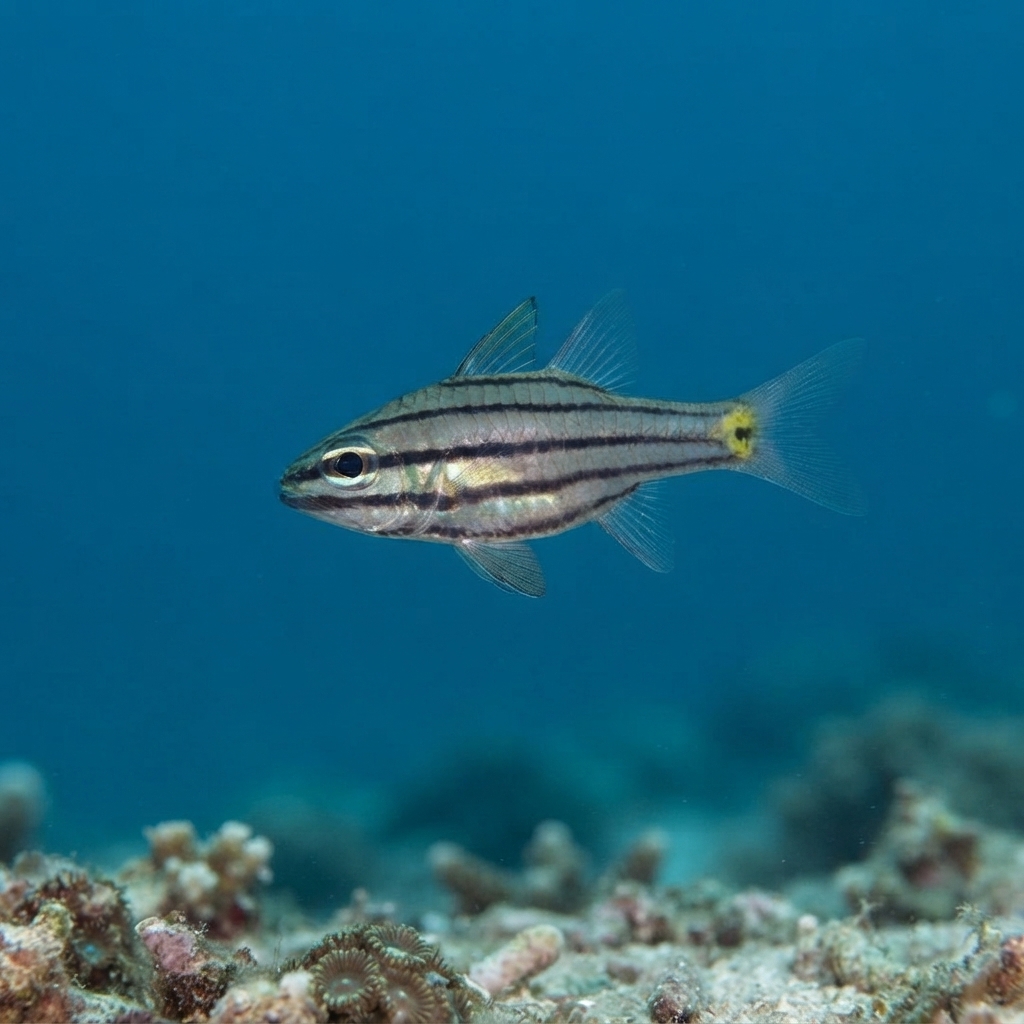
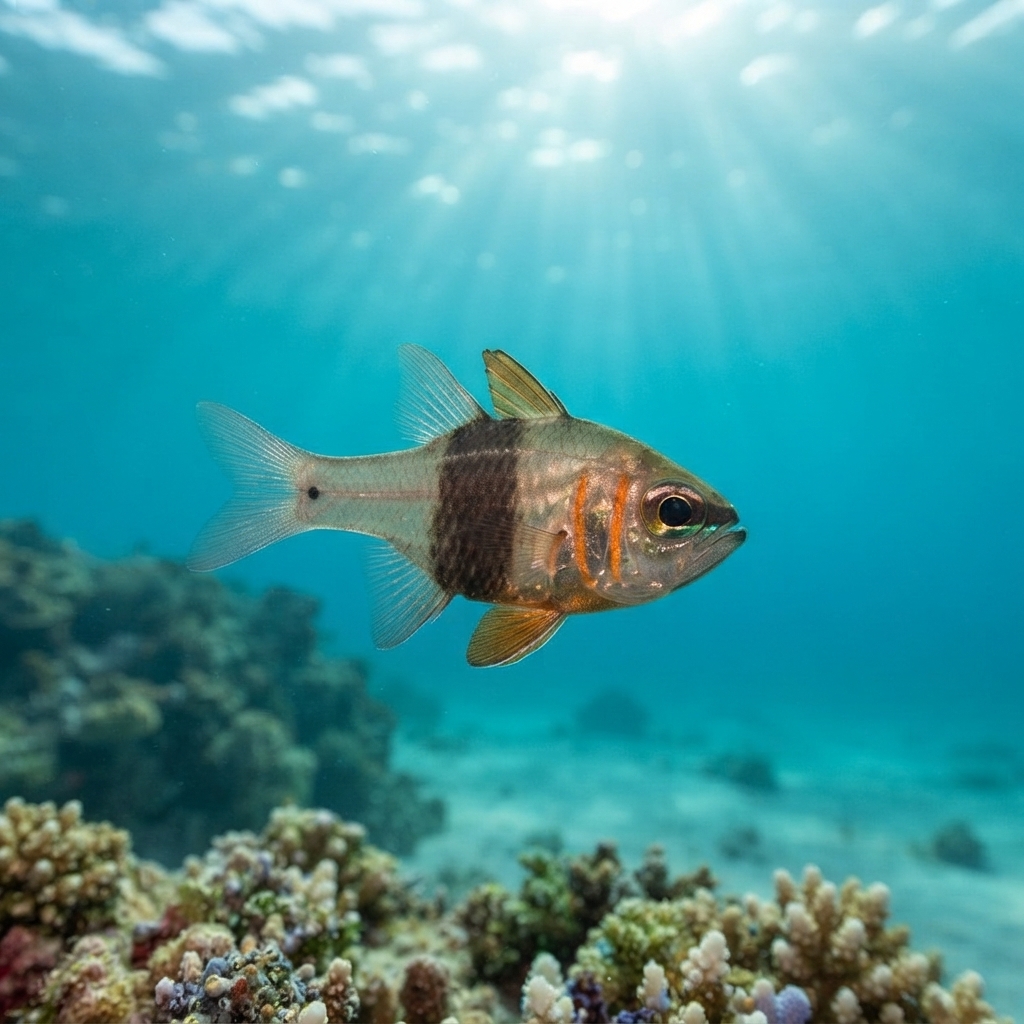
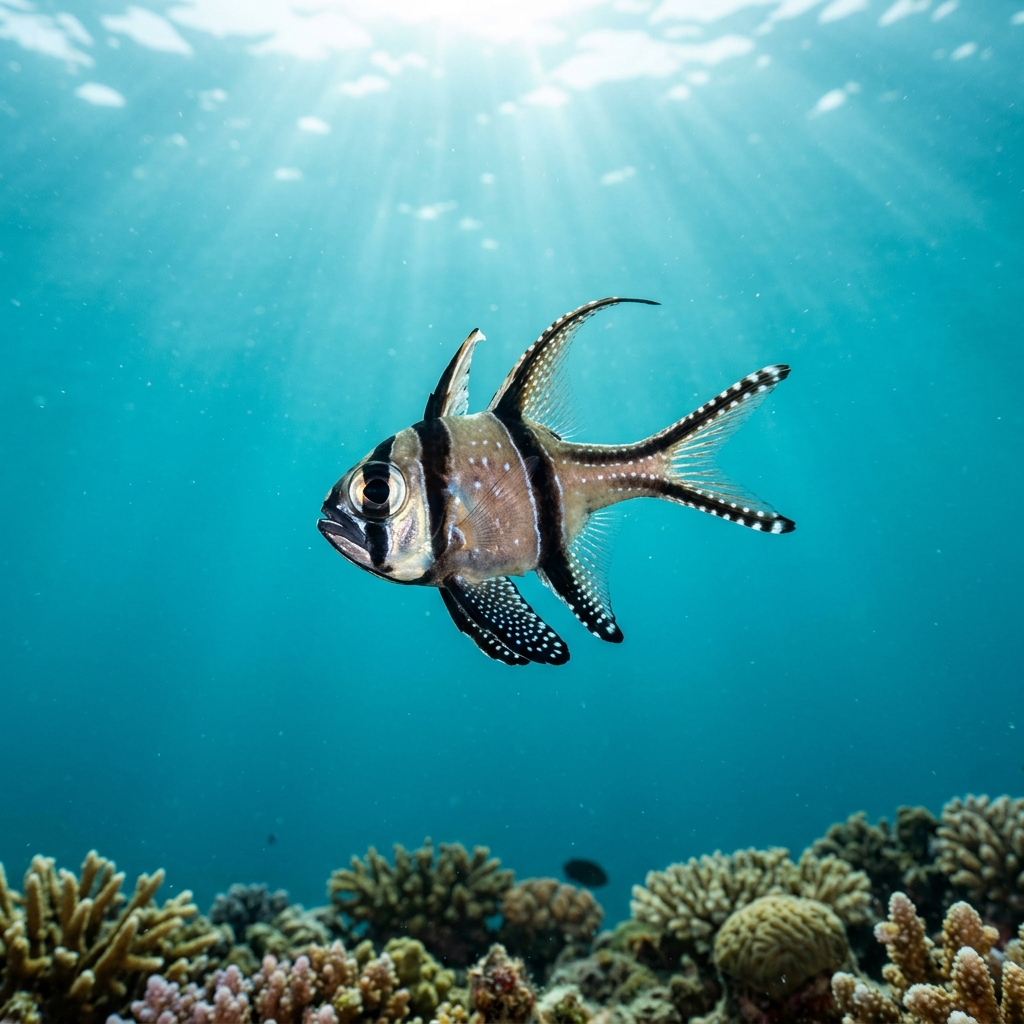
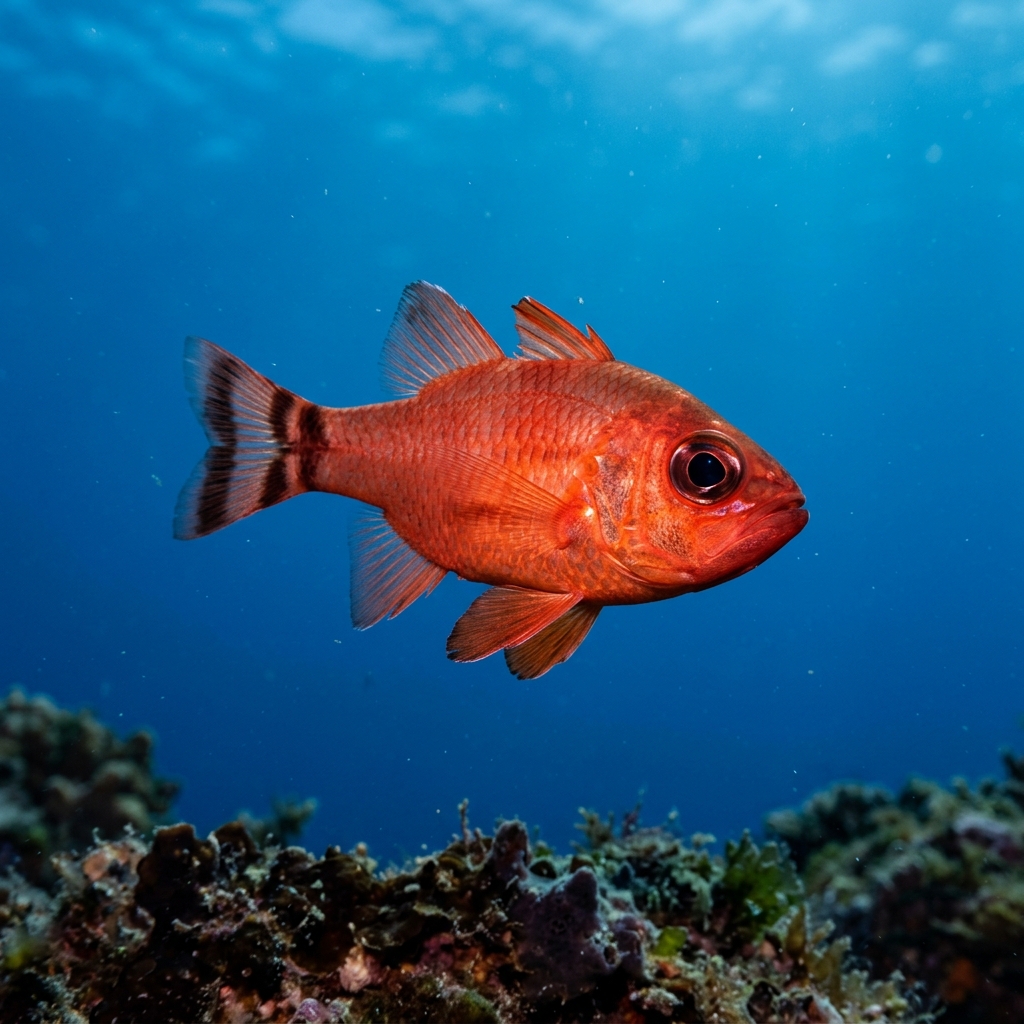
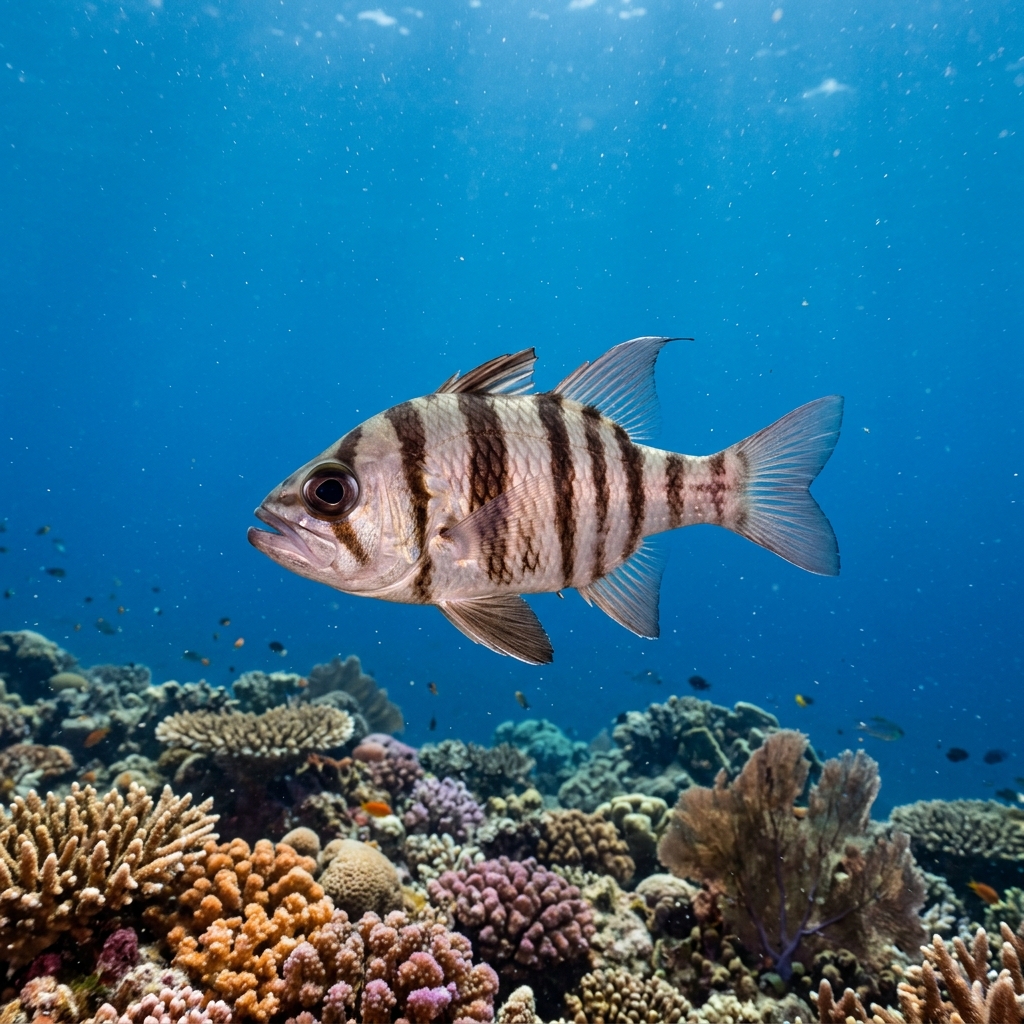
A small, chunky-bodied fish reaching about 9 cm, with a rounded head and the big dark eyes typical of cardinalfish. Look for a series of bold dark vertical bands running down a pale to silvery body, which gives it its common name. It tends to hover close to reef structure rather than swim in the open, so you often clock the banding before the shape.
Divers typically find it tucked close to reef structure, hovering in small sheltered spots rather than roaming open water. Like most cardinalfish it's an unhurried, low-key presence that holds its position near cover and doesn't react much to a diver nearby. Most logs describe single or occasional finds rather than groups, fitting its rare rating at most sites.
Cardinalfish in this family are mouth-brooders, with males typically carrying the fertilised eggs in their mouths until they hatch, a trait worth knowing if you ever see one holding its jaw oddly still.
Sightings don't show a clear seasonal pattern, and the observed temperature range of 24.6 to 29C suggests it's around on New South Wales reefs across the warmer part of the year rather than in one short window.
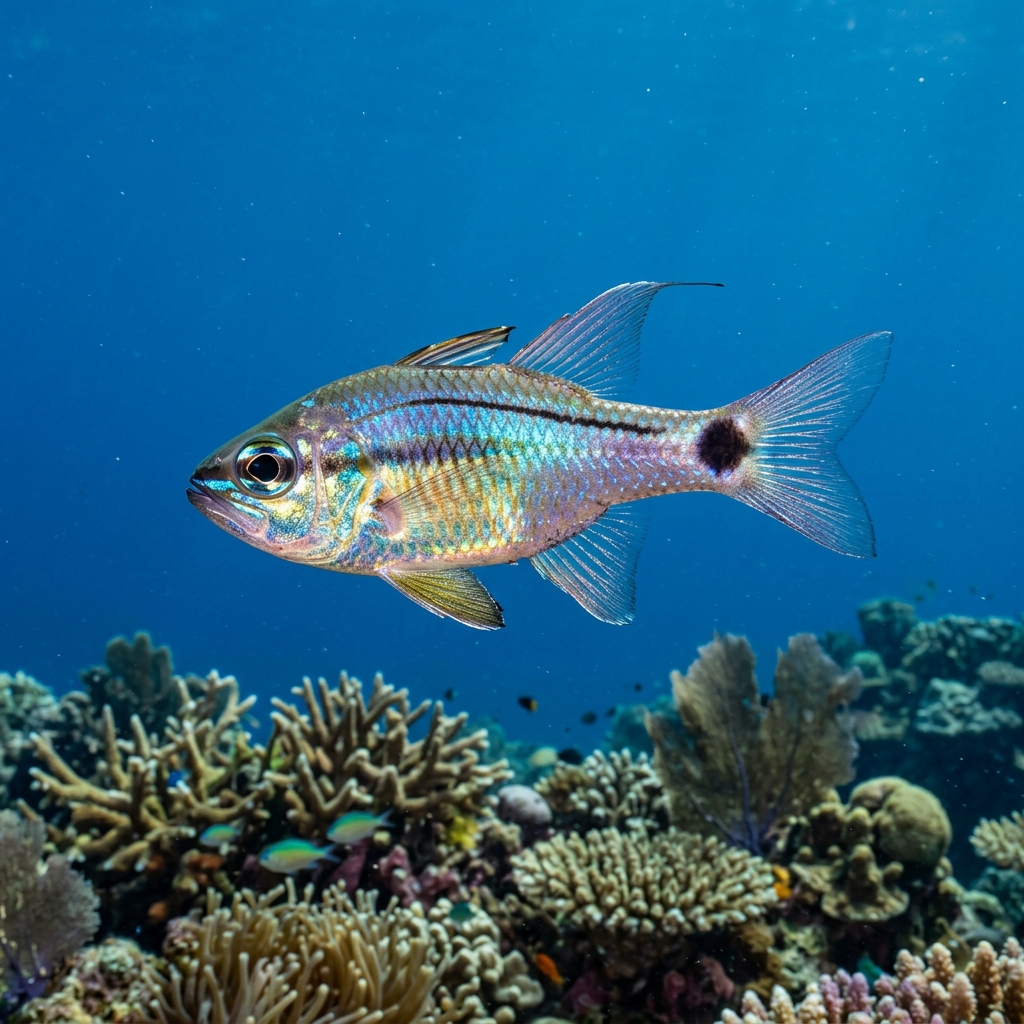
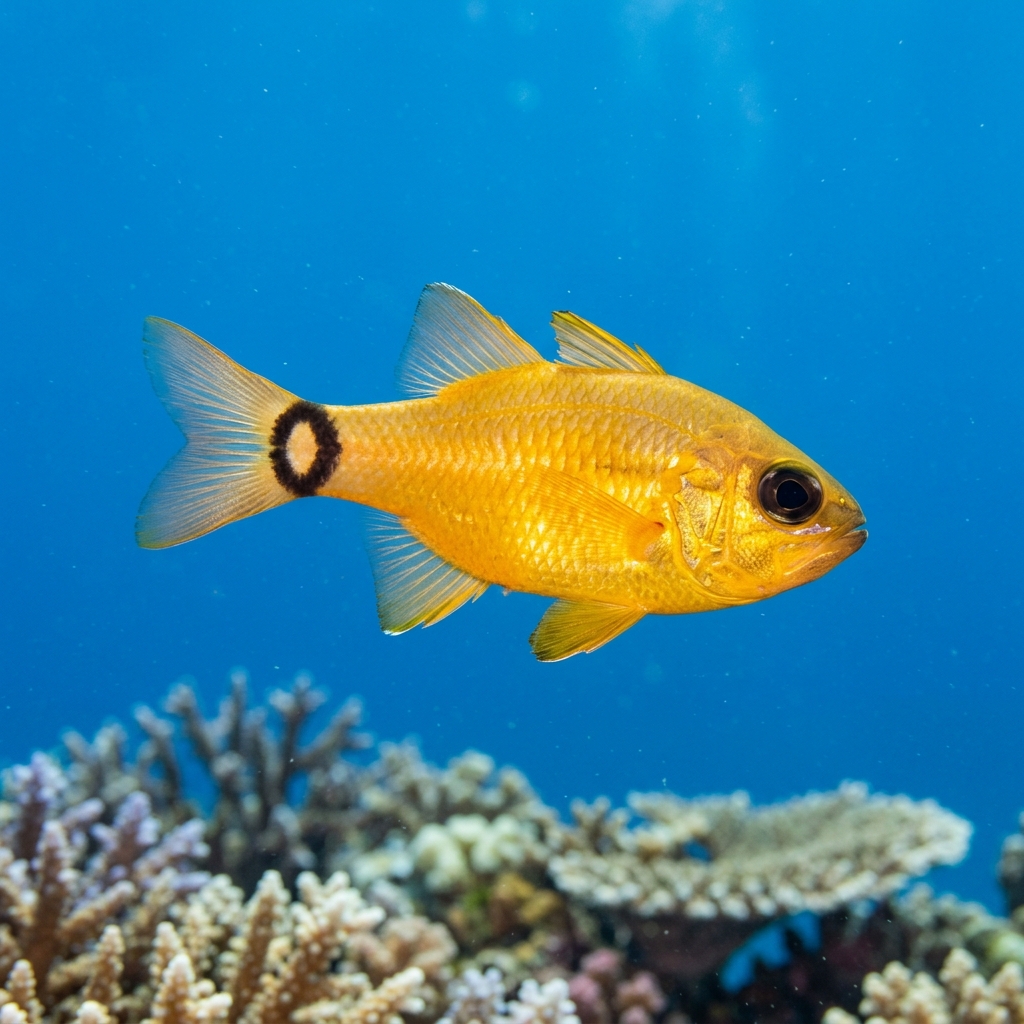
Reef neighbours a diver could mistake it for. Use the identification notes above to tell them apart.
Every logged sighting of this species comes from Australia, with New South Wales the only region divers have reported it from so far. Within that region it shows up as a rare find at most sites, with just one location where divers rate it common, so treat any sighting as a bonus rather than a guarantee.
Mapping where Broad-banded Cardinalfish is logged…
All confirmed sightings are from New South Wales, Australia, where it turns up at a handful of dive sites. It's not a species with a wide known range in diver logs, so New South Wales is currently the place to look.
There's no strong seasonal pattern in the sightings data, and the species is recorded across a warm water range of 24.6 to 29C, so it appears to be a year-round find rather than a seasonal one.
Look for a small, big-eyed reef fish around 9 cm long with bold dark vertical bands crossing a pale body. It usually sits close to reef structure rather than swimming in open water, which helps narrow it down from similar-looking cardinalfish.
They reach around 9 cm, making them one of the smaller reef fish you'll spot tucked into crevices or hovering near cover.
No. They're a small, harmless reef fish with no recorded risk to divers, happy to be observed at a normal distance.
Like other cardinalfish, they're mouth-brooders, meaning one parent carries the eggs in its mouth until the young hatch rather than leaving them on the reef.
Site and sighting data is aggregated from diver logs, iNaturalist and GBIF. For taxonomy and conservation status:
Iridescent Cardinalfish
1,781 sites