Pilumnus hirtellus
A small, hairy crab rarely seen but logged year-round from Brittany to Northern Ireland at 10-18°C. Here's where to look.
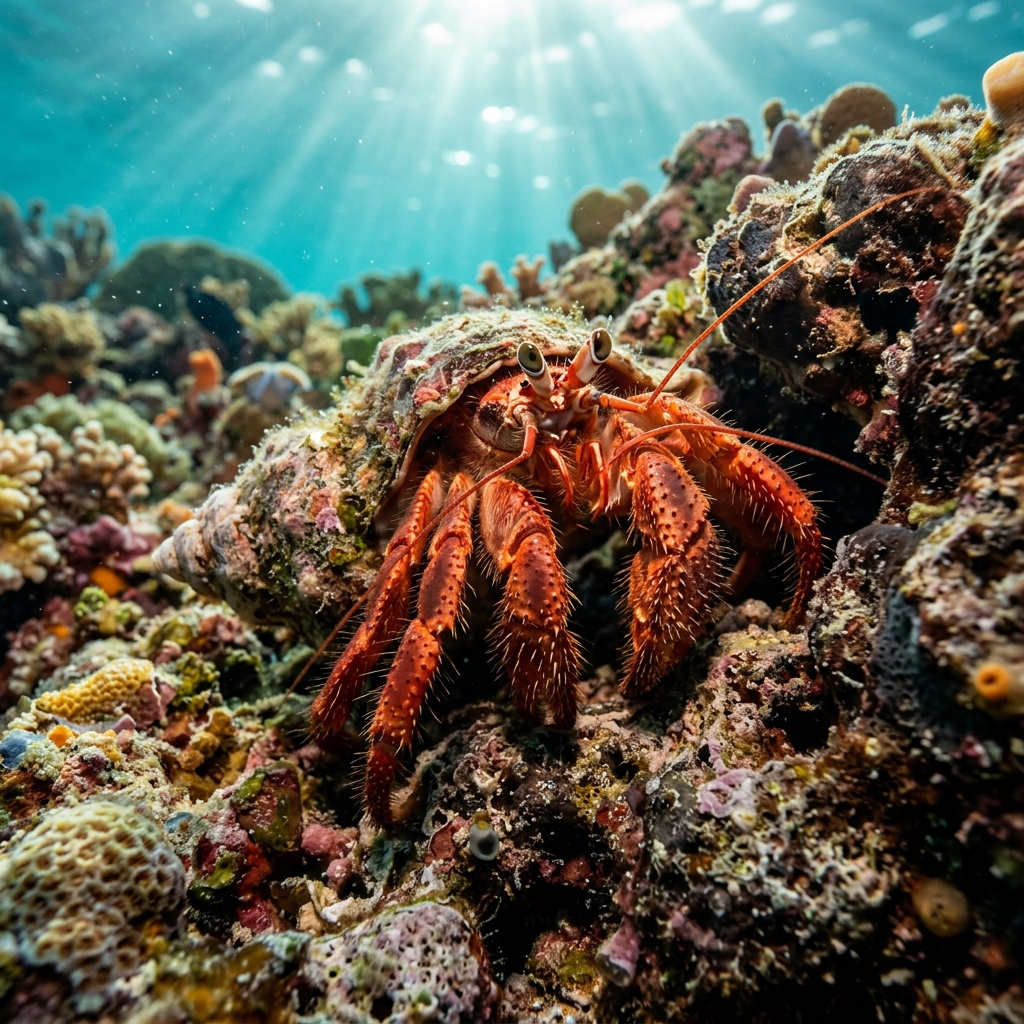
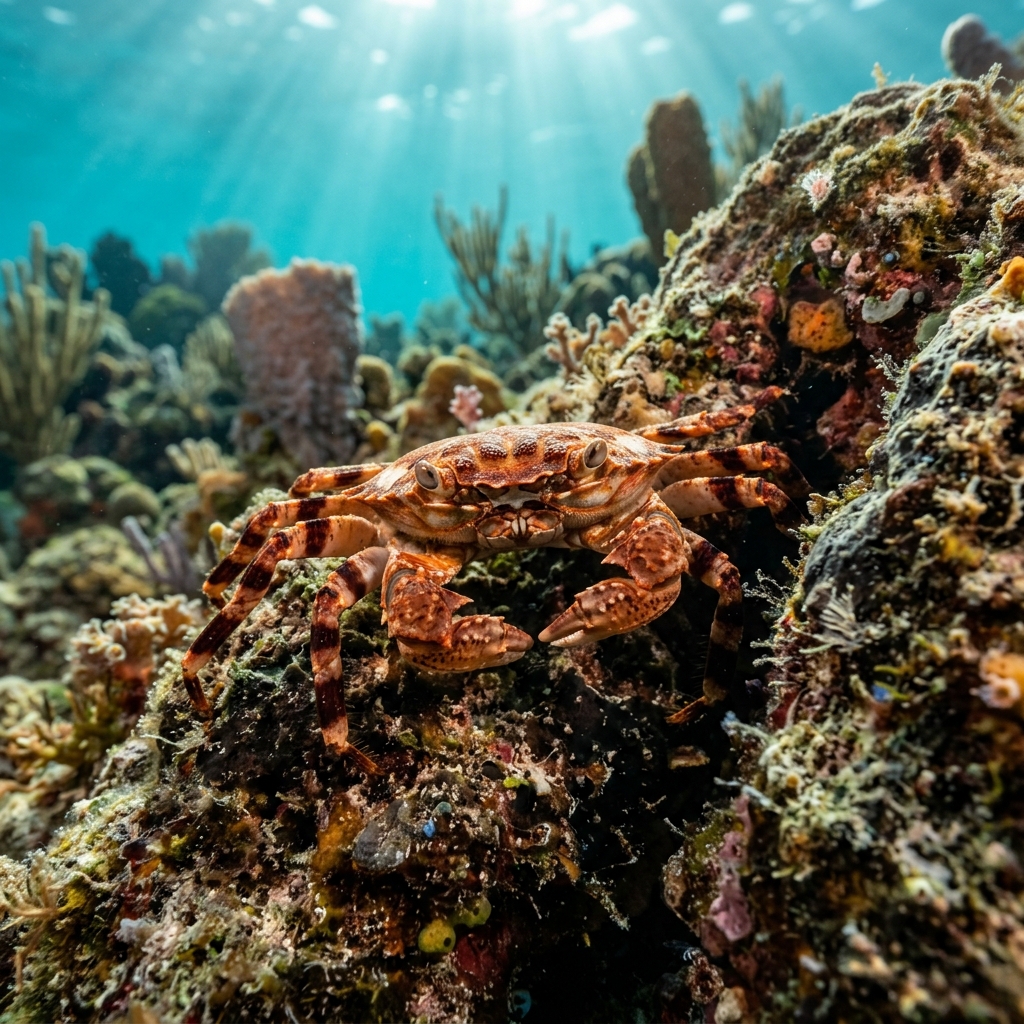
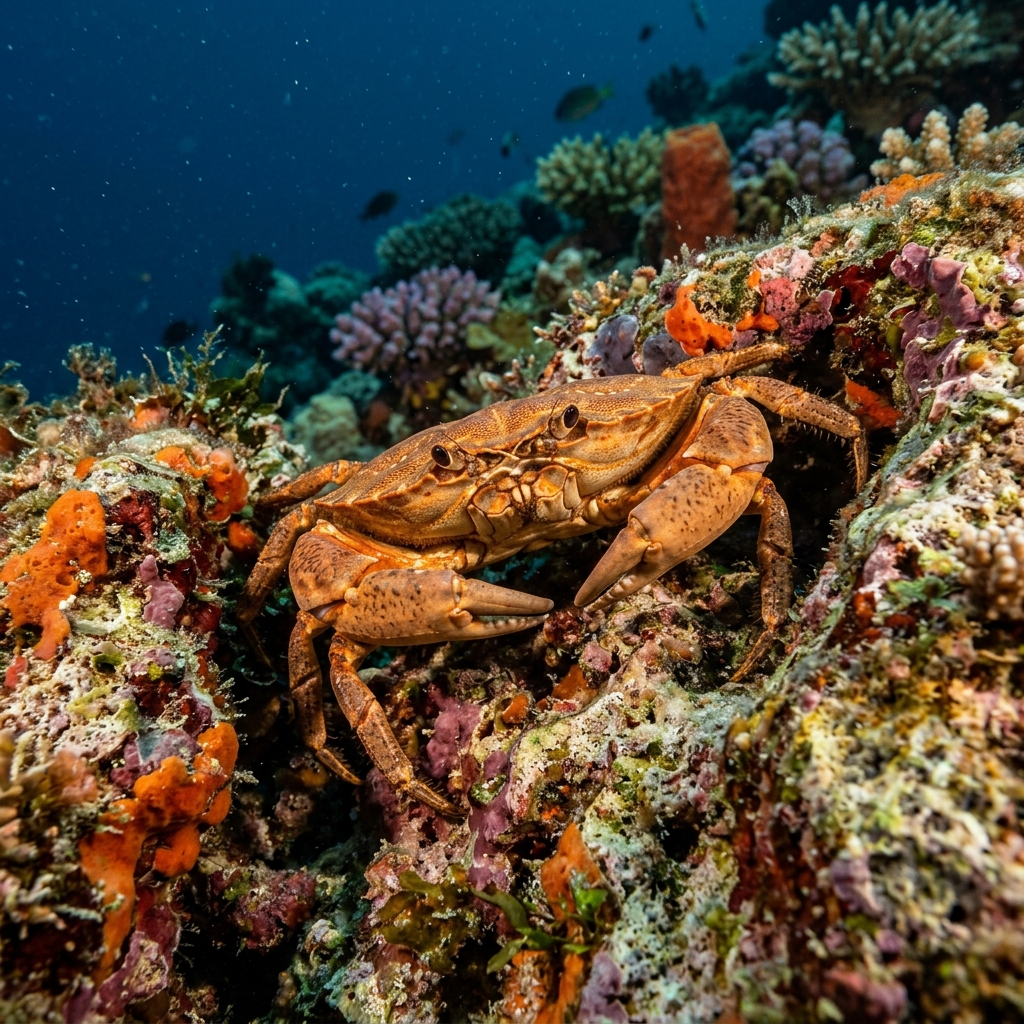
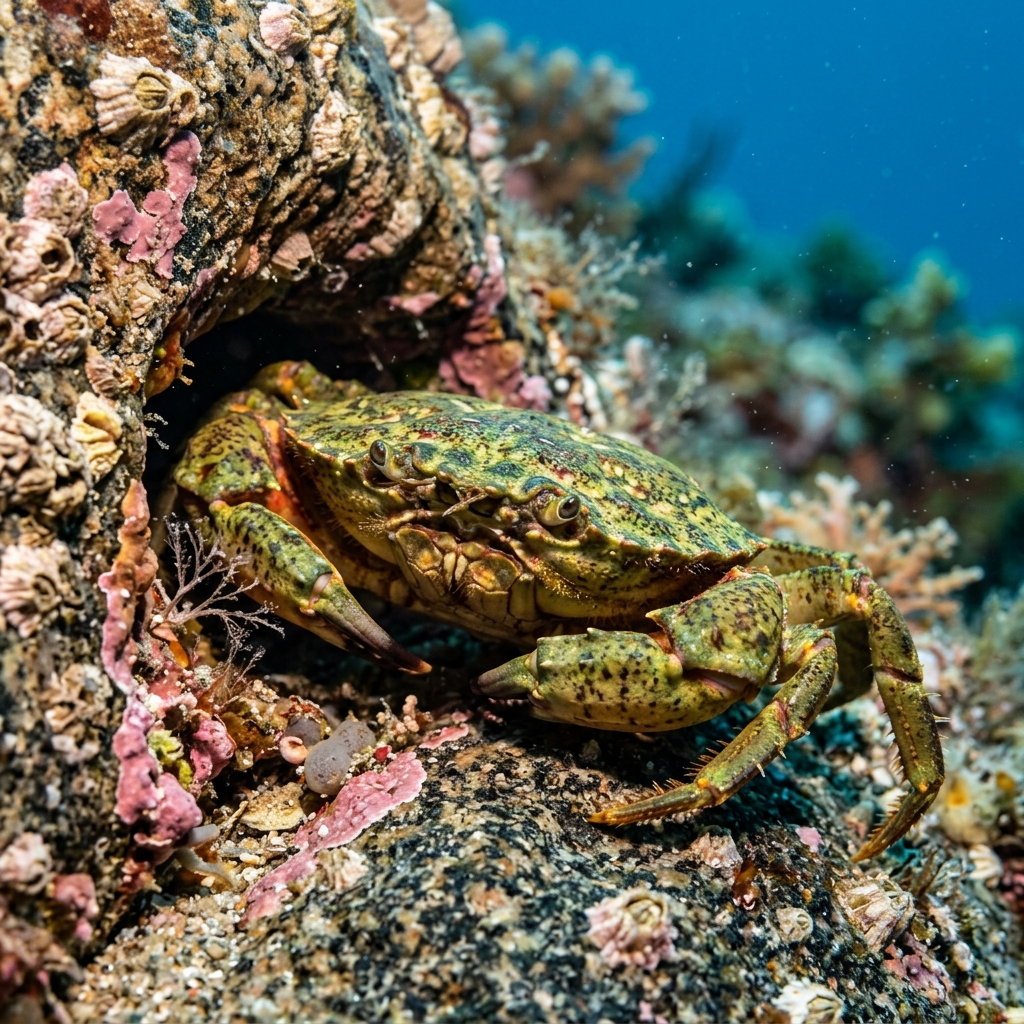
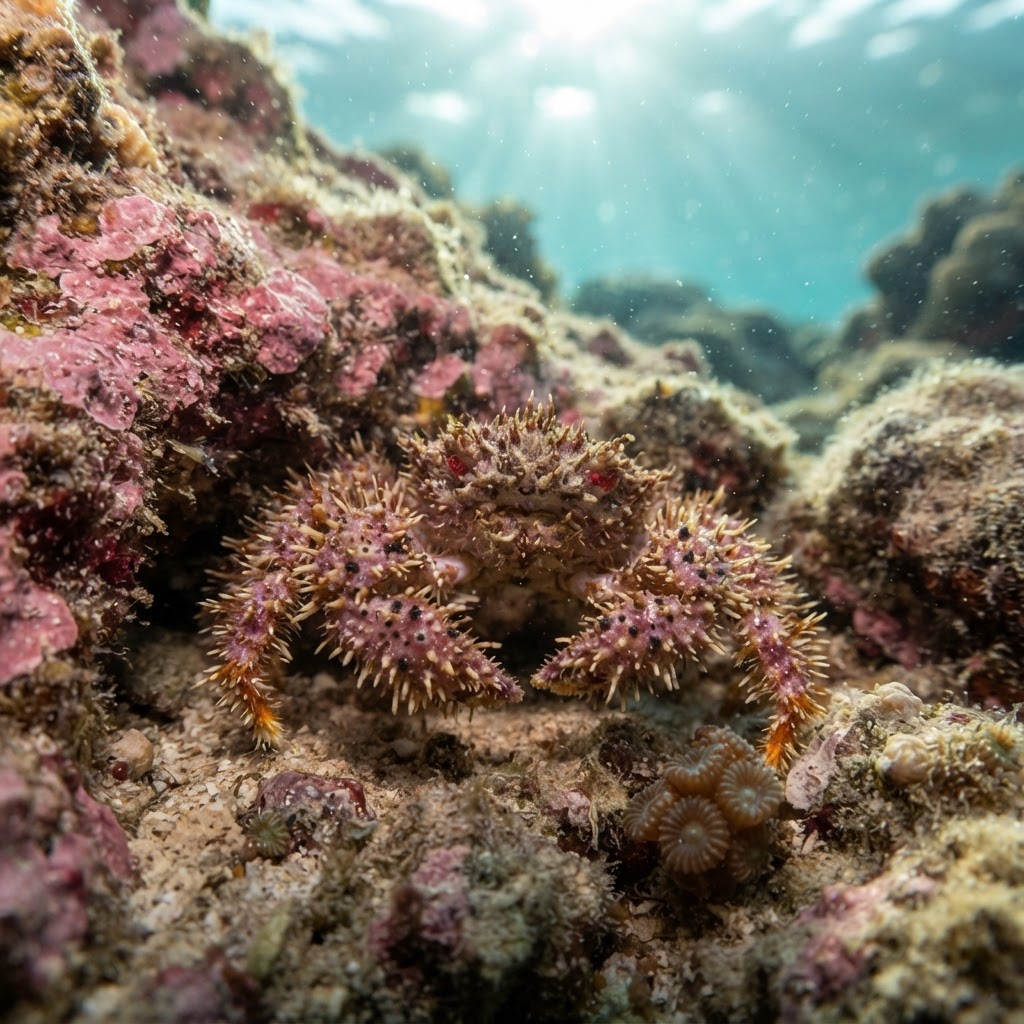
Look for a small, rounded crab whose entire shell and legs are covered in stiff, hair-like bristles, giving it a fuzzy, unkempt outline quite unlike a smooth-shelled crab. Colour runs from mottled brown to reddish, which combined with the bristles helps it disappear against algae and rock. It sits low and tucked into crevices rather than out in the open, so divers usually spot it by the texture first, not the shape.
Divers most often find this crab wedged into rock crevices, under stones, or nestled among algae and hydroids where its bristly coat breaks up its outline. It tends to stay put rather than scuttle off when a torch passes over, relying on camouflage over speed. Most logs describe it as rare to uncommon at any given site, so finding one usually means a slow, close look at crevice walls rather than open swimming water.
The bristles covering its shell and legs trap sediment and tiny algae, which thickens its camouflage over time and makes older individuals look even scruffier than freshly moulted ones.
Sightings show no clear seasonal pattern, and the crab's 10.2 to 18.1°C temperature range spans cooler months in temperate Atlantic and Channel waters, so it is best treated as a year-round find rather than tied to a specific season.
This is a cold-water species with its strongest logs from Northern Ireland and the Bay of Biscay in France, plus solid numbers from Brittany and Tenerife in the Canary Islands. It also turns up in Zeeland in the Netherlands, with smaller counts from Wales, Galway & Connemara in Ireland, and Kvarner in Croatia.
Mapping where Bristly Crab is logged…
It is most reliably logged around Northern Ireland and France's Bay of Biscay and Brittany coasts, with a strong presence off Tenerife in the Canary Islands too. Smaller numbers come from Zeeland in the Netherlands, Wales, Galway & Connemara in Ireland, and Kvarner in Croatia.
There is no strong seasonal pattern in the sighting data, and its comfort range of roughly 10 to 18°C covers cooler water through much of the year in these regions, so it can turn up in any season.
Look for a small crab whose whole body and legs are covered in coarse, hair-like bristles, usually in mottled brown or reddish tones. It sits tucked into rock crevices or algae rather than out in the open, and the fuzzy texture is the main giveaway rather than any bold colour pattern.
Exact size figures aren't well documented for this species, but it sits in the small end of the crab world, easily overlooked among rocks and algae unless a diver is looking closely.
No, it poses no danger to divers. It is a small, sedentary crab that relies on camouflage rather than any defensive behaviour toward humans.
Its entire shell and legs are covered in stiff bristles that trap silt, algae, and debris, effectively growing its own camouflage coat over time rather than relying on colour alone.
Site and sighting data is aggregated from diver logs, iNaturalist and GBIF. For taxonomy and conservation status:
European Green Crab
2,469 sites