Scolopsis affinis
Uncommon but reliable reef sighting in Malaysia's East Coast and Bali, in warm 25-29C water year-round.
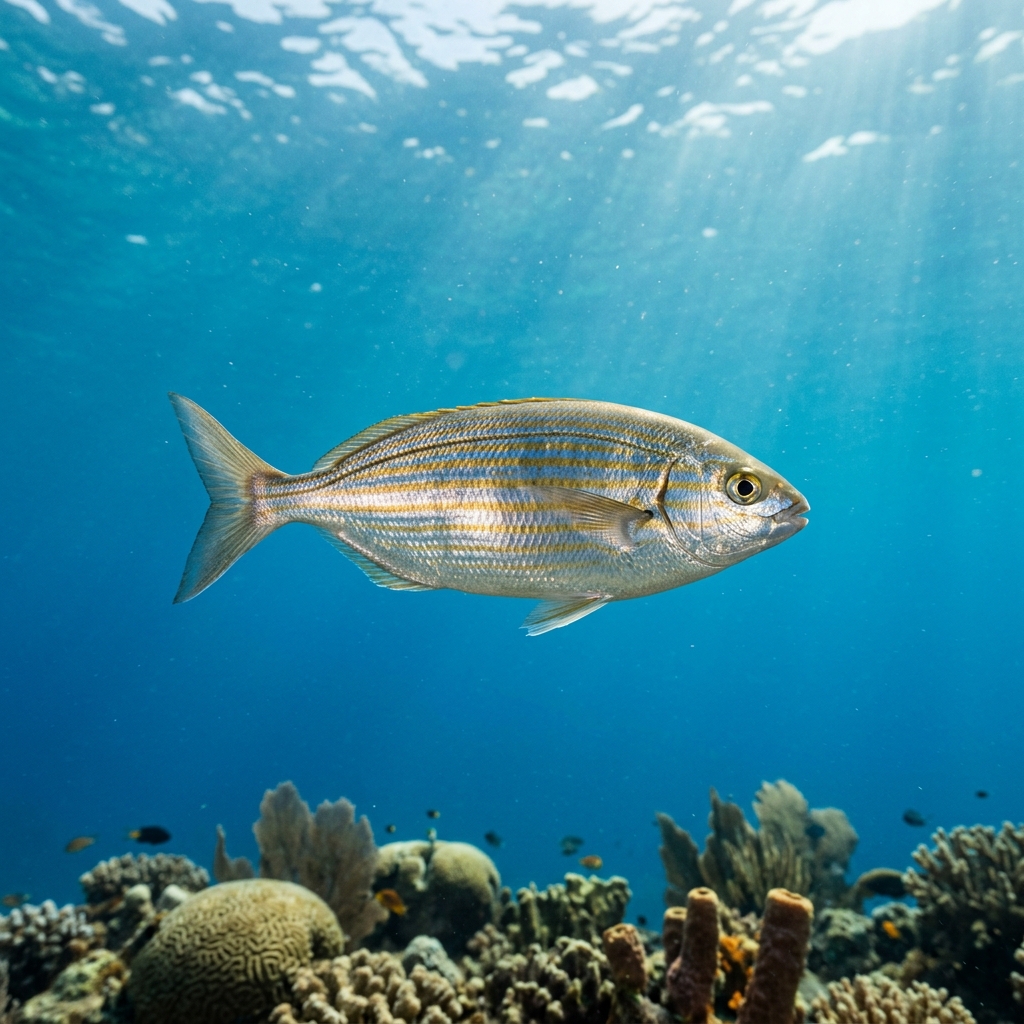
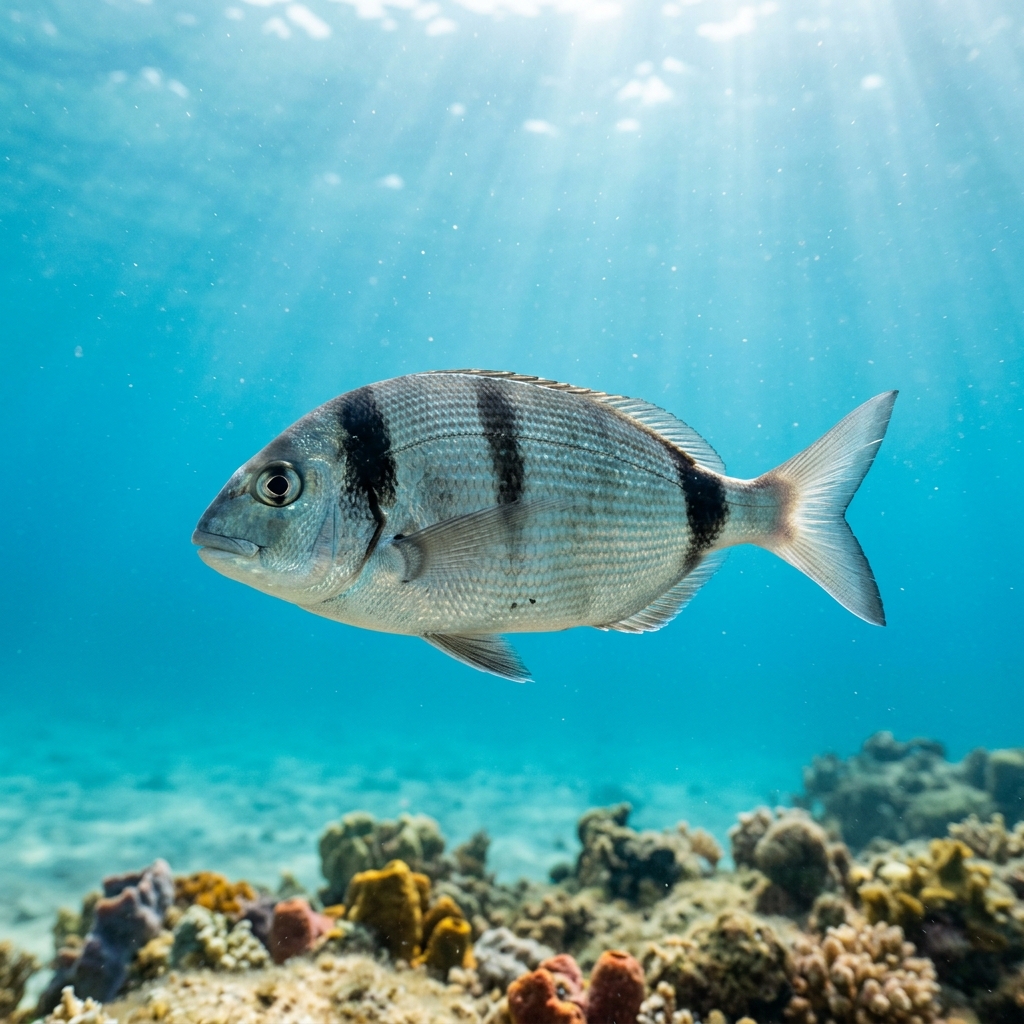
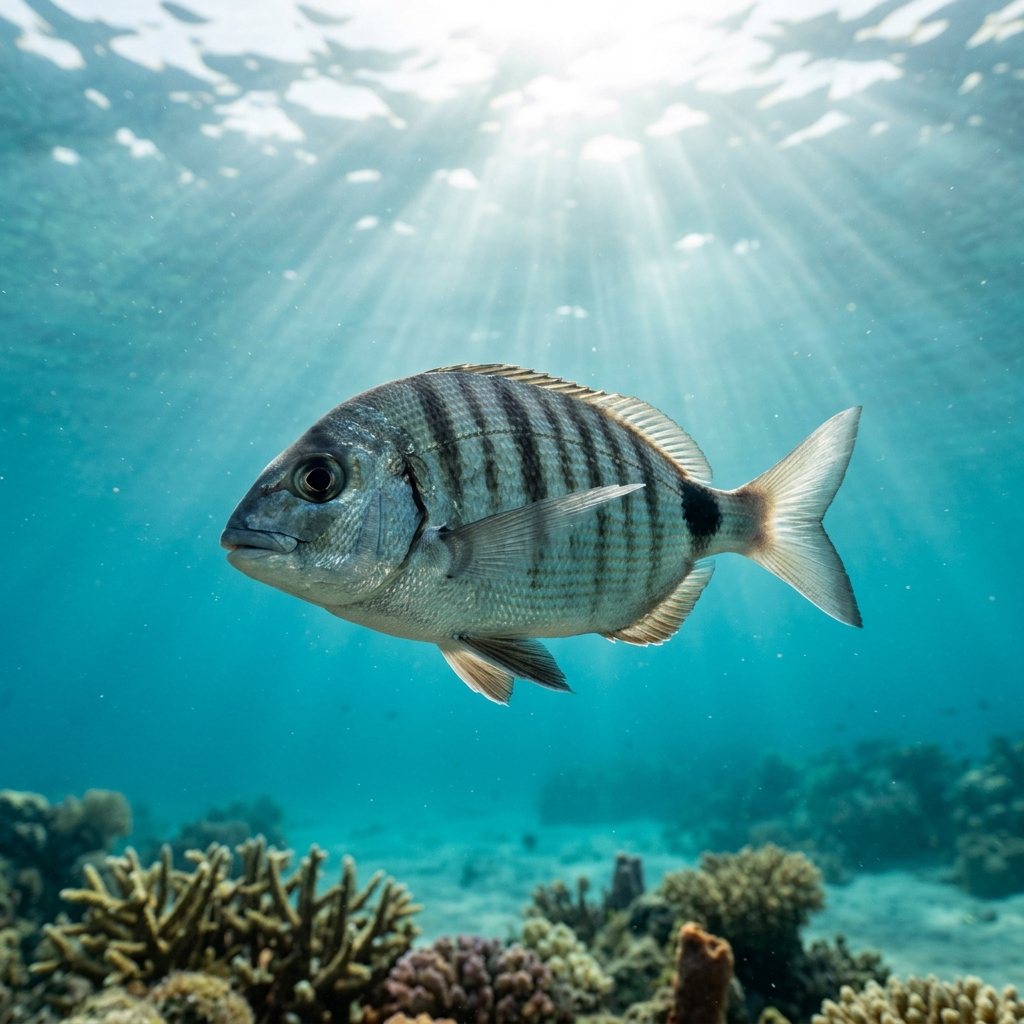
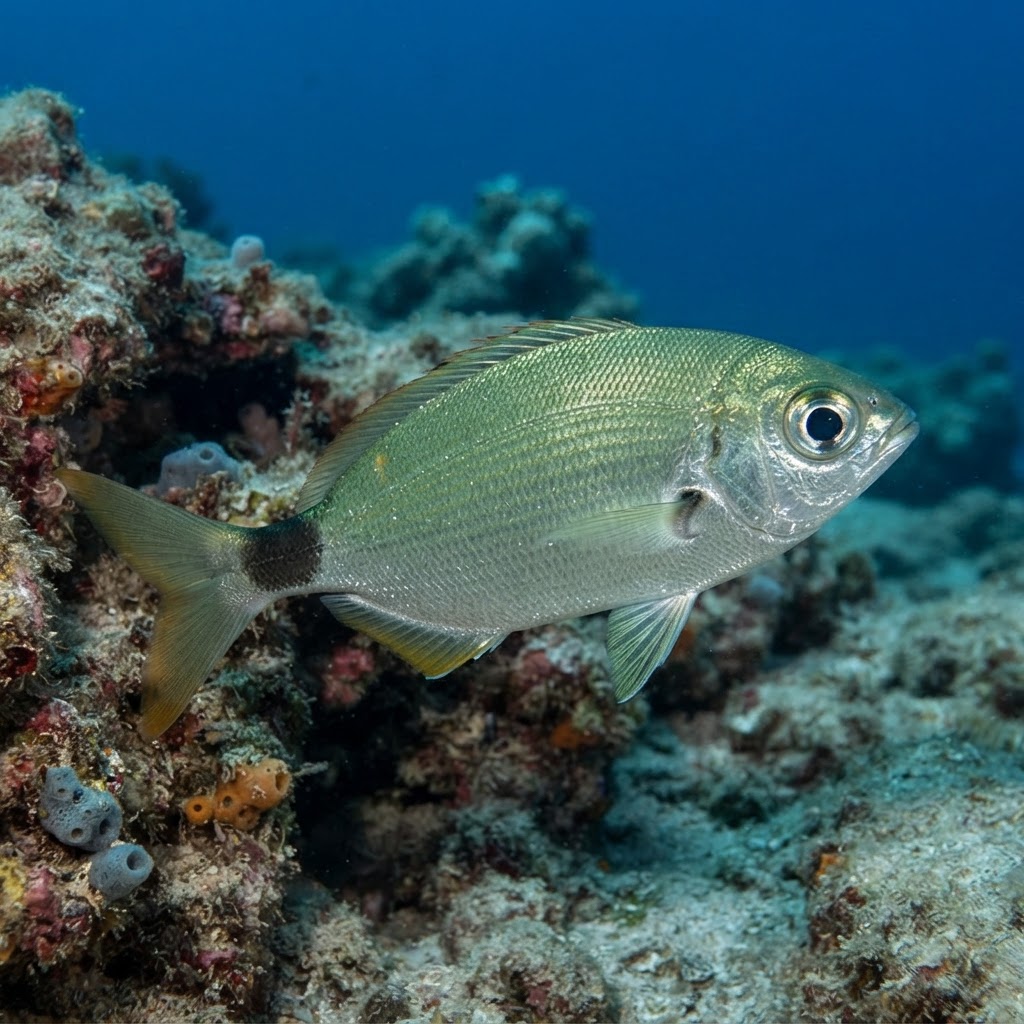
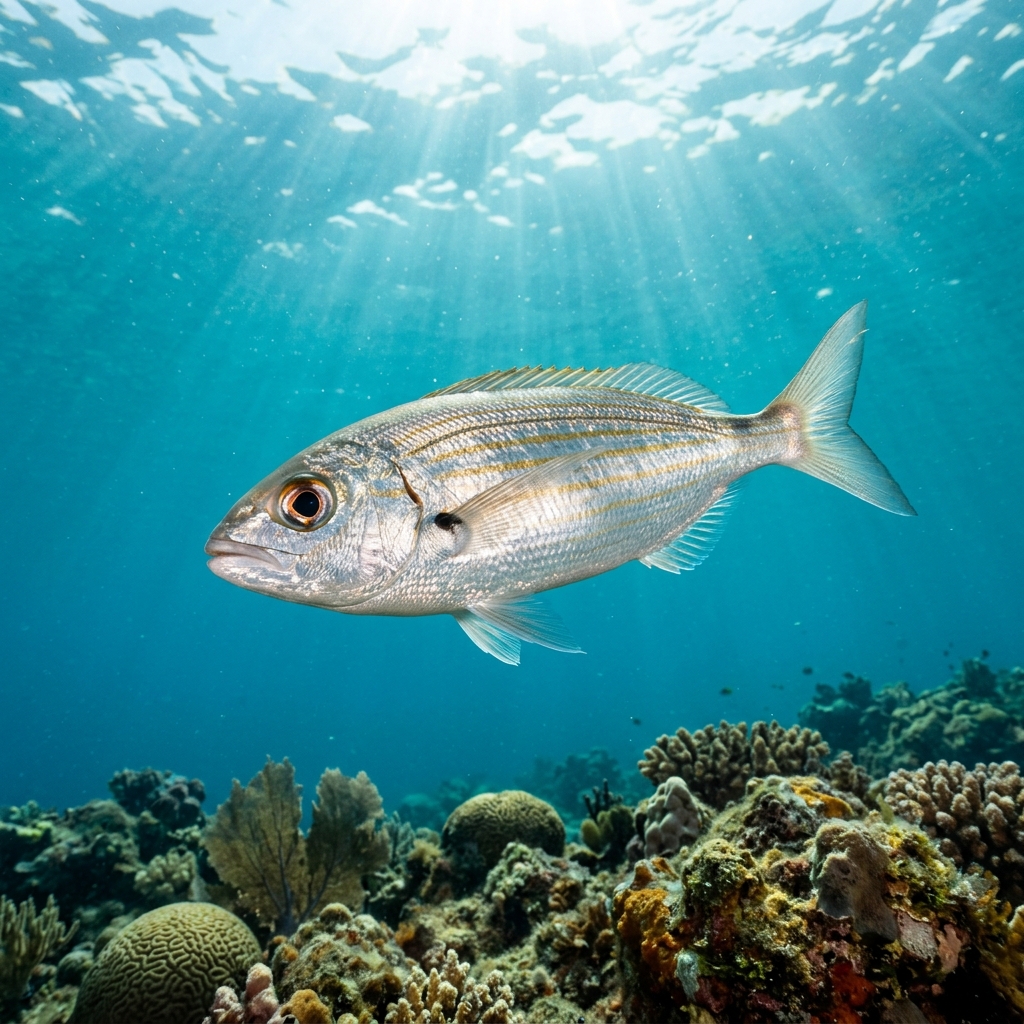
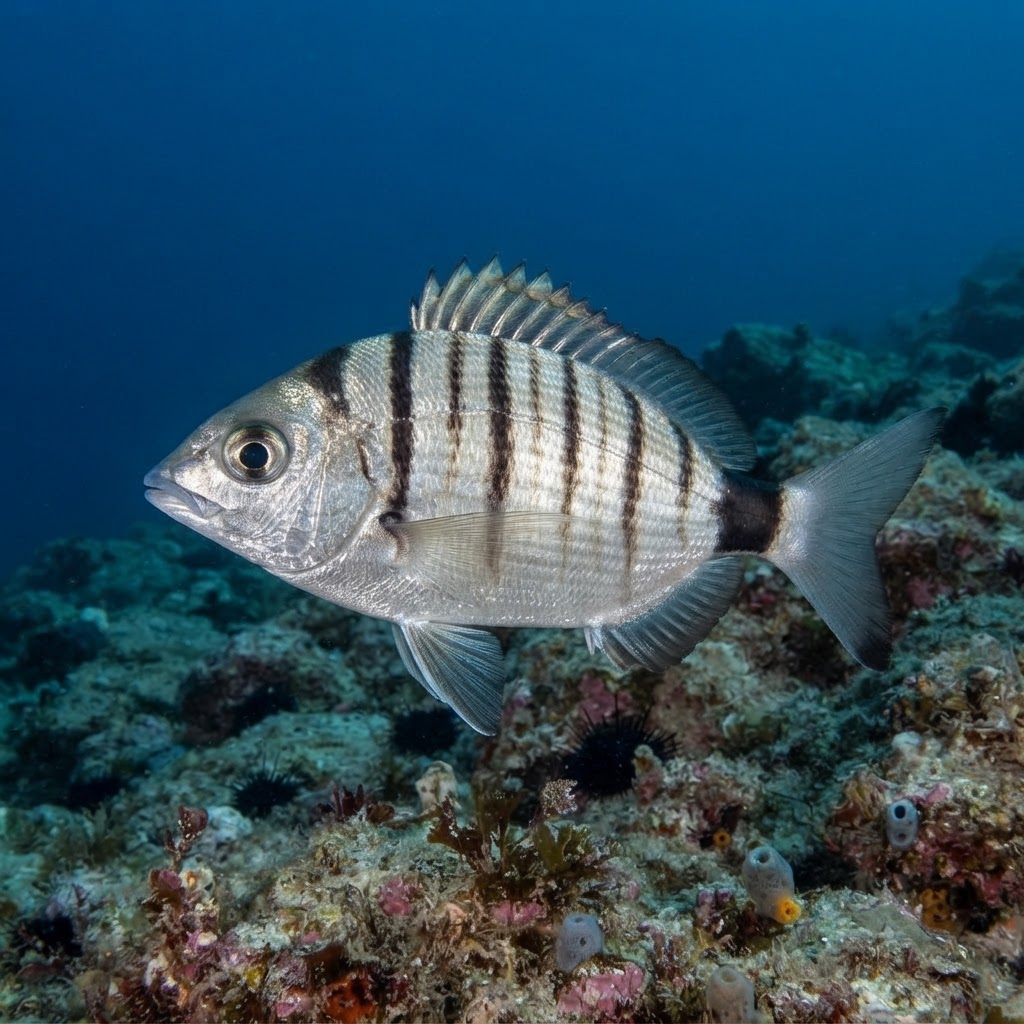
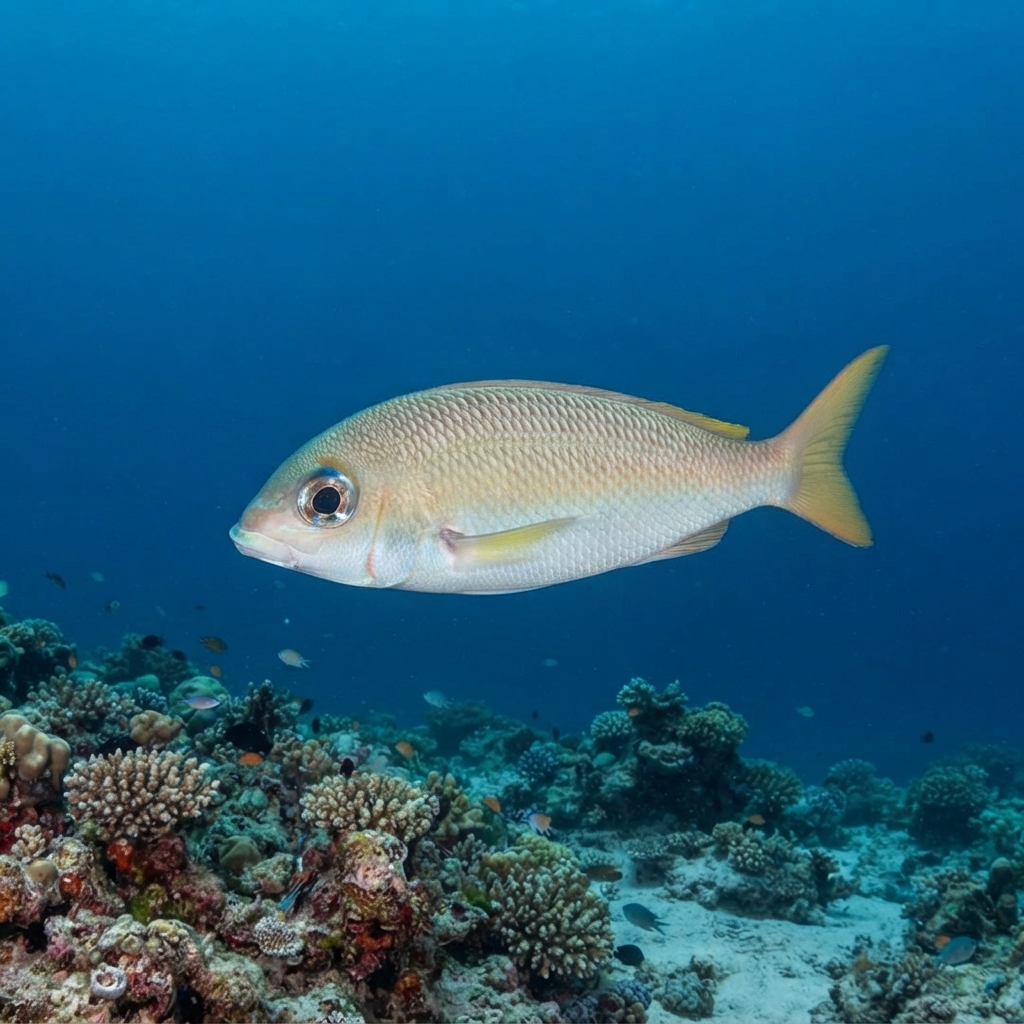
Grows to about 16 cm, with a silvery-grey body that pales toward the belly and a compressed, oval profile typical of monocle breams. The name comes from a dark bridle-like bar running from the eye down toward the gill line, which is the mark divers actually key on. A single continuous dorsal fin and slightly pointed snout separate it from the deeper-bodied butterflyfish it sometimes gets lumped in with on sighting logs.
Usually seen picking around sand patches and rubble at the base of the reef, singly or in loose small groups, working the substrate for a meal rather than schooling in open water. It tends to hold a cautious distance from divers rather than bolt, drifting off a few metres and settling back down once you move past. Most logs describe it as an easy but unremarkable background sighting rather than something divers actively hunt for.
Like other monocle breams, it hunts by sifting through sand and rubble for small invertebrates, so it is often spotted hovering just above the substrate rather than against the reef wall itself.
No clear seasonal pattern shows up in the sighting data, and its comfort range of 25.3 to 29.1C matches tropical reefs year-round, so any month is fair game at the sites above.
Most consistently logged along Peninsular Malaysia's East Coast, with strong showings in Luzon in the Philippines and across Bali and Sulawesi in Indonesia. Smaller numbers turn up in Maluku and Nusa Tenggara, and it has been recorded as far north as Okinawa in Japan, making it a wide but patchy Indo-Pacific reef fish rather than a headline species anywhere.
Mapping where Pale Monocle Bream is logged…
It shows up most reliably on Malaysia's East Coast, in Luzon in the Philippines, and across Bali and Sulawesi in Indonesia, usually as an uncommon reef sighting rather than a guaranteed one.
There is no strong seasonal signal in the sighting data, and it favours water around 25 to 29C, so it is present on tropical reefs throughout the year.
Look for a slim, silvery-grey fish around 16 cm with a dark bar running from the eye backward, a pointed snout, and a single unbroken dorsal fin. It is usually hovering near sand or rubble rather than tucked into coral.
They typically reach about 16 cm in length, making them a modest-sized reef fish easy to overlook among larger reef residents.
No. They pose no threat to divers and simply drift away a short distance if approached too closely.
It feeds on small invertebrates picked out of sand and rubble, sifting through the substrate rather than grazing coral or hunting in open water.
Site and sighting data is aggregated from diver logs, iNaturalist and GBIF. For taxonomy and conservation status:
Saddled Bream
3,846 sites