Sebastes paucispinis
Rare, cold-water rockfish logged in California's kelp beds at 4.5 to 8.9C. Here's how to spot one and where divers actually find them.
Safety warning
The spines carry venom and snap off easily in the skin. Do not touch it, and never rest a hand or knee on the reef near one; the spines drive in on the lightest contact.
If you're stung
Venomous spinesGeneral first-aid guidance, not a substitute for professional medical care. In an emergency, call your local emergency number.
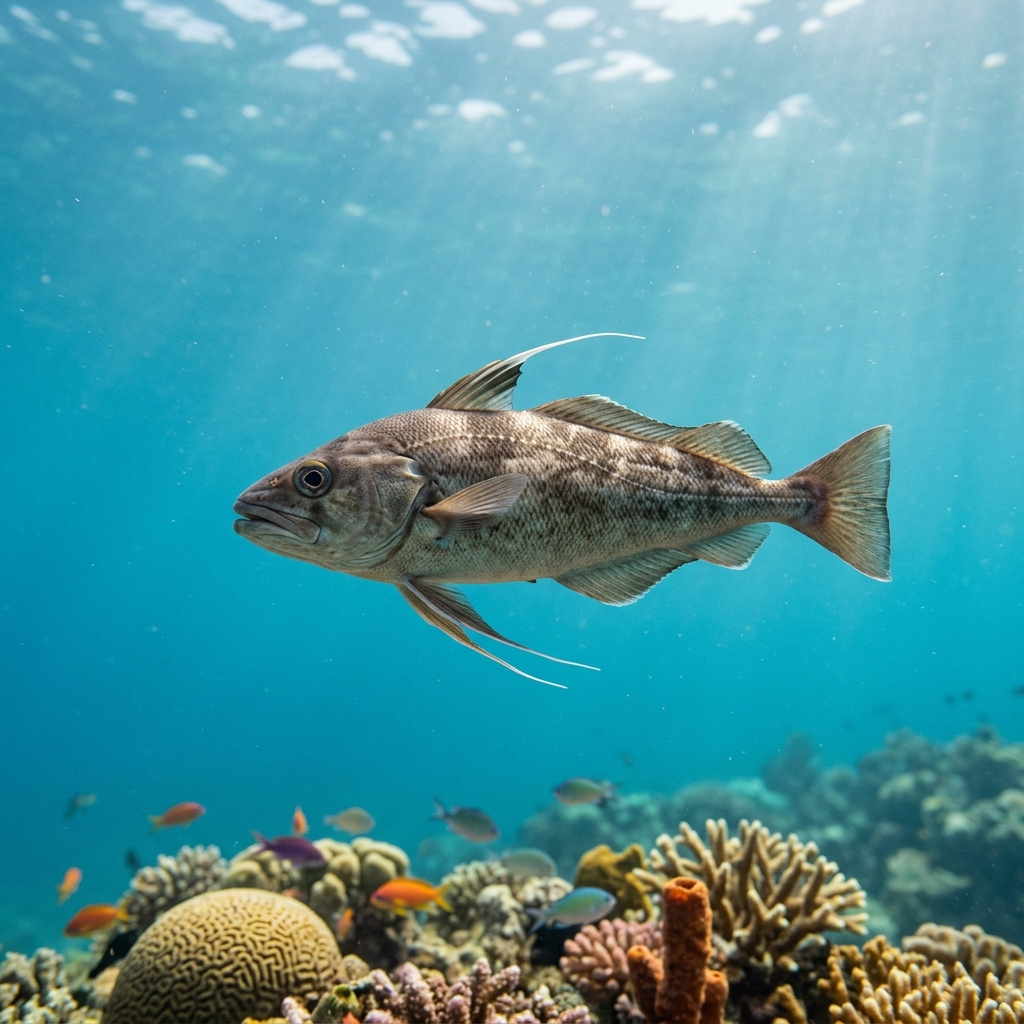
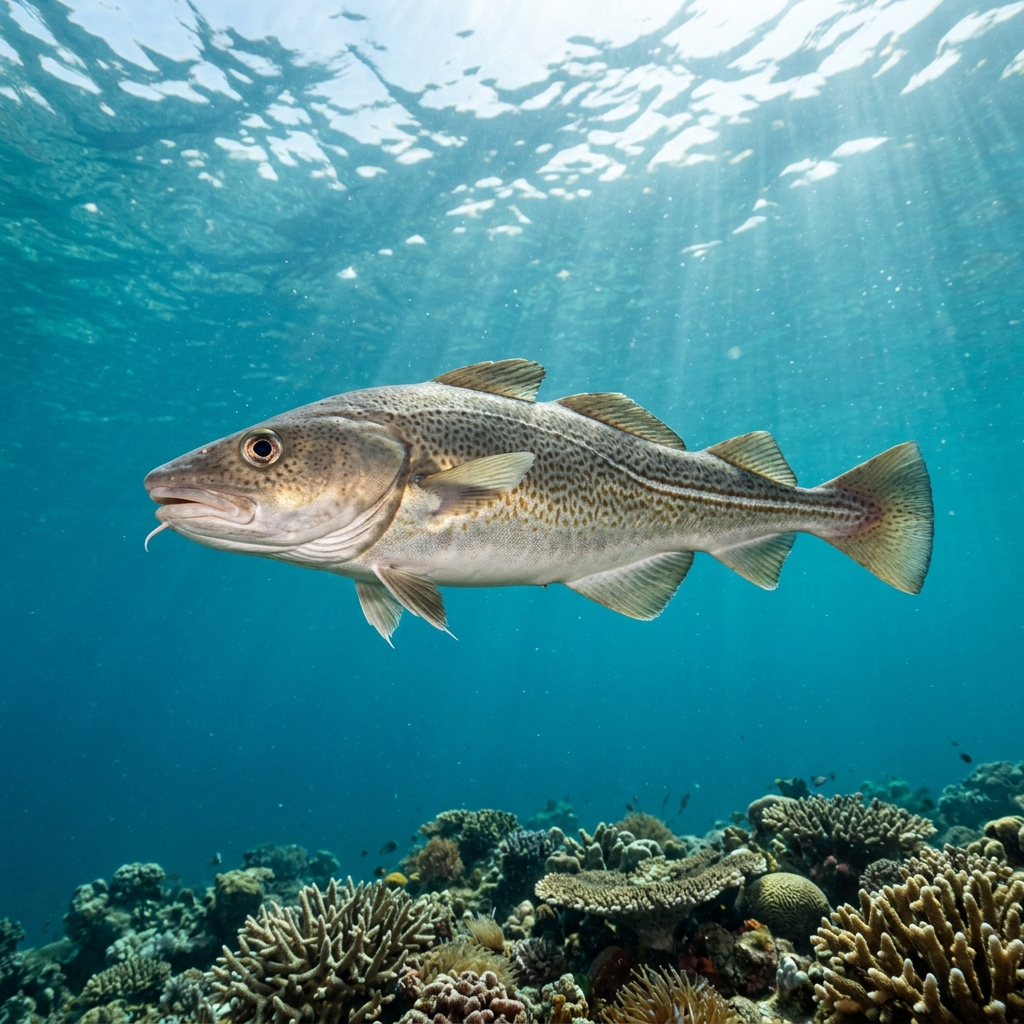
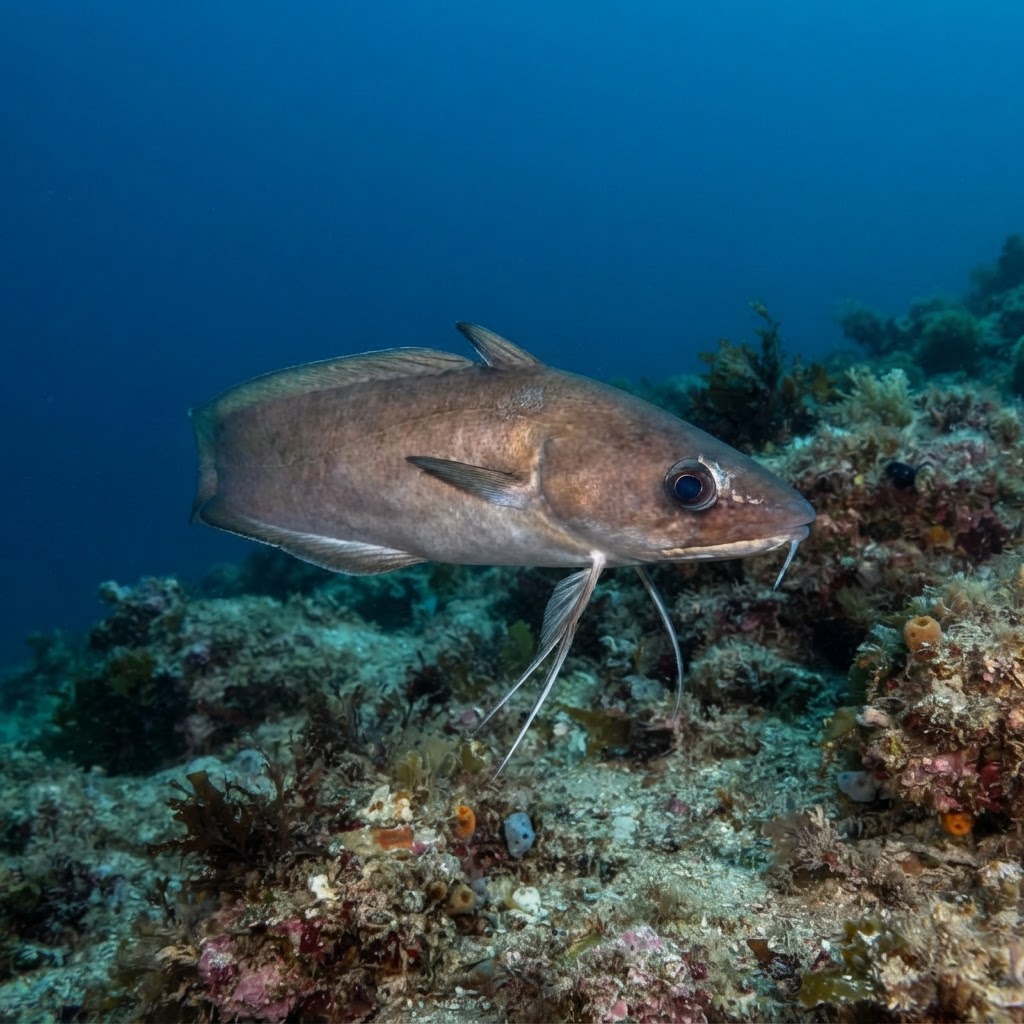
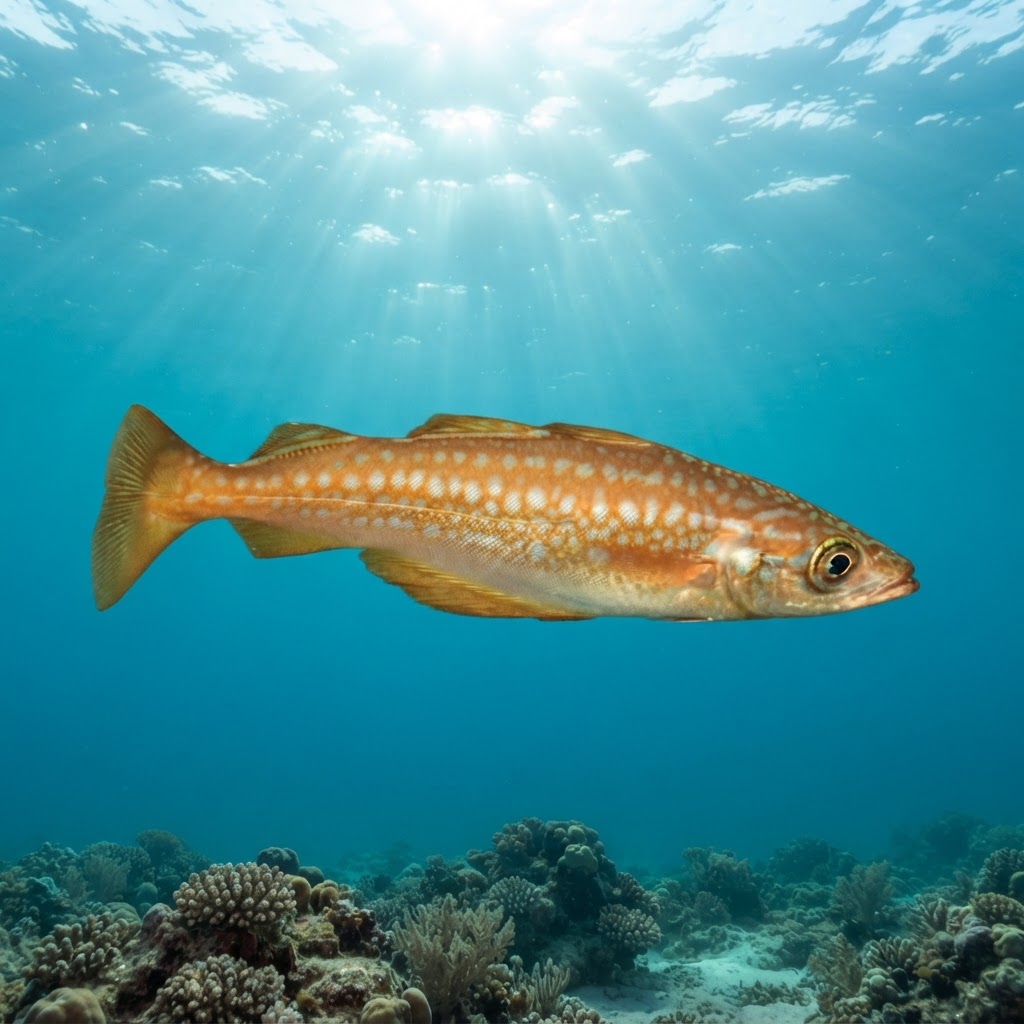
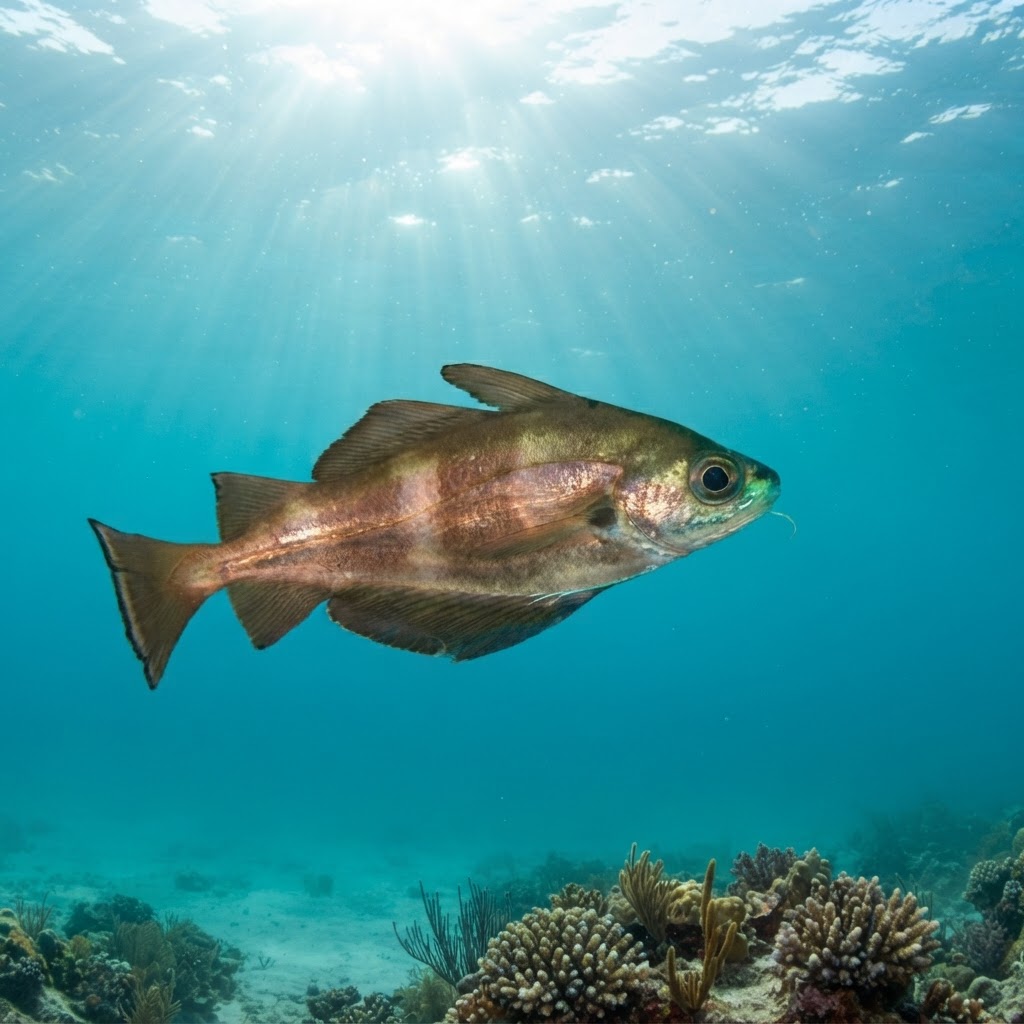
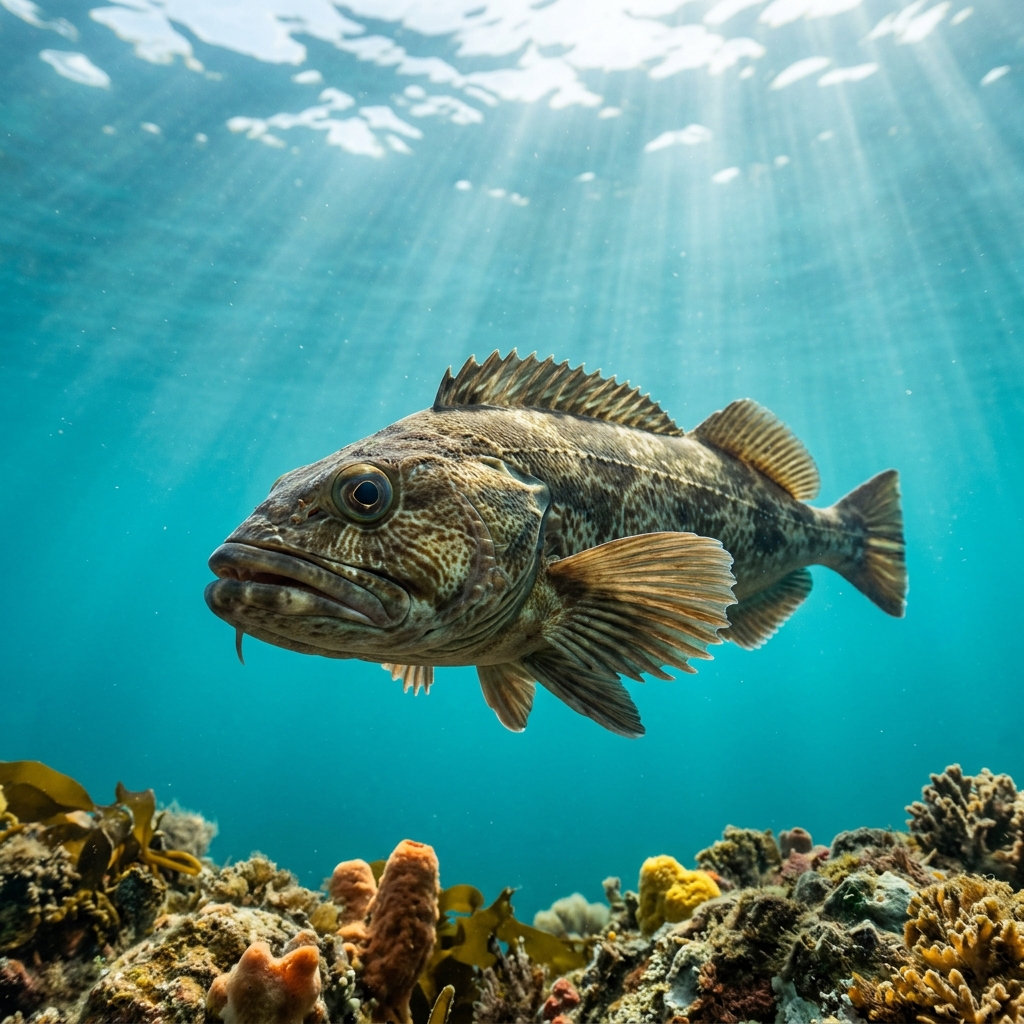
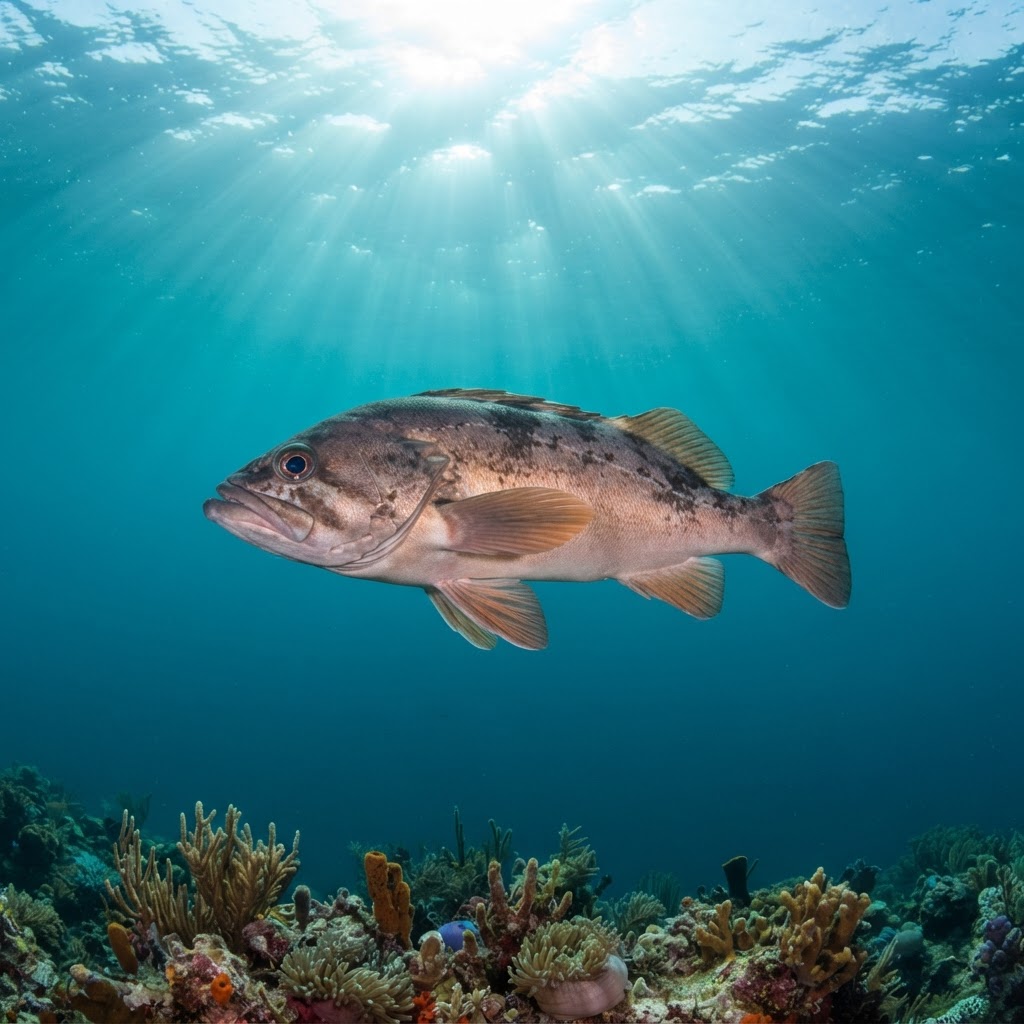
Look for a long, slim-bodied rockfish with a noticeably large lower jaw that projects past the upper one, giving it an underslung, almost pike-like profile. Colouration runs from olive-brown to bronze or reddish along the back, fading to pale pink or white underneath, with a body that reaches around 64cm in bigger adults. It sits deeper-bodied fish like sculpins and other rockfish share the reef, so the elongated shape and protruding jaw are the quickest tells.
Divers who find one typically describe it hovering or holding station near rocky structure or kelp-forest edges rather than darting about, which fits its reputation as a slower-moving, mid-water rockfish. Logged sightings are mostly rare, so an encounter is usually a brief, still moment rather than a repeat show, and it tends to keep its distance from divers rather than approach.
Bocaccio can live for several decades and mature slowly, which is part of why populations were slow to recover after being heavily fished through the twentieth century off the US West Coast.
There is not enough seasonal data to point to a particular month, so treat this as a year-round possibility on California dives. Water temperatures where it has been logged run cold, 4.5 to 8.9C, consistent with the deeper, cooler rocky reefs it favours off the California coast.
Every logged sighting comes from California, USA, making it the only reliable region for this species in the diver record. Sightings are spread across eight sites there, so it is worth treating any California kelp-forest or rocky reef dive as a possible encounter rather than targeting one specific site.
Mapping where Bocaccio is logged…
All recorded diver sightings come from California, USA, spread across a handful of rocky reef and kelp-forest sites. It is not a species you can target elsewhere with any reliability based on current data.
There is no clear seasonal pattern in the sighting data, so it is best treated as a year-round possibility on California dives. It has been logged in cold water between 4.5 and 8.9C, typical of the rocky reefs it inhabits.
Check for a long, slender body up to about 64cm with a large lower jaw that juts past the upper jaw, giving it a distinctive underslung look. Colouring is olive-brown to bronze on top, paler below, without the bold markings some other rockfish carry.
They typically reach around 64cm in length, making them one of the larger rockfish species divers might encounter on the California coast.
No, most logged sightings describe it as rare, with only one site reporting it as uncommon. Spotting one is more of a lucky find than something to expect on a typical dive.
Site and sighting data is aggregated from diver logs, iNaturalist and GBIF. For taxonomy and conservation status:
Pollack
282 sites