Herklotsichthys quadrimaculatus
Silver baitfish with a blue stripe, logged in the Visayas, Philippines, in warm 25-29 C water year-round.
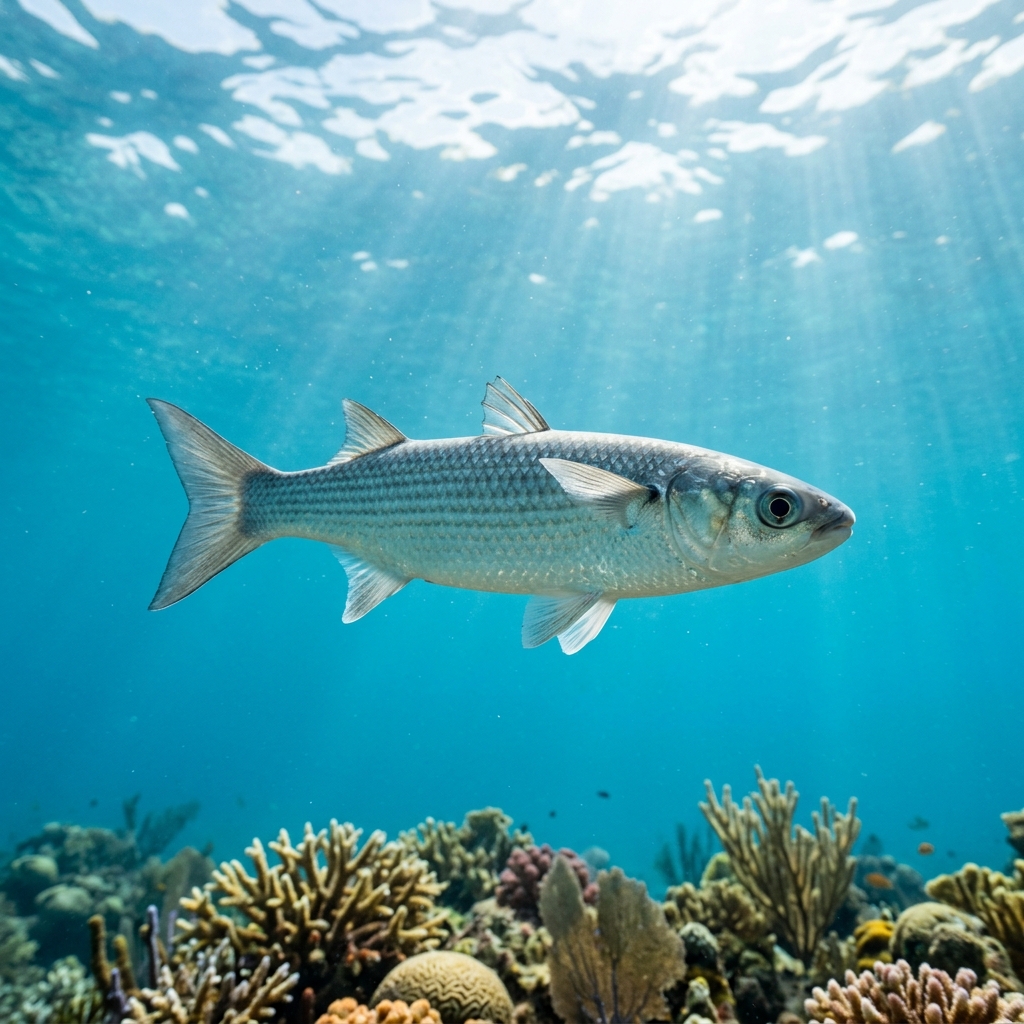
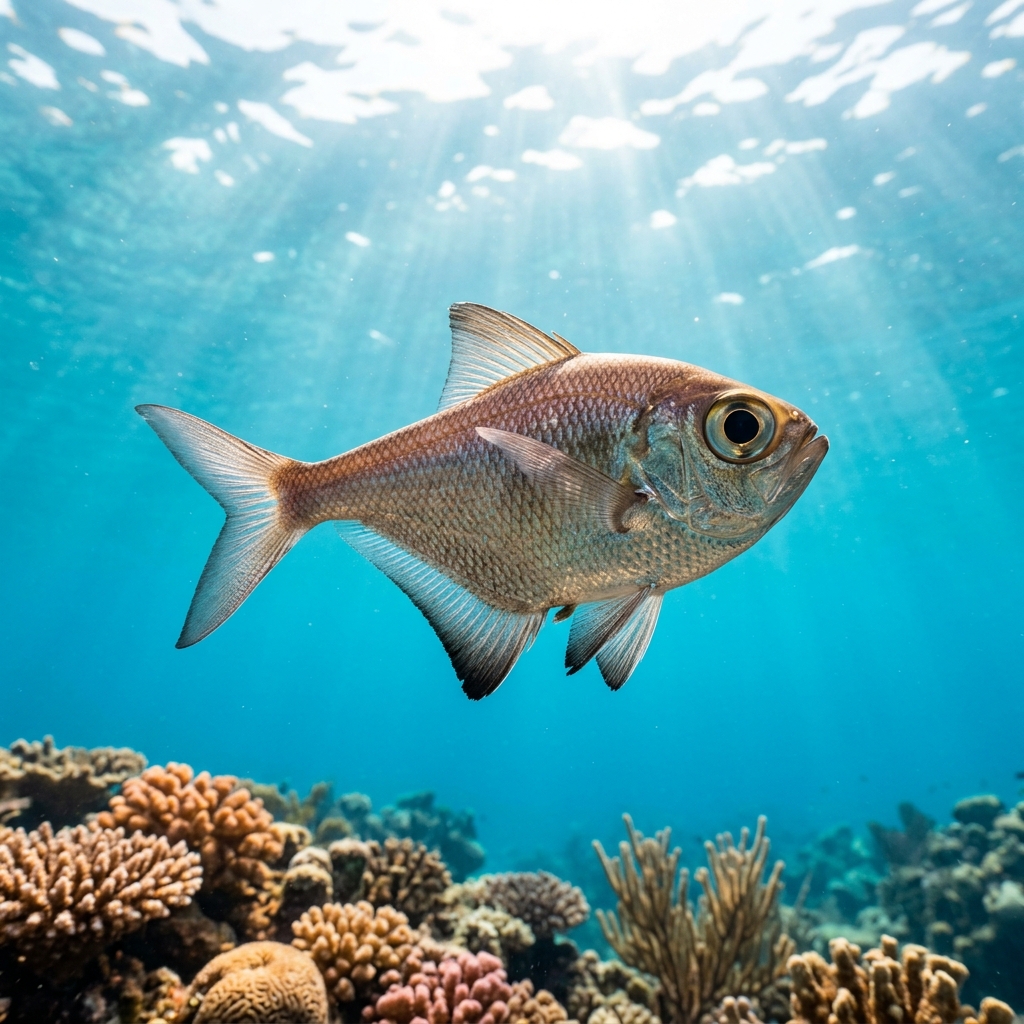
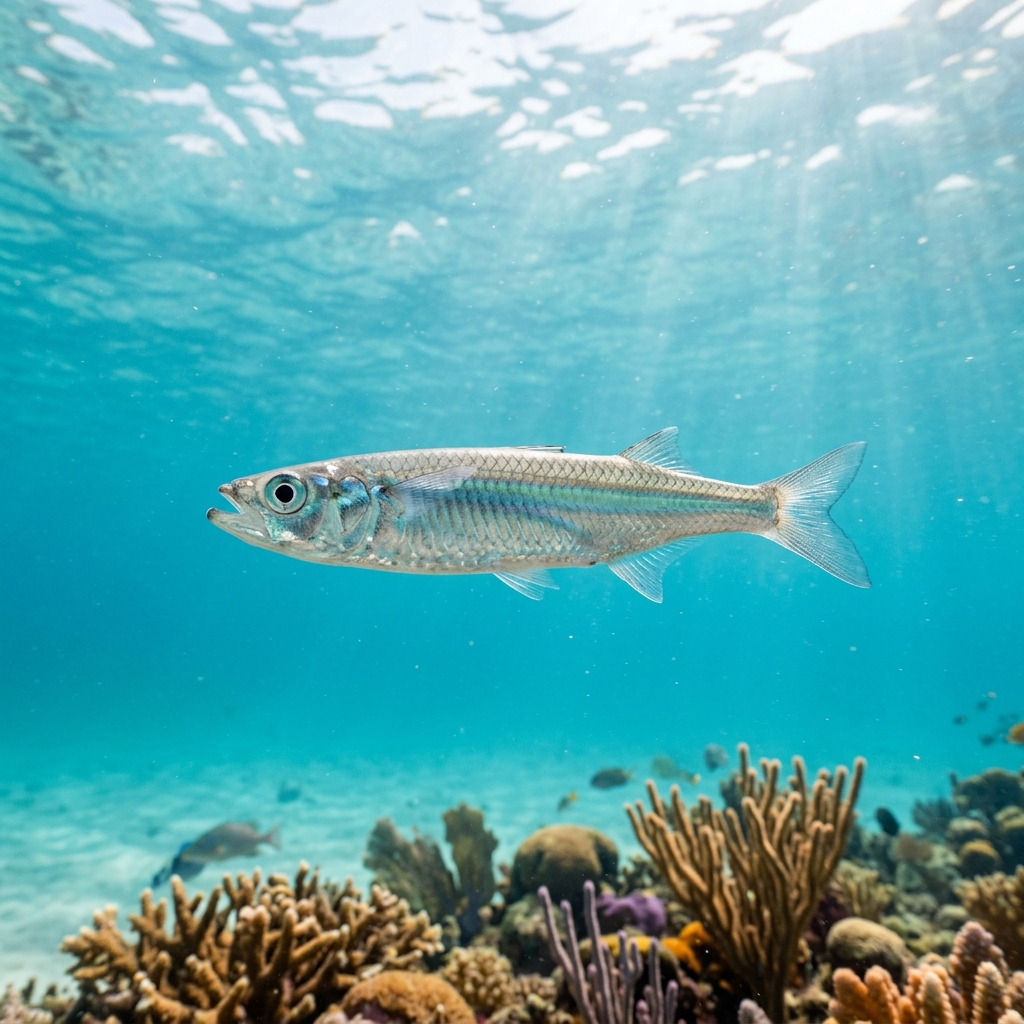
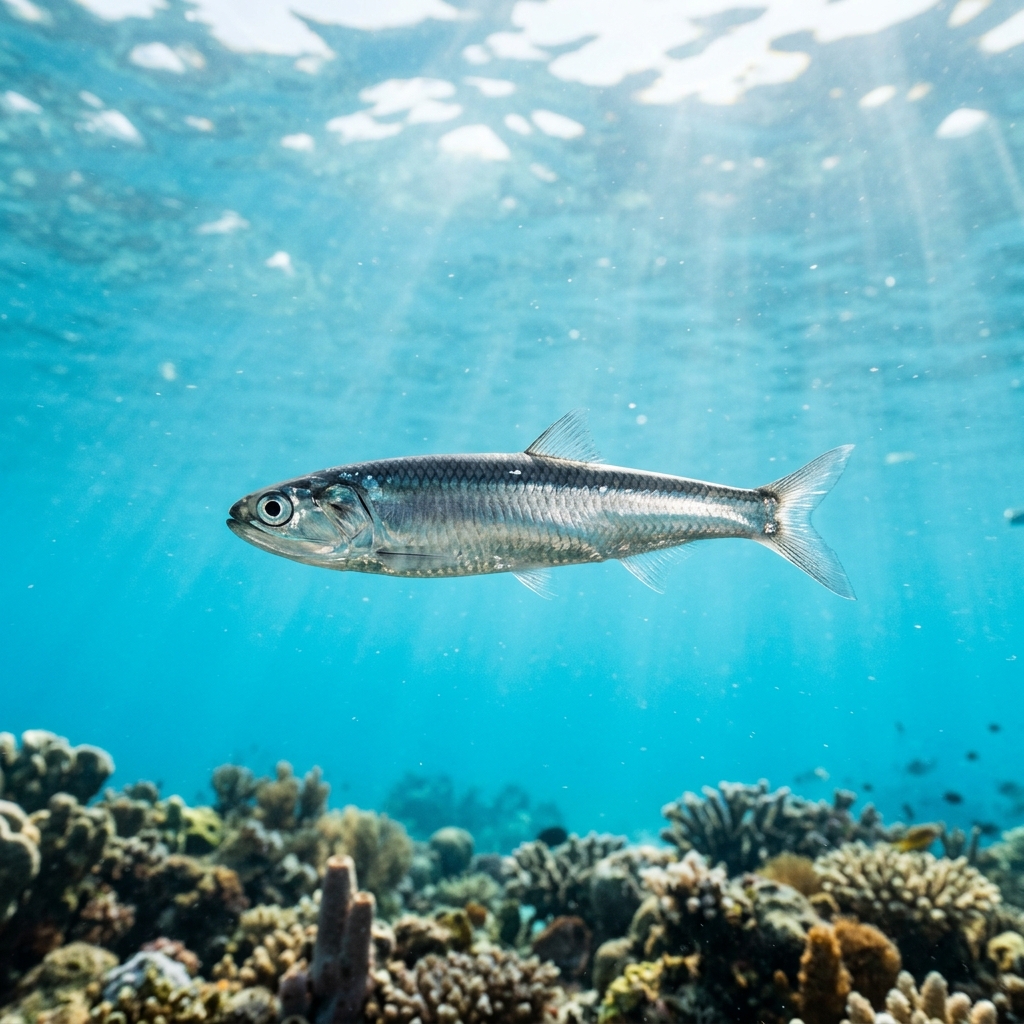
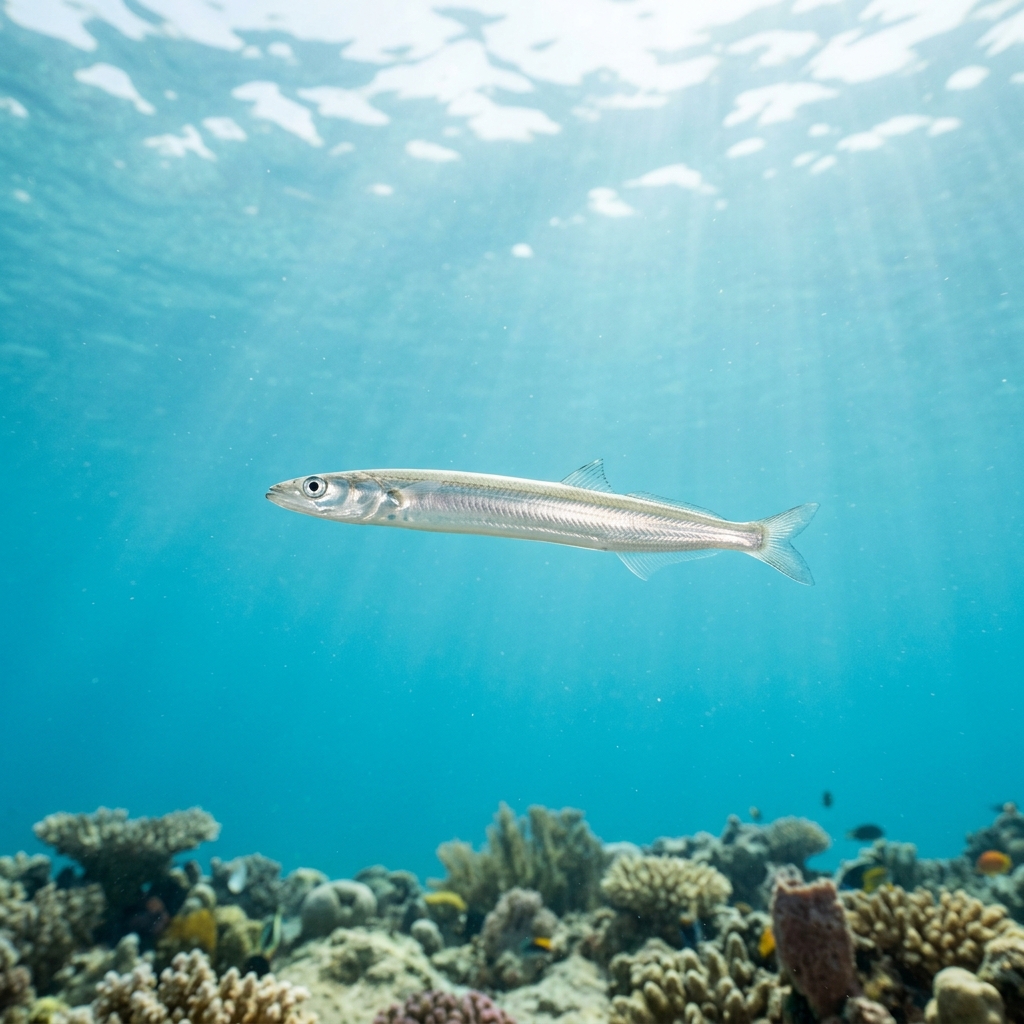
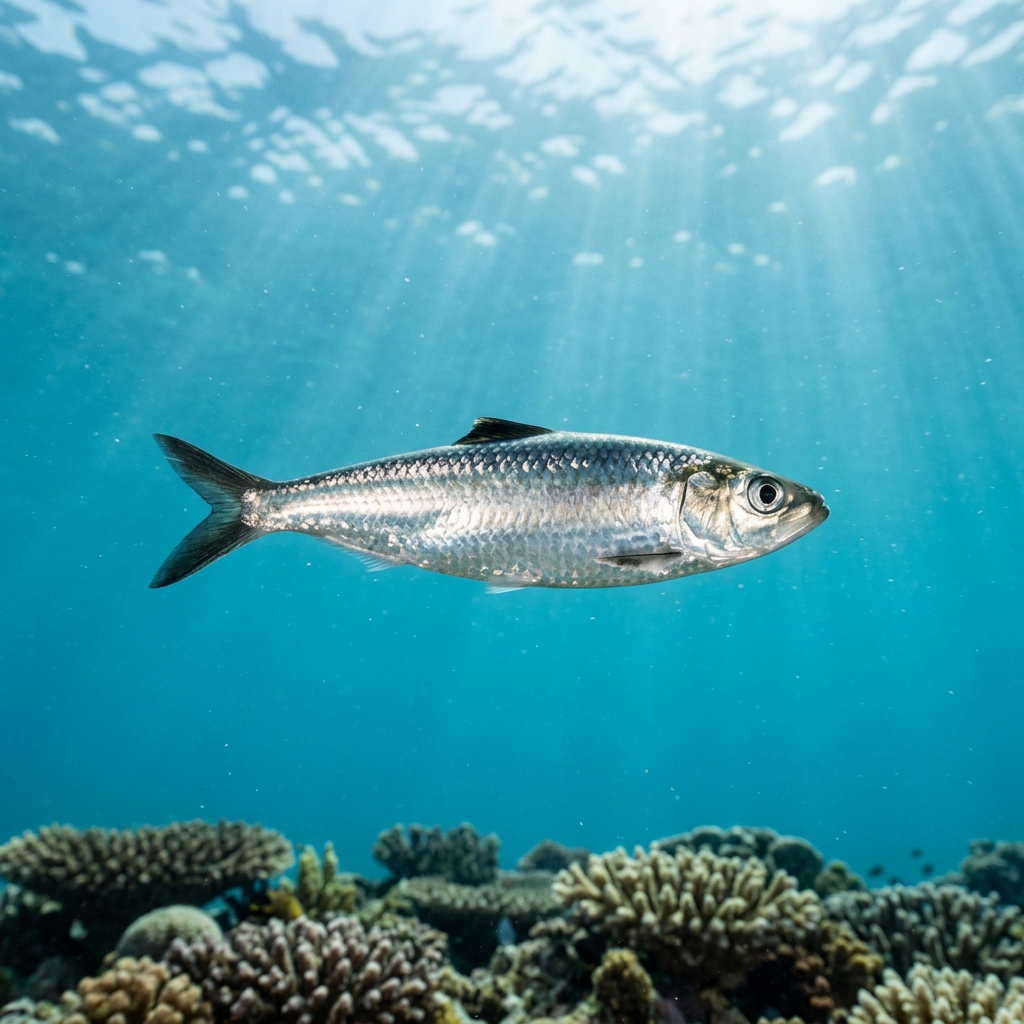
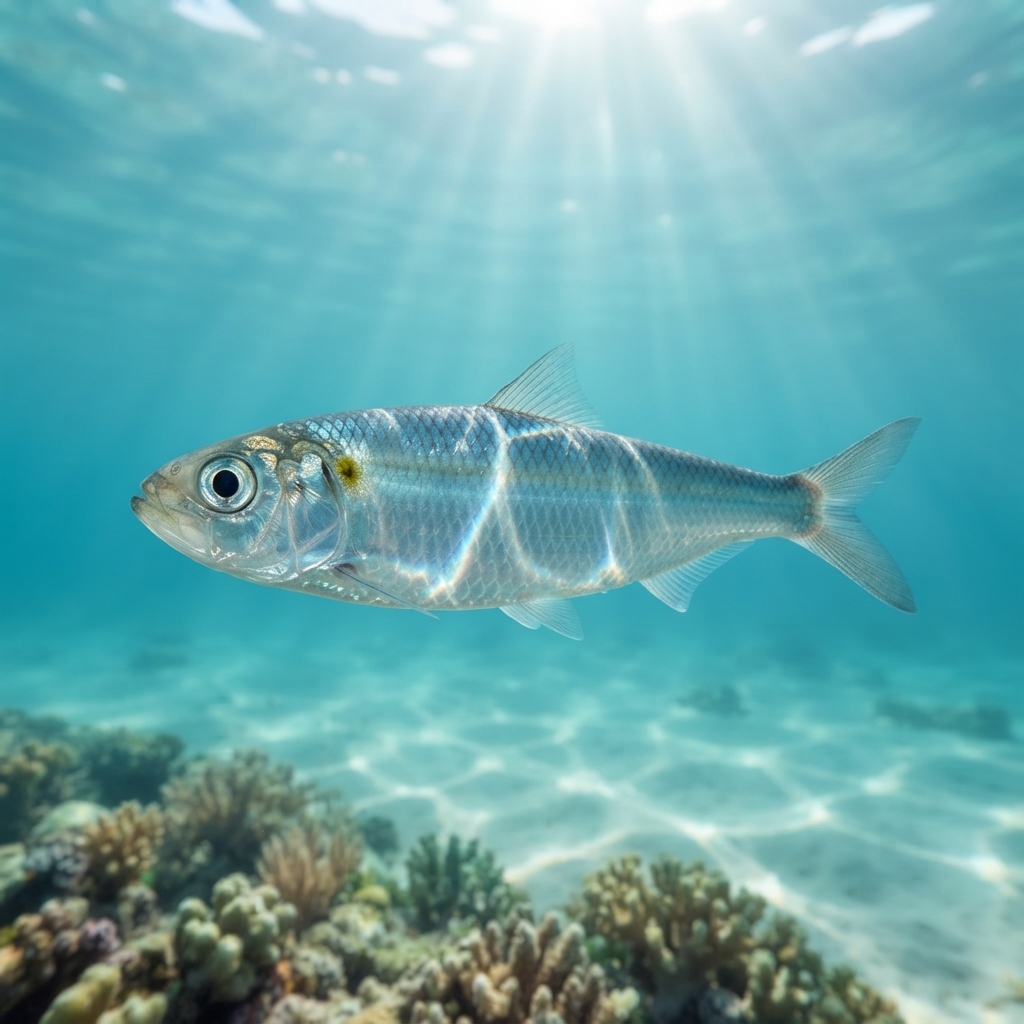
Slim, silvery baitfish around 18 cm long with a distinct pale blue stripe running along its flank from head to tail. The body is deep-bodied for a herring, flattened side to side, with a faint dark spot near the gill cover typical of the genus. Look for it moving in loose groups over open reef rather than tucked into structure.
Divers find it moving in small, loose schools over open reef rather than sheltering in crevices, typically in the water column above the substrate. It is an uncommon sighting even at the one site it is confirmed from, so treat any encounter as a bonus rather than a given. Like most small herrings it stays alert and will scatter or tighten formation if a diver approaches too fast.
Herrings like this one are classic forage fish, feeding on plankton in open water and in turn drawing in the predators, like jacks and smaller tunas, that divers actually come to a site to see.
No clear seasonal pattern shows up in the sighting data, and the water it is found in stays a steady 25 to 29 C, so it is a year-round possibility on Visayas reefs rather than a seasonal target.
Logged in the Philippines, specifically in the Visayas region, where it turns up on reef dives as part of the open-water baitfish scene. Data coverage is thin outside this area, but the species has a wide Indo-Pacific range, so it is worth watching for on similar reef terrain elsewhere in Southeast Asia and the West Pacific.
Mapping where Bluestripe Herring is logged…
The strongest logged sightings come from the Visayas region of the Philippines, where it appears on open reef over the water column. It has a broader Indo-Pacific range, so it may also turn up on comparable reefs elsewhere in the region.
There is no detected season in the sighting data, and it is found in consistently warm water between about 25 and 29 C, so it is a year-round possibility on tropical reefs rather than a seasonal event.
Look for a small, silvery, deep-bodied fish around 18 cm long with a pale blue stripe running along its side and a faint dark mark near the gill cover. It is usually seen moving in small loose groups over open reef rather than hiding in structure.
They typically reach around 18 cm in length, making them a small baitfish species rather than a large open-water fish.
No. They pose no threat to divers and are simply a small, harmless reef fish to watch or photograph.
As a forage species, it feeds on plankton in open water and often signals the presence of larger predators nearby, since jacks and small tuna frequently hunt schools like it.
Site and sighting data is aggregated from diver logs, iNaturalist and GBIF. For taxonomy and conservation status:
Anchovy
2,433 sites