Cirrhilabrus cyanopleura
Small, fast-moving wrasse most reliably logged around Sabah and Raja Ampat, thriving in warm 26-29C reef water year-round.
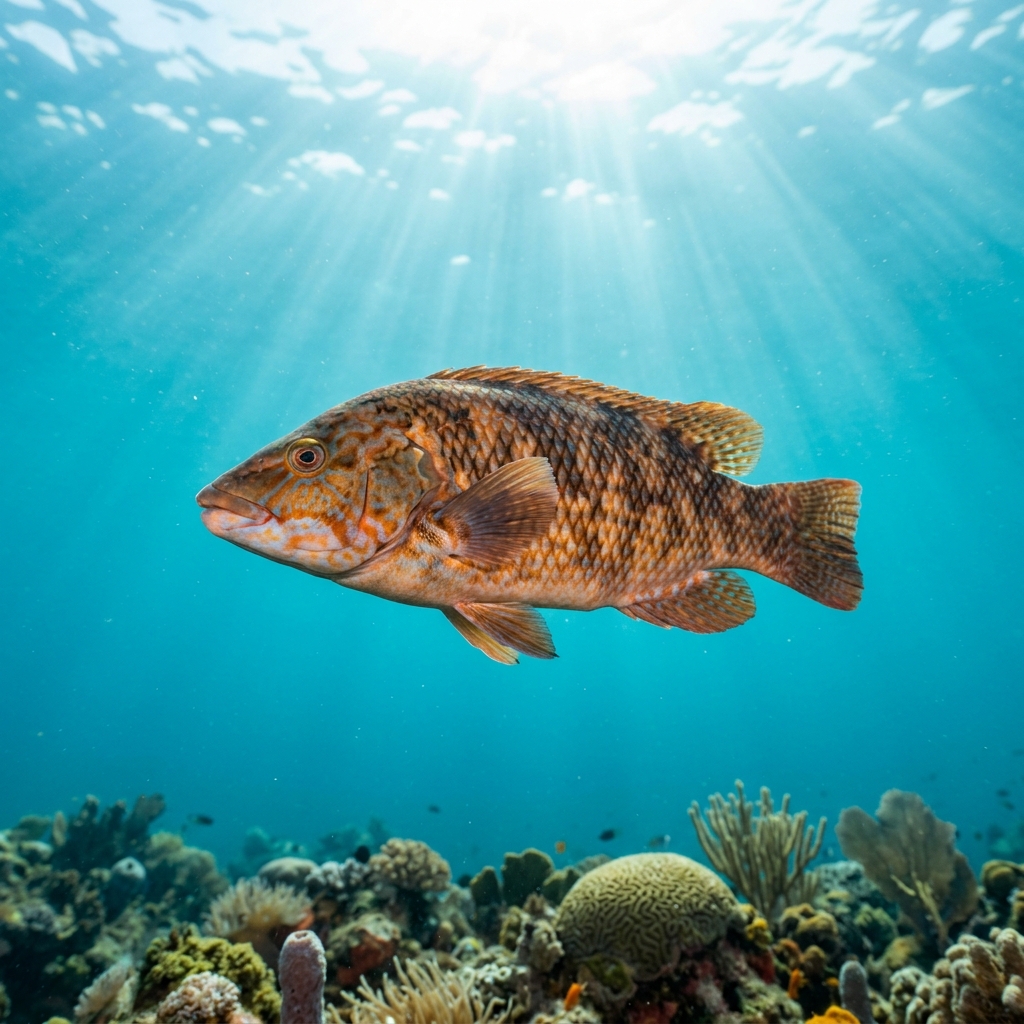
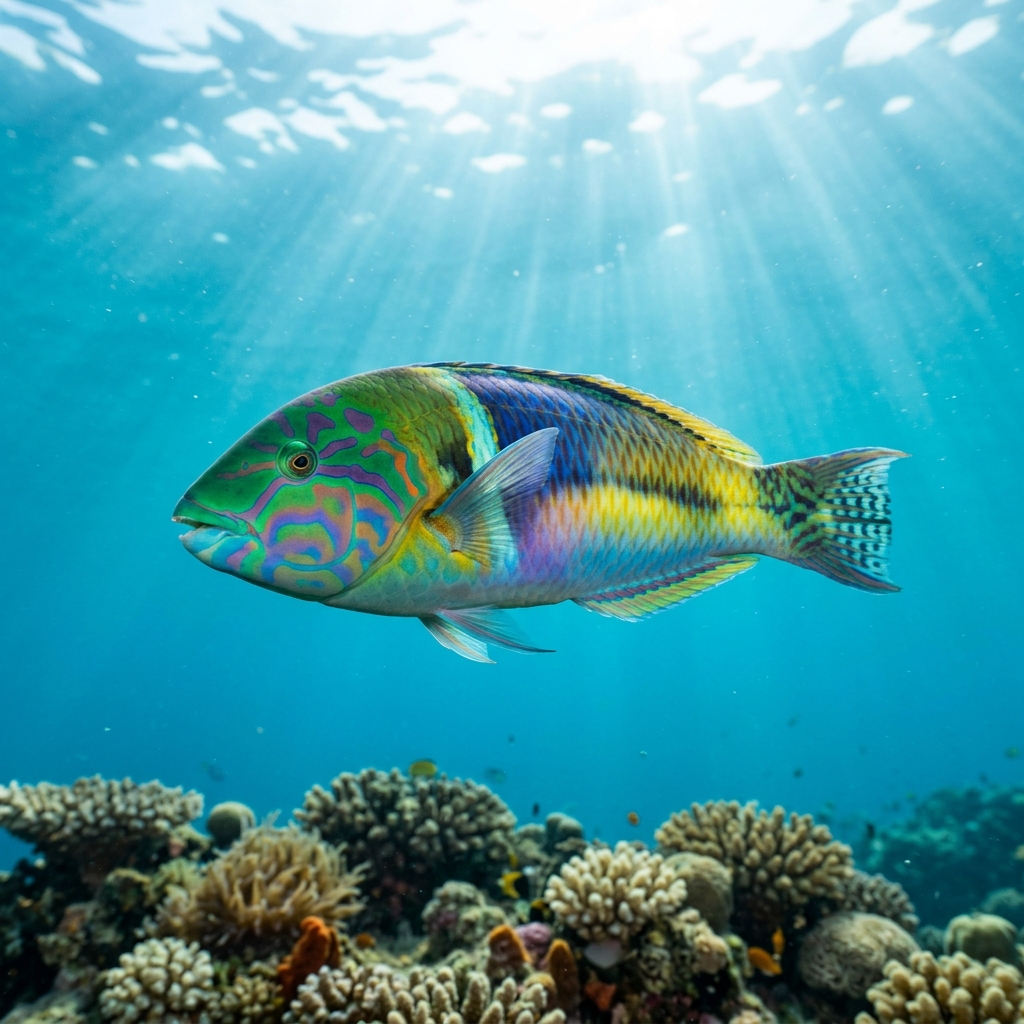
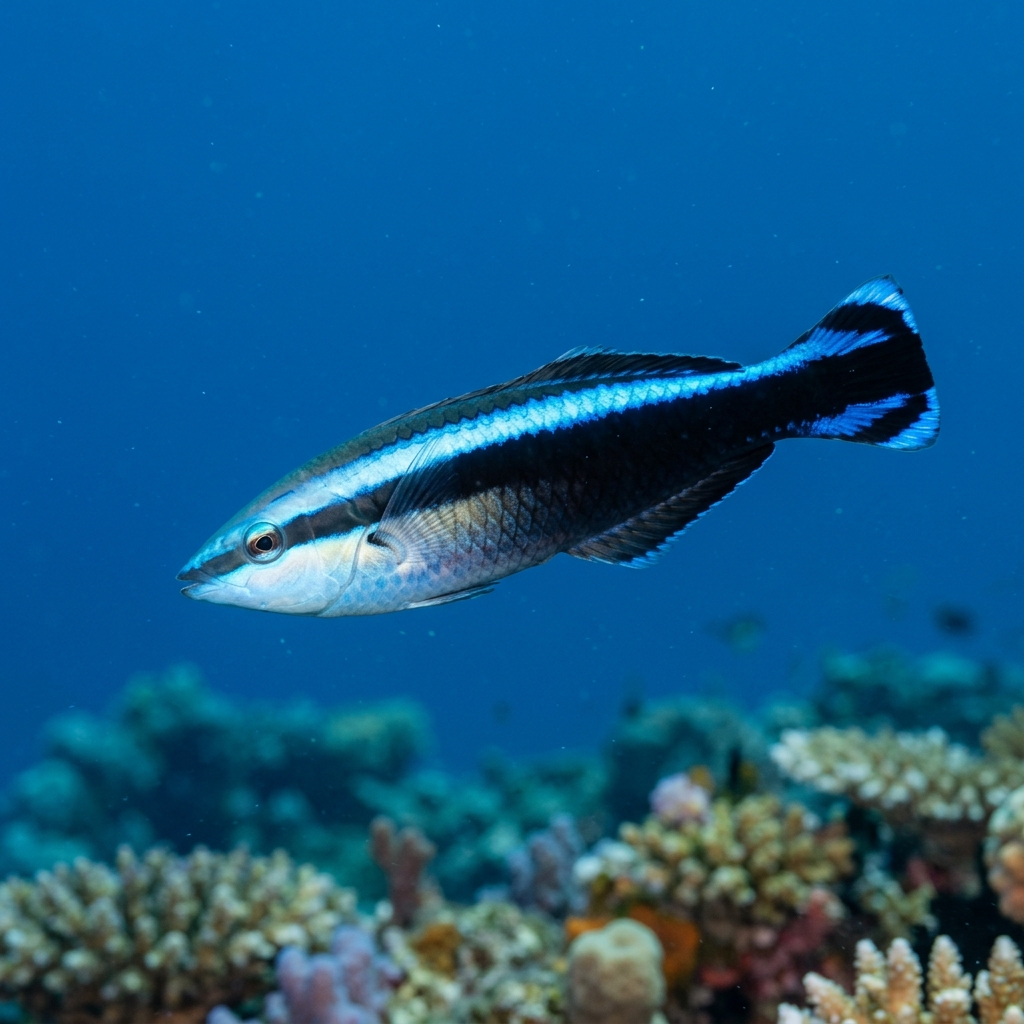
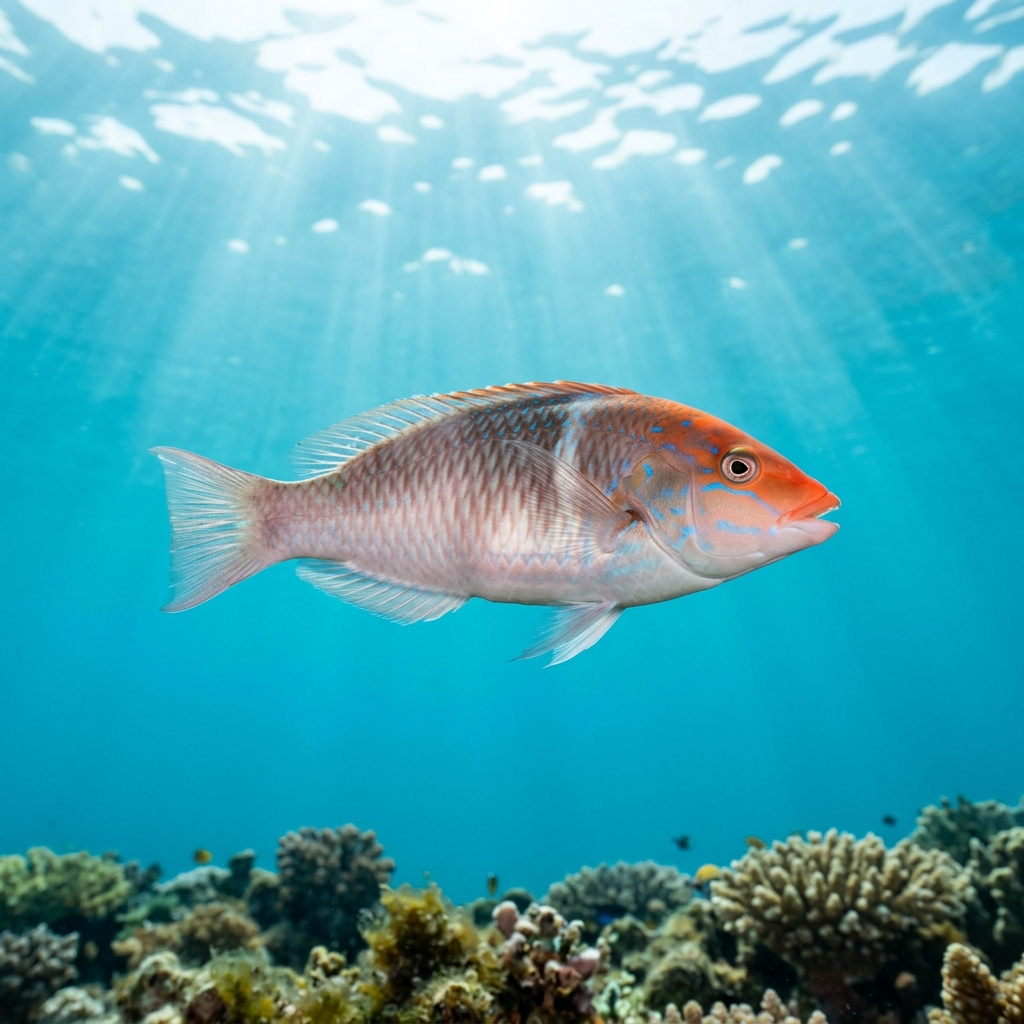
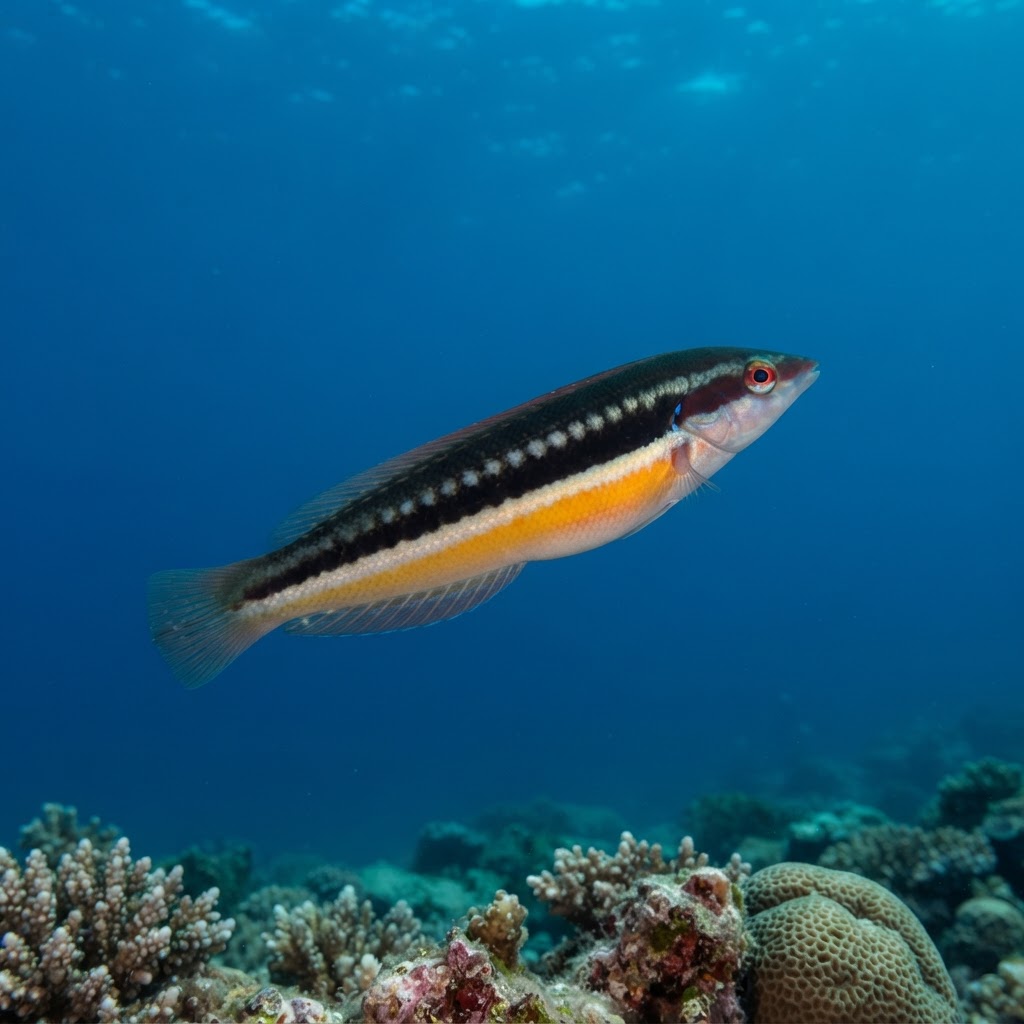
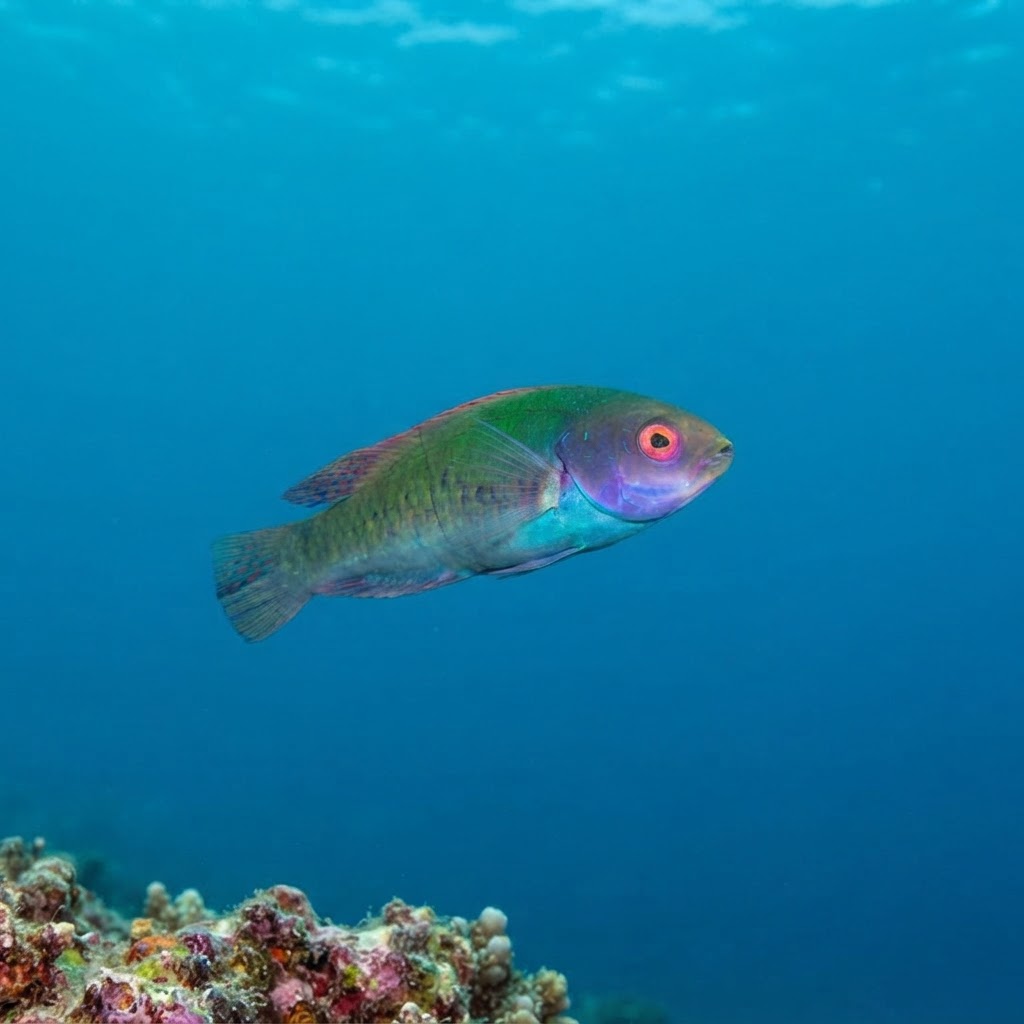
A slim, torpedo-shaped wrasse that tops out around 10 cm, easy to overlook among busier reef fish. Males flash a violet-blue streak along the upper flank against a pink to orange-red body, while females run plainer and paler, often a soft peach or tan with less contrast. Watch for the constant flicking swim style typical of fairy wrasses, darting a few centimetres above the reef then settling again.
Look for it hovering just off the substrate over rubble patches and lower reef slopes, picking at drifting plankton and small invertebrates rather than grazing hard structure. It keeps a low profile, more often logged as an uncommon extra on a dive than a headline sighting, and tends to dart for cover rather than approach divers. Males will patrol a loose patch of reef, occasionally flaring colour when displaying to females or rivals nearby.
Like other fairy wrasses in its genus, colour is a reliable sex signal here: the blue-flanked, pink-bodied fish you photograph is very likely a male, while duller individuals nearby are probably females sharing his patch of reef.
No clear seasonal pattern shows up in the sightings, and with a comfortable temperature range of 26.3 to 29.0C it holds station on tropical reefs all year. Plan around the region's general dive conditions rather than a specific month for this one.
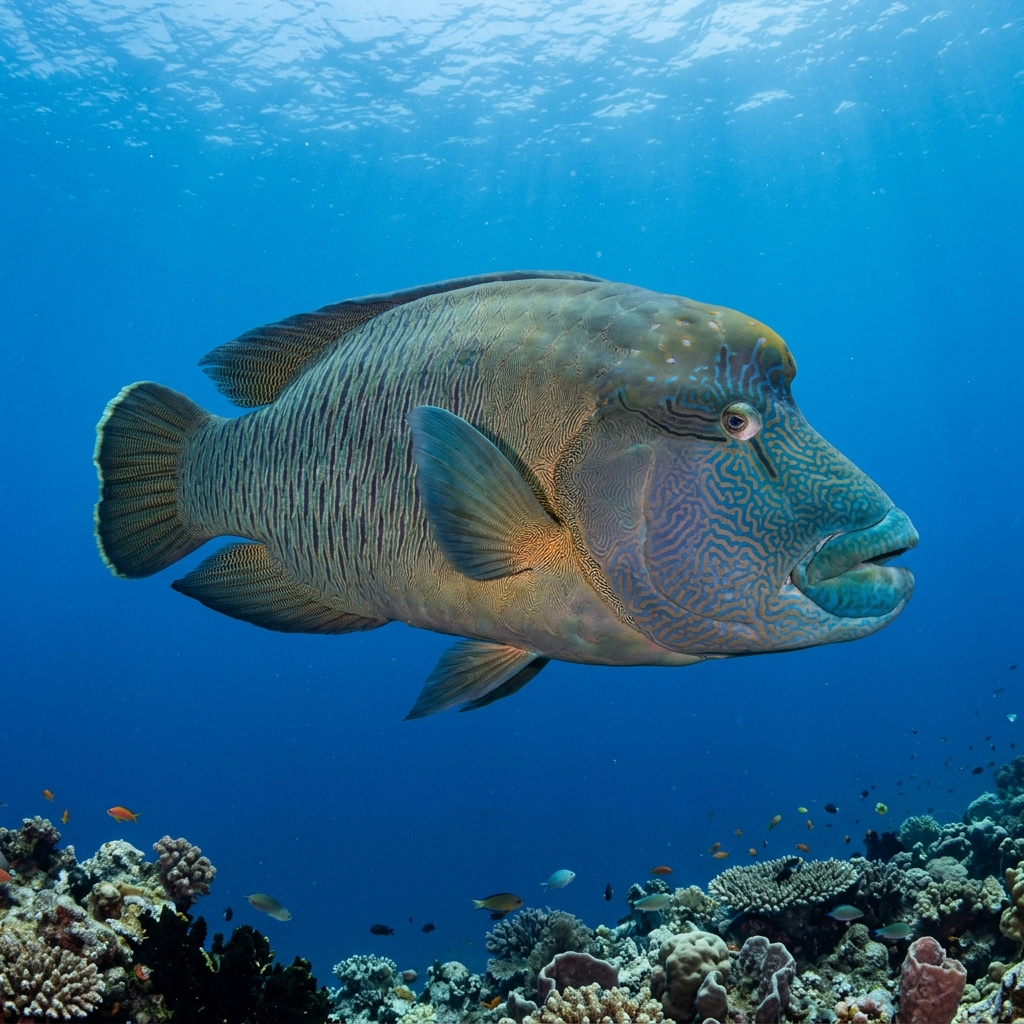
Reef neighbours a diver could mistake it for. Use the identification notes above to tell them apart.
Most consistently logged in Sabah, Malaysia, where it turns up across a large number of sites, and in Raja Ampat, Indonesia, another strong population centre. Sulawesi and Luzon in the Philippines also produce regular sightings, with occasional records from the Rock Islands in Palau and Koh Phi Phi in Thailand.
Mapping where Blueside Wrasse is logged…
Sabah in Malaysia and Raja Ampat in Indonesia are the strongest areas for sightings, with further records from Sulawesi and Luzon in the Philippines, and occasional logs in Palau's Rock Islands and Thailand's Koh Phi Phi.
There's no detected seasonal spike in sightings, and the species sits comfortably in 26 to 29C water year-round, so it's a reasonable sighting on any visit to its reef range rather than a seasonal target.
Look for a small, slender wrasse under 10 cm with a violet-blue stripe along the upper flank on a pink to orange-red body, flicking a few centimetres above rubble or reef slope. Females are plainer and less contrasted than the blue-flanked males.
They stay small, typically reaching around 10 cm as adults, which makes them easy to miss among larger reef fish.
No. They're a harmless, small planktivore with no history of aggression or venom risk to divers.
Colour differences usually mark sex rather than a different species: males show the blue flank stripe and richer pink-orange body, while females are paler and less patterned.
Site and sighting data is aggregated from diver logs, iNaturalist and GBIF. For taxonomy and conservation status:
Cleaver Wrasse
2,700 sites