Sebastes mystinus
Rare-to-uncommon on California reefs and cold Pacific Northwest walls, blue rockfish suit divers who like cool-water kelp forests over reef colour.
Safety warning
The spines carry venom and snap off easily in the skin. Do not touch it, and never rest a hand or knee on the reef near one; the spines drive in on the lightest contact.
If you're stung
Venomous spinesGeneral first-aid guidance, not a substitute for professional medical care. In an emergency, call your local emergency number.
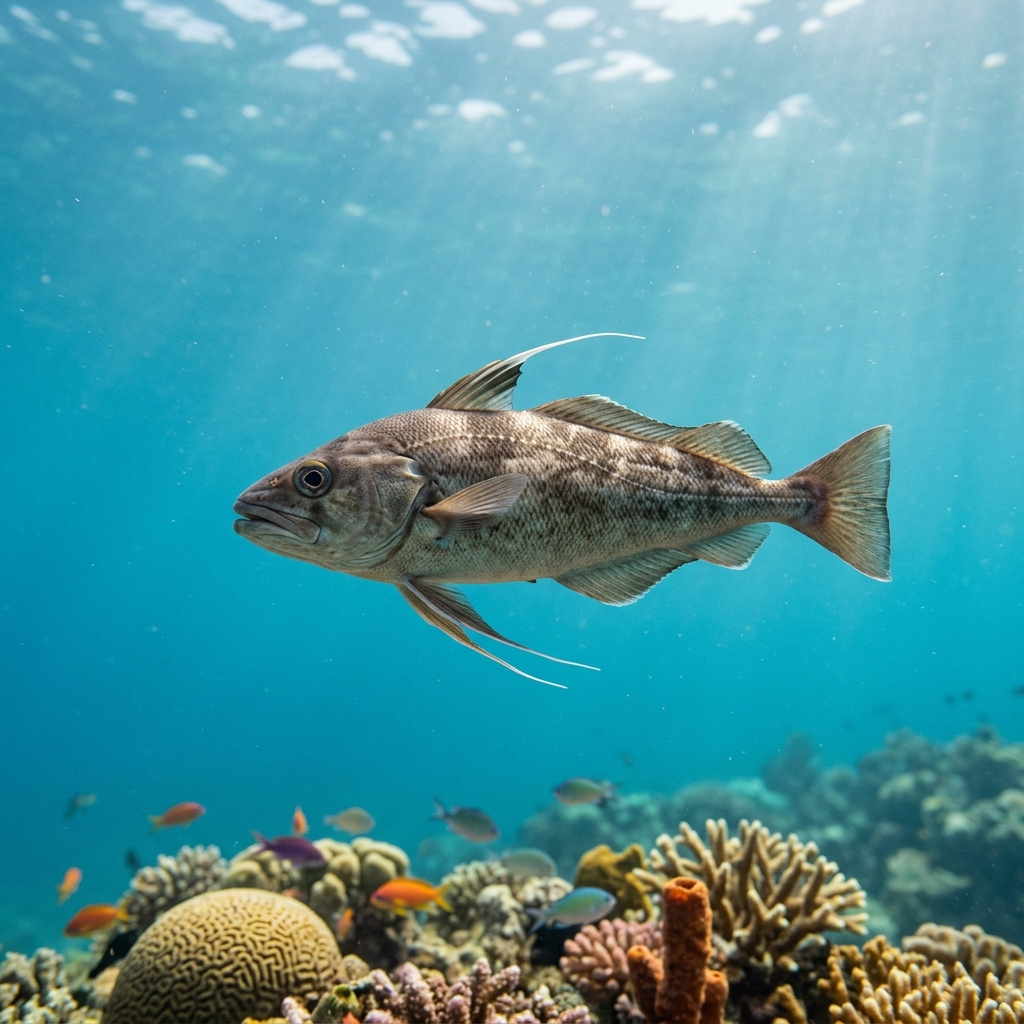
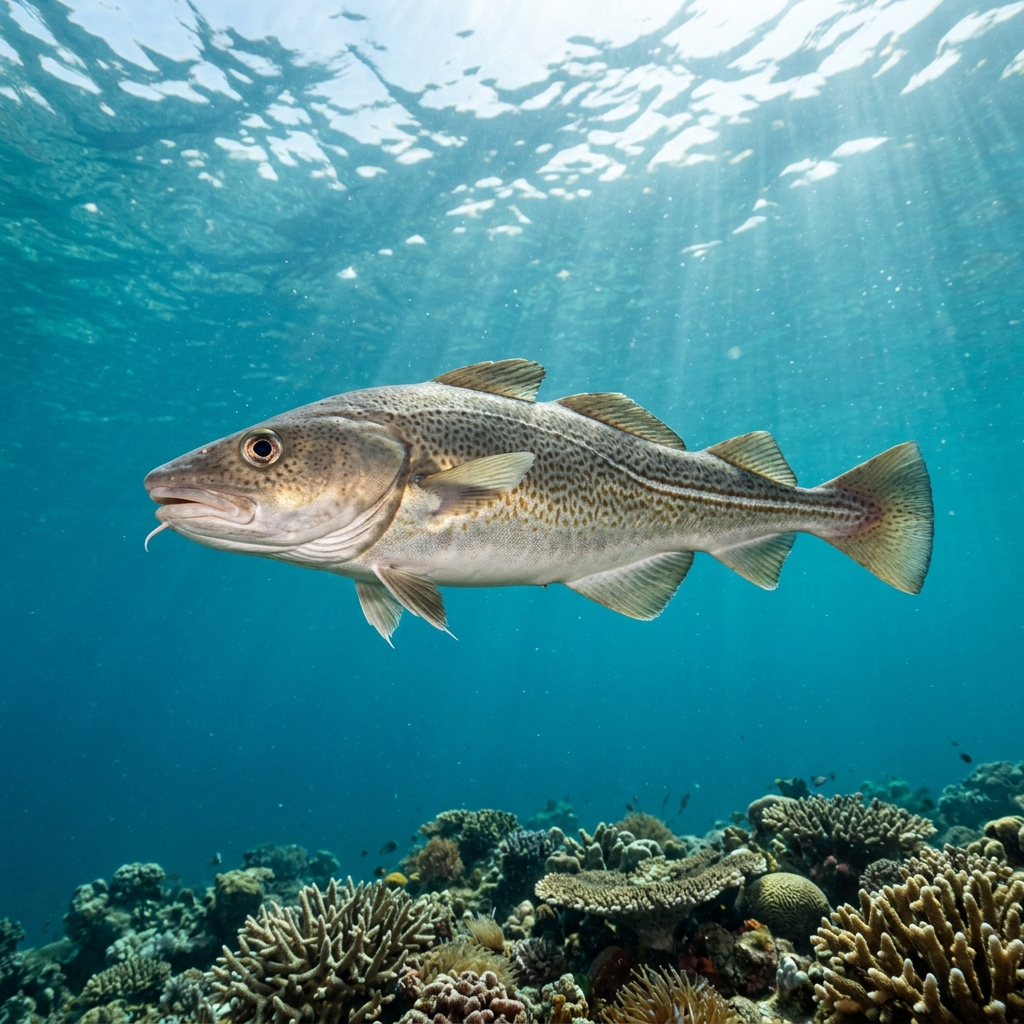
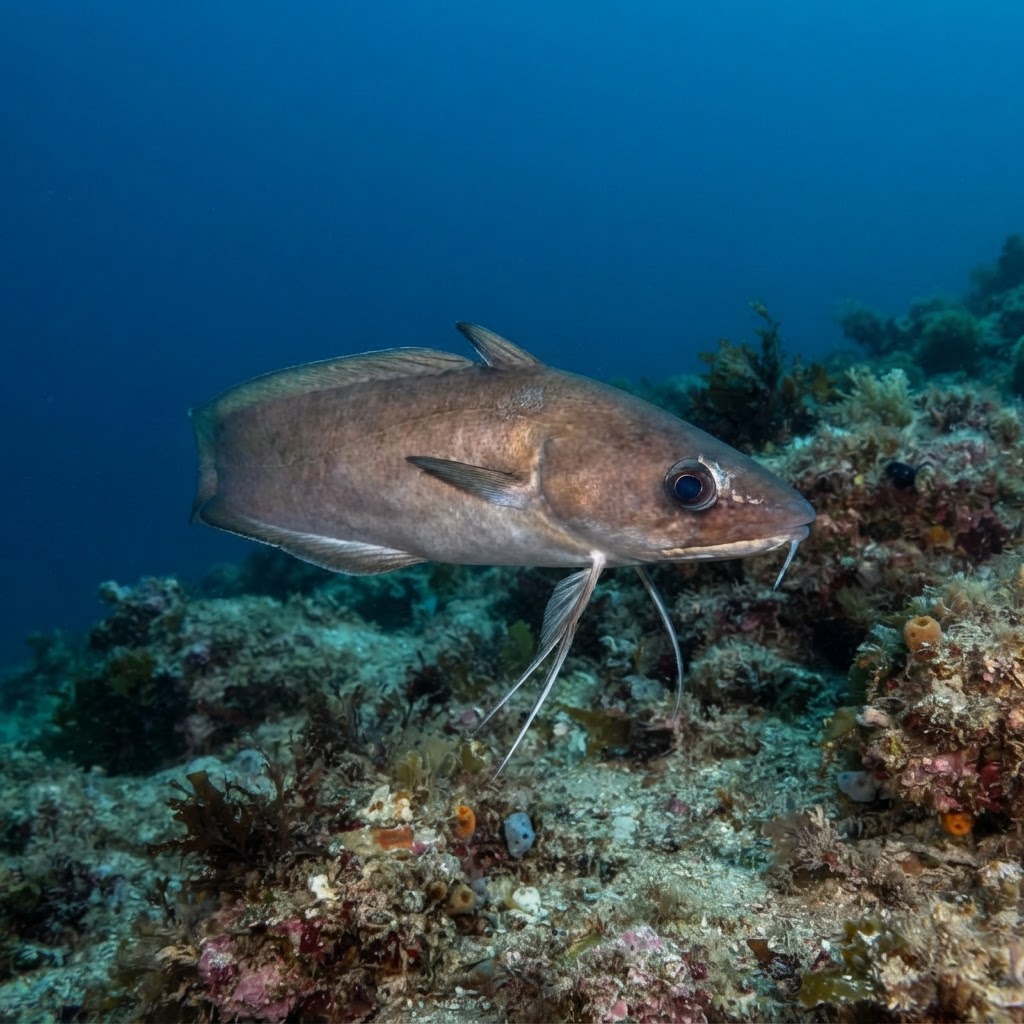
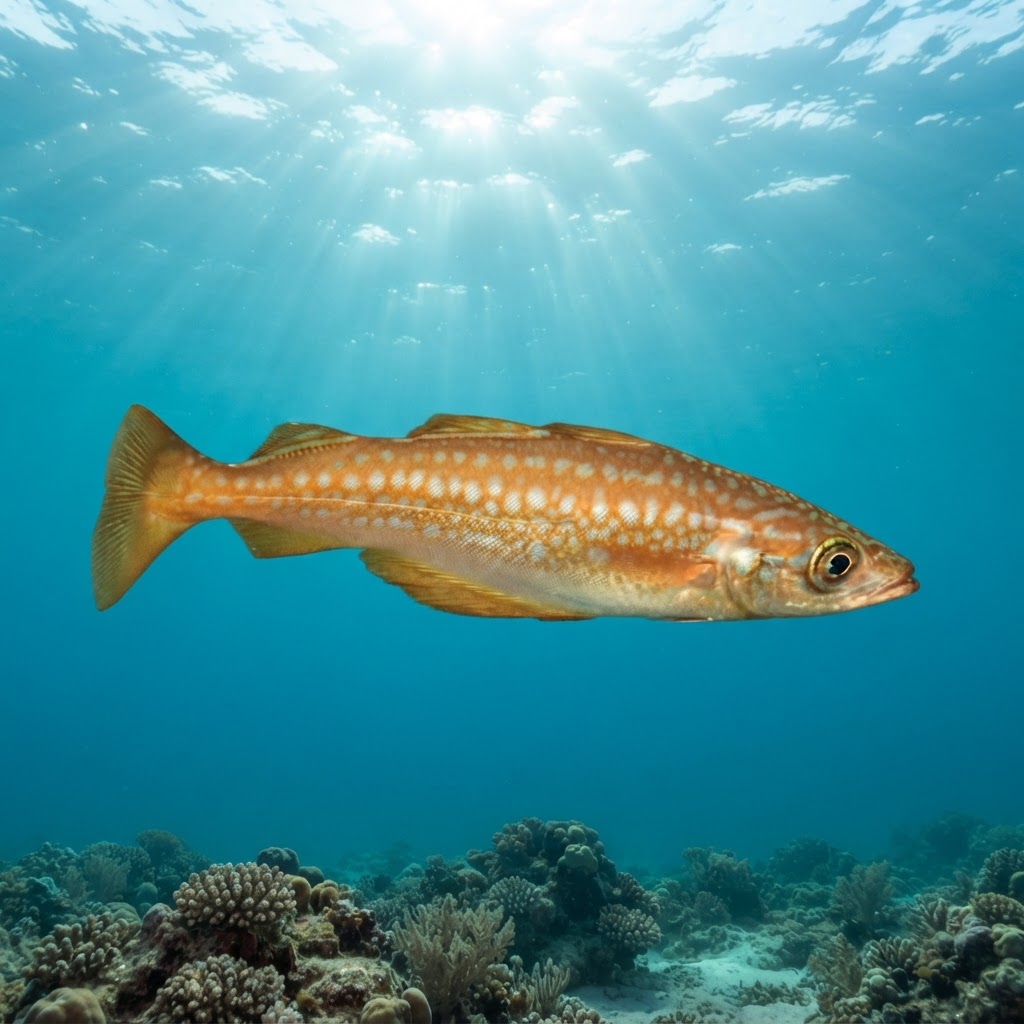
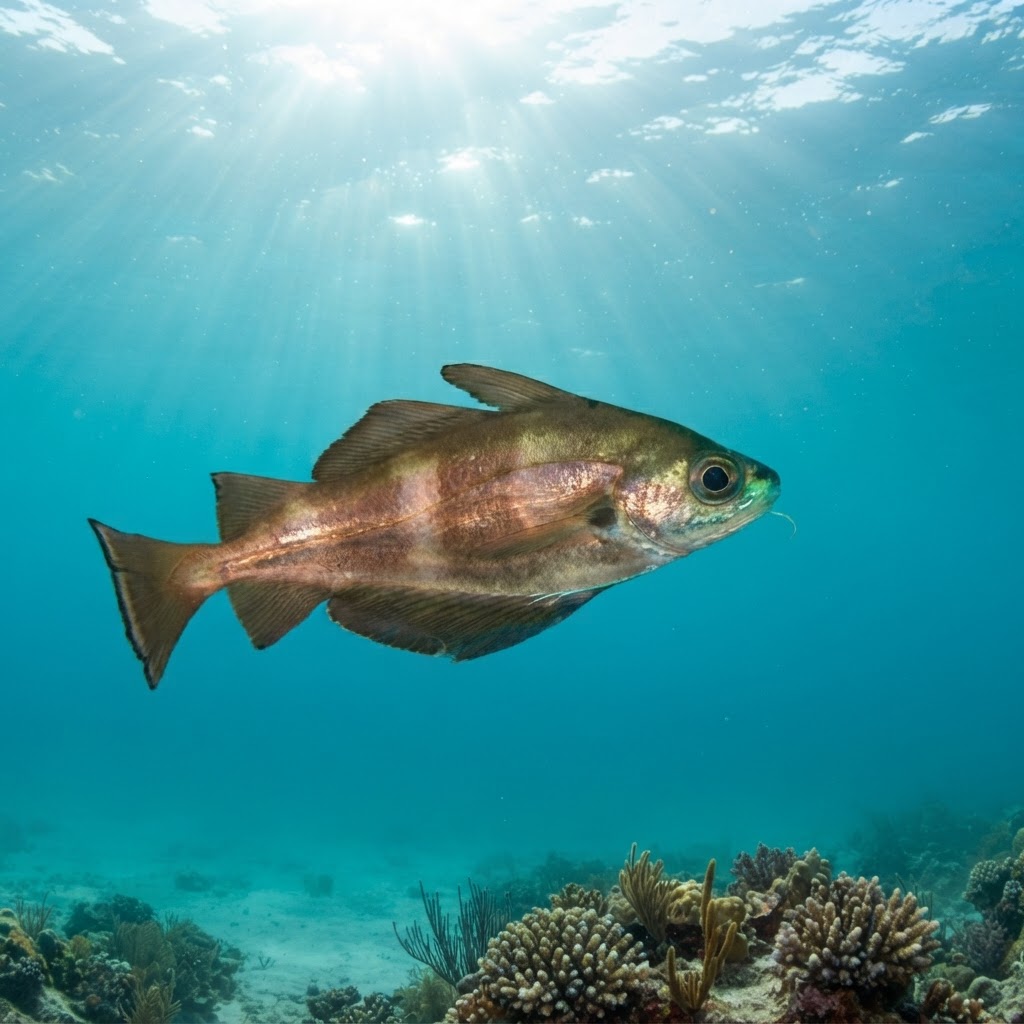
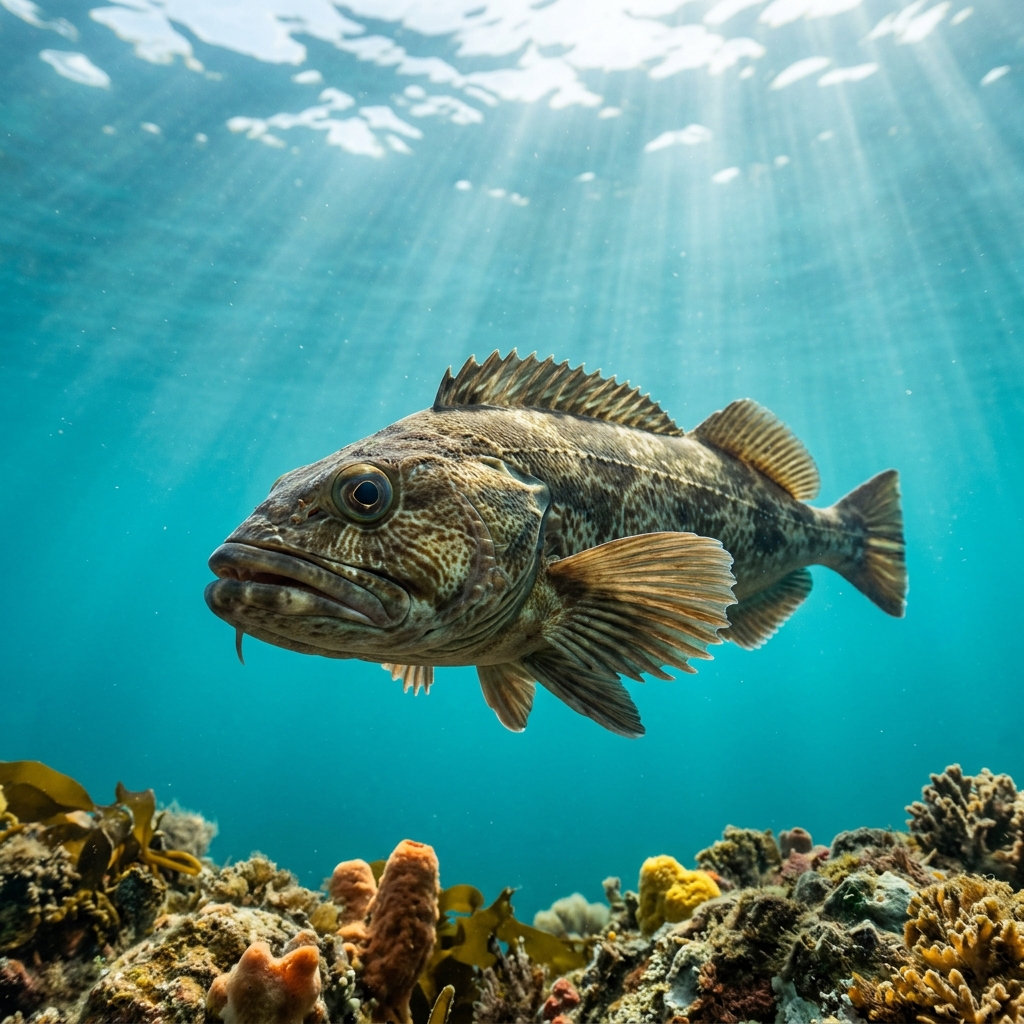
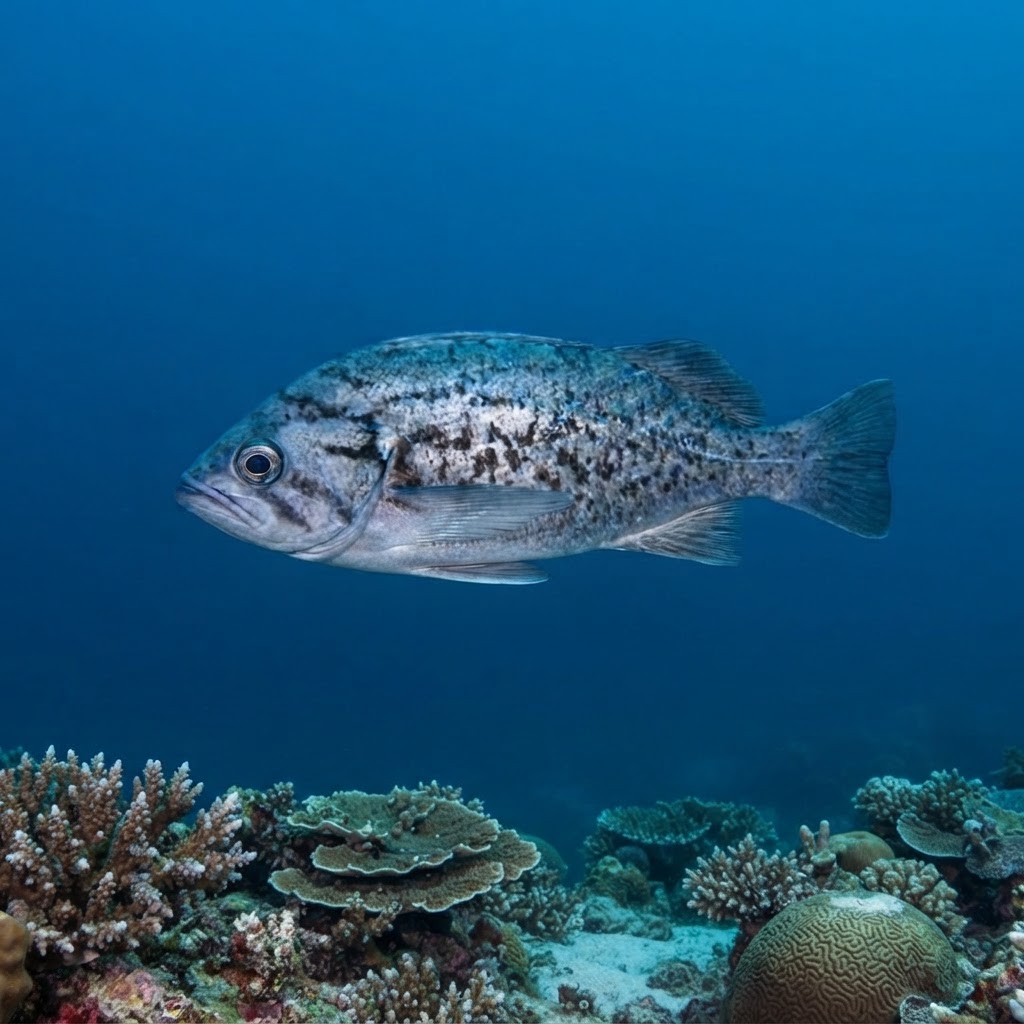
Look for a deep-bodied, slightly compressed fish up to about 42 cm, coloured dull blue-grey to slate with faint mottling and no bold stripes or spots. The head is large with big eyes and a spiny dorsal fin held low against the back rather than fanned up. It usually holds mid-water off rock or kelp structure rather than sitting flat on the bottom like many of its relatives.
Divers typically find blue rockfish hovering in loose groups off rocky ledges and kelp stalks rather than wedged into crevices, feeding on drifting plankton and small invertebrates in mid-water. They tend to hold a cautious distance and drift off slowly rather than bolt, so a slow approach along the reef gives the best look. Most sightings happen on daytime dives over rock reef structure rather than at night.
Rockfish in this genus give birth to live larvae rather than laying eggs, an unusual reproductive strategy for a reef fish that lets them release young directly into open water.
Sightings show no real seasonal pattern, and with a temperature niche running from near freezing up to about 8 C, this is a cold-water species you can look for year-round on the sites where it occurs.
Nearly all logged sightings come from the United States, with California carrying the bulk of them and a smaller scattering in the Pacific Northwest. Within California, kelp forest and rocky reef sites are where divers report it most, generally as a rare to uncommon find rather than a guaranteed one.
Mapping where Blue Rockfish is logged…
California is by far the strongest area, with sites scattered along its kelp forests and rocky reefs, and a smaller number of sightings further north in the Pacific Northwest.
There's no clear seasonal peak in the data, and given their cold-water tolerance down to near freezing, they're a year-round target on the sites where they're found.
Look for a slate-blue, deep-bodied fish around 40 cm holding in mid-water near rock or kelp, with a plain mottled colour and no bold markings, distinguishing it from more patterned scorpionfish relatives.
They typically reach around 42 cm, making them a medium-sized member of the rockfish family seen on temperate reefs.
No, they're not considered dangerous to divers, though like other scorpionfish family members they carry venomous spines and shouldn't be handled.
Unlike most reef fish, they give birth to live young rather than laying eggs, releasing larvae directly into open water rather than depositing eggs on the reef.
Site and sighting data is aggregated from diver logs, iNaturalist and GBIF. For taxonomy and conservation status:
Pollack
282 sites