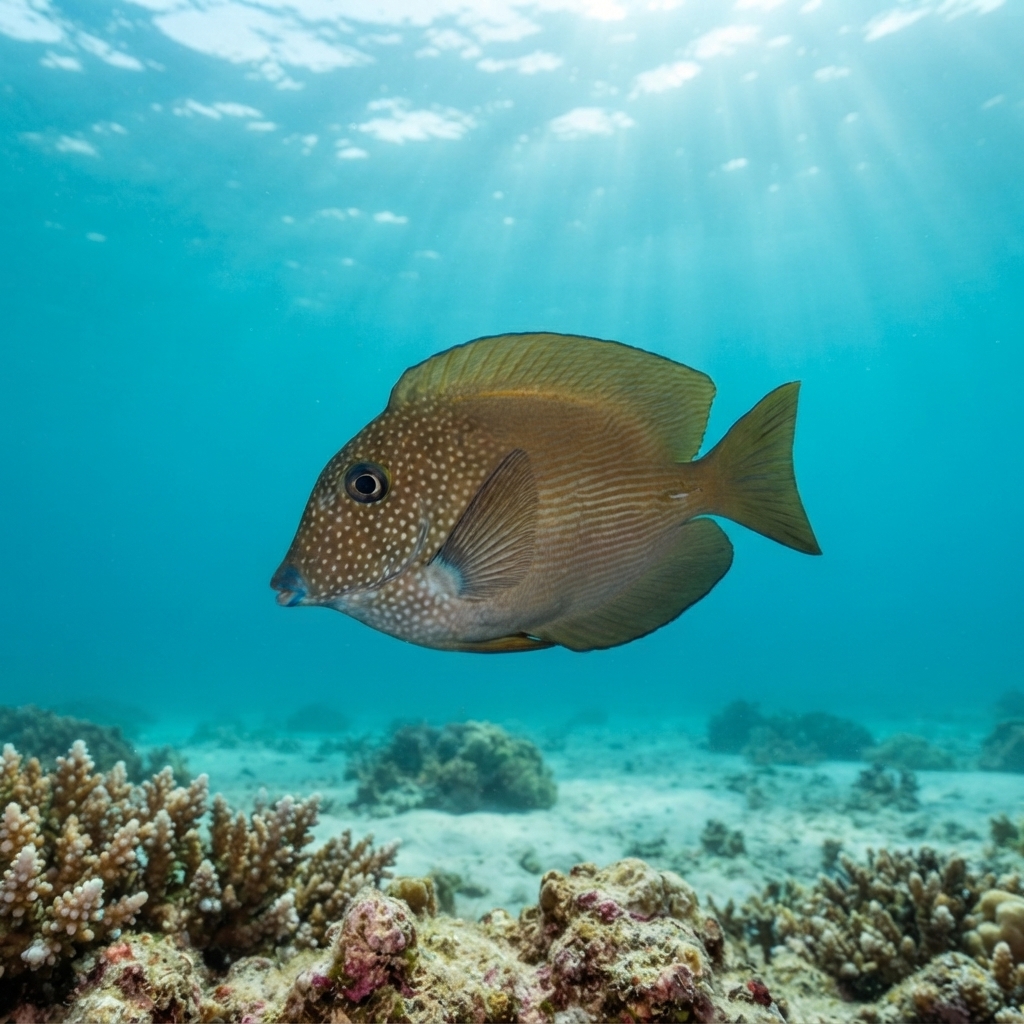
Ctenochaetus cyanocheilus
Spot this small grazing surgeonfish across the Visayas, Sulawesi and Niue in warm 25-29C reef water, year-round.
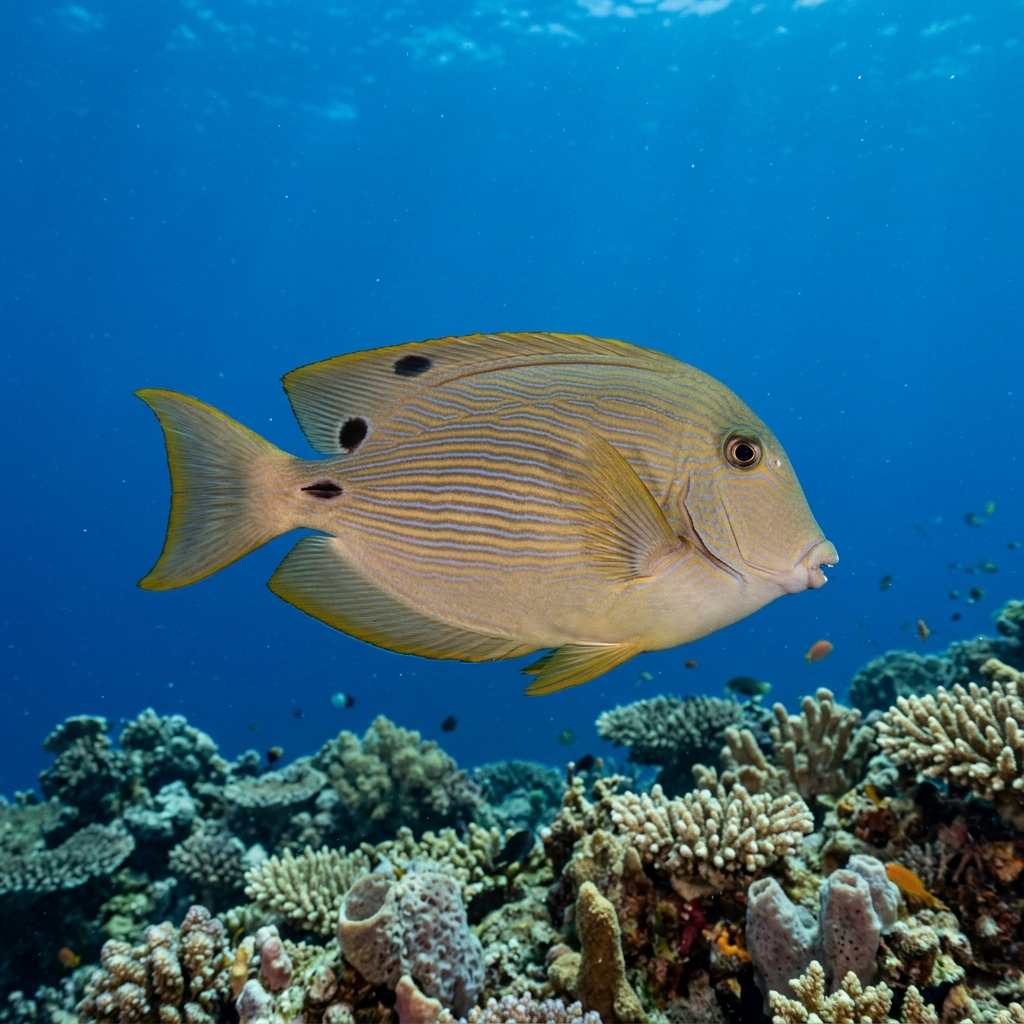
A small, oval-bodied surgeonfish around 11 cm, greyish-brown overall with fine orange-yellow speckling scattered across the flanks. The giveaway is the thin pale blue line tracing the edge of the lips, which shows clearly at close range against the darker mouth. Like other bristletooth species it has a small mouth built for grazing rather than the deep-bodied profile of larger tangs.
Look for it low on the reef, picking at algae-covered rock and rubble with quick, fussy bites rather than cruising open water. It tends to stay close to cover and is easily outnumbered by other surgeonfish in a mixed grazing group, so divers often notice it only once they slow down and check the smaller fish in the crowd. Uncommon rather than rare at most sites, it rewards a careful look rather than a lucky encounter.
Bristletooth surgeonfish get their name from the fine, comb-like teeth they use to scrape algae and detritus off rock and dead coral, a grazing habit that helps keep reef surfaces clear for coral larvae to settle.
No clear seasonal pattern shows up in the sighting data, and it sits comfortably in water from 25 to 29C, so it is a year-round find on the reefs where it occurs.
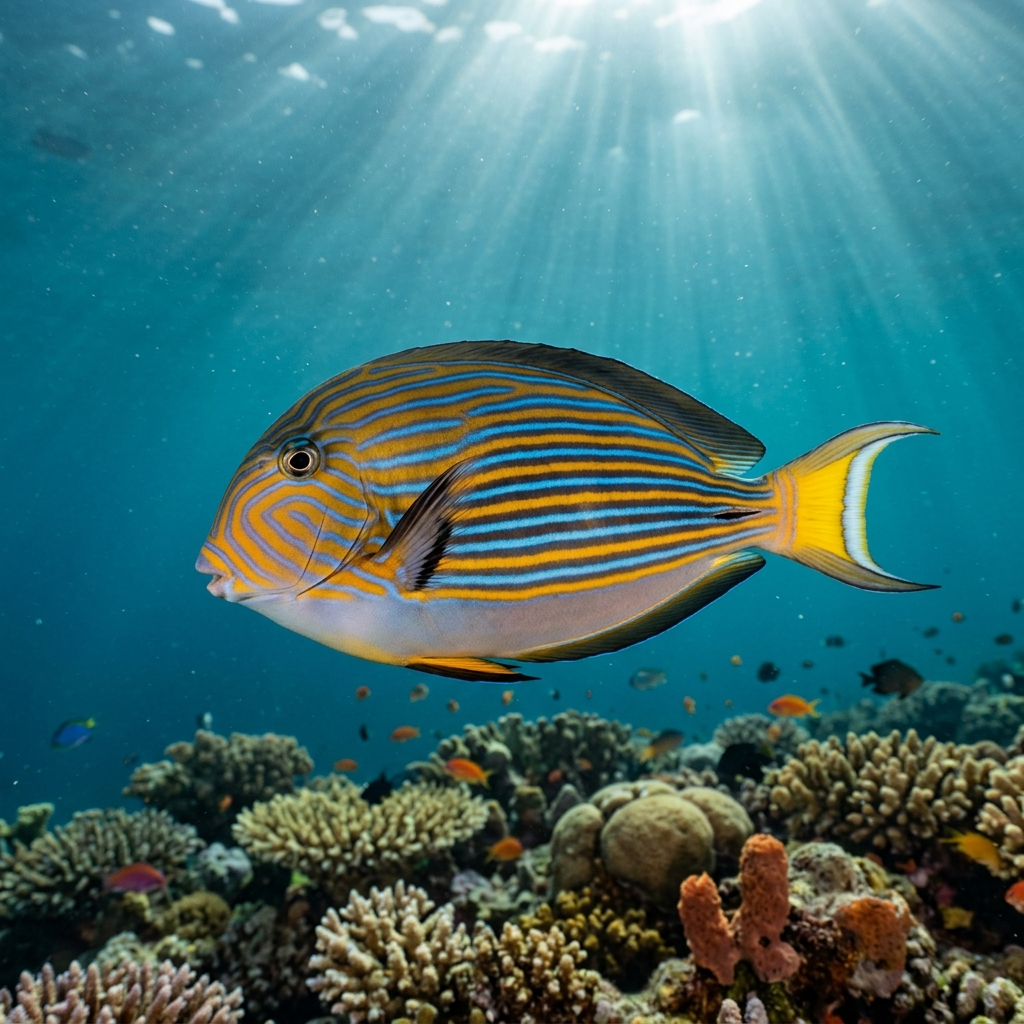
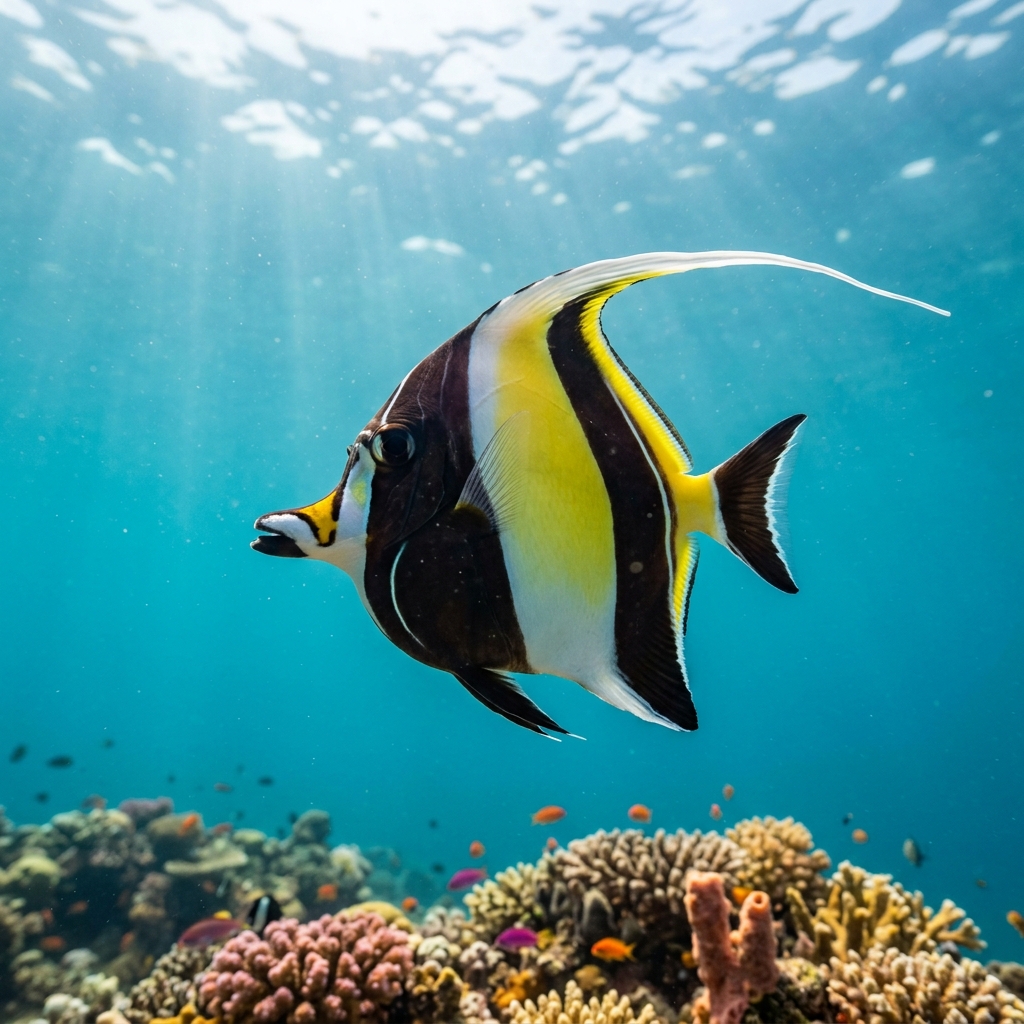
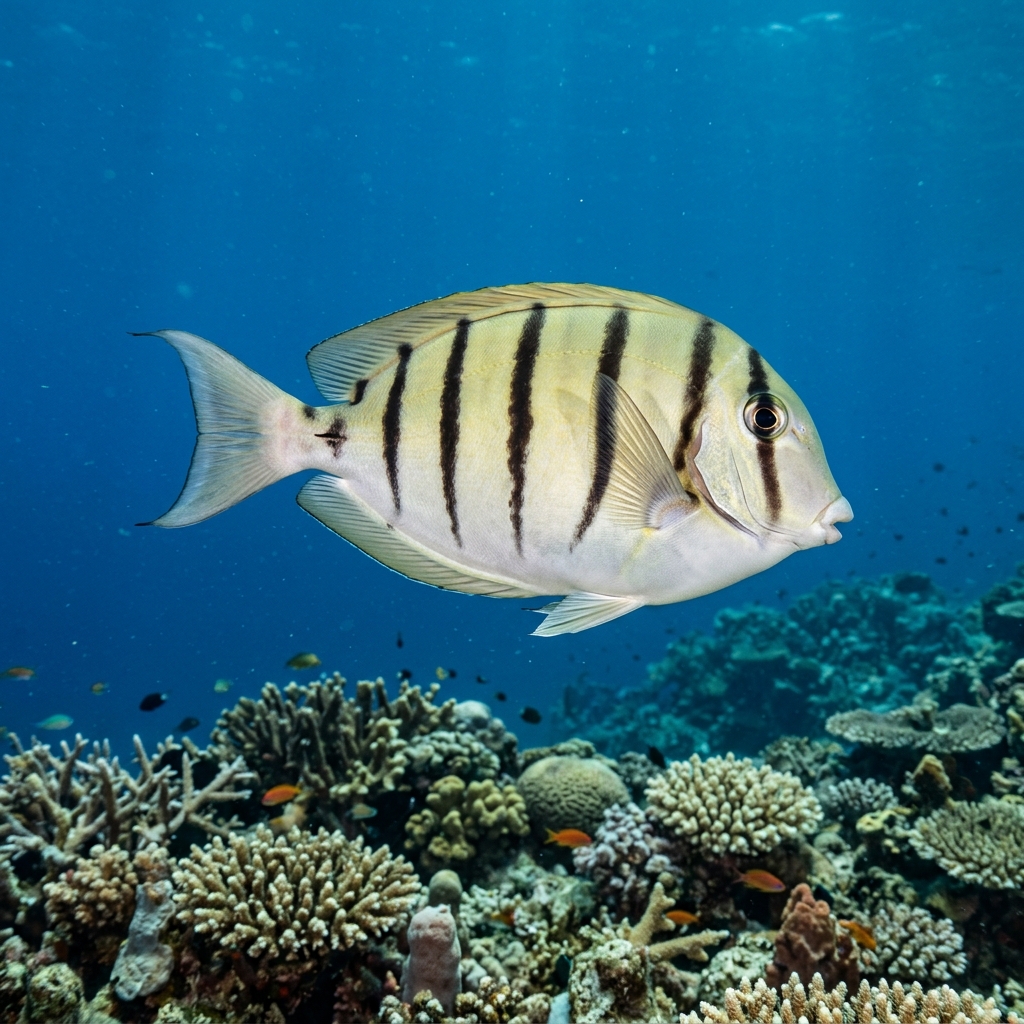
Reef neighbours a diver could mistake it for. Use the identification notes above to tell them apart.
Most reliably logged in the Philippines, especially across the Visayas, with strong numbers also coming out of Sulawesi in Indonesia. Niue and Saipan in the Northern Mariana Islands both produce steady sightings too, with occasional logs from Timor-Leste, Fiji and the Marshall Islands rounding out its Pacific spread.
Mapping where Blue-lipped Bristletooth is logged…
The Visayas in the Philippines is the strongest area, with Sulawesi in Indonesia, Niue and Saipan in the Northern Mariana Islands also producing regular sightings.
There is no strong season in the sighting data, and it lives in warm 25 to 29C reef water year-round, so any time of year works.
Check for a small, greyish-brown surgeonfish with orange speckling and a thin pale blue line along the lips, usually seen grazing low on rock or rubble.
They stay small, reaching around 11 cm, which makes them easy to overlook among larger surgeonfish on the reef.
No, they pose no threat to divers and simply go about grazing algae off the reef surface when approached.
Site and sighting data is aggregated from diver logs, iNaturalist and GBIF. For taxonomy and conservation status:
Striped Surgeonfish
3,289 sites